Put simply… successful natural regeneration of native eucalypt forests often came down the three S’…
Seed… Seedbed… and Season…
Seed collection, extraction and storage to support regeneration after logging was always a big drain on the District budget.
Seed collection was also subject to the vagaries of the flowering cycle and some commercial eucalypt species only produced a bumper crop every few years.
In late summer through to autumn, after the trees has set seed, branches were cut and collected in the field and transported in large wool bales, or on the back of trucks.
The seed capsules and branchlets were usually placed on large wire framed drying racks or on sheets of corrugated iron to extract the seed. This job was very labour intensive.
In 1971, Noel Fraser, a FCV Overseer from Omeo, developed the now common rotary drum seed extractor.
Seed capsules were heated inside the metal drum and gently tumbled. It was found that the extraction time for alpine ash (E. delagatensis) seed could be reduced to about 36 hours. It was a lot less reliant on warm weather and significantly reduced handling. The losses of seed compared to air-drying were also reduced.
A full drum of branches and capsules of alpine ash yielded about 20 pounds of seed or enough for about 20 acres of regeneration.
Seed was then stored in a cool dry place, ready for use.
Encouraging and supporting innovation was a key feature of the Forests Commission.
Victorian Forester & VSFA Newsletter No 30. May 1972
Seed capsules and branchlets (mountain ash)Collecting seed capsules in the bush with secateurs. Photo: FCRPA Collection.Capsules were sometimes transports on a tipper. FCRPA CollectionBales of seed capsules ready for extraction. Careful records needed to be kept protecting seed provenance. Photo: Peter McHugh 2010Drying racks to extract seeds from capsules were used before the development of rotating seed kilns in the 1970s. Source: FCRPA Collection.Green Gold – tiny seeds power-packed with magical DNA. About 1 kg per hectare is enough to grow a new forest of 300 feet tall alpine ash when sown onto a receptive ash seedbed. Photo: DELWP Gippsland.
Forest Overseer, Noel Fraser developed the prototype rotation seed kiln at Swifts Creek in 1971. Source: FCRPA Collection.
Seed banks can be kept for decades under controlled moisture and refrigerated conditions. Photo: Peter McHugh 2010.Modern rotating seed kiln at Mansfield. Photo: Peter McHugh 2010.
The Forests Commission was not the only State Government organisation growing seedlings.
The State Rivers and Water Supply Commission was established under the Water Act (1905) as a single and independent authority to coordinate and manage the State’s rural water resources.
The SR&WSC had a nursery at Lysterfield. These photos were taken in 1958 and come from the State Library of Victoria’s collection.
And just like the Forests Commission, the SR&WSC was abolished in 1984, and its responsibilities taken over by other water authorities like southern rural water.
Catchment Management Authorities (CMAs) were formed in 1994 and assumed the lead in Landcare, waterway protection and soil conservation.
The first State forests nursery was established by William Ferguson at Macedon in 1872, while another was opened shortly after by John La Gerche at Creswick in 1887. Their main purpose was to grow trees to stabilise land damaged by gold mining.
The Royal Commission of 1897-1901 into the destruction and wastage of Victoria’s forests also identified the importance of protecting soils and forested water catchments.
In 1917, an Erosion Inquiry Committee was formed by the Minister for Public Works, but little seemed to come from its deliberations.
The State Rivers and Water Supply Commission (SRWSC) established its own River Erosion and Flood Protection Branch in 1931 to carry out minor river stabilisation works.
As early as 1922, Forests Commission had taken a strong interest in the protection of soils and water on forested catchments as well as private land.
And in the 1930s, the Commission took a leading role in stabilising soils in the desert country of northwest Victoria ravaged by drought and excessive clearing of Mallee woodlands for farming.
Revegetation works using Cypress Pine were carried out in the dry Hattah – Kulkyne forests in 1937-38 but it was severely hampered by large rabbit populations and the vagaries of the weather.
Soil erosion once again came into very sharp focus during the severe droughts of the 1940s across the Wimmera and Mallee deserts where the sand from bare paddocks drifted across railway lines, roads and into irrigation channels. And huge dust storms were common.
But the problems in the northwest were only the tip of the iceberg. Laanecoorie Reservoir on the Loddon River had been reduced by 47% of its capacity within 50 years because of siltation.
The Victorian State Government was slow to act, but finally in 1940, the Soil Conservation Board (SCB), headed by Chairman H G Strom was created.
The “Save the Forests” campaign was founded in January 1944 which rose from the ashes of the 1939 Black Friday bushfires. It was broad-based and included representatives from over 50 government and philanthropic organisations and boasted over 100000 members.
The campaign, which was led by the Forests Commission, had noble goals of improving forests, protecting them from bushfire and growing trees to restore farmland.
Its activities included operating native plant nurseries, community tree planting, programs for schools, seed collection, farm inspections and advice as well as organising a number of high-profile events including “Forest Week” at the Melbourne Town Hall.
By 1951, the campaign became the Natural Resources Conservation League (NRCL).
The momentum continued, and by the late 1960s the Forests Commission operated large nurseries at Mildura and Wail near Horsham growing nearly one million native plants each year to support the “trees on farms” initiative.
In 1980, the Institute of Foresters publication, “Tree Decline in Rural Victoria”, focussed attention on the problem, particularly in the north of the State.
This led to “Project Tree Cover” and the Focus on Farm Trees Conference held in Melbourne in 1980.
It was during this era the Forests Commission beefed up its role and formed an “Extensions Branch” servicing the tree growing needs of rural landowners. The Branch worked closely with many field staff to build relationships with landholders and rural communities.
From 1983 onwards, the newly formed Department of Conservation, Forests and Lands (CFL) brought together five disparate government agencies (the Forests Commission, National Parks, Fisheries and Wildlife, Lands, and the Soil Conservation Authority) which previously had overlapping roles and a track record of collaboration that was patchy at best.
The new CFL needed to work across private and public lands to tackle issues at a large scale such as erosion, salinity, pests and weeds, and they needed to involve the community.
The aggregation of these many ideas were the major precursors to the Landcare.
Joan Kirner, Minister for CFL and Heather Mitchell, President of the Victorian Farmers Federation (VFF), officially launched Landcare at Terry Simpson’s property at Winjallok near St Arnaud on 25 November 1986.
Not long after, in 1989, the national Landcare movement officially began with Rick Farley of the National Farmers Federation and Phillip Toyne of the Australian Conservation Foundation, successfully encouraging the Hawke Labor Government to commit to the concept.
This was followed in 1990, when the Prime Minister announced the $340 million investment in the ”Decade of Landcare”.
Within five years, Landcare had spread to involve more than one third of farming families — an extraordinary achievement on a relatively modest budget. There are now approximately 4000 Landcare groups across Australia.
Up until the mid-1970s, 4WDs were primarily the domain of farmers, miners and foresters, rather than for the after-school-pickup run.
The original 4WDs were rugged and spartan vehicles with none of the modern comforts or safety features like power everything, cloth seats, carpets, chrome trim, airbags, cruise control, disk brakes, sound system, satnav… blah… blah… blah…
It seemed that all government vehicles in the 1970s came factory fitted with the “Poverty Pac”, and the only air-conditioning was 4WD-60… Four Windows Down… 60 miles per hour…
The aptly named Subaru Forester then hit-the-market in Australia in about 1975 which heralded a new era of small, comfortable, well-equipped and safe family 4WDs.
The Forests Commission purchased some for the fleet, but they didn’t hold up well to rough bush tracks and weren’t very popular with forest supervisors and overseers who were more accustomed to their indestructible shorty-40 Tojos.
They also seemed to spend a lot of time in the garage getting CV joints repaired.
Then in the mid-1980s, the Department briefly flirted with the tragically beige Toyota Tercel (AKA – The Turtle).
James (Jim) Fry was born in 1852 and worked as a carrier bringing supplies over treacherous tracks to several gold mining companies in the remote mountains east of Mansfield during the early 1870s.
The former manager’s house (c.1874) from the Great Rand Mine had been left abandoned and was shifted from nearby Martin’s Gap by bullock team and rebuilt on the Howqua River flats in about 1897. Jim acquired the building which was clad with corrugated iron, rather than logs or split timbers, while fossicking for gold and lived there with his wife, Mary Agnes Wheeler, and the couple’s two children, who are said to have ridden ponies to the Merrijig school.
Frederick (Fred) Samuel Fry was born in Mansfield on 14 July 1895 as one of 17 children and was Jim’s nephew. Fred left school when he was eight and mastered his many bushcraft skills while working with the Hoskins family at Jamieson, earning 10 shillings per week plus food and lodgings.
Like his uncle Jim before him, Fred worked a team of draft horses hauling supplies to the Woods Point and Gaffney’s Creek goldfields until he was superseded by roads and motor vehicles. He then took a job on the Wonnangatta Station near Dargo for Arthur Phillips and Geoff Ritche.
When his uncle Jim died, aged 83 on 26 March 1935, Fred moved into the old mine managers house on the Howqua Flats to live with his Aunt Mary. He later inherited the house when she died in 1939, aged 74.
Fred was then joined by his older brother, Stephen (Steve) John Fry, who had been working on the railways. Together, Fred and Steve did some gold prospecting, worked as stockmen, as roustabouts, as guides for more adventurous anglers, and as Forest Rangers (Fireguards) cutting tracks for the Forests Commission Victoria (FCV). They also packed salt for the Lands Department which was used to kill noxious weeds.
In 1942, the Forests Commission supplied Fred with a newfangled RC-16B radio to communicate back to Mansfield. It was powered by heavy dry cell batteries and had a long antenna wire strung up in the trees.
Fred was a notable bushman and had built several unique huts in the valley including Ritchie’s, Ashwin’s, Gardner’s, Pickering’s, Bindaree and Helen Schusters’. He had his own distinctive design of hand-split, drop-timber walls. He rolled the heavy roof poles up a temporary ramp and into place over cribbed-end trusses using a horse and chain to create a long centre ridge.
The new hut was built sometime between 1948-1951.
By the late 1940s, Fred’s old mine manager’s house was just about ready to collapse after being eaten by termites. Fred built the current hut at some stage between 1948 and 1951 – (a report in the Sun Newspaper from 5 July 1947 describes Fred and Steve living in the original mine manager’s hut but indicating that a new structure was planned).
Fred salvaged most of the old timber and iron from the original building and scavenged additional materials from old mining ruins scattered around the valley. Steve Fry, Harry Norris and Charlie Clark all helped with the construction. It’s assumed that the new hut was built close to the old 1897 mine manager’s house.
Fred also built a flying fox across the river to the old Howqua township where he owned some blocks of land and where there were a few holiday shacks. The flying fox was always a delight to visitors. It was restored in 1972 but removed in about 2004.
Jim Westcott was the District Forester at Mansfield between 1940 and 1951. Jim negotiated an agreement with Fred Fry on behalf of the Forests Commission, dated 26 July 1950, which gave Fred 34% equity in his new hut, with the FCV holding the remaining 66%. Oddly, part of Fred’s share included the roof sheeting iron.
This is a very unusual tenure arrangement, normally private buildings on State forest were issued with an annual licence, or permissive occupancy, and a rental fee was paid.
But it certainly would have been in the Commission’s interests to have Fred living in the remote Howqua Valley. Maybe the FCV contributed labour or building materials towards it, remembering that there were severe post-war shortages at the time. We will never know.
Why Fred built his hut on Crown Land rather than one of his private allotments across the river in the old Howqua township is also a puzzle.
The house plans, dated June 1951, describe the new building as Patrol Hut – FCV building number – B236.
The replacement building had five rooms with a big verandah facing the river and a skillion roof at the back. Two rooms had plank floors, one with an earth floor and the other two rooms had T&G pine flooring. The roof was recycled corrugated iron over Malthoid paper and the walls were made using Fred’s characteristic horizontal “drop slabs” of wood. There were also several casement windows.
Joe Morley graduated from the Forestry School at Creswick in December 1948 and a short time later, in October 1949, led a Forests Commission assessment team into the remote mountains east of Mansfield. The crew took an unreliable TD-18 Bulldozer, pack horses, an ex-army Blitz Truck and M3 White Scout Car, as well as a Land Rover.
While searching for timber resources, they constructed a rough track over Mt Stirling from King Saddle to Stanleys-Name Gap and then back down various spurs to Bindaree Hut on the Howqua River. They lived like dingos and travelled on horseback and used many huts as basecamps, including Fred’s.
Fred’s brother Steve died at Healesville in 1963, aged 75, leaving Fred to live a solitary existence for his remaining years in the Howqua Valley, although he had a steady stream of visitors including foresters, fisherman, bushwalkers and Geelong Grammar students from the Timbertop campus. Fred’s life formed the basis of the character Billy Slim in Neville Shute’s 1952 novel “The Far Country”.
Fred was an expert trout fisherman and often tossed a line while sitting in the middle of the chilly Howqua River on his horse, “Flourbag”. When he rode to Merrijig for supplies, Fred was known to be fond of a drink or two and his trusty horse would bring him home safely in the night.
The Forests Commission inherits Fry’s Hut – 1971.
Over the decades, the financial arrangements surrounding Fred’s hut (number B236) were lost from local corporate memory as well as from the FCV official files. When Fred was reported in a critical condition in a Melbourne Hospital in early May 1971 the Commission found to its surprise that it owned 66% of the building.
Fred died on 10 May 1971, aged 76. He had written his Last Will & Testament 20 years earlier, on 31 January 1951. His executor, Robert (Bob) Ritchie (another proud hut owner and shire councillor), held discussions with the Mansfield District Forester, Jack Channon, soon after Fred’s death indicating he was keen to see the building preserved. Bob generously declared Fred’s 34% equity as nil, so the Forests Commission then found itself the proud 100% owner of Fry’s Hut.
Probate was lodged with the Supreme Court on 21 June 1971. The legal documents record Fred’s total assets as four small building blocks on the other side of the river in the old Howqua township – value $400, one draft horse mare – value $150, one ten-year-old pony mare – value $300 and another old mare with zero value – how sad is that? His household effects and other contents such as horse saddles and harnesses were catalogued as worn and of little or no value. Importantly, there was no mention of any equity in his hut in any of the probate documentation.
Fred was retired from the FCV so would have received an old age pension. He held the grand sum of $500 in the Mansfield Branch of the Bank of NSW. And that was all. He bequeathed his entire estate to Mansfield District Hospital and there were no other beneficiaries.
Jack Channon proposed keeping the hut for public use because of its magnificent setting and rich history. He also added that the Forests Commission could use it as a base for work crews or firefighting.
The hut was described as “quite solid although rough” but vandalism was the main concern if the hut remained unused.
Around the same time, the new 45 km Howqua Feeder Track was being built by the Forests Commission past Fry’s Hut along some old mining tracks to join up with the Alpine Walking Track (AWT) at Mt Howitt. An approach was made to the Federation of Victorian Walking Clubs to gauge their level of interest in maintaining and using the hut. The Federation responded positively but listed many important and expensive works that needed to be undertaken first, and the idea eventually lapsed.
Hughie Brown arrived as the newly appointed District Forester at Mansfield on 20 October 1971 and identified essential works to stabilise the building.
In September 1972, staff from Mansfield completed a chain and compass survey to set aside seven acres of State forest around the hut under the Lands Act as a Public Purposes Reserve to regulate camping and protect the building.
But by June 1973, no works had been done on the hut and Hughie Brown feared for its future. He correctly said, “This building has a great historic value and is treasured by a large section of the community”.
In September 1974, the Commission finally approved expenditure, and by mid-1975 Hughie Brown reported that various works had been completed to secure the integrity of the building and its surrounds. The large pine tree overshadowing the building was removed.
Geelong Grammar, which operated Timbertop, offered in 1974 to take a role in oversight and care of the hut after Fred’s death.
The National Parks Service later took responsibility for Fry’s Hut when the Alpine National Park was declared in 1989, and they undertook refurbishment works between 1988 and 1991.
Additional working bees have been organised by Parks Victoria, the Victorian High-Country Huts Association and 4WD Clubs. There was another major restoration to replace rotting timbers in 2007.
Even though Fry’s Hut has been altered since its original construction it remains historically and socially significant to Victoria.
File – DCNR 09/87/110 & FCV 74/399. (thanks to the staff in DEECA for finding the files)
Jim Fry. Source: Cattlemen and huts of the High PlainsFrys’ Hut was built sometime between 1948-1951. Source: Victorian High-Country Huts AssociationFred fishing for trout in the Howqua River on the back of “Flourbag” – July 1947. https://trove.nla.gov.au/newspaper/article/279226389 Fred and Steve Fry outside the original mine managers hut in July 1947 (note the building is clad with corrugated iron rather than split timber like the current hut) https://trove.nla.gov.au/newspaper/article/279226389 Fred Fry on a flying fox crossing the Howqua River. Source: High Country History.Fred – date unknownSargood’s Hut on the Howqua River – Fred Fry, Sir Colin Syme and Denis Sargood – 1945. Photo: SLV.Fred Fry and Cyril Brock – sawmill manager. 1963.Fred Fry. Source: High Country History.It looks like the FCV Blitz Truck out the front of Fred’s Hut. Source: Cattlemen and huts of the High PlainsThe first Blitz truck to cross the Howqua River. January 1950. Source: Joe Morley, FCRPA CollectionMoving assessment teams with packhorse. Source: Joe Morley, FCRPA CollectionFred fishing in the Howqua. Source: Joe Morley, FCRPA CollectionThe unreliable TD-18 bulldozer used by the assessment team to construct access tracks. Source: Joe Morley, FCRPA CollectionThe building was in poor condition when the Forests Commission took ownership. Source: FCV fileGraeme Butler & Associates, 1996. Victorian Alpine Huts Heritage Surveys.Fry’s Hut in 1951, adapted from the FCV file. Source: Graeme Butler & Associates, 1996. Victorian Alpine Huts Heritage Surveys.Trademark design of hand-split, drop-timber, slab walls.Fred’s unique design cribbed roof truss.Jan 1965. Mansfield Victoria – A History in PicturesJan 1965. Mansfield Victoria – A History in PicturesThe unusual agreement dated 26 July 1950 between Fred and Jim Westcott reads – “This is to state that the Forests Commission has 66% equity in the five roomed hut at Old Howqua occupied by F. S. Fry and that Mr Fry’s equity is the balance of the 34%. The iron roof belongs in Mr Fry’s 34%. Signed.”
The Parish Plan #5388 shows the boundary of the Public Purposes Reserve as well as the blocks of land that Fred owned in the old Howqua township. Source: PROV
I have written before about Archie Hair and Blue Pool near Briagolong. But I recently ventured into the Public Record Office to uncover the old FCV file which gives more detailed insights into the arrangements Archie had over the site.
In February 1940, William O’Regan, an invalid pensioner and gold prospector, who had lived along the Freestone Creek for many years, wrote to the Forests Commission at Briagolong seeking permission to rent a small ½ acre lot of State forest near the Blue Pool at a place called Froam to build a hut and small garden.
The local District Forester, Frank Halloran, assessed his application and recommended that a “miscellaneous licence” be issued with an annual fee of 5 shillings. But by June 1942, relationships with the Commission had soured when Mr O’Regan refused to pay his annual rent, claiming he had entitlements under a Miners Right over the land. The rent arrears accumulated, and the matter was sent to the Crown Solicitor for action. But the dispute lapsed after William died in July 1945 and his rough bark and kerosene tin hut and garden were abandoned.
However, the vacancy of the site created an opportunity for another part time prospector, Archie Hair, and on 28 October 1946, he wrote to the Forests Commission seeking to take over the land and the annual licence from Willam O’Regan. He also asked about the possibility a more permanent arrangement because he planned to build a more substantial dwelling.
Archie’s application was supported by the local forester at Briagolong and in November 1946 the annual licence was transferred, with a rental increase to 7 shillings per year.
Archie and his wife, Edna, subsequently built an eclectic house and garden known as “The Arches”. They retired in the mid-1950s to Blue Pool from their farm at Willung.
Their first house was destroyed in the 1965 bushfires. But undeterred, Archie built another soon after. Both houses looked like something out of a Mother Hubbard storybook, and neither had mains power or town water but had an open fire and kerosene fridge.
Archie and Edna’s generous hospitality of home-made ginger beer and ANZAC biscuits served to their many visitors were legendary. And visitors often sent Christmas cards to the pair each year to their great delight.
In November 1970, Archie wrote to the Forests Commission seeking access to an adjoining 2 acres of land to establish picnic and camping sites for scouts and guides. He also asked about a more permanent tenure arrangement such as a long-term lease, or even freehold title, rather than the annual licence. He attached a newspaper article from the Gippsland Times.
The District Forester, Allan Sims, was sympathetic to Archie and agreed to licence the additional parcel of land for a total of 8 dollars per year but could see that in the long term the Blue Pool was going to become an important recreation area so politely declined his request for a more enduring tenure arrangement. However, Archie was allowed to remain in his house as long as he wanted but the FCV identified the possibility of cancelling the licence at some point in the future.
Archie went into aged care at Maffra in 1978 and died on 21 December 1980, aged 89.
The house at the Blue Pool became empty and fell into a state of disrepair. There were reports of squatters living in the house and fears of bushfires. The District Forester at Maffra, Graeme Saddington, as well as the local police recommended cancelling the licence and removing the building. The executors of Archie’s estate were advised.
Some material was salvaged but local FCV crew demolished the remaining building and buried most of the debris onsite. Little trace remains other than a few rogue garden plants, broken bricks and mining relics. However, the original Arches house sign remained near the entrance to the current picnic ground for many years.
Blue Pool picnic and camping area is one of Gippsland’s secret gems and has undergone a recent upgrade. It’s proudly maintained by the local FFMV crew from Briagolong and Heyfield.
Clarence (Clarrie) Gray Ward saw action as a gunner with the 2/7th Field Artillery Regiment around Tobruk in 1941 and during the first and second battles of El Alamein in 1942. He later landed at Tarakan in Borneo in May 1945.
Clarrie was one of about ninety ex-servicemen recruited as overseers into the Forests Commission Victoria (FCV) after the War.
A handful of ex-servicemen were also accepted into the Forestry School at Creswick, some under a special entry scheme. They included Jeff Brisbane (RAN), Trevor Arthur (RAAF), Bill Middleton (2 AIF), Frank May (RAAF), Derrick Rolland (RAAF), Keith Jerome (RAN), Col Almond (RAN), Joe Adams (RAAF), Dudley Adams (RAAF), and John Macdonald (RAAF).
Several foresters who had already graduated from Creswick also served with distinction. They included Ben Benallack (2 AIF), Paddy McMahon (2 AIF), John Chinner (2 AIF), Bill Flentje (RAAF), Stan Butler (2 AIF), John Newey (RAN), Charles Fletcher (RAAF), Rex Jones (2 AIF), Bert Head (2 AIF), Roly Parke (2 AIF), Alan Gordon (2 AIF), John Fitzpatrick (2 AIF), Tom Loughrey (2 AIF), Ken Simmonds (RAN), Russell Larnach (RAAF) and submariner Alf Leslie (RAN).
Others who had previously served in the First World War, such as the Divisional Forester at Wangaratta, Charlie Watson, reenlisted into the Volunteer Defence Corps (VDC) to serve once again on the home front.
The Chairman of the Forests Commission, A. V. Galbraith, a WW1 veteran who had been badly gassed at Messines on the western front, was very supportive of other servicemen.
These blokes often had reputations for being tough, no-nonsense and practical, foresters and bushmen. They undoubtedly helped shape the “can-do” culture of the Forests Commission.
The forest foreman and overseers were the backbone of the Commission and became the undisputed kings of their domain with overall operational control of their individual patch of bush. This included firefighting, fuel reduction burning, silviculture, logging supervision, road maintenance and other works.
Overseers had influence in their local communities, longevity of service, and status to go with it. Occasionally a bit gruff, they also proved invaluable mentors to fresh-faced foresters straight out of Creswick and enjoyed playing a few harmless tricks on them from time-to-time.
Unlike Creswick foresters who were regularly and compulsorily moved around the state by the Commission every few years, forest overseers tended to stay in one place for longer periods and not only got to know the bush but integrated into their local communities.
Clarrie had an interesting and varied forestry career. After attending the Foreman’s School at Kinglake West in 1950, he was first posted to the wilds of Bendoc and then Cabbage Tree in far East Gippsland, and later to Robinvale on the Murray River in 1965. It was here that he gained the confidence and respect, not only of the community, but also the local indigenous FCV crews. He died in April 1977 after a long illness, aged 61.
Clarrie Circled. At least 11 of the 24 people in this photo were ex-servicemen. Source: FCRPA Collection
Source: Victorian State Foresters Association Newsletter #40, April 1978.
F Troop, 2/7 Field Regiment firing during an exercise held in conjunction with the 2/2 machine gun battalion. identified personnel are: – gunner Ward, (1); gunner Reddish, (2); sergeant Wilson, (3). Source: AWM
Clarrie circled. Group portrait of F Troop, 2/7 Field Regiment. Tarakan. 16 July 1945. Source: AWM
By Rob Youl – Reproduced from Victorian State Foresters Association (VSFA) Newsletter #38 April 1977.
Almost 50 years later, the author apologises for his sexism, insensitivity and excess testosterone. Furthermore, he trusts his readers will discard their disgust and accept this as the zeitgeist[1] of the 1970s. But more embarrassingly, I ask myself now, why didn’t I brandish a rakehoe in the photo?
I’d led a drab and conservative life until that fateful day.
The Public Relations Officer called me in. The US Consulate just rang offering us Smokey Bear. We want to put him in Moomba. My reply probably reflected my interest in the protection of our national culture and my knowledge, as a gardener, that horse manure made excellent compost. But we need a human body to drape the suit around. How about you? I agreed. I knew that a few others would be silly enough to ley themselves in for such a task and I thought that seeing half a million Victorians through Smokey’s eyes would be interesting (for I presumed that he had ocular orifices).
I met the bloke from the Consulate, and he showed me the United States Forest Service Information. I suddenly realised that the whole effort had to be taken more seriously than I usually approach things. One suddenly had responsibility on a nation-to-nation scale. I therefore resolved to stay sober and decorous, to never wander around with my Smokey head under my arm and to always ensure that my jeans were clean. It was intriguing to see State Department cables from Washington describing the famous bear’s visit – doubtless quite a frivolous change from the usual cryptic messages about shipments of hamburger beef and sales of F-111s.
The first appearance was at Tullamarine. The media would meet Smokey, but first they had to see Bobby Vee, ageing US rock star of the Brylcream days of yore, who’d arrived on the same plane as I ostensibly had. I’d loved “Rubber Ball”, “Be True to Your School” and “Take Good Care of my Baybee”, but, waiting in the wings under wraps, dressed up for the first time and ready to go myself, I wasn’t able to ask him for his autograph.
Smokey was ushered in. Arc lights glared. The sweat flowed as if through opened floodgates; the RH rose. Athol and Big Frank did the talking – Smokey is advised to stay mute. The media jocks took photos of him leaving the Pan Am jumbo with the hostesses. These young, and not so young, ladies were quite affectionate. As I hold them before the camera they speculated on my gender, and I found the massive size of my paw convenient camouflage for carnality until i was reminded by my shrewd mentor from the Consulate, “Now, now, Smokey. Decorum!”
Walking about the terminal I realised the anonymity of the suit prevented me from being embarrassed. It was also excellent in that it allowed uninhibited perving.
Outside the terminal Athol., looking handsome in his FCV uniform shirt, ably parried the probing questions of the splendid young TV interviewers, even a hard one about Blinky Bill. A couple of kids spotted me then and came running over, and I immediately realised Smokey’s greatest strength and, in fact, his raison d’etre. The children were excited, but pleasant and friendly. They recognised Smokey from television cartoons they’d seen. We were to drive off triumphantly in MZF*000 led by police motorbikes; I climbed into the limousine but was jammed in a foetal position because my unfamiliar hat added inches to my height.
The next engagement was days later at a Mulgrave kindergarten. The kids were a delight although some of the photos taken showed Smokey looking like a child molester. Then we drove off to Sherbrooke. A group of pensioners on a coach trip enjoyed the unexpected anthropomorphic spectacle and the Kallista school marched down to hear John Lloyd and Bill Clifford talk about fire prevention. The Sun photographer took pictures of Smokey holding two kids on his shoulders. The pose had to be held for a couple of ultimately agonising minutes. I was mobbed by the kids, and in the melee, lost a bear paw. Thank God it was quickly found and tied into place. I could hear the kids debating below me. Despite the evidence of the briefly glimpsed boot underneath the paw, most of the children refused to believe that Smokey was human and not ursine[2].
The girls from St. Monica’s Convent, Footscray, wanted autographs and I discovered the thrill of being a celebrity. For 10 minutes I was Dennis Lillee. “From Smokey to Debbie and Wayne”. “From Smokey to Pia and Shane”.
Healesville was next with a Rod Incoll pyrotechnical master touch. We drove in, bear on tailgate, with Dave Osborn holding aloft a yellow smoke bomb. Rod told the 500 children I’d sign autographs and suddenly Smokey was surrounded by clutching, clawing, tugging, grabbing, pulling, pushing, probing, thrusting, jostling, bustling organisms. I recalled Hitchcock’s film “The Birds’ and all that I’d ever read about mass hysteria. One kid was heard to say “Let’s see whose Dad’s inside! There was only one thing to do. Military training provided the instinctive reaction. “On the command Abort Mission, Abort Mission! OK, Abort Mission”. We were away.
Then it was off to Marysville, and Smokey’s greatest thrill in a brief career as a multi-media personality. The energetic and capable young headmaster had the kids outside the school with placards and ready to cheer. Smokey was escorted through the gate to a green-painted, bracken-garlanded throne made from beer boxes and then given presents – the school’s entire output of arts and crafts for that day, in fact. The children took Smokey to a camp they’d set up with tents and fire pit and confidently told him why they’d taken the precautions they had. One lad came forth with a brown paper parcel which had a reassuring cold, metallic, cylindrical feel, a present from the teachers. Smokey was escorted back out the gate and was very moved by the warm and polite juvenile adieux like “Come back again, Smokey!” repeated by so many.
The Moomba sun rose, and we assembled at Carlton. I felt like Clark Kent as I changed in a basement car park. Added fuel to my fetishes was provided by the rubber urine bag (the suit itself has no drain holes) with AD/DC, S&M, B&D undertones and overtones, which I lashed to my thigh. From the float I recognised and amazed an old friend I hadn’t seen for years. I don’t think he’s sure even now who he was talking to.
The parade began. Immediately behind was the delightful Ms Italian Community. (Trevor Brown had been doing his bit to make Australia a more assimilated and happy nation by keeping her company and calming her nerves). I soon discovered that I had little time to leer or even look.
I discovered also the Queen has a very difficult job. Waving makes you tired. The cheering was intense as the masses of humanity, orchestrated by the enthusiastic Tony Manderson, roared approval of our float. I leapt around trying to acknowledge everyone, but even at one km/hr that was difficult. Ask Jim Stirling, intrepid photographer. He found taking shots of the procession from all angles hard going at that speed too. At one point our smoke generator caught fire, but quick-thinking Kester Baines solved that problem. One noticed the police were rarely wreathed in smiles, but that the dignitaries outside the Town Hall were as extroverted in their behaviour as everyone else who formed the crowd.
The parade slowed down in the gardens, but the kids still shouted and cheered.
A crisis developed. The suit had to be in Sydney that night for a tourist promotion. The plane left Tulla in about half an hour. A quick strip behind the float’s grove of brush box trees and a police escort got the suit dispatched.
One reverted to life as a human. When I waved no-one cheered. When I waved no-one responded. When I held my arm out in front of me i didn’t see a furry paw, but distinctly Caucasian hand. I was Rob Youl again. The experience gave me an insight into the life of a professional actor and how the characters one plays could dominate your own character. I thought that I could see why George Reeves, the former Superman, had killed himself.
Impressions from the parade were that there’s still a lot of kids in Victoria, even if population growth is close to zero, that this country still produces very attractive women, that our population is now exceedingly heterogeneous, and that Melbournians aren’t entirely staid and stolid.
Quote of the week was the statement by Alan Threader, “You should be in a rat’s suit, not a bear’s!
A couple of late performances at Creswick (thanks a million, Tom [Morrison]), Yooralla, Toorak and Heathcote and we packed Smokey into his crate. It must be bloody cramped in there for him. Back he’ll go to the USA.
And you might criticise our use of an American Madison Avenue folk figure. Keith Dunstan did (The Sun, 21 Mar 77). Well, we never said that Smokey was anything else than that. Like my other visiting fireman does, he came for a look around, and he gave pleasure to many children and plenty of adults too. He also made some of those citizens, of all ages, think about fire prevention. To criticise Smokey specifically is to ignore the overall assault on our culture, and on the remnants of our national identity. In a global village, in a world where trade is free, there are thousands of international influences we cannot avoid. We can’t avoid Sony calculators, Abba, London and Liverpool slang, sweet and sour pork, Danish blue movies, Starsky and Hutch, and Peugeot bikes, any more than we could avoid computers, or the environmental revolution or the permissive society.
[1] zeitgeist – the defining spirit or mood of a particular period of history as shown by the ideas and beliefs of the time.
Philip King was born in the remote Glen Valley in far eastern Victoria on the 12 Feb 1933 where he attended the local primary school. It was cold in the mountains where it often snowed, and the Omeo Highway was regularly blocked during winter.
Phil later attended high school at Richmond in Melbourne but soon returned to find a job closer to home in the office of the Glen Wills gold mining company. But the company finally closed in about 1950.
Gold had been discovered in 1861 in Wombat Creek, which flows northeast from Mount Wills. A couple of decades later, tin and silver were also found. Large amounts of money were invested in tin mines, but the results were disappointing.
Sunnyside was established in 1891 and grew by 1893 to have a population of about 300. The bustling townships of Glen Valley and Glen Wills also served the mines with post offices, schools and hotels. A public hall was built in 1936.
But like most small gold mining settlements, prosperity of the valley steadily declined as the gold petered out and all that now remains are a few houses and farms.
The Grand Design.
The devastation of the 1939 Black Friday bushfires was unprecedented. Several townships were entirely obliterated leaving 71 people dead including four Forests Commission staff, 69 sawmills were lost and over 3700 buildings were destroyed.
Nearly two million hectares of Victoria’s State forests were burned. The intense bushfire killed vast swathes of mountain ash, alpine ash and shining gum in the Central Highlands, some for the second time since earlier bushfires in 1926 and 1932.
In the wake of the catastrophic bushfires and the scathing Stretton Royal Commission report, a quiet revolution began across Victoria’s state forests. An epic story that took decades to unfold and where several things were in play.
Salvage of the fire-killed trees became an urgent and overriding task for the Forests Commission. It was estimated that over 6 million cubic metres needed to be harvested, and quickly, before the dead trees split and the valuable timber deteriorated.
Severe shortages of labour and other pressing needs during the war years slowed the task but the massive timber salvage program was virtually completed by 1950.
The mountain ash forests in the Central Highlands were regenerating vigorously after the bushfires but they wouldn’t be available for timber harvesting for many decades to allow them enough time to regrow.
It was apparent that Victoria’s timber industry needed to shift to the east and northeast but it was always intended that it would move back into the Central Highlands once the ash resource had recovered in about 60 to 80 years’ time.
Meanwhile, the demand for hardwood timber for the post-war housing boom continued unabated.
The Forests Commission was under considerable pressure to identify new timber resources to replace the mountain ash lost in the 1939 fires. The alpine ash stands to the north of Heyfield and the east of Mansfield came into particularly sharp focus.
The Commission also needed to make its own maps of the remote forests using the aerial photographs taken by the RAAF during the war years.
Based on new and more reliable assessment figures, decisions could be confidently made about the allocation of timber licences and the location of new sawmills.
The memory of the losses of in the 1939 bushfires was still fresh. And despite strong and vocal opposition, the Forests Commission refused to allow new sawmills to be rebuilt inside the forest as they had before 1939. But those few that still existed were permitted to remain… for a while anyway.
The advent of more powerful bulldozers, crawler tractors, geared haulage trucks and petrol chainsaws dramatically changed logging practices.
Diesel and roads were rapidly replacing steam and rails.
The newly built and expanded departmental road and track network made it feasible for trucks to haul logs directly from the forest to town-based sawmills within a few hours.
The earlier research done at the Commission’s Newport seasoning kilns was bearing fruit and Victorian eucalypts became highly prized for flooring, joinery and furniture and the timber industry began investing in new value-adding equipment.
Victoria’s softwood industry was relatively modest at the time until planting expanded in 1961.
An agreement was negotiated between the Forests Commission and Australian Paper Manufactures (APM) in December 1936 and the mill began taking pulpwood at Maryvale to make heavy-duty Kraft paper from October 1939. This had a big impact on the utilisation of lower quality logs and the economics of the logging industry.
The main social and economic beneficiaries of the Grand Design and the big move east of the Victorian timber industry were small rural settlements like Heyfield, Mansfield, Myrtleford, Bruthen, Nowa Nowa, Orbost, Cann River, Colac, Alexandra and Swifts Creek, which grew into thriving communities based upon State forests.
These places became flourishing “Timber Towns” with jobs, decent housing, schools, shops, sporting clubs, public transport and health care. A more secure and safer place for families than the itinerant sawmills set deep in the bush which was characteristic of the earlier period.
The visionary architects behind the Grand Design were the Chairman of the Forests Commission, A.V. Galbraith, together with the Chief Fire Officer, Alf Lawrence, who was appointed after the 1939 bushfires and later became FCV Chairman until he retired in 1969. Undoubtedly, Sir Albert Lind, the Minister for Forests and local MP for East Gippsland from 1920 to 1961, played an influential role too.
The Forest Assessors.
The Victorian State Government invested heavily. The stakes were high, and it was critical for the Forests Commission to collect accurate timber volume figures because future decisions about new sawmill locations were to have long-term social and economic ramifications.
Forest assessment crews were nomadic and established rudimentary base camps deep in the bush. They were also resourceful and lived under canvas, in cattlemen’s huts or sometimes took a couple of portable and prefabricated flat-pack Stanley Huts with them.
They could be away in the mountains for many weeks at a time with little contact with the outside world other than a scratchy RC-16B radio.
They were fit and lean and life was Spartan. Fresh food and supplies travelled on rough 4WD tracks or by packhorse, so crews often supplemented their meagre rations by living off the land.
Rough and steep terrain, sketchy maps, occasionally getting lost, toppling off horses, thick scrub, snakes and wire grass lurking with a myriad of other bighty and prickly things. The vagaries of the weather like heat, snow, dangerous river crossings, falling trees and the ever-present threat of bushfires. There were occasional injuries.
If assessors needed to trek away from their basecamp for a few days, they took the minimum amount of stuff and slept under the stars.
While it all sounds very romantic, it was harsh and lonely and by the end of a long summer bashing through the scrub each day the novelty had worn off and tempers sometimes frayed.
There was also a challenge of crew leadership to be rapidly learned on-the-job. And for many first-year forestry school graduates being posted to Assessment Branch for a couple of years was a rite of passage and a solid grounding.
Leon Pederick graduated from the Victorian School of Forestry at Creswick in December 1950 and like so many others before him was posted to the Assessment Branch. After some initial assessment jobs and more training at the Kinglake Assessment school, Leon led the Glen Wills team to measure trees in State forests near Mt Bogong in October 1952.
Meanwhile, Phil King was only 19 when he returned from a short stint in compulsory National Service with the Army. He was driving a cow home to Glen Valley and happened to be walking past an old timber cottage at Sunnyside which was owned by the Forests Commission and where Leon’s forest assessors were setting up camp. He was approached by Ray Brash about a job as chainman in the assessment crew which he readily accepted.
And so began a lifelong career with the Forests Commission.
Phil’s task was simply to bash through the scrub on a set compass bearing pulling a metal measuring chain while at the same time pushing down the wiregrass and kicking the tiger snakes out of the way. The assessors would follow in his path and measure the trees one chain on each side of the narrow strip. Being chainman was difficult and arduous and not many people had the stamina or fortitude to last long in the job.
Their initial surveying of roads, tracks and ridges through the alpine ash forest near Glen Wills was not difficult, but the work became more strenuous when they had to leave the tracks and follow fixed bearings through the steep countryside.
And for the assessors, having a good sense of direction, being able to read a paper map and use a measuring chain, prismatic compass and dead reckoning were essential skills, as well as a stout pair of walking boots to somehow navigate through the bush and get back to camp at the end of a long day.
But getting lost was embarrassingly common, particularly in broken or undulating terrain with few roads or tracks. And in the days before GPS, walking up to a hilltop or ridgeline to get a better view and reset your bearings was often the most practical solution.
The team were in radio contact with the Commission’s Tallangatta office. Orders for food and supplies were relayed to shops and then transported on the bus which serviced Glen Wills each day.
Because Phil showed good horsemanship skills, he was soon elevated to the important job as packman to move supplies and equipment as well as setting up temporary camps at old cattleman’s huts and in the bush for the team.
There was frequent vehicle trouble, with the Land Rover and Dodge truck out of action at regular intervals. Sometimes they were able to take them to Tallangatta for repairs, but other times the crew did their own maintenance and somehow kept them running.
At the conclusion of the Glen Wills assessment, the team moved to Bullengarook near Daylesford and lived in the old internment camp at Bullarto used during World War Two. They had been sent to measure pole-sized mixed species forests that had regenerated after the damage done to the bush in the decades following the Gold Rush of 1851.
It was while at Bullarto that a couple of the crew members pooled their cash to purchase an old 1927 Packard sedan from a Malvern car yard to get around on the weekends. It served the team well providing transport to frivolities in Melbourne every second weekend, costing one penny per mile to cover fuel and running costs.
There were several more assessment projects before Phil transferred to a less transient position based at Tallangatta to build new roads and 4WD tracks working for Kevin O’Kane.
But the lure and adventure of assessment remained, and Phil returned for several more tours at Benambra, Tom Groggin, Heyfield and the Otways.
In 1956, the Forests Commission underwent a major internal restructure by amalgamating the hardwood and plantation divisions to create 56 new forest districts, each under the control of an experienced District Forester. Things remained largely unchanged for the next three decades. In about 1960, Phil secured a role based at Omeo in the newly formed Swifts Creek District working for Moray Douglas.
Forest Forman’s School – 1962.
In 1962, while working at Omeo, Phil was fortunate enough to be selected for the coveted Forest Forman’s school based at the No. 1 Camp in the Mt. Disappointment State forest. Foresters, Max Boucher and Fred Craig, were the main lecturers during the intensive nine-month course.
The camp had previously been used to house Italian internees and later German POWs during the war and was remote from any townships and cold in winter.
But the course changed Phil’s life and he kept in contact with his 1962 cohort of classmates and their families over the subsequent decades.
Forest District Life.
Upon graduation, Phil had short postings with the Forests Commission, firstly at Daylesford for two months, then Orbost for another two months, before finally settling at Broadford in May-1963. He was appointed as a probationary Forest Foreman and, from June 1965, as a permanent Forest Overseer, a job he enjoyed for the next 14 years.
Forest foreman and overseers were the backbone of the Forests Commission and became undisputed kings of their domain with overall operational control of their individual patch of bush. In addition to firefighting, road maintenance and other works, one of Phil’s main tasks was marking trees to be felled in the bush before they were snigged out and loaded onto trucks to go to local sawmills.
Unlike Creswick foresters who were regularly and compulsorily moved around the state by the Forests Commission every few years, Forest Overseers tended to stay in the one place for longer periods and so got to know the bush and their local communities.
But in 1977, Philip King (one L) decided to move back to East Gippsland as a forest overseer based at Nowa Nowa and took supervision responsibilities for all the post and sleeper cutters in the coastal and foothill forest as far as the Lakes-Colquhoun Road. His long-time nemesis Phillip Morgan (two Ls) operated on the other side from Mt Taylor near Bruthen.
And like all forest overseers, Phil had an active role in bushfires and fuel reduction burns but in later years became noted across East Gippsland for his exemplary skills as a catering officer and camp cook. A very important role at any bushfire.
The Forests Commission surrendered its discrete identity in 1983 when it merged into the newly formed Department of Conservation, Forests and Lands (CFL).
It took some years for the new regional structure to settle, but Phil remained at Nowa Nowa largely unaffected by the turbulence going on around him.
However, the tempo of change accelerated after the initial amalgamation in 1983 with many more departmental restructures and name changes occurring over the subsequent decades.
Widely known and well regarded, Phil retired in 1993 after 41 years of service from what by then had become the Department of Conservation and Natural Resources (CNR).
And like most forestry employees, Phil was always encouraged to be active in his local community. He had joined the Lions Club of Australia and was later elevated to the senior leadership position of the District Governor.
Phil recently turned 90 and is still fighting fit with a sharp memory and is full of rich stories of his time in the Forests Commission.
Main Photo: Retirement – Sam Bruton, Doug Stevenson (CNR Regional Manager), Phil King, Ray Bennett, Norm Cox – 1993.
Speed Maintainer clearing Snow at Christmas Creek c 1947. https://prov.vic.gov.au/archive/4CD4F787-FD8E-11EA-BE8C-612FB3FF00FD/contentGlen Wills Hotel, c.1950. Photo: SRWSC – SLV – http://handle.slv.vic.gov.au/10381/298425BACK: Geoff Dowler, Frank Lloyd, John Crawley, Dave McCabe, Chris Collin, MIDDLE: David Paterson, Frank Gerraty, Phil King, FRONT: Ray Brash, Gordon Doran.Packman Phil King. Photo: FCRPA CollectionThe 1927 Packard and its owners. Leon Pederick, David Anderson, Eric Bachelard, Bill Clifford.Photograph taken about April 1953 (Source: L Pederick). The Bullengarook assessment crew. Back (l to r) – Chris Collin, Dave Anderson, Phil King. Front (l to r) – Frank Gerraty, Geoff Dowler, Leon Pederick, Eric Bachelard, Bill Clifford. Source: Leon PederickThe assessment team camped at an old weatherboard cottage with four rooms at Sunnyside on the Omeo highway. They erected six sleeping tents at the back. Source: Leon PederickPhotograph taken in 1962 (Source: FCRPA) : FCV Foreman’s School at Broadford No. 1 CampPhotograph taken in about January 1957 – Assessing at Mt Useful. From left – Jack Gittins, Bob Allen, Frank Lloyd, Arthur Webb, Brian Woodruff, Bill Hardy, Phil KingCharlie Saunders teaching the use of explosives for overseers at Mt Disappointment – 1962. L / R; Bert Allen, Jack Hutchison, Don Dyke, Geoff Mair, Col English, Ron Smedley, D’Arcy Smith, Ron Harris, Stan Kirkham, Bill Barnes, Des Kelly, Jack Blythman, Clarrie Pring, Len Arnold, Ken Doyle, Tom Waldron and Max Seamer. FCRPA CollectionNo.1 Forestry Camp at Mt. Disappointment under snow in 1962. Photo: Noel Fraser. FCRPA CollectionBullarto Camp. Phil riding the horse. c 1953Bullarto CampThe Cape Horn road construction camp on the Great Ocean Road, north of Apollo Bay.Photograph taken in 1993 at Phil King’s retirement (Source: FCRPA) : l to r – Sam Bruton, Doug Stevenson, Phil King, Ray Bennett, Norm Cox
The Helmut Kofler Hütte at Mt Buller was opened as a shelter for skiers by the Chairman of the Forests Commission, Alf Lawrence, on 28 June 1959.
It replaced an earlier building and was named after one of Mt Buller’s most colourful characters.
Helmut, a native of Austria, was the manager of the original Mt Buller Chalet and a passionate ski jumper who entertained his guests with his aerial escapades.
Helmut and his wife, Muriel, were killed instantly in September 1940 on an inclined tramway used to transport timber logs from the higher slopes of Mt Buller to the sawmills below at Mirrimbah. They were ascending the mountain when the cable from the lifting winch and winding mechanism failed and the “truck” they were riding on then crashed. Two others were seriously injured.
Sandie Jeffcoat was among a handful of non-Creswick foresters from the Australian National University (ANU) in Canberra who were recruited into the Forests Commission Victoria (FCV) during the 1970s. Other ANU graduates included David Harvey, Ian McArthur, Jack Bains, Mal Tonkin and Paul Mainey.
It was a very buoyant time for trained foresters with increased career opportunities in the Land Conservation Council (LCC) and the expanding National Parks Service. Private timber and plantation companies were also recruiting graduates. Forestry was one of the few tertiary qualifications in “land and bushfire management” available at the time.
Sandie’s postings with the FCV were to Nowa Nowa and Creswick between 1975 and 1981, before he was promoted to Mansfield District in 1982.
The Forests Commission first developed a substantial interest in the development of Mt Buller as a major ski field from the early 1940s. The challenge of establishing roads, communications, water and sewerage, accommodation and other services in a remote location was well suited to its experience and skills.
Initially, small clubs of alpine enthusiasts built rudimentary ski huts for their members, often with cramped and spartan conditions.
But it was common in the early days for disgruntled skiers to arrive on the doorstep of the FCV residence on a Saturday morning angry that their ski shacks had been demolished. The District Forester from Mansfield, Jim Westcott, would travel up to Mt Buller with the crew prior to winter and demolish all the ski shacks that didn’t have a building permit. Come the start of the snow season skiers were shocked when they arrived on a Friday afternoon or night to find their accommodation in neat piles of timber and roofing iron.
Commercial accommodation later flourished along with high-capacity chairlifts, ski hire facilities, slope grooming, ski patrols and new day-visitor facilities.
In another important development, modern and powerful snow ploughs, operated by hardy Country Roads Board crews, worked to keep access roads and car parks clear of snow, even in blizzard conditions.
Mt Buller was administered under an FCV Committee of Management and chaired by Ben Benallack in the 1960s, and Dr Ron Grose for much of the 1970s. Dr Fred Craig also served as deputy chair for a number of years.
The FCV District Forester at Mansfield attended committee meetings on an ex-officio basis. Jim Westcott and Hughie Brown filled this role for long periods.
During the 1970s, it was customary to appoint the Mansfield assistant F1A Forester as the operational manager of the Mt Buller Alpine Reserve. The highly coveted two year “tour of duty” had been occupied by FCV foresters including Malcolm McDougal, Bob Jones, Cyril Suggate and then Sandie Jeffcoat in 1982.
During his first winter, Sandie lived in a single room at the staff lodge with his wife Rae and their two young children. He later said it was one of the worst winter seasons in years but, in his own words, he learned a lot.
The Alpine Resorts Commission (ARC) was formed in 1984 after a major restructure of the former government agencies managing Victoria’s snow fields including the Forests Commission, Lands Department, National Parks Service and the State Electricity Commission. Sandie continued as Mt Buller’s resort manager for a total of 23 years, before leaving in 2005.
Under Sandie’s stewardship, Mt Buller experienced a major transformation into an all-seasons resort and holiday destination. Sealed roads, improved carparking, sewage, power and water supplies, snow making, and reticulated gas was all added.
Sandie was also a Mansfield Shire Councillor and President as well as a CFA Board Member. He was awarded a National Medal for firefighting in 1996.
Firstly… I have a confession to make… I just love old wooden boats…
In 1944, the three Haldane brothers, Bill, Alan and Hughie, began building an 84-foot wooden clipper at Port Fairy in southwestern Victoria from plans provided by the Western Boat Building Company from Tacoma in Washington State, America.
The Haldane brothers had previously built smaller timber vessels for couta and shark fishing, but the Tacoma was destined for deeper waters on the edge of the continental shelf to catch tuna.
But first they had to source the keel which needed to be extremely long and durable, so the brothers approached John William Nugent, the FCV District Forester at Forrest in the nearby Otway Ranges.
They wanted a 68-foot-long red ironbark log (Eucalyptus sideroxylon) which could be squared into a 12-inch keel. They also wanted a 64-foot keelson and other structural timbers for ribs and deck beams.
The District Forester advised that such a big red ironbark wasn’t available but a blue gum (E. globulus) meeting their specifications for the keel could be found.
It was during the Second World War and there were severe shortages of experienced people working in the forest, but Edward Babington was employed to cut the blue gum logs from near Benwerrin.
The logs, weighing up to 8 tons, were too large for local sawmills to handle so they were rough dressed in the bush and hauled onto a landing before being loaded onto trucks. Arthur Armistead of Lorne transported the logs to the Deans Marsh railway station before they were dispatched to Port Fairy by train.
After the costs of harvesting and transport had been paid by the Haldane brothers, a Royalty was paid to the Forests Commission based on the size of the logs. The prices ranged from 1 shilling and threepence (13 cents) per lineal foot for the 44-foot-long logs, up to 2 shillings and three pence (23 cents) per lineal foot for the massive 68-foot-long keel log.
When the six logs finally arrived at Port Fairy on 8 September 1944 there were no cranes big enough to handle them, so the Haldane brothers constructed lifting frames with ropes and pulley blocks as well as timber jinkers to transport them.
The brothers then man-handled the logs onto their vacant house block on the banks of the Moyne River, where the boat was to be built, and set about squaring and shaping them with an adze, a broad axe and a crosscut saw.
The keel was laid in 1945 which is a very significant occasion for every vessel. There are many ancient traditions such as placing a newly minted coin under the keel and then constructing the boat over it which is said to bring good luck during construction and to the captain and crew during her later life.
A scaffold covered with waterproof malthoid paper and canvas was erected to keep out the weather as the ship progressed. A long steaming tube was made to soften the timbers to bend them to the curve of the hull.
The ribs were made from red ironbark from Kennett River, the underwater planking of Jarrah from Western Australia, the above water planning from Douglas fir (Oregon), the beams from Otways blue gum, while the decking and mast boom were also made from Douglas fir. Spotted gum from NSW was also used. The wheelhouse and living quarters were lined Queensland maple and silky oak from NSW.
Many of the boat fittings had to be cast in a foundry to the specifications from the plans. The 240 hp diesel motor weighed 19-tons and was too heavy to lift so it was pulled to pieces, and put in, a bit at a time.
But in 1948, after nearly four years of toil, and just as the Tacoma was getting closer to being launched, the brothers ran out of money, and they were unable to get additional funding in Victoria. The South Australian government came to their rescue and provided a £20,000 loan to finish the boat on the proviso it moved interstate and was used to develop the fishing industry.
Finally, in mid-1951, the 120-ton Tacoma emerged from its shed. It then took another two months to dig over 130 tons of soil by hand to lower the vessel ready for launching. Tallow from the local butcher was used to grease the slipway.
It had been seven years since the blue gum logs had arrived at Port Fairy, and on a rising tide at 3:30 am on 5 November 1951, the Tacoma slid quietly into the Moyne River.
After some initial sea trials, the Tacoma sailed for her new home at Port Lincoln on Sunday 6 January 1952. On board for its maiden voyage, with all their worldly goods, were the three Haldane brothers and their entire families, plus the Bellamy twins, Keith and Jack, who had helped with the construction from the beginning, as well as the cook; all-in-all a total of nine adults, ten children, one watchdog and two cats.
The Tacoma became the pioneer of the South Australian tuna fishery, and later from 1968 she operated as a prawn trawler. These developments directly led to Port Lincoln becoming one of the largest and economically most important fishing ports in Australia.
After more than 50 years as a working boat at Port Lincoln the historic vessel was gifted in 2008 by the Haldane family to the Tacoma Preservation Society along with a cash donation of $100,000 and is now used for education, tours and cruises.
Hugh, Alan and Bill Haldane helped pioneer the Australian tuna fishing industry at Port Lincoln.Letter from the District Forester, Dated 2 June 1944. FCV File – 44/1092. “Royalty on red ironbark for boat keel, Haldane bros, Port Fairy”. VPRS 11563/P0001/9301, 44From the Haldane notebooks. Source: Tacoma preservation society.The Tacoma was built over seven years using blue gum logs felled in the Otway RangesBlue gum logs loaded onto the train.Logs arriving at Port FairlyLogs before being squared with an adze.Trimming and shaping the logs at Port FairyTrimming and shaping the logs at Port FairyThe shed used to protect the work siteThe ribs are made from red iron bark from Kennett River.The planking below the water line is jarrah and above the water line is OregonWith a rising tide at 3:30am on 5 November 1951, Mrs Rebecca Haldane broke a ribbon-wrapped bottle filled with Port Lincoln (SA) seawater on the vessel.The families of the three Haldane brothers including seven children aboard the Tacoma as it left Port Fairy on their great adventure on January 6, 1952.
The Forests Commission experimented with the distillation of sassafras oil during the war.
The conically shaped, cool temperate rainforest species, southern sassafras (Atherosperma moschatum), was believed to have medicinal properties, including the prevention of malaria.
The timber is prized for panelling, wood turning, musical instruments, and other specialty work.
Southern sassafras is very different from the Asian and North American Sassafras (Sassafras albidum) which contains the potent chemical, Safrole.
In the summer of 1942, students from the Forestry School cut sassafras leaves along the Warburton – Donna Buang Road to be distilled back at the FCV’s Powelltown depot.
The distillation process was similar to eucalyptus oil where the leaves were placed into a sealed tank and steam injected from a boiler. The steam caused the oil to be released from the leaves and the vapour was condensed as it went through a cooling tank. Sassafras oil is lighter than water and rose to the top where it was decanted off. A meagre four pounds was produced in 1942-43.
Commercial production from State forest peaked in 1943-44 with 660 pounds of oil.
According to Walter Vears, a VSF student at the time, the Commission ceased production of sassafras oil after the war once commercial stocks of quinine became available.
As an interesting side note, Walter resigned from the Forests Commission in 1947 to study chemistry. He ended up working for Carlton and United Breweries and many of his amazing photos of the CUB plant are in the State Library.
Ref: Daniel Catrice (1996). History of forest activities in the Central Highlands & East Gippsland.
In mid-1968, Sir William “Blackjack” McDonald, a pastoralist from western Victoria and the Minister for Lands, Soldier Settlement and Conservation, controversially announced a new rural settlement scheme which involved clearing of remnant mallee woodlands and then selling Crown Land in the Little Desert. Some two hundred thousand acres was slated for agricultural subdivision.
The immediate outcry over the Little Desert proposal galvanised public opinion and threatened to become a major political issue for the Liberal government led by Sir Henry Bolte.
For the first time, the many disparate and divided conservation groups joined forces into a peak body known as the Conservation Council of Victoria.
An unlikely alliance of farmers, agricultural experts, economists, academics, suburban activists, scientists and conservationists banded together to stop McDonald’s scheme. The plan was even opposed by some Liberal politicians, including a young Bill Borthwick, who later replaced McDonald as minister.
For more than 100 years there had been occasional bitter disputes between foresters and the Lands Department over the clearing of forests and selling of public land. The new Conservation Council of Victoria enjoyed the support and benefited from the considerable political nous of some very influential forestry bureaucrats. Those quietly offering valuable contacts, insights and advice from the sidelines included the recently retired Chairman of the FCV, Alf Lawrence, the local FCV District Forester and noted ornithologist on the edge of the Little Desert at Wail, Bill Middleton, together with Dr. Peter Attiwill, a respected forestry lecturer from the University of Melbourne.
Leading Wimmera naturalist and National Park Ranger at Kiata, Keith Hateley, who the father of notable forester and gifted VSF lecturer, Ron Hateley, was also outspoken against McDonald’s plan.
In July 1969, several students at the Victorian School of Forestry also joined the protests with a jointly signed letter to The Age.
The Age Newspaper was fiercely critical and ran months of reports and editorials opposing the proposal.
Controversially, on 4 October 1969, a front-page story revealed a 16-mile road to be built through the desert would end at the property of Blackjack McDonald’s brother-in-law, Charles Koch. McDonald denied any wrongdoing or conflict of interest and demanded an apology from The Age for what he deemed “the tactics of low-class spectacular journalism”. He remained defiant and indignant and later sued The Age for libel, but eventually settled the matter out of court.
By November 1969, Sir William, who had initially dug in for a fight, was forced to capitulate and scale back his bold scheme to just twelve sheep farms, while at the same time announcing the creation of a new 90,000-acre Little Desert National Park.
But on 4 December 1969, the Labor and Country parties combined in the Legislative Council to block the Bill and McDonald’s poorly conceived scheme was consigned to oblivion.
Furthermore, the surprise loss of the safe Liberal seat of Dandenong to Labor’s Alan Lind (the nephew of long serving politician for East Gippsland and former Minister for Forests Sir Albert Lind) on the 6 December 1969 byelection sounded alarm bells and forced the government’s hand.
The State Premier, Sir Henry Bolte, was at a loss over the unexpected public outrage and wanted to diffuse the newly emerging “greenie” disquiet. As the longest-serving Victorian premier in history, he was not about to end his reign with an inglorious electoral defeat over a bit of mallee scrub.
During the 1970 election campaign, the usually hard-nosed Bolte promised at a public meeting in Ararat to increase the size and number of national parks, establish an environmental protection agency and acquire large areas of the Dandenong Ranges for public use and to improve fire protection.
But there remained a widespread electoral backlash against the Bolte Government in the May 1970 elections when the Country Party directed preferences against the Liberal Party across the State. Bolte narrowly won the election, but McDonald ignominiously lost his safe Liberal seat of Dundas, after holding it for over 15 years.
The summation of these tumultuous political events in the late 1960s proved a watershed moment and are often considered to mark the beginning of widespread environmental awareness and activism in Victoria.
Ironically, McDonald’s failed Little Desert plan laid the foundations for the State Government to create the Land Conservation Council (LCC) later in 1971. Its main charter was to make recommendations to parliament on the balanced use of Victoria’s public land.
The LCC was chaired by the formidable and politically well-connected figure of Sam Dimmick, while the Forests Commission was represented by its Chairman, Dr Frank Moulds.
The Council was proposed as an impartial mechanism to assess public land use but there were criticisms of its early composition as a “closed shop”, dominated by permanent heads of government departments. But the LCC pioneered processes for community input and many FCV staff moved over to the new organisation. One of the first was the talented Roger Cowley who drafted the policy that led to the initial definitions of reserves.
In its early years, the LCC’s community members included Professor John Turner, head of the School of Botany at the University of Melbourne, and John Landy (later Governor of Victoria) who was an agricultural scientist working for ICI and was also well-known for his sporting achievements. Later Dr Malcolm Calder brought his considerable botanical expertise to the LCC’s deliberations.
When Bill Borthwick, Victoria’s newly minted Minister for Conservation, delivered his welcoming speech to the freshly formed council members he advised them to make their recommendations… “as if for a thousand years”… And with that, he left them to it…
More than a decade earlier, in 1958, a major revision of the Forest Act included a new provision known as Section 50 which gave the Forests Commission powers to set aside State forests for special purposes such as recreation, conservation, landscape and so on.
By the time of the formation of the LCC in 1971, the Commission had set aside some 88 Section 50 Reserves including Sherbrooke Forest, Grampians Wonderland Reserve, Mt Macedon, Angahook, and Mt Baw Baw.
In response to shifting community moods, the Commission, under new Chairman Dr Frank Moulds, also formed the Recreation Branch. By 1972, its responsibilities had been considerably broadened and it became known as the Forest Environment and Recreation Branch (FEAR). This new direction did not initially enjoy whole-hearted support throughout the organisation, but it was soon embraced, and other State forest agencies quickly adopted the idea. FEAR Branch was first headed by Athol Hodgson.
Meanwhile, the Commission continued to strongly advocate for multiple use of the State’s forests as its core policy. The idea aimed to use forests for more than one purpose and compliment the more formal conservation reserves such as national parks. The central objective of multiple use was to balance timber production and other forest products such as firewood, farm timbers, fence posts, poles, sleepers and honey. It also provided for active recreation, protection of landscape, historic places, as well as water and biodiversity conservation. Protection from fire remained an overarching theme.
The visionary and robust deliberations of the LCC ultimately led to a progressive expansion of Victoria’s magnificent National Parks and Reserves.
In 1956, when the first National Parks Legislation was enacted, only 13 Parks existed including the iconic Mt Buffalo and Wilsons Prom. But by 1975, when the first of the LCC’s recommendations were tabled in parliament, that number had increased to 26, totalling over 226,000 ha.
The LCC morphed into the Environment Conservation Council (ECC) in 1997 and then into the Victorian Environmental Assessment Council (VEAC) in 2001.
By 2024, a bit over half of Victoria’s public land estate of 7.1 million Ha was set aside as Parks and Conservation Reserves with the remainder as State forests.
New parks in western Victoria around the Wombat Forest have recently been added and some controversial parks in the Central Highlands are proposed and being vigorously debated.
Forest hydrology is a complex science but, put simply, water yield or stream flows from forested catchments depends on rainfall patterns, droughts, soil type, soil depth, forest type and forest age.
Decades of pioneering research by the MMBW have shown that wet mountain ash forests consume nearly 70% of the rainfall leaving the remainder available for streamflow.
Mountain ash forests are very susceptible to bushfire and are generally killed, but they regenerate rapidly from seed.
The younger and more vigorous regrowth, with thousands of stems per hectare, intercept and slurp up much more water compared to older forests with large and widely spaced trees.
This graph published nearly 40 years ago by George Kuczera illustrates the dramatic response in water yield from mountain ash forests as they age.
The important thing to note is that water yield drops sharply immediately after bushfires when the trees are killed, and vigorous regrowth forest becomes established. Streamflow remains low for 20-30 years and then slowly recovers.
A major bushfire in Melbourne’s forested water catchments would have serious consequences for the city’s water supplies. It’s been calculated that a major fire could reduce stream flows by as much as 60% and that it would take about 150 years for the catchments to return to pre-fire levels.
Athol Hodgson made a significant and lasting contribution to Victorian forestry and bushfire management over his long and distinguished career.
Born in Wagga Wagga on 20 March 1930 into a large family of seven siblings, Athol spent his early years on the family dairy farm at Nariel near Corryong in northeastern Victoria. He often recalled helping to protect the property from the 1939 bushfires, and these events stuck in his mind and possibly helped shape his career.
Schooling at Nariel and then later boarding at Bendigo High School to obtain his Leaving Certificate, Athol’s family made major commitments and sacrifices to further his education.
At the beginning of 1948, Athol secured a coveted scholarship to enter the Victorian School of Forestry (VSF) at Creswick. This was during a growth period in the school’s history which saw a rapid rise in the intake from about 5 to 15 students per year. But because he only had his Leaving Certificate, Athol was required to study some additional subjects by correspondence towards his matriculation.
It was during his first year at Creswick that Athol met his future wife, Joy Dowler.
In addition to academic subjects and practical field work, Athol ran the school’s forest office administering the school bush, issuing harvesting licences and supervising contractors. Athol also proved to be a pretty handy footballer while at the school.
He worked his summer vacation in the Fire Protection Branch and got to meet the Forests Commission’s movers and shakers of the time including Alf Lawrence, Finton Gerraty, Arch Shillinglaw, Karl Ferguson, Herb Galbraith, Mervyn Bill, Charlie Ewart and Frank Treyvaud.
Athol graduated with a Diploma of Forestry at the end of 1950 as second in his class of twelve.
Like so many others before him, Athol’s first posting with the Forests Commission Victoria (FCV) was to the Assessment Branch (1951-52), where he undertook resource inventories across parts of eastern Victoria. He also made topographic and contour maps of the remote forests using stereoscopic aerial photographs taken by the RAAF during the war.
His first assessment job was to Heyfield where he camped with a small team in the mountains beyond Connors Plain at Mt Skene. A bulldozer was assigned to them to build new tracks, while horses were used to travel to more remote camps. This was followed by a second tour, also near Heyfield, camping at Murderers Hill before moving onto Cann River.
The days were long and hard in the bush, but his weekends were spent travelling to Creswick to see Joy whenever he could get away.
It was all pioneering work. The stakes were high, and it was critical for the Forests Commission to collect accurate timber volume figures because future decisions about new sawmill locations were to have long-term social and economic ramifications.
Athol was then posted to the Bruthen Forest District in East Gippsland (1952-54) working for Jim Westcott. It was while here that he befriended the famous bushman and fireguard Bill Ah Chow, who lived in the mountains east of Swifts Creek in the Moscow Villa hut.
Athol first lived next to the Bruthen office in a Spartan singleman’s quarters before he and Joy were married at Creswick on 4 April 1953. Athol needed special permission to take leave during the summer and after a short honeymoon to Mallacoota, the couple moved into a small cottage in the main street of the town in what later became the Bruthen Bakery.
On 25 August 1954, a RAAF Dakota took off on a routine flight from Canberra bound for East Sale, but it crashed at Cowombat Flat in the headwaters of the Murray River. A rescue mission was immediately mounted, and Athol maintained radio contact with the RAAF aircraft and ground search parties. The wreckage was later assembled into a makeshift hut by cattleman and FCV staff.
Athol began studies at the University of Melbourne in 1955 towards a Degree in Forestry. Being newly married, Athol claims he didn’t get too involved in the usual university student shenanigans.
Following his graduation from Uni, Athol returned to East Gippsland with a field posting to the Nowa Nowa Forest District (1956-58) working for Gerry Griffin. It was a busy place at the time with many sawmills and sleeper cutters in the bush. There were normal district roading and fire protection works learning from experienced forest overseers.
In late 1958, Athol somewhat reluctantly returned to his alma marter at the Forestry School as a lecturer to final year students – a role he said he would have preferred not to have been given. He was transferred because one of the main VSF lecturers, Alan Eddy, had secured a scholarship to study at Berkely University in America. Athol’s subjects included silviculture, forest products, forest mensuration, wood technology, forest economics, statistics and soils science.
When Alan Eddy returned from America, William (Billo) Litster, who was sometimes described as a dour Scotsman, was still the acting Principal. The school was going through a complex staff shuffle and there were some unsettling internal politics amongst the staff. Athol worked briefly at the nearby Daylesford District but still lived at Creswick.
Meanwhile, the Commission continued to invest heavily in the campus facilities and a new accommodation building, AVG House, named after a previous FCV Chairman, A. V. Galbraith, was constructed to replace the older and dilapidated student buildings.
Athol lectured at the Forestry School for a further period of five years but remained unhappy and was on constant lookout to find a more fulfilling role elsewhere.
He applied for numerous jobs and finally in 1962 was appointed as the FCV’s Fire Research Officer, after the incumbent Val Cleary was promoted. The Forests Commission was making a significant investment in practical scientific research at the time.
Athol then moved from Creswick to the Fire Protection Branch in Head Office and remained in this important role until 1971. He and Joy purchased a home in the southeastern suburbs of Melbourne for their growing family.
Because of his close involvement in the Stretton Royal Commission and his subsequent role as Chief Fire Officer after the 1939 bushfires, the Chairman of the Forests Commission, Alf Lawrence, was very supportive and closely followed Athol’s research progress.
Athol was a very hands-on type of fire researcher and during this time he became a driving force behind many significant innovations in the way the Forests Commission managed its bushfire responsibilities. His work included.
Setting aside 1,000 acres of State forest at Mollongghip near Daylesford to conduct experimental fires, similar to those done by Alan McArthur from the CSIRO at the Kowen Forest and Bulls Head Creek near Canberra.
Building on Alan McArthur’s work, Athol undertook some of the first definitive studies into fire behaviour, and together with Rus Ritchie used the results to develop an operational planned burning meter which was better suited to Victorian forests.
Conducting early studies into the effect of bushfires on flora and fauna.
Developing prescriptions for high intensity slash burns in pine plantations, and for the regeneration of native forests after logging.
Development of the operational use of helicopters and fixed wing aircraft for firefighting, aerial ignition and firebombing. This work came to fruition on 6 February 1967, when two Piper Pawnees from Benambra near Omeo, flown by aviation legends Ben Buckley and Bob Lansbury, made Australia’s first operational drop of fire retardant on a small lightning-strike. Meanwhile, Athol resisted the strong push from some US fire aviation companies to engage large fire bombers, and consistently advocated for smaller and more agile agricultural aircraft.
In 1968, Athol directed the use of Delayed Action Incendiary Devices (DAIDs) to aerially ignite a large 20,000 ha backburn in northeast Victoria, in what is believed to be a world first.
He was briefly seconded to the Commonwealth Department of Supply’s “Project Euroka” in Queensland which was commissioned by the Army. It was a study of mass fire behaviour during an era of fears of nuclear attack. Testing of dugout design was included in the experiments.
Experimenting with cloud seeding to increase rainfall across Victoria’s forests and water catchments.
Establishment of Mobile Support Crews (AKA – The Hotshots), which like their American counterparts, were based on the temporary employment of fit, young university students as mobile, highly trained, well equipped and well-led firefighters to give additional surge capacity to the FCV when needed.
In 1964, during his period as FCV fire researcher, Athol was offered a place with the legendary Alan McArthur at the Forest Research Institute in Canberra. Not wanting him to leave, the Commission responded quickly with a counter-offer which included a big pay rise and promotion to an A Class Officer, the equivalent of an Assistant Divisional Forester. Athol was only 34 and chose to stay.
But Athol felt the need to study further if he was to advance in his research career and made several applications overseas.
In 1965, Athol was awarded one of Australia’s inaugural Winston Churchill Fellowships to study fire management in North America and Canada. Alvyn Turnbull and David McKittrick kept the fire research program running while he was away for a year during 1966-67.
He took his family overseas with him where his study focused primarily on the use of fire to create and sustain habitat for wildlife on privately owned forests. He also found time to study remote sensing of forest fires, lightning detection, weather modification, mass fire behaviour and prescribed burning. Athol also graduated from the US Forest Service’s National Advanced Fire Behaviour School at Marana in Arizona.
Athol returned from America even more confident that Victoria was heading in the right direction with regard to fuel reduction burning on State forests.
He published many articles in scientific journals, produced operational guidelines and presented papers at Australian and overseas conferences. But even in his own words, Athol’s main role was “spreading the gospel” about bushfires and controlled burning to anyone who would listen.
In 1977, Athol was seconded to the State Electricity Commission Victoria (SECV) to assist with the study of the potential for overhead conductors on power lines to start bushfires. The results later assisted the Board of Inquiry into the “Occurrence of Bush and Grass Fires in Victoria”.
After FEAR Branch, Athol was promoted in 1977 to the Chief of the Division of Forest Management, a senior position he held until 1983.
His representation of the Forests Commission on the Land Conservation Council (LCC) led to many significant land use decisions and creation of new National and State Parks. He led the environmental assessment into wood chipping in East Gippsland and a proposed new ski resort on Mt Stirling.
Often during this period, Athol acted as FCV Commissioner while Dr. Ron Grose was assigned to the Head of the Public Service Board working directly for the Premier, Dick Hamer.
Athol was finally appointed a Commissioner in his own right in May 1983 when the Chairman Alan Threader retired. The other senior members of the FCV included Gerry Griffin and Ron Grose, who was elevated to Chairman.
But his promotion as a Commissioner was immediately after the catastrophic 1983 Ash Wednesday bushfires and at a time when the FCV was making way for the Department of Conservation, Forests and Lands (CFL) under a new Labor Government with Premier, John Cain, and Minister for Forests, Rod Mackenzie.
Conservation, Forests and Lands was the result of an amalgamation of the Forests Commission, Crown Lands and Survey Department, National Parks Service, Soil Conservation Authority and Fisheries and Wildlife Service into a single mega Department.
The formation of CFL was announced in State Parliament on 5 May 1983 and came into effect a few months later on 1 September with a short Act of Parliament. This was followed by a long and disruptive period of transition while the Forests Commission continued to exist as a legal entity.
The appointment of an outsider, British academic, Professor Tony Eddison, as the new Director-General of CFL took many by surprise.
The restructure led to an extended period of uncertainty for Athol, as he held out hope of being appointed as the Chairman of the newly formed Alpine Resorts Commission (ARC). After about 8 months in limbo, Athol was directly contacted by the Minister and asked to return to CFL as its Chief Fire Officer, replacing Stan Duncan who had elected to retire.
Meanwhile, Gerry Griffin was appointed the Regional Director of CFL while the ex-FCV Chairman Ron Grose reluctantly moved to another government role in April 1985.
Many more senior staff of the Forests Commission chose to leave or retire, which left big gaps in skills and corporate knowledge.
Moreover, some staff from the other agencies that made up CFL often had very different cultures from those of the Forests Commission. Some staff strongly resisted changes which included restrictions on their summer leave. And some were unhappy and what they saw as “conscription” into bushfire roles within CFL.
The first major test for CFL as a firefighting agency was during the summer of 1984-85 when lightning started 111 fires in the mountains of northeast Victoria. Over 3000 firefighters on the ground, including 500 volunteers from the CFA, 449 armed services personnel, 120 sawmill workers, 50 State Electricity Commission staff, 75 bulldozers, 400 fire trucks, 20 helicopters and 16 fixed wing aircraft were deployed. Remarkably, the fires were controlled within 14 days without the help of rain.
Athol was first to admit that the bushfires had a positive effect by bonding the staff into the new department and cementing them into an effective fire fighting force.
His experiences during the 1984/85 alpine fires prompted Athol to taking a high-level delegation of Australian bushfire controllers on a study tour to the USA and Canada.
The eventual adoption of the Australasian Interagency Incident Management System (AIIMS) was a direct result of this tour. Athol had previously supported Kevin Monk, also from the Fire Protection Branch, to undertake a preliminary study of the AIIMS idea on trip to North America in early 1984 on a Churchill Fellowship.
Athol retired from the Victorian Public Service in July 1987 but continued to lead a busy life as the Assistant General Manager of the NSCA (AKA – The Thunderbirds) where he was responsible for the organisations’ fire services and aircraft being offered to forest and fire agencies across Asia, Australia, Spain, North America and Canada.
However, the NSCA later collapsed in mysterious and spectacular fashion under the leadership of its charismatic Chairman John Friedrich in 1989. Athol and his family became embroiled in a lengthy and difficult supreme court case where creditors were seeking to recover lost funds in the subsequent liquidation action.
Other notable roles were as a fire consultant and expert witness to the Victorian, Tasmanian, NSW and Western Australian governments.
Athol was also a founding member of the Stretton Group, which was established in December 2003 following the disastrous southeast Australian alpine bushfires in 2002-03.
His ongoing frustration at what he saw as poor firefighting efforts led him to becoming one of the founders and President of Forest Fire Victoria together with Rod Incoll, Barrie Dexter, David Packham and other like-minded bushfire experts.
The group became strident and authoritative critics of the 2003 alpine firefighting efforts and the subsequent Bruce Esplin report. They highlighted failings of successive governments to focus adequate attention and funding to maintain fuel reduction burning programs in forests to protect life and property.
The group wrote substantial submissions about other major bushfires including the 2009 Black Saturday Royal Commission. They were undoubtedly an uncomfortable thorn in the State Government’s side.
In June 2012, Athol was deservedly made a Member of the Order of Australia (AM) in the Queen’s birthday honours “for service to forestry science, particularly the development of land management and bushfire risk reduction strategies, to emergency service organisations, and to the community of rural Victoria”.
Those who worked with Athol would unquestionably acknowledge his intellect and bushfire credentials, but also note him as a “good boss”. He was direct, tough, innovative, certainly not afraid to take a risk and very supportive of his staff.
Athol’s energy right up to the time of his death on 5 August 2018 was considerable. His legacy is clear and remains significant. His wife Joy passed away four years later in 2022.
Main image: taken with Barry Marsden in 2012 at Government House on receiving AM.
Thanks to Athol’s family for providing support and insights to write this tribute.
At the Victorian School of Forestry (VSF) – Creswick. Athol standing on left wearing school uniform of jodhpurs and riding boots.Creswick football team – Premiers 1950. Athol front row rightSinglemans quarters at BruthenJoy at BruthenThe second assessment camp at Murderers HillAthol leading the pack horses on assessment through Peter’s Gorge.Cowombat Flat Assessment camp made from the wreckage of the RAAF Dakota. Photo: Athol Hodgson.Athol’s desk at the Engineer’s Road Construction Camp north of BruthenAthol cutting a benchmark near Mt. SundayAssessment days. Athol and Jack Channon, working in their Tatong football guernseys.Assessment days wearing Tatong football guernsey.Athol’s photo of famous bushman and fireguard, Bill Ah Chow outside Moscow Villa in 1953. https://en.wikipedia.org/wiki/Thomas_William_Ah_ChowDAIDs were struck on the side of this Bell 47G helicopter and dropped by hand. They were kept in a box outside of the door with a quick release mechanism. The rate of ignition approximately 300 acres per hour.Athol and others worked with Bryant and May at Richmond to develop DAIDs (Delayed Action Incendiary Device).DAIDs were used for the first time in the world to ignite a large backburn to control a large 20,000 ha bushfire at Mt Jack near Dederang in northeast Victoria in February 1968On 6 February 1967, two Piper Pawnees from Benambra near Omeo, flown by aviation legends Ben Buckley and Bob Lansbury made Australia’s first operational drop of fire retardant on a small lightning-strike.It was impossible to produce rain on demand, so research focused on increasing rainfall totals across entire water catchments. The Forests Commission contracted both the CSIRO’s Cessna 411 and Bib Stillwell’s Beechcraft Baron for a cloud seeding program. Photo: Athol Hodgson at Corryong – 1966.Athol and Russ Ritchie developed a control burning meter based on Alan McArthur’s models. Version 2 – 1970.FCV Fire retardant trial at Ballarat 1964 using a Ceres Aircraft dropping thickened water. (L to R) Athol Hodgson, Val Cleary, Ted Gill.A refreshment stop with students on the Mt Cole excursion 19 Mar 1959.The Mobile Support Crew – Ash Wednesday at Powelltown, 1983. Athol’s son, Andrew – back right. Photo: Athol HodgsonPhotograph taken in about 1986 (Source: B Marsden) : CFL Fire Protection Branch StaffCollection of Chief Fire Officers. Athol Hodgson (1984-87), Stan Duncan (1980-84), Rod Incoll (1990-96), Gary Morgan (1996-2005), Barry Johnson (1987-1990).On NSCA trip to outer Mongolia with Chinese military uniform. C 1988Athol and his family at the centenary celebration weekend at VSF in October 2010
The 1st of September marks the official beginning of Spring in the southern hemisphere, and wattles are starting to flower in the bush and in gardens around the country.
Wattles feature prominently in Australian ceremonies, literature, poetry, art and song from the 1830s to the early 1900s.
Noted naturalist Archibald James Campbell established the Victorian Wattle Club in 1899 and organised excursions each spring in search of wattle.
In the early days after Federation in 1901, arbor days, along with bird and wattle days, became popular in Australian schools.
Later in 1908, Campbell made an impassioned speech promoting wattle as our national floral emblem and momentum grew.
The first celebrations of Wattle Day occurred in New South Wales, Victoria and South Australia in 1910 and in Western Australia and Queensland in 1912.
By January 1913, the Commonwealth Coat of Arms was gazetted, with wattle featuring prominently in the design together with the iconic kangaroo and emu.
The rise of nationalism that began with Federation continued into the First World War, reinforced sentiment for home and country through images of wattle.
Wattle was a poignant reminder on postcards and letters send to the Diggers in the trenches.
But the push for a national wattle day petered out after the war ended in 1918 and remained more-or-less dormant throughout the rest of the mid-twentieth century.
However, there was a resurgence of national pride in 1975 when the golden wattle featured in the new Order of Australia medals which replaced the old British Imperial awards.
Green and Gold were adopted as our national colours in 1984 and have been worn proudly by Olympic teams ever since.
During the 1988 Bicentenary celebrations, golden wattle was officially gazetted as Australia’s national floral emblem.
There had been a confusion of dates used beforehand, as each state tried to coincide with local flowering patterns, but finally National Wattle Day was officially declared as the 1st of September by the Australian Governor General in 1992.
But despite all this, a National Day of Celebration for our magnificent wattles has never really taken hold…
This new self-guided walking map has been prepared to tell some of the story of the Forestry School and the grounds at Creswick. Its based on the 2017 work by Gerry Fahey from the University of Melbourne.
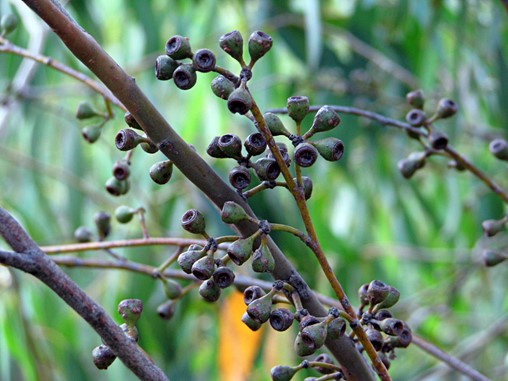


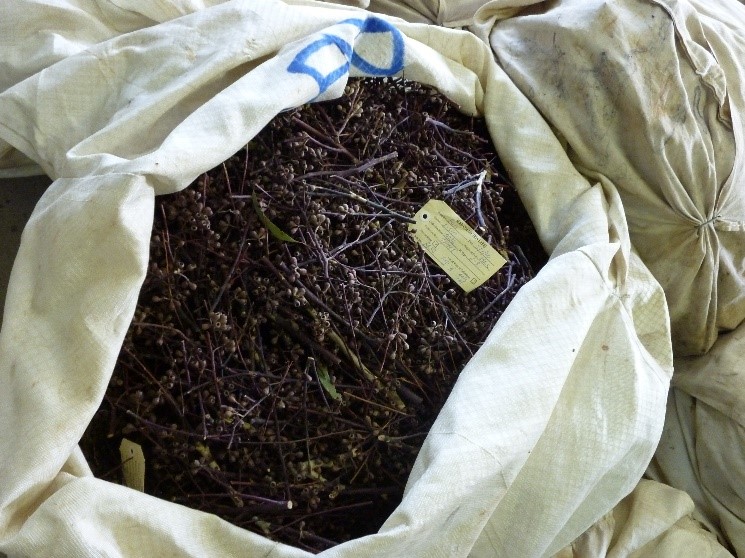


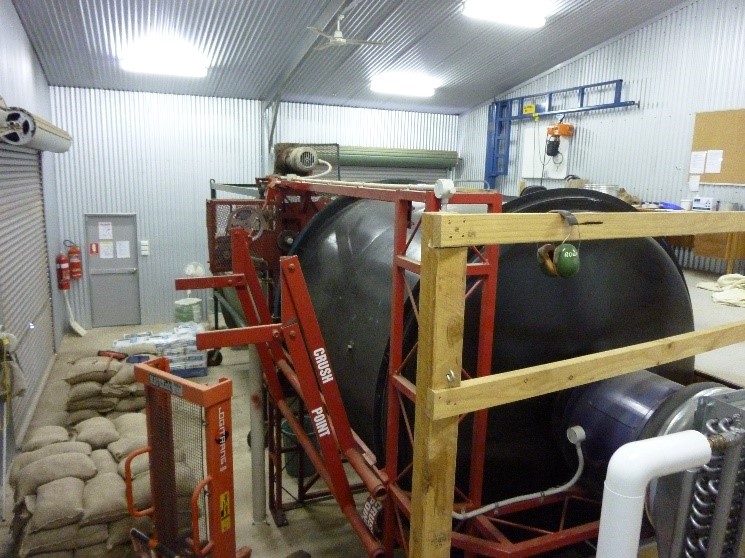
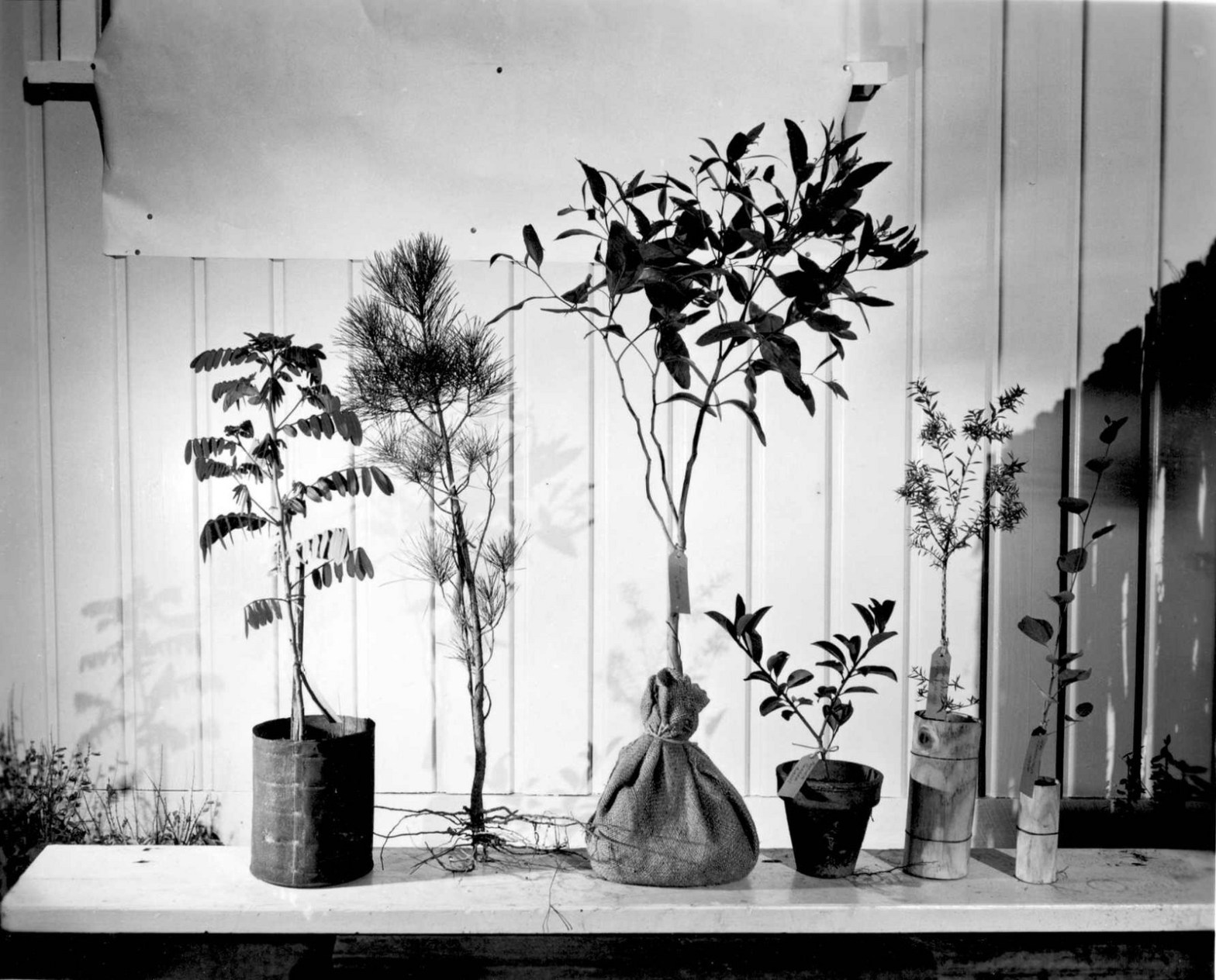
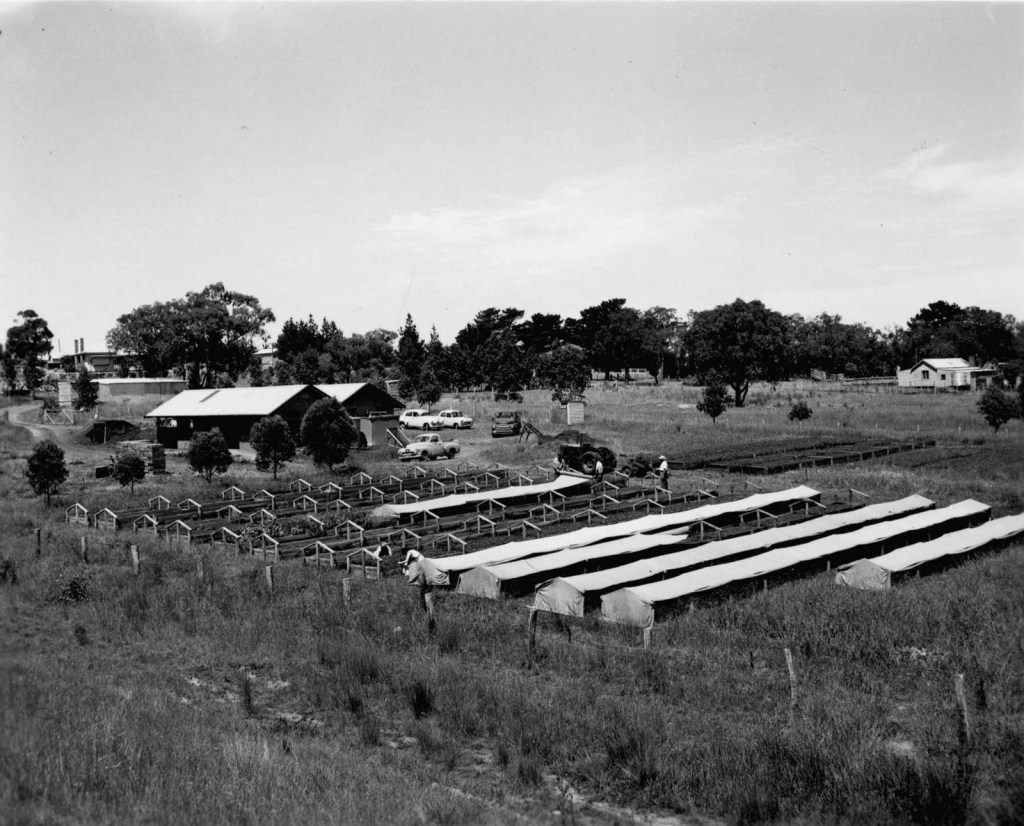
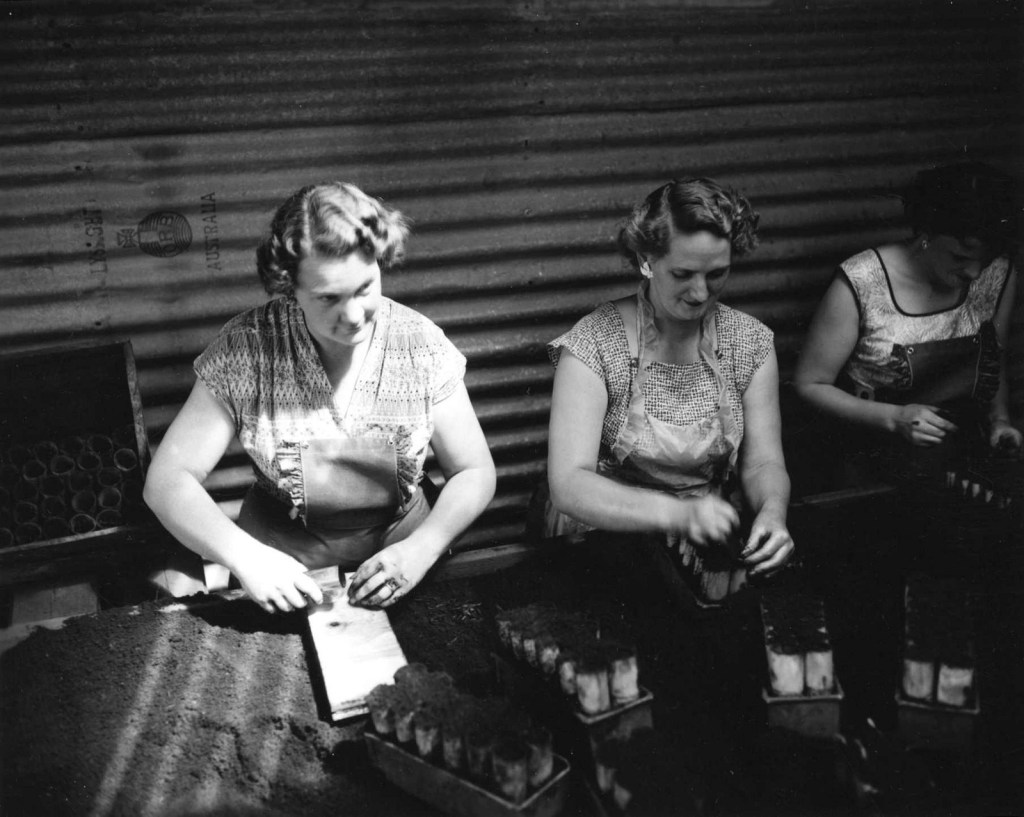
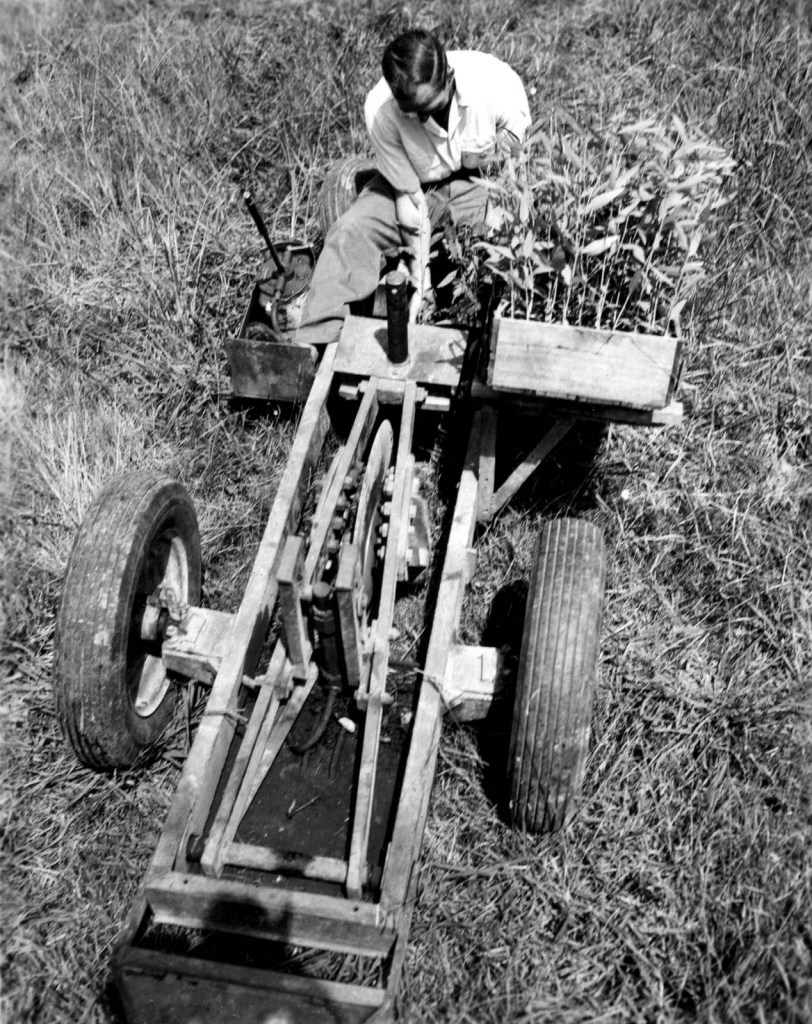
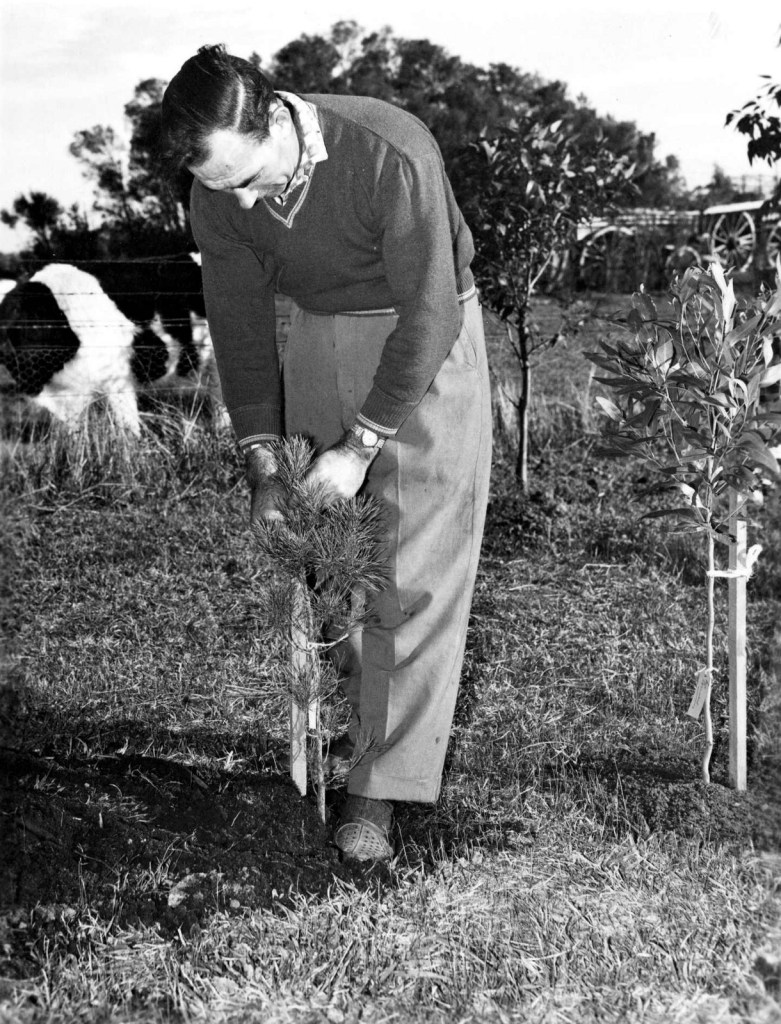
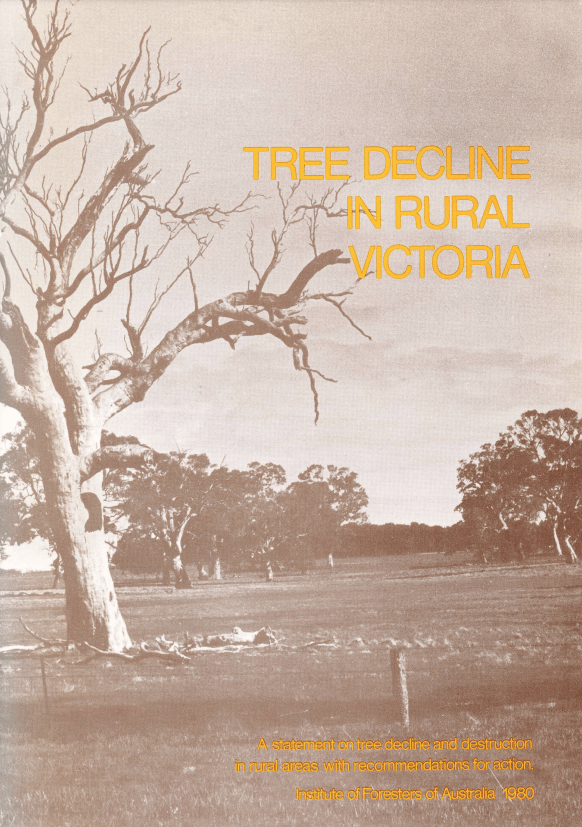

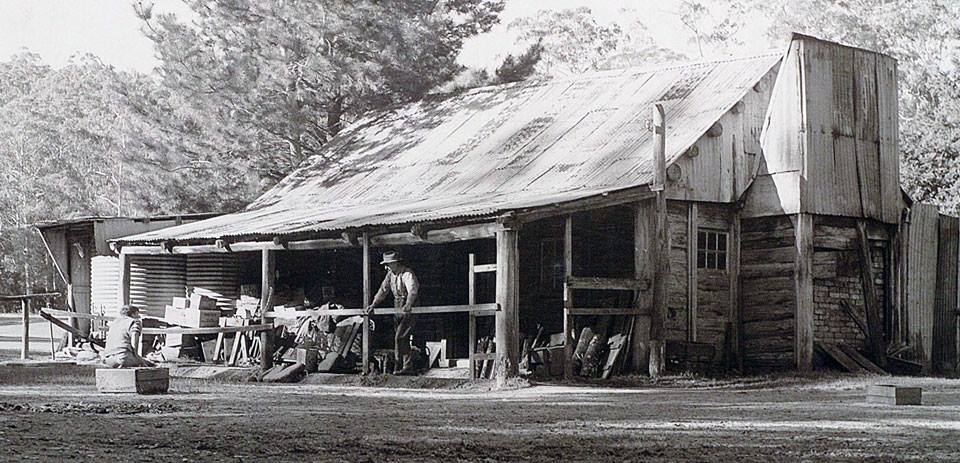


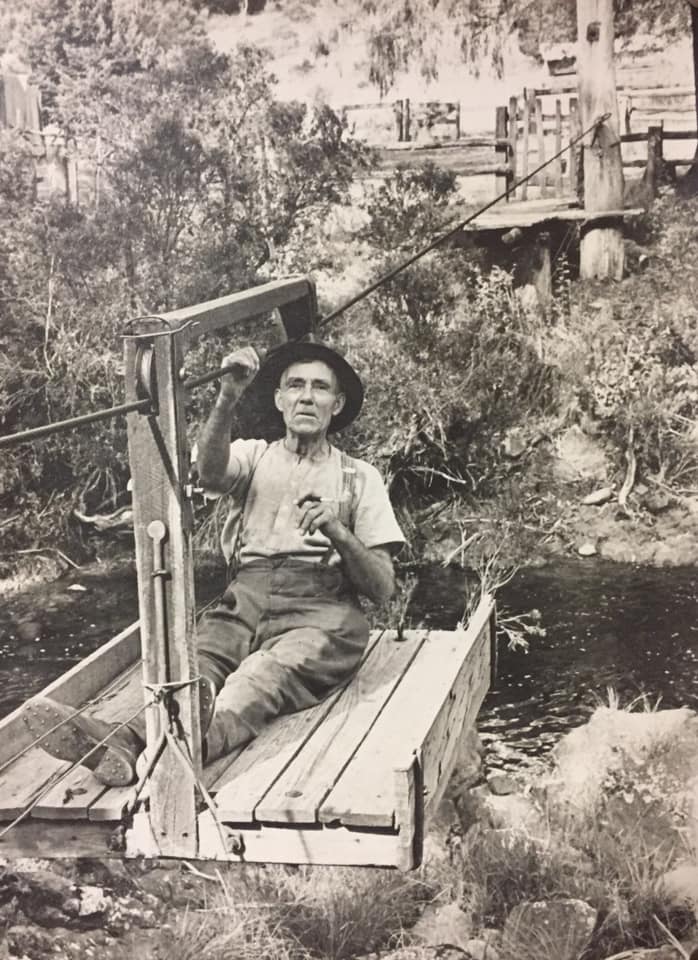
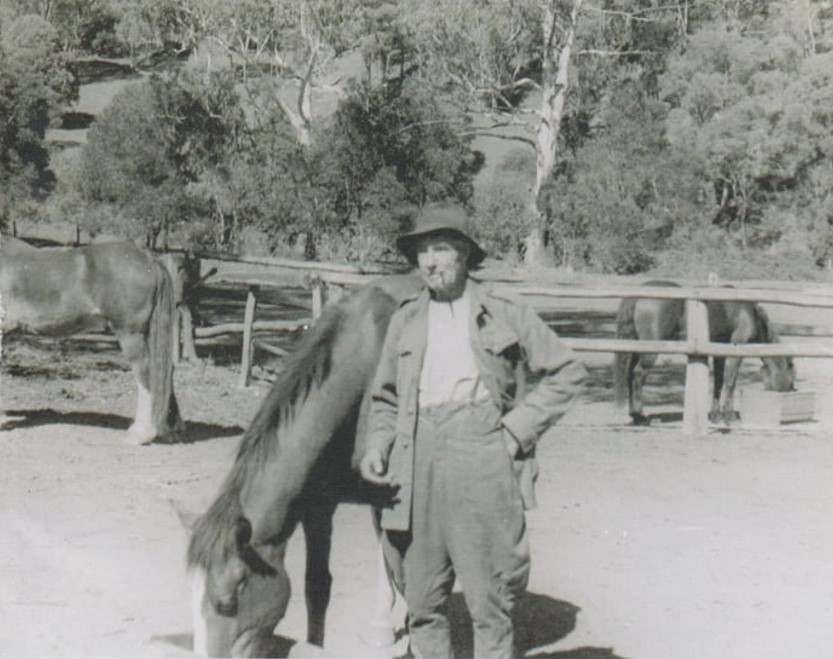
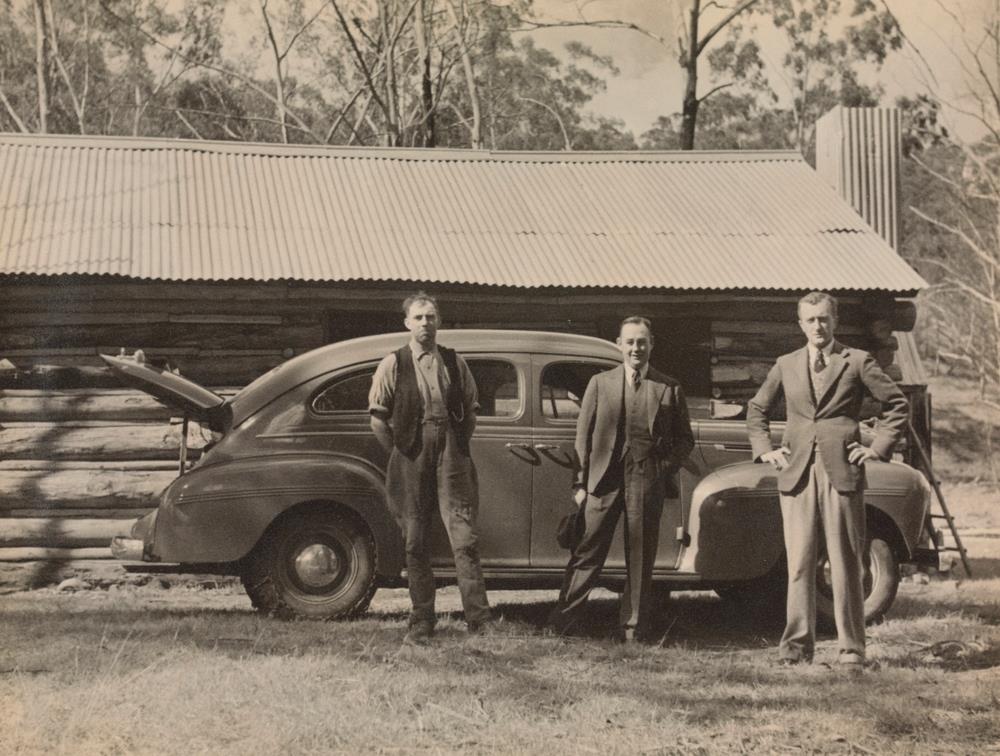
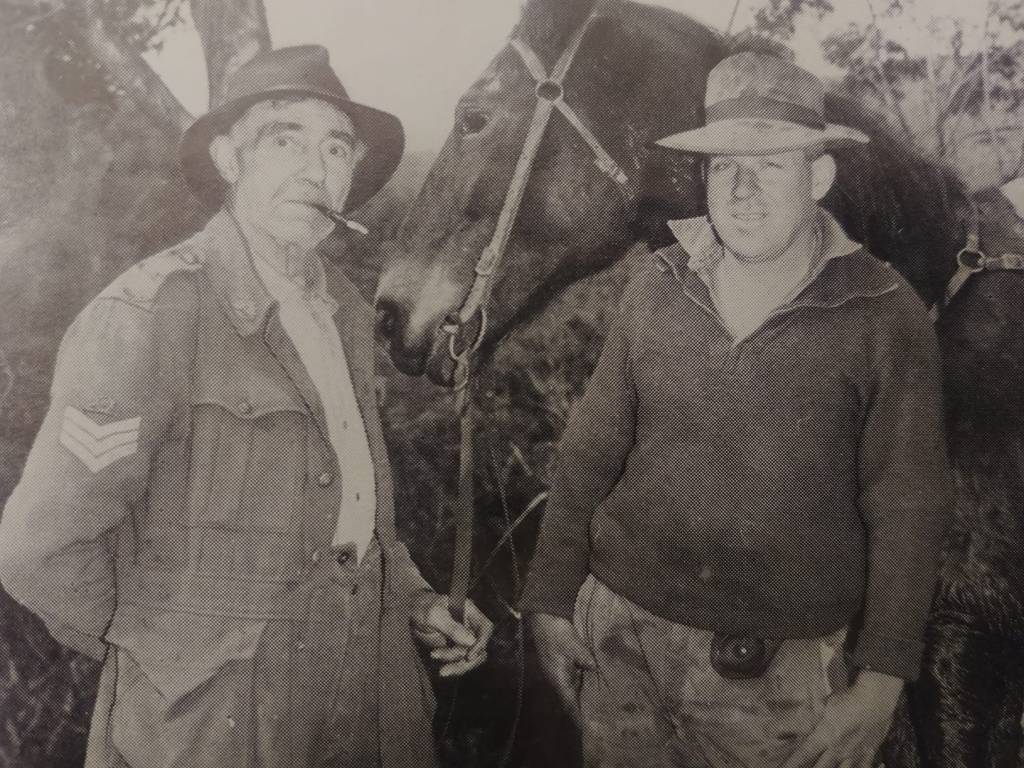


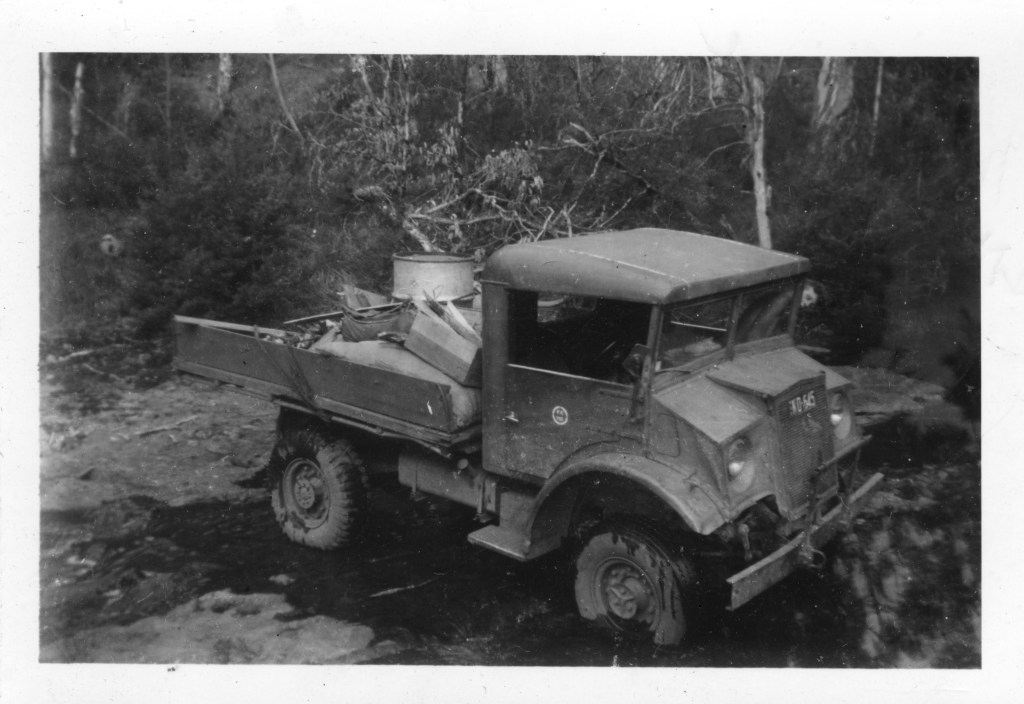


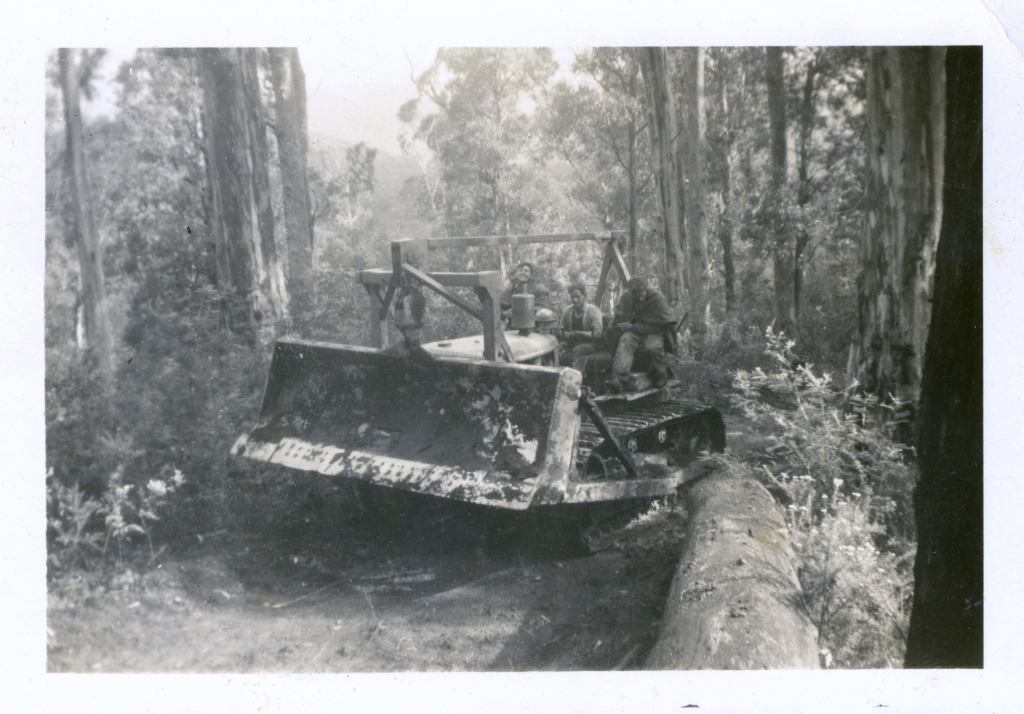
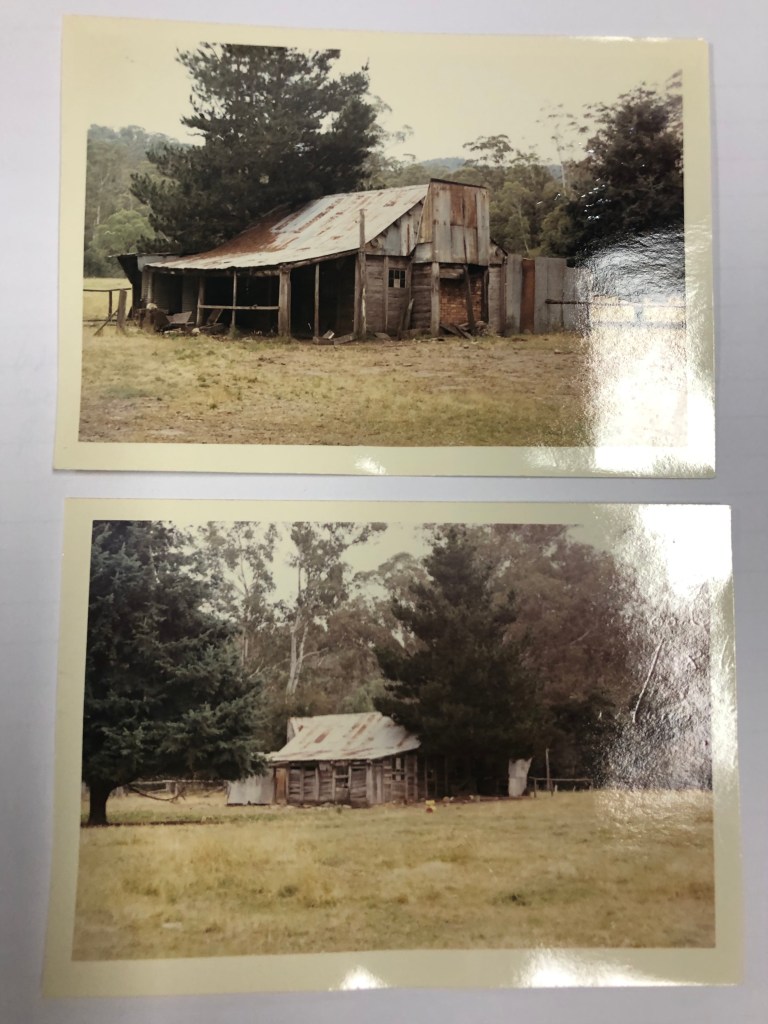

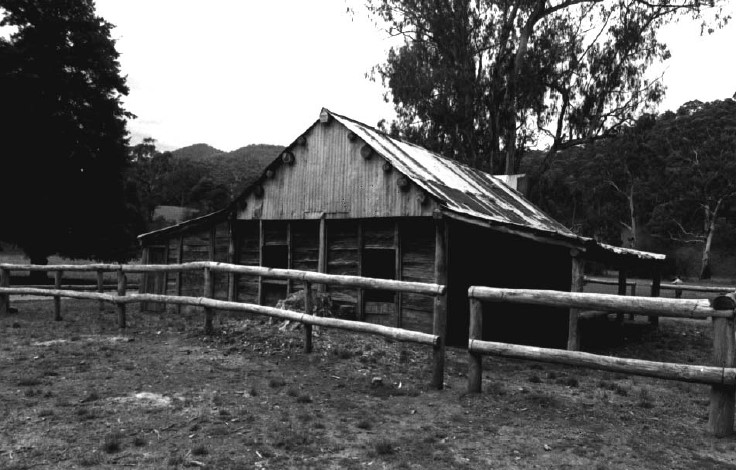

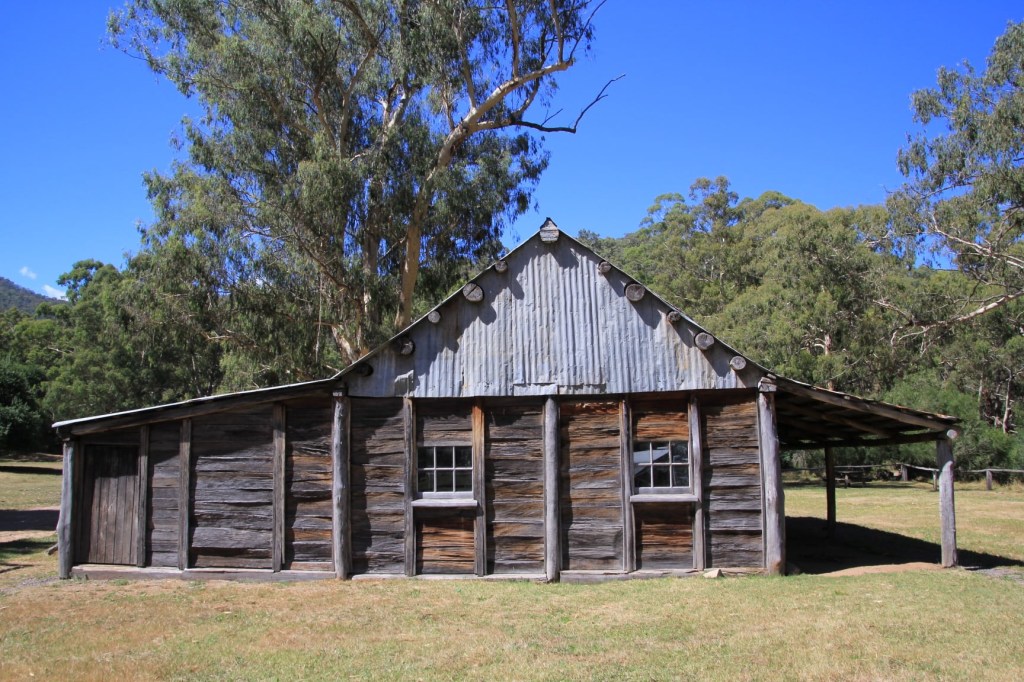
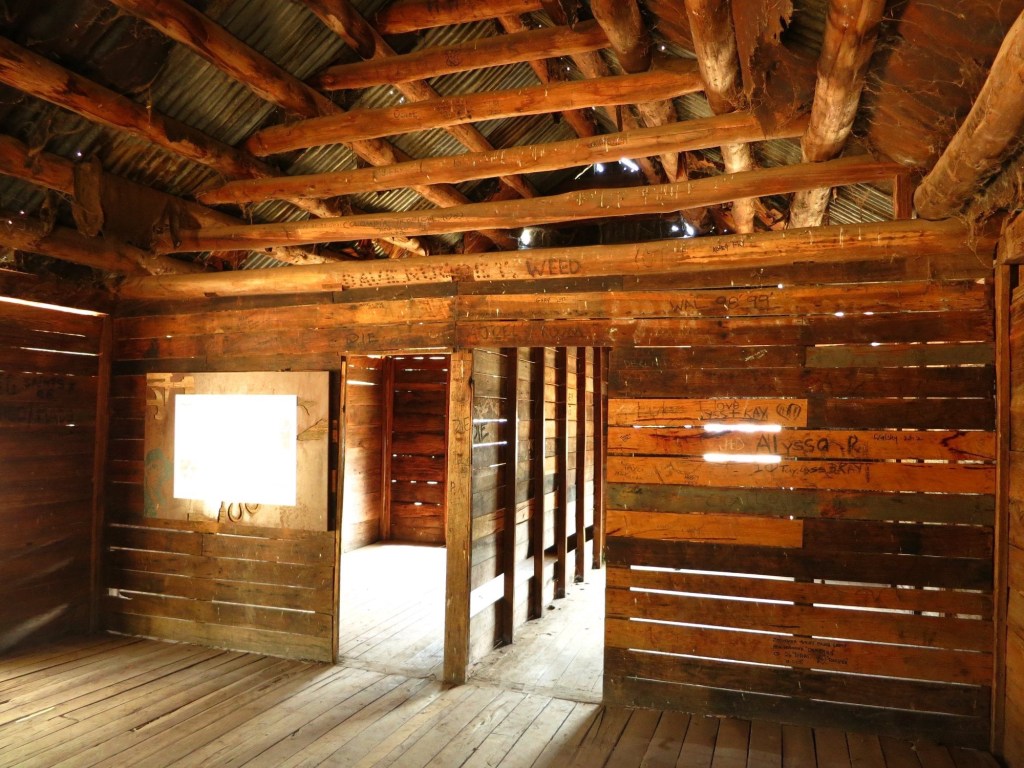
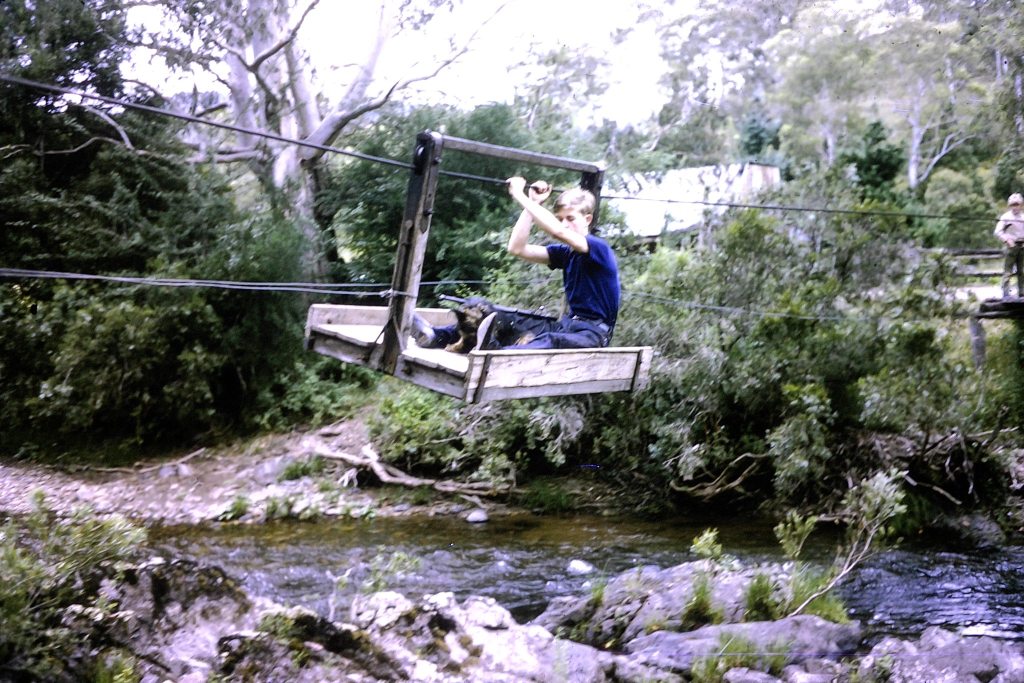
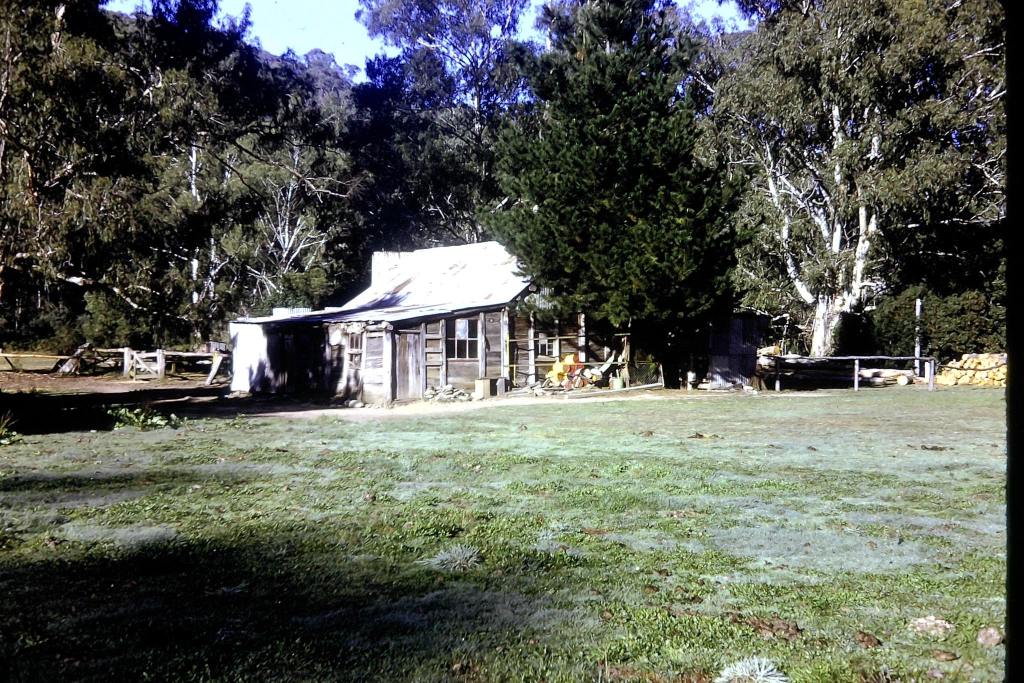

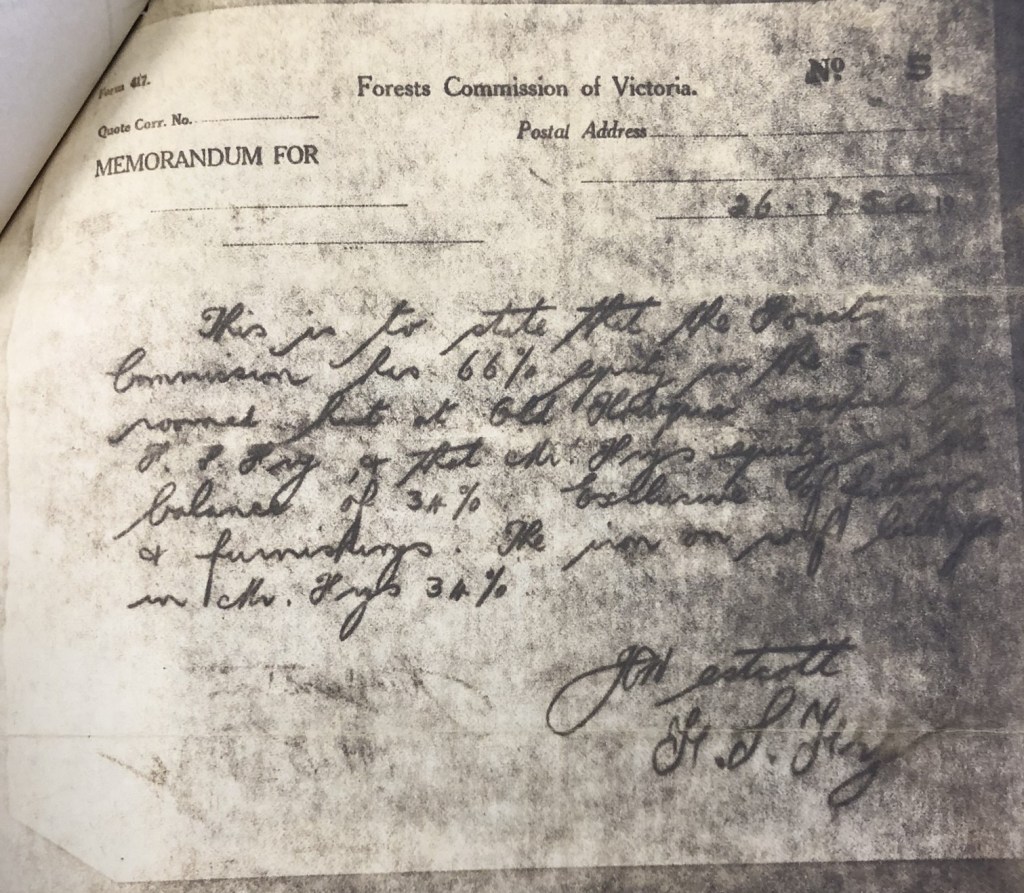
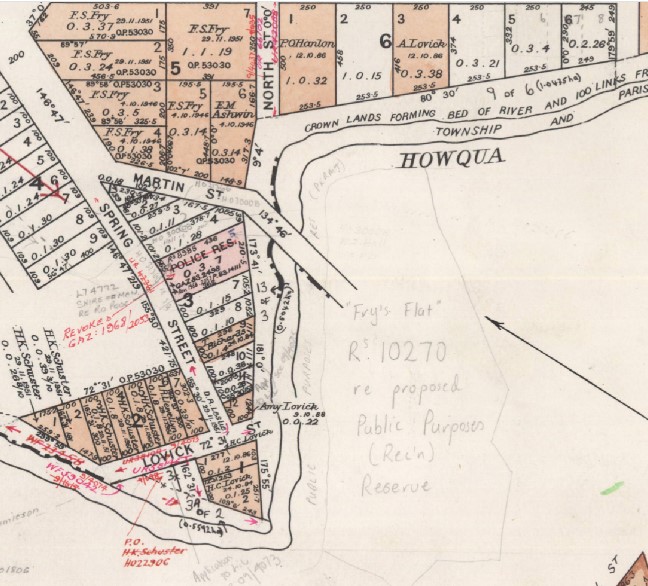
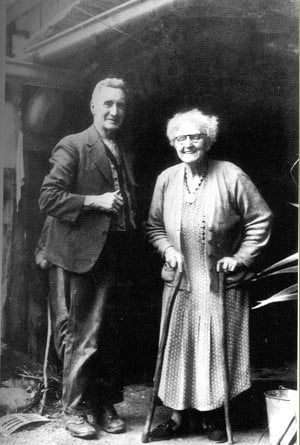
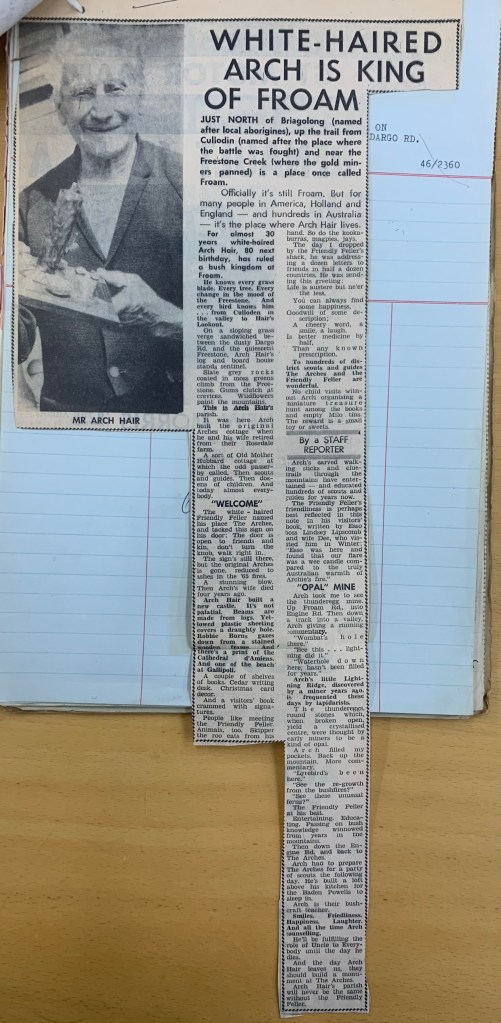
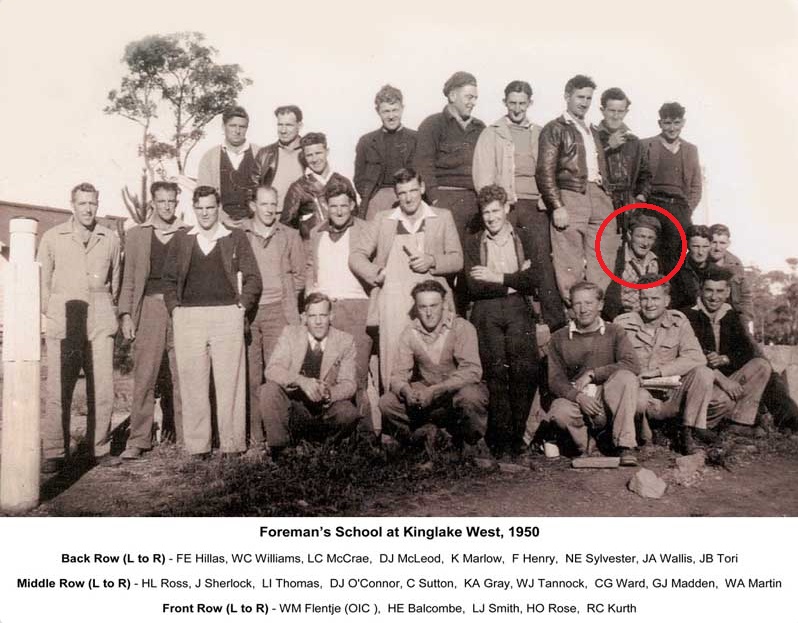
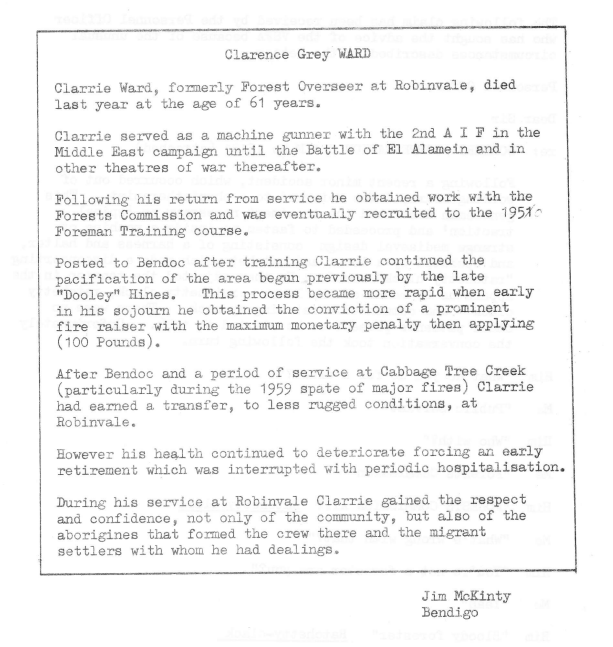
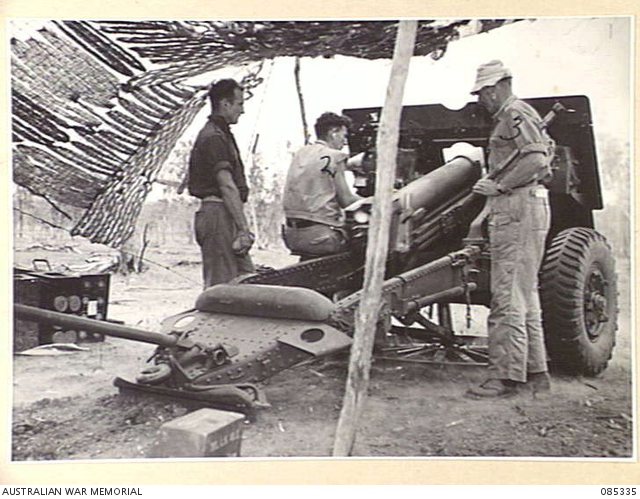
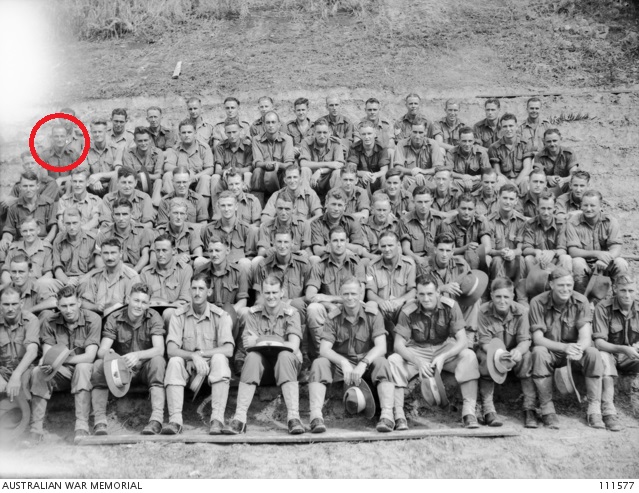
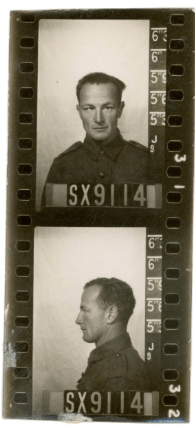
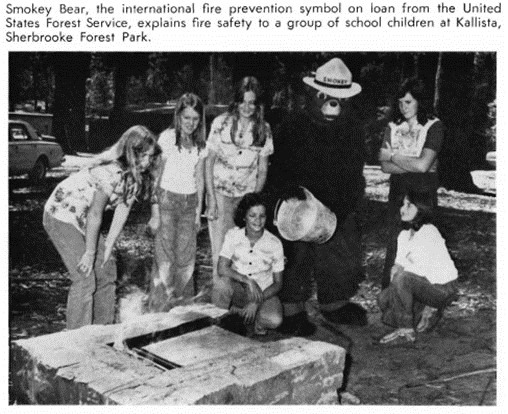
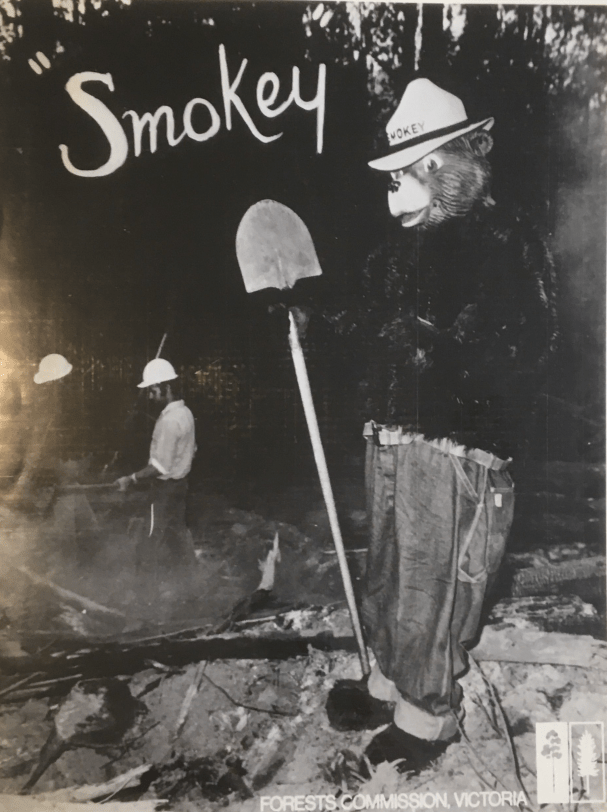
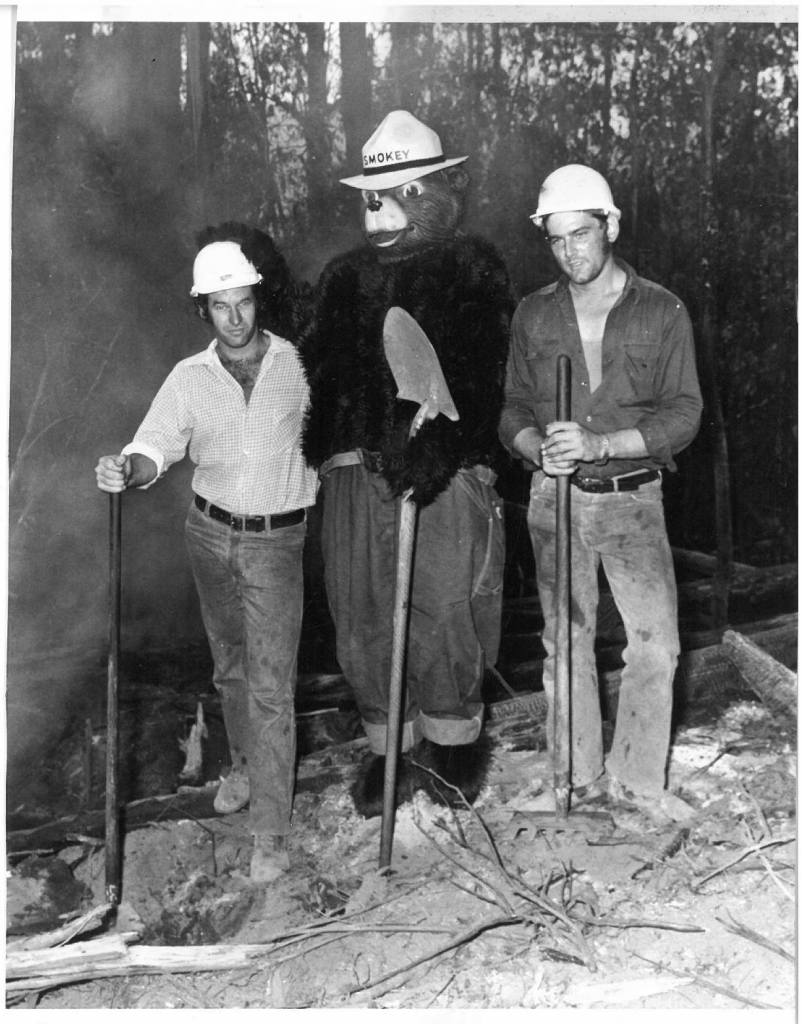


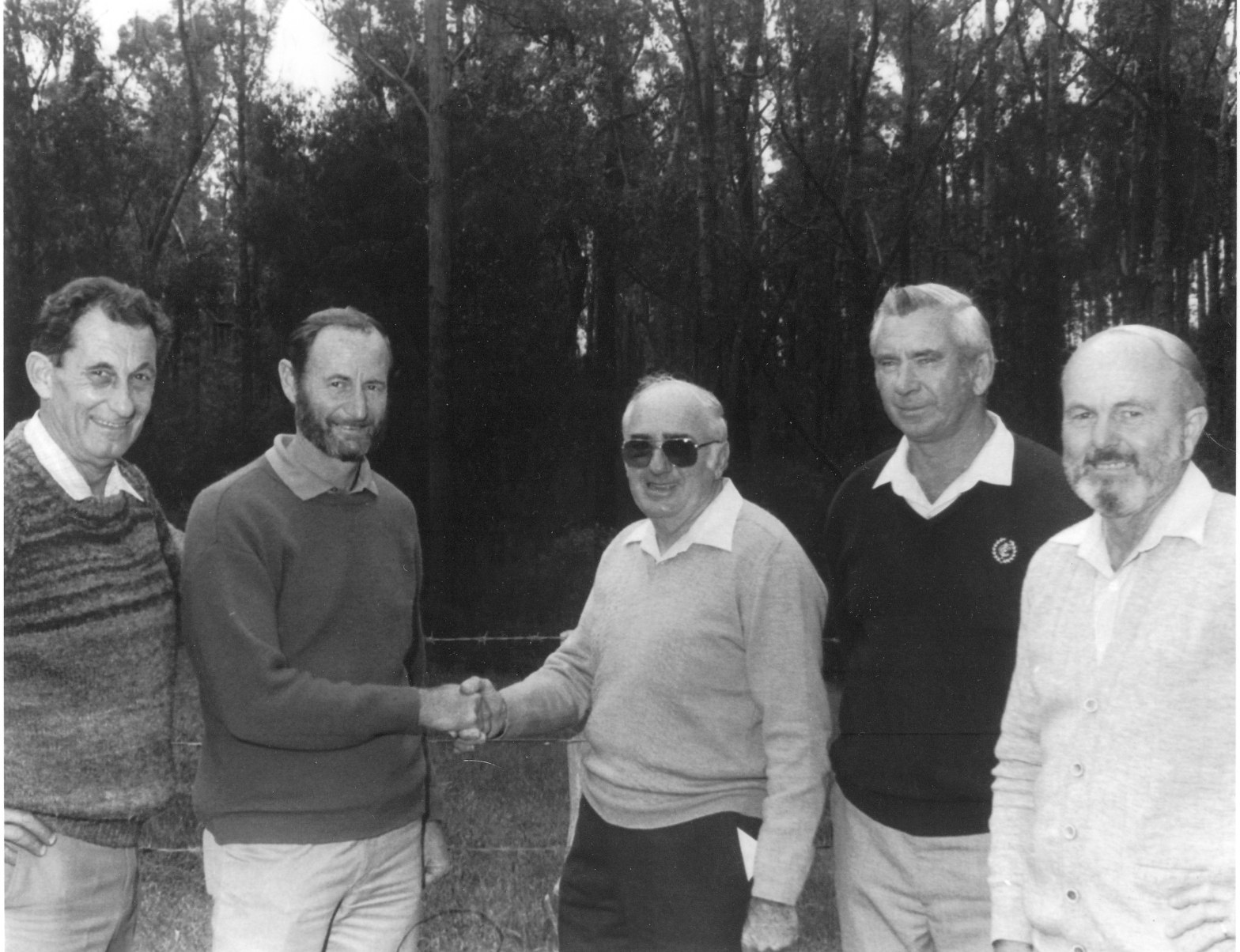
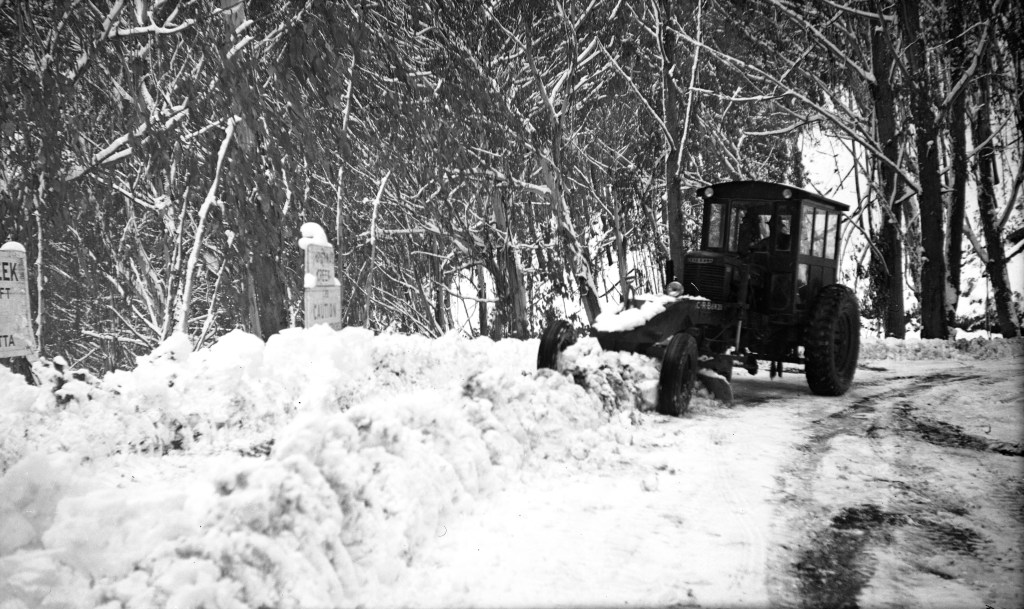


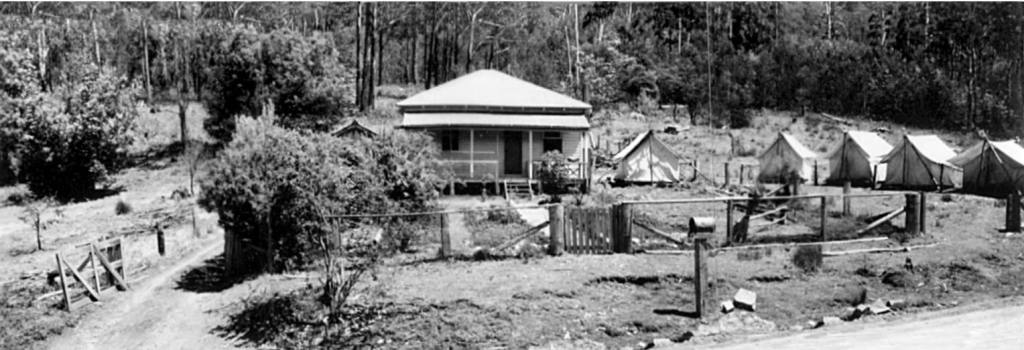

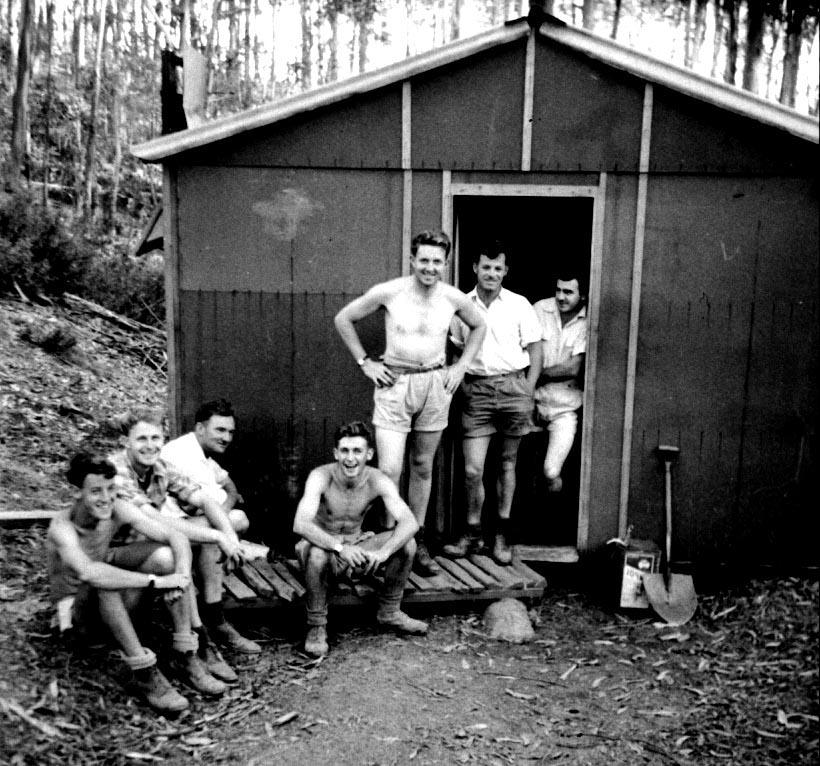
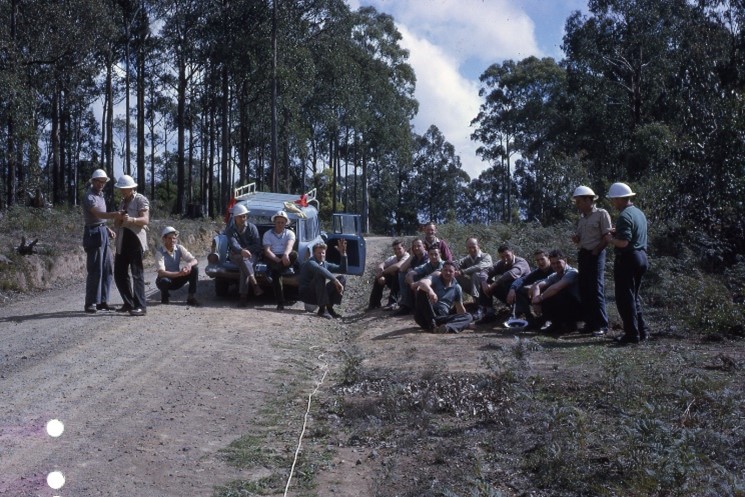
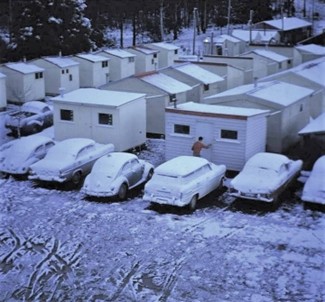
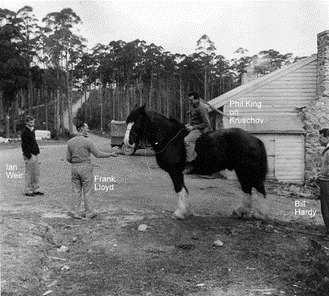


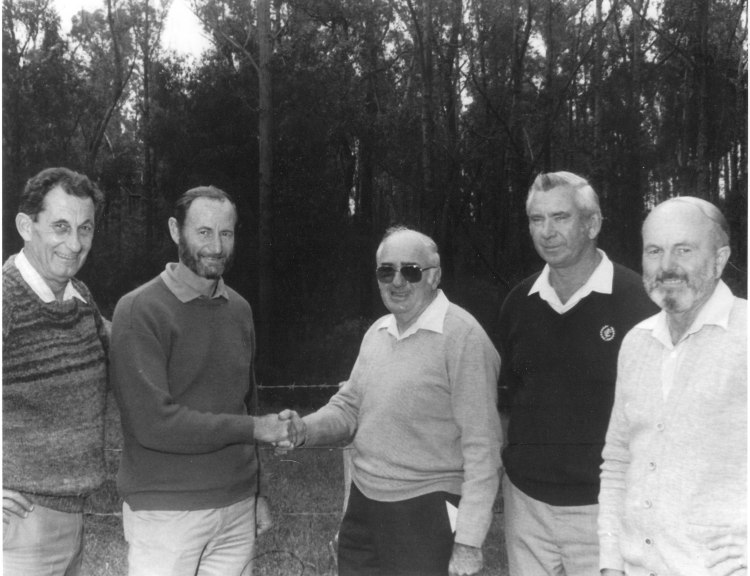

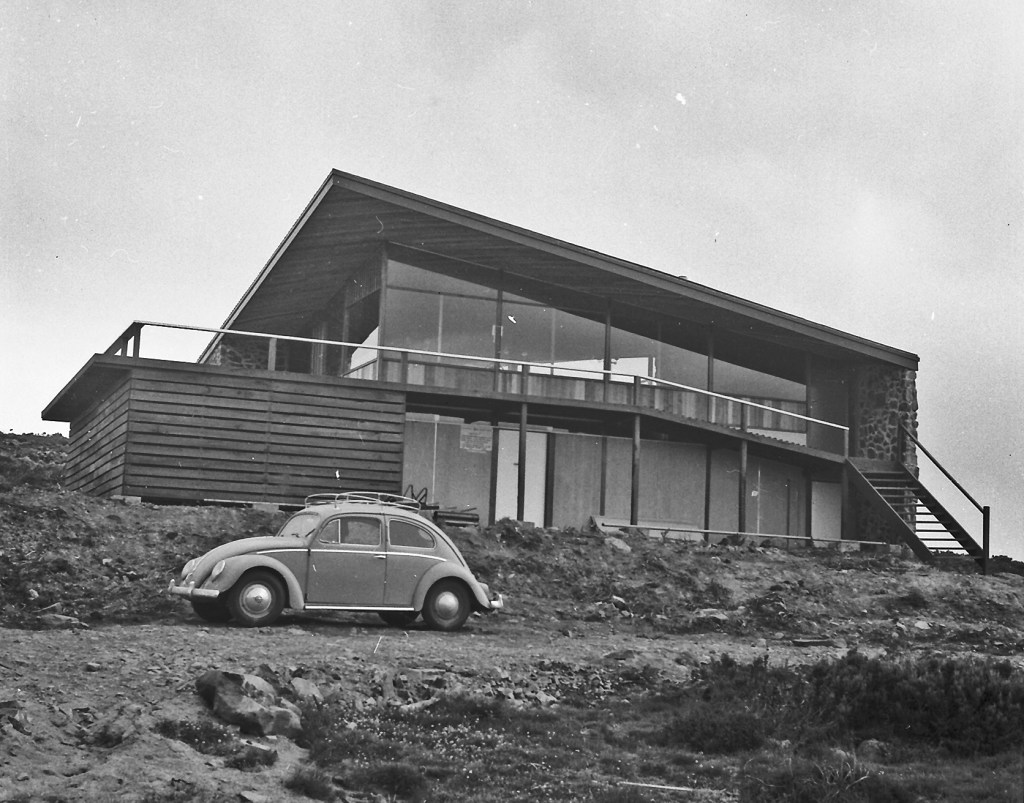
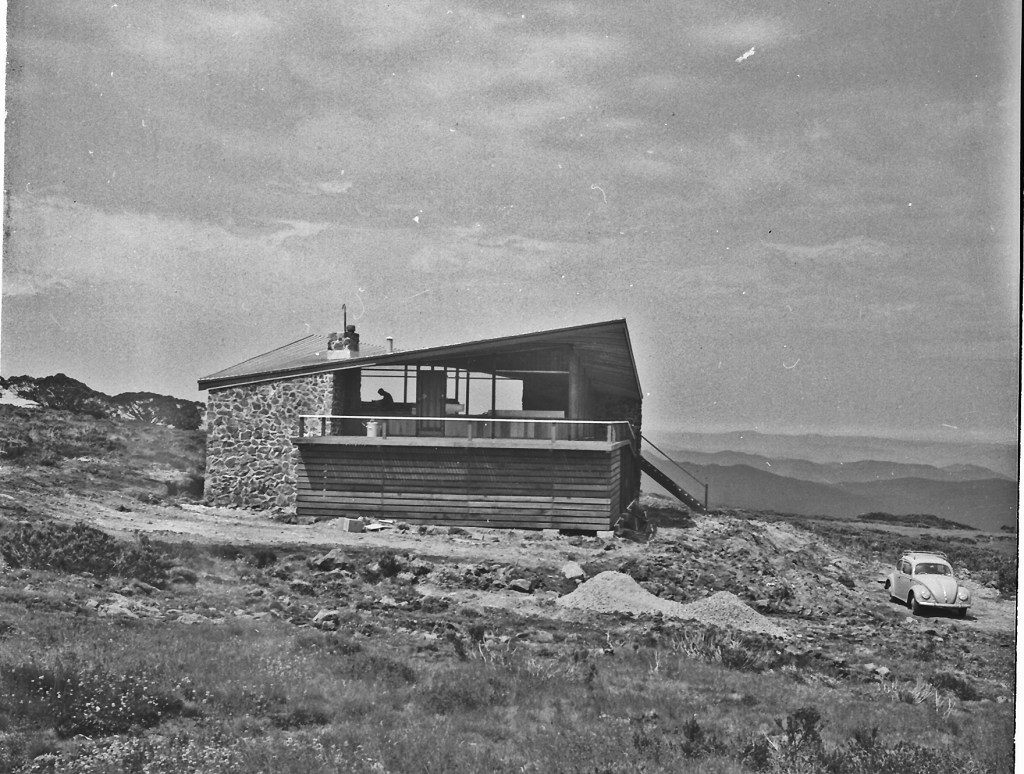



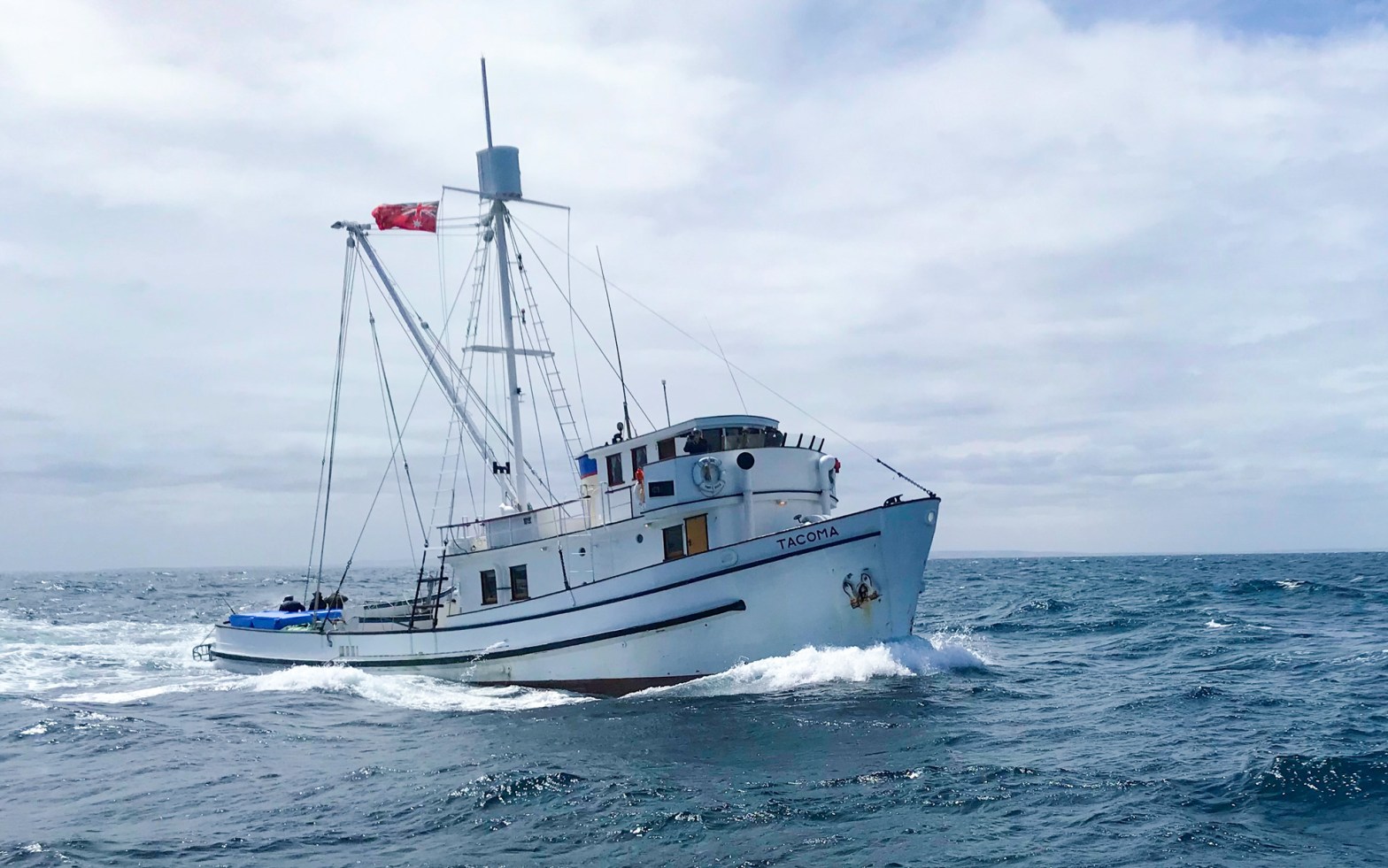
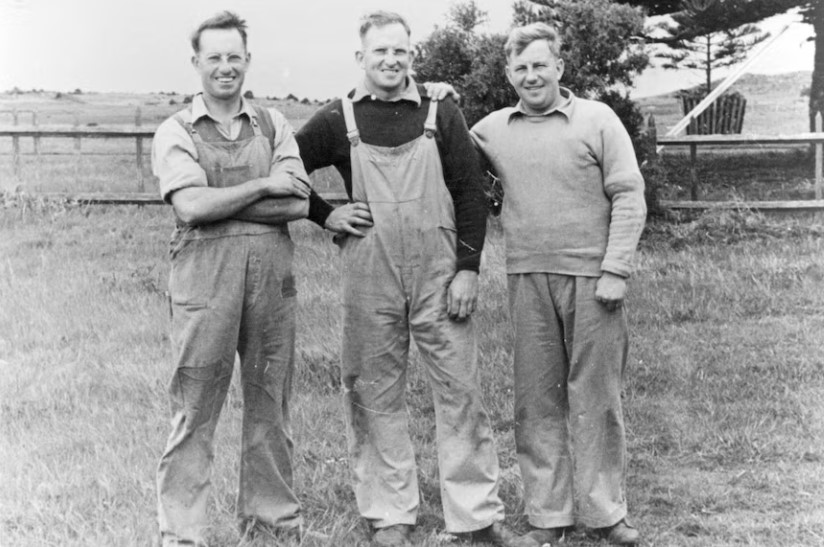
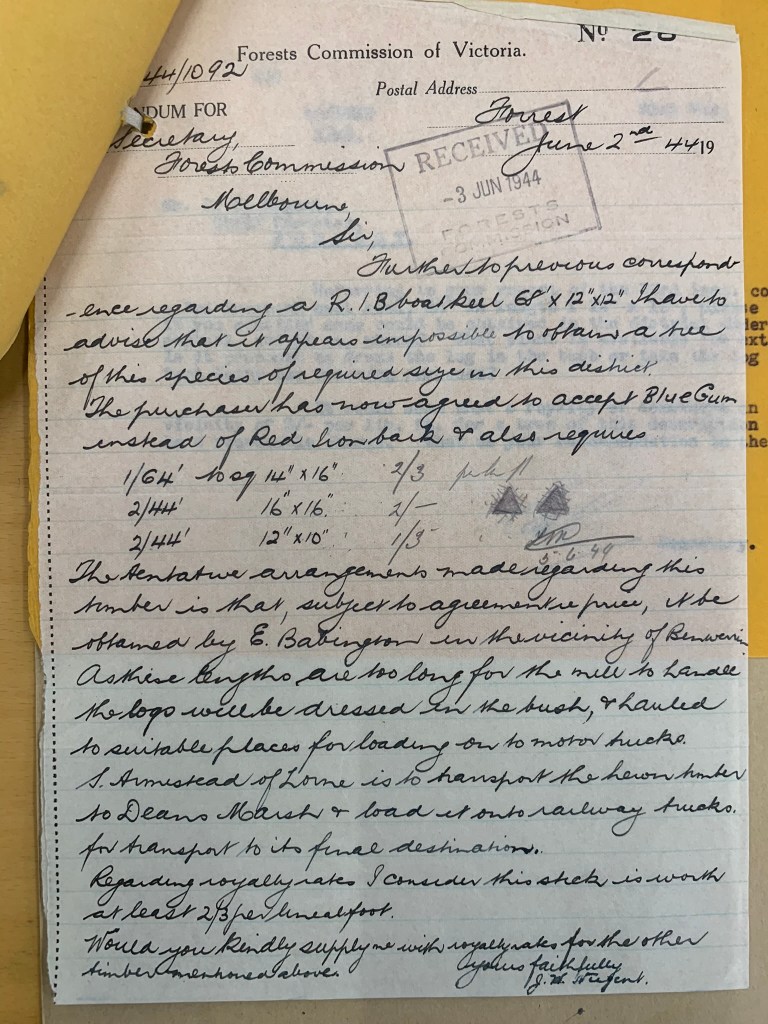

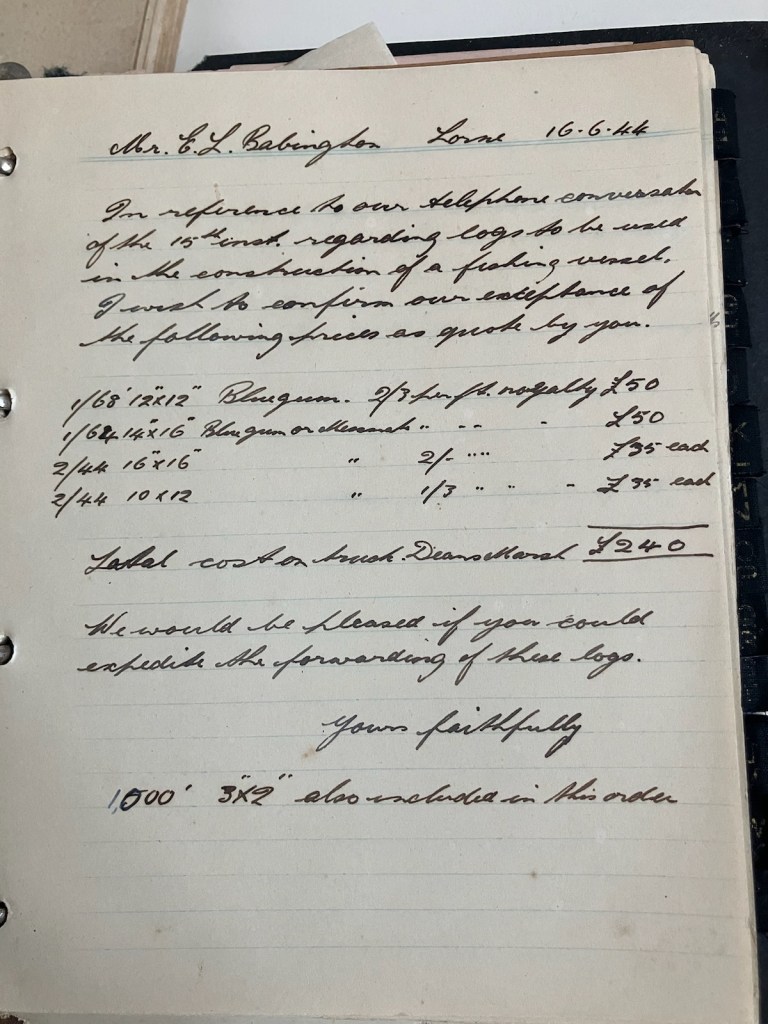


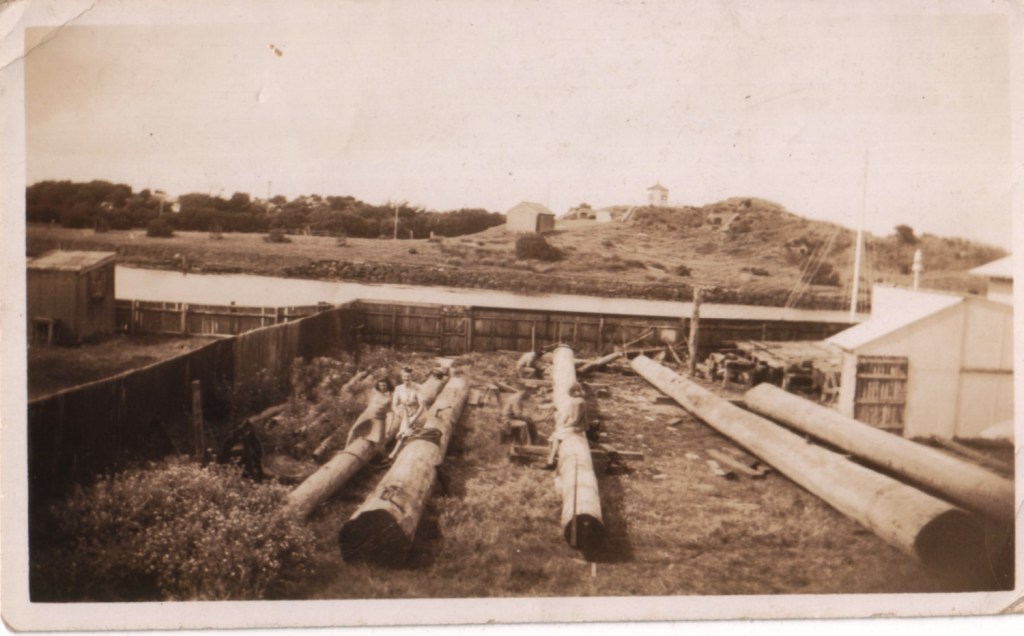
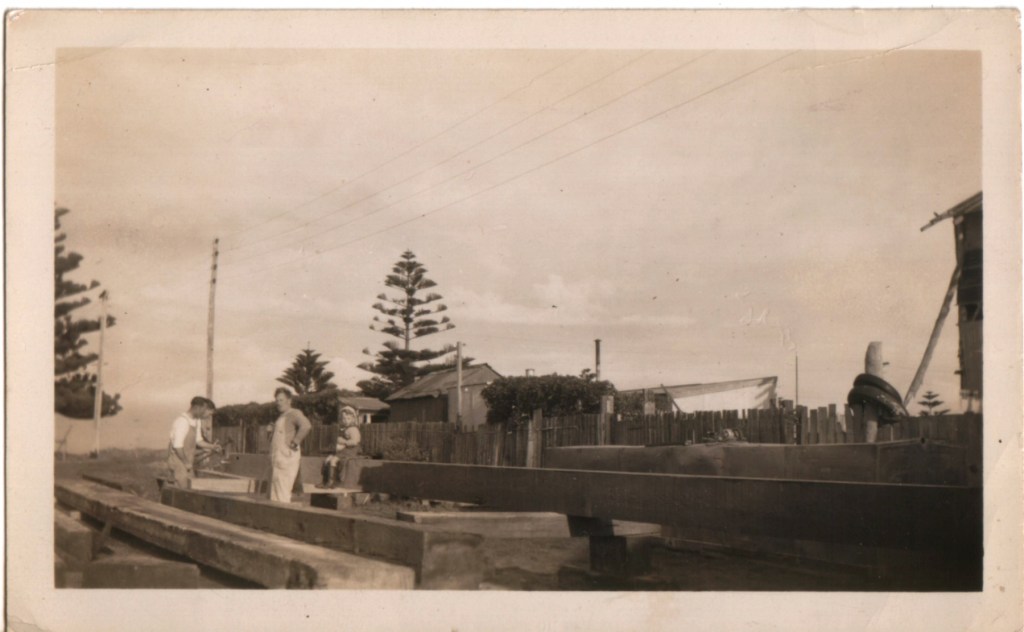
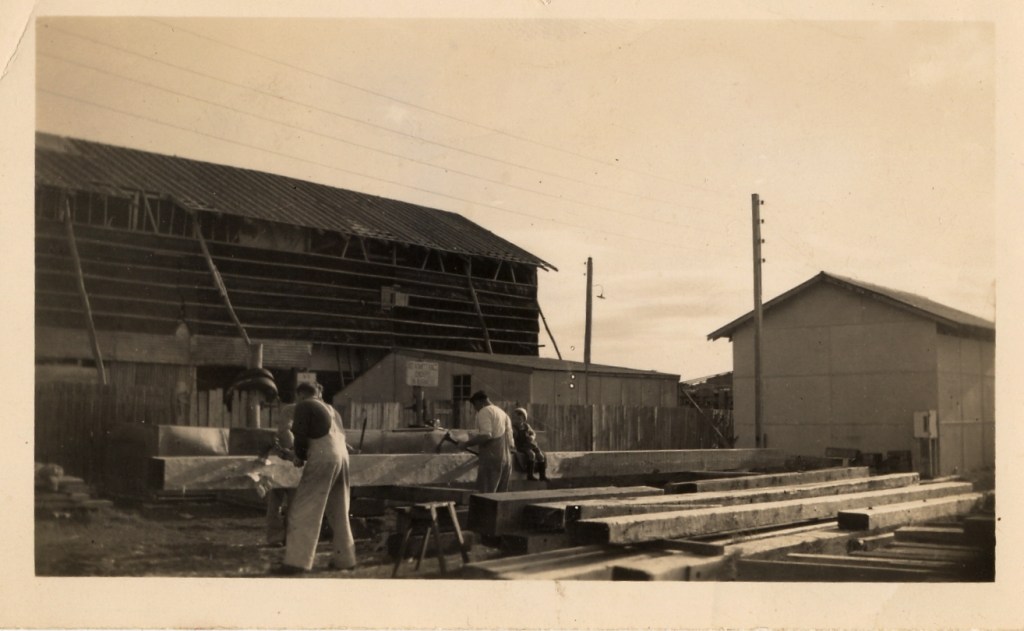
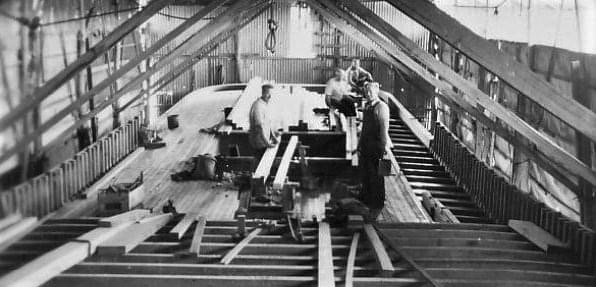
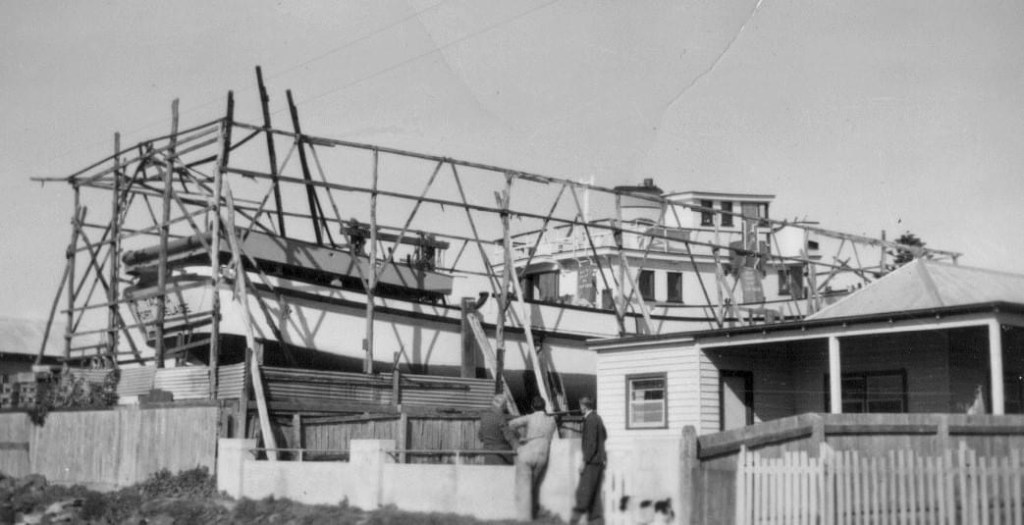


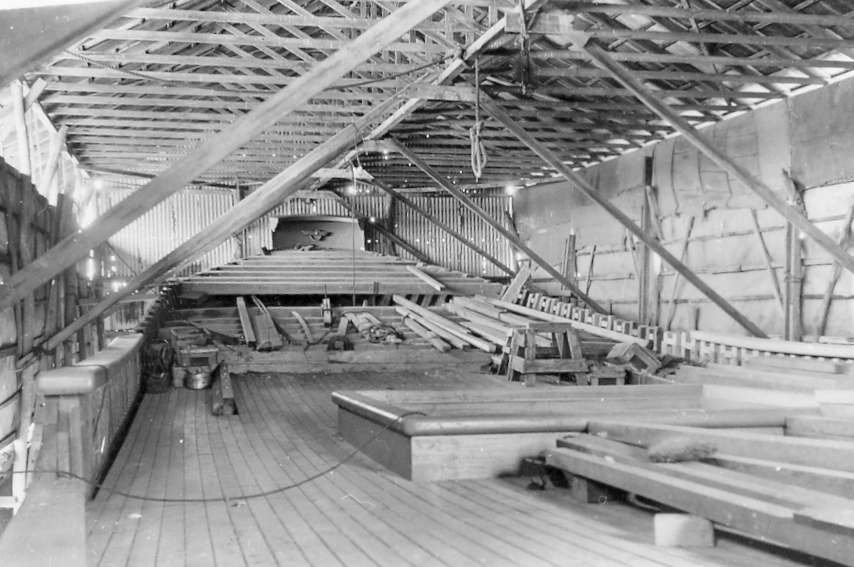

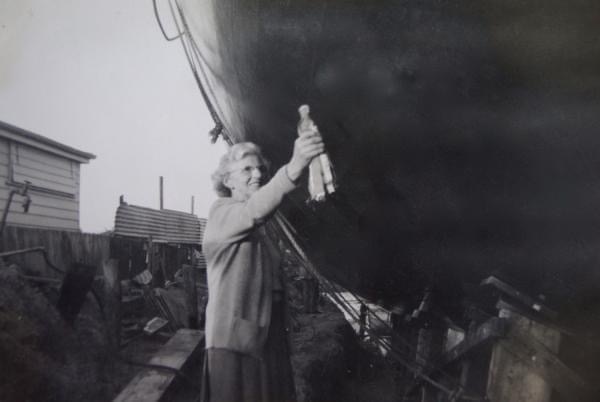
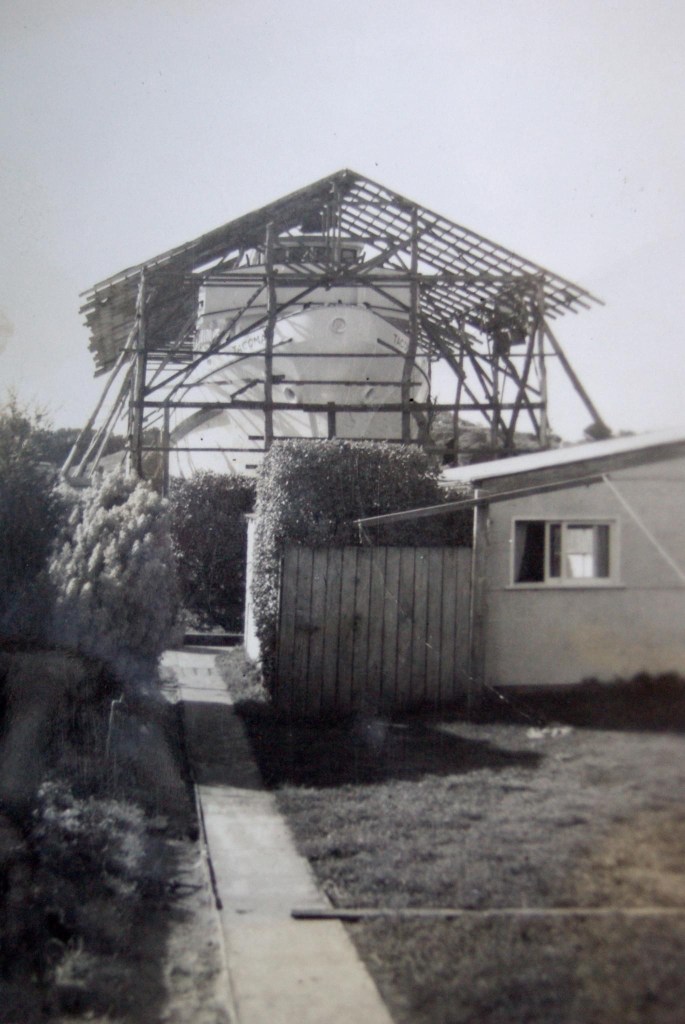

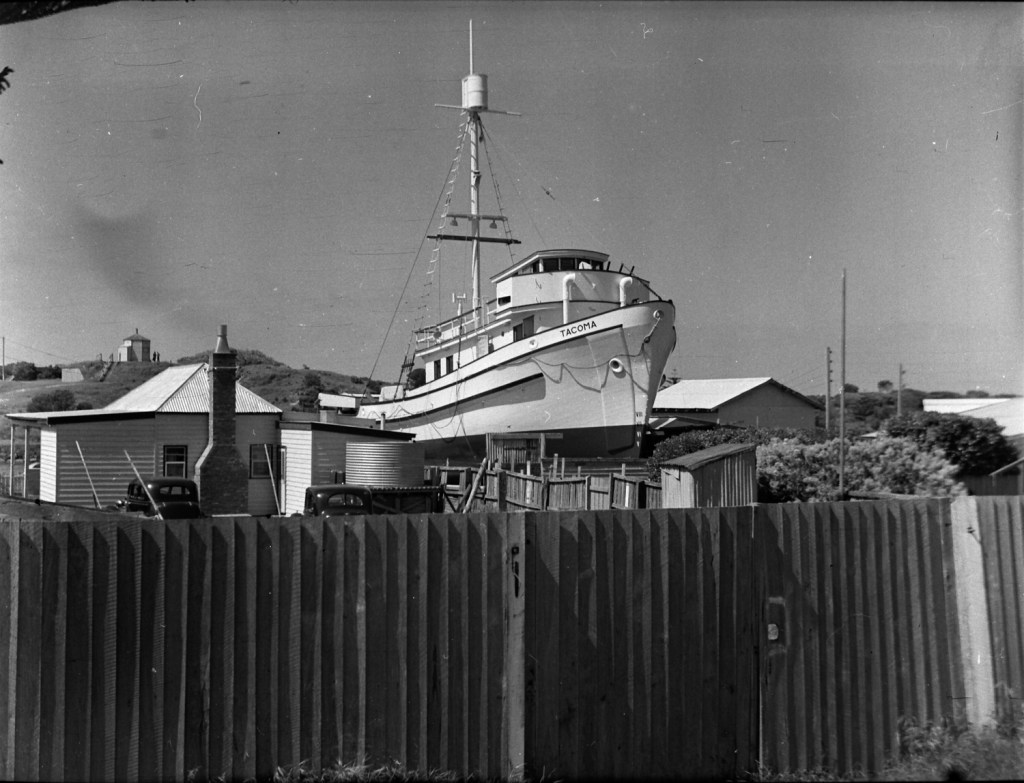
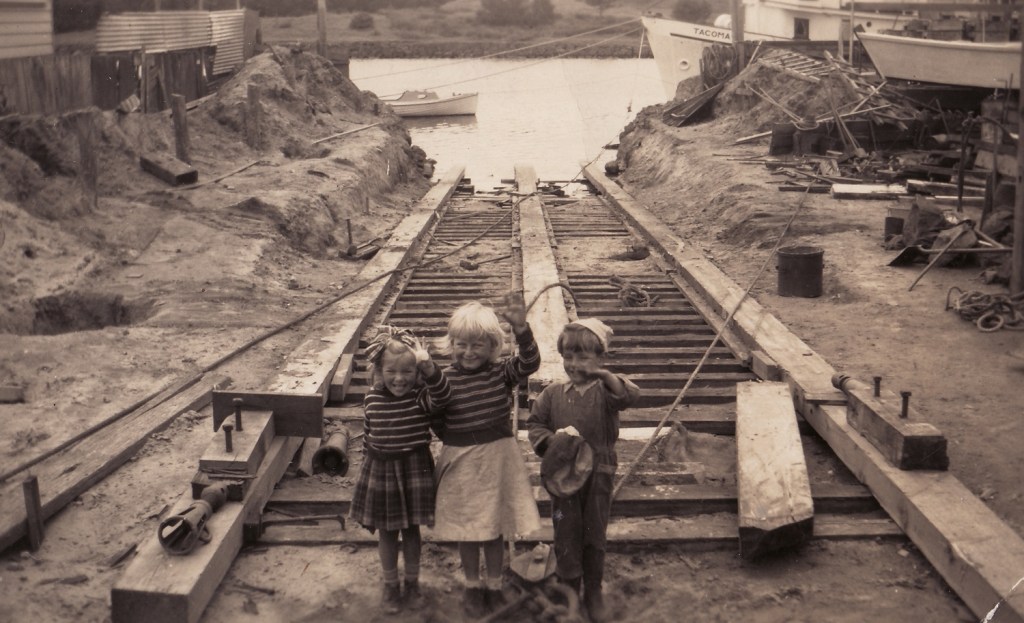

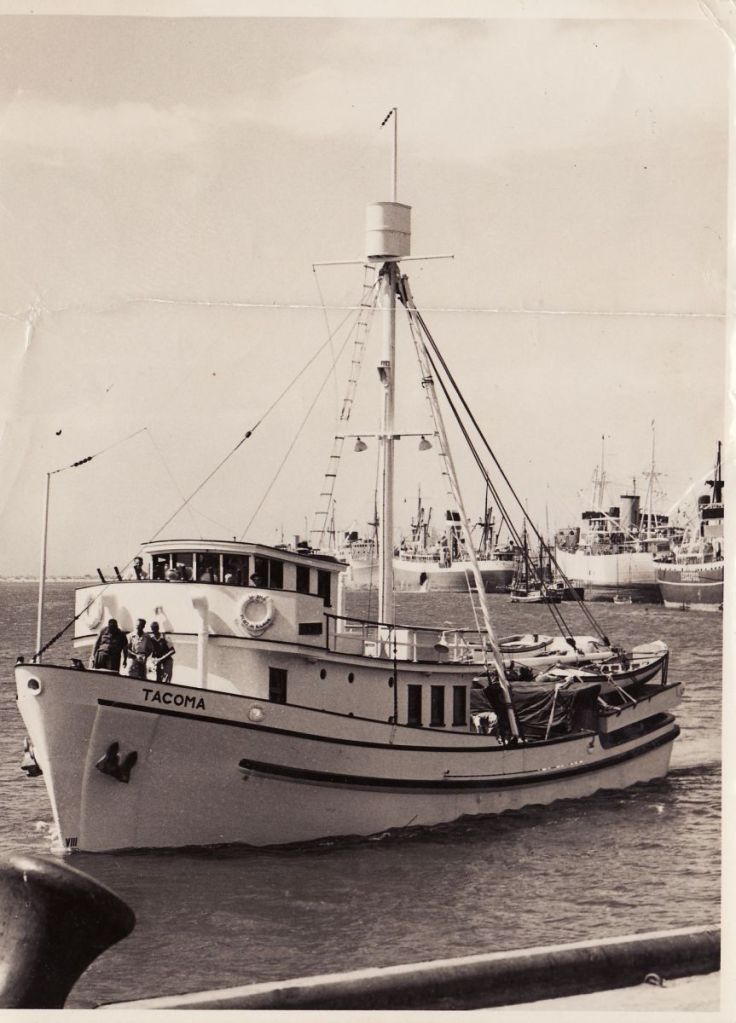
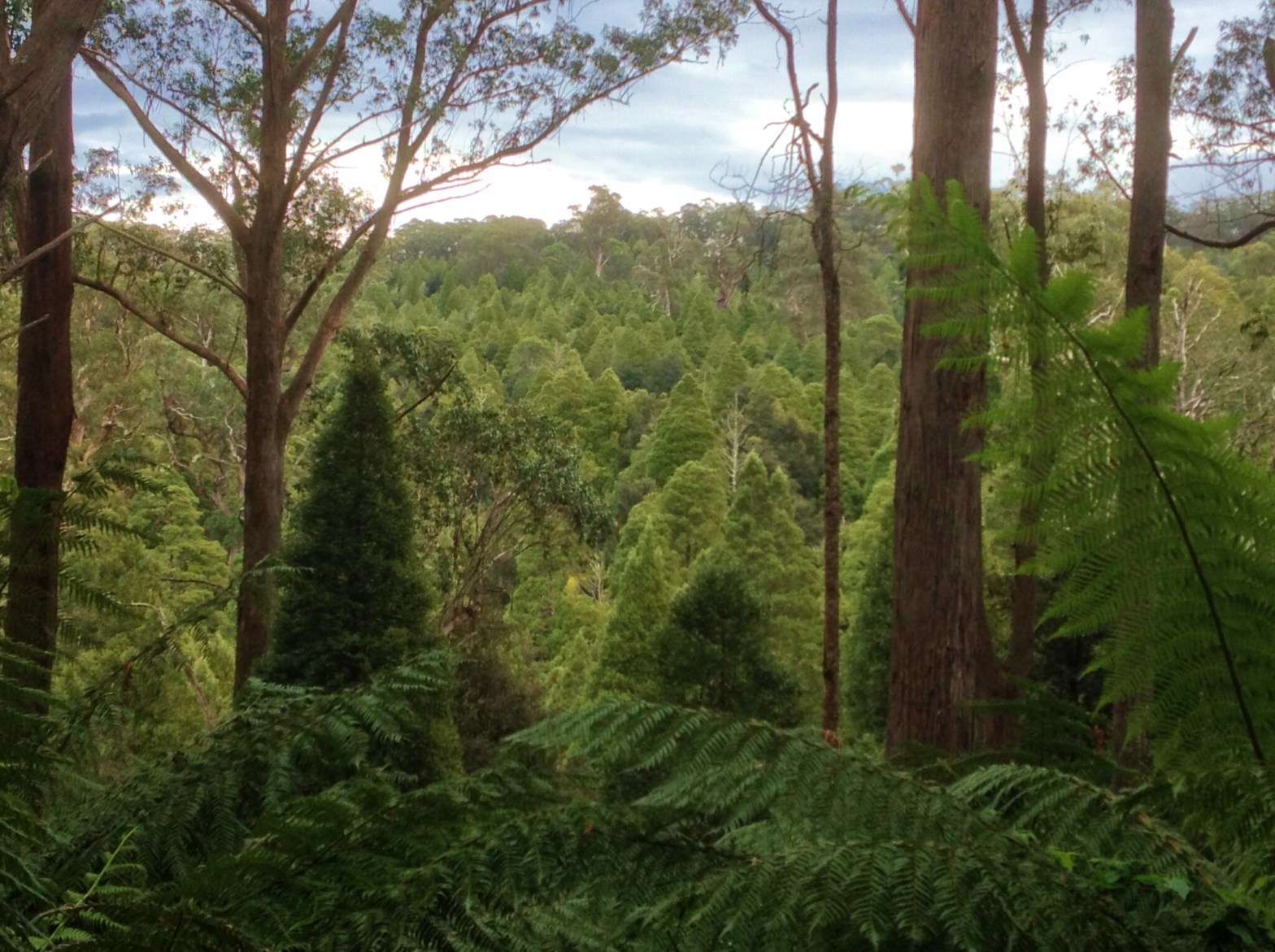

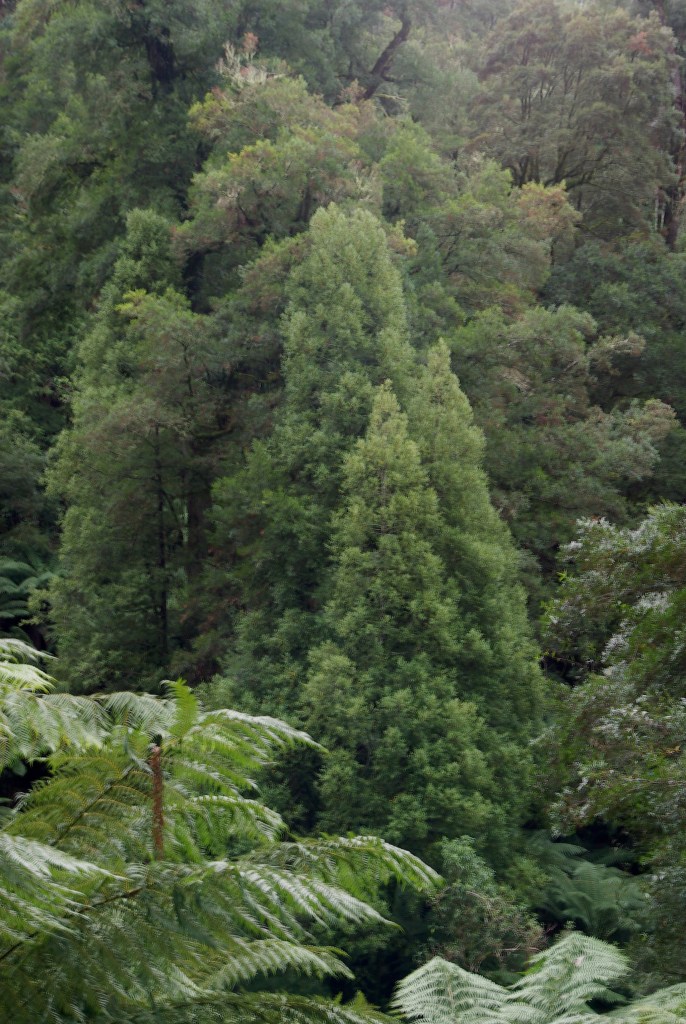
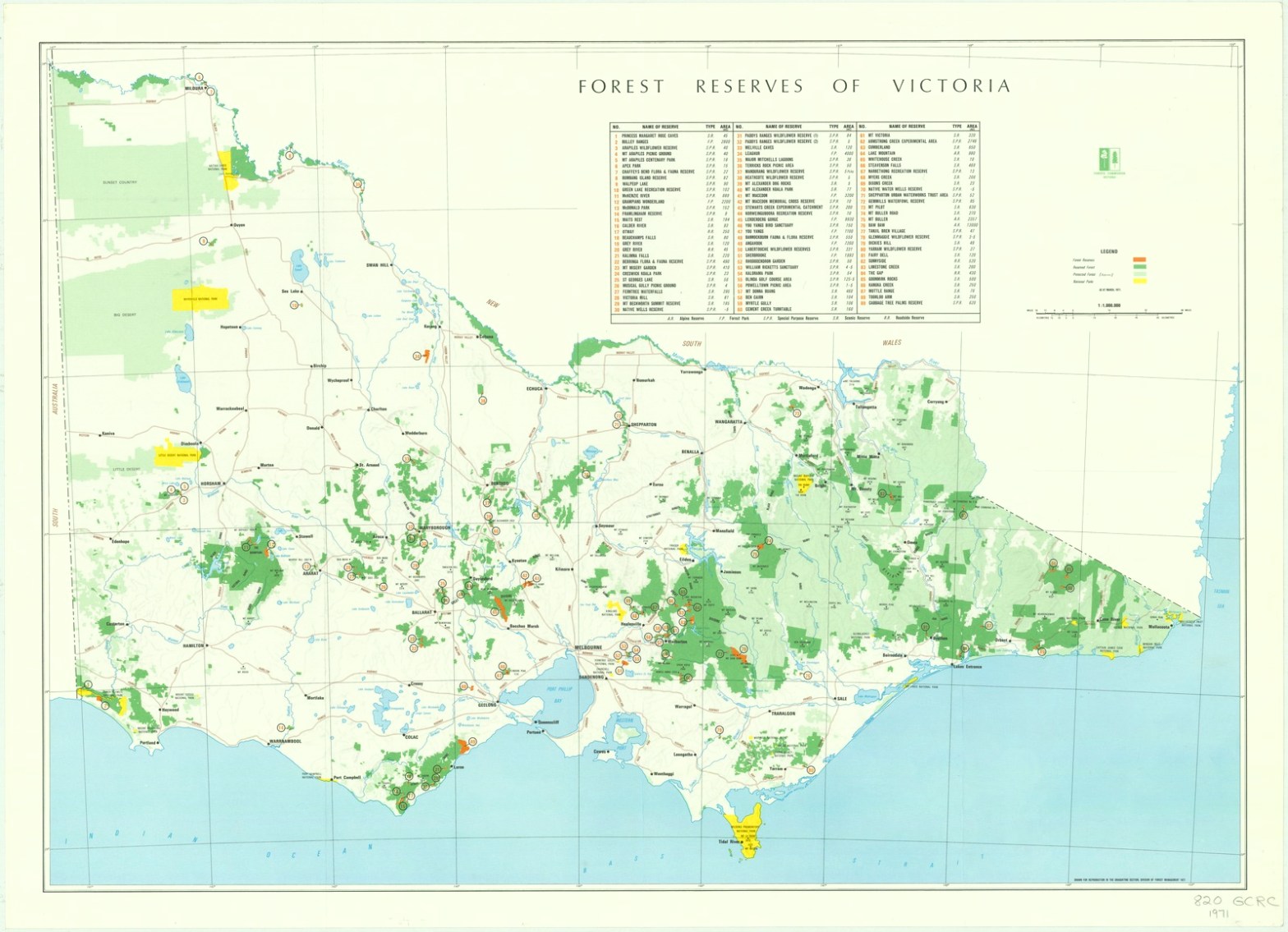
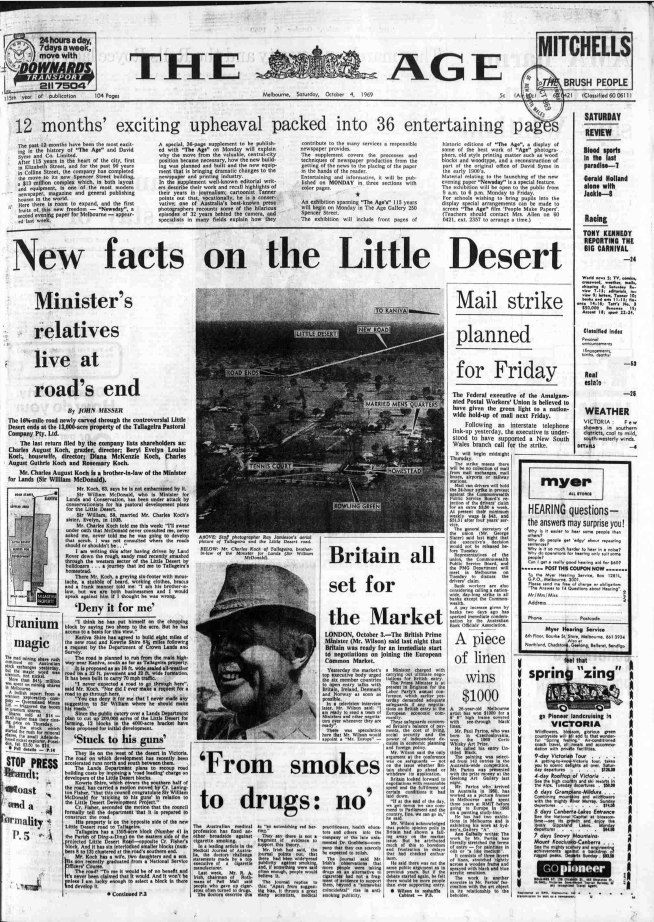
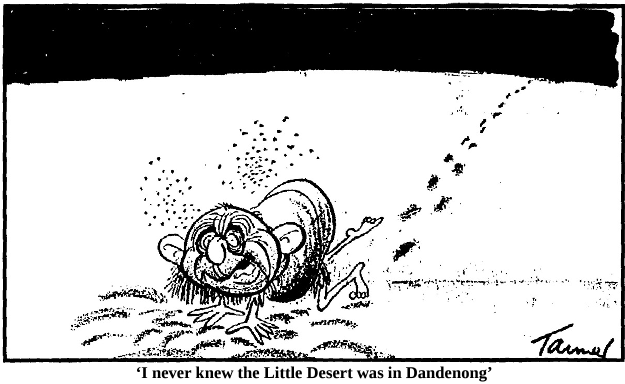
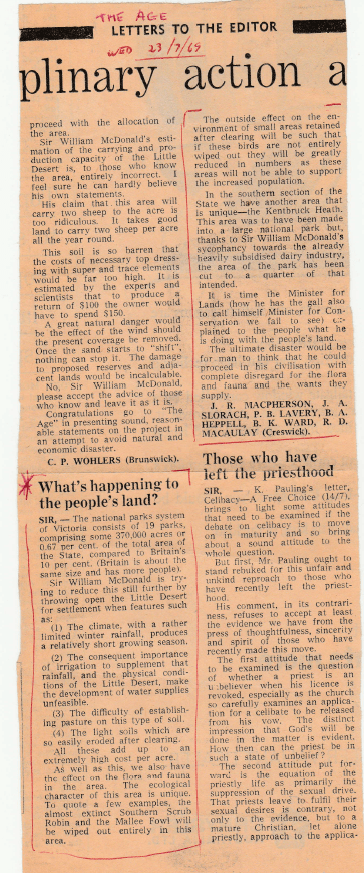
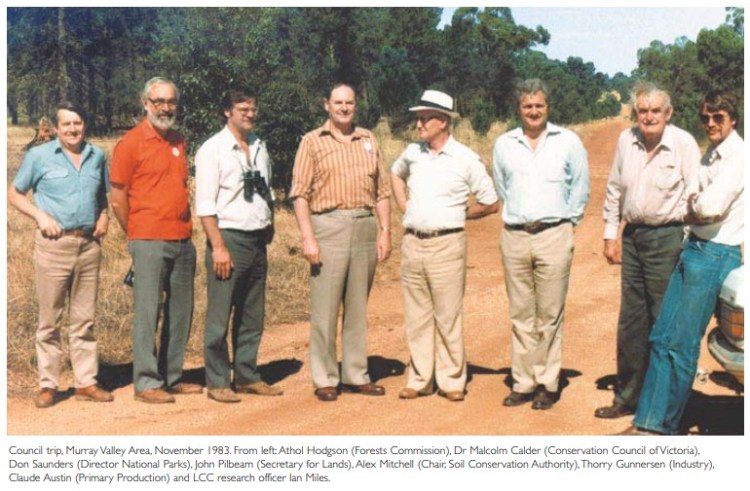
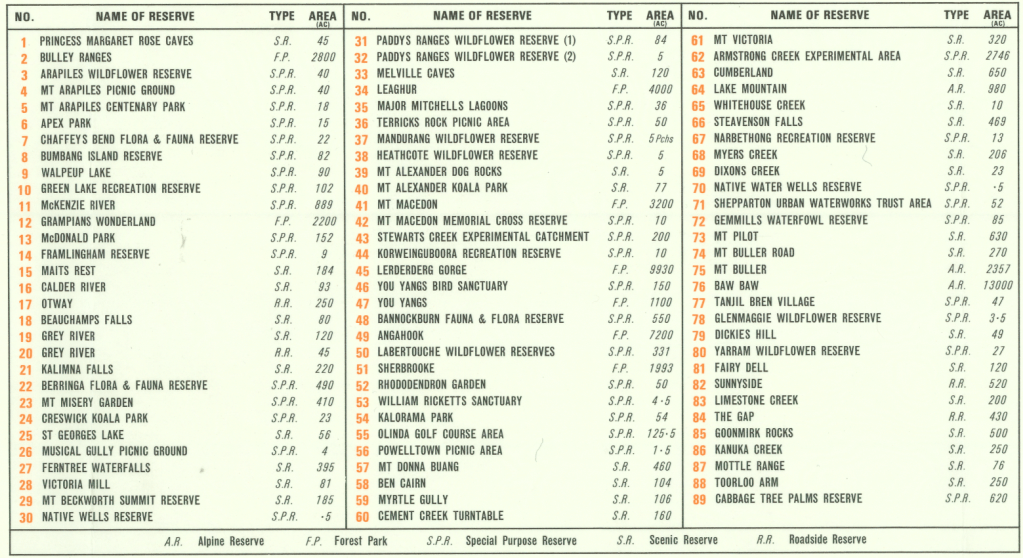
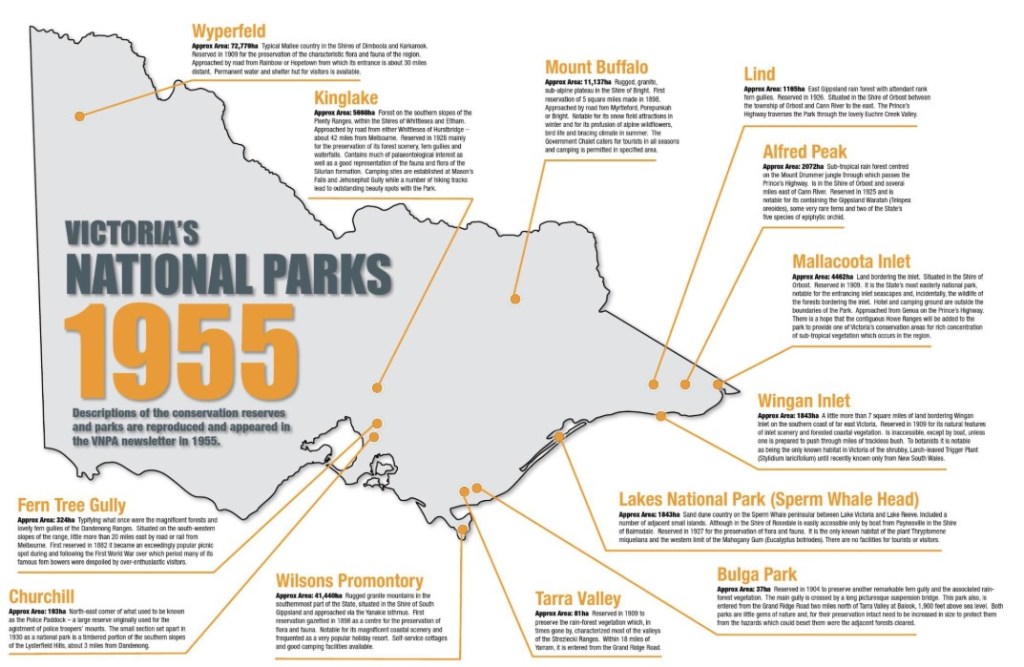
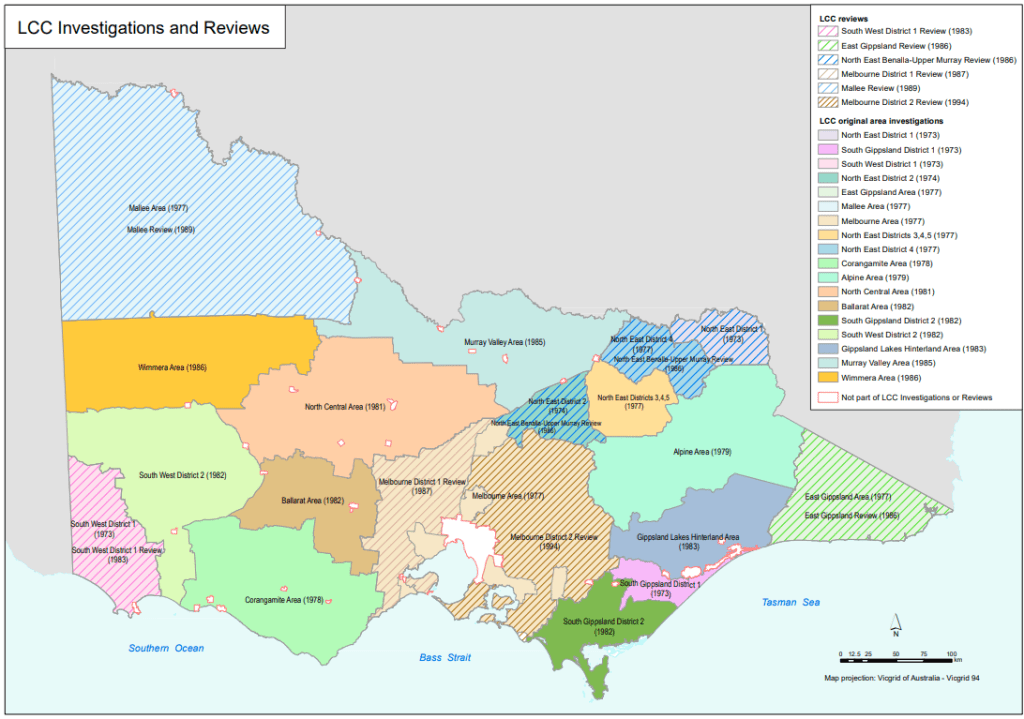
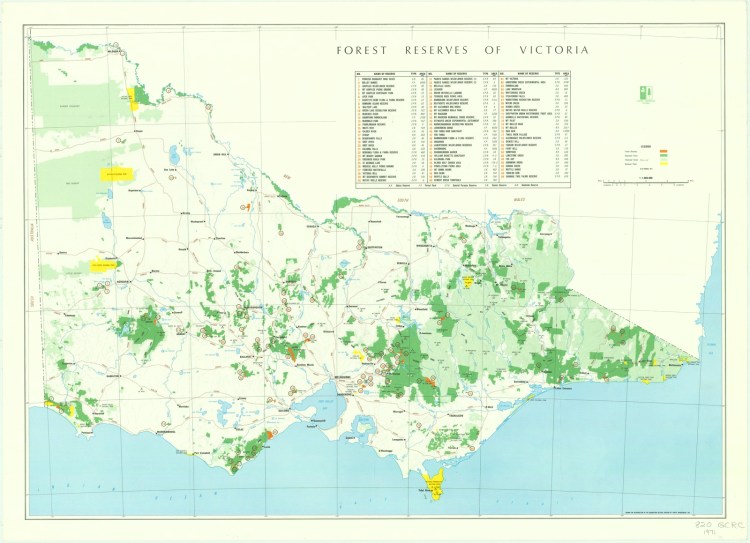
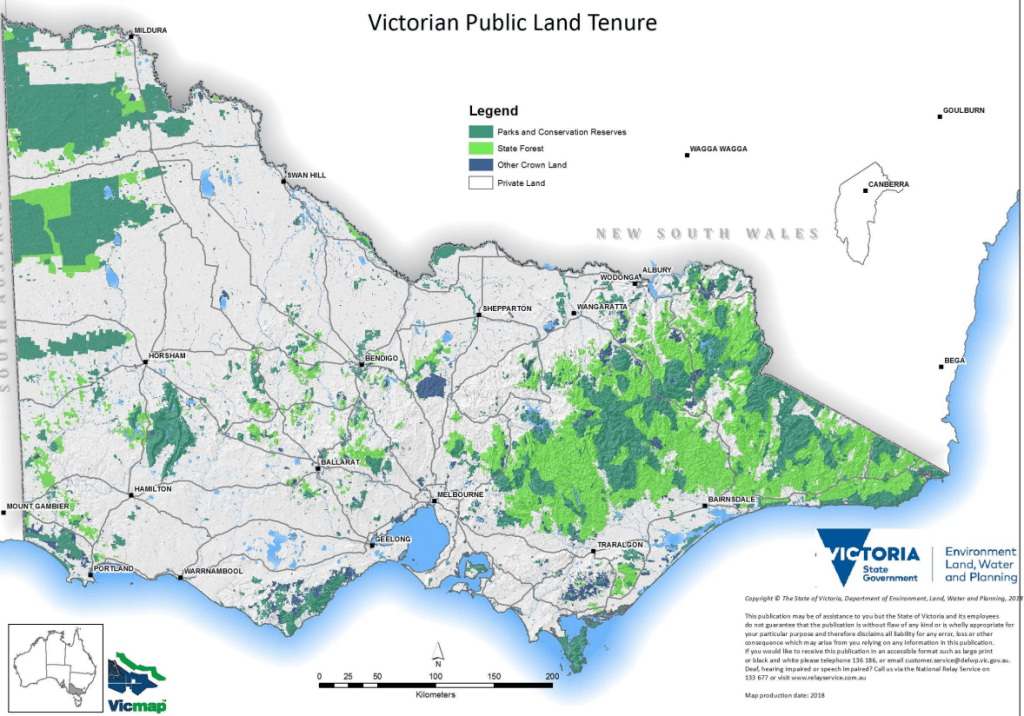

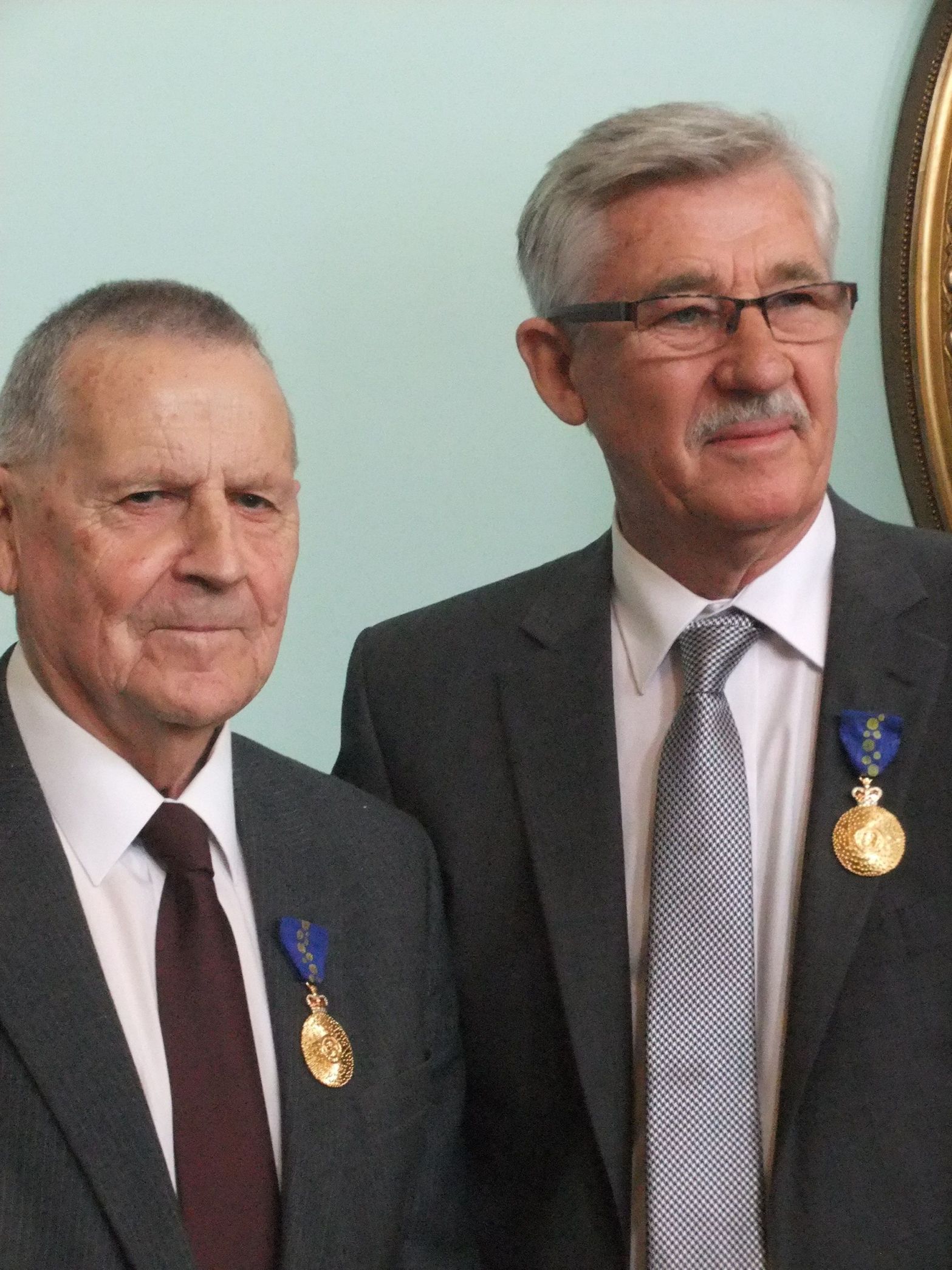

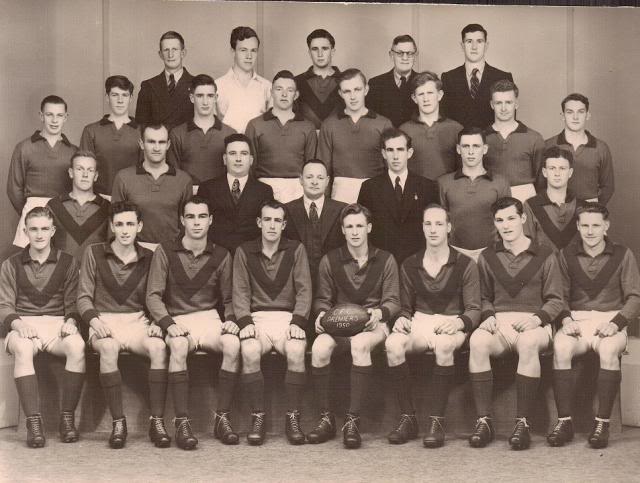

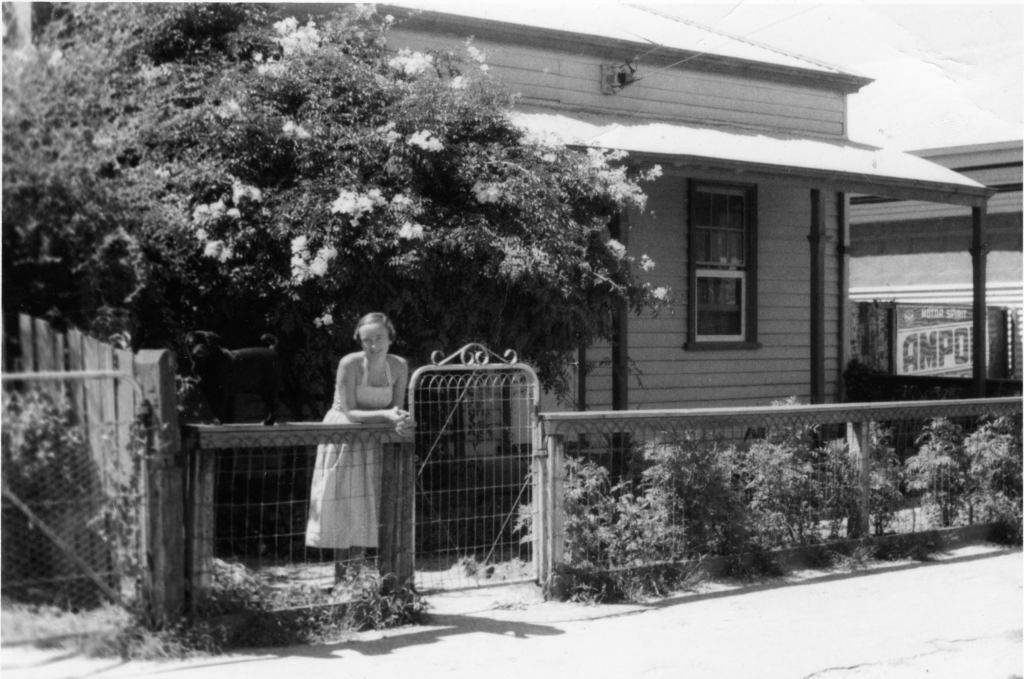


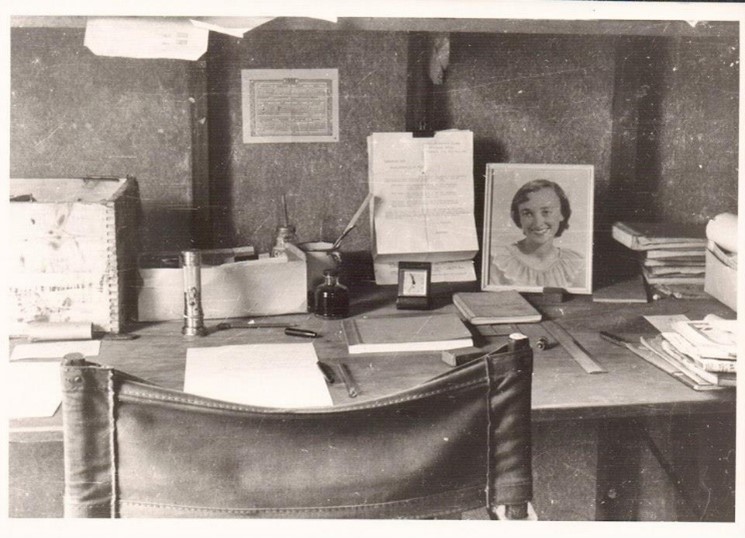

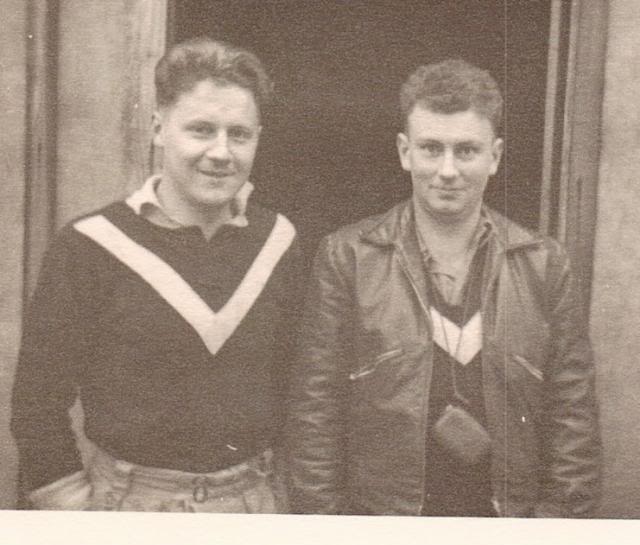

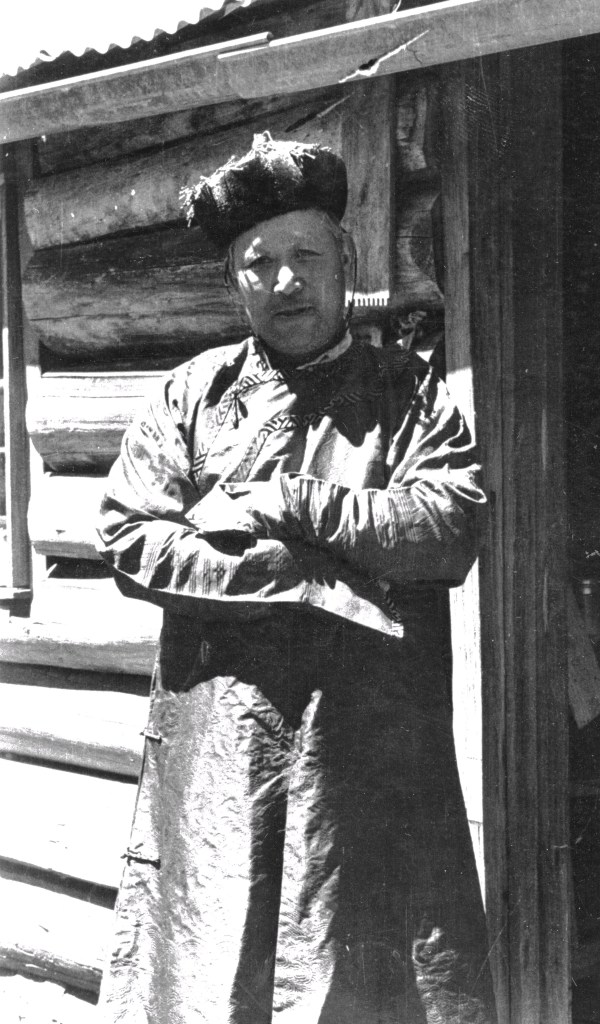

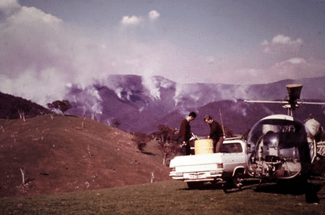
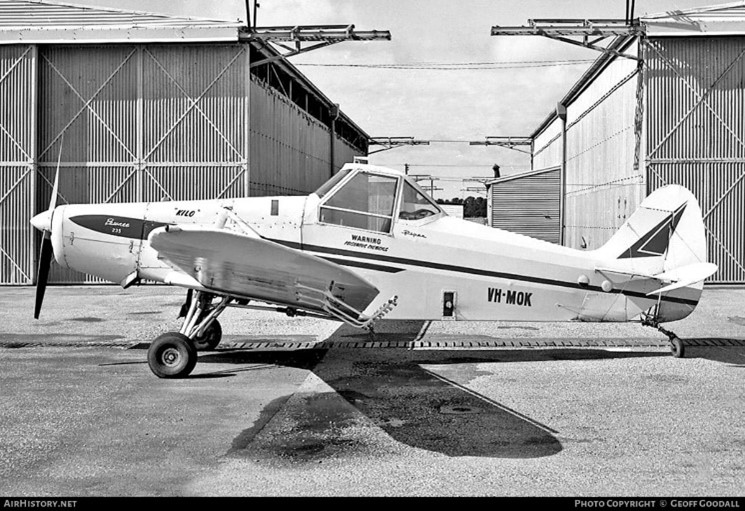

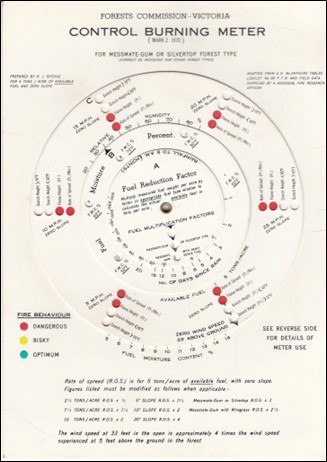

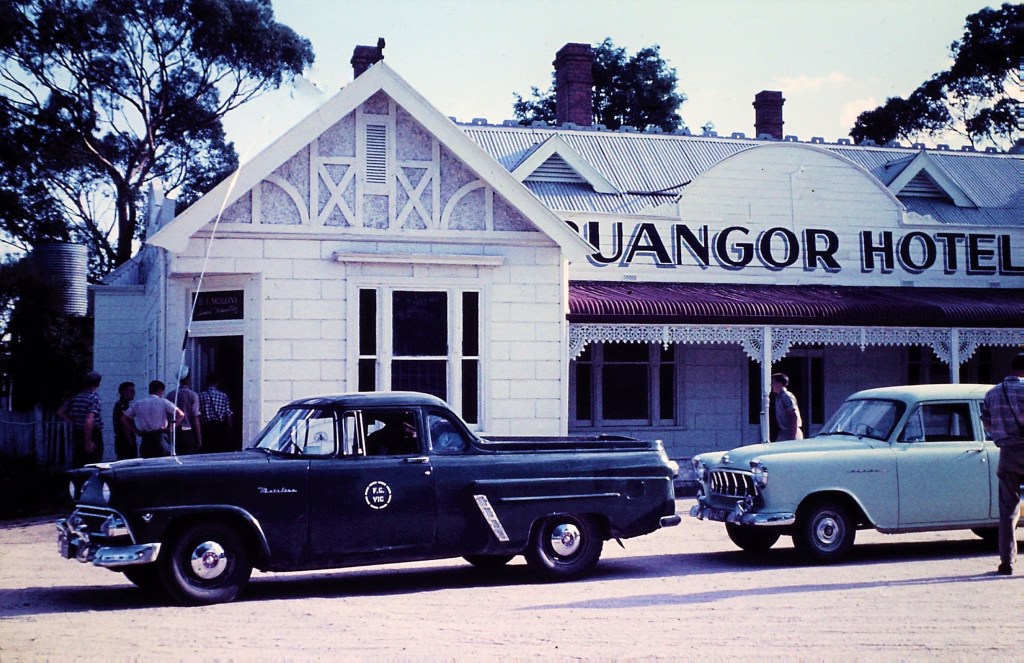
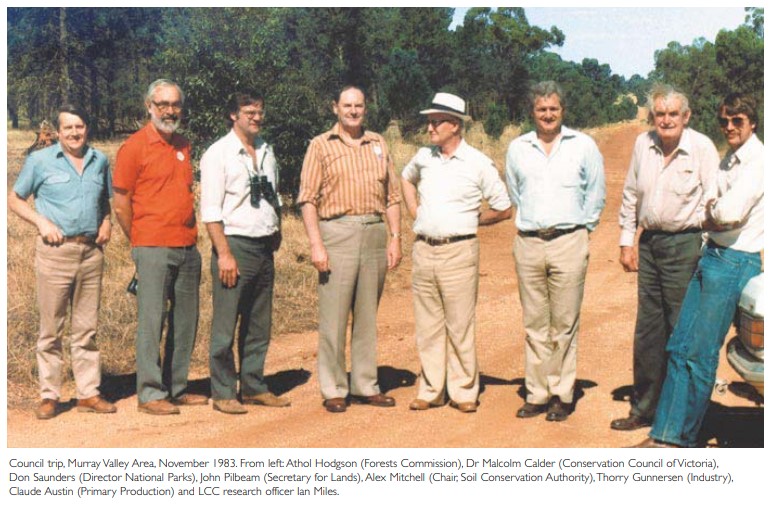
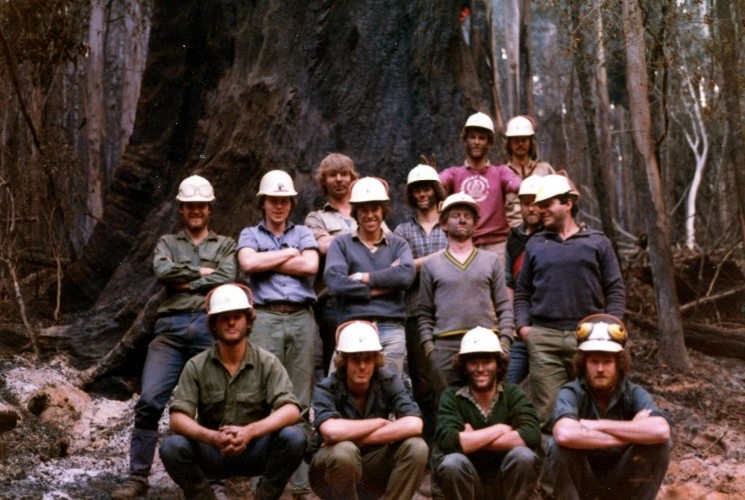
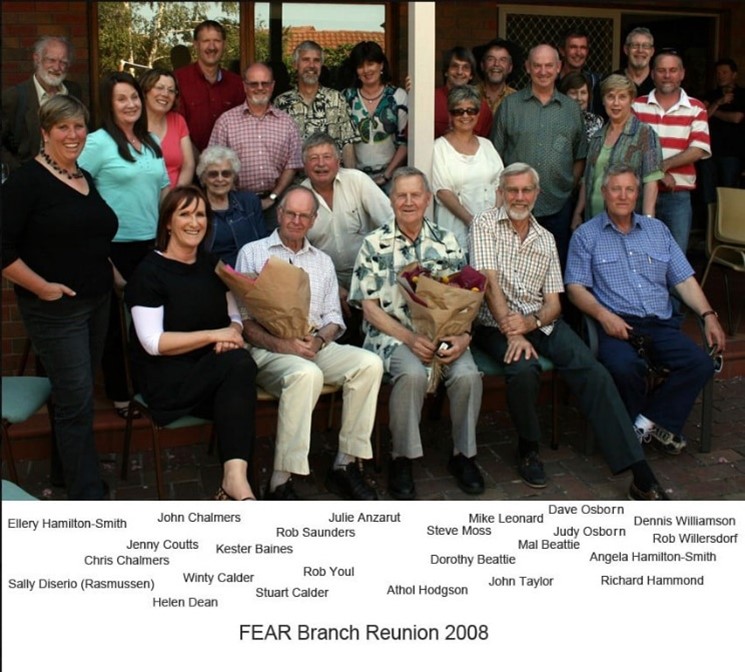
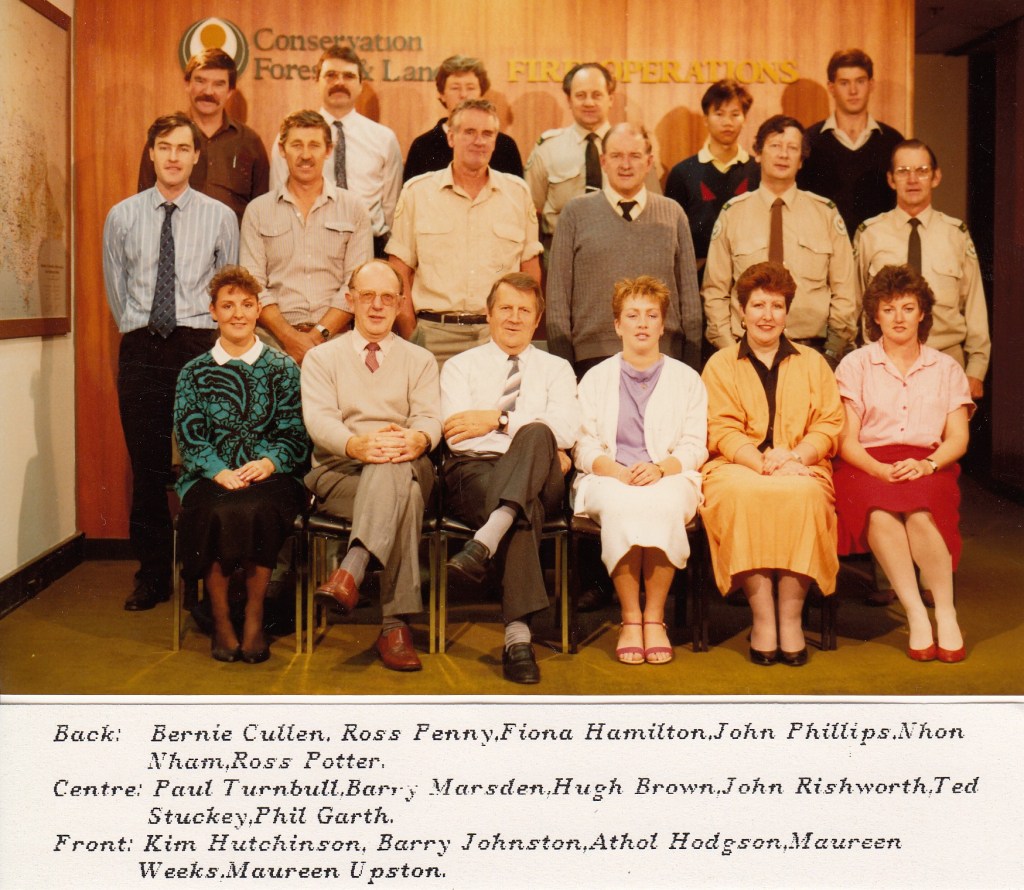

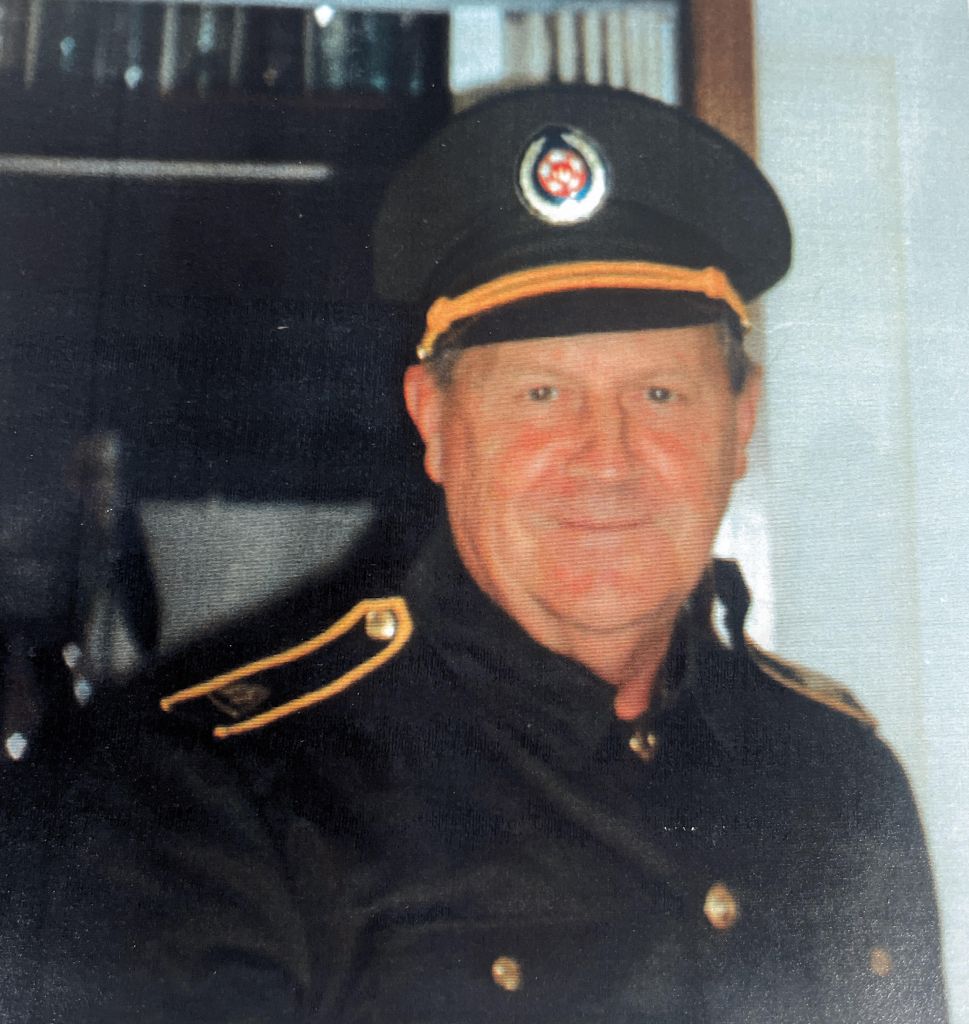

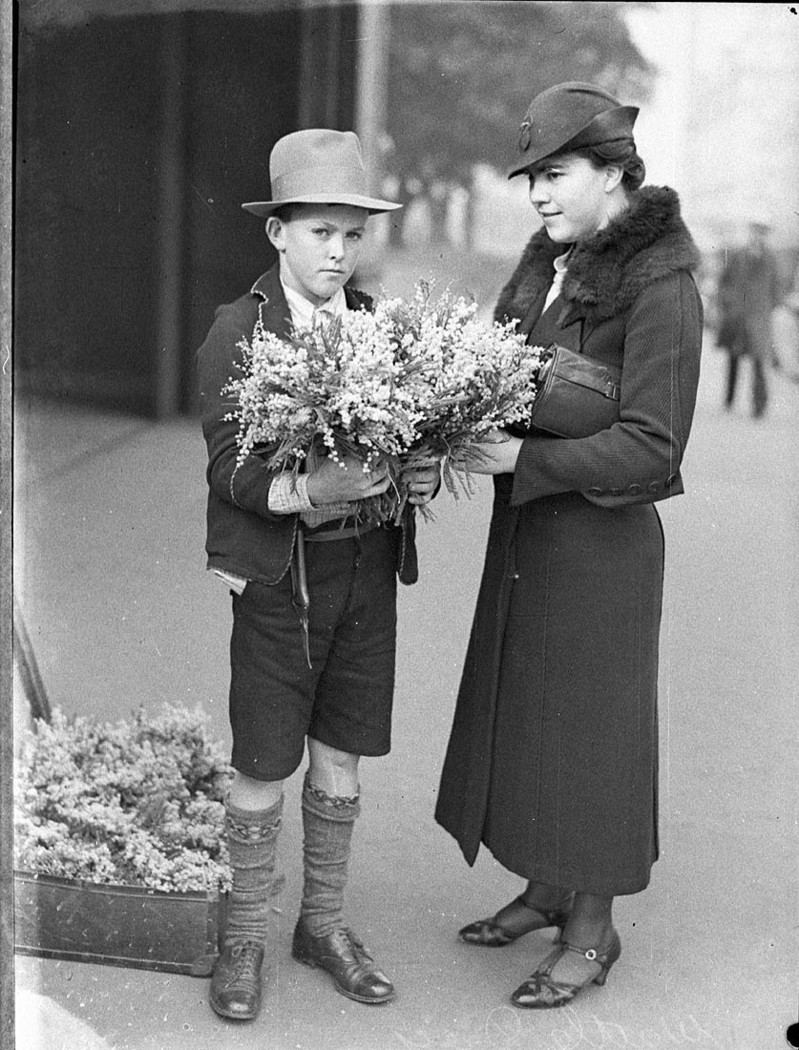
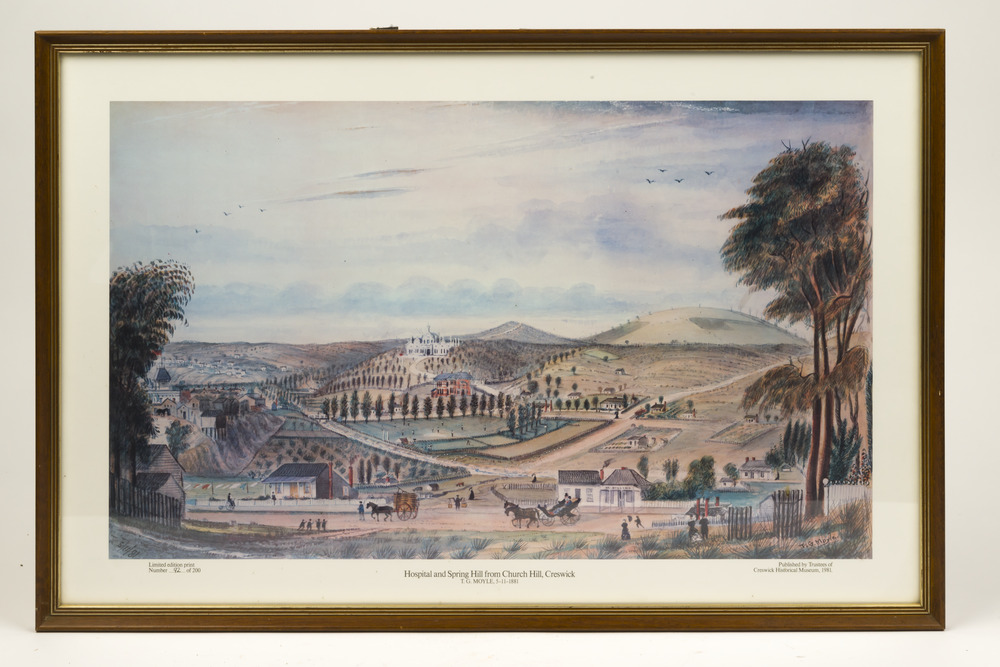

 Victoria’s Forests & Bushfire Heritage