Maybe isolation, maybe exemplary axeman’s skills, maybe a whacky sense of humour, or maybe just simple boredom, but Gippsland, in eastern Victoria, has a rich history of mysterious carved wooden characters across its extensive State forests and roadsides.
They include Pons asinorum near Cann River (early 1920s), Alfonso Spaghetti near Orbost (1924), the first Mr Stringy at Dead Horse Gap (1929) followed by the second, and current, Mr Stringy (late 1960s), several Fish Faithfull sculptures near Omeo (1930s), the first Parnaby Bushfire Totems at Noorinbee (1951), through to the more recent Pretty Boy, just south of Dargo (2016).
Sadly, most are gone now, having rotted away, burnt by bushfires, stolen or damaged by vandals, their stories often lost.
Gippsland’s most famous surviving wooden man is undoubtedly Mr Stringy who stands stoically at Dead Horse Flat on a lonely stretch of the Great Alpine Road between Bairnsdale and Omeo.
In about 1951, David Parnaby the East Gippsland District Forester, carved two large bushfire awareness totem poles from the very durable Gippsland Grey Box (Eucalyptus bosistoana), which sat outside the Forests Commission Victoria’s (FCV) office at Noorinbee.
David graduated from the Victorian School of Forestry (VSF) at Creswick in 1940 and initially worked in the Assessment Branch of the Commission.
David later had field postings to Heathcote, Powelltown, Dandenong’s, Bruthen and Beechworth Districts before being promoted as District Forester and moving to East Gippsland in 1951.
David was also an accomplished artist and cartoonist who provided insightful and humorous commentary through the Victorian State Forester’s Association Newsletter.
According to Forests Commission folklore, the totems bore disturbing resemblances to the Minister for Forests (Sir Albert Lind) and the Chairman of the Commission (Alf Lawrence), so David hurriedly made some changes with his chisel the night before their arrival from Melbourne.
The totems were moved in about 1965 to the nearby Cann River township, to be outside a new FCV office on the Princes Highway,
The totems were regularly repainted and changed appearance over the years but remained well-known tourist icons of the township.
The totems were finally removed in about 1998 when the office driveway was realigned, but the timber couldn’t be saved from rot, which simply collapsed. It was thought they had been lost forever, but miraculously, the heads had been unknowingly salvaged and spent the next 20 years quietly sitting in a private shed in the town.
I became aware that the original heads still existed in October 2021, and, after some negotiations and assurances with their custodian, the heads were recovered.
Well-known wood carver, John Brady, from Fulham near Sale was engaged in 2022 to make two fantastic full-size replicas of the totems. They are carved from cypress pine rather than hardwood and DELWP kindly offered pay for them.
The new totems are very imposing at over 8 feet tall and have been painted in one of their original colour schemes by talented local Cann River crew. Replica gallows signs were also made.
It taken time and dedication but its hoped to get them erected at some time in 2026, outside the department’s office on the Princes Highway.
The original heads are fragile and have been returned to their rightful home in Cann River to be displayed inside the Department’s office when it gets refurbished.
With the generous support of Eucalypt Australia and the Dahl Trust, I have been busy over the last year writing and compiling a free eBook titled “The Working Forests”.
The notion of Working Forests sits at the very heart of traditional forest management and the long-term approach to sustainability. It conjures up an image of a continuous cycle of harvest and renewal, of balance and multiple use of a wide range of environmental, social and economic benefits, while growing, and protecting forests for the future.
This eBook comes in two volumes and aims to capture the story of Victoria’s State Forests from the earliest days of the Colony in the 1800s through to the present.
Hundreds of small, stand-alone snapshots give a glimpse into specific times and events. They draw heavily on the substantial and diverse collection of stories published over a nine-year period on my Facebook page, “Victoria’s Forest and Bushfire Heritage”. The eBook is more a compendium of related stories which attempt to “join-the-dots”, rather than a linear chronicle, so there is some unavoidable duplication.
I’m unashamedly an amateur forest historian and have deliberately attempted to write in an easy-to-read and conversational style, rather than pursue a deeper scholarly work. I also have tried to use neutral language, to remain objective and avoid expressing biased opinions, but that’s for others to judge.
Volume 1 covers the period from colonisation of Victoria through to roughly the end of World War Two, while Volume 2 covers the remaining period to the present. But there are inevitable overlaps with some topics.
It doesn’t delve into Victoria’s rich indigenous past, nor does it cover in any detail the gold mining era and relics in the bush. And I have only touched-on steam sawmills and timber tramways because there are many enthusiast groups such as the Light Railways Research Society of Australia (LSRSA) which have covered this subject matter much better than I ever can.
It has been written from a forester’s perspective and captures the stories of people who worked in the forests, earned a living from them and enjoyed them as a place of recreation.
It’s also a tribute to foresters who managed and protected the State’s forests and plantations over many decades, and critically, worked to save the forest from permanent alienation and loss.
A large part of this document outlines the accumulated wisdom, achievements, planning and preparations undertaken by the Forests Commission Victoria (FCV) to build an effective organisation.
In documenting the history of the forests and the key roles that foresters played as early stewards and advocates for forest conservation and land managers, it taps into networks of retired and practicing foresters, as well as many others.
But there remain significant gaps and sadly many of the key FCV figures are no longer alive or available to give their version of events.
This project is timely and significant because the management of Victoria’s eucalypt forests are at a dramatic turning point. The recent cessation of timber harvesting in Victoria’s public native forest in 2024, is raw and remains controversial, but is at the conclusion of a long and complex backstory – one which needs to be told.
Some have suggested publishing a hardcopy book, but I have never sought to profit from my work and wish to share it freely. The costs of printing so many colour images are prohibitive. Besides, an eBook is easier to skim, search and scroll.
My main hope is to record some of the rich story of Victoria’s State forests and bushfire heritage and place it on the public record within the security of the National Library.
A lot has changed over my 40-year career in forestry but importantly the foresters and the Forests Commission left a strong legacy of tradition, camaraderie and a spirit of innovation which remains deeply embedded in the DNA of the current land management agencies.
Looking back, many things are apparent, like stable leadership, staff having pride in their work, and a strong “can-do culture” of getting the job done, consistently shines through.
There were many “firsts”… and a lot to be proud of…
Thanks once again for your support and encouragement.
Cover: The Sleeper Cutters – Cann River. David Parnaby graduated from the Victorian School of Forestry in 1940 and initially worked in Assessment Branch. He later had District postings at Heathcote, Powelltown, Dandenong Ranges, Bruthen and Beechworth. Promoted to District Forester in 1951, David was moved to Cann River, then Heathcote (1955), Castlemaine (1958) and Daylesford (1971). Following a period with Forest Protection in Melbourne he retired in 1980. David was an accomplished cartoonist who provided insightful and humorous commentary through the Victorian State Forester’s Association Newsletter. His keen eye for the antics of sleeper cutters at Cann River in the 1950s remains a classic. The more you look at this, the more you will see. This copy was a gift to the FCV’s Chief Forest Assessor, Murray Paine, in 1978 and is now with Gregor Wallace.
Soil erosion was identified as an emerging problem across rural Victoria almost immediately after the gold rush of the 1850s.
The Royal Commission of 1897-1901 into the destruction and wastage of Victoria’s forests also identified the importance of protecting soils and forested water catchments.
A Sludge Abatement Board was appointed in 1905, charged specifically with the responsibility of controlling the amount of sludge permitted as effluent into streams from mining operations.
In 1917 an Erosion Inquiry Committee was formed by the Minister for Public Works, but little seemed to come from its deliberations.
The State Rivers and Water Supply Commission (SR&WSC) established its own River Erosion and Flood Protection Branch in 1931 to carry out minor river stabilisation works.
As early as 1922, the Forests Commission had taken a strong interest in the protection of soils and water on forested catchments as well as private land. Specialist nurseries at Macedon, Creswick, Mildura and Wail near Horsham grew plants for country landholders to help restore the land.
Soil erosion came into very sharp focus during the droughts of the 1940s across the Wimmera and Mallee deserts where the sand from bare paddocks drifted across railway lines, roads and into irrigation channels. And huge dust storms were common.
In 1930 the Government appointed a sand-drift control committee to examine the problem, but once again it resulted in little action.
The important step came when Charles Tate Clark, Staff Surveyor in the Lands Department, was elected President of the Victorian Institute of Surveyors.
In 1939 he organised a symposium in collaboration with the Institutes of Engineers and of Agricultural Science to examine erosion control.
The symposium ran for four weeks and told a compelling story. Harold Hanslow, for many years a farmer and since 1935 a Commissioner of the SR&WSC was also concerned with the problem of erosion throughout the state and gave a graphic picture of the deterioration of the Mallee.
Removal of the Mallee scrub followed by excessive cultivation was damaging the fragile soil structure, plus the impact of rabbits was having a disastrous effect on the land.
The sand, so readily lost from the farmer’s property, drifted across railway tracks, overflowed roads, and filled up the irrigation channels.
The cost of maintenance works climbed as gangs of men were employed to shovel soil from permanent structures. In at least one case, an irrigation channel was completely abandoned due to sand-drift and another constructed in an entirely new location to replace it.
But the problems in the northwest were only the tip of the iceberg. Laanecoorie Reservoir on the Loddon River had been reduced by 47% of its capacity within 50 years because of siltation.
The Tambo River in East Gippsland had become so gorged with sediment that the new bed was now only a few feet below the rail track of the original trestle bridge.
The recommendations of the symposium were forwarded to the Premier, Albert Dunstan, in 1940 but he immediately put them into a file and forgot all about them. The Melbourne Press which promptly labelled him Albert the Ostrich.
Hanslow set himself two major tasks: to convince Victoria’s farmers to change their methods so as to promote soil conservation, and to persuade the government to pass legislation which would provide a framework for tackling the broader aspects of the matter.
Hanslow was a fiery protagonist and determined to see an erosion control programm instituted. He was also a prominent member of the Country Party and addressed meetings of members throughout the State with the aim of enlisting political support for the scheme which proved very persuasive.
By 1940 the pressure on the Government to do something was increasing, and Dunstan appointed a Cabinet Sub-Committee to examine the problem again. The committee recommended new legislation and appointment of a Board.
Cabinet once again ignored the recommendations. Hanslow was infuriated and wrote a stern letter to “The Countryman” highly critical of the Government. The Editor arranged to withhold publication until Dunstan had seen it and the Premier then threatened to sack Hanslow if he did not withdraw the letter. Hanslow retorted that unless Dunstan undertook to introduce soil conservation legislation the letter would not be withdrawn.
The stage was set and Hanslow retired to the country to await results. After a series of fierce rows, the Premier capitulated and agreed to the passage of legislation on the control of soil erosion.
The Soil Conservation Act 1940 created a Soil Conservation Board of seven members. The Chairman, Harold Greve Strom, was employed fulltime with staff to assist with the work. Beginnings were small but at the end of the first year the Chairman had a staff of three — the Departmental Secretary, a draughtsman and a typist.
In 1940, Hanslow donated a cup for the Mallee farm showing the best application of soil conservation principles.
Harold Hanslow – feisty farmer, Commissioner of the SR&WSC, and soil conservation champion. Source: Alps at the crossroads. (enhanced image)
Mrs. Dunn and her son Colin cross a barren and dusty paddock in the Wimmera during the 1944 drought. Source: State Library. http://handle.slv.vic.gov.au/10381/417648
The Soil Conservation Authority (SCA) developed land system mapping to identify soil erosion risk. The maps were used to prepare Land-Use Determinations (LUDs). Source: SLV. http://handle.slv.vic.gov.au/10381/139848
If you have ever wondered why Victoria’s bushfire arrangements are the way they are… then look no further than Judge Leonard (Len) Edward Bishop Stretton.
Len was born in 1893 and initially grew up in the Melbourne suburb of Brunswick, but from the age of six he had a rural upbringing at Campbellfield, just north of the city.
The family returned to the northern suburbs when his father won Tattersall’s Melbourne Cup sweepstake in 1902.
He was, by his own admission, “born only a lifetime after the settlement of Melbourne” and felt at home with working-class people.
Len attended Moreland State School and University High School at Parkville and later studied law at the University of Melbourne.
He attempted several times to volunteer for military service during World War One but was prevented for medical reasons.
After graduating from University, Stretton practised for ten years as a solicitor and, in 1929, signed the roll as a member of the Victorian Bar. In 1937 he was sworn in as youngest ever County Court Judge.
From 1938, he was involved in the formation of the Workers Compensation Board of Victoria including a role as Chairman.
Stretton conducted several major Royal Commissions, but three in particular shaped the way Victorian forests and bushfire were managed for decades to come.
1939 – Black Friday Bushfires (See: They had not lived long enough).
1944 – Yallourn Fires (See: Formation of the CFA).
1946 – Grazing (See: Maisie Fawcett and Judge Stretton).
Judge Stretton also served as an acting justice of the Supreme Court of Victoria from 1951 but declined an offer to hold the post on a permanent basis.
He was known for his wit and as a champion of the underdog and was noted for harsh sentencing for serious crimes, but his strong sense of social justice in cases before him.
On 31 May 1956, Stretton was appointed Order of St Michael and St George – Companion (CMG) for his role as Chairman of the Victorian Court of General Sessions.
He retired in August 1964 and died in East Melbourne on 16 May 1967, aged 73.
A major fire started at Aberfeldy just near the edge of the Thomson Reservoir at about 11.30 am on Thursday 17 January 2013.
The bush had been severely burnt only 6 years earlier in the Great Divide fires of 2006-07, so the forest had lots of dead trees and had grown back with a thick understory of tall oat grass.
The fire swept through the State forest in the afternoon and through the night under the influence of a strong north-west wind.
I was on duty as DSE’s Agency Commander when it started and worked through the night trying to figure out what was going on, predict where it was headed, deploying resources from across Gippsland and getting advice messages and warnings out to communities.
I had never seen fire move so fast and so hot during the middle of the night. There were strong upper atmospheric winds, which combined with very dry air, “dragged the fire along” at much higher speed than predicted. At 4 am the fire was moving through the bush at an astonishing 3-5 km per hour and spotting up to 8 km ahead of the front.
A series of infrared linescans and maps prepared by Fire Behaviour Analyst, Greg McCarthy, shows the progress of the fire overnight.
By daybreak, the fire had spread about 35 kilometres towards the south-east with spot fires starting on cleared farmland at Seaton, Dawson and Heyfield.
With the arrival of a south westerly wind change at around 10 am on Friday 18 January, the fire burned an additional 25,000 ha in eight hours towards Coongulla and Lake Glenmaggie. People at Licola were under potential threat.
Twenty-two houses were destroyed as well as a number of sheds and vans at the Glenmaggie caravan park. Sadly, Stanley Hayhurst, died after being found in a burnt-out vehicle.
Some 760 firefighters from DSE, CFA, Parks Victoria and Melbourne Water were deployed, together with 180 appliances, and 23 bulldozers, supported by 13 aircraft.
Over 87,000 ha were burnt, and it took nearly two months to finally control.
Keeping locals out of burnt areas and clear of falling trees was also a major safety issue which always caused grief and angst in the community. They usually found ways around the Police roadblocks we put in place.
Poorly supervised and overzealous shire contractors knocked over far too many burnt trees in my opinion and changed the rural landscape forever.
The subsequent rehabilitation project ran for months into the following spring.
Hundreds of kilometres of fences were lost and the new government fences policy, which I wrote, that provided 50% of the costs of materials to landholders for a replacement fence was implemented for the first time.
There was a subsequent court case, and Grahame Code, who admitted burning papers on his Aberfeldy property, was charged with recklessly causing a bushfire. But this charge was later dropped, and he was found guilty of leaving a fire without taking all reasonable precaution to prevent it spreading.
I worked back-to-back 14-hour shifts for weeks without a break in Traralgon and Heyfield and was caught up in endless meetings, briefings, tours for dignitaries and teleconferences. I was tired and all I wanted to do was go home and sleep.
Our house was full of soot and ash like it had been during Black Saturday and I didn’t have time to clean up the mess, mow lawns or spend time with my family.
Then more fires near Mt Hotham came over the Great Divide into Swifts Creek.
Only a week after the Delburn bushfires, on 7 February, the devastating Black Saturday bushfires broke out.
All the staff were placed on early standby in the Traralgon ICC with the expectation of it being a bad fire day. The morning was ominously calm and there was even a slight dew on the car when I left home.
But as the day progressed, all-time record temperatures were being reached. Melbourne hit 46.4°C, the hottest temperature ever recorded in an Australian capital city and humidity levels dropped to as low as 6%.
The McArthur Forest Fire Danger Index (FFDI) reached unprecedented levels, ranging from 120 to over 200. This was higher than the fire weather conditions experienced on Black Friday in 1939 and Ash Wednesday in 1983.
Nothing happened until around 1.30pm when the fires at Churchill and others north of Melbourne at Marysville and Kinglake took off.
We could see the smoke plume from our office windows at Traralgon. It was huge and boiling up over the Strzelecki’s and heading straight towards Yarram.
It was crazy for the rest of the day, trying to work out where the fire was, where people and crews were, aircraft movements, firebombing, what the weather was doing, predicting fire behaviour and which communities were under threat and so on.
But there was nothing much anybody could do to stop the fire, so our main focus was on the fire spotting over the main ridge into Yarram and warning communities.
The overwhelming majority of the fire activity occurred between midday and about 6pm when wind speed and temperature were at their highest and humidity at its lowest.
The wind direction changed strongly later in the evening with the SW change, and the fire leaped across small towns in the hills south of Traralgon.
The fire behaved in a way I hadn’t seen since Ash Wednesday in 1983. It spotted great distances and “surfed” its way from hilltop to hilltop, then burnt down into the valleys below. People who were in the way were suddenly surrounded by fire on all sides and had no chance of escape.
At Callignee, south of Traralgon, 57 of its 61 homes were destroyed and 11 people died that night. About 500 evacuees sheltered at an emergency centre established in a theatre in Traralgon.
After the announcement, FFMVic stated that harvesting and haulage contractors would remain engaged by VicForests until 30 June 2024 and continue to support the fuel-reduction burning program.
VicForests Community Forest licensees (firewood etc.) could also continue to cut until 30 June 2024.
But then on 5 January 2024, VicForests instructed all its Community Forestry licensees that they had only a month left, and that operations were to cease on Monday 5 February.
Allegedly, the date was brought forward by five months because it was feared that conservation groups, who were taking court action against VicForests, were about to launch additional legal action against individual licensees as well.
Geoff Evans grew up in Stawell and graduated from the Victorian School of Forestry at Creswick in 1971.
On leaving Creswick he was posted at Toolangi and assisted in managing the 1939 ash regrowth thinning program.
After completing a forestry degree at Melbourne University, Geoff then moved to Forrest in 1975 to supervise logging and regeneration operations on the Otway Ridge.
In 1978, he was transferred to Powelltown as the Assistant District Forester, responsible for fire protection and forest operations. He was also responsible, along with others, for building the iconic “Walk Into History”.
In 1981, Geoff moved to Horsham as the Fire Protection Planning Officer for Western Victoria, but on the formation of CFL in 1984 he secured the new role as the Assistant Regional Manager Operations (ARM-OPS) for the Horsham Region.
In 1985, he was accredited as one of the first Level 3 Fire Controllers, a position he maintained for 26 years. Geoff went to America in 2000 as part of the first international fire deployment and was awarded the prestigious Australian Fire Service Medal (AFSM) in 2004.
Following more restructures in 1993, Geoff was appointed Senior Forester and Fire Management Officer at Horsham.
Geoff retired in 2011 and applied for commercial C License to cut firewood in the Cherrypool State Forest 45kms South of Horsham.
Over his 13 years of thinning Redgum regrowth, Geoff cut an average of 20m3 firewood per month over an 8-month season, which began each October. His best-ever month was 69m3, but in the rush of his last four weeks before the closure, he and his family managed to cut a massive 175 m3.
Following the early shutdown, VicForests held a “wake” for all its community forestry licensees across Victoria at Beaufort on 5 April 2024. Prior to the event the VicForests supervisors had got together and come up with a few awards and Geoff was presented with the “Most Consistent Cutter” award.
At the “wake” it also emerged that Geoff Evans had felled the very last commercially harvested tree on State forest on the morning of 5 February 2024. The tree was a Red Gum on his firewood coupe in the Cherrypool State forest.
It’s ironic that the honour fell (pun intended) to such a notable Victorian forester.
Note – images were taken as screen shots from a video
VicForests Licensee Geoff Evans
VicForests Licensee Geoff Evans photographed by his wife falling what was later determined to be the last tree to be commercially cut on State Forest in Victoria, Monday 5 February 2024 , Cherrypool State Forest, Latitude -37.14269, Longitude 142.21032. (enhanced image)
Running down the high stump
The last tree to be commercially cut on State Forest in Victoria, Monday 5 February 2024 , Cherrypool State Forest. (enhanced image)
A fuel reduction burn near Tidal River in the Wilsons Promontory National Park escaped on Friday 1 April 2005.
It was the second time the burn, which had been ignited 12 days earlier in thick tea-tree, had escaped its containment lines, and was now bearing down on the popular campsite.
The burn had been initially lit at 1 pm on Monday March 21, under mild conditions, with an FDI of 3 (low), temperature of 17.4 degrees and east-north-east winds of 11.3 km/h, with gusts up to 29. The burn was not completely extinguished at the end of the day (which is not uncommon with heath fires) and continued to smoulder.
Four days later, on 25 March, the burn escaped its containment lines and crossed the main road into Tidal River, but it was under control quickly within 12 hours.
Fierce winds then saw it flare up again on the following Monday and Tuesday, but within its boundaries. Aircraft and more firefighters were deployed from Gippsland to suppress the flames.
Everything went quiet again for a few days, but then temperatures rose to the high 20s with north-west winds of about 100 km/h, which saw the situation escalate on April Fool’s Day.
Two rangers were rostered that evening to patrol the fire in conjunction with their normal duties. They reported at 9.00 pm that they could see sparks within the perimeter of the burn.
At about 11.00 pm, the duty officer was informed that the fire had spread and jumped the river. The fire quickly crowned under the influence of strong northerly winds with significant spotting in several locations. It was initially reported to be behind the Parks Victoria works depot.
At approximately 11.30 pm, staff activated the warning siren at Tidal River, which only operated for about 3 minutes before cutting out. Attempts to reactivate the siren were unsuccessful. Some 30 minutes had elapsed since residents and visitors first noticed the fire and the activation of the siren.
It was during the Easter school holidays so there was a rushed evacuation of more than 500 visitors from Tidal River to Norman Beach, which took approximately 20-25 minutes.
While the evacuation was underway the incident controller and two Parks staff removed Jet A1 fuel, tractors, boats, and vehicles to an open area.
The CFA at Yanakie was notified via 000 at 11.37 pm and several brigades responded. Four CFA tankers gained entry to the village and were deployed to directly fight the fire threatening the works depot and cabins and to steer the fire away from the residential area.
Police were also notified around 11.30 pm and arrived at the Mt Oberon turn off at approximately 12.20 am
The SES arrived at Norman Beach at 4.30 am and provided hot drinks and blankets to the campers. Between 6.00 am and 7.00 am police authorised the clearance of Norman Beach, allowing evacuees to collect their belongings and leave the Park.
The Premier, Steve Bracks, was one of those evacuated.
The fire swept out of control to the south and east of Tidal River and across the top of Mount Oberon towards the lighthouse at the southern tip of the Prom.
Another 100 people, scattered in campsites at Refuge Cove, Sealers Cove, Waterloo Bay, and the lighthouse were either flown to safety in the Police Helicopter or rescued by boat.
Without vehicle access to the wilderness area, boats, motorbikes and helicopters were used to transport crews and equipment to reach the bushfire in more remote areas.
An epic 18km handtrail was cut through the thick scrub over the next 14 days to contain the northern edge.
Over 6,000 ha, or 13% of the Park was burnt and it was controlled 17 days later. It was the first time the southern part of the Park had been burnt since February 1951.
The escape triggered five separate Government reports including DSE and the Emergency Services Commissioner, Bruce Esplin, who found the burn was poorly planned and inadequately patrolled.
The escape of the burn reignited age-old debates on the merits of fuel reduction burning and there were armchair experts aplenty offering gratuitous advice.
Politicians in Spring Street also joined the “pile-on” and couldn’t help themselves from having a crack from afar. State Opposition Leader, Robert Doyle, questioned how a controlled burn could get out of control, (very funny, ha, ha), while the shadow Minister for Environment, Phil Honeywood, described it as “the height of lunacy” to schedule burns just days before the Easter and school holidays.
Disgruntled holidaymakers didn’t hold back either.
The Minister, John Thwaites, defended the timing, saying autumn was the only time substantial fuel reduction could be undertaken, and that risks could never be eliminated.
Ironically, the aim had been to burn 20 hectares to protect the Tidal River campsite from future bushfires and rejuvenate the heathland vegetation.
But to put things in context, during the season, only 9 of 363 (2.4%) of the burns undertaken by the Department during its autumn burning program escaped control lines, with the one at Wilsons Promontory being the largest in terms of area. Diverting crews and equipment to the Prom disrupted the remainder of Gippsland’s burning program.
With hindsight, the burn had relied too heavily on a fuel moisture differential against the adjoining wet heathland as one of its main control boundaries, rather than a constructed track, but the heathland dried out over subsequent days, allowing the fire to escape.
But significantly, the investigation found that fuel moisture differential measurements were not undertaken along the southern flank as intended.
The Wilsons Prom sequence is shown from 21 March to 1 April 2005. The original planned burn of 21.8 ha was ignited on 21 March in heathland on the right. The first escape on 25 March is north across the road, the internal flare up is on 29 March, and then the main escape to the east towards Tidal River on 1 April. Source: Athol Hodgson (2006) – enhanced image.
View on 2 April 2005. Source: Athol Hodgson (2006) – enhanced image
The 12 February 1977 was described as “Black Saturday” as 69 fires broke out across Victoria. Five people were killed and 17 injured as 100 kilometre-an-hour winds drove fires statewide.
Most of the fires appeared to have occurred by power line failures caused by the very strong winds.
Eleven of the major blazes were in the Western District. The historic townships of Cressy and Streatham, west of Ballarat, were destroyed.
The Creswick fire originated at 1320 on farmland near the intersection of Weatherson’s Road and the Campbelltown – Clunes road, just south-west of Glengower.
A person later admitted to police that he carelessly dropped a cigarette into the long grass by the roadside and the fire spread rapidly. He was charged with offences relating to ignition of the fire on a day of Total Fire Ban.
The hot north winds sent the fire in a southerly direction.
CFA units included 49 tankers, while the FCV committed 130 men, 11 tankers, 4 bulldozers, a helicopter and a fixed wing aircraft, plus service staff and equipment.
Importantly, there were two long-distance spotfires which leapfrogged across the parched landscape. The first was near Wheelers Bridge at 1535, then another 10 minutes later at 1545, just north of Creswick near Wrigley’s Road
The map indicates a courageous attempt was made to put in a backburn on West Berry road near Allandale, but the fire slipped around the unburnt edge at 1600.
It was the second spotfire near Wheelers Bridge that raced about 2km in 30 minutes under the influence of the 60 km/hr northerly winds to reach the outskirts of Creswick North near the cemetery at 1610.
The fire swept near the Forestry School and Nursery and threatened the buildings. There were no students in the campus at the time.
The fire travelled a further 10 kilometres south through the bush until 1855, when the wind changed to the south-west.
The fire shape was long and narrow and travelled a total of 30 km. It was generally less than 3 km wide. Unlike many other fires on the day, it did not significantly break out on its eastern flank with the wind change.
Fourteen houses were destroyed, 6 of them unoccupied, together with 33 sheds and outbuildings. Although there was no loss of life or serious injury, there were several remarkable escapes.
The overall area was 5,300 ha with about 270 ha of pine plantations and 1,272 ha of eucalypt forest damaged, and many old and significant trees were lost.
Alan McArthur from the CSIRO later investigated the fires to understand their behaviour and the rates of spread, as well as the effectiveness of the suppression tactics.
The Creswick fire was long and narrow, having travelled 30 km and was generally less than 3 km wide. It was the spotfire at 1545 near Wrigley’s Road that impacted the town and the school.
Howard Loftie Allan Stoney was the first forester in East Gippsland. He was one of the original 16 appointed and took up his position as Inspector in Bairnsdale in 1883, aged 24.
Originally from Bairnsdale, Howard had no forestry experience or training but had worked in the Lands Office at Sale as a Crown Land Bailiff, having first joined the service as a junior clerk in 1874.
Other appointments included John La Gerche at Creswick, William Code at Heathcote, Thomas Orde at Beaufort, Moses McCann at Sandhurst and Robert Leech, W.F. McNamara, M.F. Hennessy and M. Griffin. There was also Joseph Firth (Macedon), John Blair (You Yangs) and J. H. Love (Gunbower) as plantation officers.
Although the forests of East Gippsland were different, Stoney faced similar problems to the other foresters across the State
His first priority was to stop illegal cutting. In his report for 1883, he noted 15 successful prosecutions for cutting without a licence and the seizure of several lots of wattle bark. The forests were closed to bark stripping at that time as a result of the Wattle Bark Board of Inquiry in 1878.
At Lakes Entrance, bark was used to tan sails and season fishing nets to protect them from decay in the salt water. The industry developed very rapidly and at one stage in 1868, there were 2000 tonnes of bark ready for shipment from Bairnsdale.
Howard also commented in 1883 on the excellent growth of young wattle on the closed areas and the valuable forests near Lakes Entrance and in the Snowy River District. By 1886, Stoney recommended reopening the areas closed to wattle stripping.
But Stoney had problems with court cases. In 1886, when one case was dismissed, the Magistrate suggested that the Crown Lands Department should provide him with legal assistance.
East Gippsland (beyond Bairnsdale) was one of the last places to be settled in Victoria.
The Koo Wee Rup Swamp was a significant barrier, so access to Gippsland was primarily by boat through Lakes Entrance or Port Albert until the arrival of the railways.
Sawmilling boomed in the 1880s coinciding with the construction of railway lines to Heyfield in 1883, Sale in 1887, Bairnsdale in 1888, as well as the Sale─Stratford link in 1888 and Maffra─Briagolong branch line in 1889.
The first record of sleeper-hewing in East Gippsland was from 1887 in the Coongulmerang Reserve near Lindenow.
Many small and itinerant sawmills were built across the Red Gum plains cutting large volumes for bridges and heavy construction, sleepers, as well as wood blocks to pave Melbourne’s roads.
Meanwhile, the Forest Conservator, George Perrin, was at constant loggerheads with the Railways Department over the wasteful cutting of sleepers. He urged that sleeper hewer(s) should be excluded from the forest and made clear his belief that individuals hewing timber bore the majority of responsibility for the destruction of Victoria’s timber, not sawmillers.
Perrin also believed that sleeper cutters posed a fire risk and he directed Stoney to cease all hewing by November 1897, and that no permits were to be issued in January. Not surprisingly, this was strongly condemned, and the Bairnsdale Advertiser described it as arbitrary and unnecessary, claiming that sleeper cutting did not increase the fire danger; men would be thrown out of work and the railways deprived of sleepers.
By November 1911, the demand for sleepers was particularly strong, with large loads being sent from Bairnsdale with the majority for the Cressy-Maroona line. The construction of the Bairnsdale-Orbost line between 1910 and 1916 also created a substantial demand. Many were cut from the forests adjacent to the new line.
In 1887, Howard forwarded a wide-ranging report detailing the level of sawmilling activity, timber products and their uses. On average, 20 licences for ordinary wood and 12 to 14 for red gum and ironbark were issued monthly.
But the demand for timber collapsed with the onset of the economic depression in the 1890s associated with a post-goldrush hangover, and very few of the mills from the 1880s, survived.
In 1889, Stoney was finally provided with an assistant forester, Robert Austin Leach, who was first stationed in Bruthen, then Cunninghame (Lakes Entrance) from 1890─1894.
In the Colquhoun State forest in 1901, Stoney, with the assistance of Foreman W. Hogg, who had replaced Forester Leach in 1895, started a small nursery raising the highly prized Gippsland grey box (Eucalyptus bosistoana) which was not regenerating satisfactorily. Stoney eventually persuaded the Department to fence off 20 acres, then he collected and sowed seed to produce a healthy crop of young trees.
In 1905, the nursery was inspected by the Acting Conservator, Augustus Warren Crooke, who was impressed and promised to follow up with more funds.
The Bairnsdale Shire Council commended Stoney for his initiative, and the next year the Bairnsdale Advertiser supported Stoney’s request for funds to clear a larger area of vermin and enclose it with wire, so the seedlings he had raised could be planted out. But it doesn’t appear that the funds were provided and there is no record of where the sown plot was located.
Foresters also had the responsibility for bushfires on State forests and Timber Reserves but had limited resources to tackle them.
The Bairnsdale Advertiser reported in 1890 that the Stoney sent a telegram to the Conservator of Forests, George Perrin, notifying him that a large fire was burning in the Colquhoun Forest and that settlers in the vicinity were suffering severely from the fire. A gang of 40 sawmill hands, who were in the vicinity, were engaged in fighting the fire and every effort was made to reduce the damage to a minimum.
By 1904, Stoney had overall responsibility for the Briagolong, Bruthen and Cunninghame Districts with subordinate staff of James Firth at Briagolong and W. Hogg at Cunninghame. In 1905, Assistant Forester, Thomas Hayden, was appointed to Bruthen. Later in 1910, to cope with the expansion in the hewing industry, another officer, H.W. Bridle, was appointed to Genoa.
Howard’s name appears regularly in the local newspapers as an official associated with the Bairnsdale horse racing club.
Howard Stoney continued as the Inspector of Forests at Bairnsdale, but in 1916 after serving in East Gippsland since 1883, he transferred to Melbourne and retired shortly after. Chief Forester H. D. Ingle, stationed at Wiseleigh (Bruthen), then took over.
Howard Loftie Allan Stoney died in Bairnsdale on 4 January 1924, aged 76.
Note: I’m not sure if Howard had any connection with Gippsland’s famous Stoney Creek railway bridge, or if it’s just a coincidence.
The Wombat forests are close to Melbourne and have been important for tourism and recreation for decades. The Hepburn Springs were discovered during the gold rush and a large number of Swiss and Italian immigrants lobbied the State Government in the 1860s to preserve them. Gold mining was thought to be irreversibly changing the underground water tables.
Uncontrolled timber harvesting began with the discovery of gold in 1851. During the gold rush there may have been as many as 190 sawmills, in and around the Wombat, cutting timber and producing fuel to support the mines and towns. The peak was in 1878 when 138,000 cubic metres of sawn timber alone was produced from more than 40 sawmills.
At the time, the forests were considered by many to be limitless “Wastelands of the Crown”. Timber cutters harvested the best trees and destroyed many more than they used. It also was common practice to strip bark from standing trees to clad buildings.
Overcutting continued despite repeated condemnation by the Conservator of Forests, George Perrin.
The soils and streams were also heavily disturbed in the quest for gold. The Government Botanist, Baron Ferdinand Von Mueller, is often credited with the spread of blackberries to stabilise soils disturbed by goldmining, which now uncontrollably chokes the bush and waterways.
In 1872, the first government nursery was established at Macedon by William Ferguson with the aim to restore land degraded by gold mining. Another soon followed at Creswick, opened by John La Gerche.
At the same time, the powerful Lands Department was alienating and selling as much public forests as it could, in a mad scramble to raise revenue and establish new settlements and farmlands.
By 1873, some 1150 steam engines in the Victorian gold mining industry were indiscriminately devouring over one million tons of firewood.
In May 1897, the Surveyor General – Samuel Kingston Vickery and the Inspector of Forests – James Blackburne, reported to Parliament on the “Permanent Reservation of Areas for Forest Purposes in Victoria”.
During their deliberations, they wisely remained mindful of interfering “as little as possible with further settlement” while at the same time giving particular attention to the needs for mining industry timber.
They finally recommended and defined more than one hundred areas across Victoria, except for the Mallee, to be permanently reserved as State forest. The most important of these was the Wombat Forests (Daylesford—Trentham) —145,000 acres.
Vickery and Blackburne estimated that since the discovery of gold at Ballarat, timber for building, mining and fencing purposes worth at least seven million pounds had been removed. During the year 1896 alone, the Daylesford and Creswick railway conveyed 90,000 tons of firewood, 35,000 tons of laths, 5000 tons of mining props, 1000 tons of poppet heads, telegraph poles etc, together with 7,000,000 super feet of sawn timber. They also assumed that miners would continue to expect ongoing access to all State forests.
But the scale and unsupervised nature of the early timber harvesting, which was similar across all western Victoria, resulted in the forests being exhausted by the late 1890s.
The deadly bushfires, the indiscriminate clearing of Victoria’s public land, and the wastage of its forests and timber resources during the 1800s could no longer be ignored. In late 1897, the State government gave a very wide-ranging brief to a Royal Commission to examine the destruction of the State’s native forests.
The Wombat Forest was considered by the Royal Commission to be Victoria’s “most important forest” because of Its location and immense supplies of young timber, particularly messmate, stringybark, manna gum and peppermint, combined with its rapid growth rate.
The Commission’s Report number 4, “Wombat Forest: Its Resources, Management, and Control”, was released in June 1899, and described the Wombat as a “Ruined Forest”.
The Royal Commission recommended the permanent dedication of over 80,000 acres for forest purposes. But this was against considerable pressure for more alienation and selection.
The Wombat forests were finally identified in the 1907 legislation to create the new State Forest Department, the forerunner to the Forests Commission.
But it was too late, the once magnificent stands of messmate (Eucalyptus obliqua) had been destroyed and converted into stunted mixed species coppice (multiple stems which sprout from cut stumps), useful only for firewood and small mining props.
Subsequent silvicultural improvement works by the Forests Commission during the 1920s and ‘30s, rehabilitated the cut-over and badly degraded forests by removing defective overstory trees to encourage regeneration of new seedlings, together with thinning excess saplings and coppice. These works helped the forests return to reasonable levels of productivity and gave them time to recover.
Low intensity timber harvesting recommenced in the 1920s based on the thinning. In some areas single large trees were harvested so that new trees could replace them. This was known as the Single Tree Selection System.
In September 1939, at the same time as the outbreak of WW2, the Egyptian State Railways placed a huge order to supply 26,455 messmate and brown stringybark (E. baxteri) telegraph poles. The poles ranged in length from 22 feet to 60 feet and totalled over three million superficial feet of timber. (>7000 m3).
The poles were supplied by thinning the stringybark forests at Daylesford and Trentham after they had grown back as a direct result of the Forests Commission’s earlier silvicultural programs to repair the damage to the bush caused by gold mining.
But the post-war housing boom led to a big increase in the level of timber harvesting from all the state’s forests. Political pressure from municipalities, local parliamentarians and the Returned Services League (RSL) was intense, which saw many new sawmills given log allocations from the Wombat.
The demand for timber was high, and small groups of large trees were harvested, a practice known as Group Selection. But after concerns by local foresters, in 1948, the Single Tree Selection System was reintroduced.
In 1954, the Wombat Forest yielded almost 70,000 cubic metres of logs, but the District Inspector doubted whether this level could be sustained.
Meanwhile, Victoria’s timber industry progressively moved eastwards after the war, coinciding with the completion of the salvage in the Central Highlands forests which had been burnt in 1939.
This move eased the pressure on the Wombat forests and allocations were trimmed by 7% from 1959 and further cut each year to 1961. Some 60% of Wombat sawmills closed or merged during the 1960s and 1970s. Many continued to operate with logs sourced from the considerable area of private forests.
In 1963, Continuous Forest Inventory (CFI) plots were established across the Wombat to determine forest growth. Measurements again of these plots in 1968 were used to estimate the level of growth in the whole forest over the previous five years, and then to determine sustainable harvesting rates. But the CFI plots only sampled a very small selection of the complex mixed-aged and mixed-species Wombat forests. The figures therefore had high levels of inherent uncertainty.
But the CFI measurements indicated that only the larger, older trees were showing any reasonable growth, and it appeared that the Single Tree Selection System prevented younger trees from growing satisfactorily.
Therefore, in 1973, a two-stage harvesting and regeneration process called the Shelterwood System was introduced.
In the first stage, most trees were harvested, but several of the best trees were retained and allowed to grow on, while producing seed and shelter for regeneration. The Basal Area retention for the first shelterwood cut was 9-11 m2/ha.
The second stage involved harvesting the retained trees before they began to slow the growth of the regenerating forest. But because of operational reasons many of the second stage cuts did not proceed.
The Land Conservation Council (LCC) conducted its study of the Ballarat area in 1982, which recommended that most of the Wombat State forest remain managed for a balance of multiple uses including timber harvesting and recreation.
The Timber Industry Strategy was released in 1986 and set a Sustainable Yield (SY) of 60,000 m3/yr of sawlogs from the Wombat Forest.
This figure was later reduced to 41,100 m3 during the Regional Forests Agreement (RFA) process, and the addition of more conservation reserves.
However, following an external review, this figure was further reduced by 79% to 8,600 m3, coinciding with the announcement of the Our Forests Our Future (OFOF) program in February 2002.
Controversially, additional State Government announcements and decisions such as creating new National Parks in the Otways and Cobboboonee, saw the cessation of all timber harvesting in western Victoria. The last major sawmill to cut sawlogs from the Wombat Forest was Black Forest Timbers at Woodend, which closed in 2007.
Wombat Forest Output, 1850-2008. Source: NRE 1994.Removing multiple coppice stems so that growth concentrates on remaining stems to produce a sawlog.Egyptian poles. Station Yard, Trentham Wombat District. 1939.
The Heytesbury State forest was once on the western side of the Otway Ranges, south of Cobden and Terang.
The first timber mill was established in the 1850s by James McLure between Curdie Vale and Timboon.
In 1882, the Victorian Inspector of Forests, William Ferguson, made a field survey of the Heytesbury Forest. He estimated there were 60,000 acres of grasstree plains thought to be of little commercial or agricultural use.
There were big bushfires in 1886.
In 1892, the Curdies River area became accessible by a railway from Camperdown to Timboon which enabled market access for timber and dairy produce. But life was hard, farms struggled, and many families just drifted away to other districts.
In about 1908, the Victorian Department of Agriculture cleared 1,000 acres of the grass tree plains to establish an experimental farm. As a result, some land was made available for selection, but it was flat and became easily waterlogged, so farming was not a big success.
The State Government and the Minister for Lands, David Oman, tried to sell 27,000 acres of State forest in the southern Otways for farming in 1923. The proposal faced formidable opposition from sawmillers, the community as well as the new Chairman of the Forests Commission, Owen Jones. The plan was eventually shelved but Jones became a political casualty of the saga and left for New Zealand not long after in 1925.
Other government relief schemes had major impacts on the Heytesbury forests. These were the building of the Great Ocean Road, and the establishment of the Bailey Settlement between 1928-33, where some of the forests east of Timboon were cleared for 50 dairy farms and over 70 miles of roads were grubbed. The Education Department opened five new schools and the CRB built main access roads.
The scheme was the brainchild of Henry Stephen Bailey, local Labor MP and member of the Legislative Assembly for Warrnambool, who also had been recently appointed as the Minister for Crown Lands. The scheme is sometimes also known as the Heytesbury Closer Settlement Scheme.
But in 1931, the local Shire Council condemned the Minister for Lands for opening up the Heytesbury forest to settlement without some provision and protection for forest reserves.
The second and much larger Heytesbury Land Settlement Scheme began in the 1950s and was strongly supported by the State Premier, Henry Bolte, who grew up in Ballarat and owned a farm in the western district. The Heytesbury Scheme was sometimes known as “Bolte’s Blunder” by its critics.
At the beginning of 1951, the Soldier Settlement Commission began considering developing three major areas of Crown land at Heytesbury, Yanakie and Nyora.
By December 1953, the Land Settlement Act created farming opportunities for young civilian men without previous war service.
In response to the proposed clearing of Crown land, the Forests Commission conducted an extensive aerial and ground reconnaissance of about 150,000 acres at Heytesbury, including the parishes of Waarre, Latrobe, Coradjil, Wiridjil, Cooriejong, and Natte Murrang.
The following year in 1954, the Commission reserved 9,000 acres which carried good stands of messmate and stringybark as Permanent Forest under Section 52 (1) of the Forest Act 1928.
The remaining 70,000 acres of unused Crown land (i.e. Protected forest) in the Heytesbury district were then set to be cleared for 200 new farms, each with a family of five people.
Clearing of the first 7,000 acres began in 1956, by which time Victoria’s WW2 Soldier Settlement program was starting to wind down.
Access to heavy and more powerful machinery enabled effective clearing. There were about 80 crawler and wheeled tractors pulling ploughs, drills and rakes.
Two large 220 hp bulldozers attached a long steel chain to an 8-foot diameter steel ball to smash down the forest. The trees were then pushed into windrows and burnt. The cleared land was smudged, harrowed, raked and seeded. After two or three years of grazing the land, it was allocated to settlers.
But the clearing was entire and left almost no remnant forest undisturbed. And it seems there were few voices of opposition.
A prison farm had been established at Cooriemungle in 1940 to house 60 low-risk prisoners who were near the end of their sentences. The inmates helped with the land clearing, and for a while they worked in a nursery raising seedlings for FCV plantations in the Otways. They also did some planting work but the travel time each day was too long. The prison closed in 1977.
By 1958, the land developed at Heytesbury, Yanakie and East Goulburn was ready for transfer to civilian settlement.
The first section of the Heytesbury was opened in late 1959 by which time it was no longer part of the Soldier Settlement Scheme and had been transferred for civilian settlement under the Land Settlement Act.
The first 25 families arrived in 1960 and were allocated a 200-acre farm, a 3-bedroom house, 29 cows, a bull, plus 10 water troughs, two water points, a hay shed, dairy, tool shed and garage. They could purchase the farm outright or arrange finance through the scheme.
In 1962, the township previously known as Heytesbury was renamed after Hugh Leslie Simpson, Chairman of the Rural Finance and Settlement Commission.
By 1963, the local community had grown to 50 farming families, followed soon after by another 40. The community became big enough to support a football club and other social activities. The Heytesbury scheme eventually created 378 farms.
Dairy farm development at Heytesbury ceased in the 1970s and during the 1980s the remaining land was gradually sold publicly in various-sized lots. The Rural Finance Corporation held its final clearing sale on 24 May 1989.
Despite initial scepticism, the land became one of Australia’s most successful dairy regions.
The next time the State Government attempted such a large-scale conversion of crown land into farmland was in the late 1960s in the Little Desert. But that’s a different story.
In March 1988, an area of 1,039 ha was transferred to the Department of Conservation, Forests and Lands (CFL) for softwood production.
Around the time of the release of the Timber Industry Strategy, the State Government spruiked agroforestry as the future at Heytesbury.
Ironically, the forests at Heytesbury which had been cleared and converted to farmland in the 1950s and 60s was purchased and replanted with plantations of blue gum (E. globulus) and shining gum (E. nitens) for woodchip export from Portland.
In 2003, the Midway company bought 4 farms at Heytesbury totalling 400 ha and others followed. The area became incorporated into the “green triangle” in southwest Victoria with about 160,000 ha of softwoods, plus another 110,000 ha of short-rotation hardwood plantations.
This plantation conversion was not universally welcomed by the community, and loud protests soon followed and are ongoing.
Land clearing for development, Heytesbury, 1958. Source: Victorian Places.Heytesbury Settlement Park. Giant ball for smashing down scrub. http://handle.slv.vic.gov.au/10381/233604Land clearing at Heytesbury – 1909. The soil could become easily waterlogged and was hard to farm. Source: SLV http://handle.slv.vic.gov.au/10381/450526Source: Peter Lynn & George Armstrong (1996). Pentonville To Pentridge – A History Of Prisons In VictoriaHeytesbury Forest – 1894. Source: SLV http://handle.slv.vic.gov.au/10381/413501 Surveyors in Heytesbury Forest, 1894. “Scenes in and around Warrnambool”, by Arthur Jordan. Source: SLV. http://handle.slv.vic.gov.au/10381/413475
Before Airbnb, TripAdvisor and online accommodation bookings, or grabbing a glossy colour brochure at the local travel agent, tourism was a core function of both State government and local councils.
The Victorian Railways first established an “Inquiry Office” in 1888 at Spencer Street Station to assist tourists. They offered road maps and guides and also organised reservations at hotels and guest houses.
Organised tours were very popular before access to personal cars became more common. The railways also built and operated the Chalet at Mt Buffalo.
Skyline Tours began on the Mt Bogong Range in 1926 as “Personally Escorted Mountain Hikes”.
Control of the Victorian Government Tourist Bureau transferred from the Railways to the newly created Tourist Development Authority in 1958.
The Forests Commission didn’t offer tourism packages but promoted State forests by providing facilities at popular destinations like Sherbrooke, the Grampians and Marysville.
The Victorian Government Tourist Bureau operated in association with the Victorian Railways at 272 Collins Street. c 1945. Photo: SLV: http://handle.slv.vic.gov.au/10381/96953
This magnificent 80-page coffee table book was produced as a prelude to the 1956 Melbourne Olympic Games.
There were others in the series produced by the Australian Publicity Council.
The effusive preface was written by the Premier John Cain Snr.
This small selection of images reflects an unashamed sense of optimism and pride in country Victoria, particularly its forests and the timber industry.
By the early 1980s, the Forests Commission employed some 300 foresters, plus a further 500 technical and administrative staff, and well over 1000 works and fire crew, spread across country Victoria in 48 districts and 7 divisional offices.
Most of them lived and worked in small country towns or larger regional cities. Head Office was small by comparison.
More importantly, there was a recognition by the Commission and the State Government of the significant social and economic contribution that departmental staff, and their families, made by simply living in the country and being part of the fabric of rural society.
Families sent their kids to local schools… shopped locally… drank at the local pub… bought coffee at the local café… picked up fish ‘n chips on the way home from work on Friday night… and just sorta fitted in…
Significantly, many of the big departmental purchases like fuel and hardware were also made locally too…
Along with other professionals such as schoolteachers, bank managers and the police, departmental staff often volunteered, or were coopted, for important community leadership roles in local sporting clubs, social and civic groups such as CFA brigades, or service organisations like Rotary or Lions.
As soon as a new forestry family arrived in a small town they were approached by the footy, netball or cricket club to be part of the local team.
And it wasn’t uncommon for the tanker, or tents and pumps from the fire store to be used at a local community event like a school fete, or the grader to quietly run a firebreak around the local footy ground or the golf course on the edge of town.
Some chopping blocks supplied to a country showground in time for the annual fair. Or maybe a load of dry firewood delivered by the crew to the old folk’s home in winter which was always welcomed with fresh scones and cups of tea.
There were unstated boundaries to this philanthropic largess, but the District Forester was a respected figure in the community and allowed some discretion.
When I was the Gippsland Regional Forests Manager, I instituted an annual “Give-Back-Day”. The staff and crew then chose and organised an activity in their local community as a gift. But importantly, there was no media and no fanfare.
Integrity is about doing the right thing, even when no one is watching – C.S. Lewis
The kindergarten at Erica received a lick-of-paint and their garden tidied up, while a cancer respite centre near Powelltown had some dangerous trees felled as chainsaw practice and a bit of earth works done with the D4 to create a walking path. Some simply went en masse to give blood at the Red Cross caravan.
The Nowa Nowa Nudes Festival was quietly sponsored, with a few raised eyebrows and muffled giggles, to support the local community arts project.
But best of all, the winning sculpture was selected by a panel including the local staff at a gala evening, complete with burley blokes in Blundstone boots wearing checked flanny shirts, ladies in colourful frocks, lots of noisy kids, and a “nosh-up” feast of party pies, canapés, chilled bubbles or a cold frothy beer. It was always a fun occasion…
The winning entry was then mounted by the local crew in a section of walking track on a bit of State forest near the river. But more importantly, everyone in the town enjoyed a stronger “Pride of Place”.
I have been fortunate enough to study community forestry in the UK, Canada, Sweden and Indonesia, and have seen the power of partnerships when forestry staff and their families are encouraged to do stuff together with the community.
Building successful long-term partnerships in country towns was not a quick fix of engaging external PR consultants and media managers, or sausage sizzles, or public meetings with sticky labels on whiteboards, or pointless strategic workshops to talk endlessly about stuff… or even about handing out grant money to others for stuff… but it was about planning, sharing, taking risks and doing stuff together to create lasting and meaningful relationships…
Taking a few risks and investing in local relationships takes time and energy but “paid-off-in-spades” when things got difficult or tough. People thought twice before writing a nasty letter to the Minister or contacting the local paper when they were cranky about something.
However, the progressive reduction in the numbers and seniority of forestry and parks staff living in small country towns over the last few decades, together with the progressive centralisation of services, resources, power and decision-making, has fuelled a stronger disconnect between the country and city. It has certainly not helped deal with the growing list of rural grievances.
In the years since the amalgamation of the Forests Commission and other agencies into the Department of Conservation Forests and Lands (CFL) in mid-1983 there has been eight more major departmental name changes including DCE, CNR, NRE, DPI, DSE, DEPI, DELWP and finally DEECA.
I can’t remember exactly how many other minor internal changes and convoluted job titles have been wrought but I seemed to have accumulated a large collection of name tags and business cards.
Furthermore, there has been 15 Government Ministers, 13 Secretaries and 9 Chief Fire Officers.
It was sometimes very difficult to remain buoyant while getting used to yet another tongue twister acronym.
Staff became the butt of so many tiresome jokes like CNR = Constant Name Review, DSE = Dept. of Sparks & Embers while NRE became No Rational Explanation.
But the family ancestry of the current organisations such as the Department of Energy, Environment and Climate Action (DEECA), Forest Fire Management Victoria (FFMV), Parks Victoria, VicForests (until recently), Alpine Resorts, Catchment Management Authorities (CMA), Hancock Victorian Plantations (HVP), and even the Country Fire Authority (CFA) can all be traced back to an earlier era.
Importantly, there is a strong legacy of tradition, camaraderie and spirit of innovation which remains embedded in the DNA of these modern organisations today.
But for most older bushies, all the corporate branding was lost on them because as far as they were concerned, we still worked for “The Forestry”.
A photo of the entire complement of Head Office staff in 1938…. Yep… that’s all of them… I count 60…. that’s from the Commissioners right down to the typist. The Department had a long standing policy of putting most staff in the field. Source: FCRPA collection.
The Nowa Nowa Nudes arts prize was sponsored as a way to strengthen relationships in a small country town. Sculpture by Charlie Quilly 2006. Photo: Peter McHugh
A new FCV pavilion was officially opened by Minister of Forests, Lindsay Thompson, on 20 September 1965 at the Royal Melbourne Show Grounds.
It replaced the original building, which was built in 1922, but was badly in need of expensive repairs.
Victorian timbers were on display along with free advice to visitors, architects and home builders.
Displays at the Show were a feature over the decades.
The Commission provided a wide array of display material and information. The mobile film unit screened programmes and loaned film to ABC Channel 2 for the production of a school’s programme about regeneration of the forest.
FCV Annual Report 1965/66
The Forests Commission display at the Ideal Homes Show, April 1967.
The Commission had an active photographic unit that roamed Victoria’s forests taking images for annual reports and for public information displays. A number of training and feature films were also made. Photo: George Self at Powelltown in 1926 regrowth with his new Linhoff camera. Source: FCRPA Collection
In my experience, there are three topics that are guaranteed to upset staff. 1. rearrangements to office accommodation, 2. allocation and use of vehicles, and 3. uniforms.
The matter of uniforms in the Forests Commission has a long and fraught history.
A motion was raised at the 1966 meeting of the Victorian State Foresters Association (VSFA), that a free uniform should be issued by the Commission for firefighting and other official duties, and also to give greater public recognition. It was noted that CFA staff wore a distinctive uniform.
But the matter of uniforms was divisive, and many staff rejected the idea altogether. I’m told one delegate stood up at the conference during the debate and burst out in frustration…
If I wanted to wear a uniform, I would have been a bloody bus driver.
Final voting at the meeting resulted with a small margin in favour. A sub-committee was duly formed to report at the next annual conference.
They examined uniforms in other forest jurisdictions around Australia, and also from Europe, the USA and Canada.
Their final recommendation was for a full-dress uniform of jacket, shirt, tie and trousers, with alternative shorts and long socks in summer. A field uniform was also suggested, but protective bib-and-brace as well as blue protective coveralls were already provided for the crew.
The matter was debated again at the 1967 conference. This was followed with a survey of all staff which was supportive of the proposal.
But it took until the 1968 VSFA Conference before the staff association formally approached the Commission.
Costs and setting precedents were obviously major considerations, but approval was subsequently given for a partial uniform for fire duties, consisting of a polyester shirt, departmental shoulder flashes (epaulets) and a tie. Reflecting the mood of some staff, wearing the uniform was not made compulsory.
The new uniforms became available from 1970, and most foresters and overseers adopted them. They continued throughout the 1970s and into the 1980s, with the Commission’s policy remaining substantially unchanged.
In 1972, a special uniform was issued, which included trousers, but only for rangers at recreational areas such as Sherbrooke Forest.
Repeated requests for trousers to be made available for all staff were unsuccessful, so many District Foresters often purchased their own dark green pants from the renowned clothing manufacturer and retailer, Fletcher Jones.
However, there were some complaints about the quality and fabric of the shirts, and the brand was changed to the equivalent of the dress shirt provided to airline pilots.
In 1978, the Association also became concerned about the flammability of the polyester uniform shirts, but it was not until 1984 that they were replaced with a cotton one.
The rancour associated with a uniform policy did not subside with the formation of Conservation, Forests and Lands (CFL) in 1983.
Fisheries and Parks staff had a strong culture of wearing uniforms, while ex-Lands Department… not so much.
If anything, uniforms became more fragmented as different variations were developed and adopted by staff.
The matter bubbled away for decades with work pants, jackets and polo shirts, falling in-and-out of favour.
The formation of Forests, Fire, Management Victoria (FFMVic) in 2014 was a strong catalyst for renewed standards of uniforms.
Source: Jack Gillespie & John Wright (1993). A Fraternity of Foresters. A history of the Victorian State Foresters Association.
David Parnaby graduated from the VSF in 1940 and was an accomplished cartoonist. He often provided humorous and insightful commentary in the Victorian State Foresters Association (VSFA) Newsletter. The lack of trousers in the FCV unform provided an ideal subject for his cartoons.
This cartoon probably reflects how senior staff like District Foresters bought their own trousers from Fletcher Jones
This cartoon probably reflects the granting of uniform trousers in 1972 to forest rangers
“It boils down to this – No funds, No image, No image , No funds”
The State Forest Department (SFD) was established in 1907 following several scathing inquiries leading to a Royal Commission (1897-1901) into the destruction and waste of Victoria’s forests which followed the gold rush of the 1850s.
Foresters were a lonely voice advocating for conservation and the combined principles of sustainability, multiple use and economic development of the timber industry in rural Victoria.
The more independent Forests Commission Victoria (FCV) followed in 1918 and for the next 65 years remained a relatively stable and independent authority responsible for management and protection from bushfire of a vast forest estate.
The structure, policies and operations of the Forests Commission was initially based on European and British models of forest administration.
The major turning point for the Commission and for the staff was the catastrophic 1939 bushfires and the subsequent Stretton Inquiry. Later in 1950, the Chairman of the Forests Commission, Alf Lawrence, wrote of the staff…
“they were totally dispirited… their work of years lay in ashes… all the protection, planning and works had proved futile”…
The Commission then faced the huge challenge of rebuilding a highly organised and motivated fire fighting force in the busy post-war reconstruction period.
Describing the structure and function of an organisation is relatively easy, but defining its culture is more challenging. And what is organisational culture anyway? Another meaningless corporate buzzword perhaps? I think of culture as:
the shared values, beliefs and behaviours that characterise the staff. It’s best seen in how they support and work with each other, how they deal with highs and lows, and how they interact with external groups and communities.
Culture is sometimes described as the “personality” of an organisation, or “just the way we do things around here”. Perhaps the FCV’s culture could best be described as:
A big extended family with friends, foes, factions and frustrations, but always with a strong sense of purpose and belonging.
The Forests Commission relinquished its discrete identity from mid-1983 when it merged into the newly formed Department of Conservation, Forests and Lands (CFL), along with the Crown Lands and Survey Department, National Park Service, Soil Conservation Authority and Fisheries and Wildlife.
At the time of the merger, the Commission employed some 300 foresters, plus a further 500 overseers and administrative staff and well over 1000 works and fire crew. People were spread across country Victoria in 48 districts and 7 divisional offices. Most of them lived and worked in small country towns or larger regional cities.
The culture of the FCV was shaped over many years, by many people, and by many things, including:
The long-serving Commissioners of the FCV, all having come up-through-the-ranks and all with years of practical field experience, ensured a smooth transition at the top as they forged a legacy of organisational culture to be handed down to its successors.
Professional foresters within the Forests Commission were largely graduates from Creswick, with only a few from Universities at Melbourne, Canberra or overseas.
In response to the post-war housing boom and the pressure of the State’s forest during the 1950s and 1960s to supply timber there was a major increase in Forests Commission employees with larger intakes to the School of Forestry at Creswick.
Pranks, ribbing and rites of passage were all part of Creswick life, reinforcing bonds and preparing new foresters for the demands of the work.
Creswick graduates, which dominated the professional ranks, tended to form close-knit and long-standing groups. They were generally identified by their graduation year and sometimes carried student nicknames throughout their entire careers. This camaraderie was both good and bad.
The early FCV overseers and foremen were often war veterans, especially in the post–WW2, Korea and Vietnam eras, creating a culture that prized toughness, resourcefulness and directness.
Foreman schools were established in 1946 for hands-on technical training to lift and maintain skills.
A set of core values and a common approach to problem-solving became evident. These values were reenforced in the workplace.
A strong “can-do” culture of “getting stuff done”, taking measured risks and a willingness to innovate was strongly encouraged. The fire equipment workshop at Altona and pioneering innovations in bushfire aviation are just a couple of examples.
The Commission seemed to have an appetite for risk which allowed new ideas to develop. It enabled (or maybe tolerated) “creative thinkers”, “square pegs in round holes”, or simply those who “coloured outside the lines” to flourish.
The Public Service (Transfer of Officers) Act 1937 brought Forests Commission staff under the umbrella of the Public Service Commissioner. The move created some angst at the time but was in response to complaints since 1918 that recruitment powers held by the FCV were without external oversight and standards.
The Commission emerged after major turning points of the Great Depression, 1939 bushfires, the Stretton Royal Commission and the disruptions of WW2 to rebuild an organisation with substantial expertise. It demonstrated an ability to adapt, innovate and achieve complex objectives in fire protection, softwood plantations, industry relocation, research, recreation, and professional training. From the late 1940s to the early 1970s the Commission was relatively stable and independent authority that became increasingly confident, politically powerful and well resourced.
Morale was generally high, and staff felt justifiable pride in being the long-term stewards and custodians of the State’s public forests.
Loyalty to the department and the community was deep-seated. The State government and the community appeared to have confidence and trust in the Commission.
Until the early-1970s, archaic the rules of the Public Service Board meant that married women were not allowed to be given permanent employment status in the professional stream or have access to superannuation. Although they held admin jobs such as typists and registry. There were a couple of notable “work arounds” including Maisey Fawcett and Gretna Weste. Men were deemed to be the breadwinners.
The FCV became central in organising the structure in professional employees’ lives.
The Commission favoured a “promotion from within” policy, which prided itself that any professional employee with enough talent (and luck) could aspire to become a Commissioner. This was also bad and good.
Until the late 1970s “seniority” was king in the public service. While jobs were advertised in the Public Service Notices, appointments were decided centrally, and promotion was mostly in order seniority.
Some staff scoured the Public Service List (aka the “Jews Bible”[1]) which had all the details of every person in the public service, their age, classification and the date they were appointed. It was used as a guide to see “who’s turn” it was to get the next promotion, or when someone was going to be forced to retire at age 65.
Creswick academic results and order of graduation within the class cohort also determined a forester’s place in the queue.
The non-competitive, age-based, promotion system resulted in nearly of appointments being based on seniority rather than merit. This had the effect of some people being promoted beyond their level of competence while supressing others with talent.
By the early 70s, all Districts had the same classification for District Foresters (F4). However, not all Districts were equal in terms of complexity and workloads.
Foresters were required to move frequently if they wanted to advance professionally. Some of these postings or “tours-of-duty” were to head office and larger regional centres. These moves expanded professional experience, but the compulsory nature was often resented, particularly for those with families and school-aged children and was successfully challenged by the VPSA staff association in the late 1970s.
Threats of postings to Bendoc, Matlock or Wedlock for single foresters was a long-running inside-joke among staff.
Major changes occurred with the Cain Labor Government in 1982. Jobs were advertised and often open to external non-public servants. Appointments and promotions were merit-based with written applications, interviews and referee checks. Seniority was no longer grounds for appeal.
Many other disruptive rule changes followed regarding restructures, recruitment, redeployments, relocations and redundancies.
There was a strong tradition of passing knowledge and mentoring through example, with experienced foresters and overseers stressing the importance learning and earning respect through action and reliability.
There was decentralised decision-making with considerable discretion given to field-based District and Divisional Foresters who had already acquired considerable on-ground and practical nous.
There were only three layers of bureaucracy with clear reporting lines from Districts to Divisions, and then to Head Office.
Most FCV staff were based in field districts. Melbourne and the Divisions had relatively small numbers.
A delegated model was well suited to remote locations and poor communications that existed in forest areas at the time.
Many of the senior managers in Head Office had previously worked in the field as District Foresters, or in assessment, earlier in their careers.
There were opportunities for short-term “tours of duty” to either the field, research or Head Office.
Staff formed long-term relationships with each other and knowing the right person to talk to in town or the field and being able to put-a-face-to-a-name made life so much easier.
District foresters were undisputed kings of their domain, particularly during bushfires. At other times, they were allocated resources and given some flexibility to adapt to local conditions. Although, the records of the State Foresters Association record many grumbles about petty controls for relatively minor matters, such as purchases of local stores. Some creative District foresters were adept and finding ways to circumvent the rules to get things done.
Like Warrant Officers in the Army, Overseers and Forest Foreman were seen as the backbone of the Districts and tended to stay in one place for longer periods and developed strong local knowledge as well as relationships with communities. They often played tricks on wet-behind-the ears foresters straight out of Creswick.
The Commission initially provided subsidised low rent housing to facilitate staff movements until the Kennett Government started to sell them off and privatise the housing stock. This made movement for families to remote places like Cann River unattractive, and it became almost impossible to recruit staff to these positions.
Staff housing in small and remote communities where rentals were limited and the quality of departmental housing was the source of many complaints.
Housing in Melbourne was relatively affordable until the mid-1980s. But for most country staff it then became well out of reach to move into town.
One ongoing bone of contention was the lack of FCV corporate uniform which didn’t exist until 1970, when a polyester dress shirt, epaulet slides and tie was issued, but not made compulsory. The divisive debate was always very vocal at VSFA staff meetings.
Documents such as staff circulars, technical bulletins, research updates, standing instructions and newsletters were regularly issued, updated and well-read.
Bushfires brought people together. The sense of belonging and shared mission was paramount. Firefighters were like extended family, supporting each other through challenges both on the job and off.
The radio system, VL3AA, kept the people informed and together.
Perhaps borrowing from the US Forest Service, the Forests Commission began progressively using quasi-military terms, disciplines, structures, and tactics at bushfires. These included incident controllers, sector commanders, direct attack, water bombing, deployment orders, intelligence gathering, situation reporting and logistics.
Staff in field offices seemed to “prickle” with bushfire readiness on hot windy days, particularly if lighting was forecast before the cool change.
The Forests Commission valued its heritage. The longevity of staff led to high levels of continuity as information and history was passed down the various layers of the organisation.
The staff organisation, the Victorian State Foresters Association (VSFA), had been formed in 1900. Finton Gerraty, Alf Lawrence, Frank Moulds and Alan Threader all served as President of the Association prior to coming up through-the-ranks to be appointed as Commissioners, while Ron Grose served a term as Secretary.
In 1983, the VSFA represented FCV staff with a membership of 400, or well over 90% of those eligible. It had existed for over 50 years, evolving an internal form of governance that served the widely dispersed and often isolated membership.
The VSFA voluntarily disbanded at its Annual General Meeting in mid-1986. Staff were offered the opportunity to join the more generic Victorian Public Service Union (VPSU), but it didn’t have the same comradery.
The Association also produced a regular, informative and frequently irreverent newsletter. See – David Parnaby cartoons.
Among the most popular social activities of the staff and the VSFA were cricket matches, regional golf days, end-of-fire season balls and regular Friday night drinks at the local watering hole.
Many long-term friendships where formed, not only between employees, but also their families.
The VSFA had accumulated a sizable Provident Fund to provide immediate assistance to the families of deceased, or those members in difficulties
The remaining VSFA funds were transferred to CFL to continue an annual forestry travel award.
In 1993, foresters, Jack Gillespie and John Wright wrote the history of State Foresters Association in the “Fraternity of Foresters”, which gives valuable insights into the culture of the FCV.
The Commission was frequently derided by its external critics as a sexist “Boys Club” and being too PMS – Pale, Male and Stale, while being primarily governed by insular white male foresters and overseers. But the post-war Australian society was changing rapidly with immigration, the baby-boom, women’s liberation and a rising tide of environmental awareness. Maybe the Commission hadn’t fully kept pace, but it had acquired many internal strengths that were a product of its long and stable evolution.
It was also said during the CFL amalgamation that the Commission’s single mindedness was reflected in the homogeneity of background and training of its professional staff, and this was one of its greatest weaknesses.
In fairness, the Commission had been actively and genuinely perusing change. For example, young women had commenced at the Forestry School in 1976 and were beginning to occupy important roles as they progressed through the ranks. Graduates from other non-forestry disciplines such as flora and fauna, soils, economics, hydrology and entomology, along with foresters from overseas and interstate were actively being recruited. Some foresters were supported to gain higher academic qualifications overseas. Many staff were either on secondment or had transferred to-and-from the LCC, SEC and MMBW.
But the changes brought about by the new Cain Labor government in April 1982 were swift and profound. It seemed the accumulated culture of the Forests Commission staff was not particularly valued, and in fact, was seen by some as a hindrance.
Many senior staff felt threatened or disheartened by the new CFL arrangements. Some chose to leave voluntary, while others were “encouraged” to consider their options. In the damaging restructure process, there was a large loss of corporate knowledge and memory.
Many older staff that remained were “gun-shy” and unwilling to commit to CFL in the way they might have to the FCV. It was the same in other statutory organisations such as the powerful MMBW.
The era of the “specialist” was replaced by one favouring the “generalist”.
The culture of the new Department of Conservation Forests and Lands (CFL) presented unique challenges, and some foresters and technical staff from the FCV struggled to make the transition from a powerful, highly regularised and homogenous culture to the new blended organisation.
However, some staff saw CFL as a career opportunity to diversify and were ultimately appointed to many of the senior policy, conservation, operational and regional manager roles in the newly emerging organisation.
It would be very easy to reflect nostalgically, but I have never considered the FCV as the good-old-days, but rather, they were just the old days. Some things are better, while others are not.
So how do you measure success of staff culture? Well, here are a couple for the FCV…
The rate of staff turnover of the FCV prior to CFL was well-known to be one of the lowest in the Victorian Public Service and many made the Commission a “career for life”.
The Forests Commission Retired Personnel Association (FCRPA), which was formed in 1977 primarily as a social club, has persisted long after the end of the FCV. The Association still boasts about 150 members, some in their 80s and 90s, who keep in touch and enjoy a bevvy at the annual Christmas function.
And while the museum at Beechworth has recently closed, a small group of long retired and enthusiastic foresters has built a considerable on-line legacy with social media, websites, blogs, digital photos, documents, Collections Victoria and several eBooks lodged safely in the State and National Library.
Despite all the changes, there remains a strong sense of pride among staff in Victoria’s rich forest and bushfire heritage.
[1]It’s said the term “Jew’s Bible” originated in the 1930s during the Great depression when banks were loath to lend money. Appearing in the Public Service List demonstrated continuity of employment which the Jewish Community used as a basis of lending.
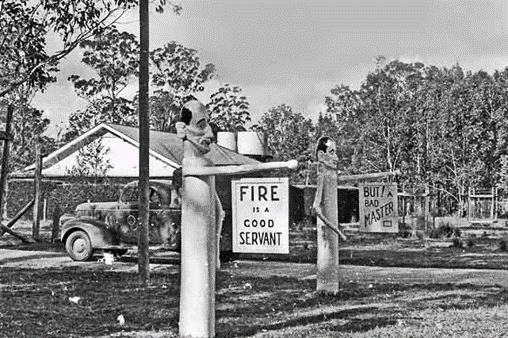
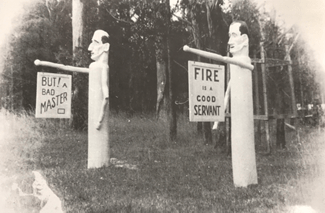
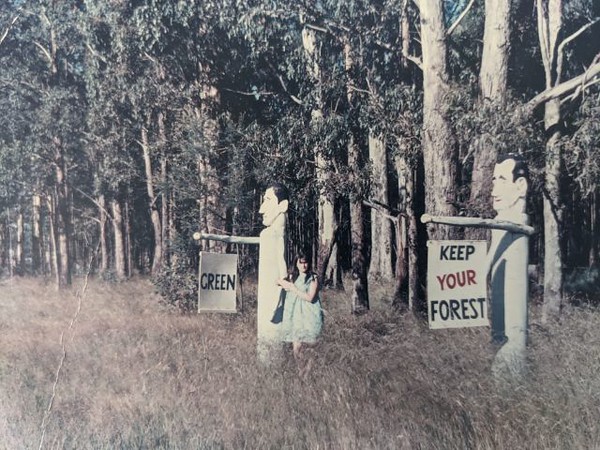
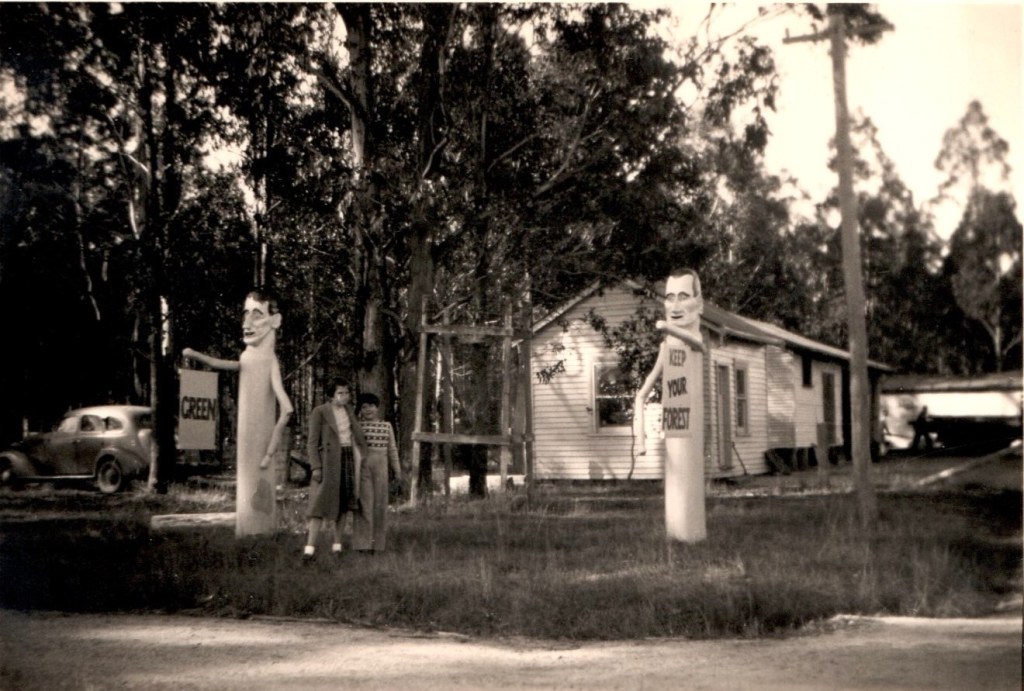
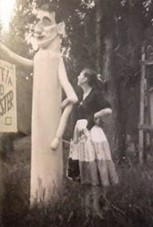
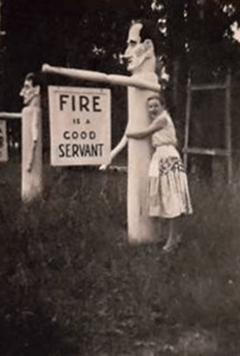
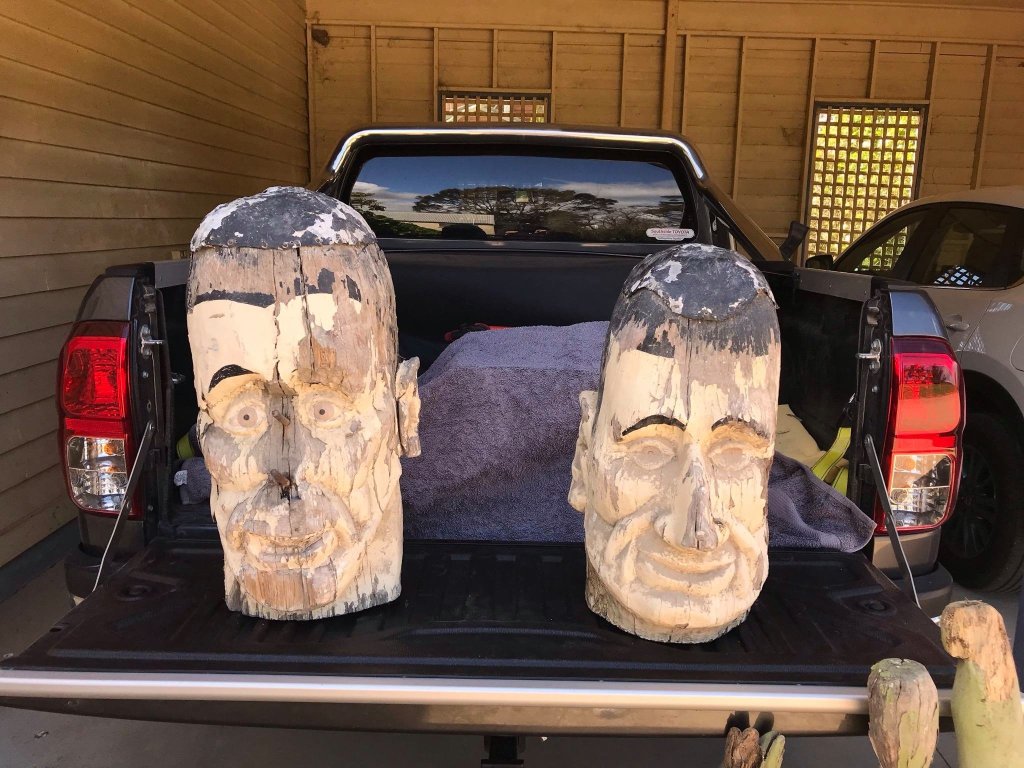
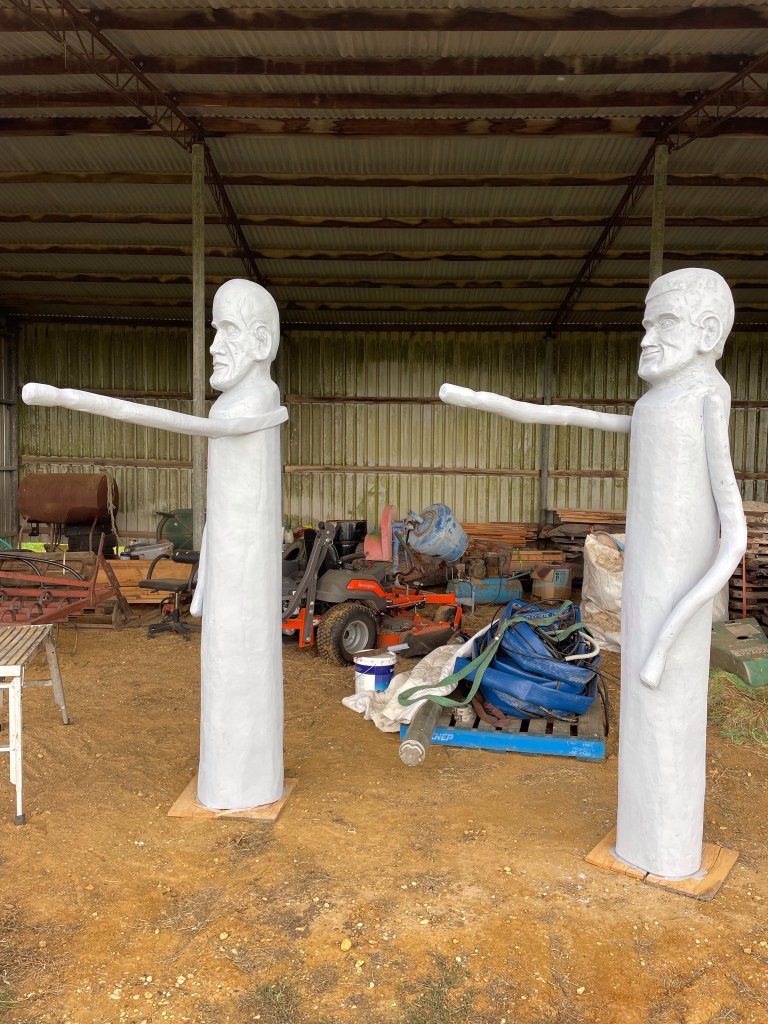
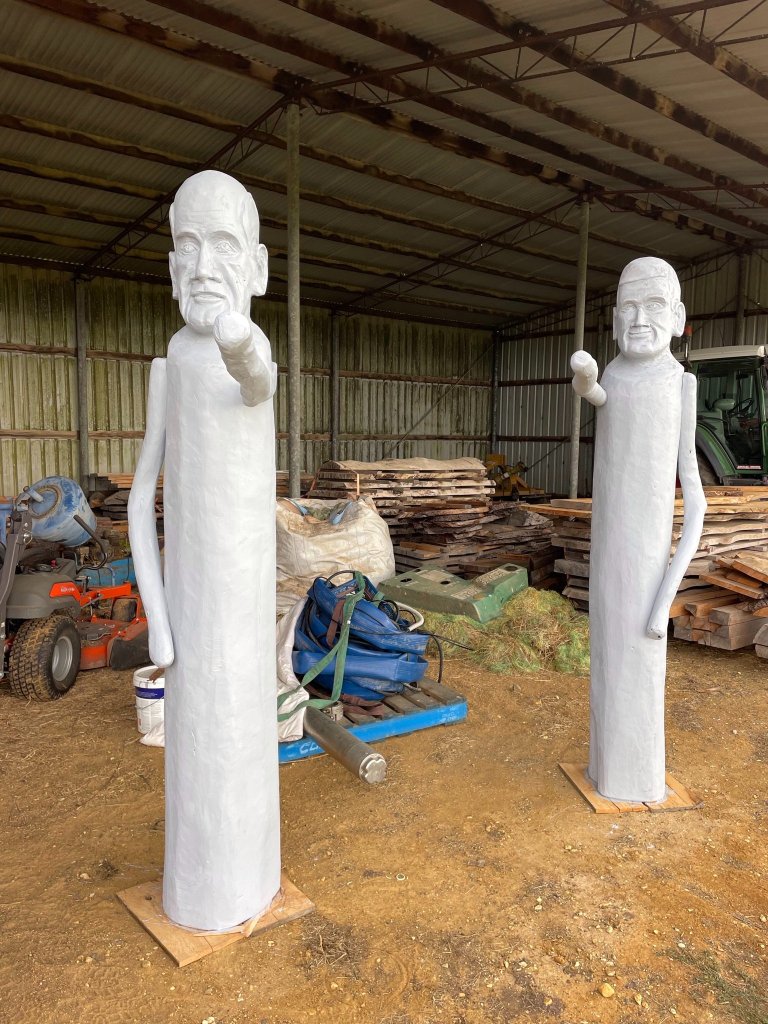
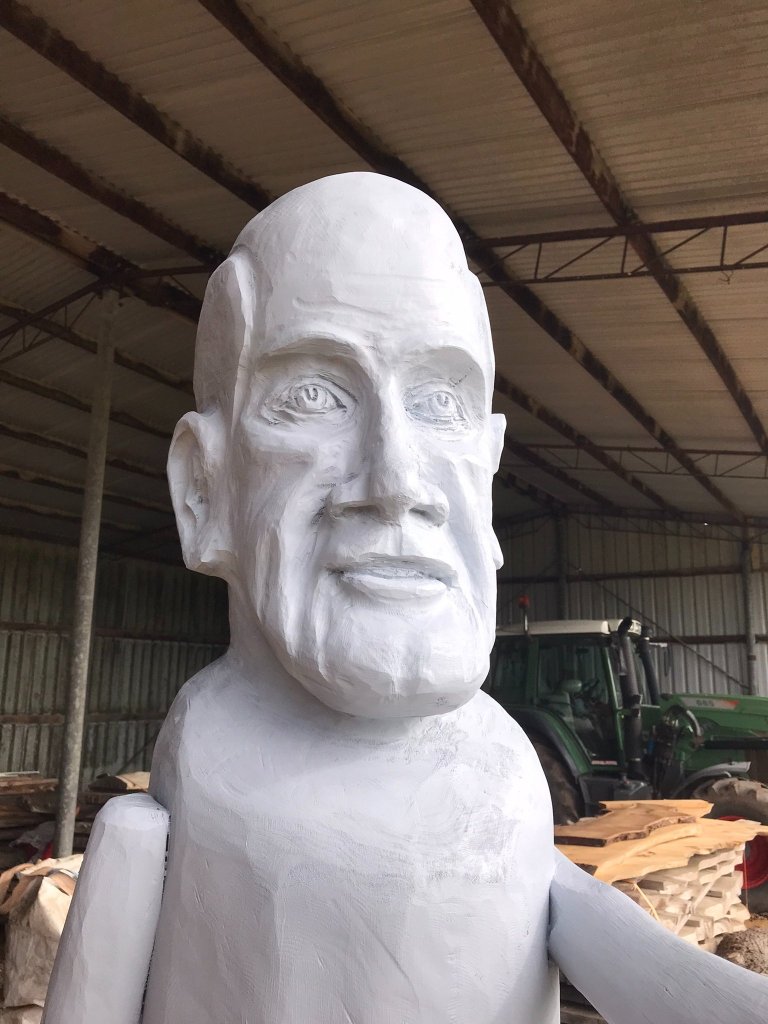
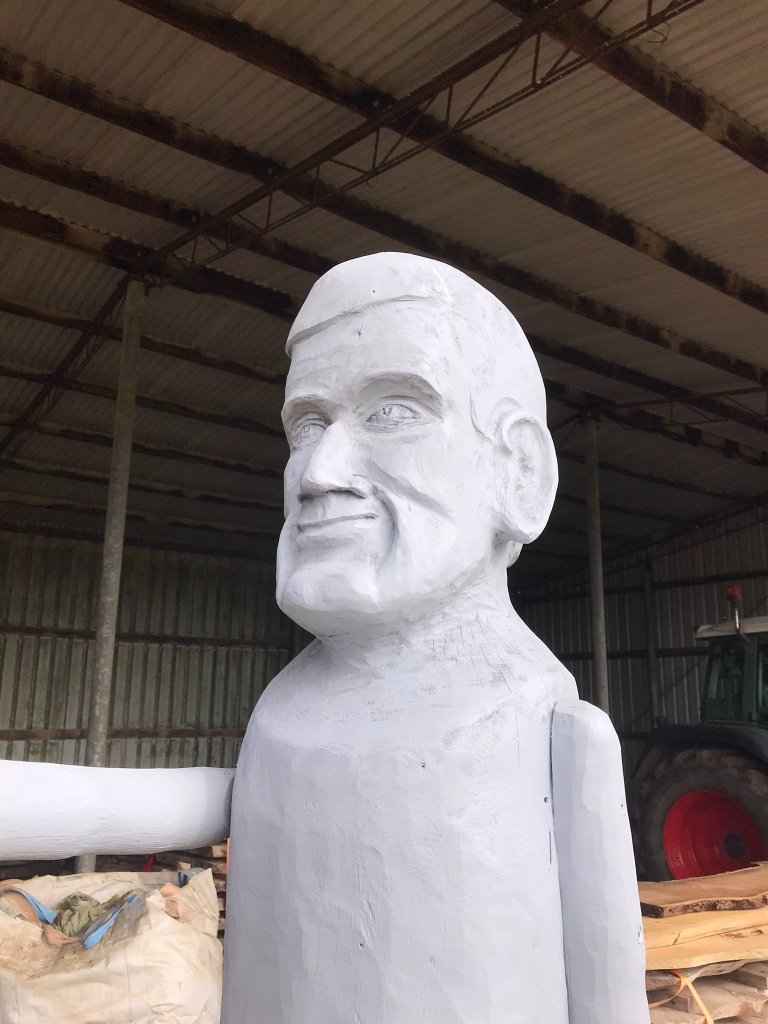




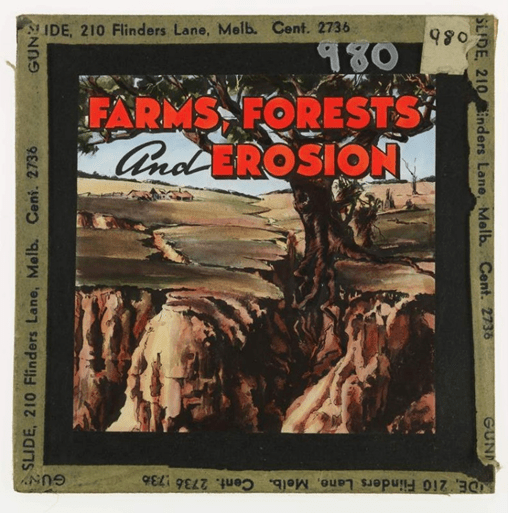


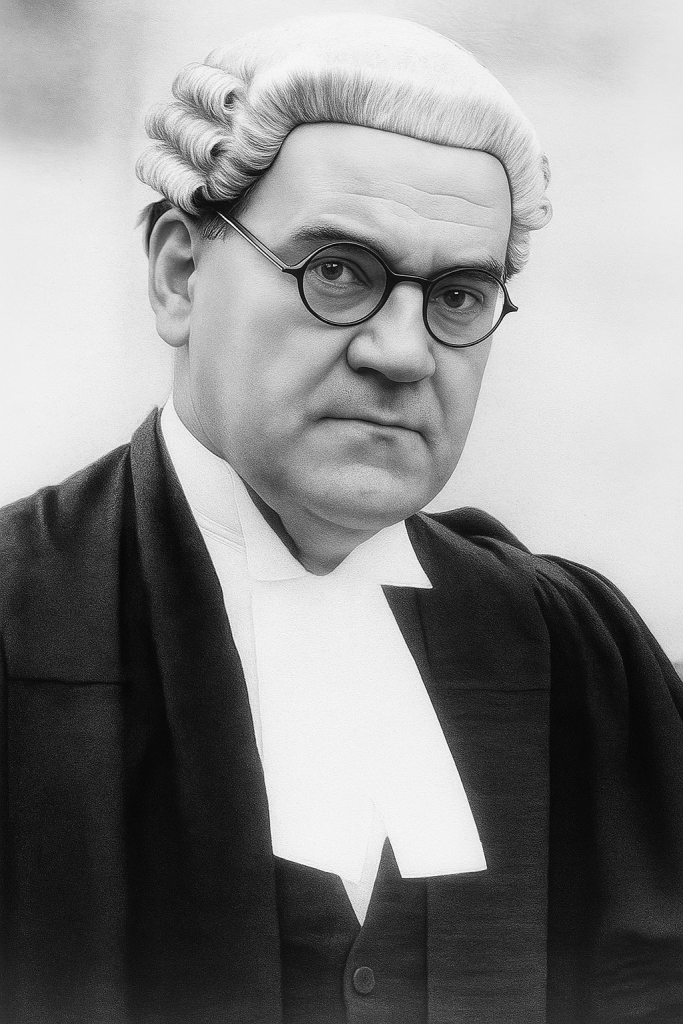

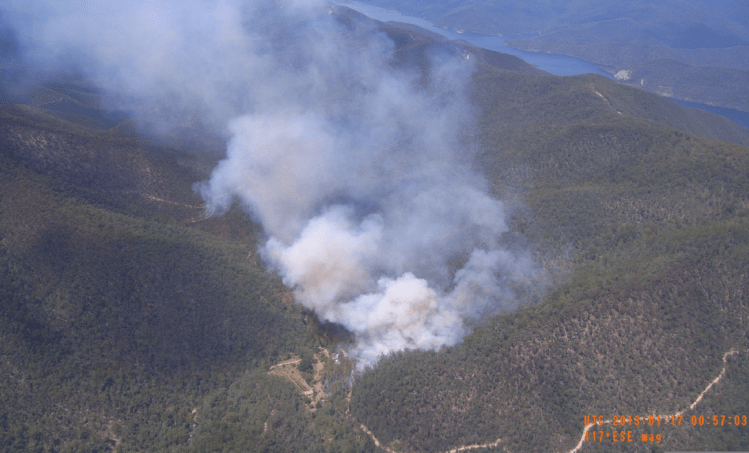
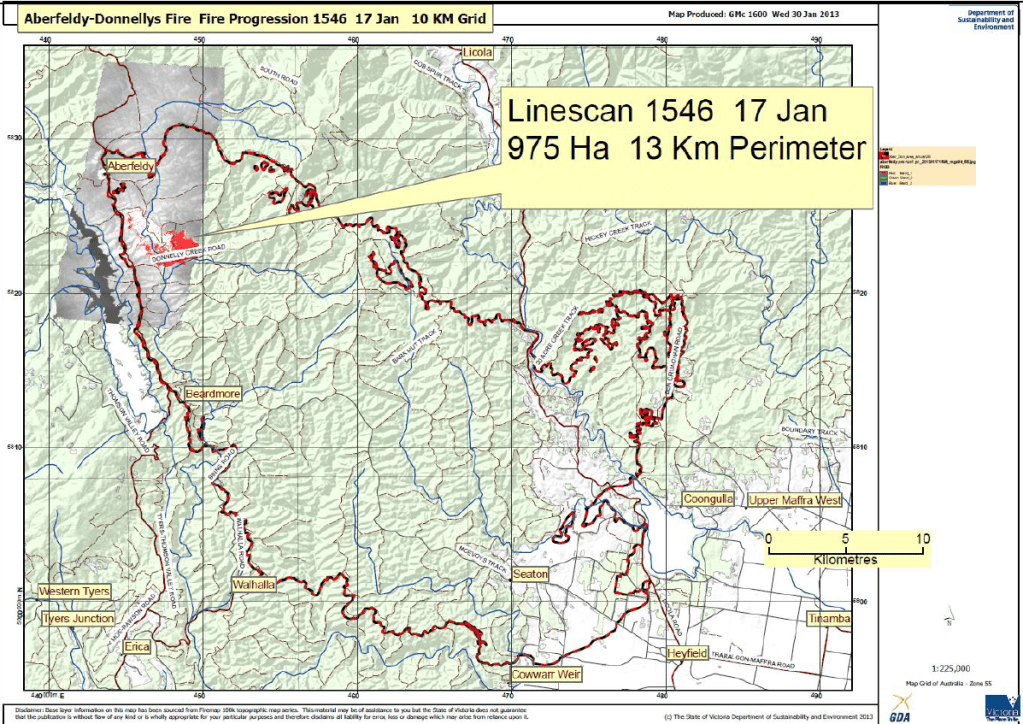
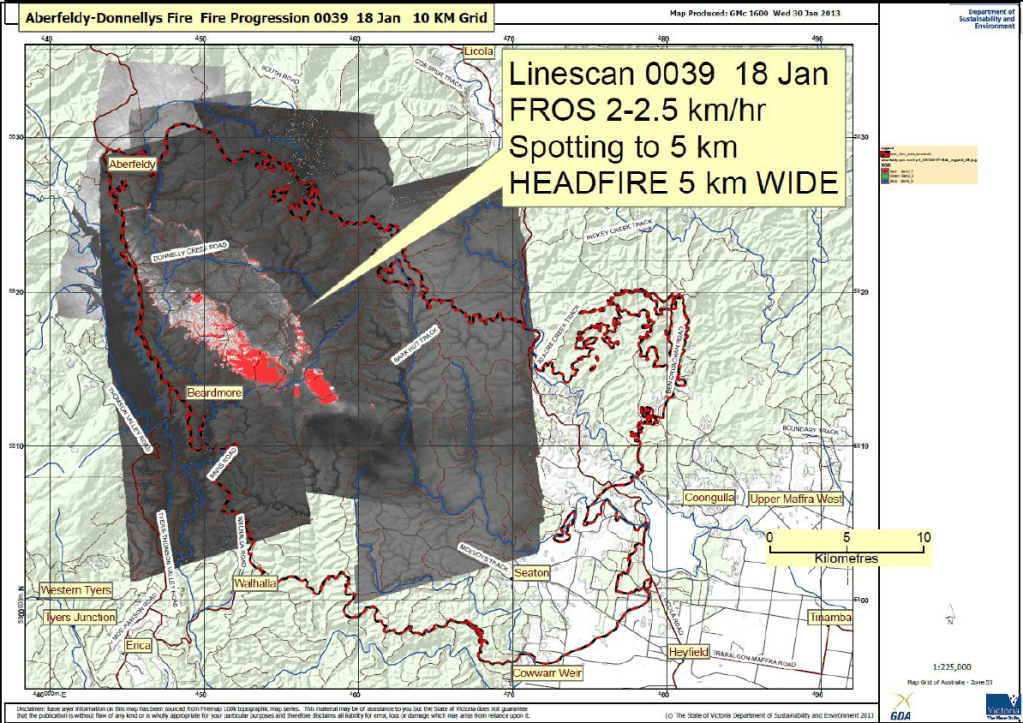
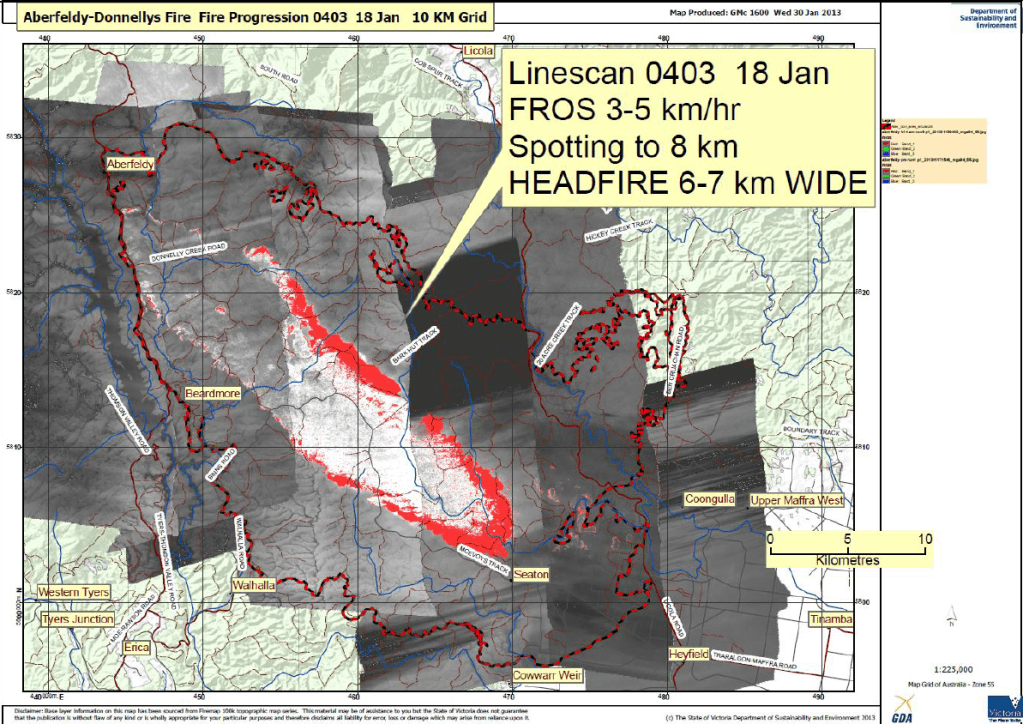
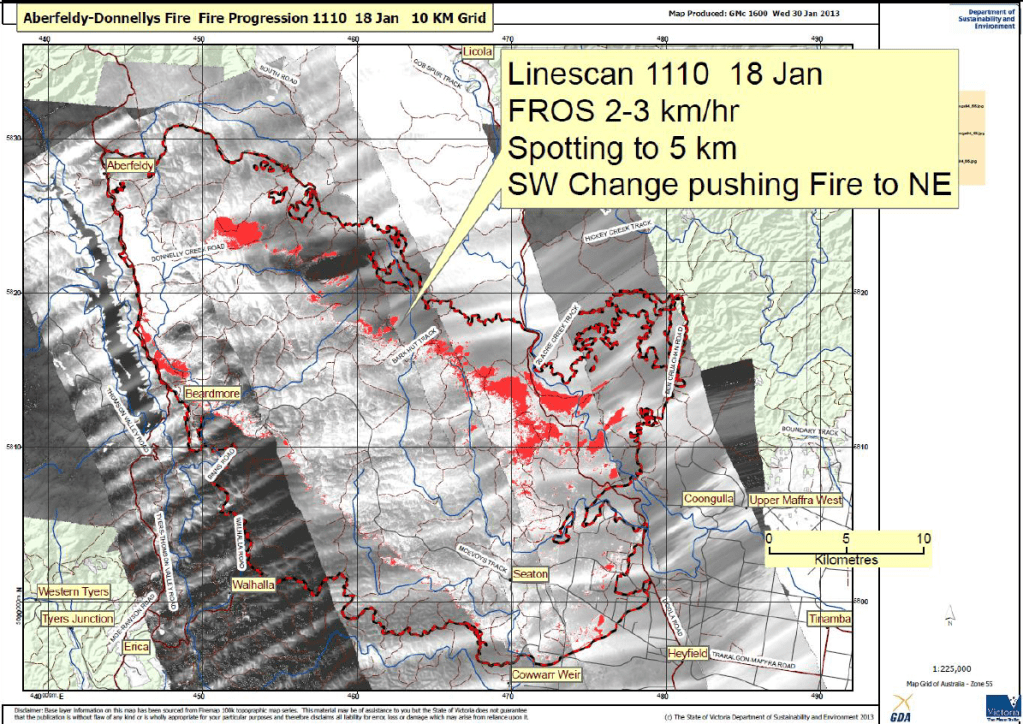

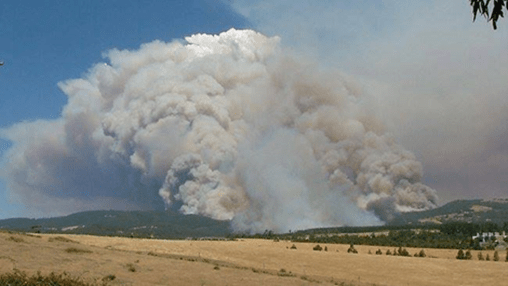
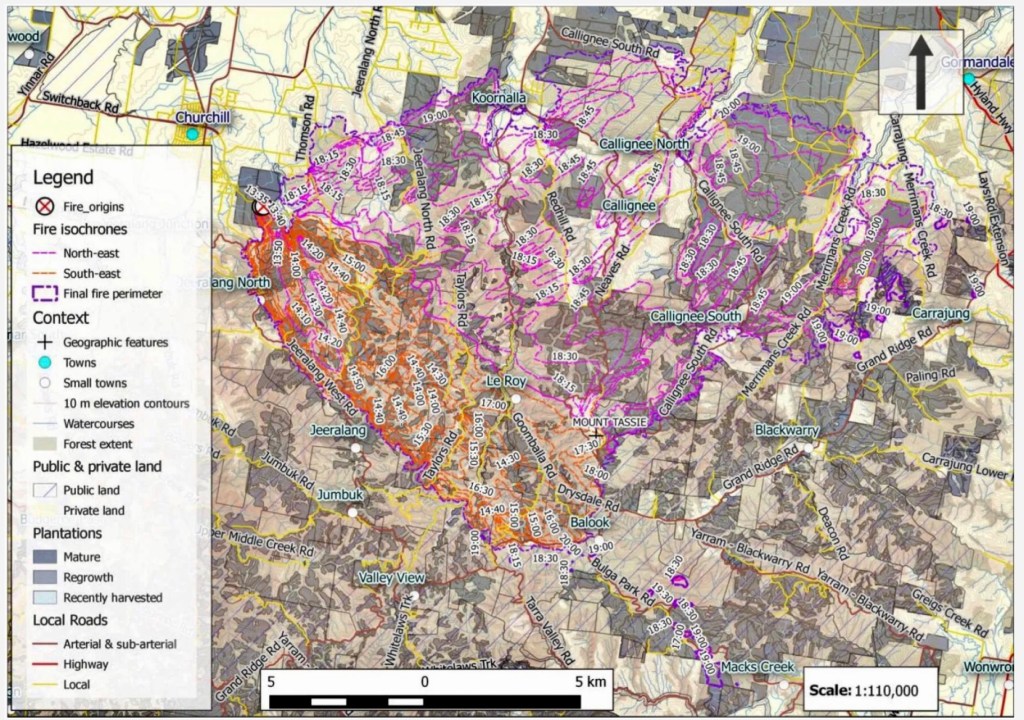
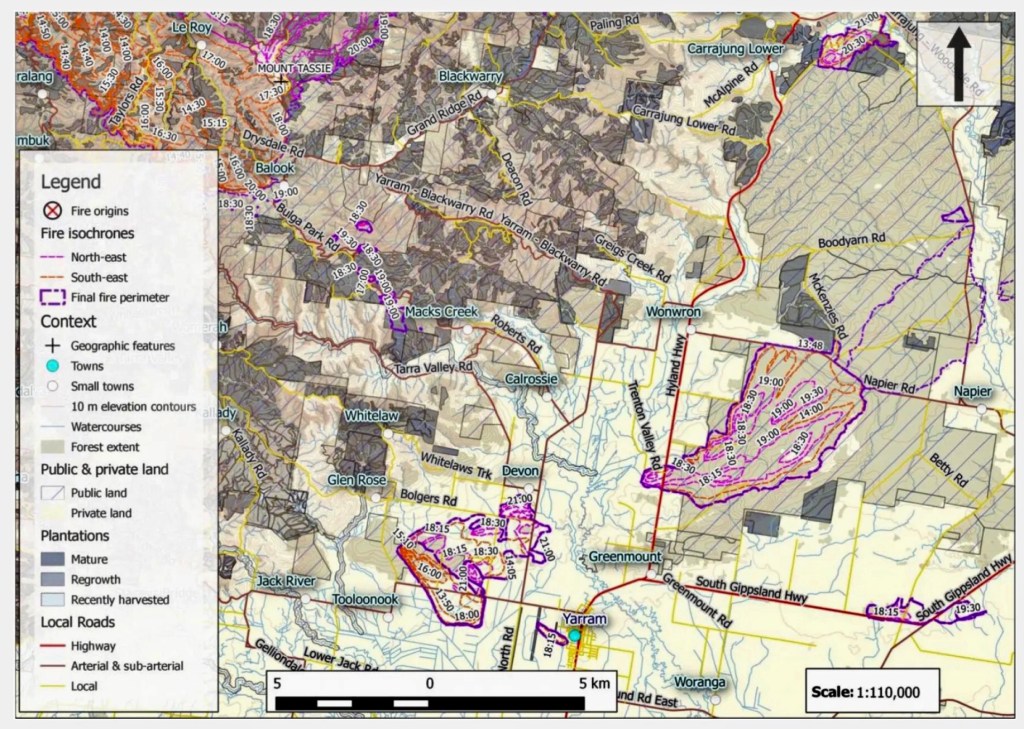


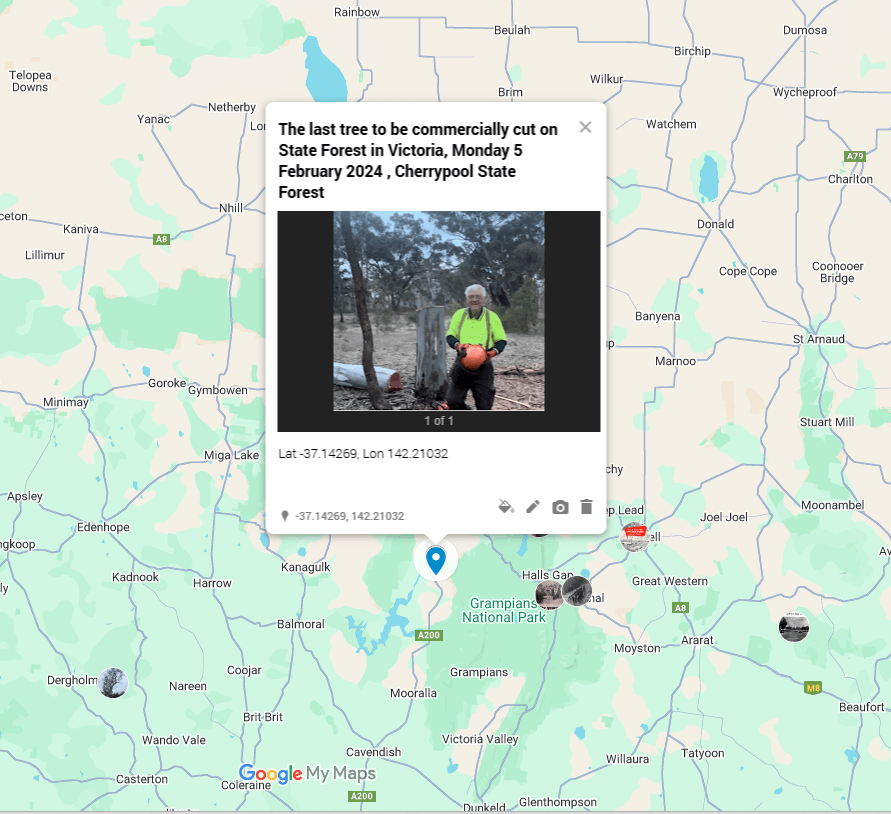


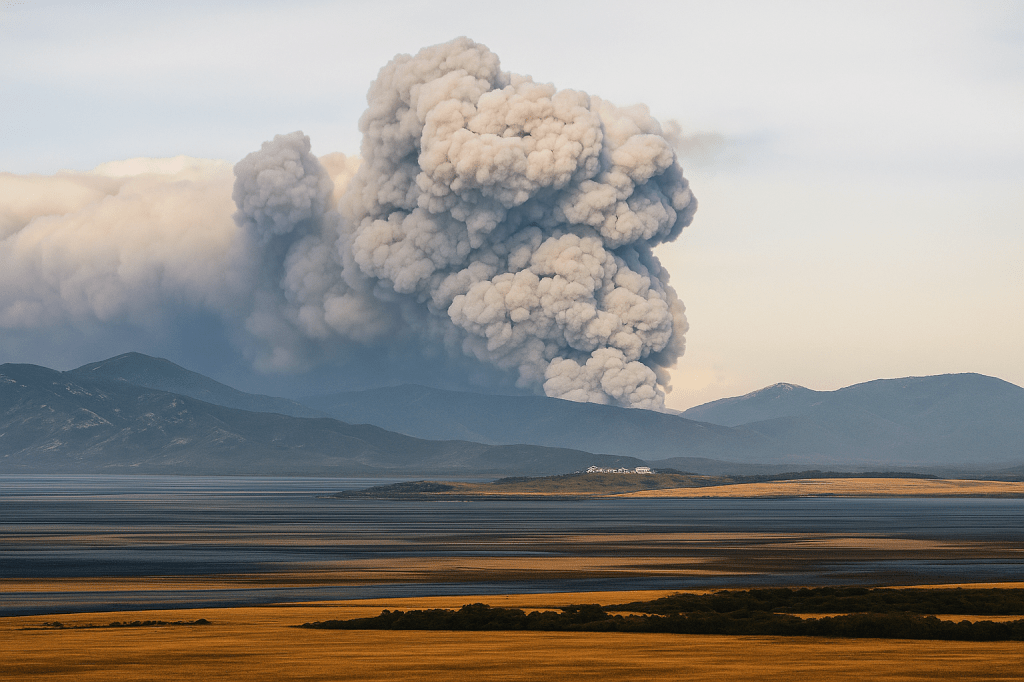
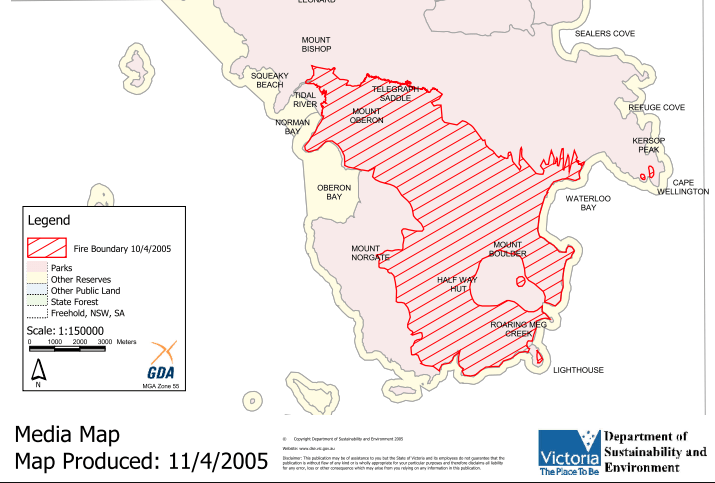

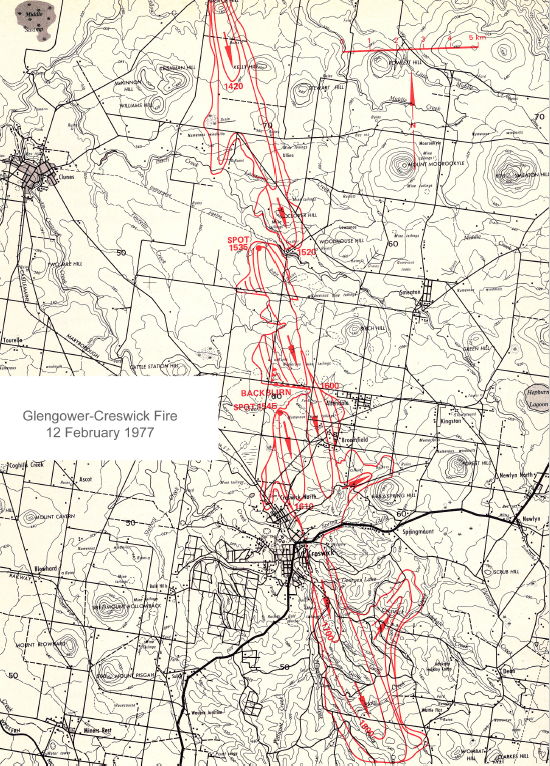
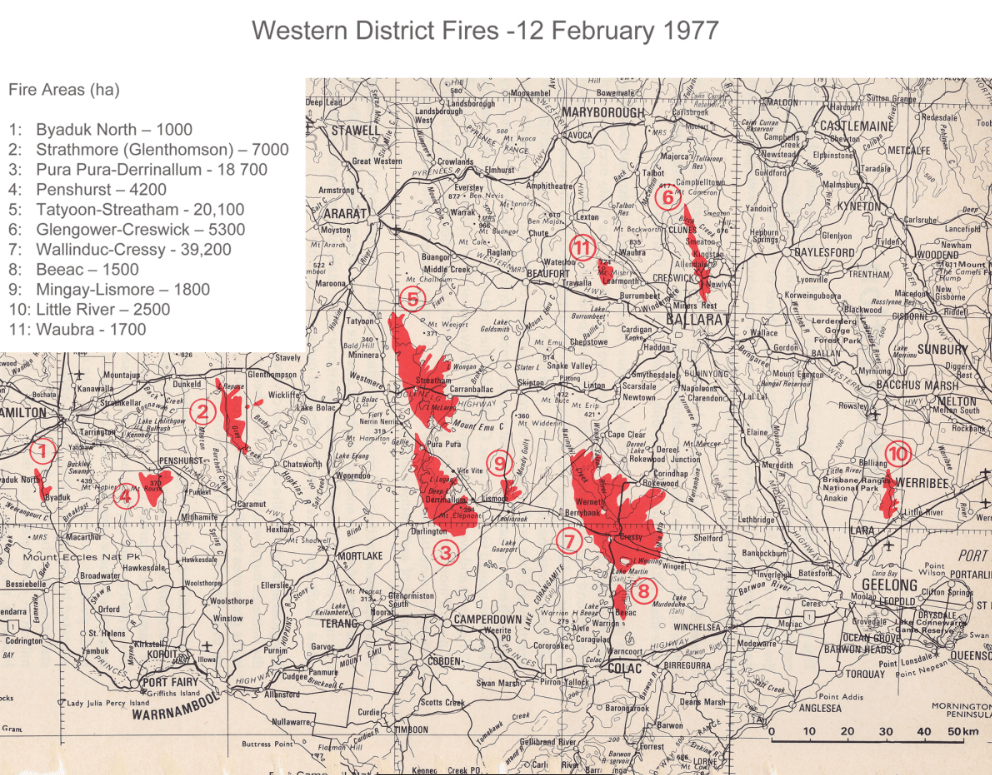
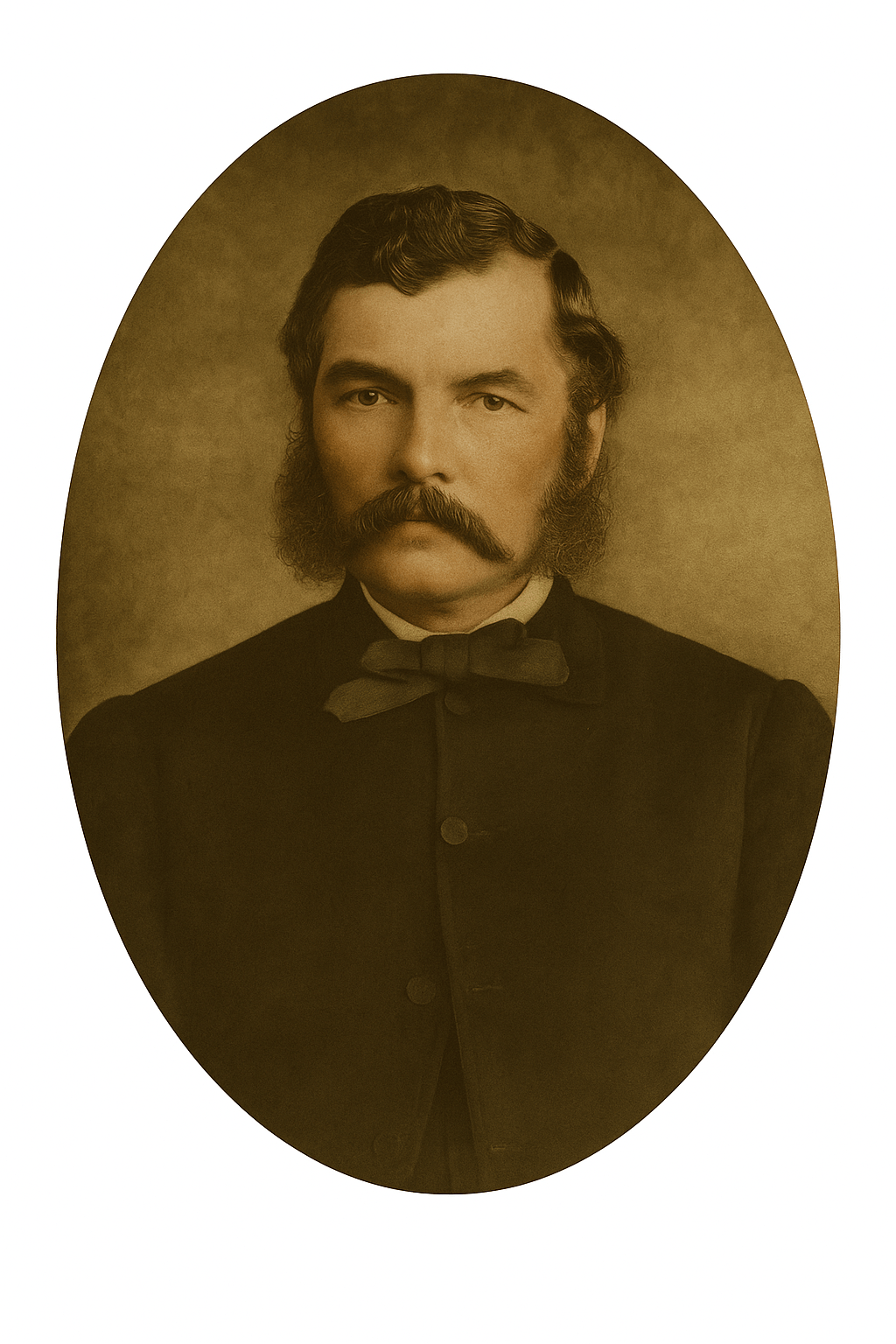


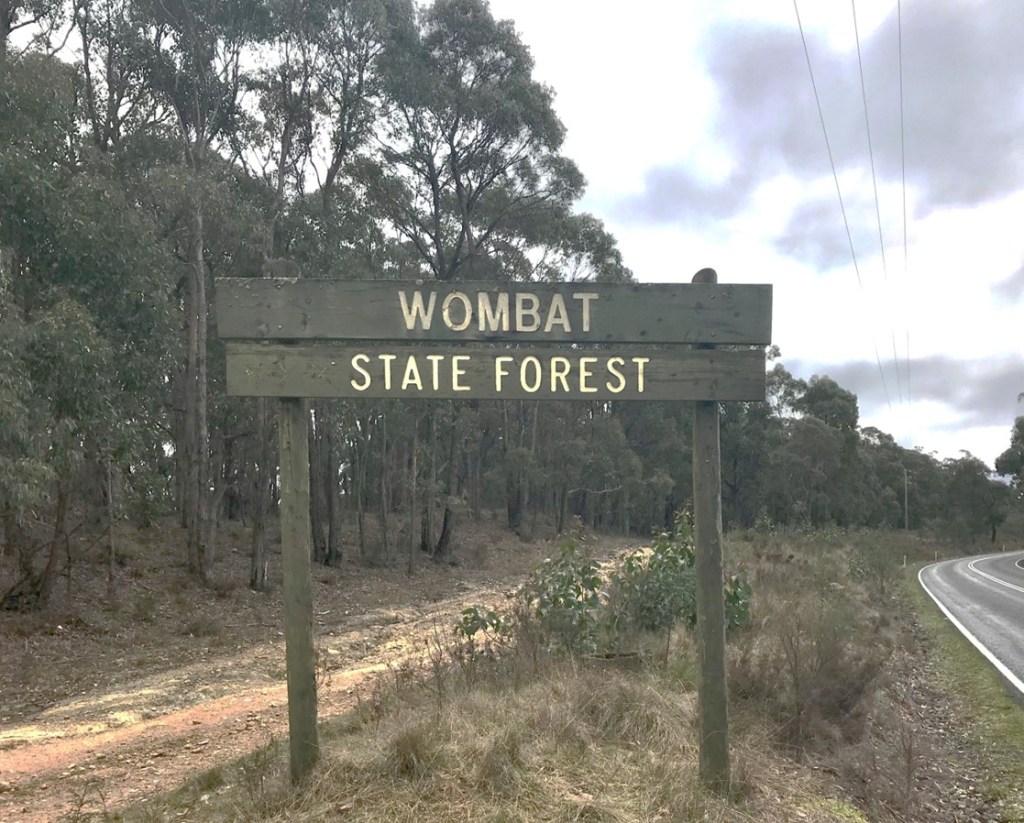
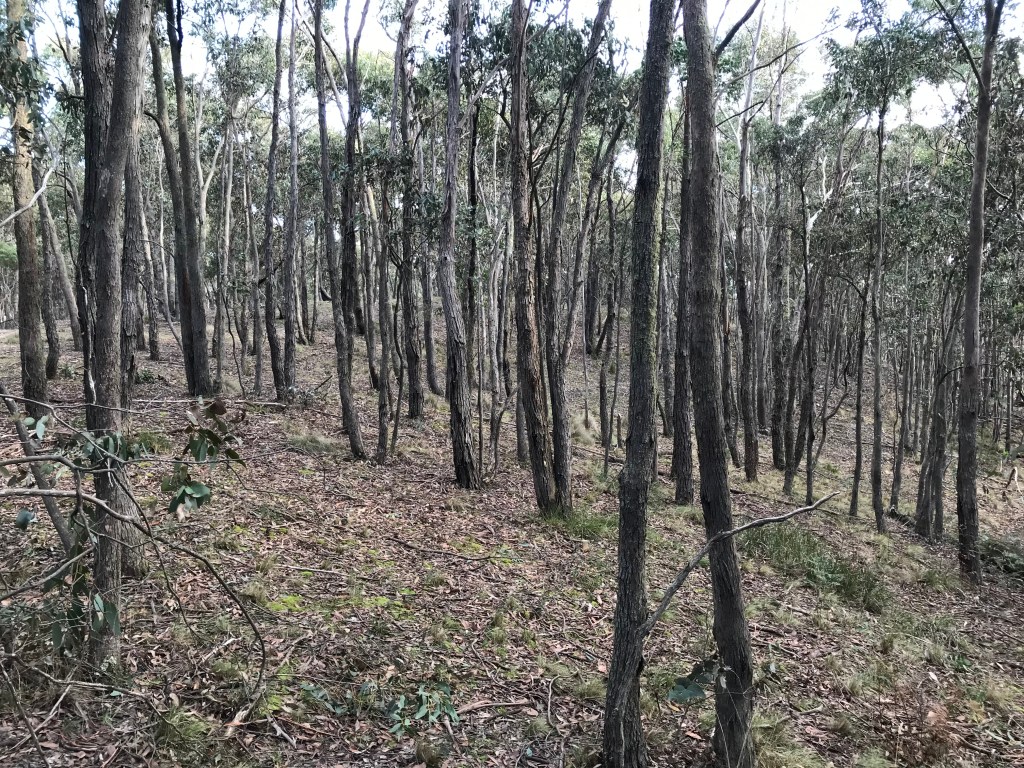

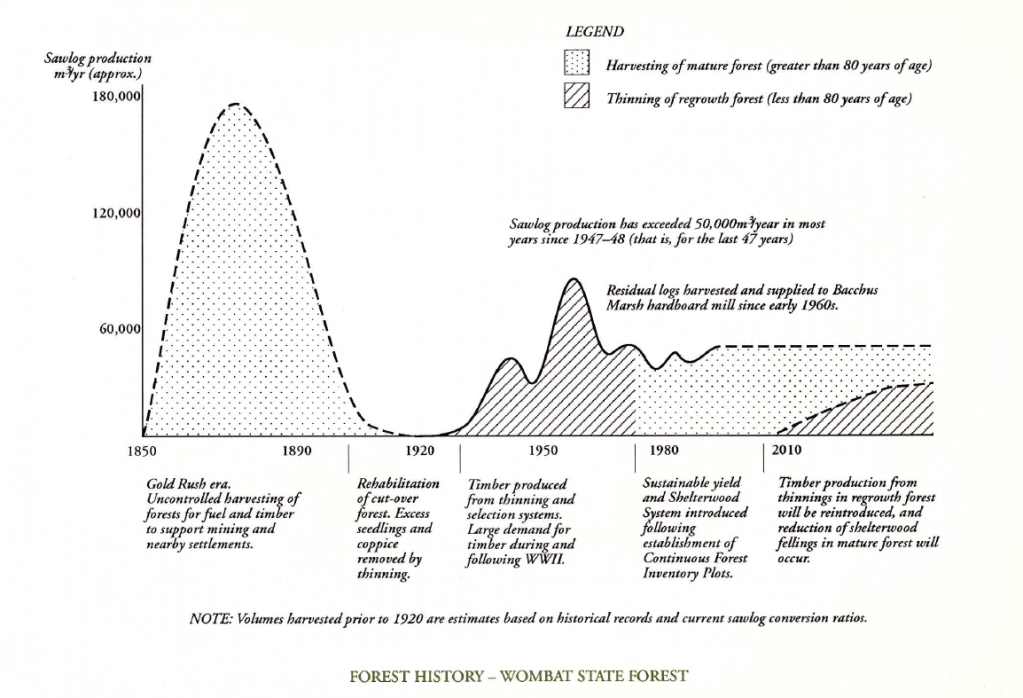


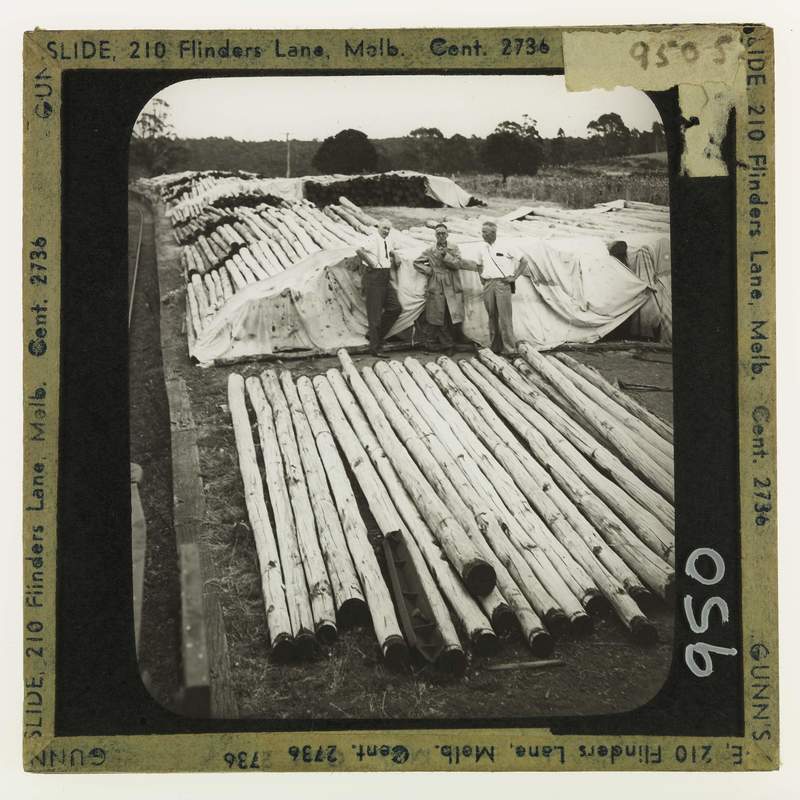


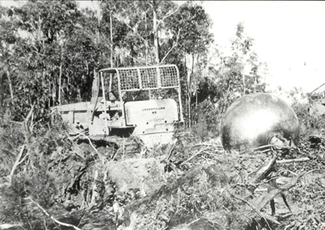


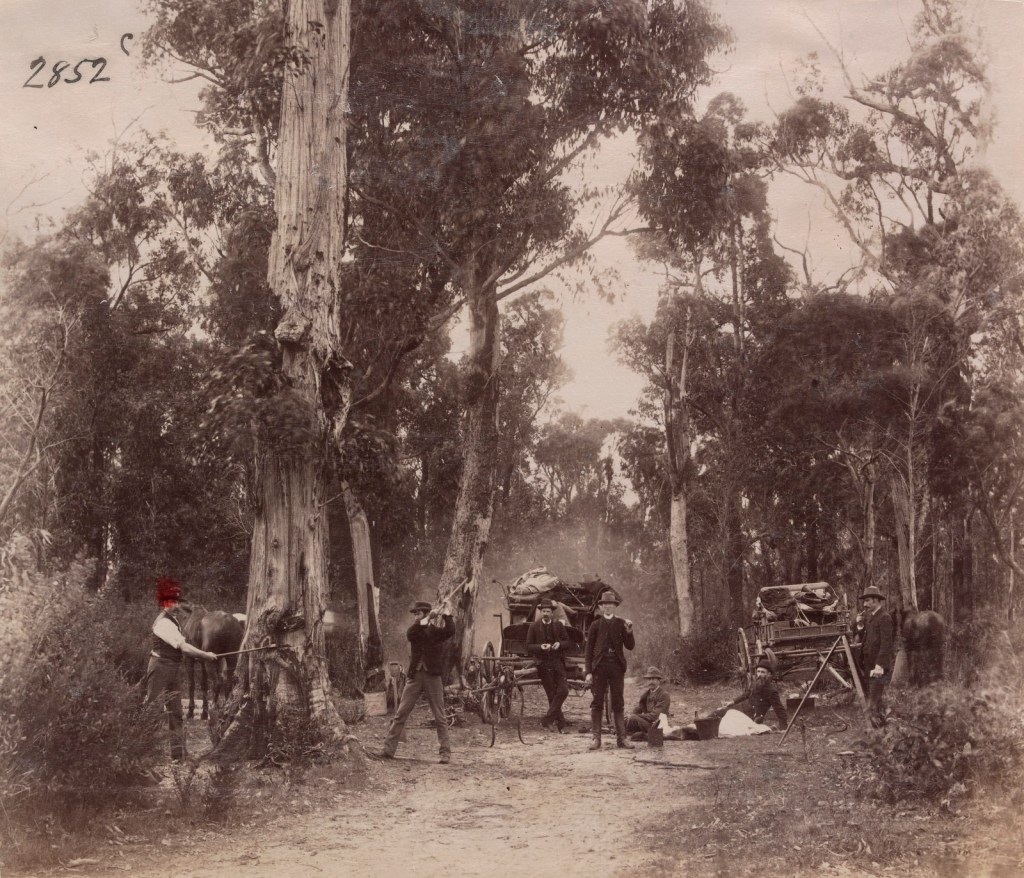


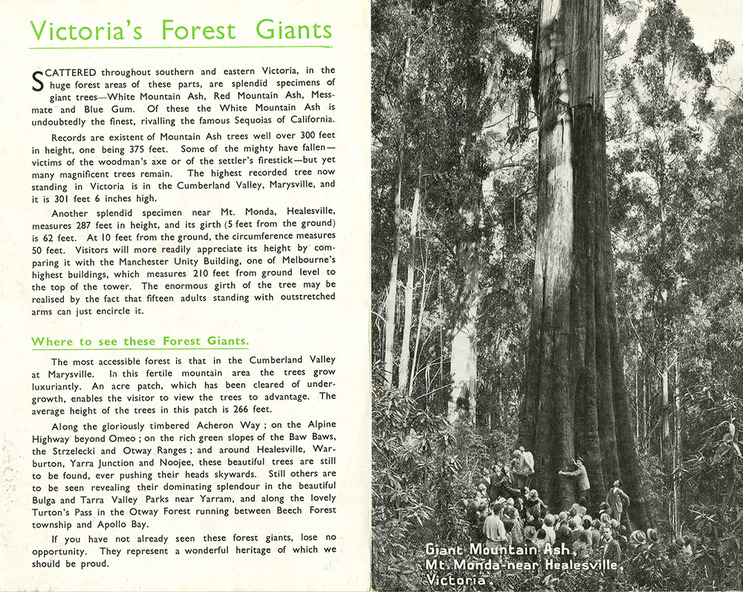


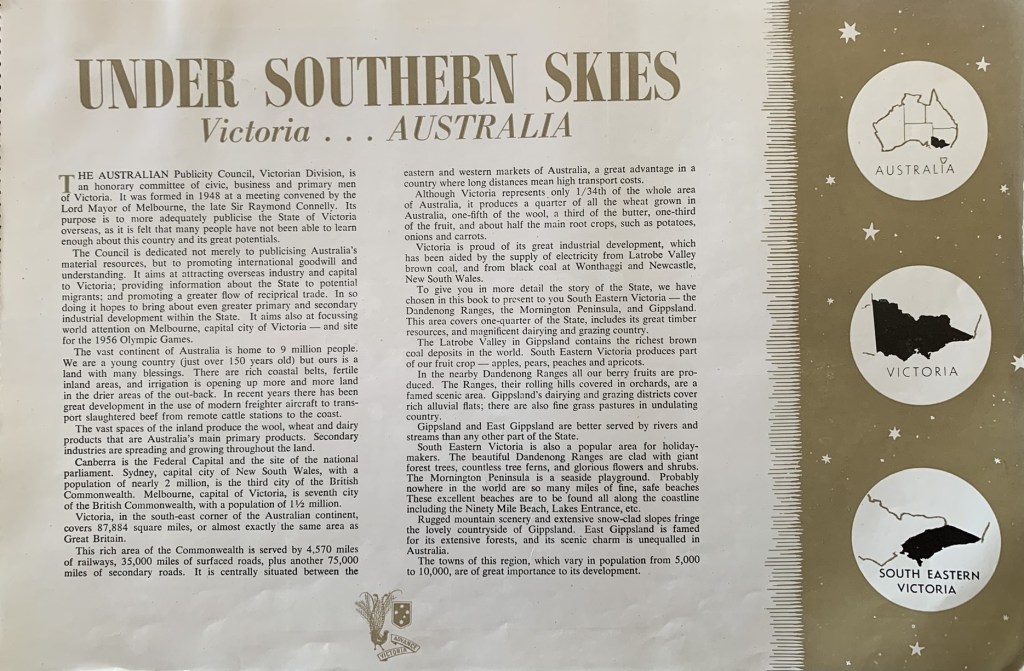

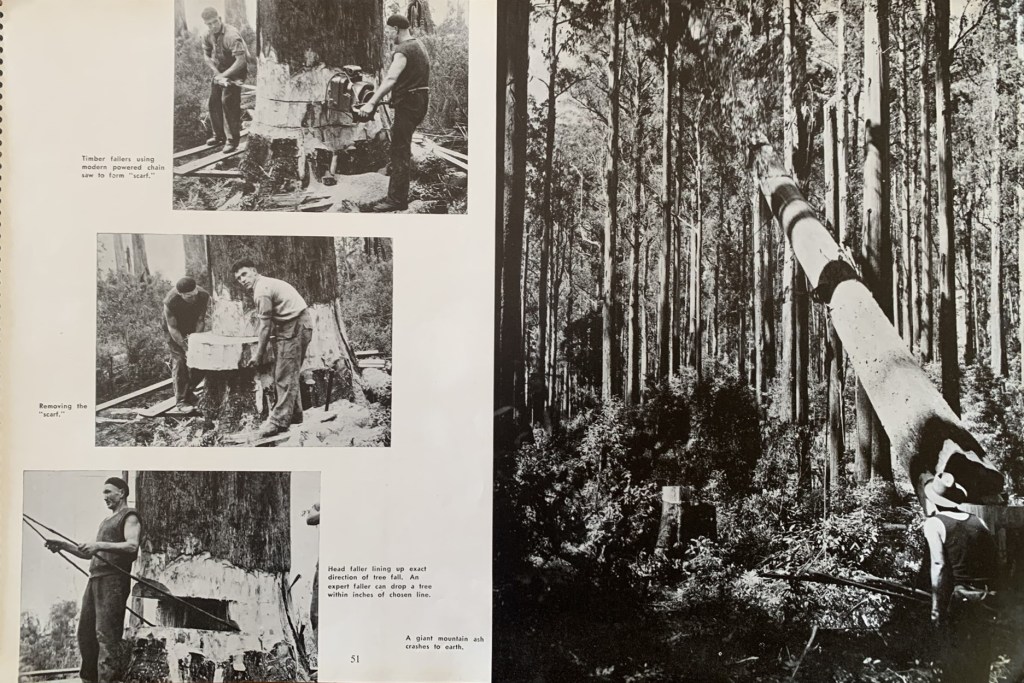
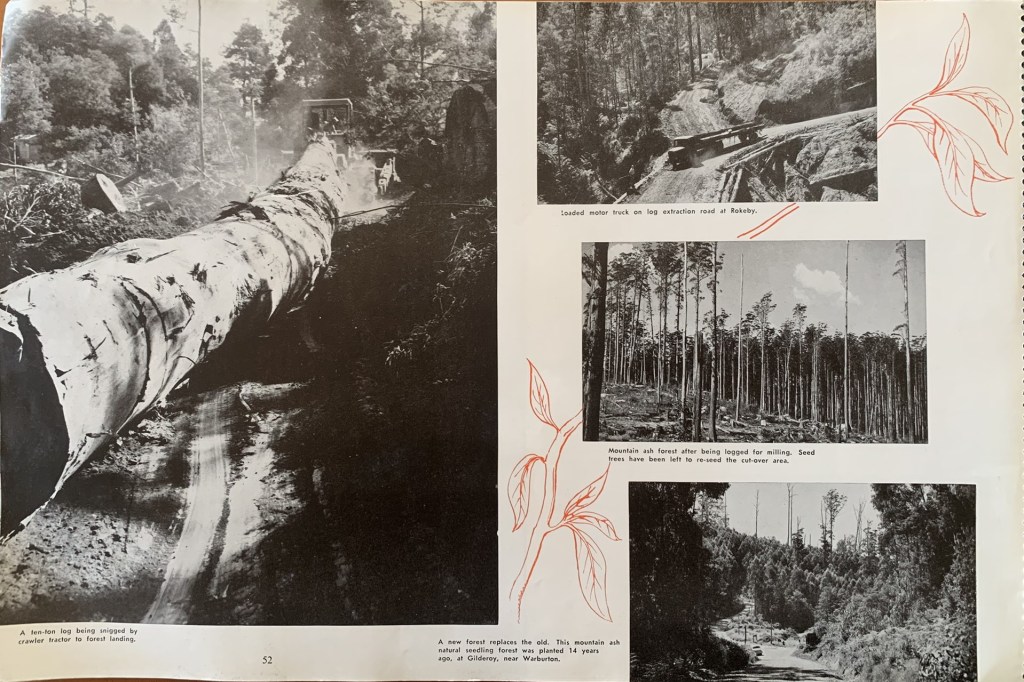

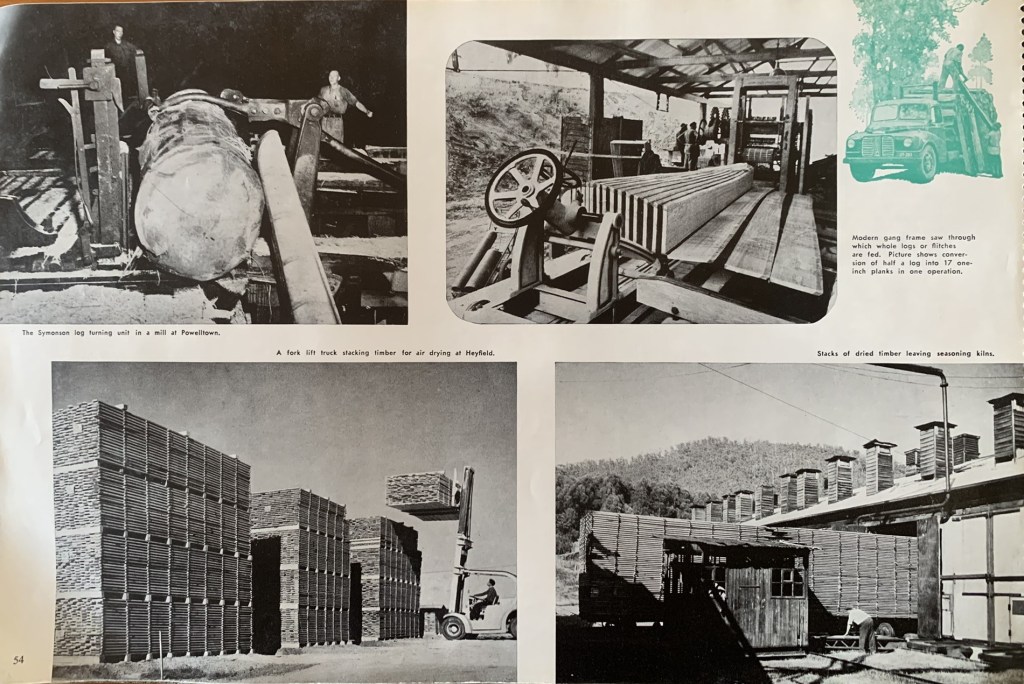

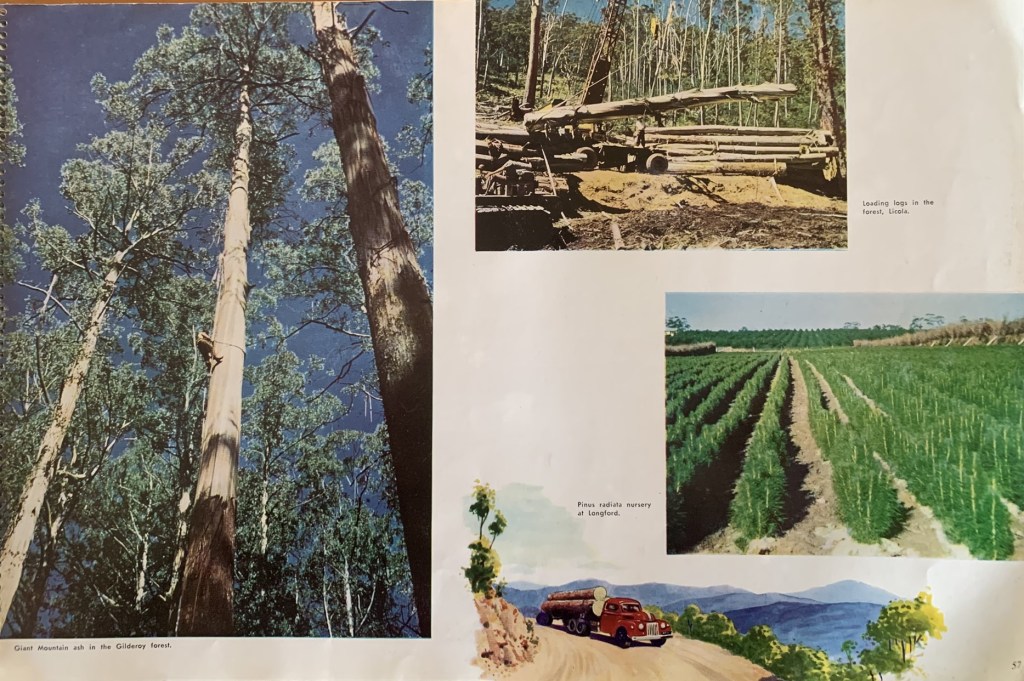
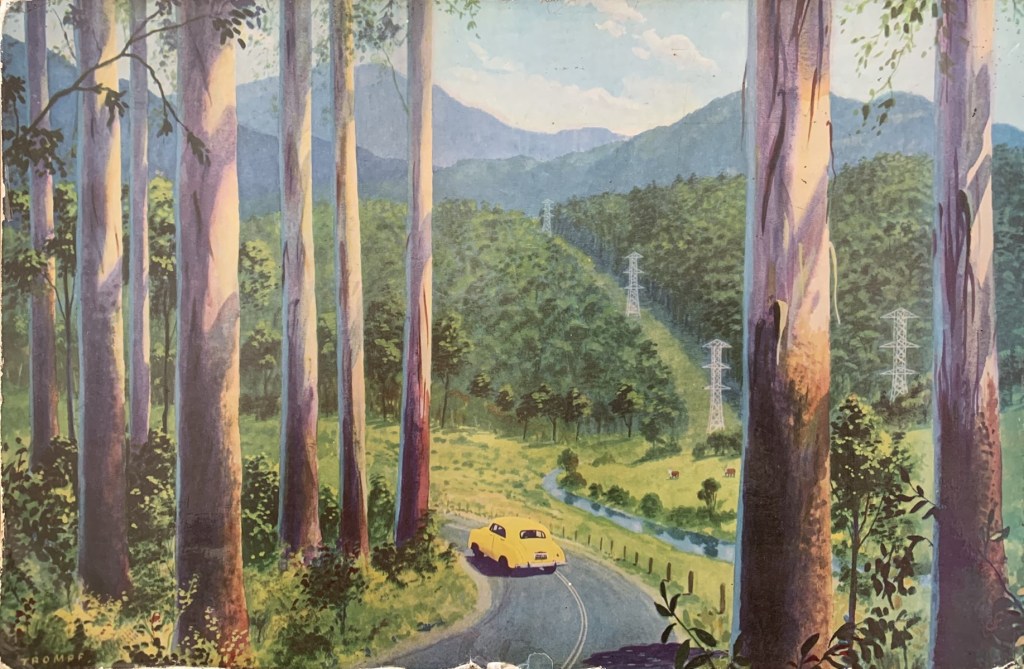
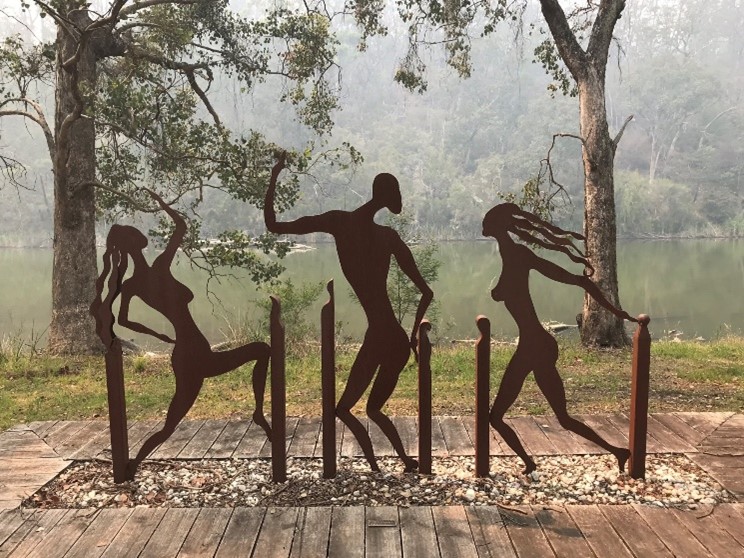
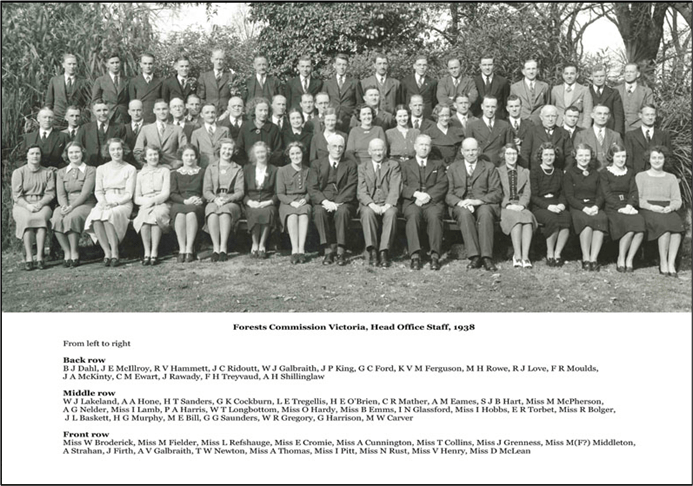


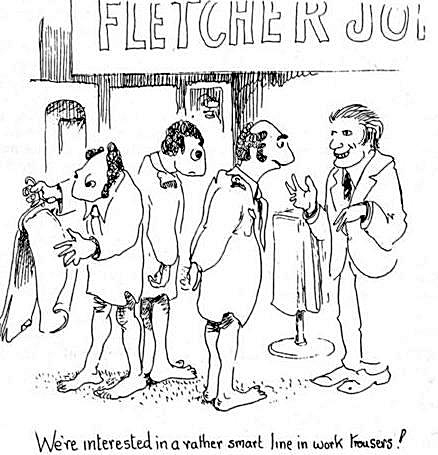


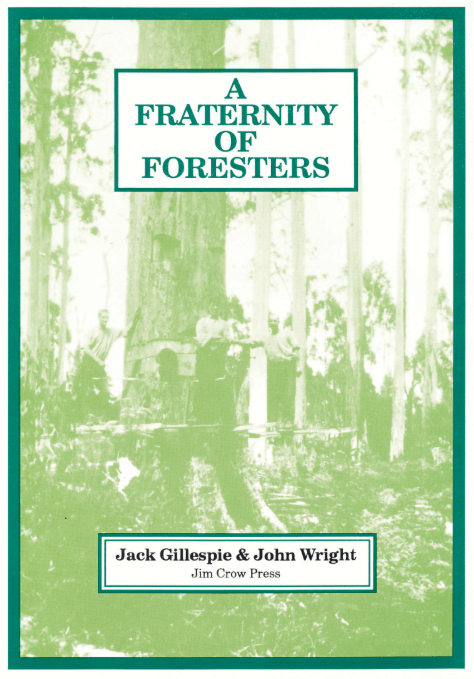

 Victoria’s Forests & Bushfire Heritage