On ANZAC Day we gather to remember those who served our country. We may attend a dawn service, go to a march, wear some precious family medals, or lay a wreath at a cenotaph. We may even follow with a cold frothy or two and a game of two-up at our local RSL.
But across Australia there are many silent and enduring war memorials we may pass every day, often without realising their significance.
Avenues of Honour might be trees lining a road or street, along a path through a park, or a magnificent lone specimen.
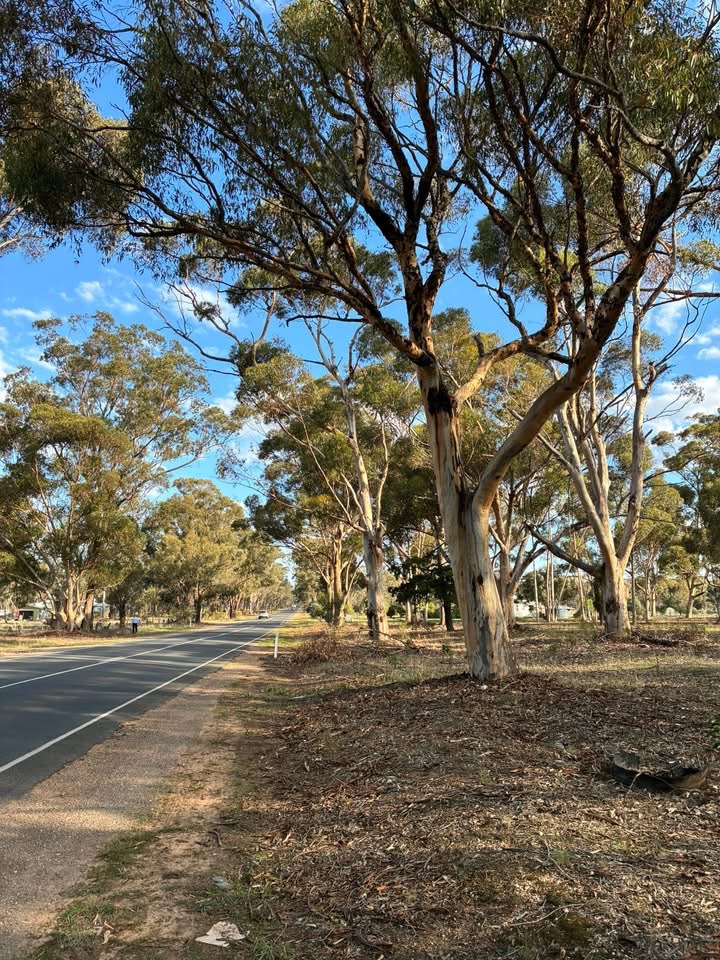
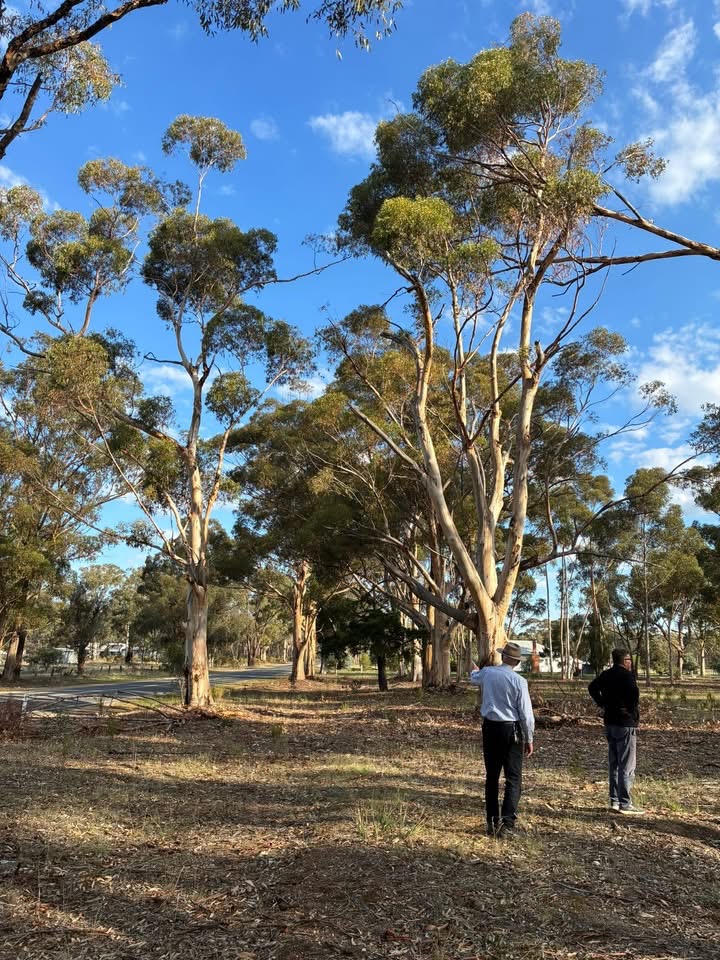
The Baden-Powell Avenue at Havelock near Maryborough is considered Australia’s very first commemorative avenue of trees. It was planted in June 1901 to commemorate those who served in the Boer War.
Reports vary, but between 40 and 50 sugar gums (E. cladocalyx) were planted with seedlings supplied by the Forest Department from its nearby nursery.
The spacing of the trees was generally one chain (66 feet), and they appear to have been planted a set distance back from the road rather than on the edge of the road reserve.
The avenue begins where the old Havelock railway station once stood, through to the site of the local Primary School, and the trees were all named after a dignitary, local person or family.
There are 27 original trees, 2 standing dead trees, 3 replacement trees (probably 1920s), and 13 missing trees.
After World War One, these arboreal tributes were particularly popular, with some 325 planted throughout Victoria alone.
The Australian Government did not repatriate bodies of soldiers after the War, so a tree close to the family home or town became an important way of remembrance.
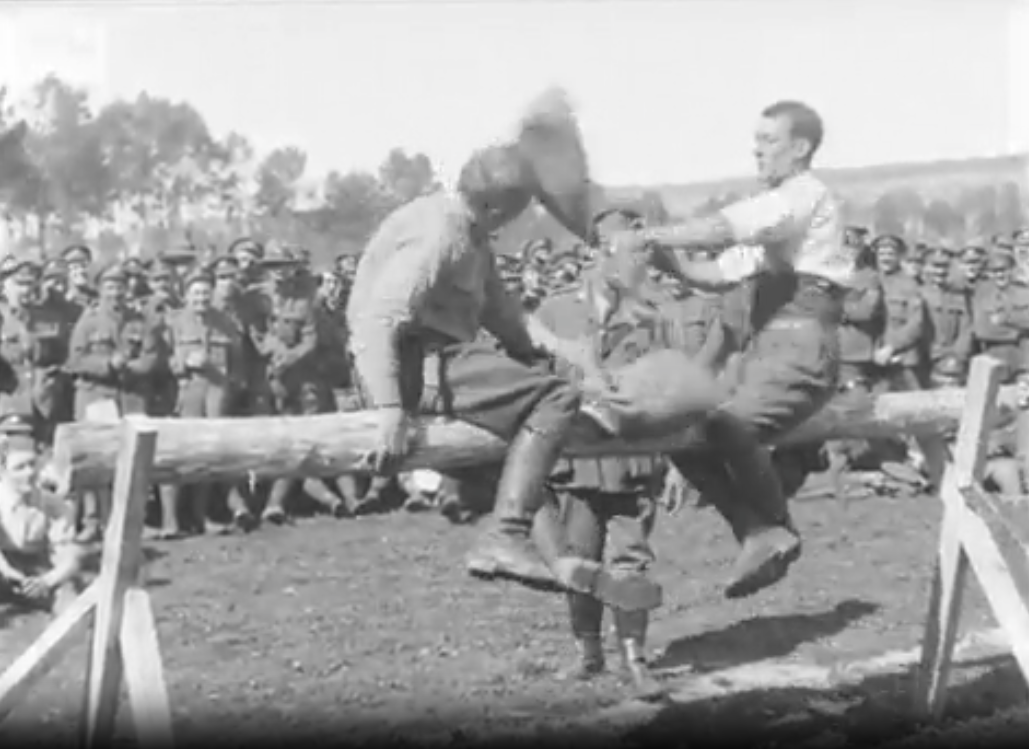
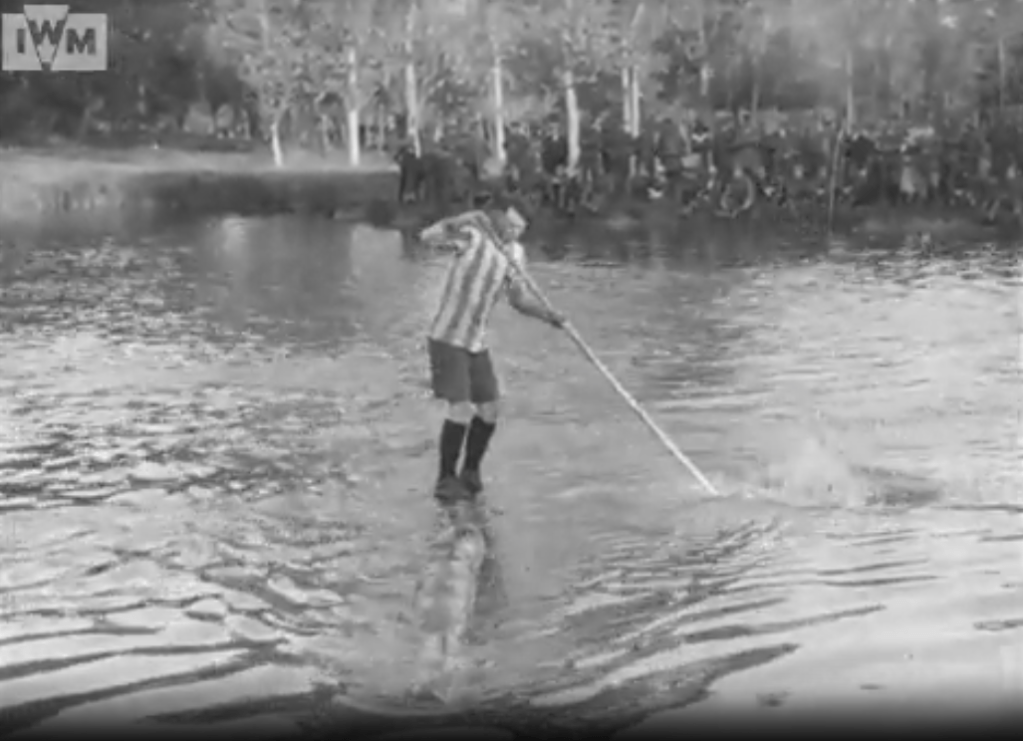
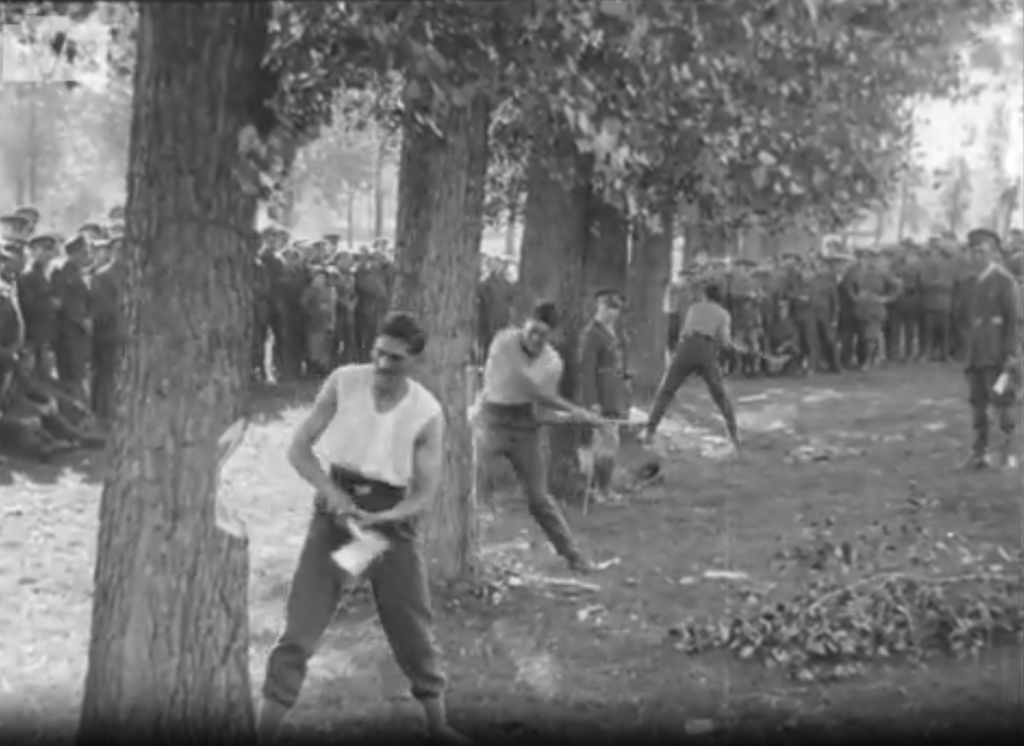
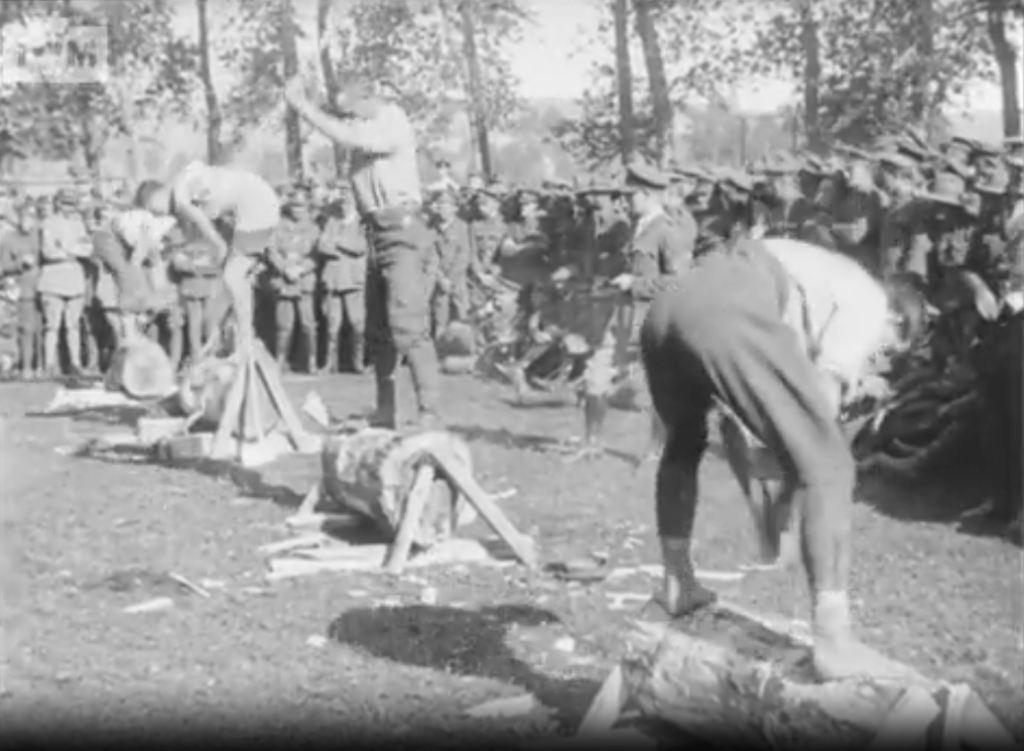
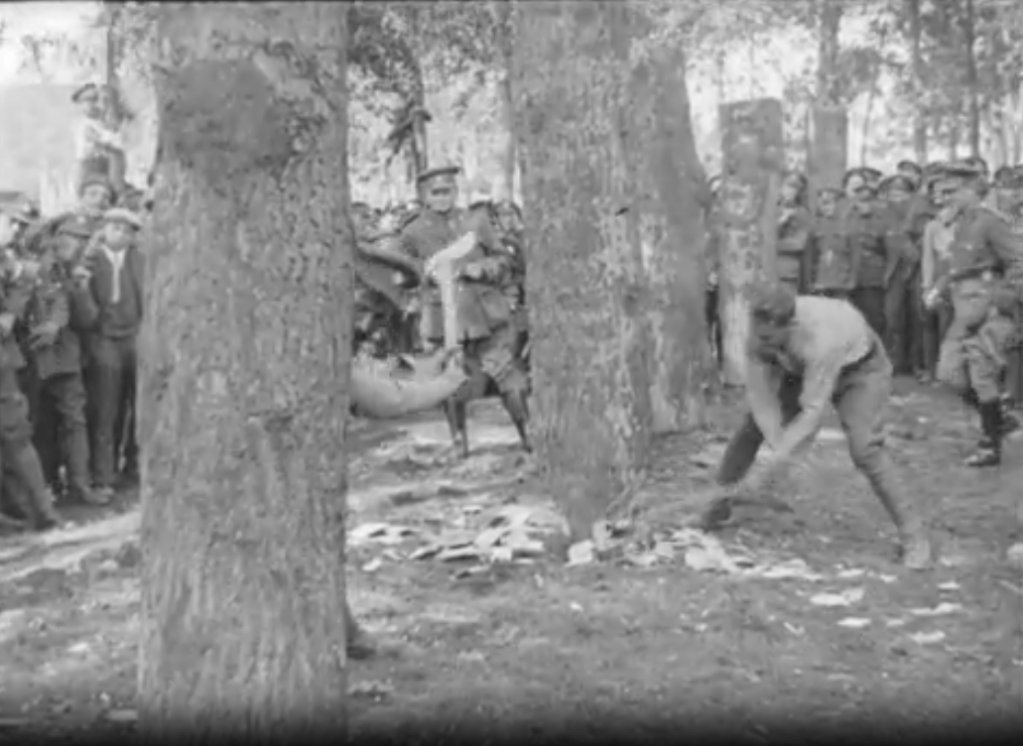
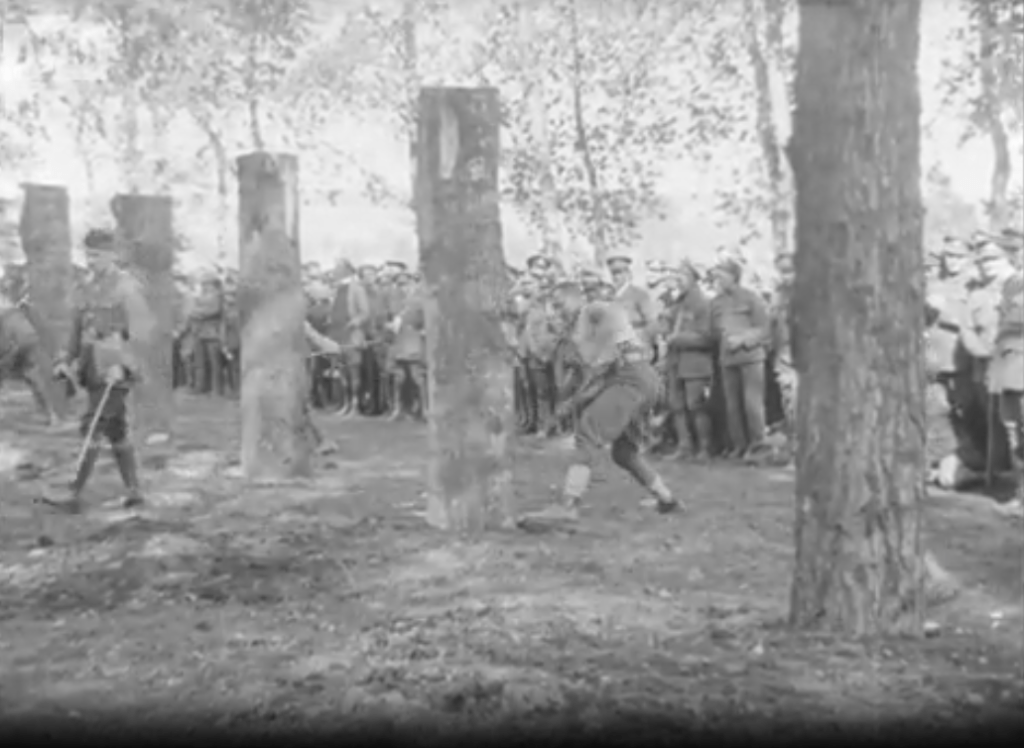
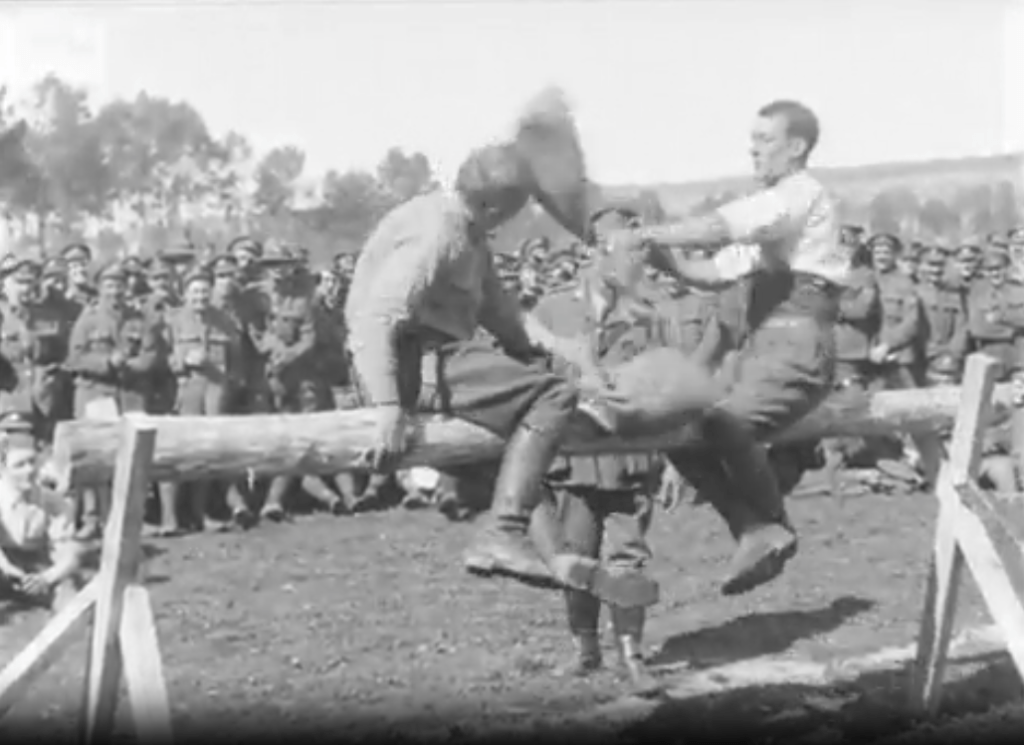
This great footage from the Imperial War Museum highlights the events at a sports day competition between Forestry Companies from Britain, Australia, Canada and New Zealand at Pont-Remy, France, on 15th September 1918.
The Wall Street Crash of 1929 led to a worldwide economic collapse, which quickly spread to the Australian economy and signalled the beginning of the “Great Depression”.
At its worst in 1932, unemployment in Australia reached 32 percent, but this figure did not include women who had lost their jobs or teenagers who had never had one.
To relieve the distress caused by unemployment the Victorian Parliament established a sustenance relief fund.
Many families depended on these government payments and were called “sussos”, which was slang for sustenance.
Payments were only available for the truly destitute, who had been unemployed for a sustained period, and had no assets or savings.
Sustenance payments were made of 8s 6d per week for a man and wife, with an additional 1s 6d per week for each additional child, up to a maximum of 20s 6d per week. By 1932, more than 60,000 people depended on sustenance payments
And individuals receiving sustenance were obliged to work.
A central Unemployment Relief Works Board was formed to assess projects, and allocate money, while local relief committees were created throughout Victoria.
Forests Commission work, unlike major infrastructure projects like the Yarra Boulevard or Melbourne’s water mains, was considered very effective because most of the money was spent on labour, with only about 5 percent on materials.
It also provided much needed employment for rural communities; it could be quickly mobilised and could employ large numbers of city and country men doing unskilled manual labour.
Although it must be said that the unemployment relief program was plagued by political interference, with largess flowing to marginal electorates and party supporters of the Ministers choosing.
Forest camps were in operation as early as 1929 at Ballarat, Bealiba, Beaufort, Beechworth, Castlemaine, Chiltern, Heathcote, Lal Lal, Neerim, Niagaroon, Rushworth, Tarnagulla, Upper Yarra, Wombat, Anglesea, Creswick and the You Yangs.
The camps, generally comprising twenty-five men on the principle of two-thirds from the cities and one-third from the local area.
The program offered eight weeks work, followed by eight weeks off and then eligibility for another eight weeks if alternative employment had not been found in the meantime.
During 1932, the Commission engaged 5295 men with a total expenditure of £11,870 3s. 5d.
The following year, in 1932-33, unemployment relief funds gave work to 8288 married and 504 single men for periods up to 8 weeks. The total expenditure grew to £205,645.
Between 1931 and 1943 the Forests Commission spent approximately £1.5 million pounds and employed about 51,300 people. Some may have been employed more than once, and in different locations.
For some, it was often their first experience of country life, especially in the forests.
Despite the blisters, this taste of open-air life and forestry suited many. Better still, some proved very capable and well suited to forestry work and found ongoing employment on the crew, or as overseers with the Commission.
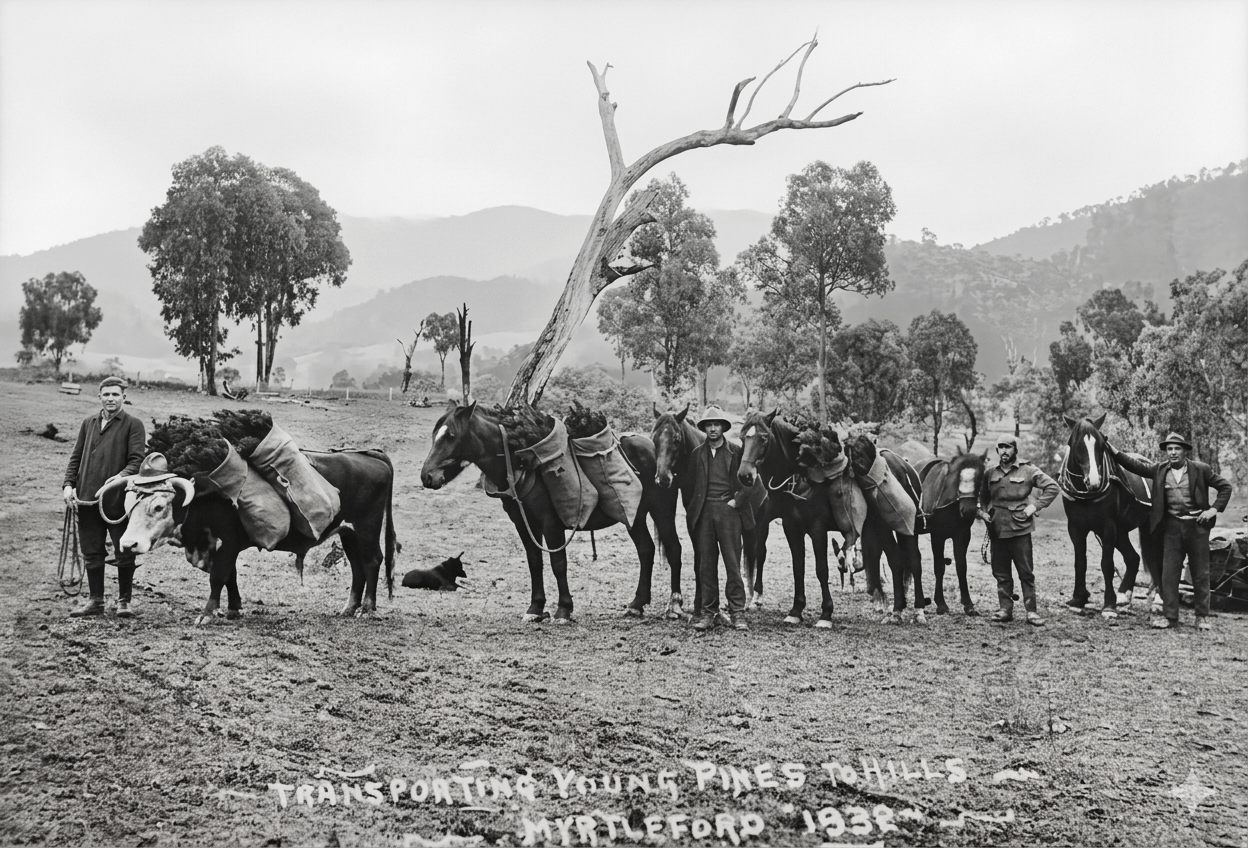
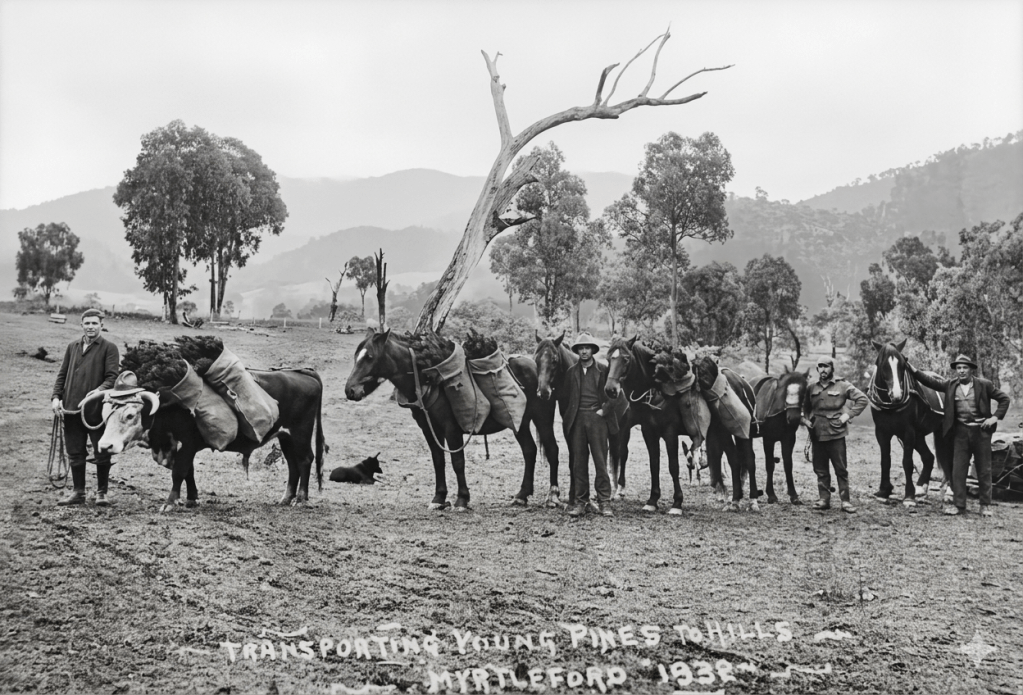
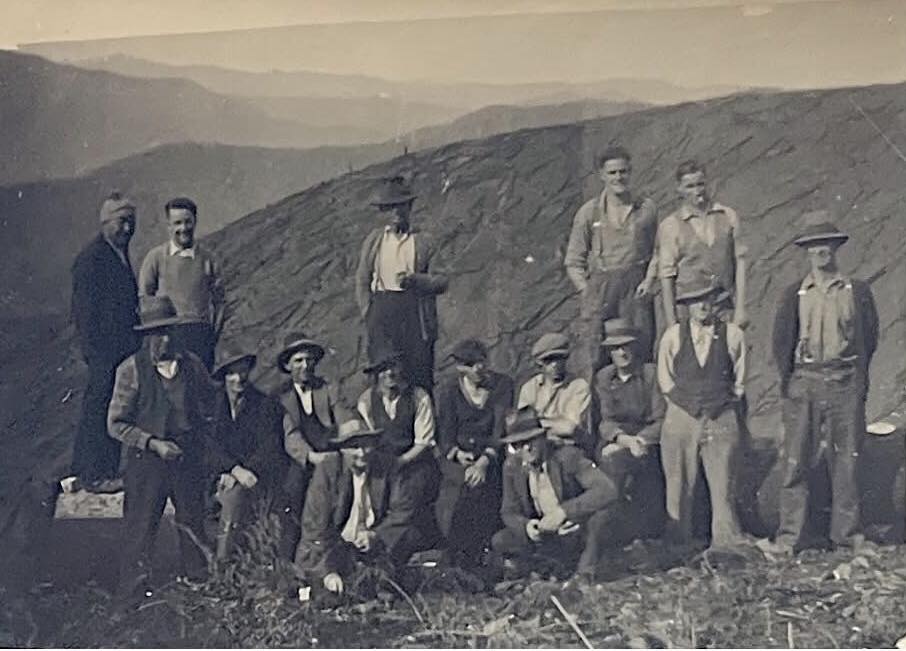
In the Ovens Valley, the men established softwood plantation and did nursery work at Bright and Porepunkah. The works were arranged and supervised by Commission overseers.
But there was a certain irony to these susso programs during the Great Depression. Thin royalty revenues from the sale of sawlogs and forest products restricted the funds available to the Commission for much needed fire protection and silvicultural works.
The slump in royalty revenue also led to the retrenchment of staff at the same time as the Commission had to manage the employment of large number of relief workers.
The need for unemployment relief funds diminished by 1939-40 with the start of World War Two.
It took almost ten years for the Australian economy to recover from the Great Depression, but it affected people deeply for decades to come. It also radically changed economic thinking and policy in Australia.
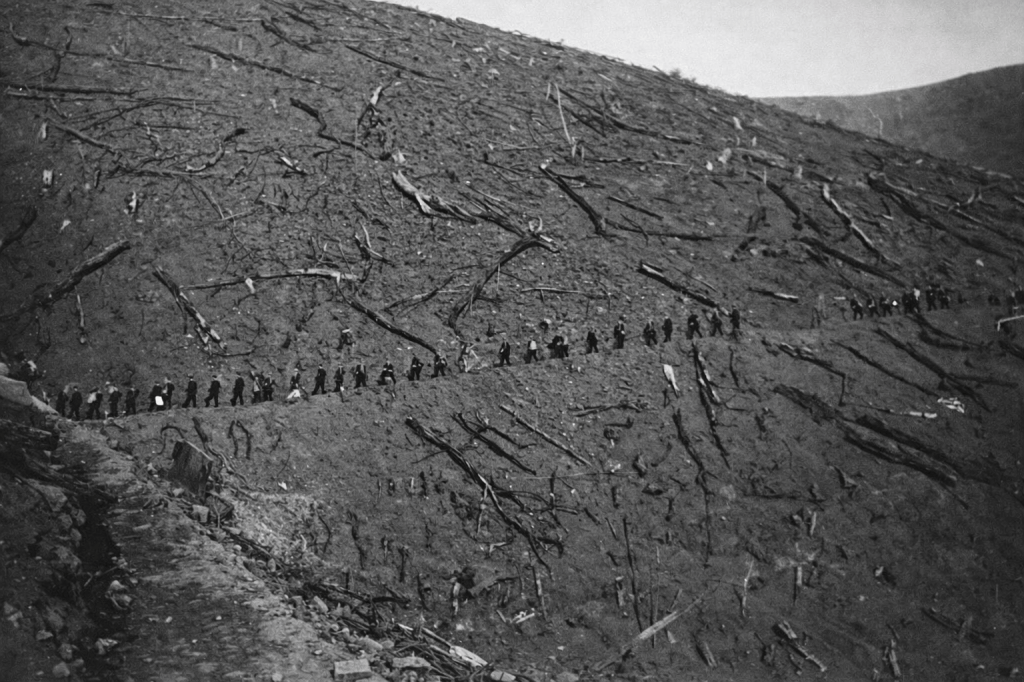
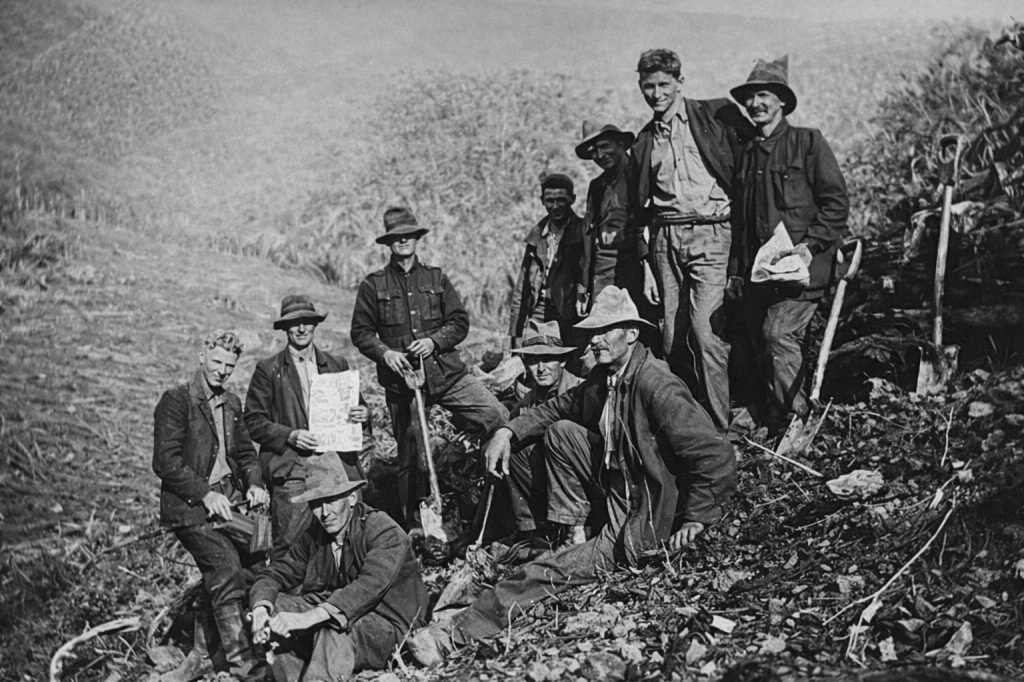
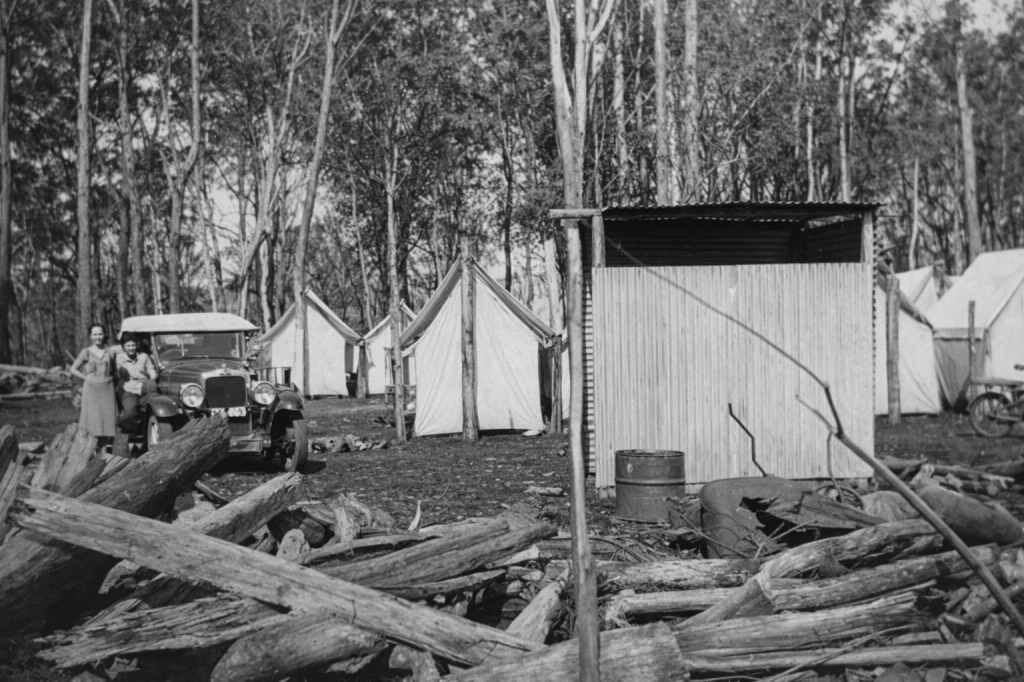
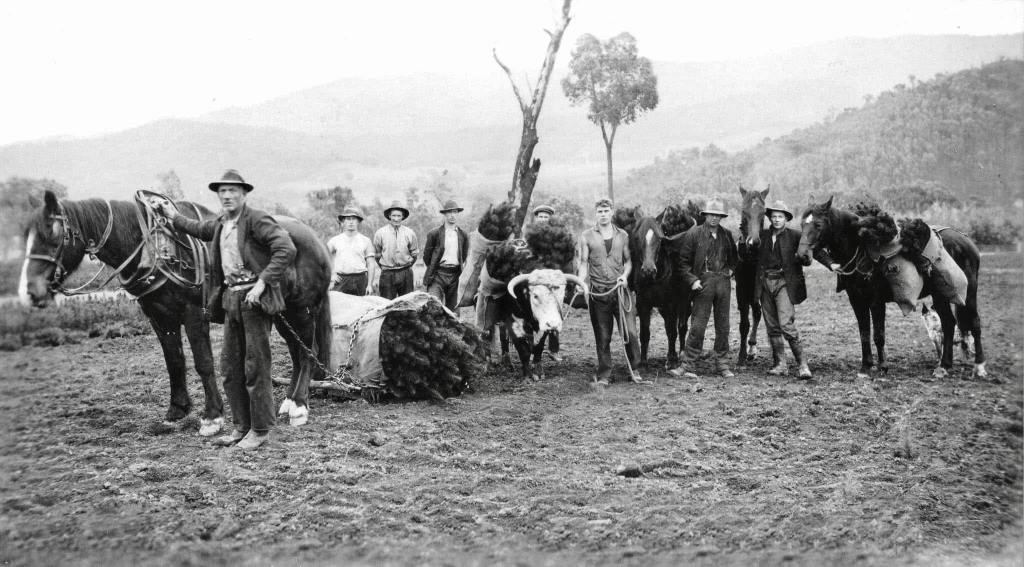
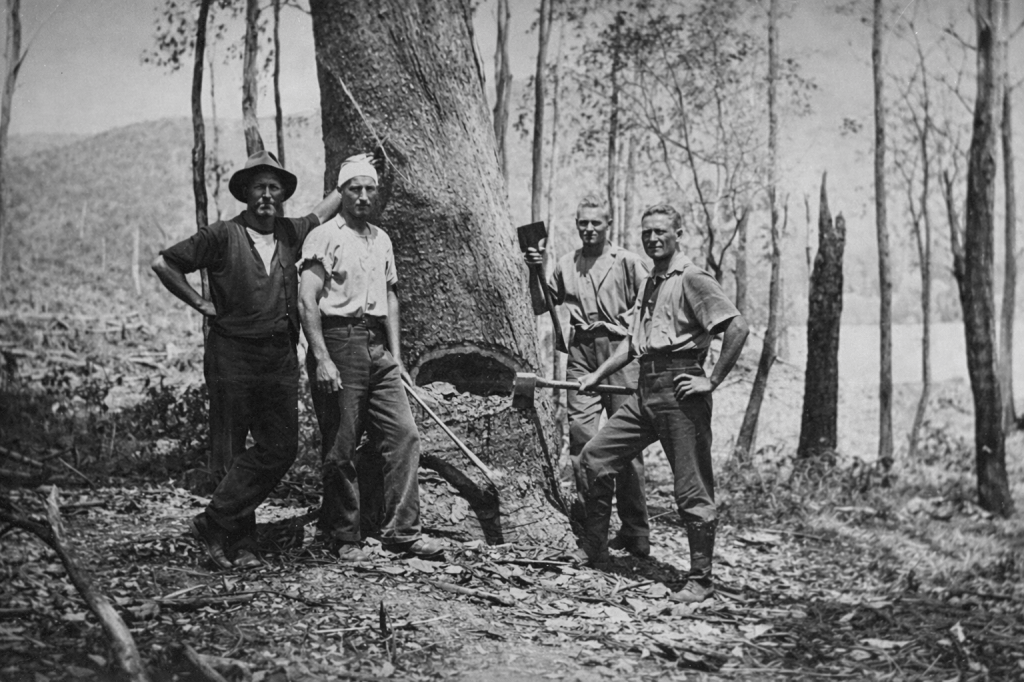
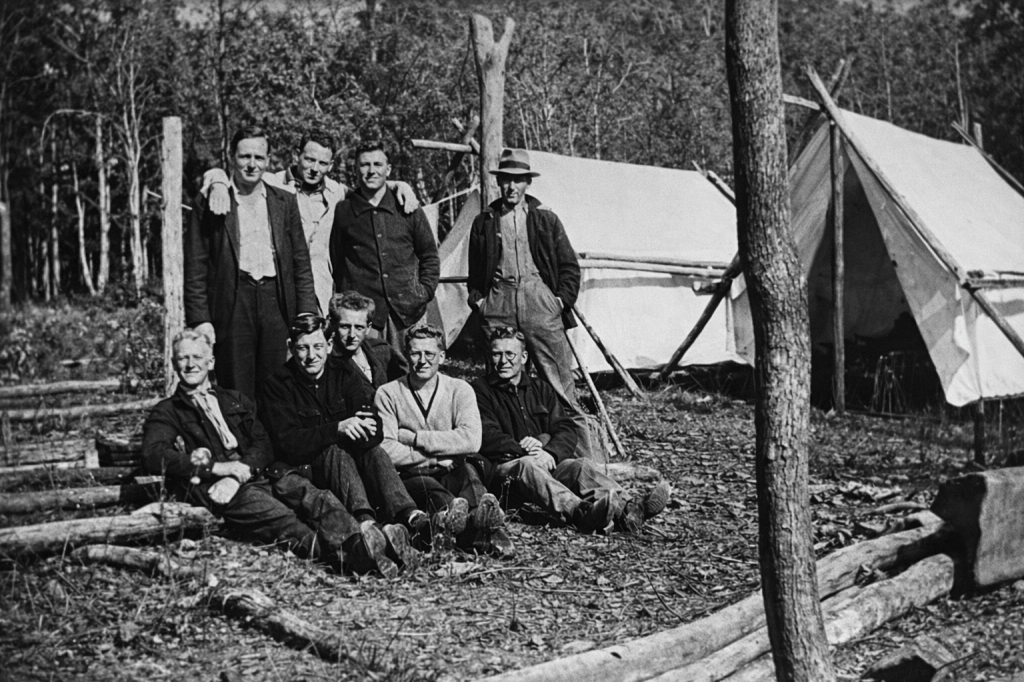
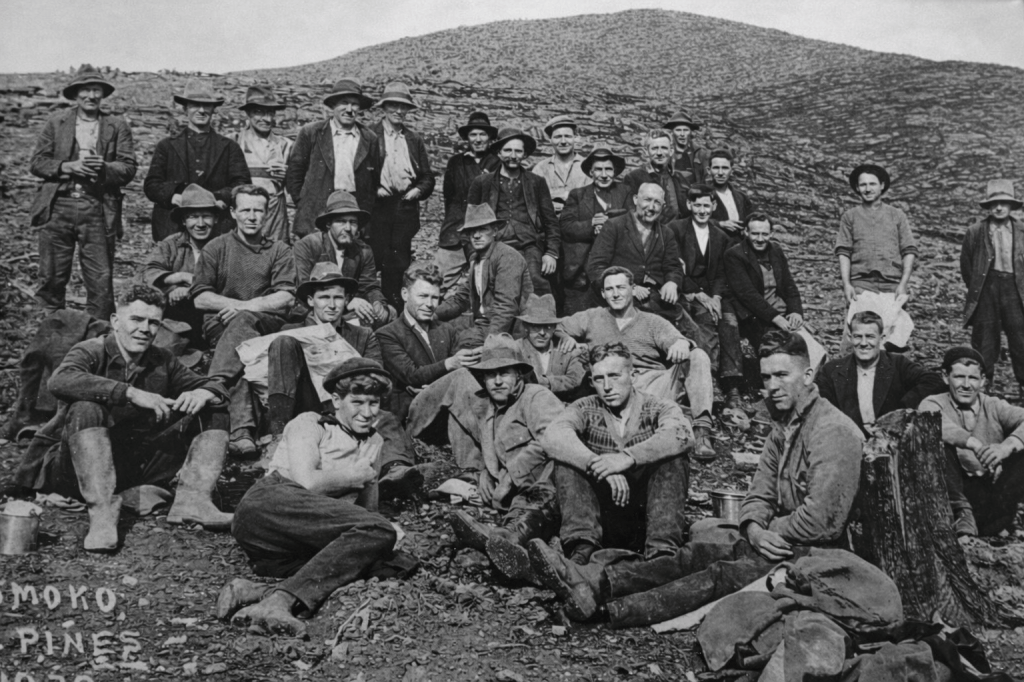
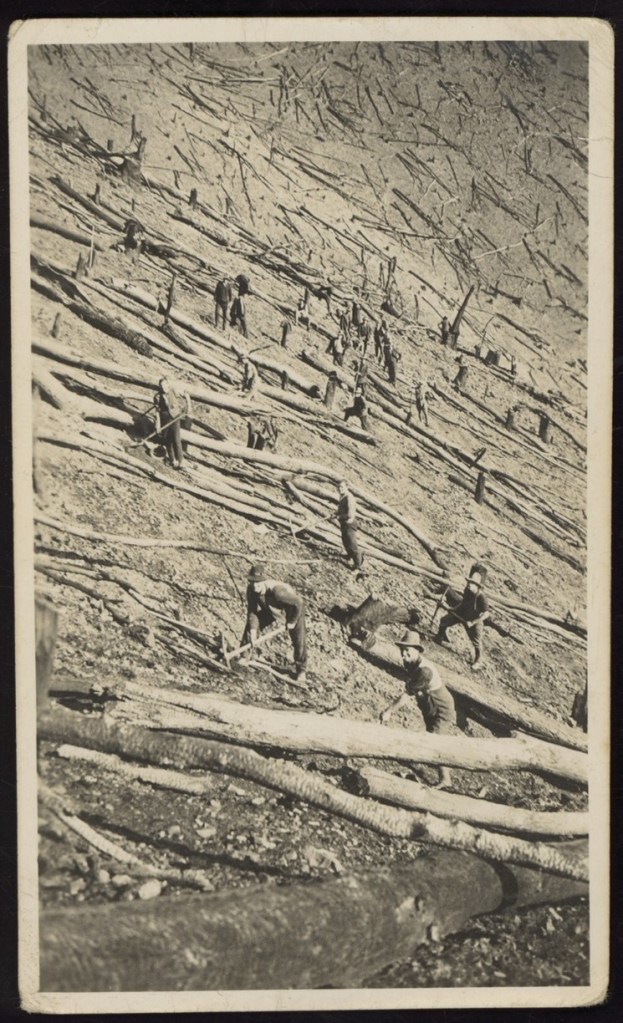
Photos: Sustenance workers Ovens Valley – Rob Kaufman
An innovative School Plantation Endowment Scheme was initiated in 1923 as a joint venture between the Education Department and the Forests Commission Victoria (FCV).
Mr William Gay, the former Principal of the Victorian School of Forestry (VSF) resumed his role with the Education Department in 1922 and took responsibility for the Scheme under the guidance of Owen Jones, the new chairman of the Forests Commission and Frank Tate, Director of Education.
While some plantations were established on private land donated or leased for the purpose, most were established on Crown Lands or Reserved Forest made available to schools, without cost, by the Forests Commission.
Areas ranged from about 5 to 50 acres and were planted up at the rate of 1, 2, 3 or more acres per year, according to the planting strength of the school.
The plantations were vested in trustees, who then became responsible for their care and control. The trustees consisted of the Chairman of the School Committee or Council, the Head Teacher of the school, the District Inspector of Schools and two additional members nominated by the School Committee and the Head Teacher and approved by the Minister of Public Instruction.
The plantation was not only designed to provide a financial return to the school, but also to instil a sense of civic pride as well as an understanding of the value of land, conservation, together with developing a forest consciousness in younger generations for benefit of the nation.
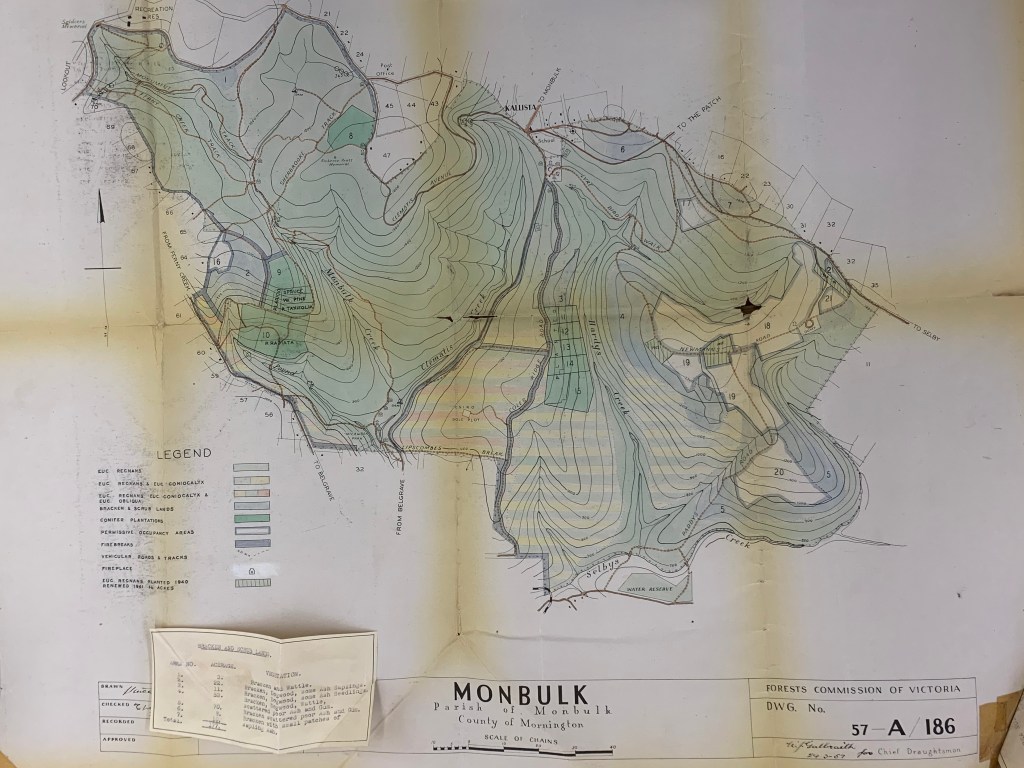
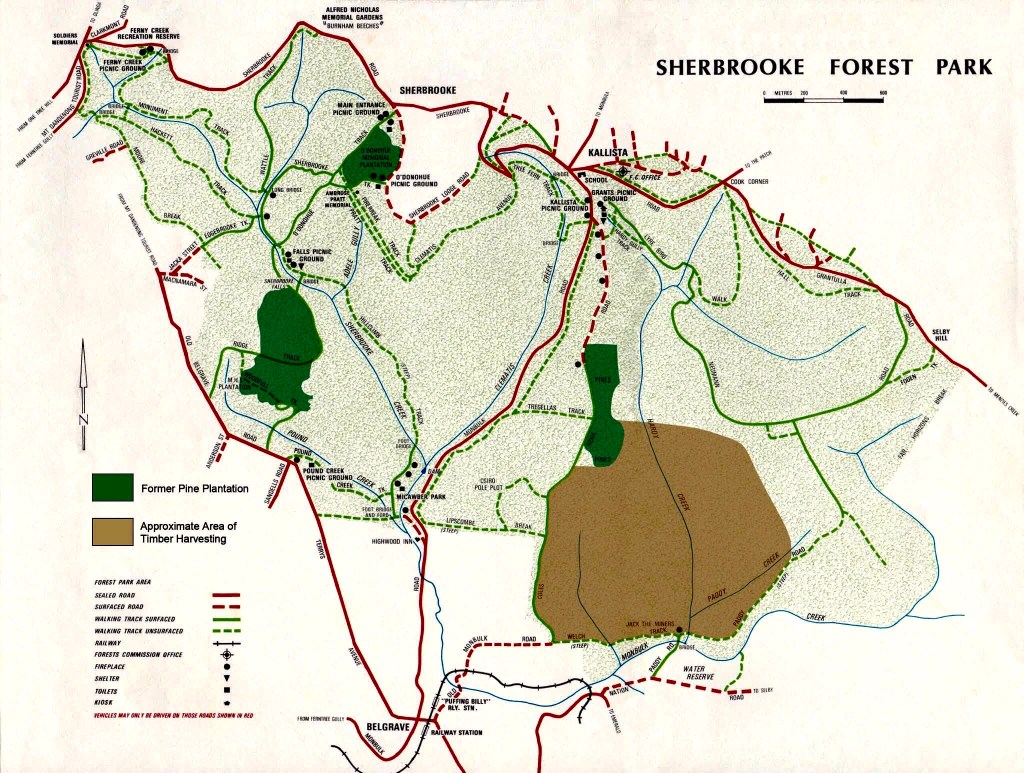
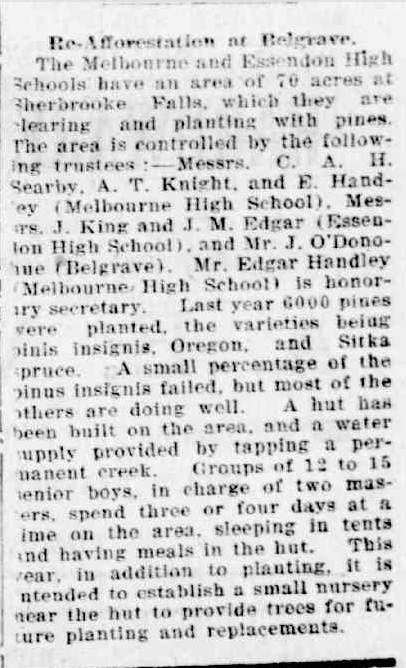
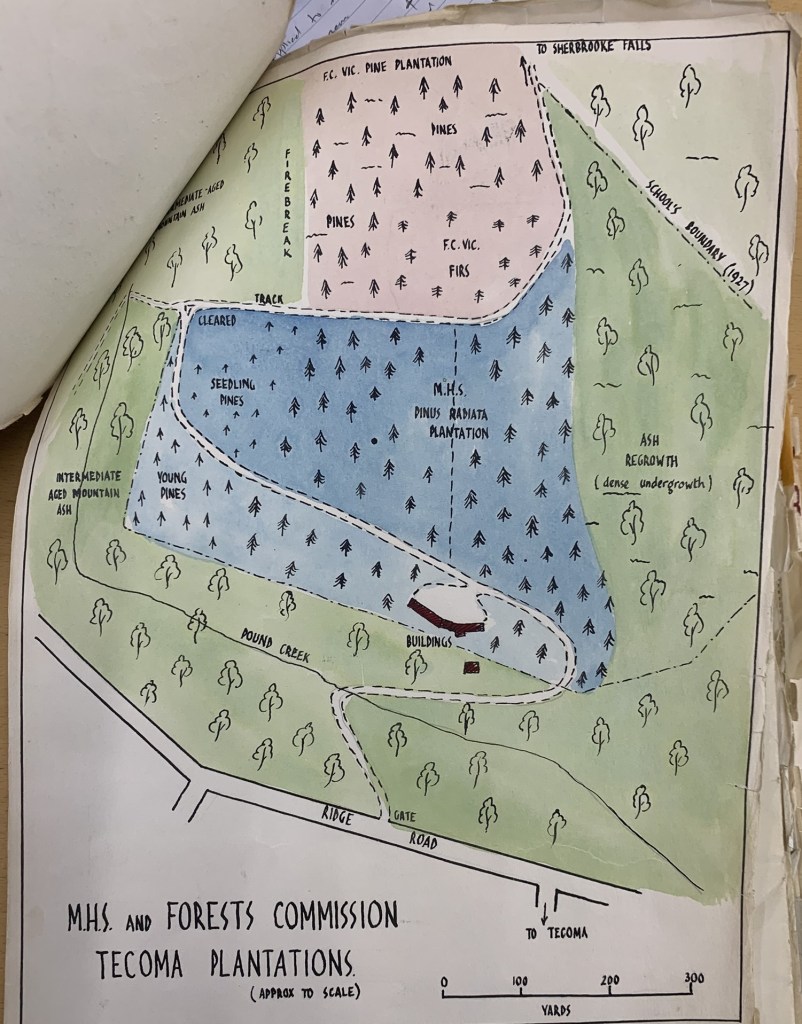
One of the first to adopt the scheme was a group of Melbourne-based high schools including Essendon, University, Coburg, Williamstown and Melbourne who formed a partnership known as the Metropolitan High Schools (MHS) to establish softwood plantations in Sherbrooke Forest in the early 1920s. But that number soon dwindled down to two, Melbourne and Essendon High.
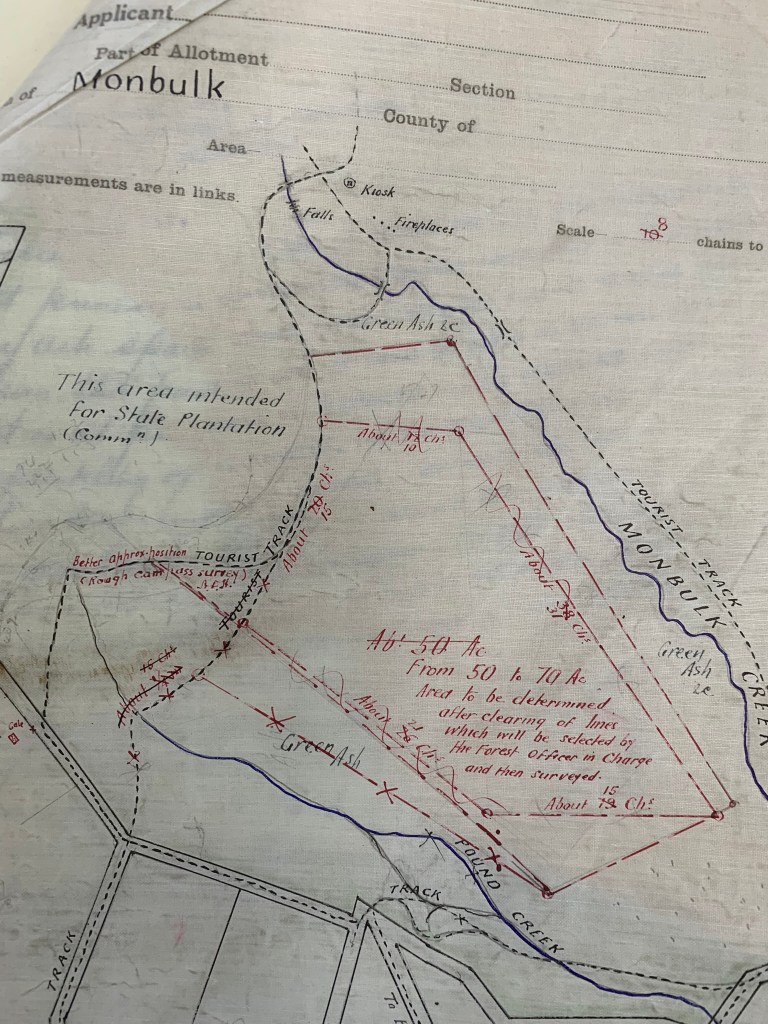
The original 70-acre site allocated to the schools had been burnt out in earlier bushfires and was covered with bracken and scrub. The five high schools were issued with a “permissive occupancy” licence.
The Forests Commission assisted in providing technical support and a subsidy for fencing materials of 80%. Some specialist tools such as pruning saws were provided to schools by the Commission.
The Forests Commission also supplied the seedlings free of charge from its Macedon and Creswick nurseries, including Pinus radiata, Pinus ponderosa, Pinus laricio, and Douglas fir or Oregon, Pseudotsuga menziesii.
About 10 acres was planted at Sherbrooke in April 1926 with 6800 seedlings with a mixture of Oregon, pine and spruce. The school planting adjoined a FCV plantation.
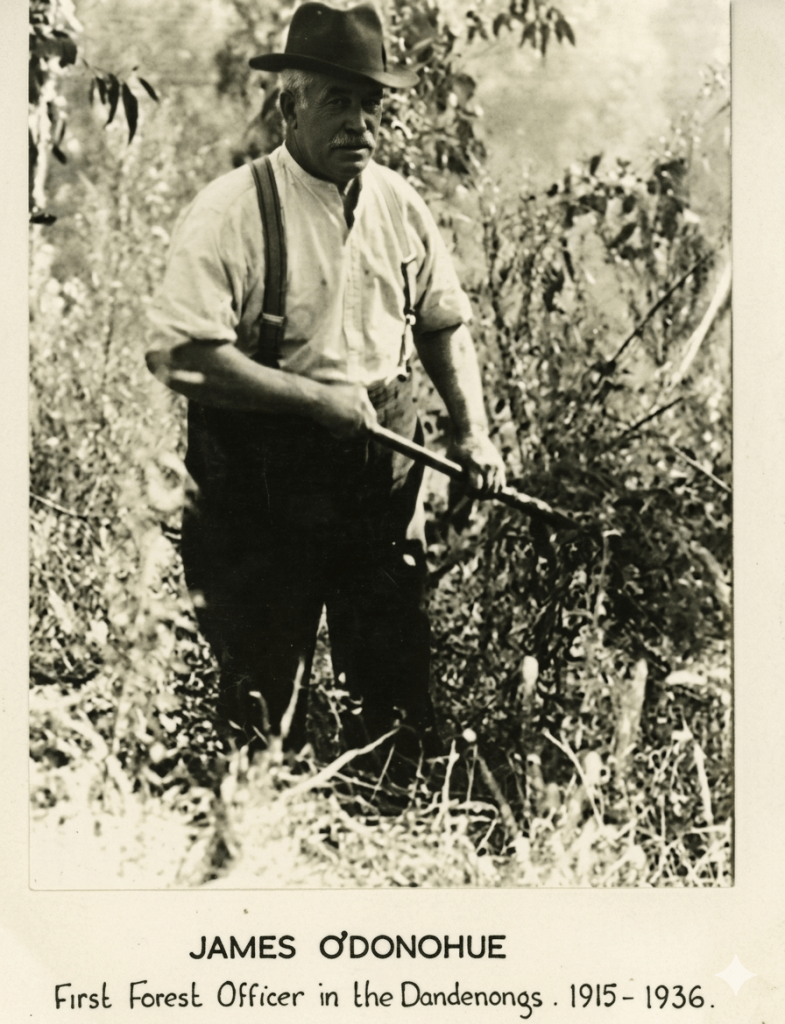
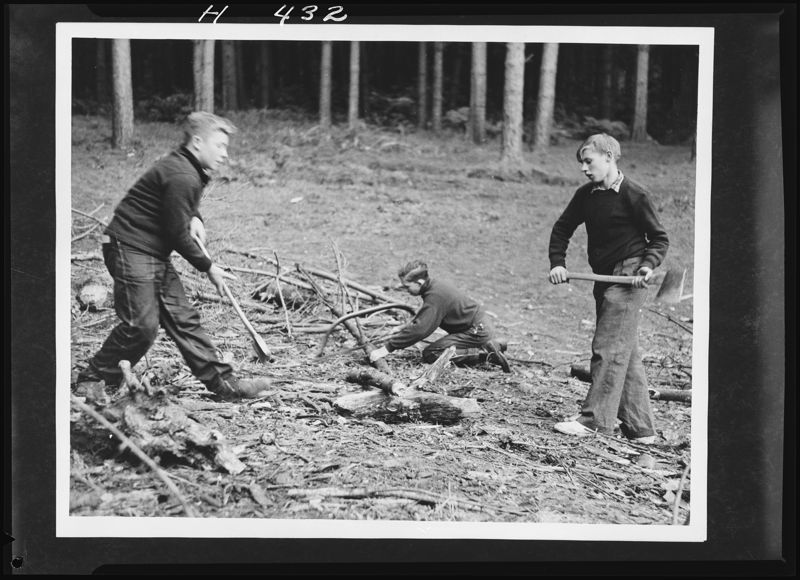
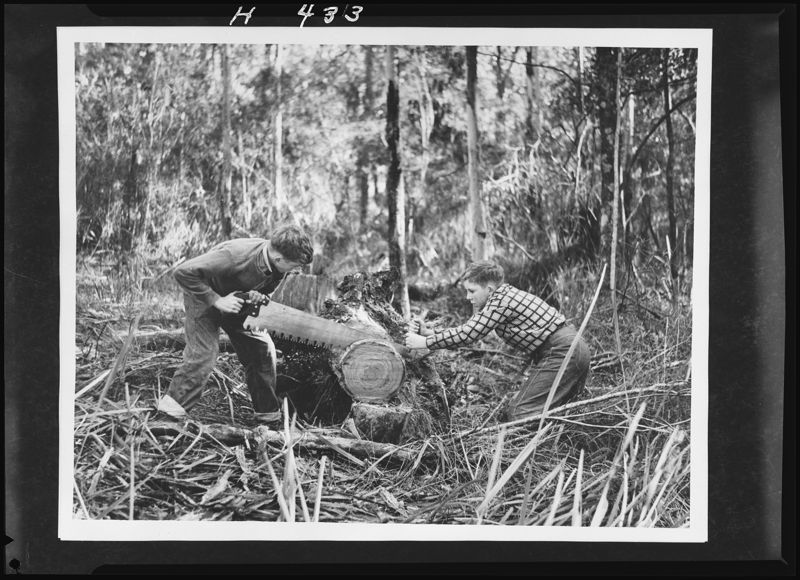
Access was via Sandells Road, up the hill from the Tecoma railway station, and planting was done by the school students under the guidance of their teachers and the local forest officer, James O’Donohue. Heavier work such as fencing was often done by parents.
But within 10 years, some local residents were beginning to object to the loss of their sweeping views caused by the rapidly growing pine trees.
The scheme was a success, and, by 1938, three hundred and forty-eight school plantations had been established across Victoria, with a gross area of 3550 acres. The number of seedlings supplied from Forests Commission nurseries averaged from 80,000 to 90,000 annually.
But the school plantations at Sherbrooke seem to have faltered during the Great Depression of the 1930s and later during the war years.
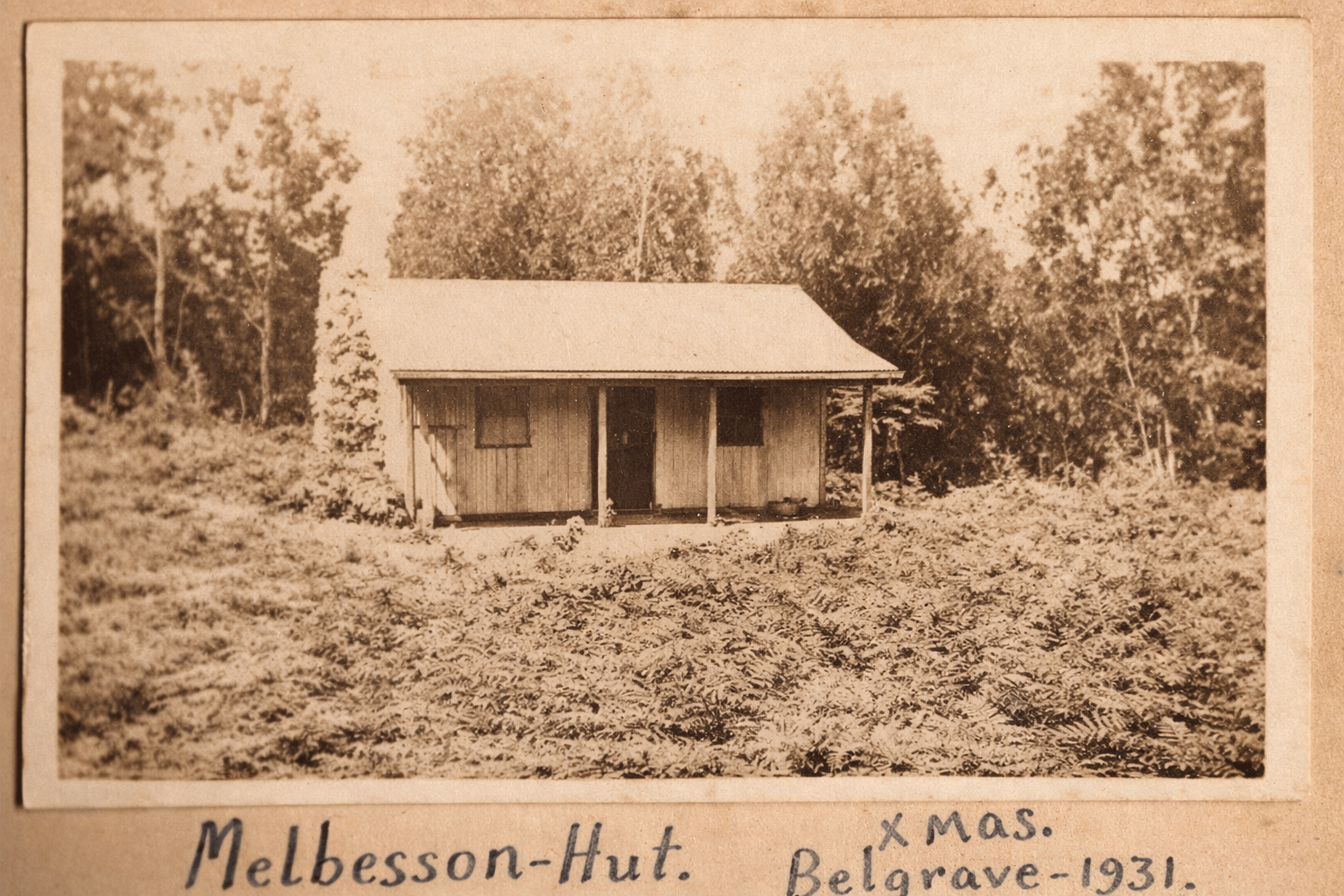
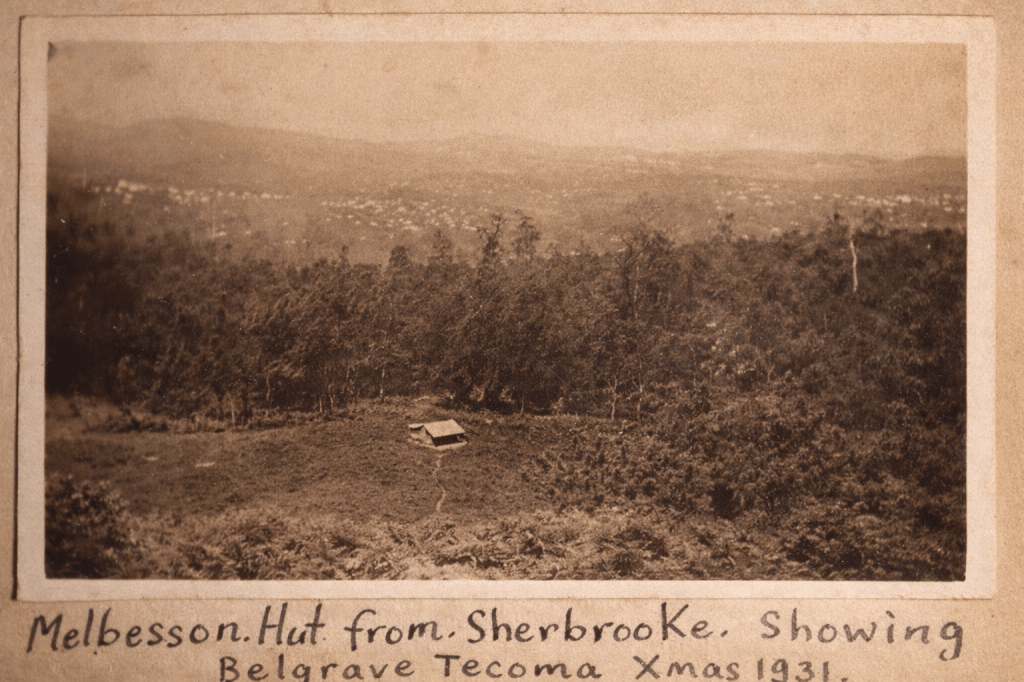
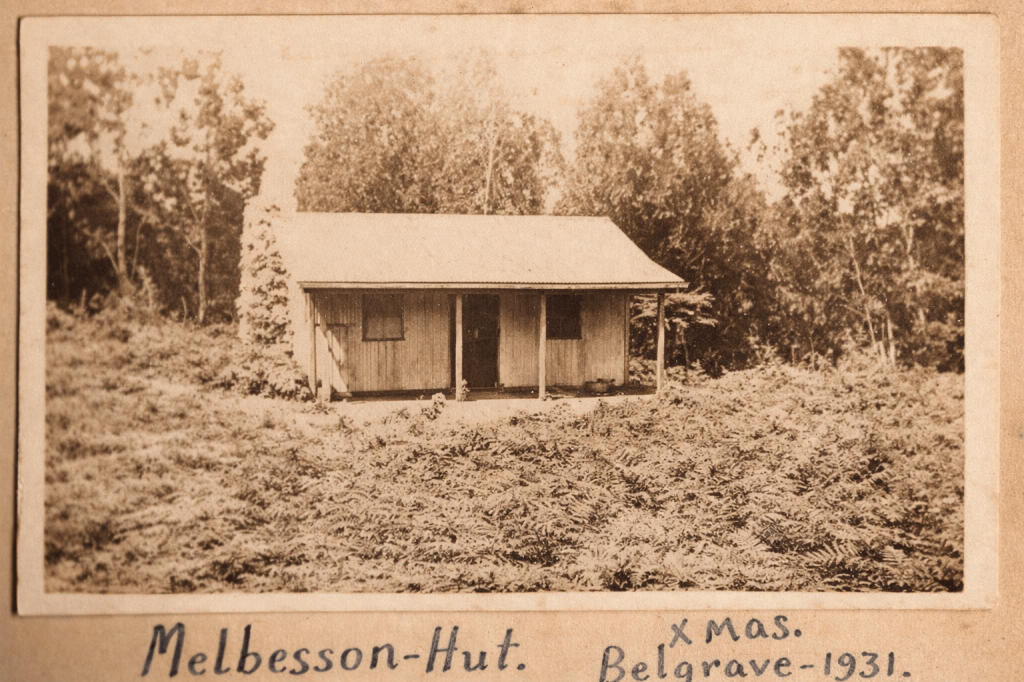
A hut had been built on the Sherbrooke site in 1930 and became known as “Melbesson Hut” (a truncation of Melbourne and Essendon High Schools), but it was blown up during WW2 by the Army, believing it to be occupied by the German Club. The Army offered the school a totally inadequate compensation of 35 pounds, but they later sent a cheque for 75.
Alan Gregory wrote a history of Melbourne High School, “Strong Like Its Pillars”, in 2005, which describes how the plantation program was revitalised by the School Headmaster, Brigadier George Langley, in the early 1950s.
In 1955, the School applied to the Forests Commission to expand the plantation to some 28 acres.
Essendon High School withdrew from the plantation partnership in about 1956, and Melbourne High School paid out its share of future timber royalties.
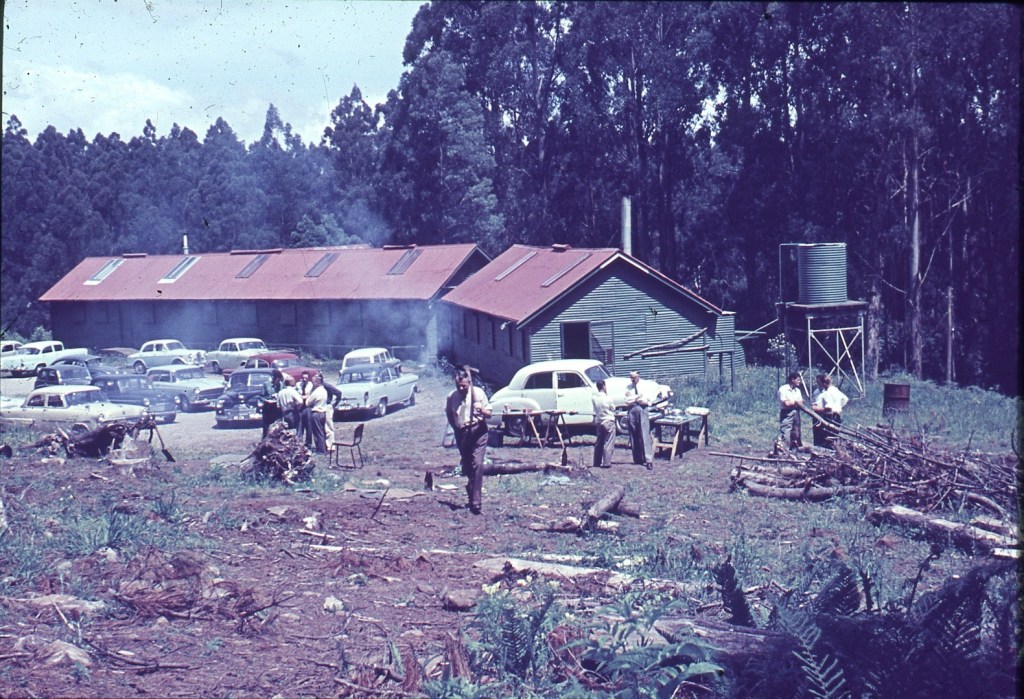
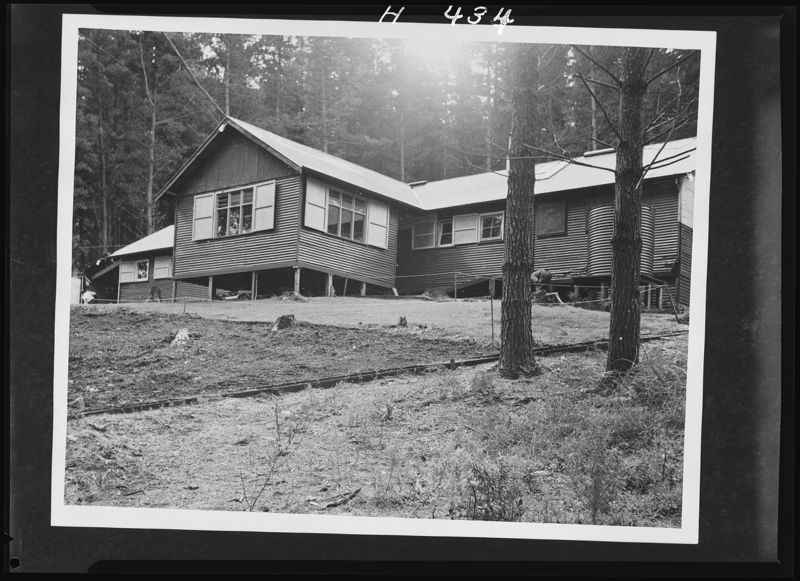
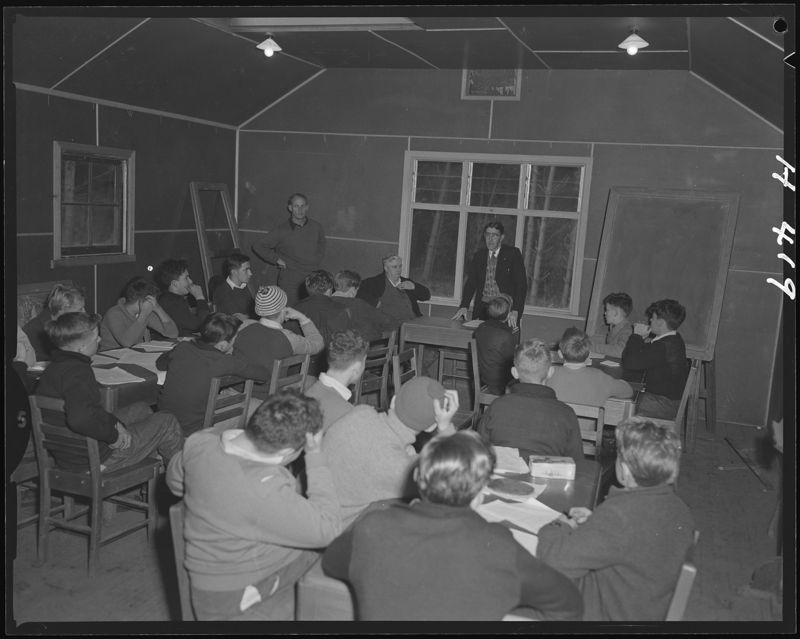
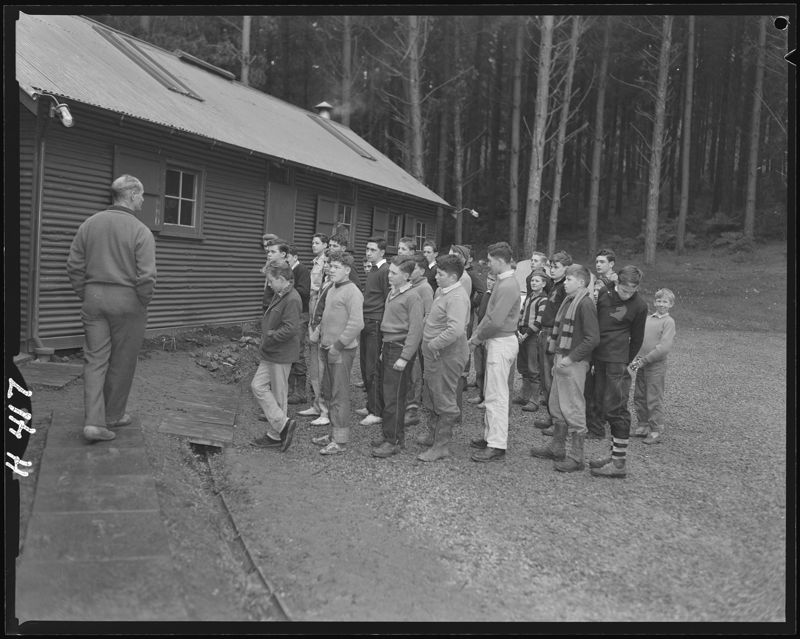
In 1956, Melbourne High School also purchased two ex-army huts from Fawkner Park for 40 pounds each and relocated them to Sherbrooke forest. The District Forester, Jack Gillespie, supported the camp proposal.
The new camp buildings included a dormitory, school room, kitchen/dining hall, admin annex and ablutions block.
The sale of some logs to the Alexandra sawmill, realised 176 pounds 17 shillings, which helped to pay for the new camp. One thousand pounds had been raised earlier from the sale of some Oregon logs in 1951.
Then in 1957, the Forests Commission set aside Sherbrooke Forest Park under Section 50 of the Forest Act.
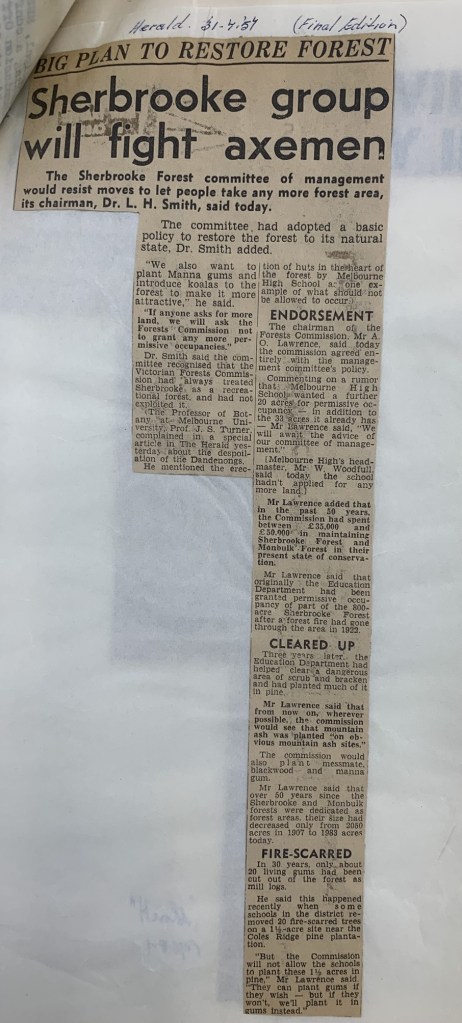
Meanwhile, there were growing rumblings about the softwood plantation scheme in Sherbrooke Forest and the new school camp buildings. On 4 September 1957, a group of influential conservationists, including Sir John Latham from Save the Dandenongs League, Professor John Turner from the University of Melbourne, Ros Garnet from the Field Naturalist Club, Hugh Wilson from the VNPA and several others protested directly in a meeting with the State Premier, Henry Bolte. They called for the cessation of the softwood plantations and conversion back to native forest, a new strategic plan, the removal of the MHS camp and the creation of a new Sherbrooke National Park. In the notes of the meeting, the Premier gave a polite response to the delegation but appears to have done nothing much about it.
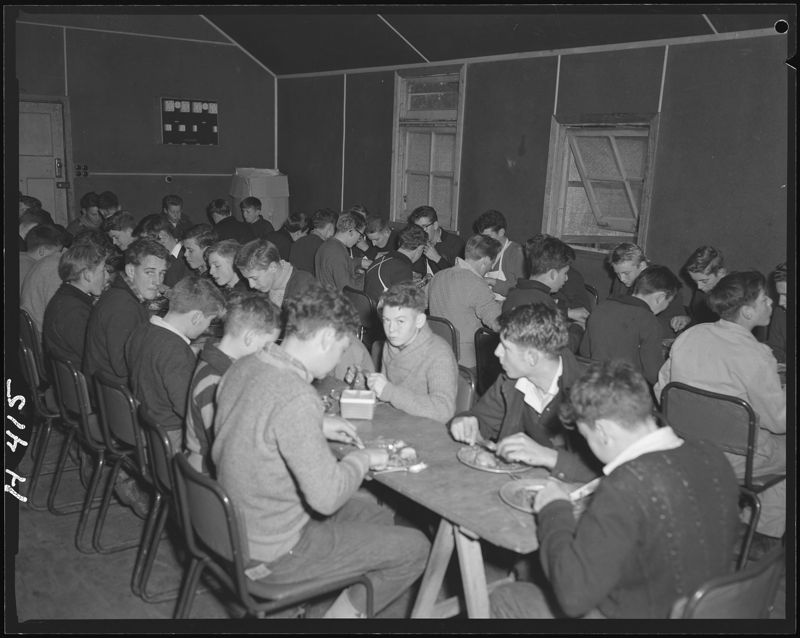
By 1958, the Tecoma Forestry School was in full use by MHS students, and Langley’s dream of the plantation as a branch of the school that taught forestry, geology, botany and zoology, and provided outdoor adventure, was gradually being realised.
The main aims of the week spent at the camp were to experience community life and to foster an appreciation of the Australian bush and its flora and fauna. A local Forests Commission officer came and talked to the boys while observing lyrebirds was a favourite activity on forest walks.
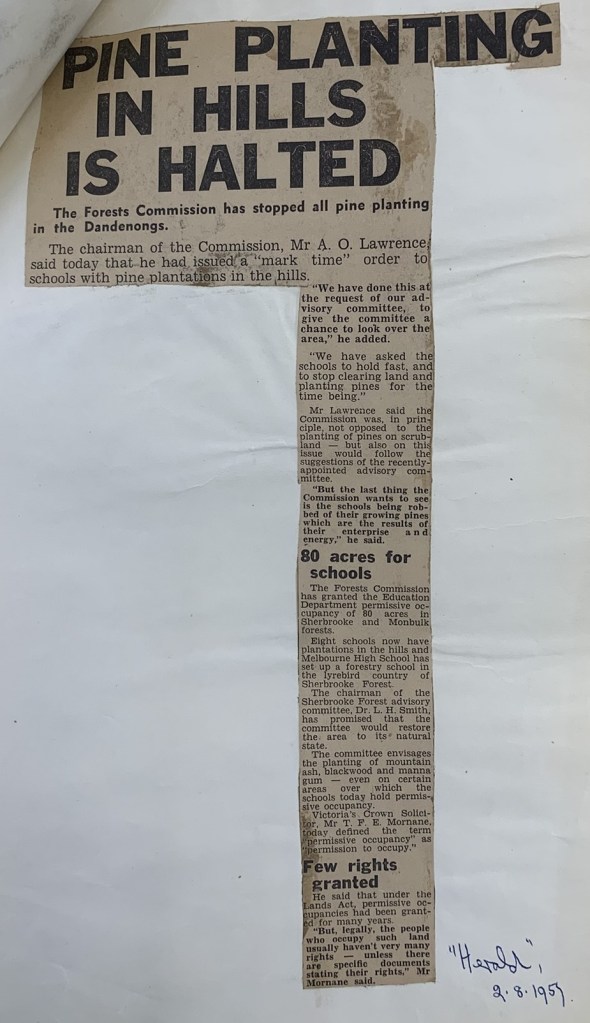
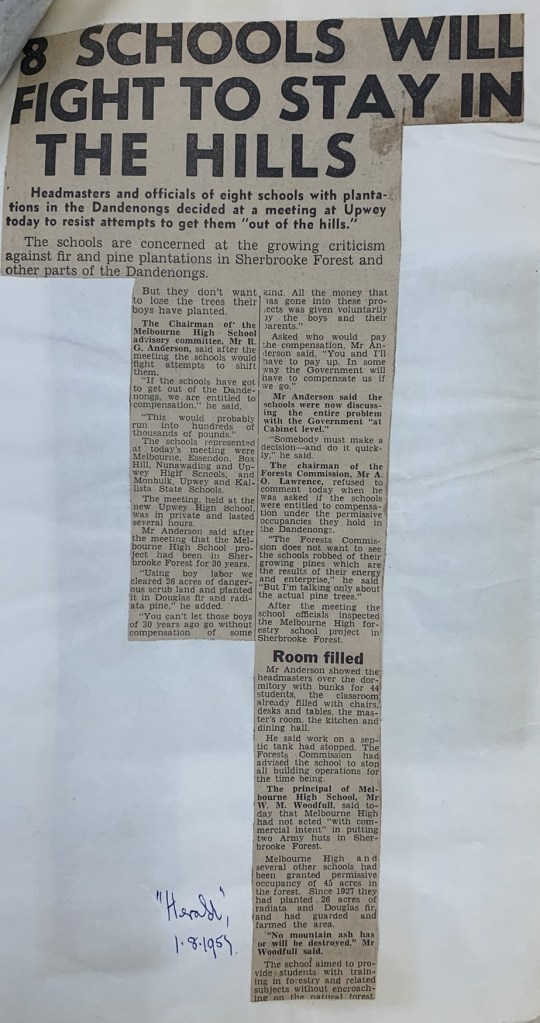
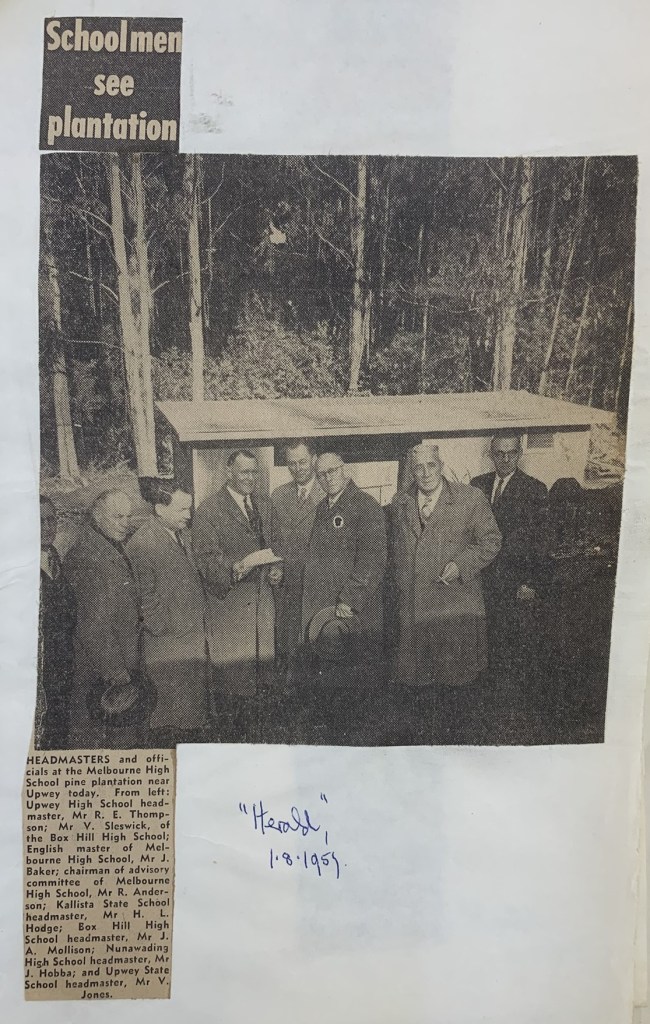
Over time, other schools including Kallista, Box Hill, Nunawading, and Upwey had established their own endowment plantations in the Dandenong Ranges.
But in August 1959, under continued pressure, the Chairman of the Forests Commission, Alf Lawrence, decided to pause all softwood plantation establishment in Sherbrooke, but this displeased the school principals who feared about the loss of timber revenue to their schools and even of the fate of the MHS camp itself.
However, the MHS camp continued to operate for the next 30 years but its focus shifted from softwood plantations onto environmental studies.
But with growing concerns about fire danger and other issues, the future of the camp became uncertain by the mid-1980s, and a lot of effort went into finding an alternative site. In 1988, the Department of Conservation, Forests and Lands (CFL) offered the school the former National Fitness camp at Millgrove, which was gratefully accepted. The plantation was sold for $19,000 at this time and the site cleared.
Proceeds from the sale of the harvested trees were used for school purposes.
A school plantation endowment program continues today for some rural schools, although in a much-reduced form, and is partly supported by Hancock Victorian Plantations (HVP).
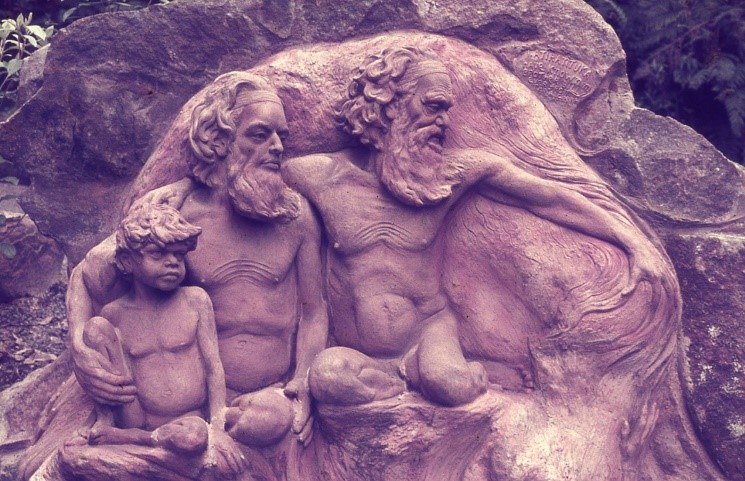
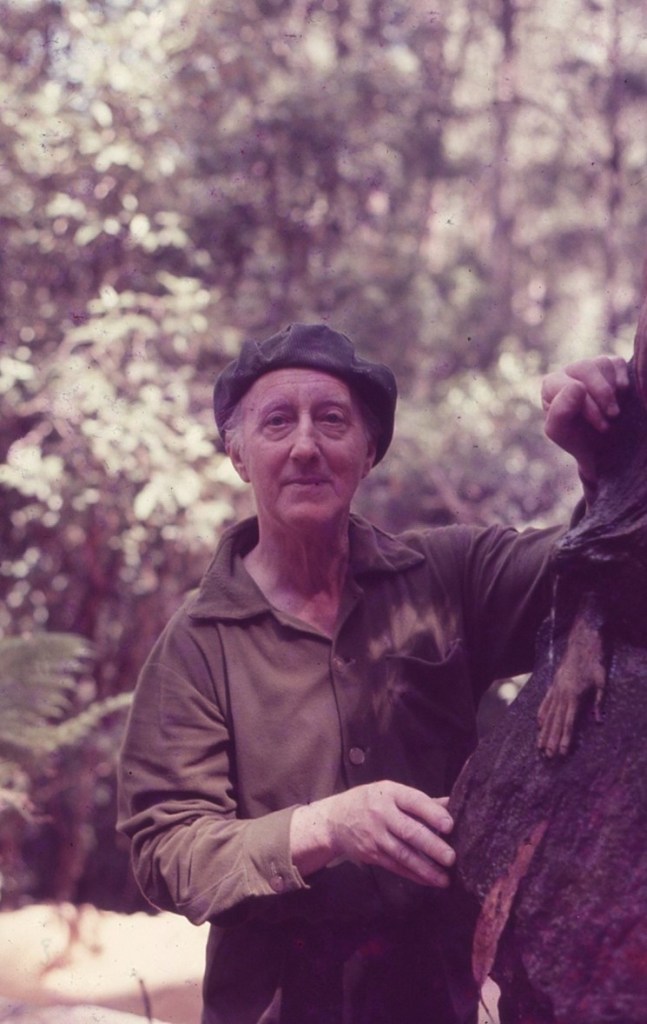
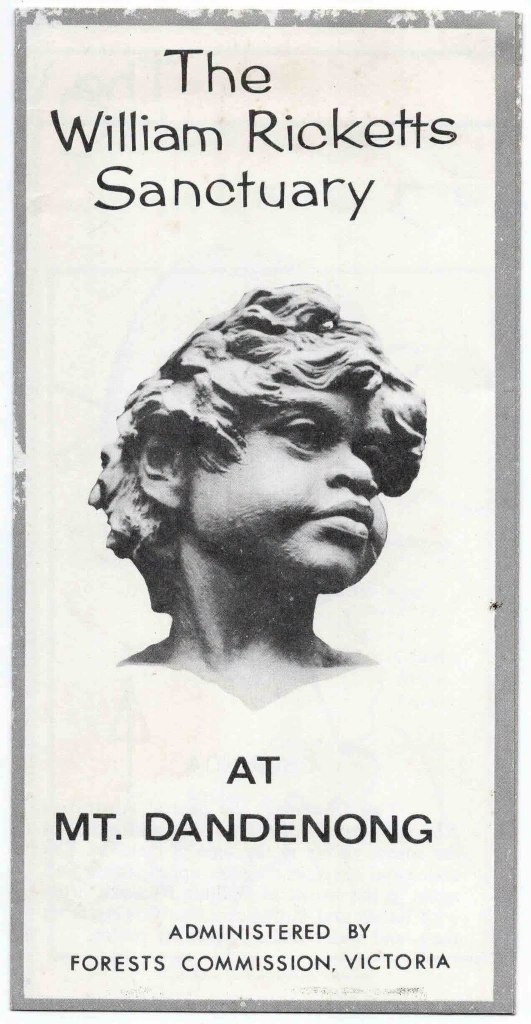
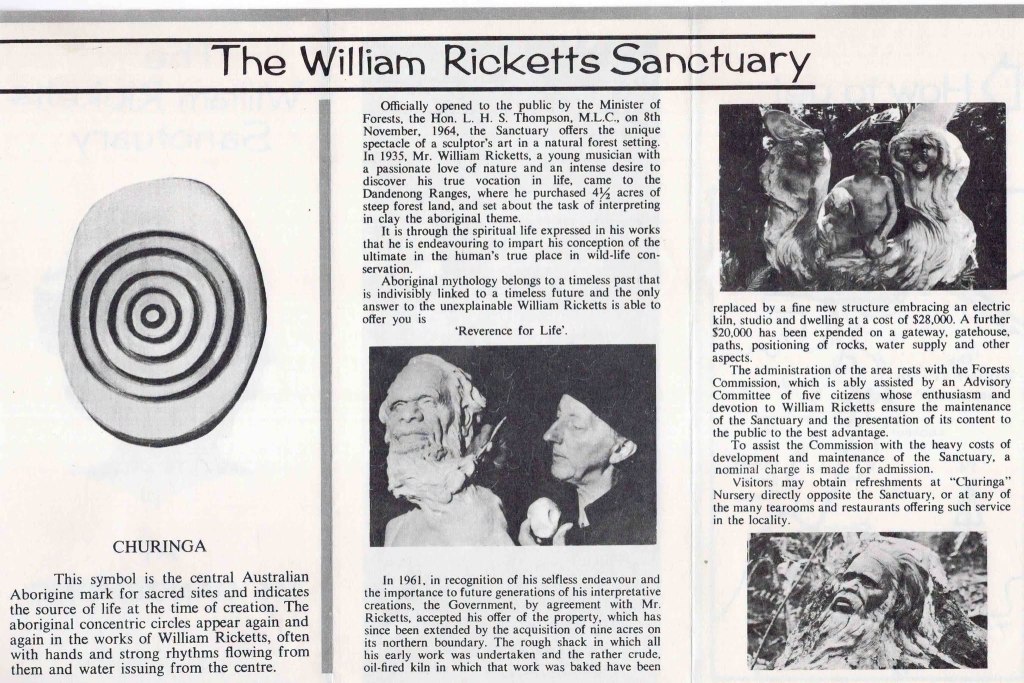
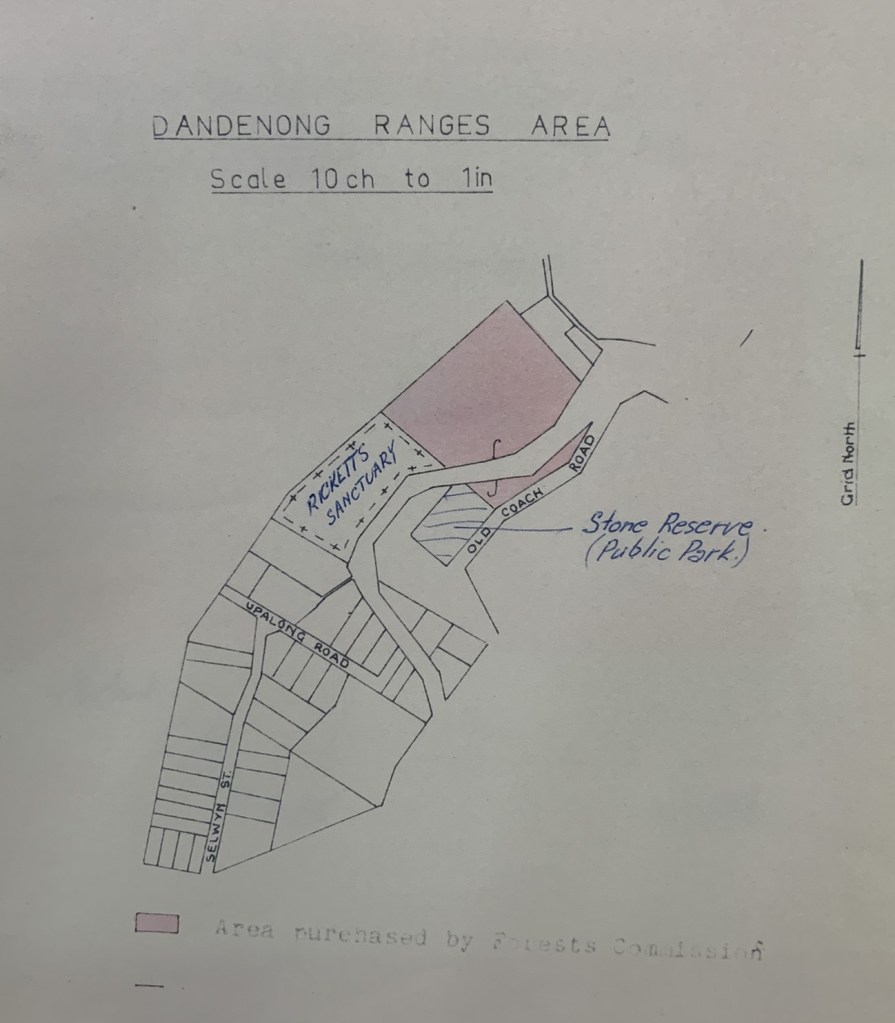
William Edward Ricketts purchased 4 ½ acres near Kalorama, on the Mt Dandenong Road, in 1935 as an artist’s retreat which he called “Potter’s Sanctuary”. The land adjoined 9-acres of State forest.
Bill supported himself with commissioned art works and received some philanthropic donations.
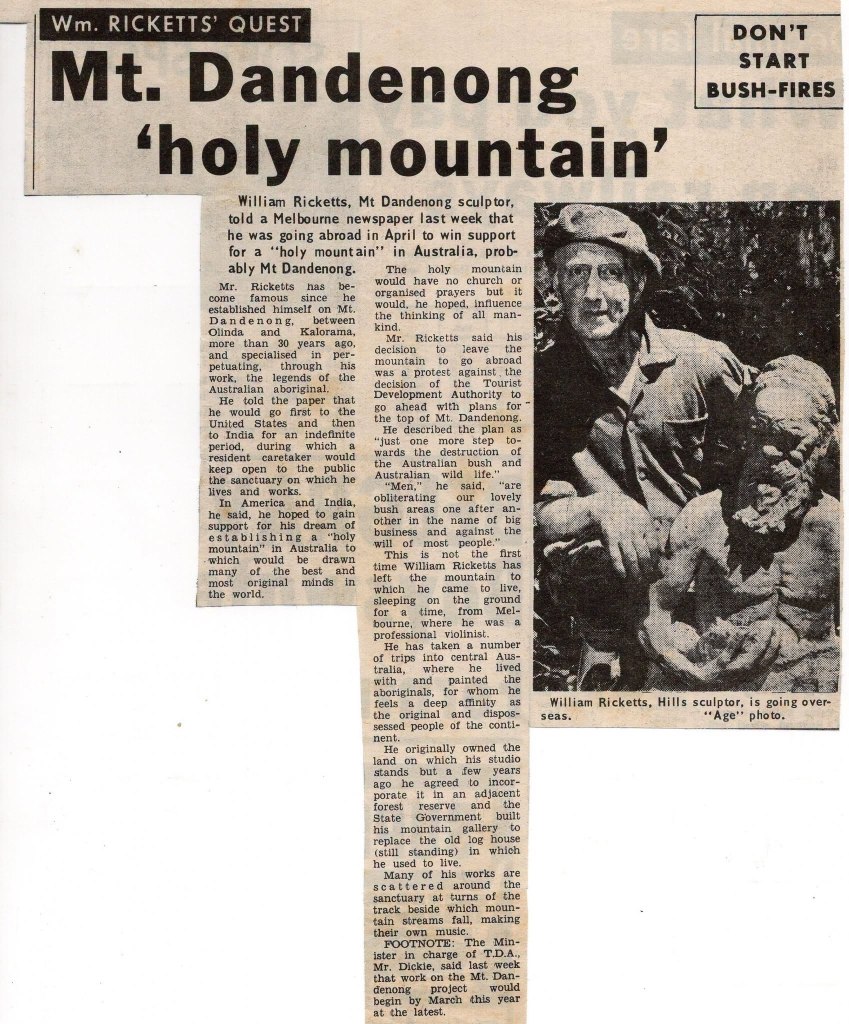
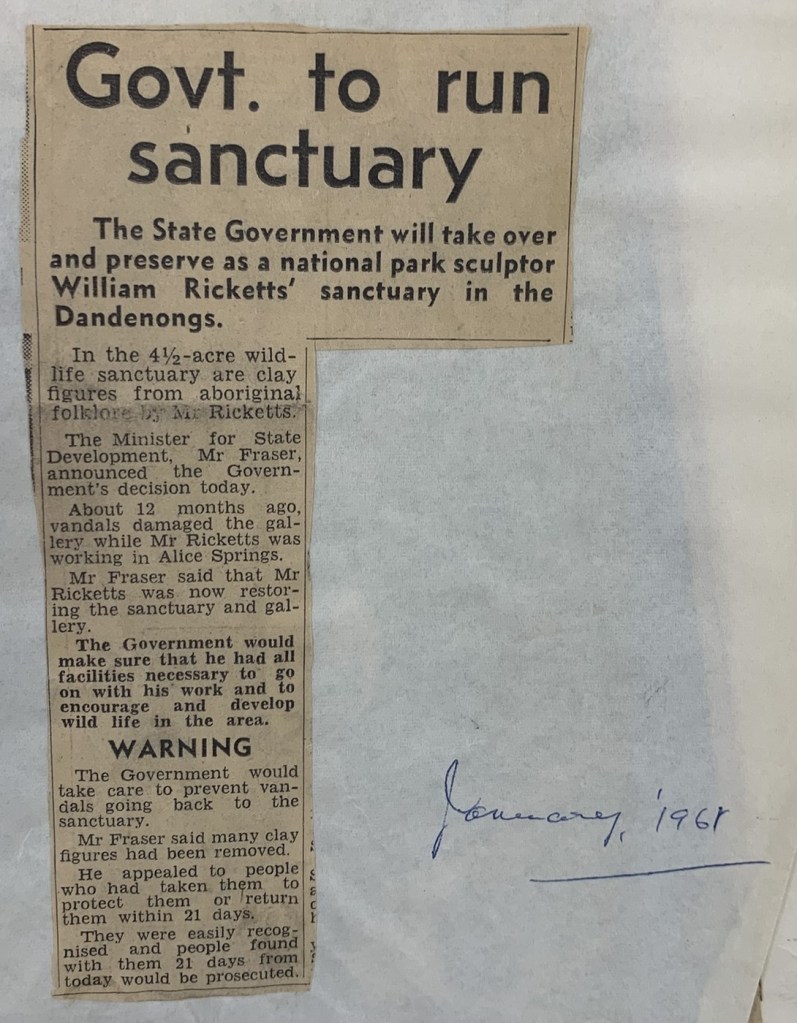
From 1949 to 1960, he made frequent trips into Central Australia to live with indigenous groups, whose traditions and culture inspired his sculptures. But while he was away in 1960, vandals stole and damaged some of his works at Kalorama.
On the 17 November 1960, the local MP and Member for Scoresby, Bill Borthwick, (later Minister for Conservation in the Hamer Government), visited the site with Mr Keith Hume Fraser and another local councillor, Hubert Ellis Jeeves.
Keith Fraser was the owner of Mt Dandenong Bus Lines in the early 1950s and was a well-known and influential resident who served as a Councillor in the Shire of Lilydale. He was also the Secretary of the Mt Dandenong Reserves Committee (which now includes the sky-high restaurant).
Bill Borthwick, immediately recommended to the Minister for Forests, Alexander John Fraser, that the Ricketts property, along with the remaining artworks, be purchased by the Victorian State Government. The Minister then visited the site to see for himself.
Things moved quickly and the Government contacted the Commonwealth Bank about releasing the £400 mortgage on the property. The final selling price for the property was £1200 which was deemed more than reasonable.
In January 1961, the State Government announced its intention to purchase and run the Ricketts Reserve. It was initially suggested that it be managed as a National Park, but the proposal was strongly resisted by the parks advisory committee who felt it didn’t meet their criteria. It then fell to the Forests Commission Victoria (FCV) to manage the site.
I was always told that the intervention of the Premier, Sir Henry Bolte, (allegedly at the insistence of his wife, Edith, after she had visited), had influenced the Government to act so quickly and purchase the land. Although the FCV file does not make this apparent, but that is not surprising.
State Cabinet then advanced an initial sum of £14,000 to purchase the property, build a new house, a studio, a kiln and security fencing. The State Electricity Commission (SEC) assisted by putting power to the property. Bill was also advanced a stipend of £4 per week as caretaker and to cover his living expenses while on residence.
In June 1962, the land was dedicated as a Special Purposes Reserve under the Forest Act (1958). Later in 1964, it was set aside for the preservation of native flora and fauna under the Act, and a Committee of Management was appointed. The Committee was mainly made up of local people including Mr & Mrs L H Atkinson, Mr L Bakas, Mr R Wilson, all who were friends with Bill, and the local District Forester, Jim Westcott. The grounds were then maintained by the FCV crew from Olinda and Ron Olver was the first warden.
The William Ricketts Sanctuary opened to the public on 8 November 1964 and remained a very popular tourist attraction for many years.
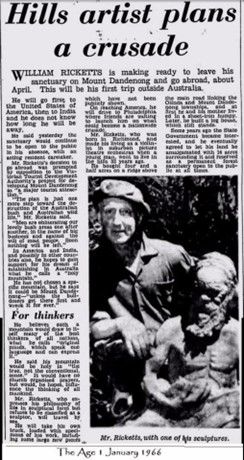
Undeterred by a lack of funds or preparation, Bill shipped a truck loaded with sculptures and travelled to America (1966) and later to India (1970–72) to share his message.
He then returned as resident at Kalorama and stayed until his death in 1993, aged 94.
His work is not to my taste, and I recall visiting with the District Forester, Frank May, several times in the late 1970s. He wasn’t fond of bureaucrats or foresters.
Parks Victoria took responsibility for Ricketts Sanctuary in 1987 when the Dandenong Ranges National Park was proclaimed.
However, big storms in June 2021 brought down trees which damaged some of the sculptures and the site has been closed ever since.
Just about every student who has spent time at the Victorian School of Forestry at Creswick will be familiar with Brackenbury Hill, but few would probably know about its interesting history.
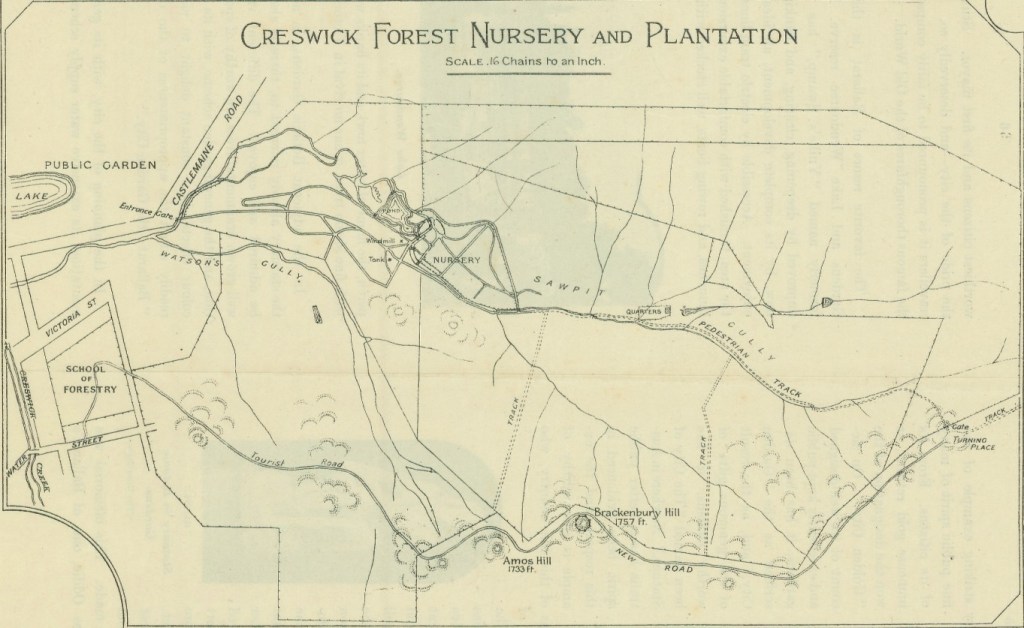
Brackenbury Hill sits just north of the Great Dividing Range, with an elevation of 1757 feet, and is about a mile to the east of the Forestry School on Tourist Road.
The Hill is named after Creswick’s first gold commissioner, Lieutenant Walter Charles Brackenbury. He was appointed in December 1852, and his camp later became the site of the Botanic Gardens.
But with the decline of gold mining from the late 1880s, Creswick sought to reestablish its prestige and wealth through forestry and tourism.
Brackenbury Scenic Drive was created in 1917 to give the growing number of visitors better access to the State forests and is the main entrance to the school’s 1200-acre demonstration forest.
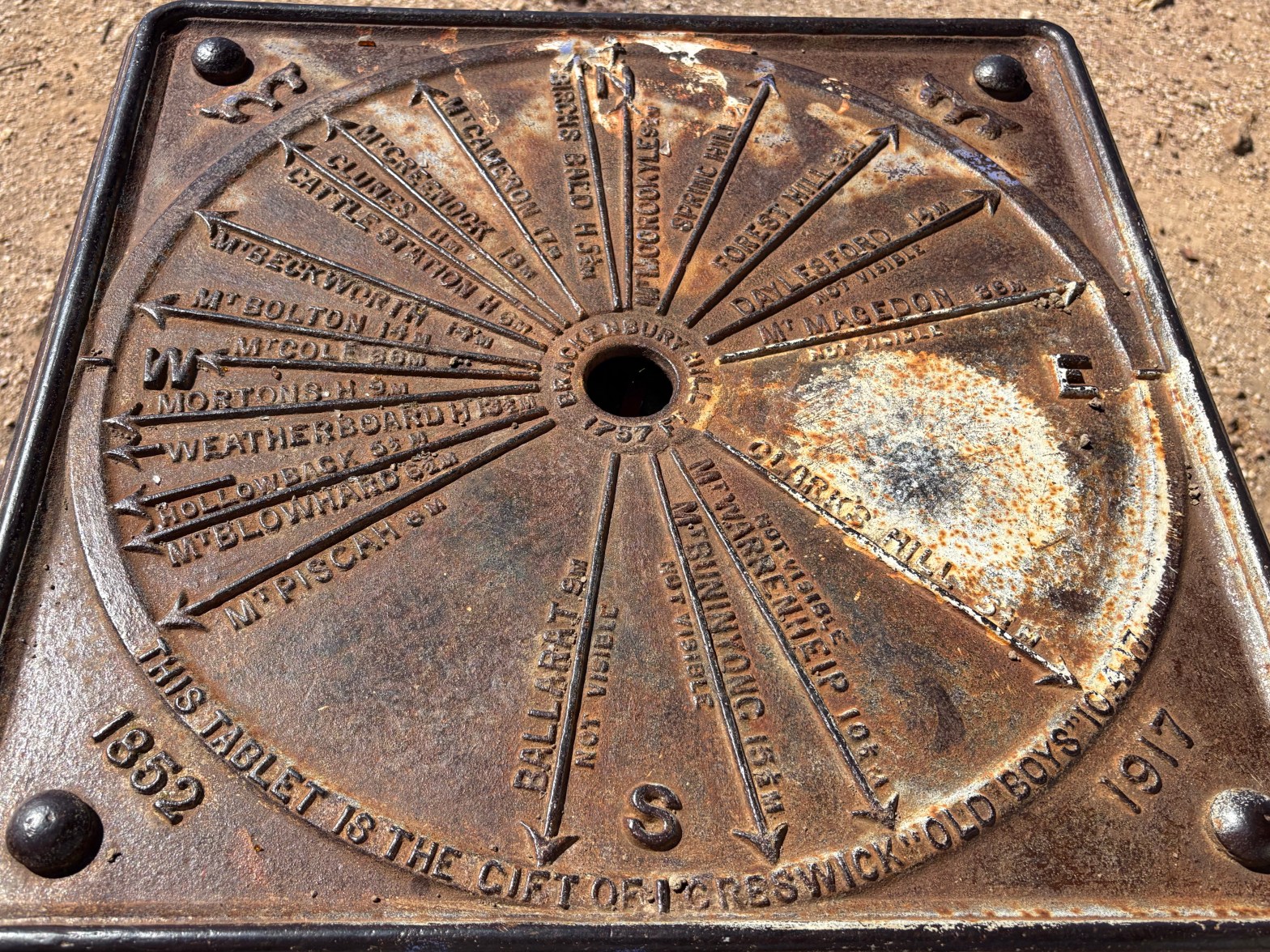
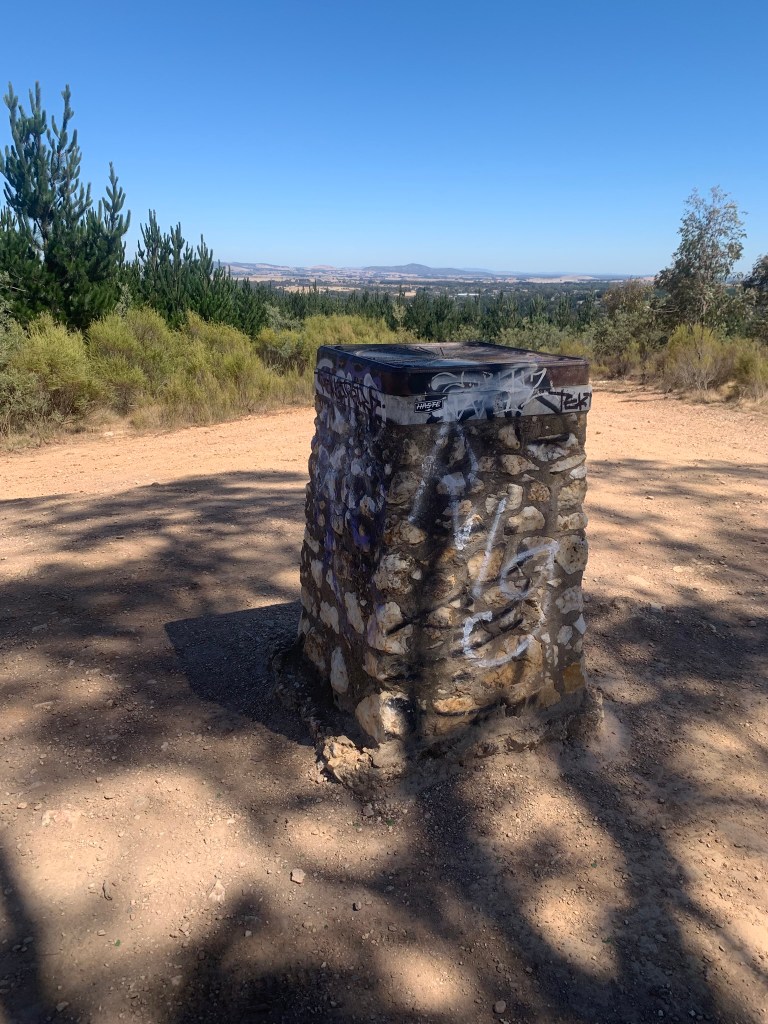
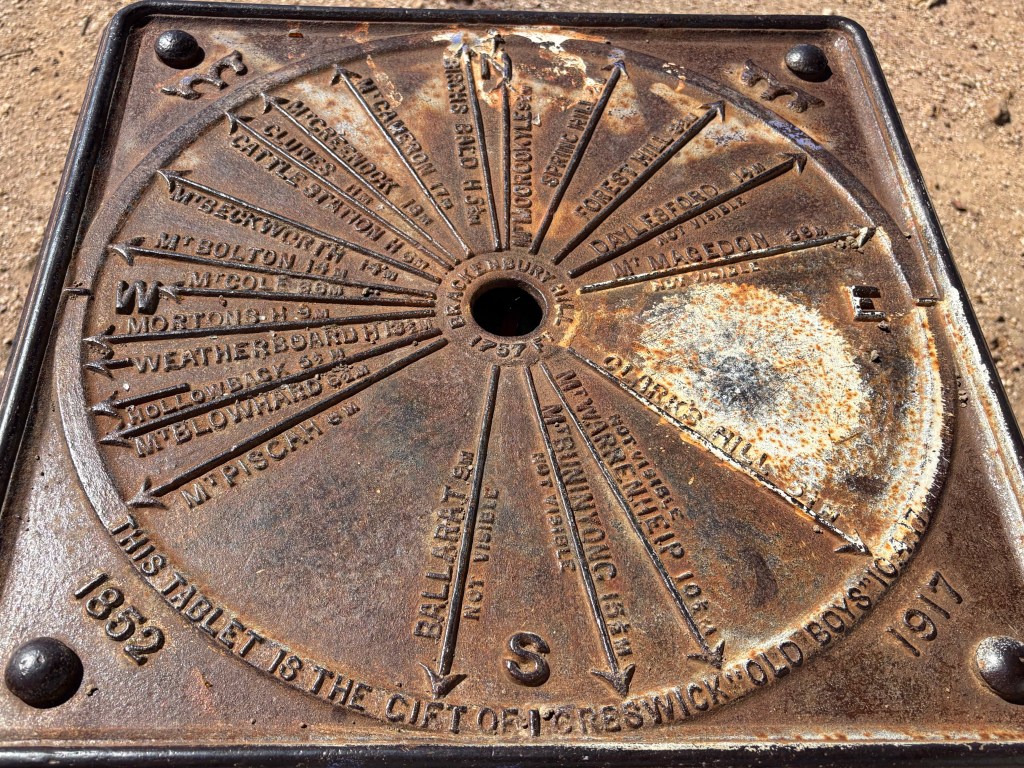
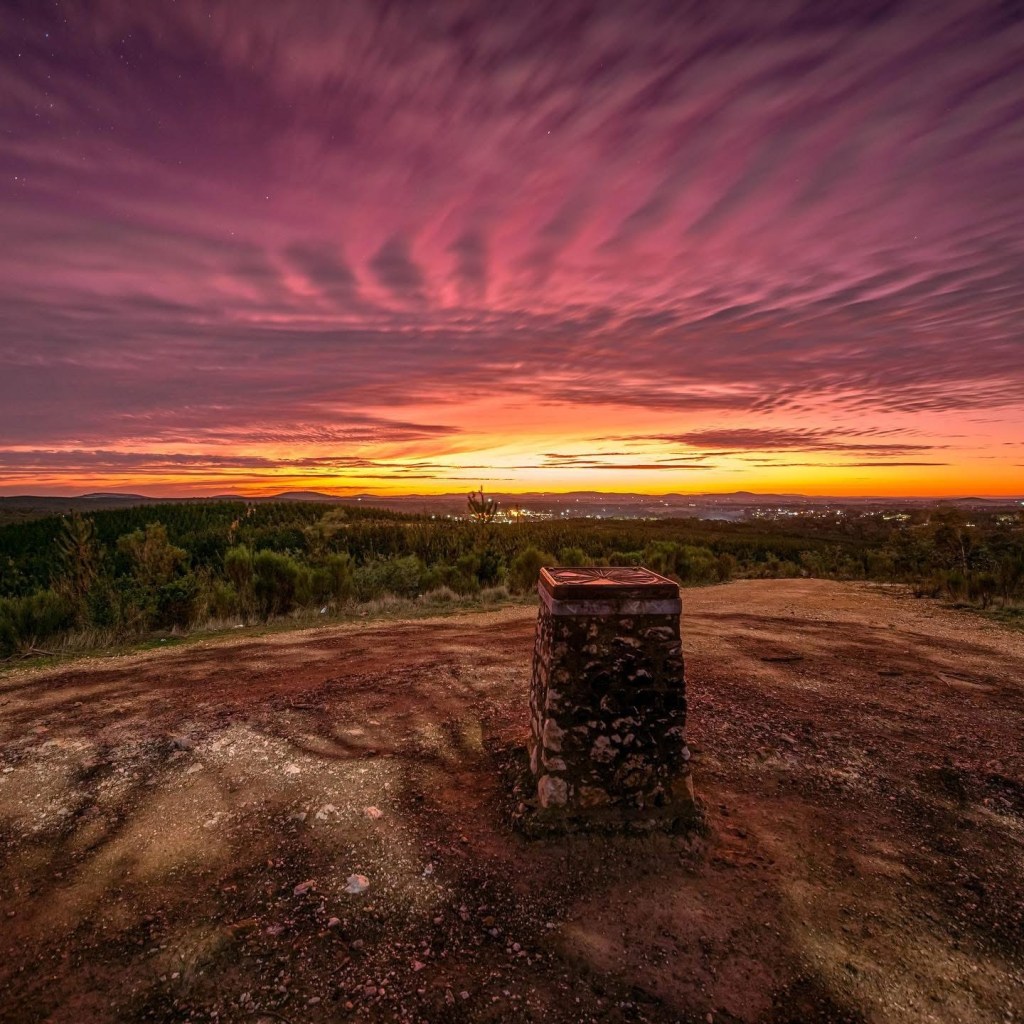
The metal Toposcope, or disk, on top of the stone plinth on Brackenbury Hill was funded with donations from the “Creswick Old Boys”.
The Creswick Old Boys… just who were they?
In 1869, Creswick Grammar School was founded by the Reverend Alexander Pyne and became a significant educational institution in the bustling gold-mining town. The school campus, which was in Cambridge Street, then flourished from 1872 under the leadership of its popular Principal and owner, Samuel Fiddian, who had previously been a Wrangler at St John’s College in Cambridge.
The Creswick Grammar School produced a number of significant and influential alumni, including several senior politicians, before closing in 1903.
Probably, the most prominent Creswick Old Boy was Victoria’s first State Premier after Federation in 1901, Sir Alexander Peacock, who remained a enthusiastic and enduring supporter of his old home town. He later held the portfolio of Minister for Forests, so it’s no coincidence that the Forestry School ended up being established at Creswick in 1910. The magnificent school entrance gates were opened at a ceremony in October 1952 and are named in his honour.
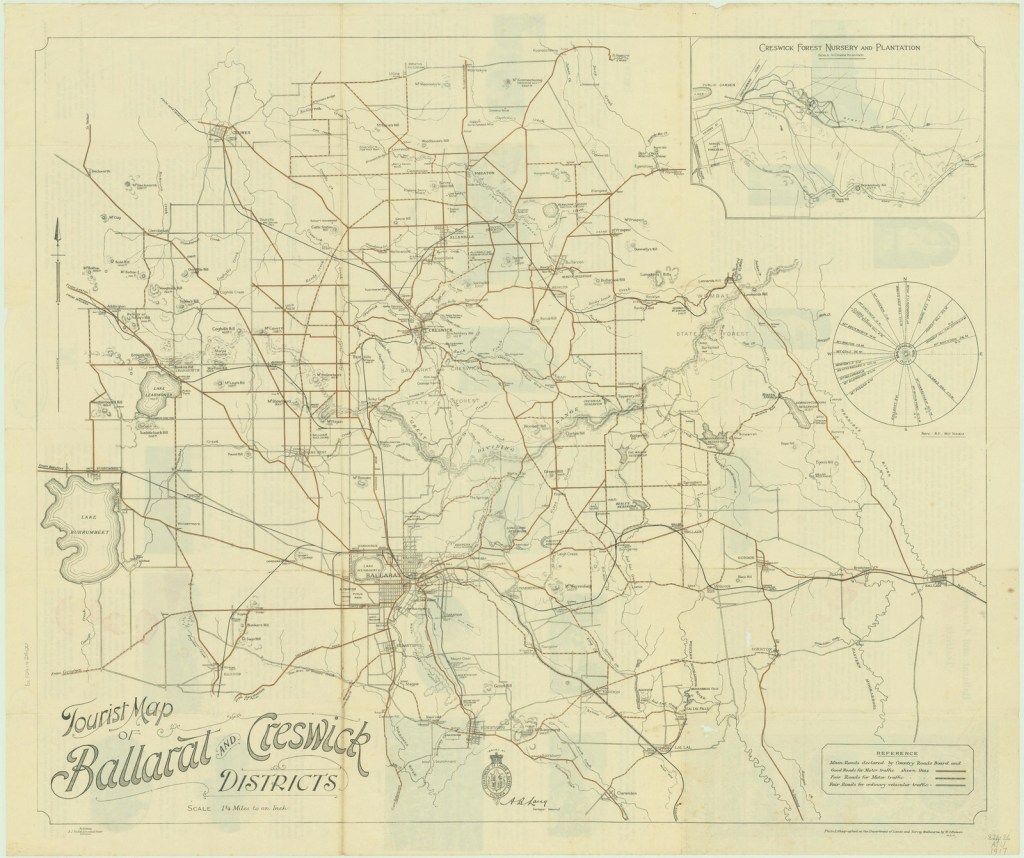
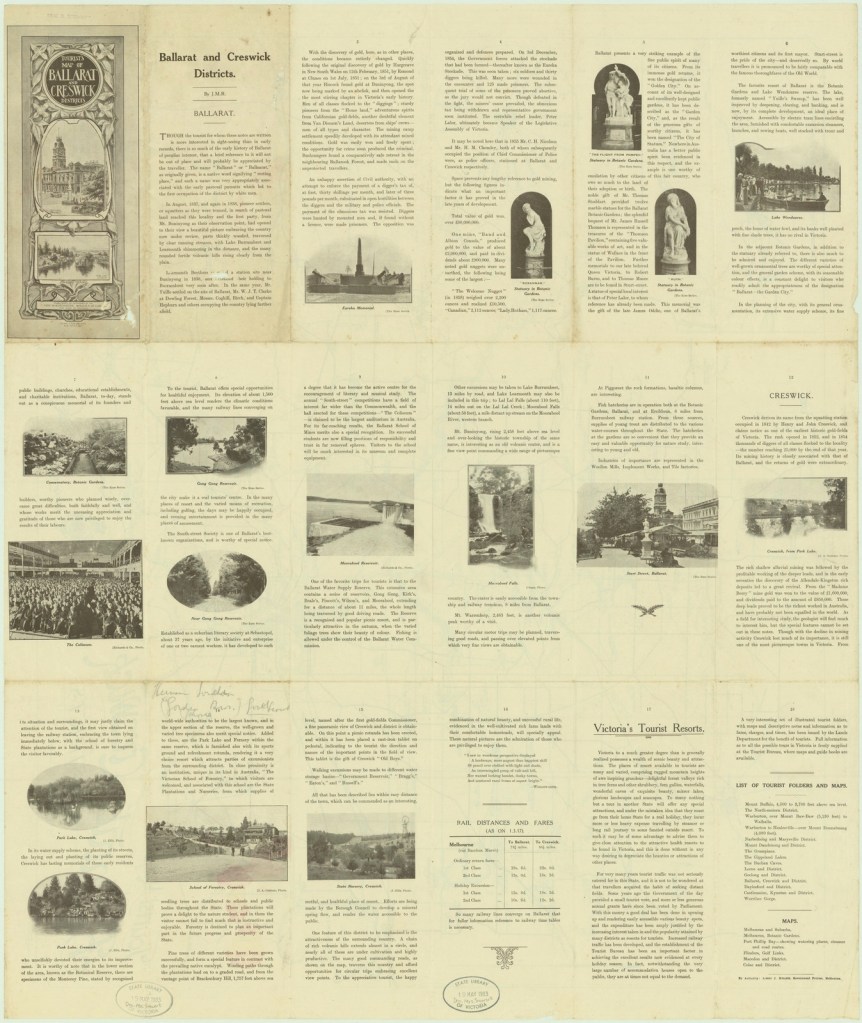
The powerful Surveyor General and Secretary of Lands, Joseph Martin Reed, also grew up in Creswick and attended the Grammar School. He was instrumental in designing and producing a lavishly illustrated tourist map and guide of the Ballarat and Creswick District. The map was first published in 1917 and revised in 1925.
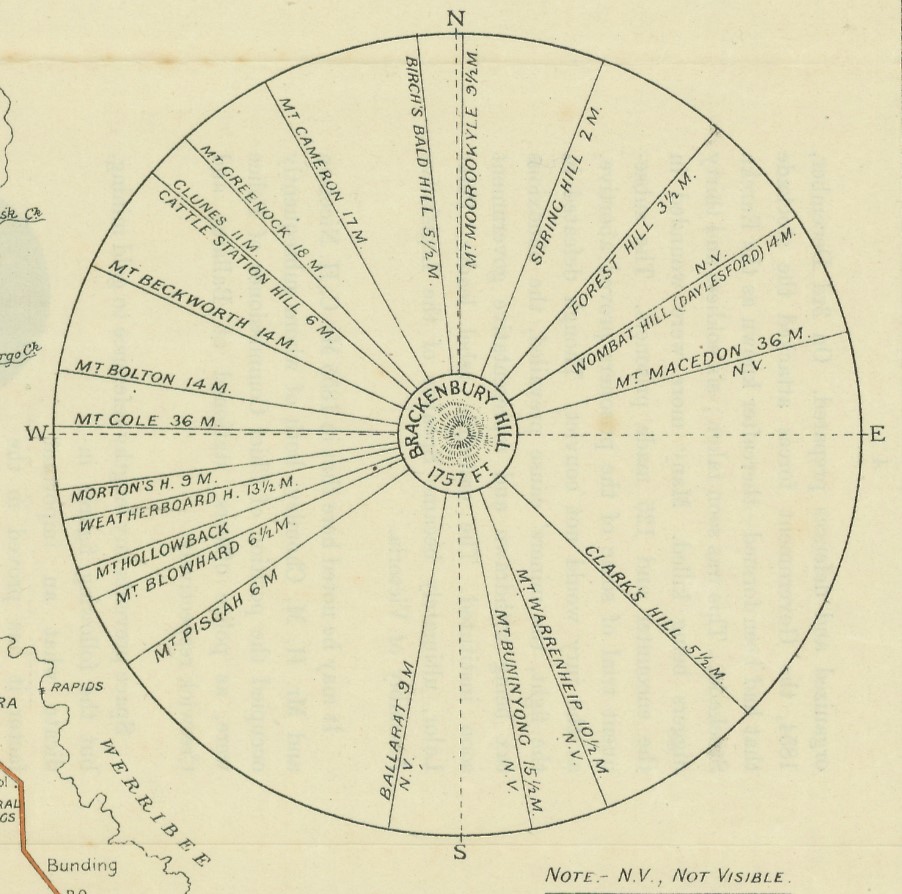
A detailed drawing of the metal disk showing the compass points and distance to notable landscape features, which can be seen from Brackenbury Hill, is included at the top righthand corner of the 1917 tourist map. The Creswick nursery and plantation are also highlighted.
Coincidently, Reed was also the Chairman of the Tourist Resort Committee between 1911 and 1931 which focused on ad-hoc funding and construction of “tourist roads” that gave improved access to scenic locations like Brackenbury Hill, as well as major destinations like the Grampians and Mt Baw Baw.
Another of the many influential Creswick Old Boys was Mr John Clarkson Boyce, who was conveniently the Manager of the Victorian Tourist Bureau at the time. He coordinated the collection of funds for the cairn, which was similar one on Mt Donna Buang.
Notable Creswick Old Boy, and local historian, John Alexander Graham, was a long-standing advocate for tourism at Creswick and actively promoted the tourist drive and construction of the lookout and cairn on Brackenbury Hill.
John’s older brothers, William and Thomas were two of the three lost in the tragic story of the “Children’s Tree” at nearby Daylesford in 1867. He later published two significant books including “Creswick Grammar School History” in 1940 and “Early Creswick: The First Century“ in 1942.
The tourist guide, building the new road and the stone cairn on Brackenbury Hill were all supported by William Hutchinson who served as both the Commissioner of Crown Lands and Survey as well as the Minister for Forests in the Peacock Government.
In November 1912, the second National Forestry Conference had been held in Melbourne and Creswick with the State Forests Department’s Conservator, Hugh MacKay, as the host. It’s believed that the importance of State forests for tourism was on the agenda.
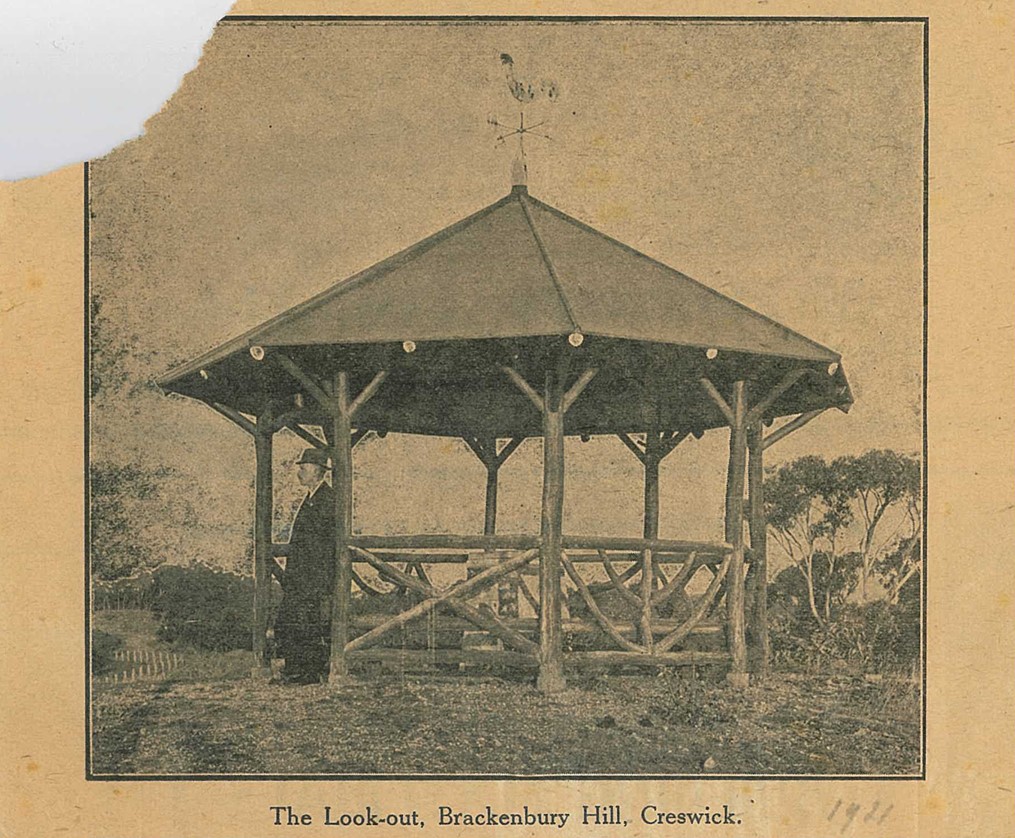
It therefore comes as no surprise that later in 1917, in response to the proposal for the Brackenbury Scenic Drive, and particularly with the enthusiasm shown by both his Minister and the Premier for it, that Hugh MacKay, readily agreed to erect a rustic pavilion over the lookout.
The only known photo was taken in 1921 and is part of an extensive collection of historical artefacts assembled by the Forestry School Principal, Edwin James Semmens.
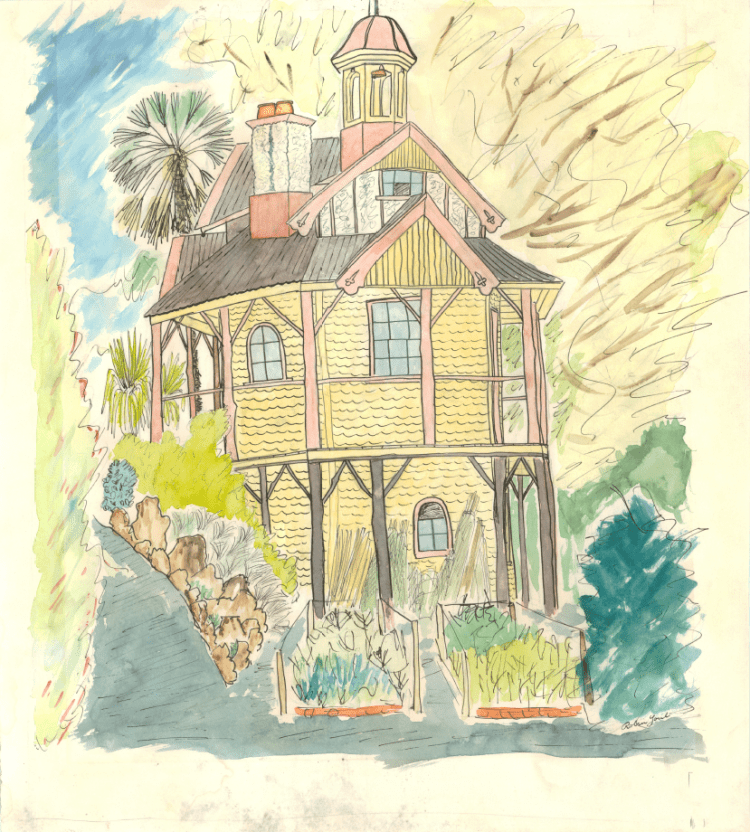
The shelter at Brackenbury Hill bears a striking resemblance to the pavilion at the nearby Creswick Nursery with round verandah posts which look like branching trees. The nursery gazebo was built in about 1912 with a whimsical “Shingle and Stick” design that was popular in America at the time.
The design and construction of the nursery pavilion is attributed to John Johnstone, who had been a prominent landscape designer at Maddingley Park near Bacchus Marsh, before being appointed as the Superintendent of State Nurseries in about 1901. And while the success of the Forestry School is usually credited to Peacock, it more likely belongs to Johnstone.
I’m not sure if any forestry school students were involved in building the cairn or the rustic shelter, but it seems very likely.
The views from Brackenbury Hill have varied over the decades as the adjacent pine plantations grew and were harvested. Sadly, the shelter no longer exists while the stone cairn has been vandalised with graffiti and is looking a bit sad and neglected.
The rustic shelter at Brackenbury Hill built by the State Forests Department. Source: Edwin J Semmens Collection – 1921, University of Melbourne Archives, [UMA-IT-000146353] https://archives.library.unimelb.edu.au/nodes/view/635765
The shelter at Brackenbury Hill bears a striking resemblance to the pavilion at the nearby Creswick Nursery with its round verandah posts which look like branching trees, which was designed by John Johnstone in about 1912. Sketch by VSF Student, Rob Youl – 1968. https://victoriasforestsbushfireheritage.com/creswick-nursery-pavilion-1912/
View from Brackenbury Hill towards Mt Beckworth 14 miles away. Photo: Peter McHugh 2025
Brackenbury Hill. ”This tablet is the gift of Creswick Old Boys – 10.4.17”. Photo: Geoff Pike, 2026.
At the outbreak of the Second World War in September 1939, Australia had only three months’ supply of fuel and was totally reliant on imports.
The Victorian Government response was to severely ration petrol and turn to charcoal as an alternative fuel for motorists.
The Victorian Premier, Albert Dunstan, directed the Forests Commission to establish the State Charcoal Branch (SCB). The SCB was headed by the Chairman of the Commission, A. V. Galbraith, with the support of an industry advisory panel.
There was a strong sense of urgency, and the SCB set up its operations in the railway buildings at Flinders Street. Transport and logistics were always going to be a bottleneck.
The SCB worked closely with the Emergency Firewood Branch, which was also coordinated by the Forests Commission.
It was initially estimated that 2,000 tons per week was needed to use in gas producer units fitted to a large number of trucks and cars to replace rationed petrol.
Many options were canvased including encouraging farmers and country people to produce the charcoal, while also guaranteeing a stable market and underwriting the scheme with the government purchasing all good quality charcoal at a profitable floor price.
The current producers were supported to quickly increase production while technical advice was freely provided to those that wished to enter the industry.
Shire Councils and FCV District Offices acted as agents and directly paid spot cash for the charcoal delivered from producers.
Many rural councils like Horsham quickly seized the opportunity to be included in the scheme. Others like Cranbourne, which were closer to Melbourne with different forest types, were more concerned about preserving their own meagre supplies of firewood for local residents.
The price for ungraded charcoal was set at £6/10/ per ton delivered to either a depot, agent or railway station in the country. This increased to £7/10/ per ton when delivered to a State Charcoal Branch Depot in the metropolitan area.
Graded (sieved) charcoal increased in price and was transported in 50 Ib canvas bags which retailed to motorists at between 6/- to 10/- per bag.
The main areas producing charcoal were in a broad arc across Central Victoria at places like Beaufort, Trentham, Lionville, Macedon, Broadford, the Dandenongs and Gembrook. Charcoal was also produced in East Gippsland, mainly at Nowa Nowa and Bruthen close to the railway line.
The best trees were durable species like red ironbark (Eucalyptus sideroxylon), red box (E. polyanthemos), grey box (E. microcarpa), yellow box (E. mellidora), red gum (E. camadulensis) and for lighter grades of charcoal, yellow stringybark (E. meullerana).
The program was a success and by the middle of 1942, an estimated 221 kilns and 12 pits were producing charcoal on State forests. At least 50 to 60 private charcoal retorts were set up in the Barmah Forest alone. There were also over 600 commercial kilns operating on private property. All at a time when labour was critically short.
Demand settled at 3,300 tons of charcoal per month by mid-1942 which required burning nearly 24,000 tons of dry wood. Victorian production of charcoal peaked at 38,922 tons in 1942-43.
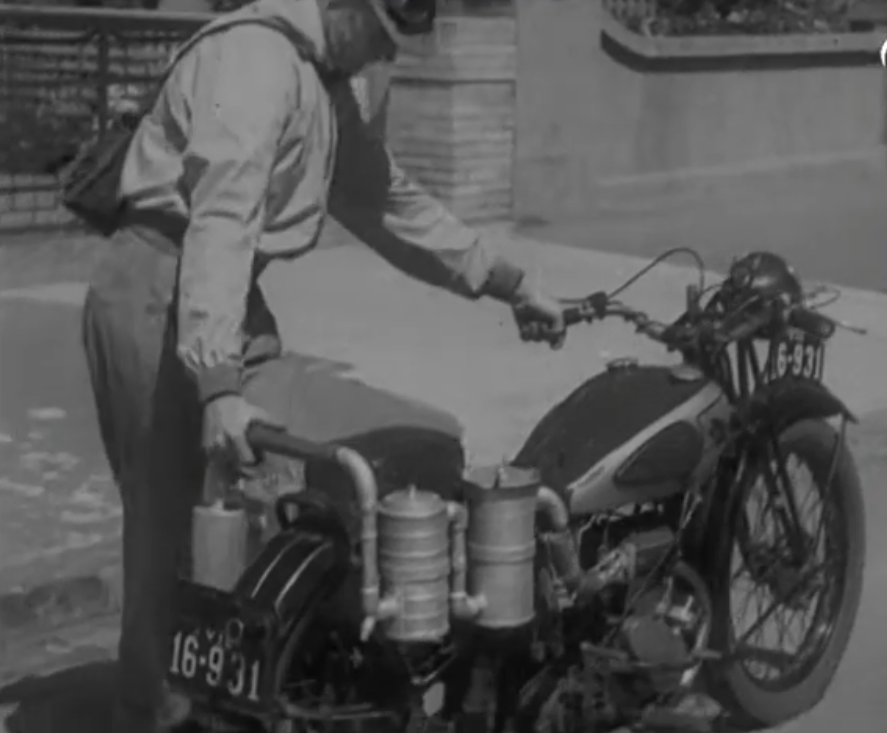
While charcoal was relatively simple to produce it had a well-deserved reputation for being inconvenient to use for short trips, inefficient, under powered, dirty, belching black smoke, catching fire and occasionally exploding.
Also, the cost of installation of a heavy and cumbersome gas producer kit was about £100, or the equivalent of 16 times the average weekly wage, and a 50 lb bag of charcoal only lasted between 30 and 60 miles.
There were also higher quality standards for charcoal for use in cars. Gumming of engine valves and the controls in the gas lines could be caused by condensation of tar. Steel kilns as well as concrete and brick lined pits were preferred to avoid contamination with dirt.
But many motorists simply put their cars up on blocks in storage for the duration of the War.
Meanwhile at Gembrook, the Commission invested heavily in some new technology at Kurth Kiln to help solve the shortage.
Wartime enemy aliens were later directed to the task of producing charcoal to solve the scarcity of labour.
At the end of the War and the resumption of petrol supplies the charcoal industry quickly collapsed leaving many abandoned relics on State forest.
With petrol hitting $3 per litre we might need to dig out the plans again…
In the meantime, check out this amazing 40 second film about a charcoal powered motorbike from Footscray in 1942.
There are several growth stages of a forest, and it’s much the same for foresters.
Firstly, there is germination, which is followed by the seedling, sapling and pole stages. These are the tree equivalents of childhood, boisterous youth and effervescent adolescence.
But once tree roots have become established there is a long period of growth and consolidation.
There is a healthy jostling for light and space. It’s time to put on height and girth, for flowering, seeding and regeneration of a new forest. Much the same as establishing careers, relationships and families.
It’s a time when trees and foresters develop and grow, take their own unique shape, and influence other trees around them.
There are sunny spring days with blue skies and gentle breezes, but the rhythm of the seasons also brings rain, wind, floods, storms and bushfires.
But the strong thrive and flourish to develop their own distinguishing characteristics. These are the trees you notice as you stroll through the bush.
After peaking in the climax forest phase, a long interval of dignified ageing and retirement begins. Once-upon-a-time these dominant old-growth trunks were not particularly valued and might have even been considered as culls, only suitable to be ringbarked or felled to allow space for the recruitment of younger and more sprightly trees. But times have changed and now these older forests and foresters are not considered as senescent and decayed, but as ones of grandeur.
Yes, there are a few signs of aging… a fire scar here and there, creaky limbs, a bit of saggy or loose bark, a few silvery leaves, a crown that may be thinning a bit, and the trunk may have thickened up too.
These gnarled habitat and seed trees have a few lumps and bumps and need the occasional care of arborists and tree surgeons to keep them healthy and upright, but all the forest critters love ‘em.
These steadfast guardians now proudly and silently watch over the forest as a younger crop of trees, which they helped sow, vigorously grows up around them. The presence of these enduring sentinels unquestionably adds balance to create a healthy and diverse forest ecosystem.
The changing seasons, just like the endless departmental restructures, instils a deep sense of wisdom and resilience.
These mature specimens are like the towering mountain ash, Eucalyptus regnans… the monarchs of the bush.
Foresters tend to devote their lives and careers to service of their communities, as well as protection of the forest they love from the threat of bushfire.
And even in old age they never lose that prickling awareness of the summer seasons, the hot northerly wind, followed by the southwest change with the lightning band moving across the mountains, the whiff of smoke, or the distinctive pong of Jet A1 fuel.
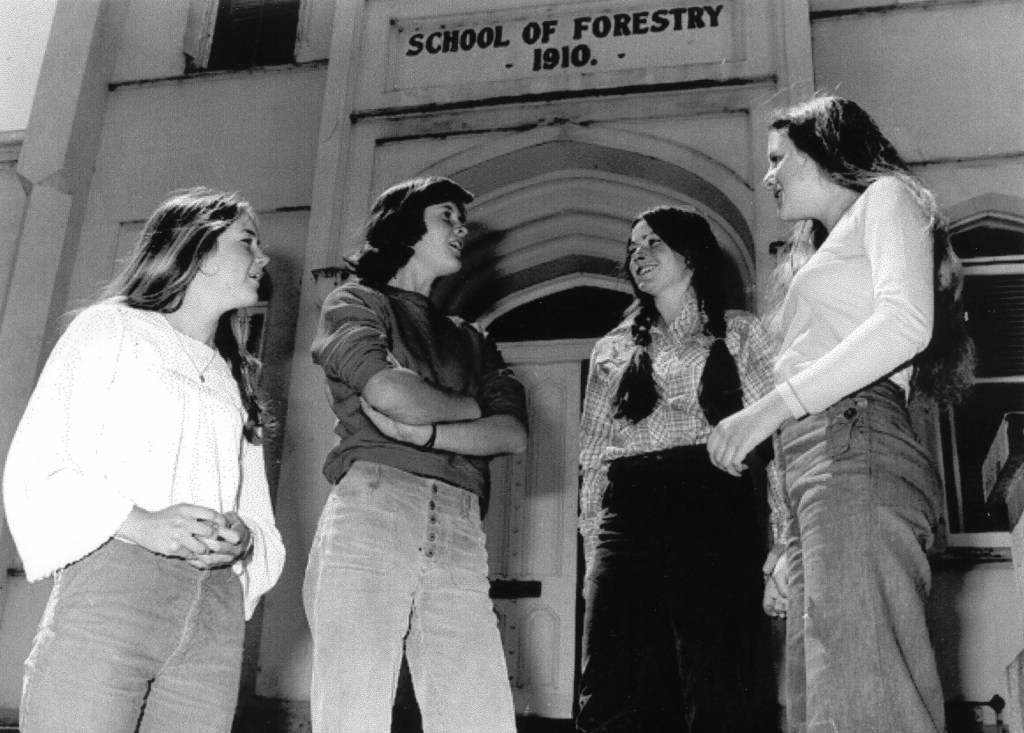
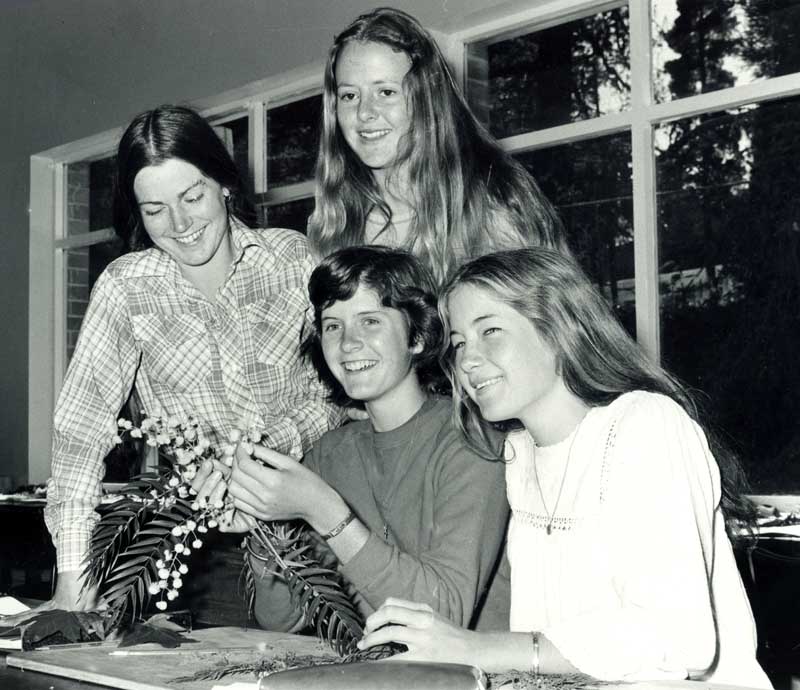
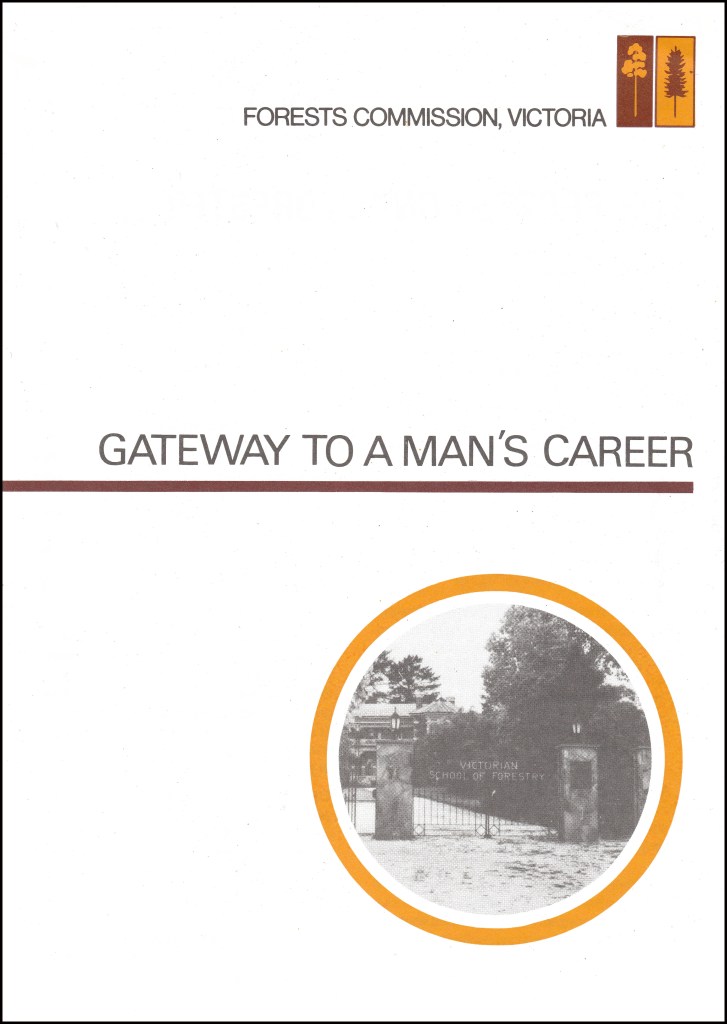
Traditionally, the Victorian School of Forestry (VSF) at Creswick had been promoted as a “Gateway to a Man’s Career”. Although a few had enquired over the decades; it wasn’t until January 1976 that the first group of female students stepped over the coveted threshold to the campus.
Scholarships for the three-year residential course were keenly sought as they offered a free tertiary education for students from modest backgrounds.
While a few privately funded students entered the school over the decades, most were offered generous fully-funded scholarships but were then “bonded” to work for the Forests Commission for a period of three years upon completion of their Diplomas. For many, it turned out to be “a-career-for-life”.
There were often minor fluctuations to the initial intake of students caused by early thinning and weeding. A few didn’t make it past the archaic initiation rituals or manage to endure the rigorous academic and practical curriculum. A few of the cohort left to pursue other callings, but there were also some very successful supplementary plantings too.
But sadly, in the years following their graduation from Creswick, there were a couple of very significant “plus-trees” that prematurely succumbed to natural thinning from the 1976 age-class, but their memory has been cherished and not forgotten.
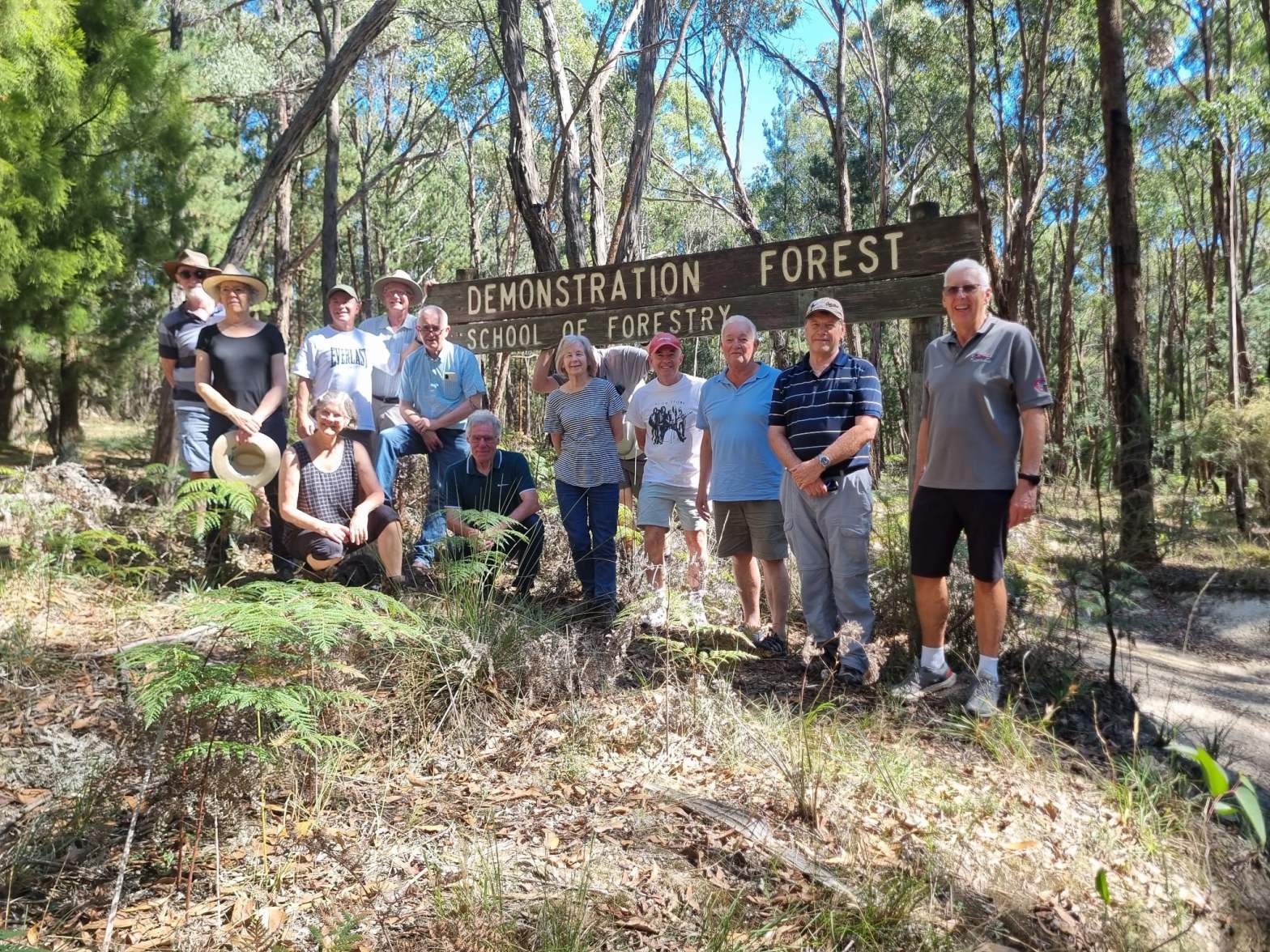
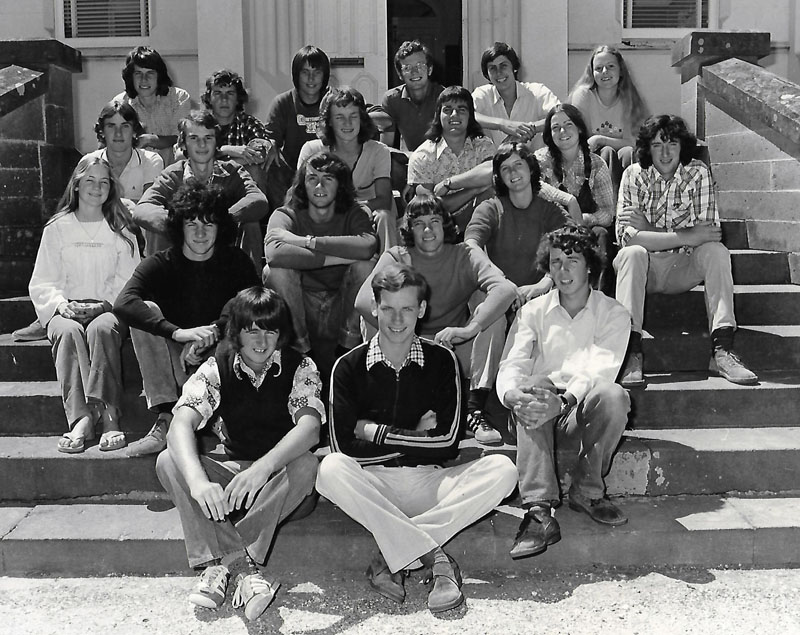
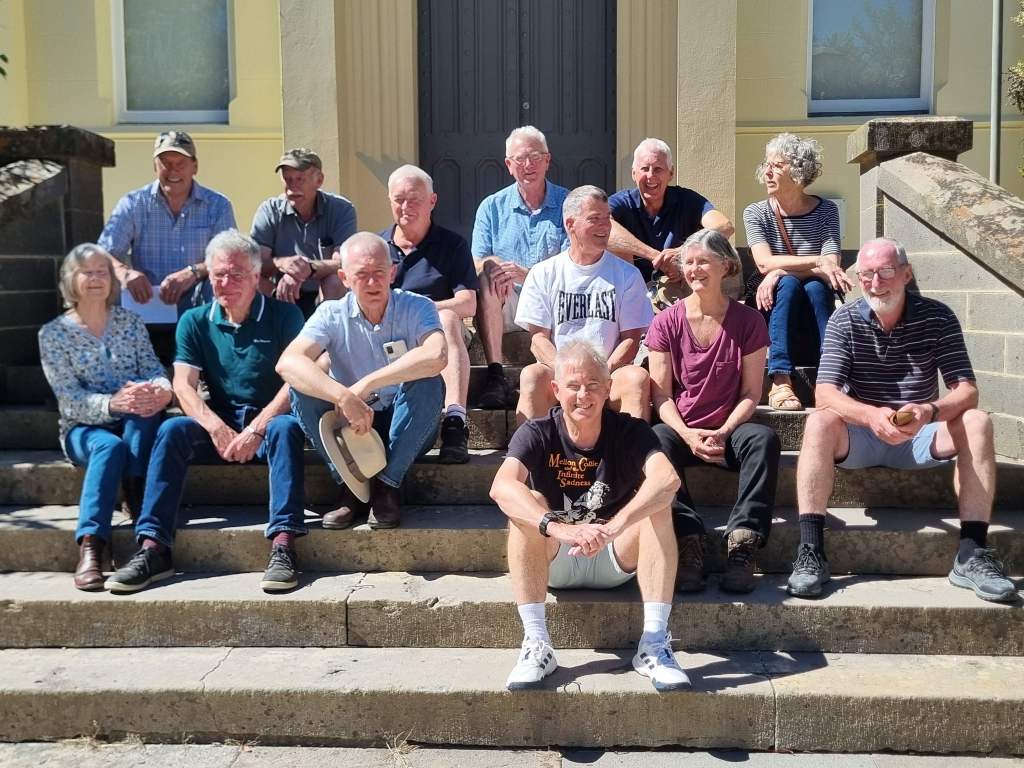
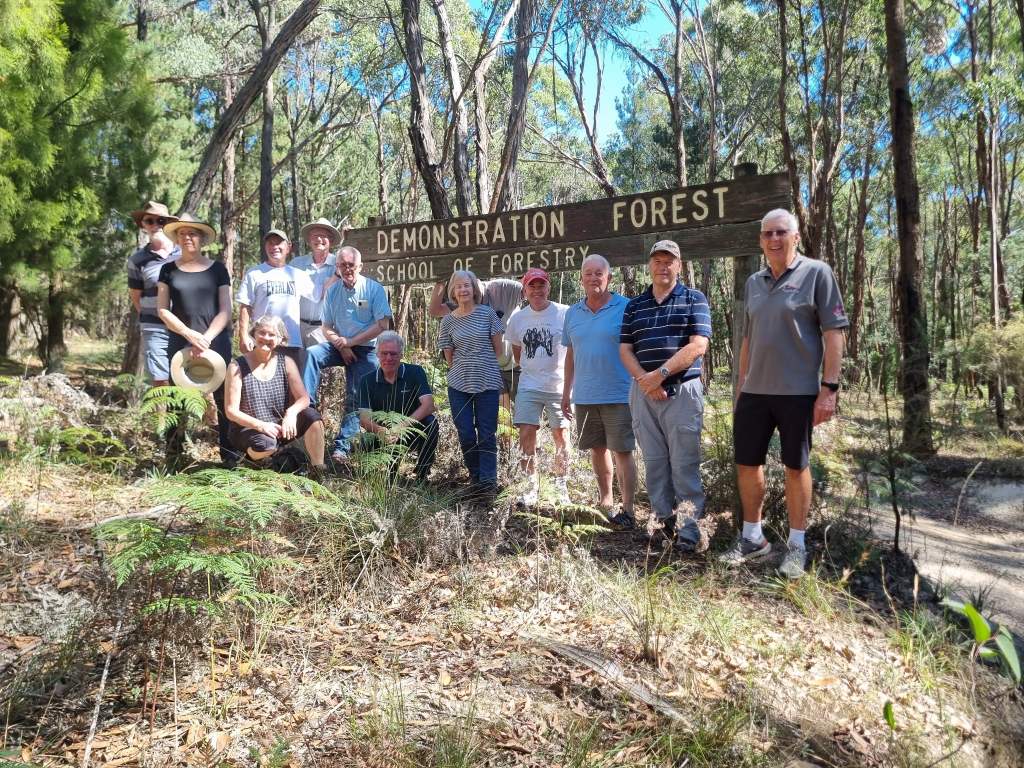
This hardy harvest of foresters recently reached an important milestone. On World Forestry Day last weekend, they gathered to mark fifty years since they first entered the school as eager and fresh-faced students. But a couple were unable to make it to their golden anniversary reunion.
Like the many rotations of VSF graduates before them, this crop formed lasting bonds through shared ordeals and adventures and represent a fine example of what happens when government takes a risk and invests in training young people and giving them an opportunity. It was once much the same arrangement for teachers and nurses.
Each, in their own way, have made significant contributions to their chosen profession, and their communities, and have more than repaid the trust that was placed in them by society.
And finally, amid the noise and haste, and with the passage of the years, those trees remaining in the forest will slowly age to reach their overmature and senescing stage and, in the absence of catastrophic bushfires or storms, will gradually and gracefully surrender the things of youth and gently cede to the bush.
Forestry conjures up an image of a long-term and sustainable cycle of harvest and renewal, of balance and multiple use, while growing and protecting forests for the future.
So, the past is never fully gone, it becomes absorbed into the present and the future. And it sometimes leaves a lasting impression and a valuable legacy.
First Year Class at the VSF in February 1976. Back Row (l to r) Martin Woodward, ? Mollison, David Miller, Geoff Pike, Gary White, Fiona Hamilton. Second from Back Row (l to r) Peter Keppel, Peter Woodgate, Adrian Hatch, Michael (Mick) Morley, Anne Coleman, Anthony (Tony) Edgar. Second from Front Row (l to r) Sue Lowther, David Gallacher, Fred Cumming, Bruce Wehner, Megan Varty. Front Row (l to r) Peter Stoddart, A Taylor, ? Mollison.Back – Martin Woodward, David Miller, Adrian Hatch, Geoff Pike, Gary White, Fiona Hamilton. Middle – Sue Harris, David Gallacher, Fred Cumming, Mick Morely, Megan Pilkington, Tony Edgar. Front – Bruce Wehner. Unable to attend – Anne Geary & Peter Keppel, Photo: Felicity Woodward. March 2026.March 2026. Photo: Felicity WoodwardL-R: Sue Lowther, Megan Varty, Anne Coleman, Fiona Hamilton. Jan 1976. Source: FCRPA Collection.L-R: Anne Coleman, Fiona Hamilton (standing rear), Megan Varty and Sue Lowther – Jan 1976. Source: FCRPA Collection.Brochure sent to prospective students. Source: Peter McHugh
Today, 21 March, is World Forestry Day (WFD), which was proclaimed by the United Nations Food and Agriculture Organisation 55 years ago in 1971.
The date was set down to coincide with the vernal equinox when the sun passes over the equator giving equal lengths of day and night.
It also marks the first day of spring in the northern hemisphere and autumn down under.
WFD was rebadged “International Day of Forests” by the UN in 2012 but still recognises the essential importance of our forests.
Sadly, the occasion has become a bit lost and forgotten in amongst a modern and cluttered calendar full of sometimes bizarre commemorative days complete with different coloured ribbons for this-n-that.
But over 100 years ago, there was a very strong level of community interest in State forests, in part fostered by the Australian Forestry League (AFL).
The League was proposed at the first Interstate Forestry Conference held at Sydney in 1911 and officially formed at the following meeting in Melbourne in 1912.
The inaugural President was notable botanist, Professor Alfred James Ewart from Melbourne University, who also oversaw the curriculum at the Victorian School of Forestry.
The League included other big names like forestry benefactor, industrialist and philanthropist, Sir Russell Grimwade.
Undoubtedly, the patronage of the powerful Australian Natives Association (ANA), which was formed in Melbourne in 1871, gave the Forest League much of its political influence.
The League’s 1917 constitution called for “the advancement of educational and legislative measures and the encouragement of individual effort tending to ensure the maintenance, extension and renewal of the forests of Australia”.
Later in 1921, the Empire Forestry Association (EFA) was formed under royal charter, with the direct patronage of the King and the Prince of Wales.
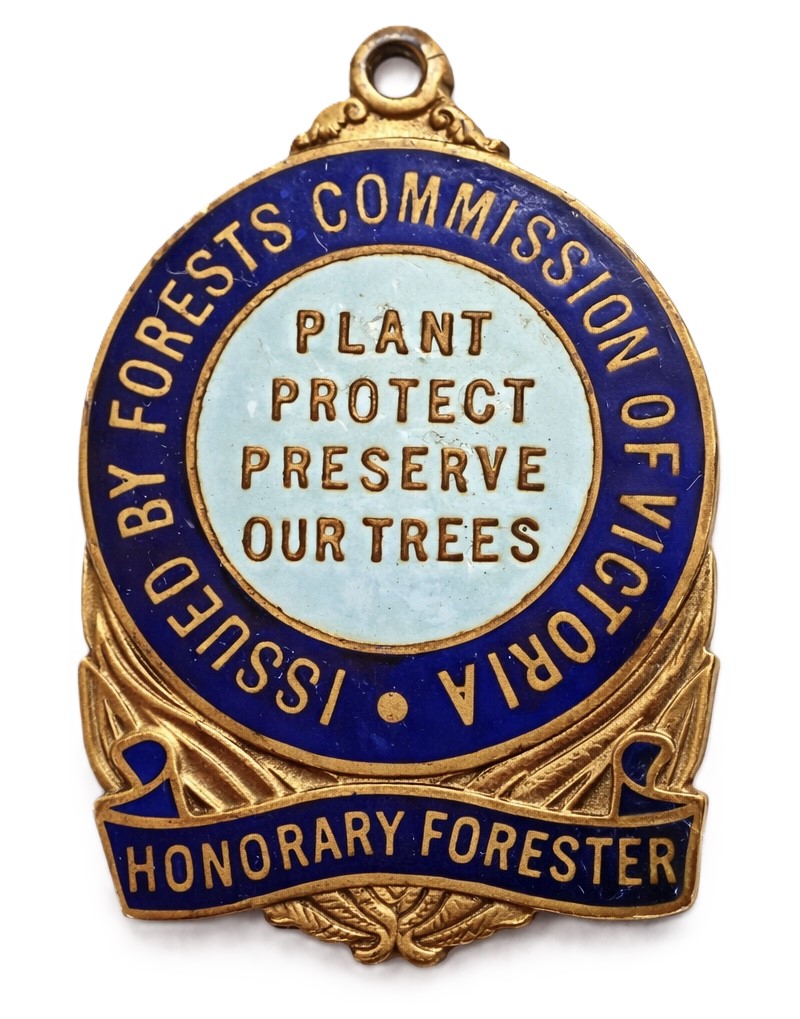
By 1927, interest had grown and responsible members of the general public could be appointed by the Forests Commission as Honorary Foresters under Section 22(4) the Forests Act (1919).
They were mainly appointed in relation to fire protection, prevention of vandalism and theft as well as the protection of flora on State forests.
Some appointments were made to individuals, but many were to people within organisations such as the Progress Association of the Shire of Fern Tree Gully and the Diamond Creek Ratepayers League or to local CFA brigade officers.
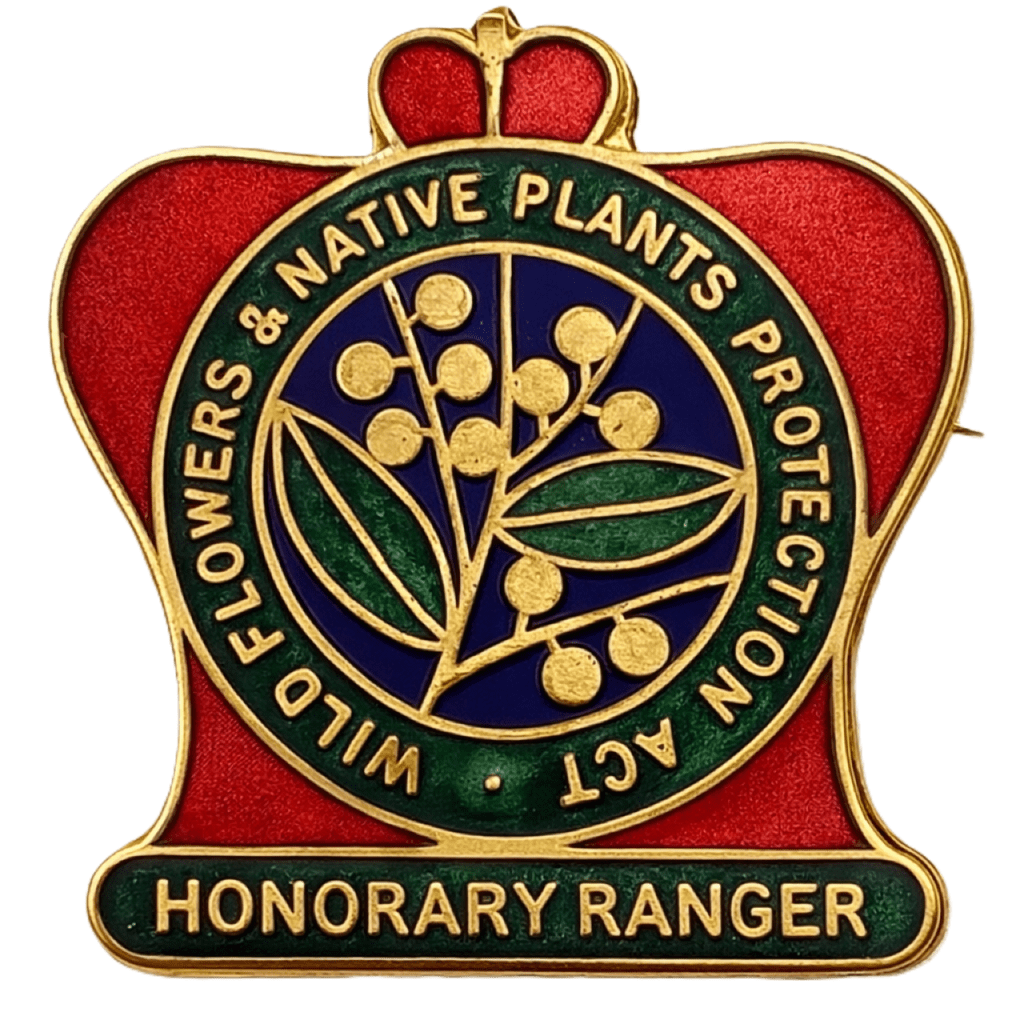
Each was issued with a distinguishing badge and given authority under the legislation and were requested to cooperate with District Foresters in the protection of State forests.
The Wildflowers and Native Plants Protection Act (1930) sought to prevent the picking of protected wildflowers and native plants, and the Commission could then appoint Honorary Rangers to assist.
But a memo held in the Public Record Office of Victoria (PROV), dated October 1965 from the District Forester at Kallista, Jim Wescott, points out that there had been about 400 Honorary Foresters appointed since 1927, but the FCV had lost track of most of them and no central registry had been adequality kept. He was also concerned that records of deaths, changes of address and return of badges had not been maintained. Furthermore, he pointed out that most DFOs were unaware of the active Honorary Foresters in their District and little contact was maintained with them.
The last files in the PROV the date from 1981 for appointment of Officers of the Department Crown Lands and Survey as Honorary Forest Officers.
These magnificent badges were made by Percy John King who was a prominent Melbourne-based manufacturer of medals, badges, and uniform buttons, established in 1893. They are numbered and are part of the FCRPA Collection.
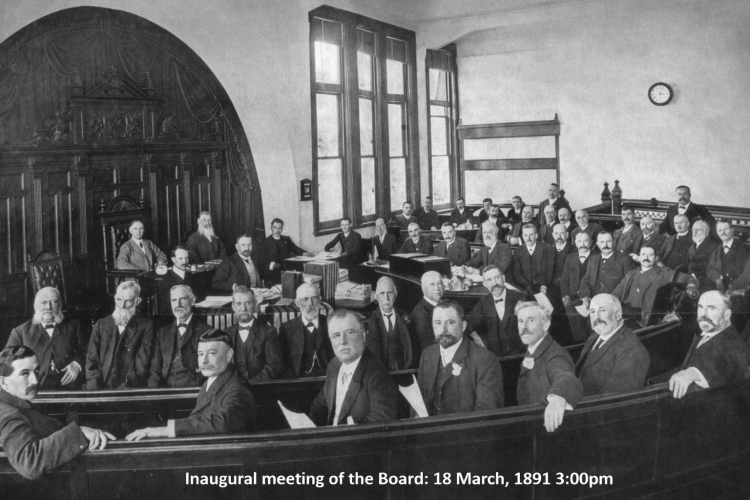
This Wednesday, 18 March at 3:00 pm, marks 135 years since the first official meeting of the Melbourne and Metropolitan Board of Works (MMBW) in 1891.
The idea of the MMBW was inspired by a similar body established in London 35 years earlier.
Water-borne diseases were killers in all major cities throughout the nineteenth century. There was shocking news about the outbreak of cholera in Britain in the late 1840s.
Such diseases were caused by a lack of clean drinking water, together with unhygienic wastewater and sewage disposal.
From its early establishment in 1836, Melbourne drew its water supply direct from the Yarra River. The Melbourne Town Council, which was established in 1842, took formal responsibility for water supply and sewerage.
But Melbourne grew rapidly after the 1851 gold rush and soon its water supplies became hazardous to public health.
The lack of sewerage was the most urgent need, but water supply was the pressing function due to Melbourne’s high per capital water usage.
All the night soil, trade waste, as well as waste from kitchens and homes was just thrown into open channels in the street and it simply flowed wherever gravity took it… mostly back into the Yarra. The problem got so bad that some British journalists unkindly described the City as “Smellbourne”.
In 1853 the colonial government established the Commissioners of Sewers & Water Supply to take control of water supply functions. The Commissioners built the Yan Yean water supply but resisted building the more difficult and costly sewers.
On 12 December 1859, the Board of Commissioners of Sewerage and Water Supply was dissolved and its powers and property vested in the Board of Lands and Works. Operationally, this responsibility was exercised by a branch of the Public Works Department known as the Melbourne Sewerage and Water Supply Department.
The new department initiated the expansion of the Yan Yean system north of the Great Dividing Range in the 1880s, harnessing the waters of Wallaby Creek and Silver Creek. The department was also responsible for building the Watts River Scheme later to be known as the Maroondah System commissioned in 1891.
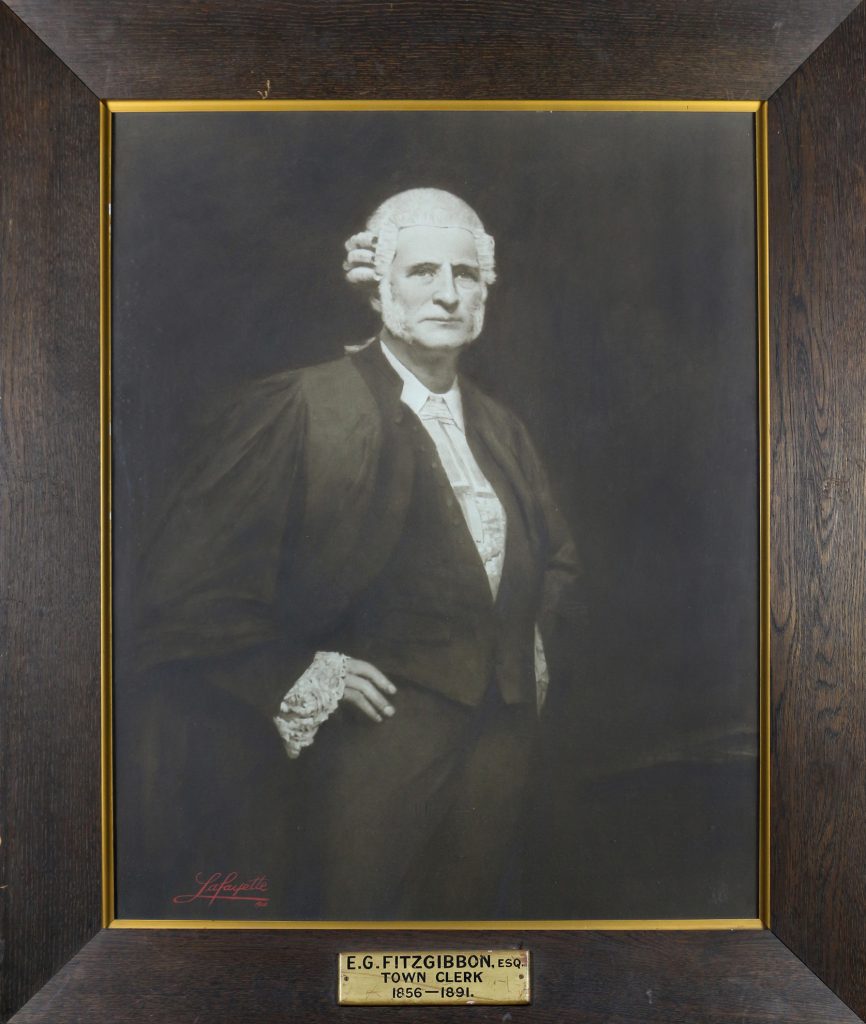
Meanwhile in the background from the mid-1860s, Edmund Gerald FitzGibbon, as the influential Town Clerk for the City of Melbourne, had been negotiating with governments and suburban councils to form a single body to build a sewerage scheme and control water supply. But the suburban councils resisted until he helped to obtain for them the most favourable terms possible.
In 1888 there was a Royal Commission into the Sanitary Health of Melbourne and one of its key recommendations of the was the formation the Melbourne and Metropolitan Board of Works. Undoubtedly, FitzGibbon played a major and influential role in the Commission’s proceedings.
The subsequent 1890 legislation established a Board of 39 unpaid Commissioners, all drawn from Melbourne and Metropolitan Councils, and Fitzgibbon was elected the MMBW’s first full-time Chairman.
The MMBW took responsibility for the ownership of all Melbourne metropolitan waterworks, sewers, drains, property, land, buildings, plant, riverbeds and banks except for those vested in the Melbourne Harbour Trust Commissioners, Victorian Railways Commissioners and the City of Melbourne.
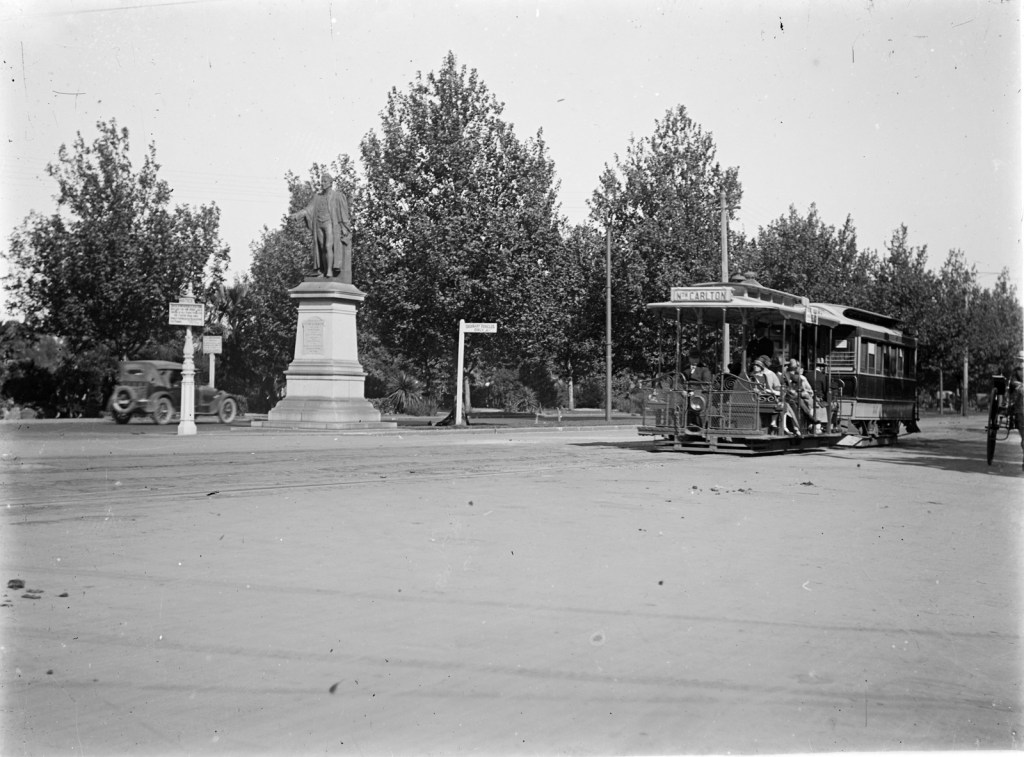
FitzGibbon remained in the role of Chairman for the next 14 years and raised the money to complete many major improvements to Melbourne’s sewage system and protection of its closed water catchments. There is an imposing statue in his honour in St Kilda Road near the Arts Centre.
It’s worth noting that over the following decades there were many professional disagreements between the MMBW and the Forests Commission over the management of forested water catchments, particularly the contentious matter of timber harvesting. But there always was, and still is, a very strong level of accord and cooperation at officer level on matters such as the protection of water, roads and tracks and fire protection.
Melbourne Water replaced the MMBW in a major restructure from 1991.
Like lots of people, I enjoy the views from above – from an aeroplane, a helicopter, a hot air balloon, a bushfire lookout or the top of a tall building.
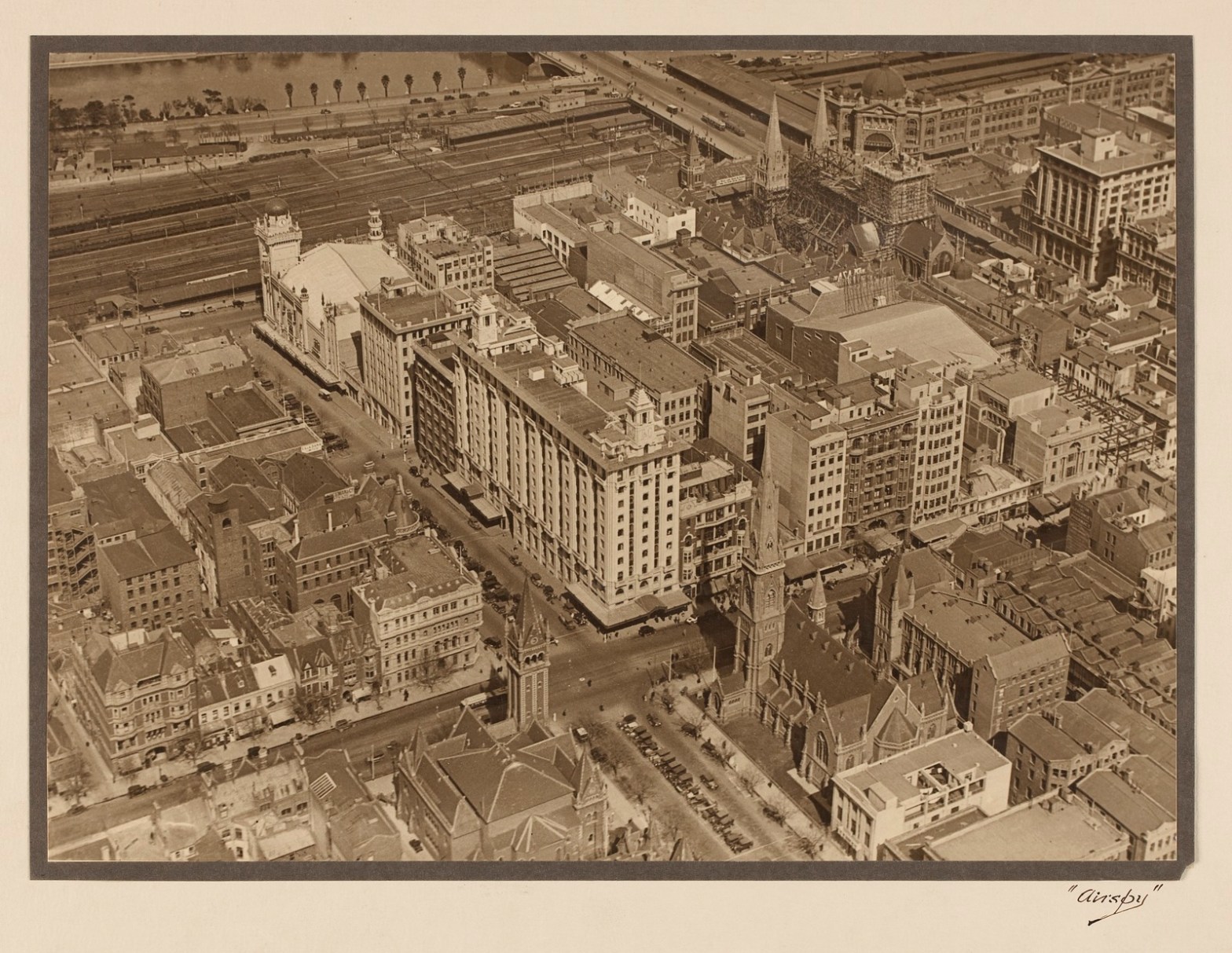
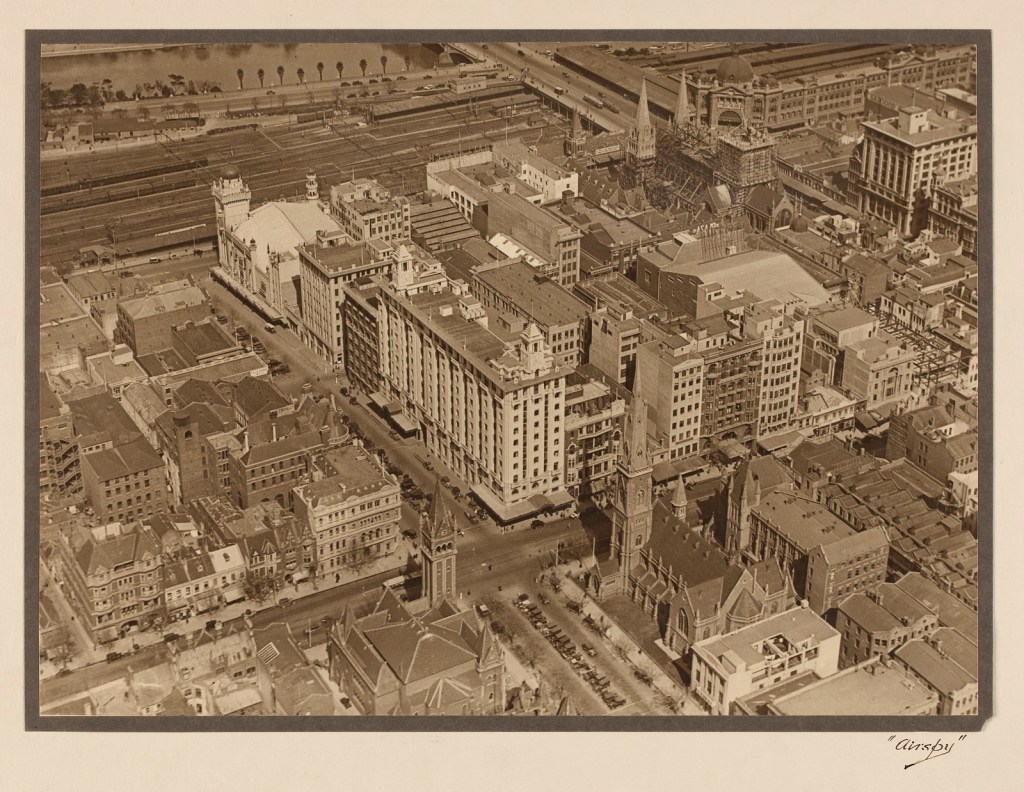
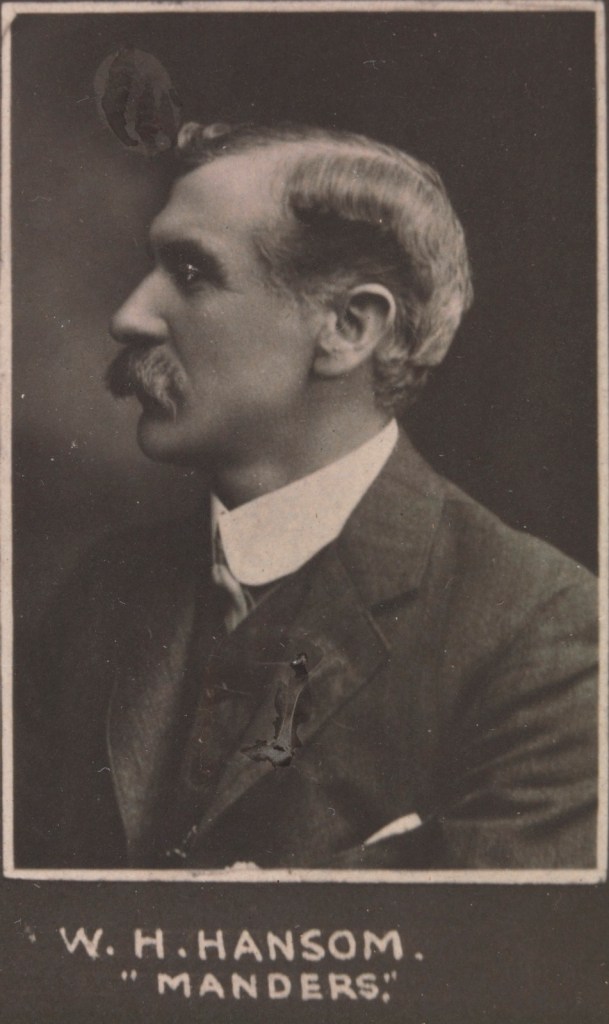
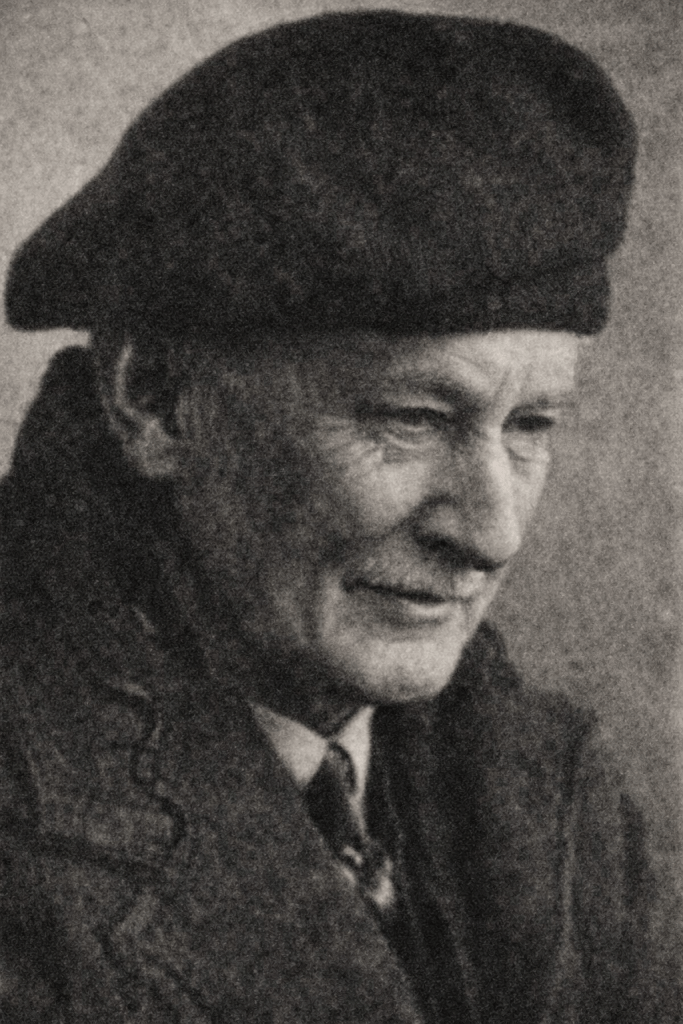
William Herbert Hansom was better known as “Airspy” and was a pioneering aerial photographer based in Melbourne during the period after WW1.
He was born in England in 1862 where his uncle, English architect Joseph Hansom, patented the now famous Hansom Cab in 1834.
William fled the monotony of wool-classing in Bradford and the stolid sanity of Victorian England at the age of 19 to sail on a return trip to Quebec in Canada, where he picked up the taste for adventure.
In the 1880s, after another voyage to Quebec, he left England again for Australia where his ship was shot at by rebels in the Suez Canal. He and the crew went ashore and chased them off.
On arrival in Australia, William reluctantly returned to wool-classing. He also contributed sporting articles to country newspapers and founded one of the first press agencies in Victoria. But his spare time was devoted to the newly evolving hobby of photography.
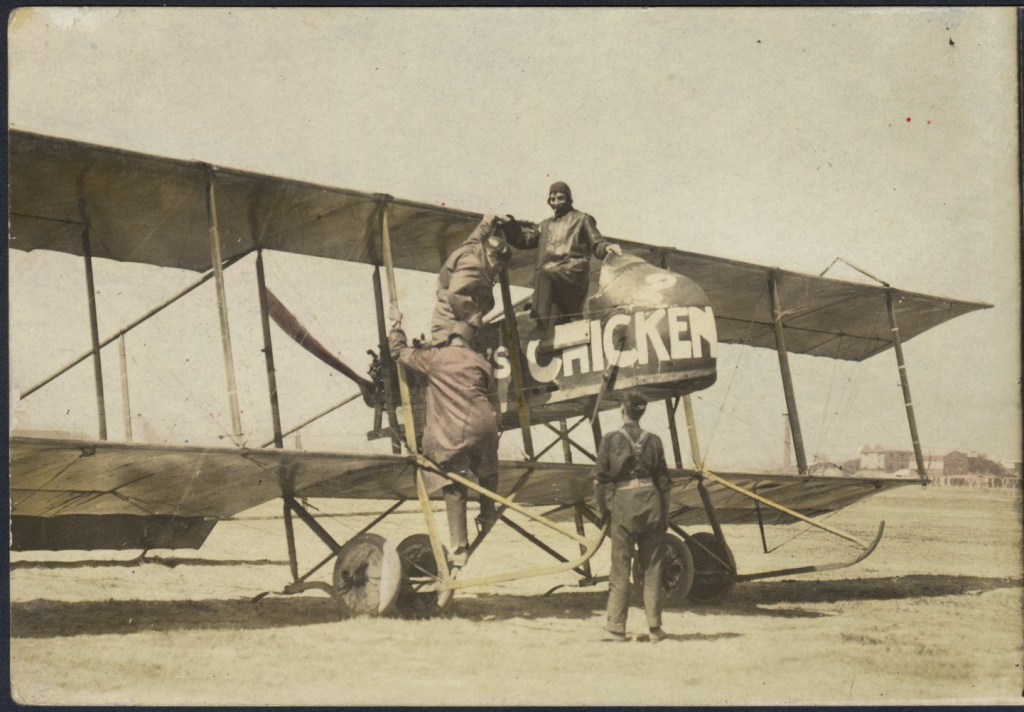
He took up aerial photography at the end of the war, in about 1919, when there was availability of ex-military pilots such as Harry Shaw, Hamilton Hervey and Allan Cobham who owned war-surplus aeroplanes and were looking for charter work. This possibly marked the beginning of commercial aerial photography in Victoria. Hansom later remarked –
Returned Air Force pilots were ideal for my work, because fighting had taught them to be very quick in their turns to keep the enemy off the tails of their machines. They were always able to approach my subject from exactly the right angle. Many club-trained pilots have attained remarkable skill too, and I frequently fly with them.
William Hamsom never learned to fly himself, but instead, focused on the intricacies of oblique photography[1] from the aircraft. His images were remarkably sharp and clear. He said in 1932 –
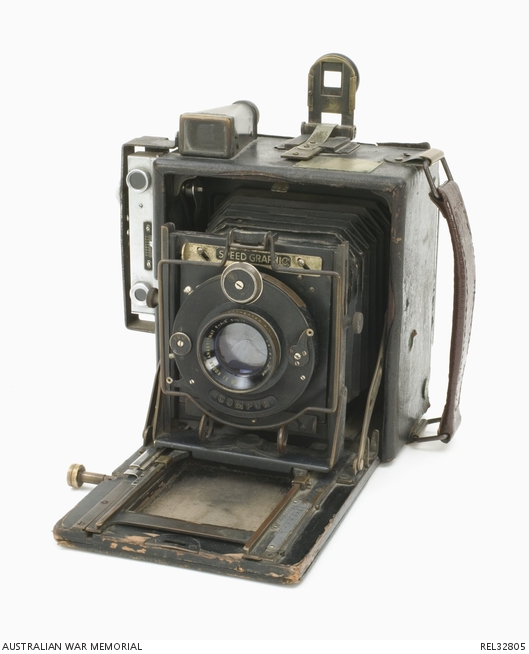
The secret of aerial photography is the study of light. I never take an aerial photograph unless I first go over the ground on foot so that I may study the light. For instance, I recently obtained a fine picture of the building of the Temperance and General Mutual Life Assurance Society building in Collin Street. For three weeks I took observations on foot and found that a satisfactory picture of the building could be obtained from the air only between 20 minutes to 12 o’clock and noon at that time of the year owing to the shadows cast by the spires of Scots Church and of the Independent Church.
There were a few accidents and close calls in the flimsy biplanes of the era.
William Hansom as his nom de plume, Airspy, was one of the main contributors to the 1935 souvenir album – “Views of Marvellous Melbourne”, to mark the city’s centenary.
Meanwhile, Owen Jones was a 32-year-old graduate English forester trained at Oxford with practical experience in Ceylon. He also served as a pilot during WW1 with the Royal Flying Corp. He was appointed the inaugural Chairman of the Forests Commission in 1919 and would have no doubt been very aware of Hansom’s aerial photography work. It’s reported that William Hansom was retained by the State Government for aerial survey work, but it’s uncertain if the Forests Commission ever directly engaged Airspy.
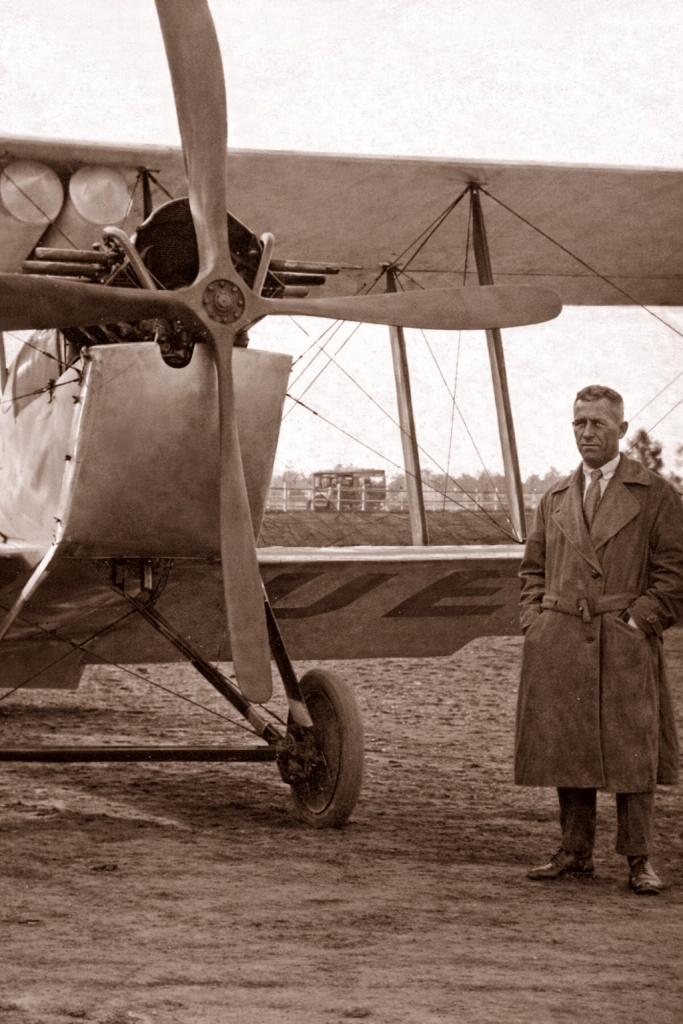
Charles Daniel Pratt was born in May 1891 at Gnaio, a suburb of Wellington in New Zealand, and started his working life as a grocer.
He enlisted in the army at the beginning of WW1 and served in the Gallipoli campaign where he was wounded. He was promoted to rank of corporal and served as a motorcycle despatch rider in Egypt and Palestine. He later volunteered for the Royal Flying Corps in 1917 at Ismailia in Egypt with the 113 Squadron RAF. He was a natural pilot and was soon promoted to Lieutenant and began teaching others.
The Palestine campaign also marked the beginning of aerial photographic reconnaissance to map military movement and remote terrain. Pratt was an accomplished photographer and took many images of his time in the Middle East.
At the end of the war, and with a small family inheritance from his father who had recently passed away, Pratt purchased four crated aeroplanes at the Army disposals at Heliopolis, including two De Havilland DH6s, an Avro 504K and a Sopwith Pup.
Charles then boarded the Steamer “Cooee” in Cairo for the voyage back to New Zealand with intentions of establishing an aviation business. However, a six-month dock strike saw him stranded in Melbourne in December 1919.
On Boxing Day 1919, there was much public excitement for an aerial pageant run by the newly formed company, Larkin Sopwith Aviation, that operated an aerodrome at Glenhuntly. No doubt frustrated at being stuck on the ship, Charles Pratt persuaded the skipper to unload one of the boxes containing a DH6.
Charlie then assembled the plane with help of the ship’s crew and with much derring-do flew the flimsy aircraft straight off the end of Victoria Dock to land at the private Carey airfield at nearby Fishermen’s Bend.
He then took any passengers brave enough to experience the thrill of flight and to see Melbourne from the air.
The novelty of a newfangled aircraft on the beach was such a drawcard that Charles employed men on the weekends with whips to keep the crowd from swarming over the plane and keeping the runway clear. In the first month of flying, at the cut price of £1/1/ per flight, he made £600, which was sufficient to pay shipping freight and flying time.
But apparently, customs were not amused that the ship’s captain had unloaded one of the planes without permission and impounded the other three crates of aircraft, and Charlie had some difficulty later retrieving them from Garden Island in Sydney.
During his enforced stay in Melbourne, Pratt also flew around Port Phillip Bay.
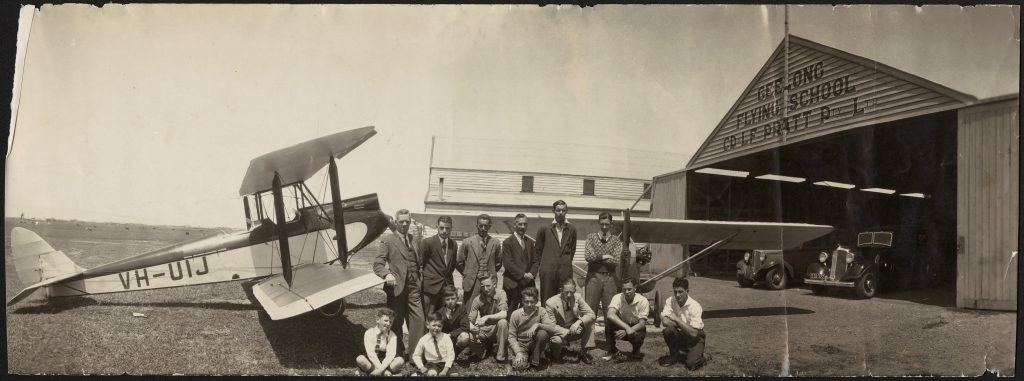
The Geelong Aero and Gliding Club, which was first formed in 1914, was based at Belmont Common and is believed to be the oldest Aero club in Australia. Charles decided it was a good place to offer joy flights and flying lessons and leased the site in 1920 along with a residence.
Charles erected a large hangar and workshops and suggested to his three brothers that they join him where he taught Percy and Len to fly, while the third brother, Alf, operated a motorcycle courier business.
William Hansom from Airspy and Charles Pratt were a natural fit and soon teamed up together to capture and sell unique bird’s eye images. Their photos are mainly of Melbourne and rural Victoria, but also of the early building of Canberra and south to Tasmania. They did their own film processing and enlarging.
Some of Airspy’s images were also used by the popular Rose Postcards company.
But from 1927 to 1929, Charles and his brother, Len, flew in New Guinea transporting cargo for the Bulolo goldfields aeroplane service along with another famous aviator, Ray Parar. It’s uncertain who piloted William Hansom on his Airspy flights during this period.
In 1929, Len Pratt contracted malaria, so both he and Charles returned to the more moderate climate of Victoria.
Another company, Adastra Airways, which began in 1930 as a flying school at Mascot, focused on aerial photographic survey work in NSW.
Charles then moved his business to Essendon in 1938 and took over the operations of Matthews Aviation.
William Hansom died in November 1939, aged 77, leaving his widow and three children. But his company, Airspy, continued to survive long after, presumably with its ownership transferring to Charles Pratt. It’s possible that Charlie Pratt’s brother, Len, accompanied him in the aircraft to take the images and that cameras had become simpler to operate.
Flight Lieutenant John (Jack) Harrison was also associated with Airspy during this period. He became the RAAF’s first public relations photographer.
At the outbreak of WW2, Charles Pratt offered his services to the RAAF as a flying instructor, and he was given a six-month contract. But at the end of the agreement, he was notified that his machines and hangar were to be commandeered by the RAAF and offered only £1300 in compensation.
He was then aged about 50 and the Air Force showed little interest despite his impressive record as an instructor.
Charles was given a job by a private company to supervise maintenance of planes taken over by the Air Force, but that job also finished when the RAAF moved from Essendon to Benalla.
Short of money, Pratt then took a position as pilot with A.N.A. in 1942 and flew DC2s and DC3s through to his retirement as a commercial pilot in 1947.
Postwar, Charles continued with Airspy aerial photography as well as charter and joy flights from Essendon before moving to Moorabbin in 1955.
Charles Pratt was married but the couple had no children. He died in January 1968, aged 77, and his estate donated a large collection of magnificent photos to the State Library of Victoria.
[1]Oblique aerial photography, as the name implies, involves taking landscape photos looking sideways from the aircraft, rather than vertical photos which are used for mapping purposes.
View of the General Mutual Life Assurance Society building at the intersection of Russell and Collins Streets looking south-west, showing the spires of Scots Church and the Independent Church which potentially caused shadows. c 1927. Photo by Airspy. Source: SLV. https://handle.slv.vic.gov.au/10381/253235
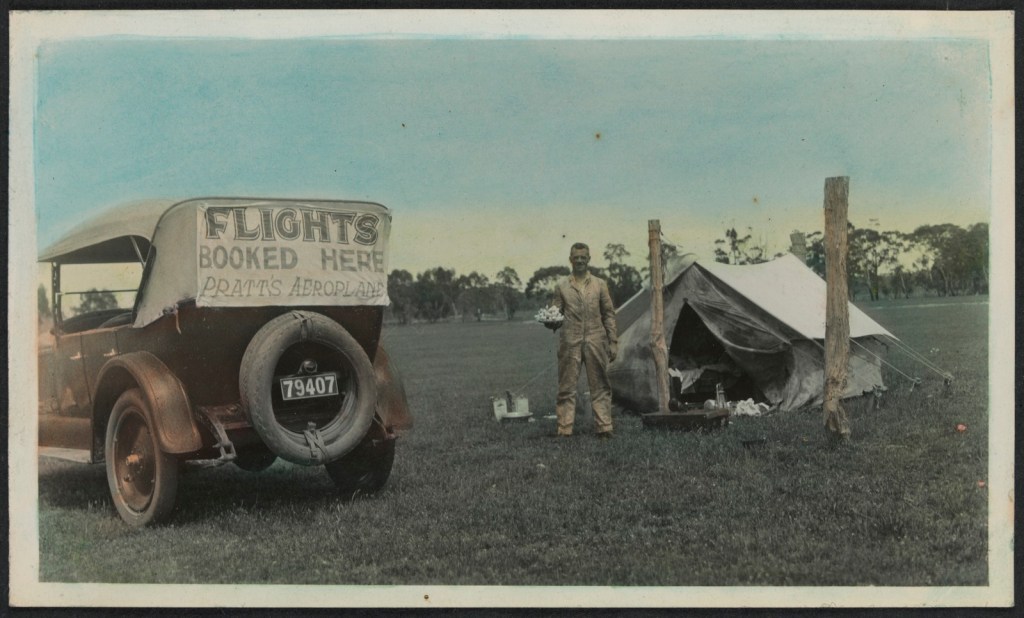
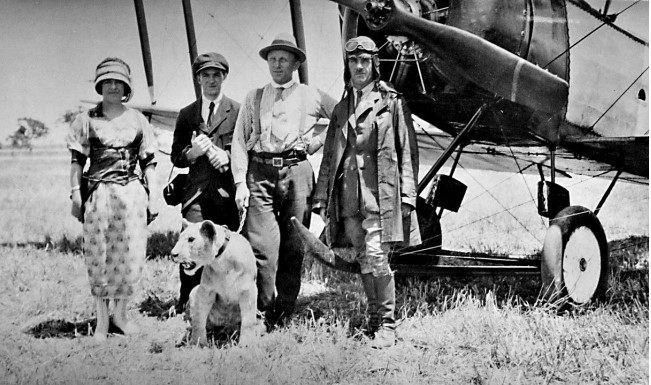
Pratt at Penola during a photography/barnstorm trip in early 1922 with G-AUJC. He met a circus group in town. (A week later he called at Rainbow & met George Mackenzie “Silver Wings” and offered him a job at Geelong.)
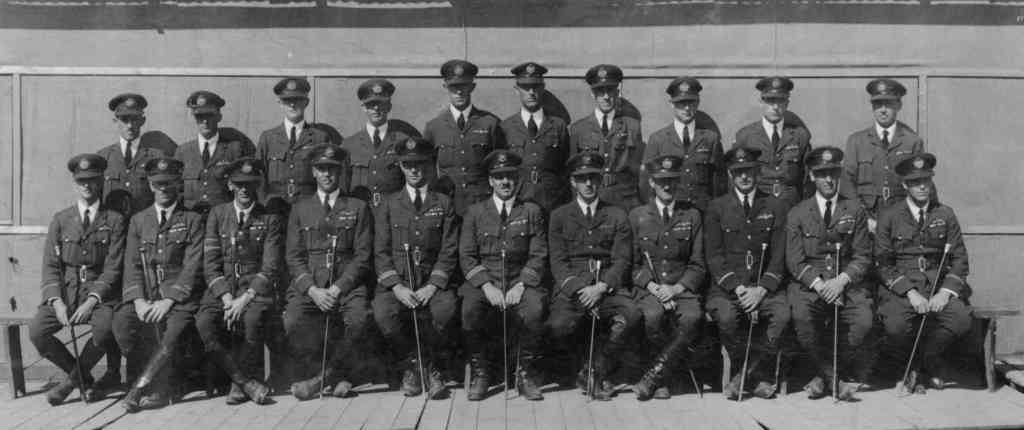
Group photo, formal of Citizens Air Force taken at Point Cook in 1926, Charlie Pratt is the 2nd from the left, front row. Source: Auckland War Museum.
The 1980s will be remembered as the beginning of the heady era of “big money”. An era of conspicuous consumption perhaps best characterised by flamboyant and freewheeling entrepreneurs like Christopher Skase and Alan Bond, celebrities in private jets and luxury tax-dodgem cars, newfangled mobile phones, expensive consultants in sharp Zegna suits, and power dressing with big hair and shoulder pads.
Opportunity seemed to be everywhere for those with a “zeal to deal”. The uber-rich rubbed shoulders with politicians, lobbyists and fellow moguls at fancy restaurants, where million-dollar transactions were brokered over extravagant and boozy business lunches.
Then using loopholes in the tax system, the proceeds of these questionable mega-deals were often squirreled away in offshore tax havens like the Cayman Islands. And in other corrupt “bottom of the harbour” scams, dodgy promoters stripped assets from companies to avoid any tax liabilities and then sold them through a complex web of shelf companies, which rendered them “sunk” and untraceable.
The flimsy justification for this blatant theft; of the total lack of social conscious; of the ruthless take-no-prisoners approach; of profligate bankers recklessly splashing money around; and of rampant insider-trading by some unscrupulous stockbrokers; dishonest tax dodging by accountants; hostile takeovers and overleveraged financial markets, was perhaps best articulated in the famous “Greed is Good” speech by Academy Award winning actor, Michael Douglas, as the fictional corporate villain, Gordon Gekko, in the 1987 film “Wall Street”.
Ironically, the release of the film coincided with a major global share market collapse, high unemployment with home loan interest rates hitting 17% and finally the “recession we had to have”.
Admittedly, the stupidly high interest rates were off a lower mortgage base, and house prices had been hovering around six times the average annual male earnings for yonks but then went “off-the-scale” when the Keating deregulated the banks in the mid-1980s.
It was sometimes said in the 1980s…
You can’t make your first million legally or morally…
Meanwhile, ABBA and the 1970s “Decade of Disco” was pushed to one side as loud Aussie pub-rock anthems from Midnight Oil, Aussie Crawl and Cold Chisel took centre stage on Mollie Meldrum’s iconic “Countdown”, screened each Sunday evening on ABC-TV.
Australia II, skippered by John Bertrand, ended 132 years of American dominance by winning the final of the America’s Cup yacht race in 1983 – prompting Prime Minister Bob Hawke to famously say –
Any boss who sacks anyone for not turning up today is a bum…
Ozi blockbuster movie classics such as Crocodile Dundee, Mad Max, Gallipoli and The Man from Snowy River premiered on the silver screen.
A vigorous and successful “No Dams” campaign in Tasmania reflected the growing shift in public opinion about the conservation of forests. It also led to the consolidation of the small and disparate green movement across Australia which arguably reached the zenith of its influence and power during the 1980s.
The 1980s… you get the picture…
So it was against this backdrop, and riding the new wave of economic, cultural and social change, that Labor governments swept to power in Victoria under John Cain (1982), and Canberra under Bob Hawke (1983). Both were keen to see their bold reform agendas quickly implemented after years in opposition.
The 1980s also heralded the “decade of deregulation”, with an unquestioning reverence for “small government”, “free markets”, along with the “globalisation of trade”, and the unbridled pursuit of “economic rationalism” in all its forms.
Economic rationalists argued very persuasively that almost every government enterprise, assets or service could be corporatised, outsourced, or sold, and better run on private sector lines. Profitability, cost savings and efficiency seemed to override any traditional notions of a “public service”. But the real owners of these valuable community assets and essential services – the public – didn’t get much of a say in the fire sale.
The blind faith placed in the new ideology by politicians and economists of all flavours represented a seismic shift. They certainly provided many benefits, like cheap imported clothing and home appliances, but also led to many unforeseen, and possibly unintended, long-term social and economic consequences.
But the disruptive and turbulent period of the 1980s will also be remembered as the beginning of massive public service restructures, downsizing, razor gangs, budget cutbacks, outsourcing, redundancy packages, uncertainty, employment contracts, new generic job classifications and pay bands, loss of automatic pay increments, flawed performance schemes, meaningless management jargon and snappy buzzwords.
It was an unstoppable and pervasive global crusade which took hold, I believe, in Margaret Thatcher’s England during the early 1980s, where amid the carnage, privatisation and cutbacks, the usually conservative British Civil Service slavishly adopted the principles developed for the corporate world of factories and production lines.
As public servants we were expected to cheer along fervently with them too, particularly if you wanted to keep your job and maybe climb the greasy pole a little bit higher. If you didn’t, that alone made you a subject of suspicion. There was the kind of moral grandstanding that even scientologists hadn’t yet mastered.
Many of the traditional values, customs and history of the Victorian Public Service were then swiftly trashed and hastily brushed aside in what appeared as an unseemly rush towards “corporatisation” and “managerialism”.
There wasn’t much public sympathy for the changes either. A common perception of a typical public servant was of a bloated, clock-watching and overpaid fat-cat, who had somehow faded to a boring shade of beige, sitting behind a big wooden desk in a cozy office full of dusty old files tied up with red tape, wearing a brown cardigan with leather elbow patches and textured buttons, possibly puffing on a smelly pipe, drinking endless cups of tea and doing the crossword puzzle, while shuffling paper and dreaming up new forms and processes to infuriate a long suffering public. It was sometimes unkindly suggested…
Sleep with a public servant… they need the exercise…
All departmental funding was centralised under new Labor Treasurer, Rob Jolly. The Forestry Fund, which had operated successfully since 1919, was taken away in the purge. The fund had enabled the Forests Commission to retain half its revenue from the sale of forest produce to invest back into things like roads or silviculture. It also enabled better long-term planning and a degree of independence from the fickle annual budget cycles.
Ongoing budget and staff cuts of 1.5% were inflicted each year by Treasury. The cuts were outlined by the Minister for Conservation, Forests and Lands (CFL), Joan Kirner, in the Department’s 1986 Corporate Strategy which euphemistically disguised them as “productivity gains”. In the same blurb one of the key objectives was –
a commitment to safe and satisfying work experiences and career structure…
But in the scramble for economic prosperity the State Government then flirted with Tricontinental, a wholly owned merchant bank subsidiary of the State Bank of Victoria, which subsequently collapsed in 1990, with losses over $1.5 billion.
Disturbingly, everything needed a “metric”… something that could be counted and measured, with native forests becoming “habitat hectares”. It was often stated that if it couldn’t be measured it couldn’t be managed… and that if it couldn’t be measured… it wouldn’t be funded.
The over-used lexicon of corporate gobbledygook seemed to rise and fall from favour quickly. Confusing, interchangeable and poorly defined terms like – visions and missions, goals and objectives, outcomes and outputs, triple-bottom-line, strategies and tactics, all came to dominate the way we communicated amongst ourselves and between Head Office and the field.
We focused on widgets, SMART objectives, timelines, KPIs, business planning cycles and traffic light reporting, as well as ticking the box and reporting endlessly against these manufactured and sometimes artificial new measures.
I often grumbled to myself, that it was like reducing a magnificent and complex musical symphony to some trashy advertising jingle.
Meanwhile, the tempo of change accelerated, leaving little time or space to read, research, recover, reflect or renovate.
I was busier than a one-legged man in an arse kicking competition….
And while salaries were never very high, the traditional Public Service once offered “permanency” and a generous “defined-benefit” superannuation scheme. There was also government housing available to rent in most remote country locations to help attract and retain staff along with their families. But these also disappeared during the late 1980s and early 1990s, encouraging high staff turnover.
Opportunities for career progression were reduced in country locations with the staff cutbacks. Why would young people stay in rural Victoria ??
Meanwhile, the newly formed Department of Conservation, Forests and Lands coincided with an internal lack of unity about how State forests should best be managed.
The era of the “specialist” was replaced by one favouring the “generalist”. There was a widespread belief that anybody, even with little or no knowledge or experience of the subject matter, could be appointed as “managers”.
Senior management is supposed to be a tree full of wise owls hooting when the organisation heads into the wrong part of the forest…
But I was unconvinced that some of the owls even knew where the forest was…
We were no longer foresters or rangers working to protect the bush but became “custodians” and “stewards” of “complex forest ecosystems” and “managers of business units”. In fact, the word forester almost disappeared from use altogether.
More infuriating still, was that people and communities became “stakeholders”, “customers” and “clients”. We were instructed to manage up and not out.
While talking to someone and having a friendly chat out in the bush was replaced by “messaging”, “engagement”, “collaboration”, “achieving shared goals and experiences”, “knowledge mobilisation” and “conducting a narrative”. And short term results were more important than building long-term relationships in rural communities.
Spin-doctors and media advisers ran focus groups with sticky labels on white boards and took control of “managing the message” with their bland “talking points”. Although when I think about it a bit more deeply, it’s more likely that Human Resources (HR) was really running the show. And I won’t comment on the push for political correctness…
I accept that every profession has its own language, but corporate jargon and slick sounding buzzwords, rather than simple plain English, began to infiltrate the traditionally conservative Public Service from the 1980s.
The new management vocabulary was typically made up of long, complicated, and obscure words, or abbreviations, catchphrases, euphemisms, and acronyms.
These overblown “word salads” were mostly vacuous, ambiguous and meaningless. And there were hundreds of them too. Weasel words like KPI’s, paradigm, leverage, symbiotic, holistic, operational cadence, proactive, deliverable, empower, synergy, alignment, core-competencies, touch-base, risk-based approach, blue-sky thinking, value-add, and my personal favourite, think outside the envelope, just to name a few.
More tortuous still were the facilitated workshops indoctrinating us into becoming a “values-based” organisation… whatever that was? More meaningless waffle pulled out of the hat included random gibberish such as Integrity, Respect, Innovation, Inclusive, Equity, Collaboration, Accountable, Excellence, Quality, Client Focused, Transparency, Employer-of-Choice and World’s-Best-Practice. It’s a pity that the rhetoric and the reality of these noble goals didn’t ring quite true sometimes.
It was though the organisation had swallowed a thesaurus.
And the long-suffering public or “stakeholders” had no idea what we were talking about either.
I also observed with dismay most of the surviving senior and experienced forest managers being put on limited-tenure and unsecured executive employment contracts, so one of the core principles of the Public Service to remain apolitical and provide frank and fearless advice to government was significantly undermined in my view.
The noticeable rise of political advisers inside the Minister’s office had a big influence on how the department and the traditional Public Service ran. Often a clever, young bossy-boots, straight out of uni, and hoping for a career in politics, they seemed to know more about partisanship than policy and were more inclined to listen to vocal lobbyists and party insiders than experienced land and forest managers.
Advisors often appeared to operate in the shadows on the fringe, had enormous egos and took little accountability for their actions, and the ones I encountered were often doing messy quick–fix deals.
This worrying trend coincided with a progressive reduction in the numbers and seniority of forestry and parks staff, particularly those living in regional areas, together with a centralisation of services, resources, power and decision-making.
The State Government then mandated Compulsory Competitive Tendering (CCT), which saw most organisations and local councils lose the bulk of their experienced works crews. Many took redundancy packages to leave on Friday and do exactly the same work as contractors on Monday. This experience was good for some and difficult for others.
And as someone with a long interest in forest history, I believed most of the corporate memory, and timeless wisdom, was lost in the purge:
If you want a new idea, read an old book…
The loss of experienced and confident senior staff with local knowledge and community connections became very apparent. There was a noticeable increase in the level of procrastination, which was accompanied with a strong aversion to risk and concerns about legal challenges, which progressively replaced the previous Forests Commission’s “get-stuff-done” culture.
Being forced to look silly in staff meetings and wear one of Edward De Bono’s six thinking hats became the substitute for experience and decisiveness. You know the ones – White Hat: focuses on data, facts, and information. Yellow Hat: represents optimism, benefits, and positive outcomes. Black Hat: highlights caution, risks, and potential downsides. Red Hat: involves emotions, feelings, and intuition. Green Hat: sparks creativity, new ideas, and alternatives.
And it seemed to me that the Black Hat, with the fear of something going wrong and, more importantly, who was going to get the blame, exercised power of veto over many good ideas compared to the previous “how do we make this work” culture.
The Forests Commission wasn’t perfect but seemed to have a healthy appetite for risk which allowed new ideas to develop. It enabled (or maybe tolerated) “creative thinkers”, “square pegs in round holes”, or simply those who “coloured outside the lines” to flourish – think bushfire and aviation innovations over the decades.
Part of the response to risk avoidance was to add more processes, check-boxes, data collection, micromanaging, analysis paralysis, and time-wasting procedures to forest planning, without any significant or apparent gain in quality. I often said –
Be decisive…. right or wrong…. make a decision….
The road of life is paved with flat squirrels that couldn’t make a decision…
Consequently, forest management became increasingly complex, politicised, costly and time-consuming, while providing considerable opportunity for individuals and external interest groups to delay or block proposed actions.
The term “process gridlock” came into use.
Many forest and park employees, who had previously worked in the bush each day, were shifted into offices and behind computer screens to conduct environmental checks, attend tedious meetings and perform other administrative tasks.
Meetings are where minutes are kept and hours are wasted…
This led to an increase in the number of staff in offices at the expense of district field staff. It also extended the time needed to arrive at final management decisions.
The advent of desktop computers from the mid-1980s meant more desks were required as field staff became more sedentary and office-bound responding to emails.
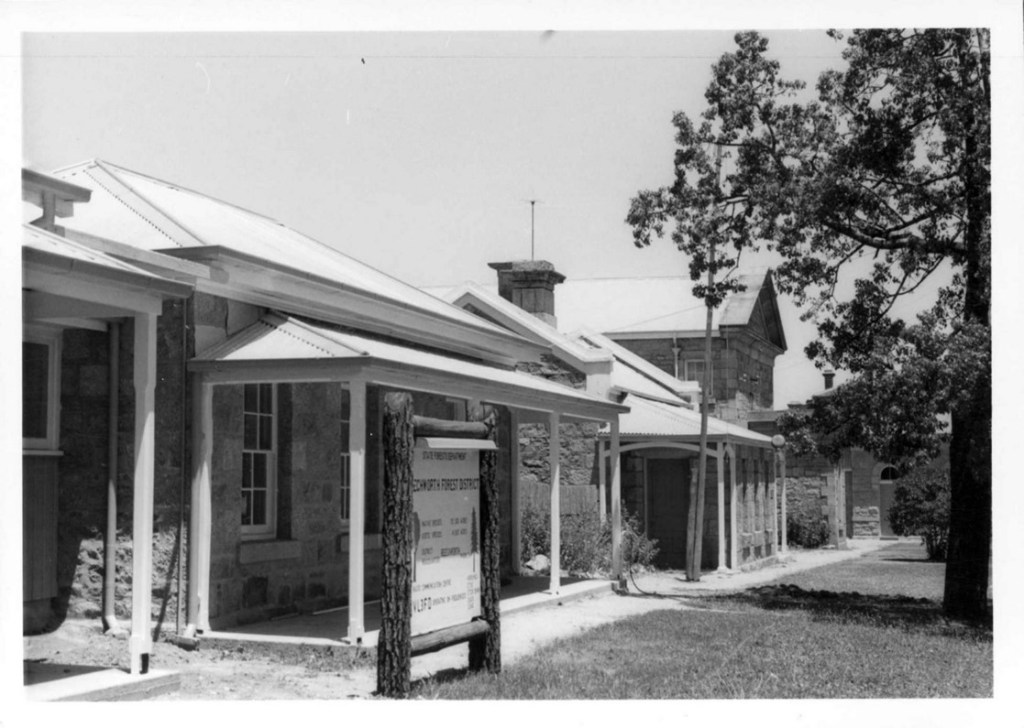
For example, the tiny Beechworth District Forest Office had one desk that was shared between all the overseers (about 5 I’m told) who came in from the bush once a week to complete their paperwork and log dockets. With the progressive changes they all needed a desk in a much larger office.
And who knows what the future may hold for the function and integrity of the long-suffering public service with the unregulated adoption of Artificial Intelligence (AI).
Sorry… it’s a long post… it’s a bit tongue-in-cheek… and it’s a bit of a grizzle… although I’ve had some fun writing this too… and I hope some of it resonates with you…
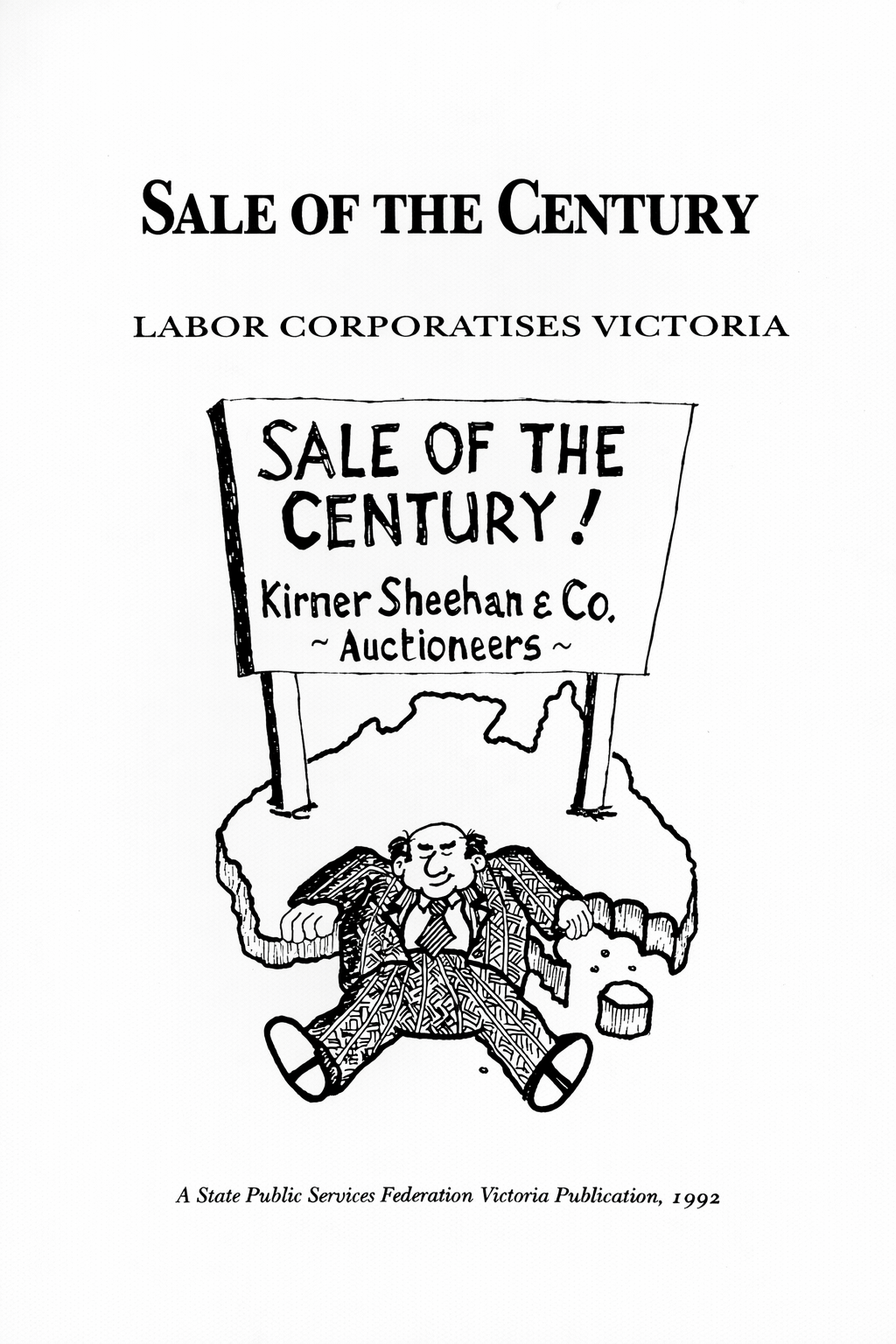
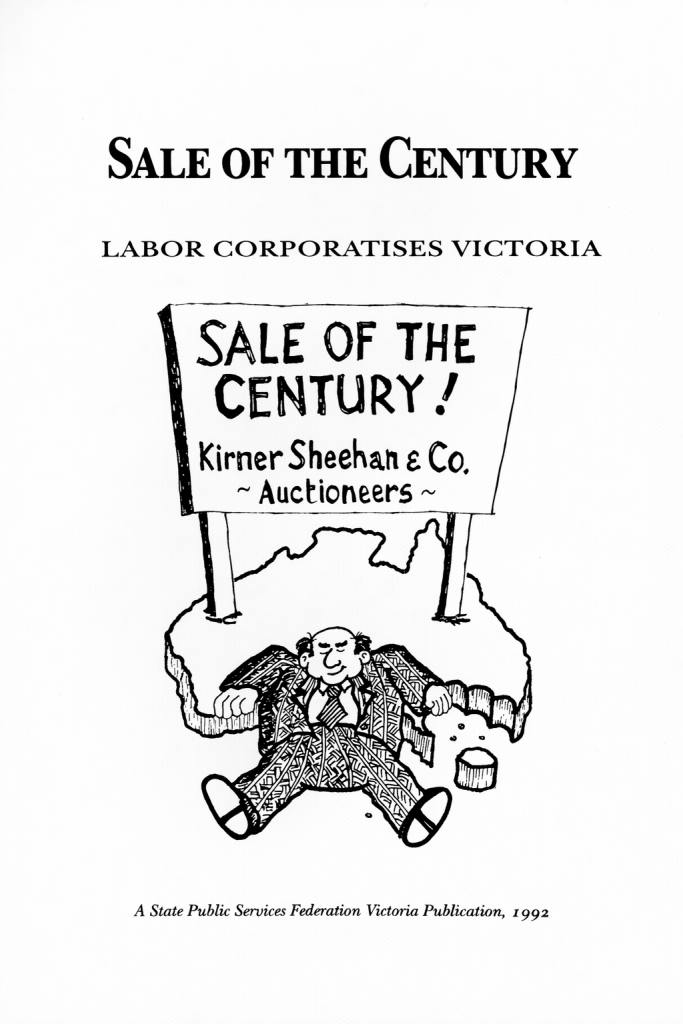
Victorian Public Services Federation publication putting the case against corporatisation and sale of public assets. – 1992
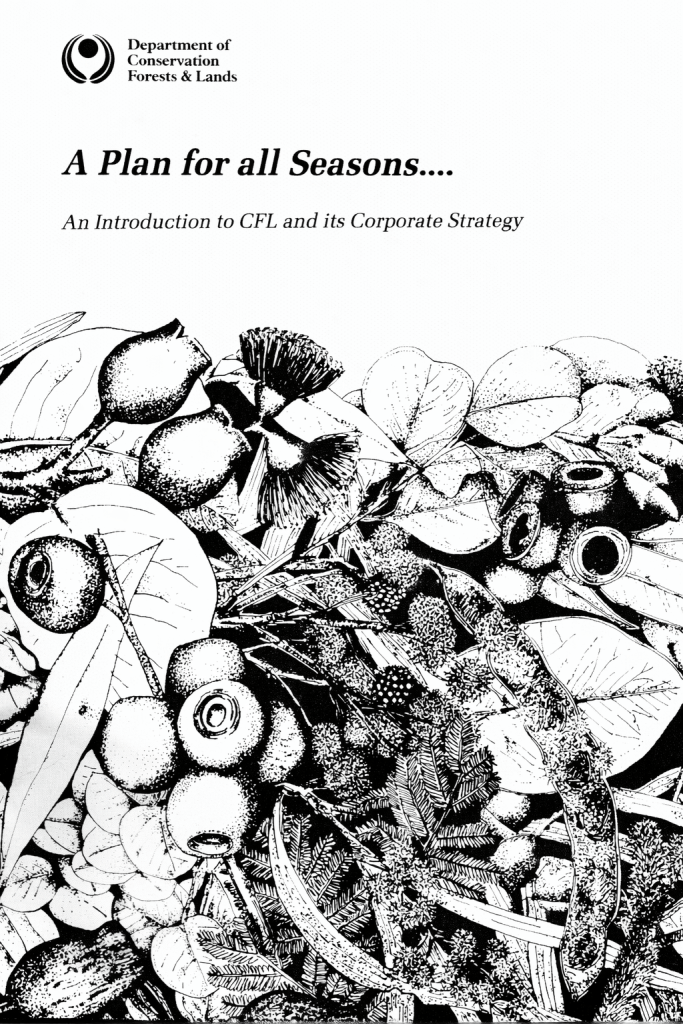
CFL’s Corporate Strategy – 1986.
The tiny Beechworth Office. Home to five overseers sharing one desk.
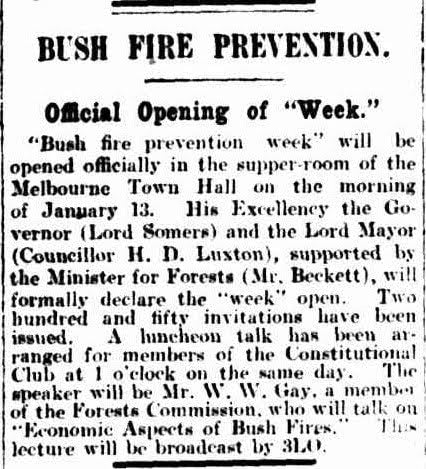
In an Australian first, Bushfire Prevention Week was initiated by the Forests Commission in the wake of the disastrous 1926 bushfires.
Victoria’s State Governor, Lord Somers, the Lord Mayor of Melbourne, Sir Harold Luxton and the newly appointed Minister for Forests, William Beckett launched the innovative campaign with great flourish to 250 invited guests at Melbourne’s opulent Town Hall on Monday 13 January 1930.
Special church sermons had been held on the previous Sunday.
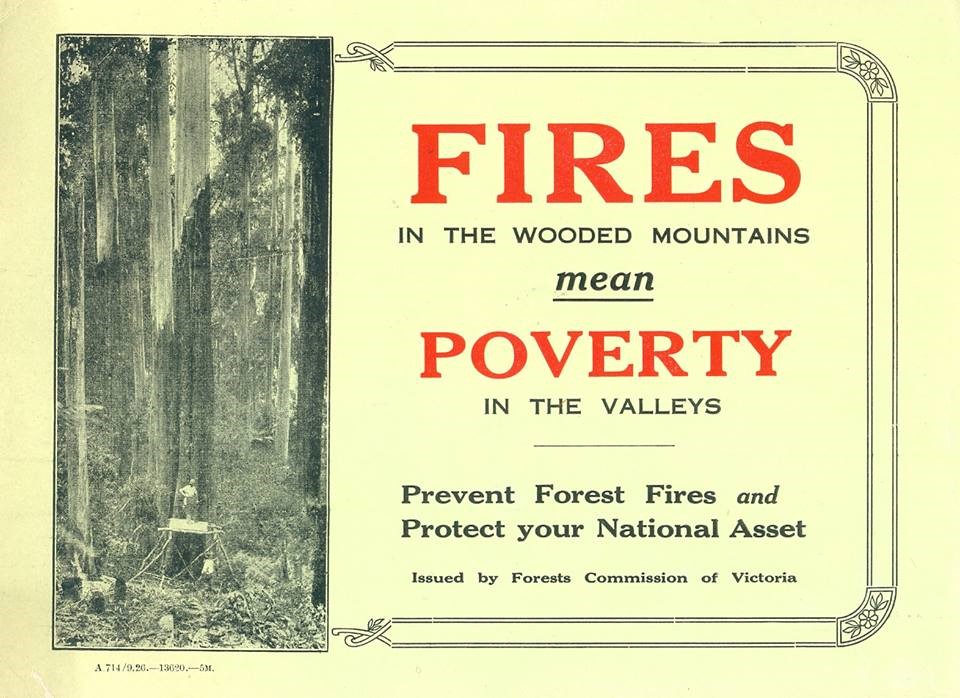
The packed program of gala events included lavish luncheon talks at posh city clubs, scholarly lectures broadcast on the wireless, together with daily articles in the Melbourne and country press about the need for fire prevention.
The Shell Petrol Company of Australia supplied 15,000 windshield stickers, the British Australasian Tobacco Company donated a large supply of stamp stickers, while many other companies drew attention to the campaign in their newspaper advertisements.
The Victorian Railways and many city firms displayed special fire posters, while Bryant and May posted messages on their limited-edition matchbox covers which are now highly prized by phillumenists (i.e., matchbox collectors).
The Postmaster General’s Department (PMG) franked postage stamps and letters with special bushfire slogans.
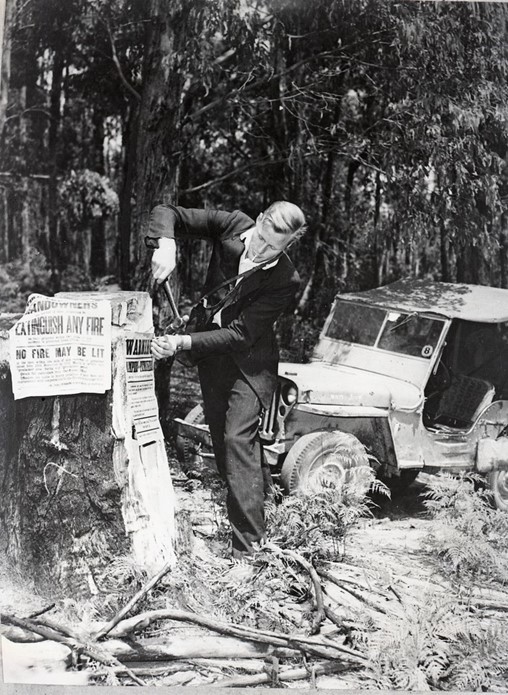
Canvas and enamel fire prevention signs were erected on most roads leading to State forest areas. While plainclothes police were secretly deployed to the bush to arrest potential arsonists.
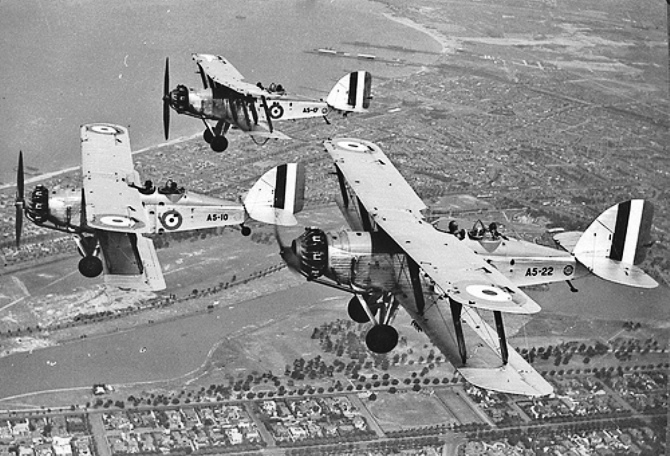
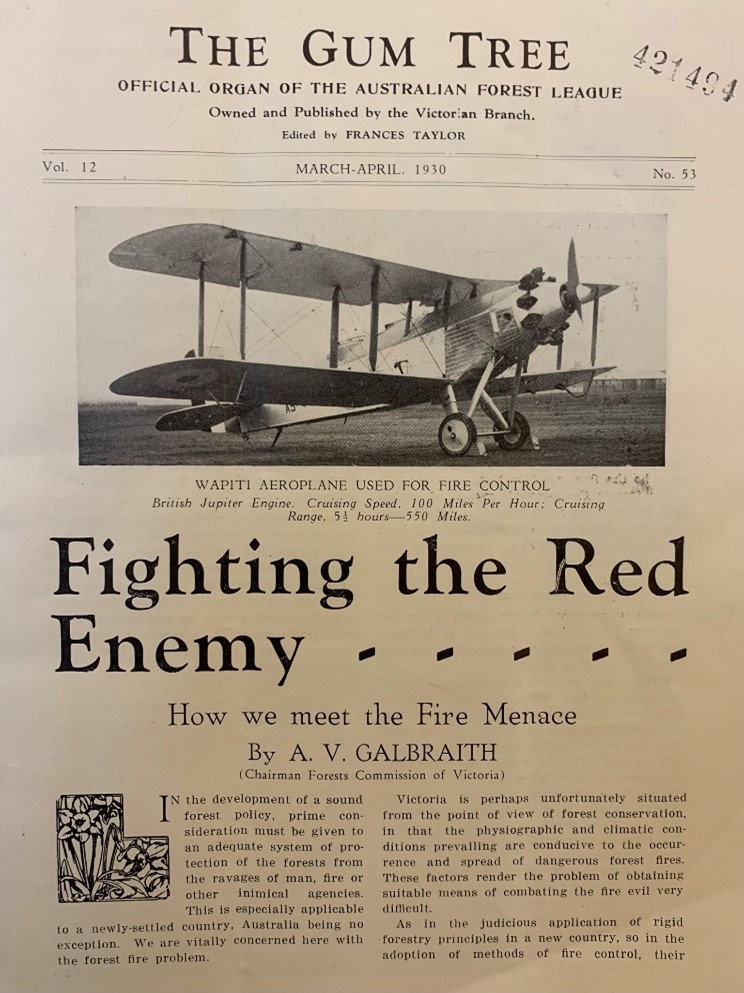
Significantly, Australia’s very first aerial bushfire reconnaissance flight using RAAF Wapitis took off from Point Cook a few weeks later on 18 February 1930.
Letters to the Editor later appeared in many city and country newspapers extolling the virtues of Bushfire Prevention Week and urging for its continuation.
The Forests Commission in its 1929/30 Annual Report, under the title of “Propaganda”, noted with some triumph…
“One of the most gratifying features of the ”Week” was its low cost to the Government, the major part of the publicity material being donated by private firms.”
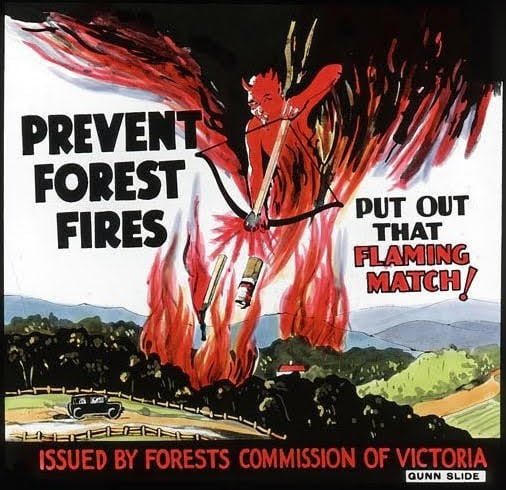
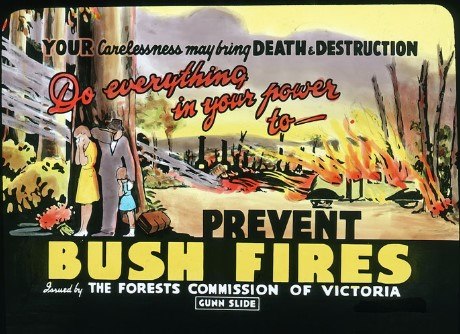
And so for the next 30 years until the 1960s, Bushfire Prevention Week continued unabated with the Forests Commission producing a series of coloured “Magic Lantern” slides which were manufactured by Alex Gunn and Sons in Collins Street Melbourne for screening by Val Morgan advertising at cinemas.
The slides famously introduced the menacing character, Willy Wildfire, warning motorists to be careful with matches.
Now known as Fire Action Week, it remains a key event in the annual calendar and is still going strong…
Nailing up fire awareness posters on the entrance to the forest. The cigarette adds a nice touch don’t you think? Circa 1946. Source: FCRPA collection.
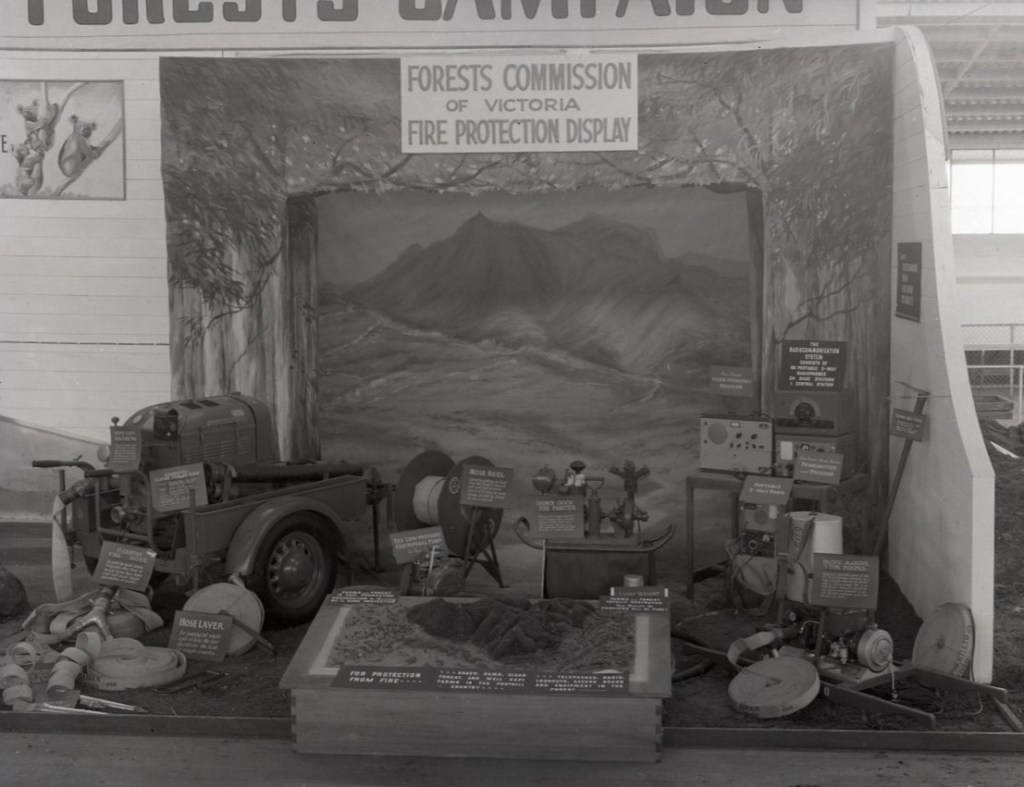
The Forests Commission had a fire equipment display at the Royal Melbourne Show for many years. A purpose-built pavilion was erected in about 1967. Circa 1950. Source: FCRPA collection
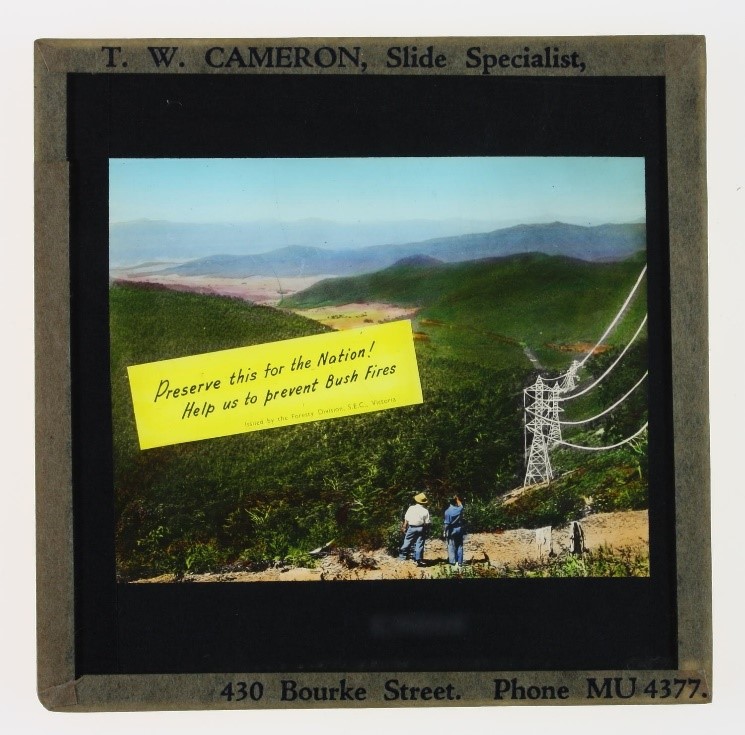
“Magic Lantern” slides made by Alex Gunn and Sons from Collins Street in Melbourne for screening at Val Morgan cinemas.
The State Electricity Commission (SEC) had a large forestry branch based in the Kiewa Valley and they also produced fire awareness slides. Circa 1950s. Source: Museum Victoria.
“Magic Lantern” slides made by Alex Gunn and Sons from Collins Street in Melbourne for screening at Val Morgan cinemas.
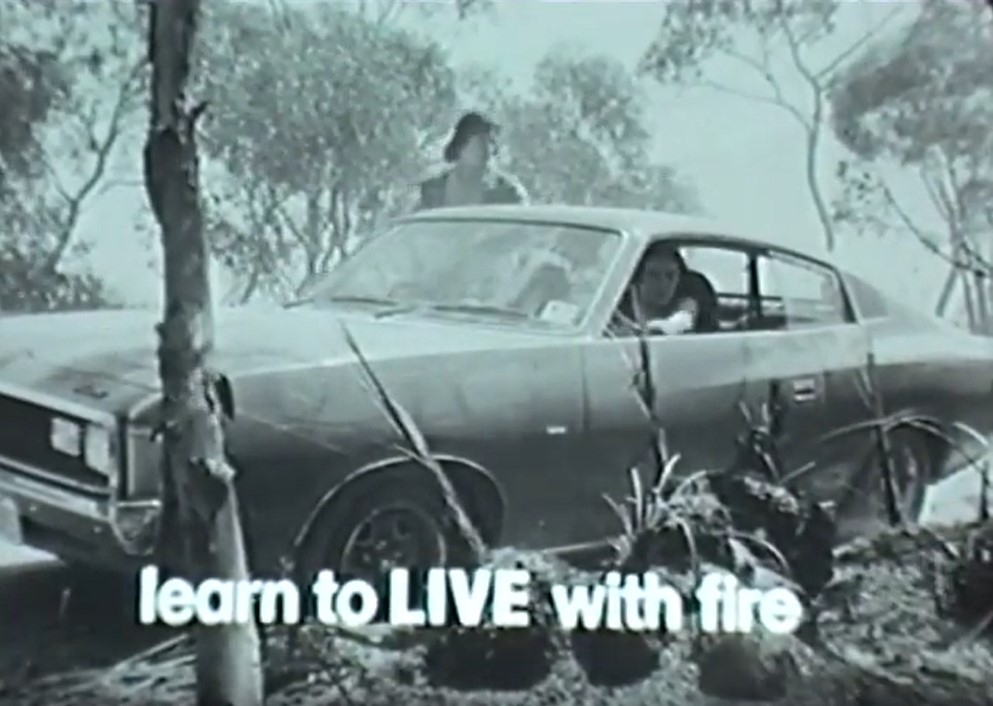
A series of fire awareness ads were screened on TV in the early 1970s. And check out the Valiant Charger…. Source: FCRPA collection https://www.youtube.com/watch?v=WlUke-3lOLM
Uncontrolled bushfires had been burning from early October 1925 in many places such as Olinda and Sassafras in the Dandenong Ranges and at Healesville in the Yarra Valley.
The forests at Powelltown, Noojee, Toorongo Plateau and the Baw Baw Ranges were then swept by fire on 14 and 15 February 1926, killing stands of mature mountain ash and creating extensive areas of young regrowth.
The mountain forests of Eucalyptus regnans, E. delegatensis and E. nitens are very fire sensitive and were readily killed.
These tree species are also “obligate seeders” meaning they only regenerate from seed and not coppice or lignotubers. They take about 10-15 years to set seed again so are therefore very vulnerable to being killed by more bushfires in that period.
Significant bushfires again in 1932 and 1939 killed some of the young 1926 eucalypt regrowth before it was old enough to produce enough seed and the area was replaced by wattle, scrubland and bracken to create a long-term reforestation problem.
But other stands of 1926 regrowth miraculously survived both the 1932 and 1939 blazes.
The silvicultural knowledge of Victorian foresters was then put to the test. Considerable effort went into reforestation at Powelltown and the Toorongo Plateau near Noojee during the 1940s and 1950s.
A FCV nursery near Noojee in the Loch Valley, which had been growing pines, then switched to eucalypts.
It proved a costly exercise to reforest these areas. After site preparation they were hand sown at the rate of 4 oz of mountain ash seed per acre. Some 600 acres were broadcast sown in this manner in 1932. More than 200 lb of seed were collected that year from ash trees, growing in the same general locality, for future sowing.
New surveys of unproductive forest sites were carried out in 1969 to determine the extent of loss of productive sites. It was found that some 32,000 ha of prime mountain ash forest sites were unproductive, mainly as the result of repeated bushfires over the previous eighty years.
These were all within 150 km of Melbourne and a cost/ benefit analysis showed that reforestation investment was justified. Reforestation plans were submitted to the Australian Forestry Council.
Major reforestation works at Powelltown required the construction of an airstrip at Sumner Spur in 1970.
Reforestation was achieved by clearing the scrub using heavy machines, then burning the slash and either broadcast seeding, or planting with seedlings.
The program lapsed but was renewed in the late 1980s and early 1990s with funding from the Timber Industry Strategy.
Main Photo: E. delegatensis, Dowey Spur, Powelltown, Clear felled followed by aerial seeding. Frank May 1970, Colourised.
Mt Ash, 1926 regrowth, unthinned, Oat Patch Spur, Powelltown. Photo: Frank May. December 1973. Coloursed
In the early part of last century, there was limited road access to the extensive mountain forests, particularly in the remote and uninhabited eastern ranges, so there was strong enthusiasm amongst Victorian foresters for aerial reconnaissance.
The first Chairman of the Forests Commission, Owen Jones, had been one of Britain’s pioneering aviators in the Royal Flying Corp during World War One. He fully understood that aircraft had three main advantages: speed, access and observation.
Experience has consistently shown that early detection and aggressive first attack are the keys to keeping bushfires small and gives the best chance for control.
Discussions took place with the Air Board as early as 1926 following the bushfires, and then over a period of years prior to 1929-30, with the view to commencing regular fire patrols using RAAF aircraft, but a lack of safe landing areas over the remote forest proved the main obstacle.
The first fire spotting aircraft in Australia was deployed on 18 February 1930 when a Westland Wapiti from RAAF No. 1 Squadron at Point Cook flew over the nearby Dandenong Ranges.
Communications were sent in Morse Code back to the RAAF base who then quickly passed information on to FCV fire controllers.
But poor communication systems with the ground hampered their effectiveness. It was not until the summer of 1939-40 that an aircraft was able to directly communicate by radio with the FCV District Office at Powelltown.
The use of RAAF aircraft was expanded after the Stretton Royal Commission into the 1939 bushfires.
By the summer of 1945-46, 114 flights were made with up to eight RAAF aircraft in the air on bad fire days. They operated from bases at Point Cook, Ballarat, East Sale and Bairnsdale, and reported 438 outbreaks.
The following year, RAAF Consolidated B-24 Liberators and Avro Lincoln Bombers were made available, supplemented by Avro Anson’s and DC-3 Dakotas.
A major risk to all air fire operations is reduced visibility due to dust, smoke, fog and even low cloud. It was reported on 22 March 1945, that visibility was reduced to zero and all RAAF reconnaissance aircraft were grounded with the result that a fire near Toolangi reached a considerable size before being detected.
However, by 1959-60 the use of chartered cheaper flights from private operators in light aircraft became more common and the last RAAF patrol took place in 1963-64.
By the 1982-83, fire season aerial reconnaissance flights were routine. Most fixed wing aircraft were hired by forest districts from local aero clubs using FCV observers and radio operators.
Article by A. V. Galbraith about aerial reconnaissance. The Gum Tree, 1930.
As the 1925/26 summer approached, the Government meteorologist, Mr Hunt, warned that temperatures over the ensuing weeks were expected to be higher than the previous year and much of the country to the north was already parched.
The Commission became keenly interested in the practical application of meteorology and believed that relative humidity was a prime factor affecting fire frequency and behaviour.
As a result, the Government Meteorological Bureau installed instruments to accurately record temperature, relative humidity and wind speed on several fire lookouts, commencing from Mount Drummer in far east Gippsland and extending west and north on other peaks across the mountains.
The Commission hoped to not only make better preparations for its firefighting staff but also to be able to broadcast public information about dangerous fire weather.
But it wasn’t until Alan McArthur’s groundbreaking work at Canberra in the late 1950s and the development of his fire models that some scientific understanding of bushfire behaviour was available to practicing foresters.
The 1926 Black Sunday bushfires are largely forgotten now, being overshadowed by the catastrophic 1939 Black Friday bushfires thirteen years later.
The amazing story of fifteen-year-old Florrie Hodges, who later captured the hearts of the nation, has mostly been forgotten too.
Florrie lived with her family at the small Horner and Monett’s sawmill, deep in the bush on Mackley’s Creek, about 7 miles east of Powelltown. There were no roads, only narrow timber tramlines.
On Sunday morning, 14 February 1926, she was at home when the bushfire exploded all around them and the mill caught fire.
Her mother instructed Florrie to go with some other families fleeing from the mill and take the children to safety at Powelltown.
Florrie walked through the bush for some miles with her sisters, Rita aged 7, Vera aged 4 ½ and Dorothy 18 months. Rita was on her back with Vera and Dorothy in her arms.
When she saw the fire ahead of her, they turned back and dropped into a small creek. Florrie soaked all the children’s clothes, but they could not stay long in the water because the trees and scrub growing along the edge of the creek were alight and branches were starting to fall on them. The water was getting hot, so they hurried out but there was fire all around them.
Trapped by flames and unable to reach safety, Florrie sought refuge on the timber tramway track. They huddled together, blinded by the thick smoke and scorching heat. Rita was then taken by one of the others in the party trying to escape.
Florrie was then all alone and frightened but remained with her two little sisters as the bushfire swept over them. She crouched on the tracks over the children to shield them from the flames.
Burning bark was falling on them. Her hair and clothes caught alight, and her legs were badly burnt.
They remained in the smouldering bush for two hours until the flames had passed. Her distraught father then arrived, searching, but not expecting to find his children alive.
All three survived but Florrie suffered severe burns and was hospitalised for many months at St Vincent’s Hospital in Melbourne. She was left disabled and disfigured.
Stories of the heroics of “the little bush girl of Powelltown” emerged and Florrie quickly became a national celebrity.
The Royal Humane Society awarded Florrie a bravery medal and the Timber Workers’ Union raised some £1,000… a huge sum which was held in trust until she turned 21. The money was presented in a special purse.
A souvenir booklet of her exploits was published, 100,000 photographs were distributed to school children across the nation, her story was retold in schools on Empire Day, and a gramophone record was released by the Columbia Company of Florrie telling of her heroic deeds.
Photographs of the “Australian Heroine” were presented to Queen Mary and the Duchess of York. A version of Florrie’s story as told by celebrated author Mary Grant Bruce was published in The School Magazine produced by the NSW Department of Education.
Politicians, unionists, even famous actors were all keen to share the stage with Florrie at various events held in her honour around Australia.
But when asked to speak, Florrie humbly replied that “she thought that any Australian girl would have done what she did”.
Florrie married soon after the accident when she was sixteen. Her husband Bill worked in the timber mill and had also been burnt in the fire. They lived a simple life together.
Florrie is remembered by her family as a tough, no-nonsense woman, who didn’t talk much about the fires of Black Sunday 1926. She passed away in 1972.
There has been a lot of talk about heroes in recent times, whether they be firefighters, police or front-line health workers. It’s become a bit of a throwaway line… but to my mind, the real heroes are the quiet ones like Florrie Hodges.
I think it’s very sad that her story has mostly been forgotten, just like the 1926 bushfires. It would be wonderful to see some kind of tribute or memorial to her at Powelltown.
Nikki Henningham (2020) On being brave: Florrie Hodges and Lessons from the 1926 Bushfires
Considered in terms of loss of property and life, the Black Friday bushfires on 13 January 1939 were one of the worst disasters to have occurred in Australia, and certainly the worst bushfires up to that time.
The 1939 bushfires killed 71 people and burnt 2 million hectares, 69 sawmills, and obliterated several towns.
They eclipsed the earlier 1926 bushfires causing their memory to fade from view.
The subsequent 1939 Royal Commission conducted by Judge Leonard Stretton has been described as one of the most significant inquiries in the history of Victorian public administration. He also drew from the 1926 experience.
One of Stretton’s key recommendations was to create a single fire service for country Victoria.
The war years then intervened from September 1939, and arguably the legislative reforms recommended by Judge Stretton moved to the back burner.
Then later in the summer of 1943/44 there were more deadly bushfires where 51 people were killed, 700 injured, and 650 buildings were destroyed.
In particular, the loss of 13 lives at Yallourn on February 14, 1944, and the impact on the State’s electricity supplies when the critical brown coal fields caught alight, brought these bushfires into sharp focus.
There was justifiable public outcry at the lack of government action after similar events five years earlier in 1939.
The Premier, Sir Albert Dunstan, and Minister for Forests, Sir Albert Lind, who had both delayed legislative changes in Parliament, decided there was no alternative but to ask Judge Stretton to chair a second Royal Commission.
Stretton’s report returned to his earlier themes and once again highlighted the lack of cohesive firefighting ability outside the Melbourne area.
After nearly 6 months of debate and argy-bargy in State Parliament, legislation to establish the Country Fire Authority (CFA) was finally passed in two stages on 22 November and 6 December 1944.
On 19 December, the State Premier, Albert Dunstan, announced that Mr Alexander Mercer King of Ballarat was to be appointed Chairman of the CFA Board for the first year, along with 12 members. The Board of the new authority met for the first time shortly after on 3 January 1945.
On 2 April 1945, the Country Fire Authority Act came into effect, and all previous entities ceased to legally exist.
The Forests Commission held two seats on the new CFA Board with Herbert Duncan Galbraith (the man behind Stringers Knob firetower at Orbost) together with Joseph Firth. The FCV Chief Fire Officer, Alf Lawrence, was appointed later in 1946.
The Board then divided Victoria into 24 Regions and appointed 17 Regional Officers, but the organisation had very rocky first beginnings.
All the existing urban and rural brigades were invited to join the new CFA… most did… some reluctantly… but nobody seemed particularly happy with the new arrangements.
Some of the rural brigades were so incensed they proposed an alliance with the Forests Commission rather than ceding autonomy to the newly formed CFA.
Maybe to appease the rival factions, the new CFA Board initially appointed two Chief Officers, with Alexander McPherson representing the urban brigades and Charles Alfred Daw heading up the batting for the rural brigades.
McPherson retired at the end of June 1950, leaving Daw as the sole Chief Officer of the CFA.
In its 1944/45 Annual Report, which was at the time of the formation of the CFA, the Forests Commission noted-
“The Commission is satisfied with its efforts in building up a virile organization of 768 brigades with approximately 35,000 members and over £100,000 worth of equipment, and it desires to record its great appreciation of the valuable services that have been given voluntarily, year after year, by the bush fire brigades in the preservation of the State forests. It is, therefore, with regret that our official connexion with this excellent organization has been concluded.”
The CFA then took responsibility for fire suppression on “Country Victoria” leaving the Forests Commission to focus on the public land estate such as State forest and National Parks which amounted to the remaining one third of the State.
The legislation also required that each country municipality appoint a ”Proper Officer” empowered to permit lighting of fires during the proclaimed summer period and to order removal of fire hazards.
So, in the end, Stretton’s 1939 grand vision was finally realised…
A major revision of both the Forests Act and Country Fire Authority Act in 1958 clearly enshrined the role of the two agencies and the Chief Fire Officers into complementary legislation.
More importantly, these events shaped and cemented Victoria’s deep-seated approaches towards bushfires outside Melbourne. Both the Forests Commission and the CFA adopted clear policies to detect and suppress all bushfires and became very focused and skilled at doing it.
Robert Murray and Kate White (1995). State of fire: a history of volunteer firefighting and the Country Fire Authority in Victoria. Hargreen Fitzroy, Vic.
Judge Leonard (Len) Edward Bishop Stretton – circa 1945. (enhanced image)
The new 12-member Board met for the first time on 3 January 1945. The Board divided Victoria into 24 Regions and appointed Regional Officers but the CFA had very rocky first beginnings. Photo: L-R: Back Row – Geoffrey Graeme Sinclair (Secretary), Angus A. Cameron, E. Buckland, George Stewart, Joseph Firth (FCV), Charles Alfred Daw (Chief Officer – Rural), Alexander McPherson (Chief Officer – Urban). Front Row – T. H. Grigg, W.S. Slater, Herbert Duncan Galbraith (FCV), P. Slouch, W. Charles Moyle, Alexander Mercer King (Chairman). Source: State of Fire. https://trove.nla.gov.au/newspaper/article/11375460