
Forestours were launched by the Forests Commission Victoria (FCV) at Lakes Entrance in January 1977. A brainwave of Bairnsdale forester David Buntine, Forestours got their inspiration from the NSW Forestry Commission on the south coast which offered free self-drive, or tag-along tours on mostly gravel roads in State forest under the guidance of local forestryContinue reading “Forestours.”
Author Archives: Peter McHugh
World Forestry Day.
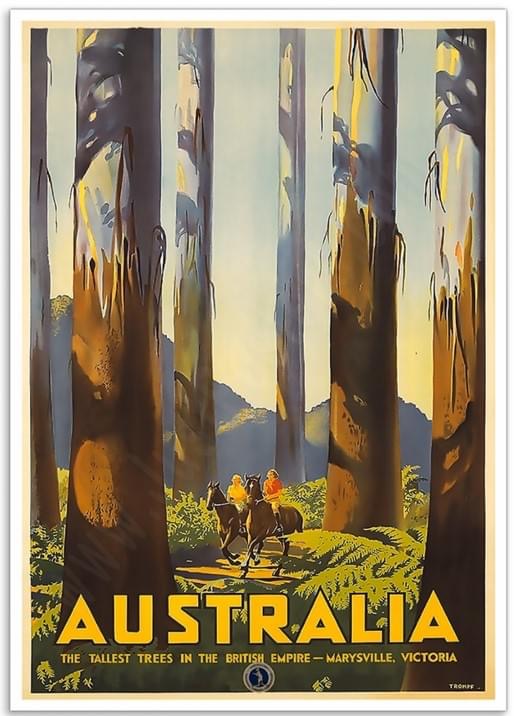
Today is World Forestry Day (WFD) which was proclaimed by the United Nations Food and Agriculture Organisation over 50 years ago in 1971. It was set down for 21 March each year to coincide with the vernal equinox when the sun passes over the equator giving equal lengths of day and night. It also marksContinue reading “World Forestry Day.”
Toolangi Forest Discovery Centre.
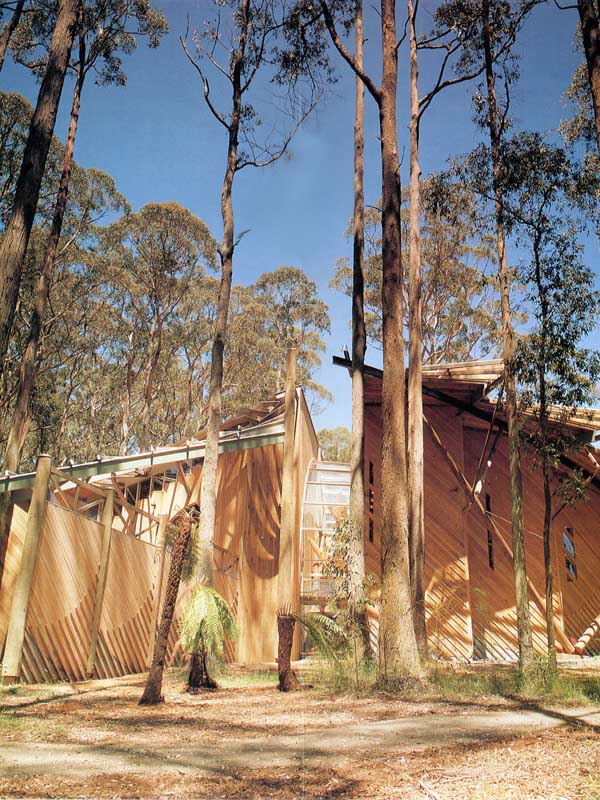
The magnificent Toolangi Forest Discovery Centre (TFDC) was opened by the State Minister for Natural Resources, Geoff Coleman, and the Federal Minister for Resources, David Beddall, to a large crowd of dignitaries on Monday 14 February 1994, but its origins can be traced back many decades earlier. During the late 1960s, the Forests Commission VictoriaContinue reading “Toolangi Forest Discovery Centre.”
Pack Saddle.

This pack saddle was thought to be owned by the Forests Commission and used by fireguards from Orbost at remote fire towers like Stringers Knob, or by forest assessors measuring stands of timber. They could spend up to a week away at time and the saddle was designed to be secured on the back ofContinue reading “Pack Saddle.”
Speedy Moisture Meter.
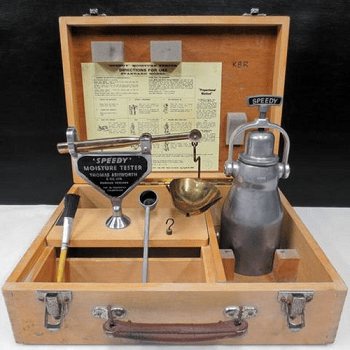
Bushfire behaviour is influenced by many things including temperature, relative humidity, forest type, fuel quantity and fuel dryness, topography and even slope. Wind has a dominant effect on the Rate of Spread (ROS), and also bushfire size, shape and direction. Fuel arrangement is as important as fuel quantity (tonnes/ha). Fibrous and ribbon bark, together withContinue reading “Speedy Moisture Meter.”
Loch Sport – 1983.

There was no respite… Three weeks after Ash Wednesday, on Thursday 10 March 1983 at about 8.30 pm, a fire broke out in the National Park about 4 km west of Loch Sport near Beacon Swamp Track. The fire began in thick coastal heathland on the southern shores of Lake Victoria and the cause wasContinue reading “Loch Sport – 1983.”
Swashway Jetty.

Snake Island is Victoria’s largest sand island and is named after its elongated serpent shape, rather than the many slithering danger noodles that often lurk in the thick t-tree scrub. The place also abounds with introduced hog deer, migratory birds, koalas and gazillions of pesky mozzies. The uninhabited island is situated within Corner Inlet inContinue reading “Swashway Jetty.”
Ash Wednesday – 16 February 1983.
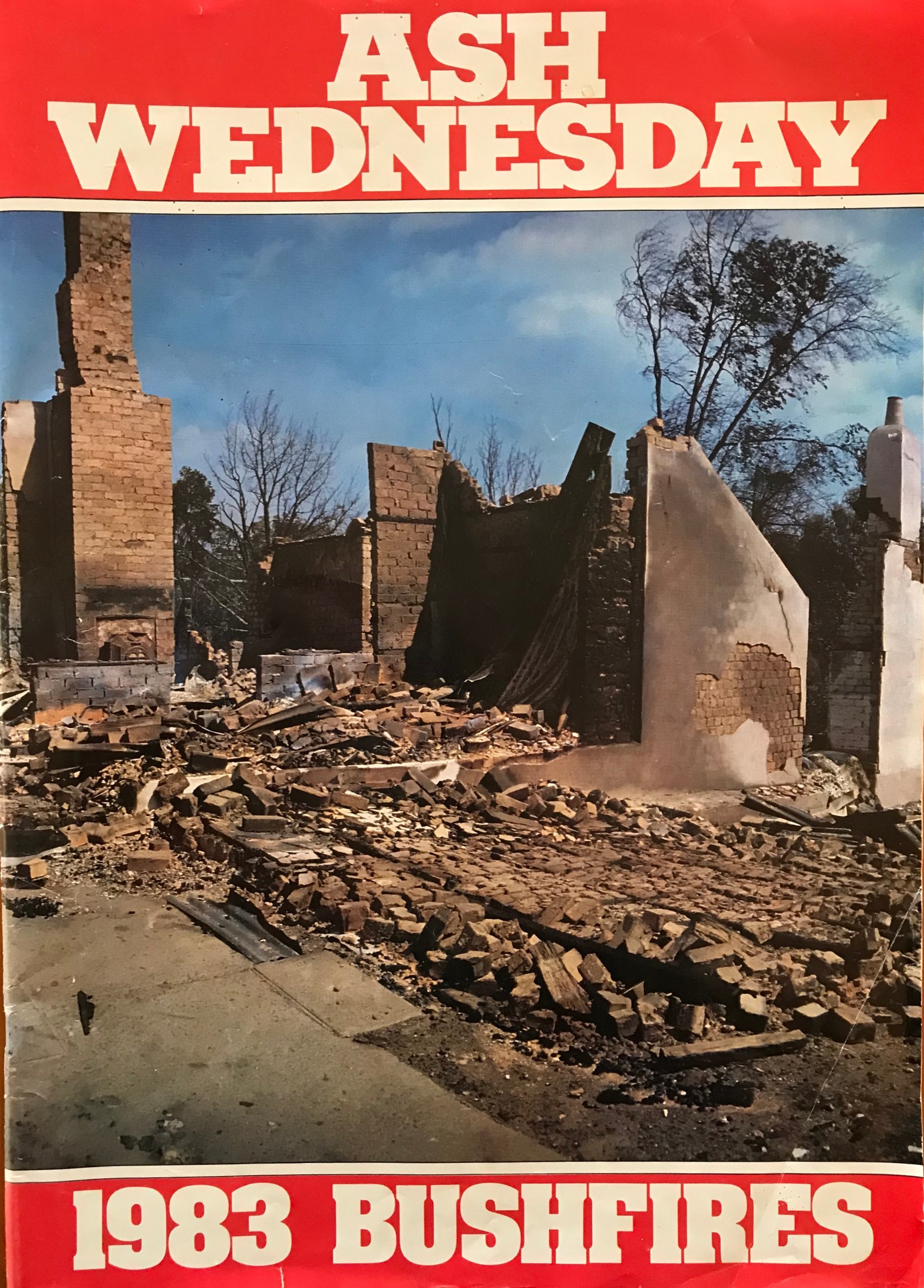
Prelude. In the lead up to the summer of 1982/83, most of Victoria experienced a severe drought, which began as early as 1979. Rainfall during the winter and spring of 1982 was low while summer rainfall for Victoria was up to 75% less than in previous years. The persistent low rainfall meant less moisture inContinue reading “Ash Wednesday – 16 February 1983.”
1983 Melbourne dust storm – countdown to catastrophe.

Victoria was in the grip of drought when Melbourne was smothered by a giant dust storm blown in from the mallee deserts during the afternoon of Tuesday 8 February 1983. Earlier in the morning a strong, but dry, cold front began crossing Victoria, preceded by hot, gusty northerly winds. The temperature in the city roseContinue reading “1983 Melbourne dust storm – countdown to catastrophe.”
Australian Fire Service Medal (AFSM).

The Australian Fire Service Medal (AFSM) is awarded by the Governor General on both Australia Day and Queens Birthday and recognises distinguished service by members of Australian fire services. Congratulations to those many firefighters across the nation that have been awarded today. But it’s been two years (and four missed opportunities) since a Victorian forestContinue reading “Australian Fire Service Medal (AFSM).”
Sir Albert Lind.

Albert Eli Lind was born on 21 February 1878 at East Charlton in northwest Victoria, but drought drove the family to East Gippsland in 1882 where they settled. Albert attended Lucknow and Bairnsdale State schools and found work in the hop and maize fields. At 12 he was apprenticed to local builders and later selfContinue reading “Sir Albert Lind.”
Parnaby Doodlings.
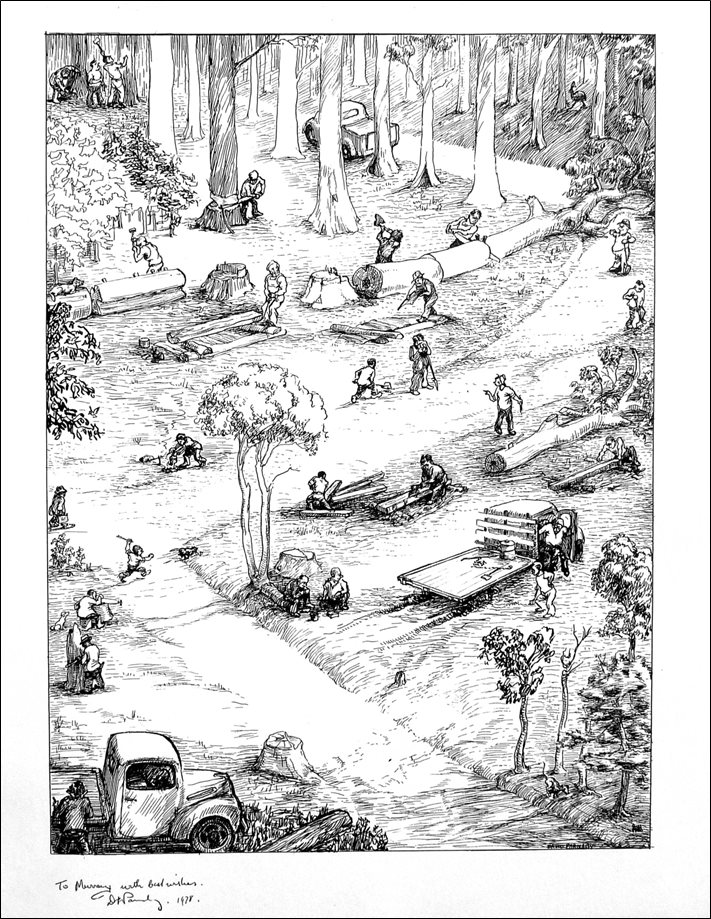
David Parnaby graduated from the Victorian School of Forestry (VSF) in 1940 and initially worked for the Forests Commission’s Assessment Branch. He later had postings to Heathcote, Powelltown, Dandenong’s, Bruthen and Beechworth Districts. Promoted as District Forester in 1951, David moved to Cann River, and then later back to Heathcote (1955), Castlemaine (1958) and DaylesfordContinue reading “Parnaby Doodlings.”
Forests and Bushfire History of Victoria – Series 3 (2022)
Here is a collection of nearly 100 stories posted on FB over this year.As with series one and two, another free e-book has been lodged in the State and National Library so the stories aren’t lost in the Facebook soup.Please feel free to download and/or share the link… https://nla.gov.au/nla.obj-3133168195/ Or here…https://drive.google.com/file/d/1F4F8drvu2F3TiIK98X-tOn5aUzSbaTeW/view?usp=sharing
Alpine Walking Track.
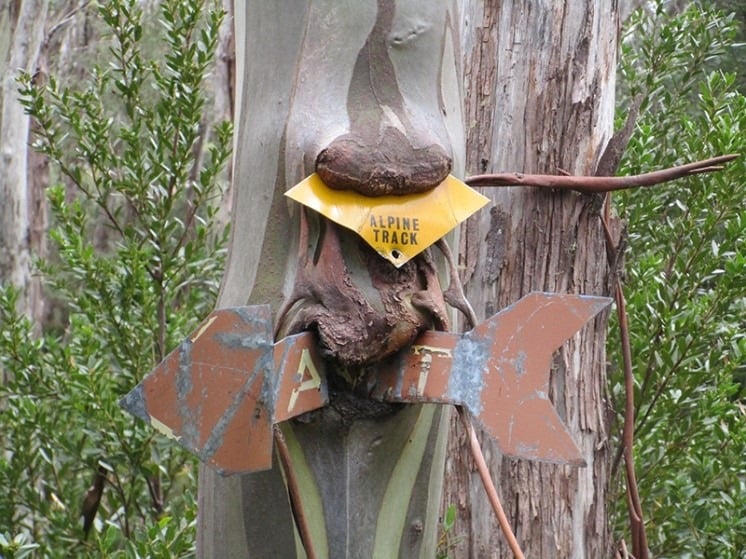
The State Government held an interest in developing tourism in the Victorian Alps as far back as the early part of last century, which at the time were considered as “Wastelands of the Crown”. A ministerial tour on horseback was arranged in March 1915 to develop firm proposals, but intervention of WW1 a few weeksContinue reading “Alpine Walking Track.”
Jensen’s wood yard – Fitzroy.
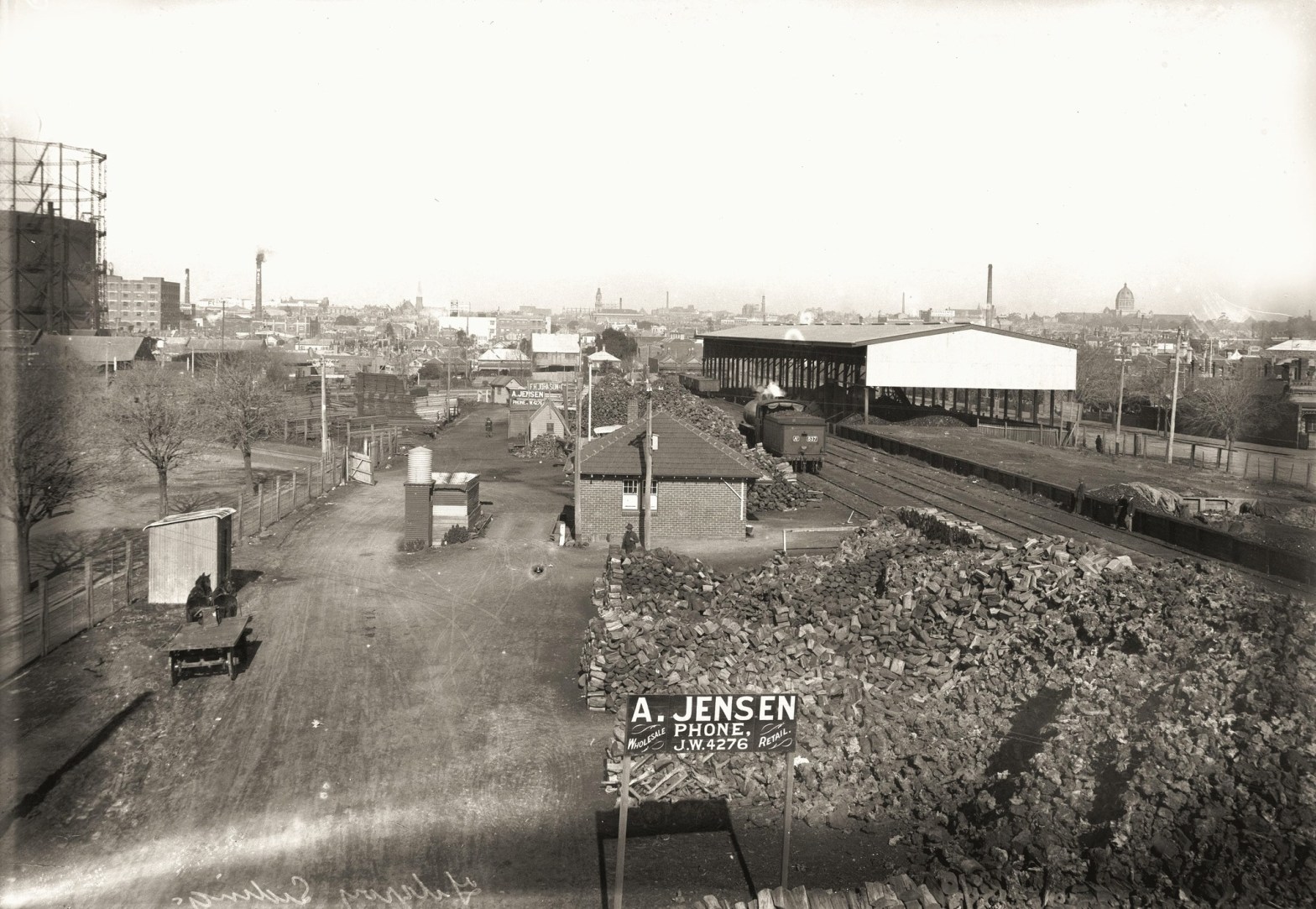
There were once over 500 of these wood yards across Melbourne. During the Victorian Firewood Emergency from 1941 to 1954 nearly two million tons was produced from Victoria’s State forests and delivered to major depots by special freight trains. Anton Jensen’s wood yard was at the Fitzroy siding on the now dismantled inner circle railway.Continue reading “Jensen’s wood yard – Fitzroy.”
FEAR Branch
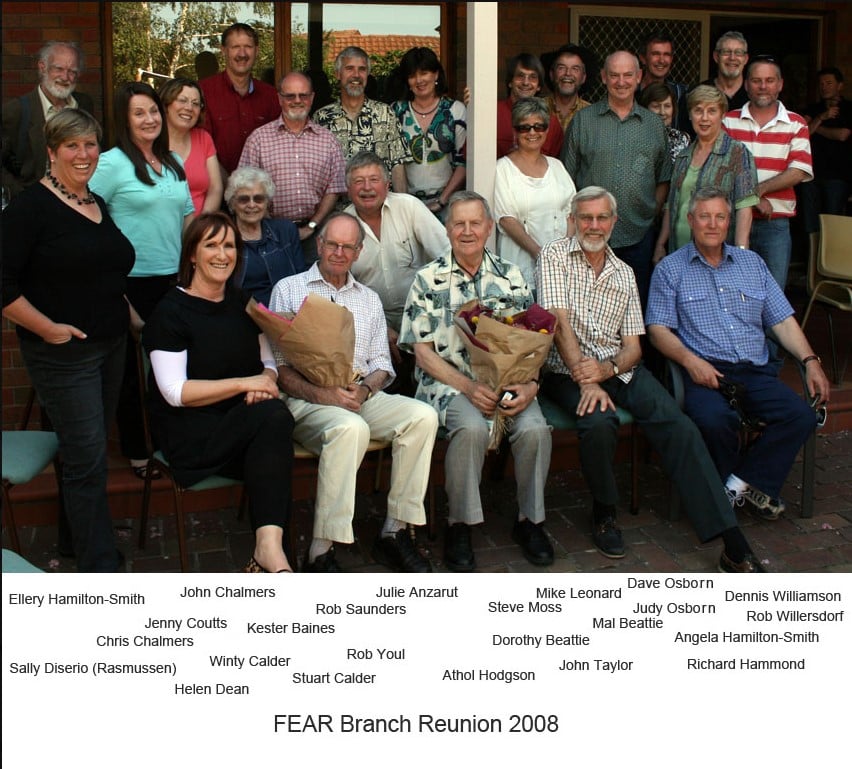
About one-third of Victoria, or about 7.1 million hectares, is publicly owned native forest. Under Section 50 of the Forest Act, it was possible for the Forests Commission to set aside reserves, usually for recreation or the conservation of natural features. In 1957 the area covered by this provision was quite small being only 700Continue reading “FEAR Branch”
Bushfire aerial reconnaissance.
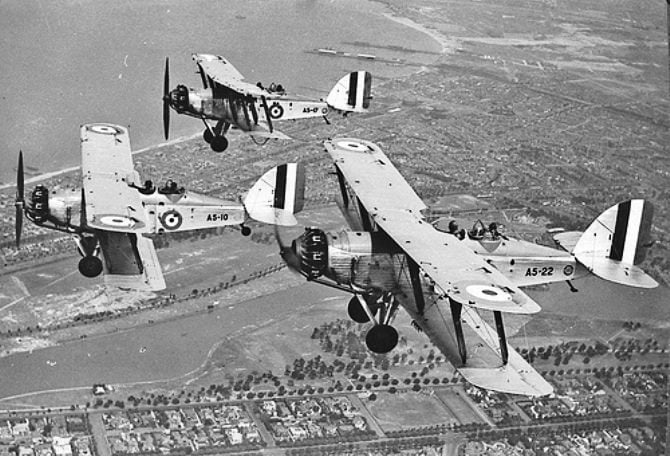
Another Australian first. The first fire spotting aircraft in Australia was deployed on 18 February 1930 when a RAAF Westland Wapiti from No.1 Squadron operating out of Point Cook near Melbourne flew over the nearby Dandenong Ranges. The first Chairman of the Forests Commission, Owen Jones, had been one of Britain’s pioneering aviators in theContinue reading “Bushfire aerial reconnaissance.”
Bjarne Dahl.

The creation of the State Forest Department (SFD) in 1907 represented the most significant institutional reform in Victoria’s history of forest and bushfire management up to that point. The fledgling department had only 66 staff and faced formidable challenges, including protecting ecosystems about which little was scientifically understood, and responsibility for vast areas of rugged,Continue reading “Bjarne Dahl.”
 Victoria’s Forests & Bushfire Heritage