
The Army Reserve was always willing to help the Forests Commission and rural municipalities blow stuff up. In November 1976, sappers in the 7 Field Engineers Regiment (7FER) from Ringwood, plus some other engineers from Gippsland, helped the Horsham Shire remove an old wooden bridge on Bulgana Road, east of Stawell. About 63 kg ofContinue reading “More blowing stuff up.”
Author Archives: Peter McHugh
Blowing stuff up.

The Forests Commission Victoria (FCV) had a large and active engineering branch for making stuff… as well as breaking stuff… Most overseers, as well as some foresters, were trained in the use of explosives to “blow stuff up” such as removing stumps and rocks from roads. Districts usually had a small powder magazine tucked awayContinue reading “Blowing stuff up.”
The knitting needle computer.
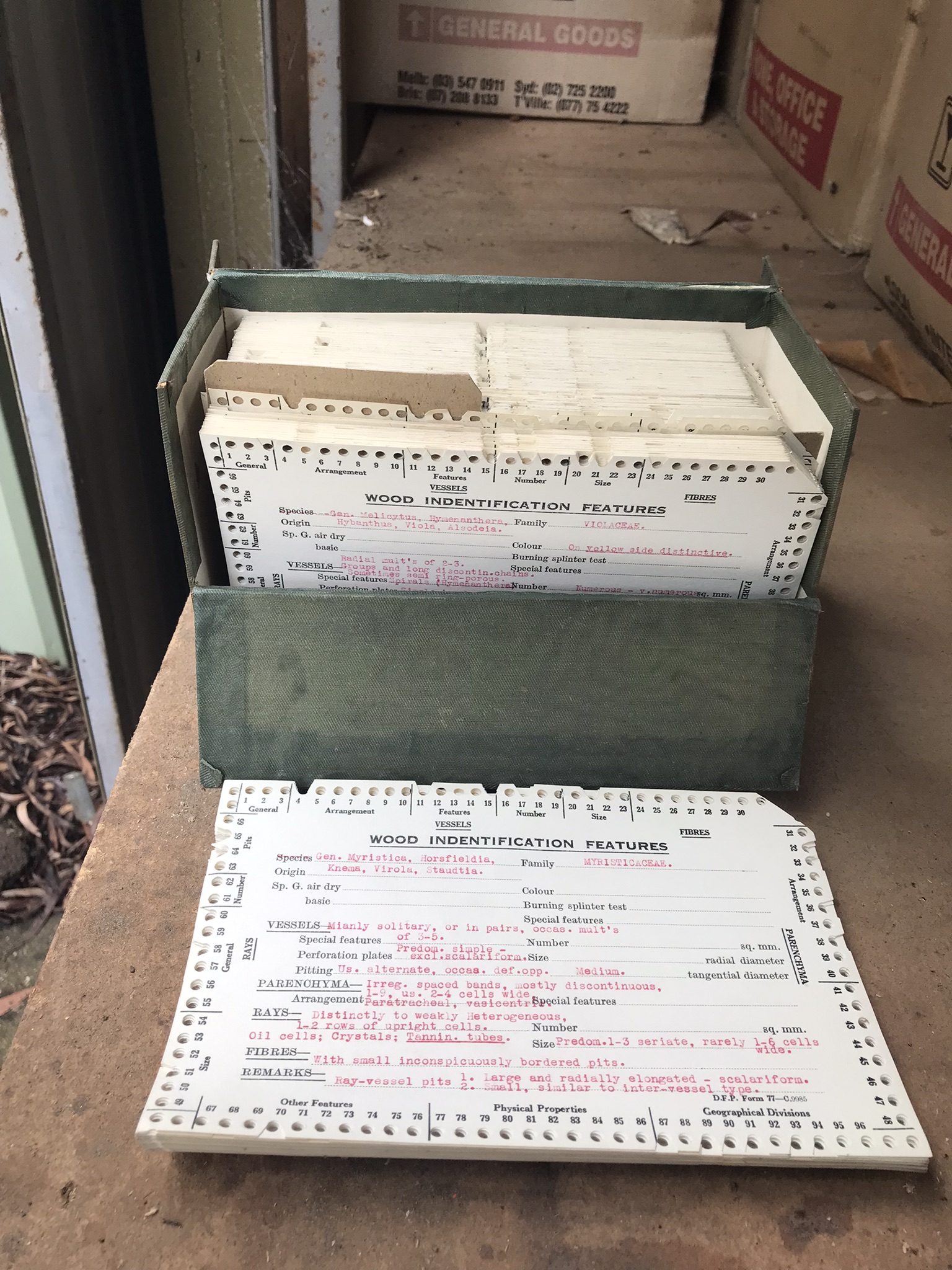
Edge-notched index cards were invented in about 1896 and have holes punched around the borders. The top right-hand corner is also clipped to help stacking the deck. The holes could be clipped to search and sort information. For foresters, these cards were commonly used to identify timber samples. Using a 10X magnifying lens, or aContinue reading “The knitting needle computer.”
Timber Workers Strike – 1929.
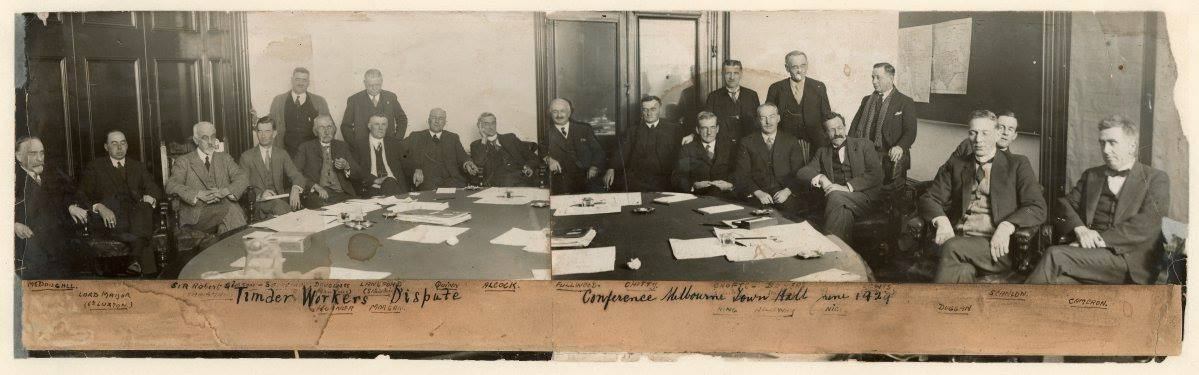
The 1929 timber workers strike was the first in Australia after the onset of the Great Depression. The strike lasted nearly six months and affected all sections of the timber industry including the Forests Commission Victoria (FCV) which supplied logs from State forest. The Commission also operated its own sawmill at Nayook, near Noojee, asContinue reading “Timber Workers Strike – 1929.”
Gateway to a Man’s Career.
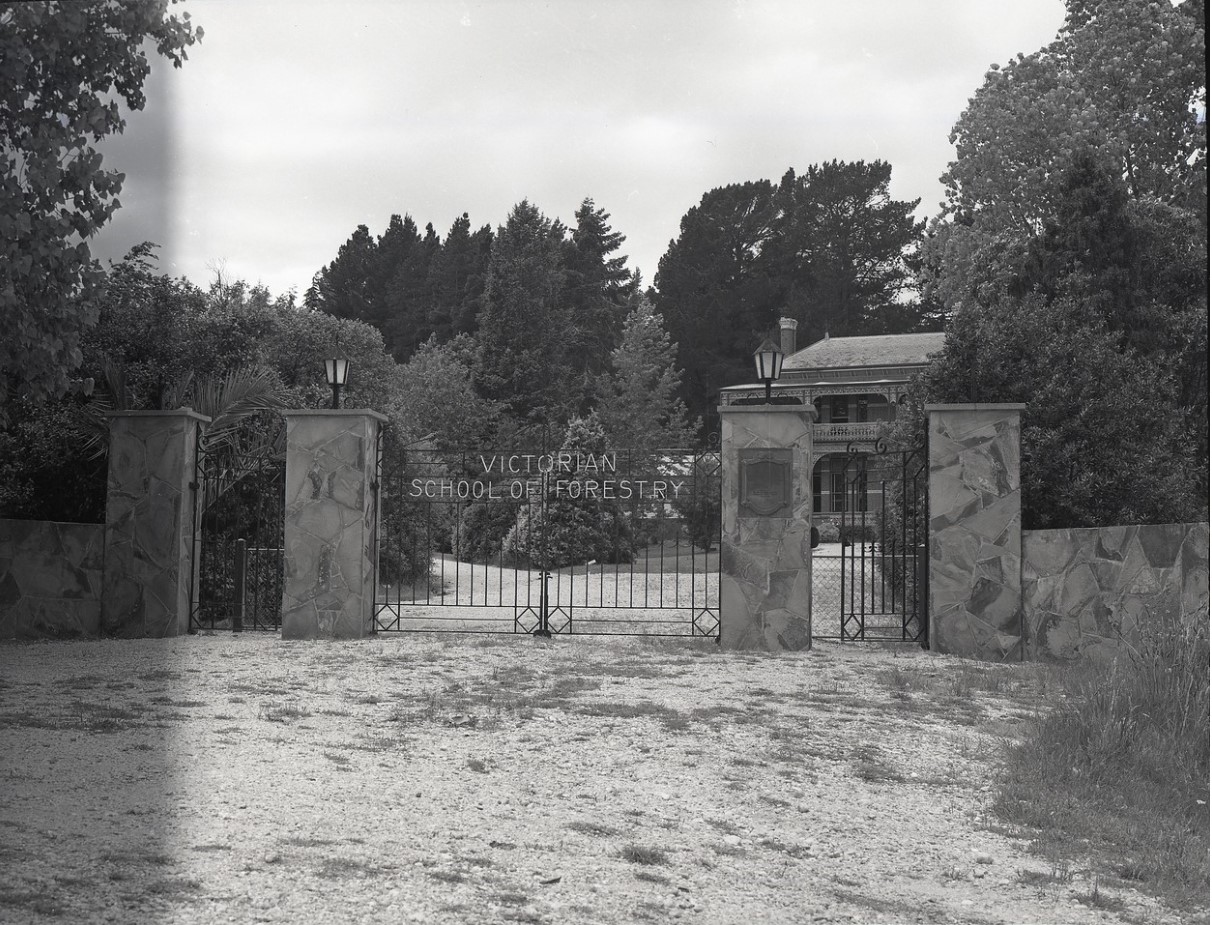
The main gates to the Victorian School of Forestry (VSF) at Creswick were dedicated to Sir Alexander Peacock KCMG by the Minister for Lands and Forests, Sir Albert Lind, on 10 October 1952. Prior to the new gates there was just a simple wire fence. Peacock was born at Creswick in 1861 and was theContinue reading “Gateway to a Man’s Career.”
Leslie (Les) Thomas Ortlipp.
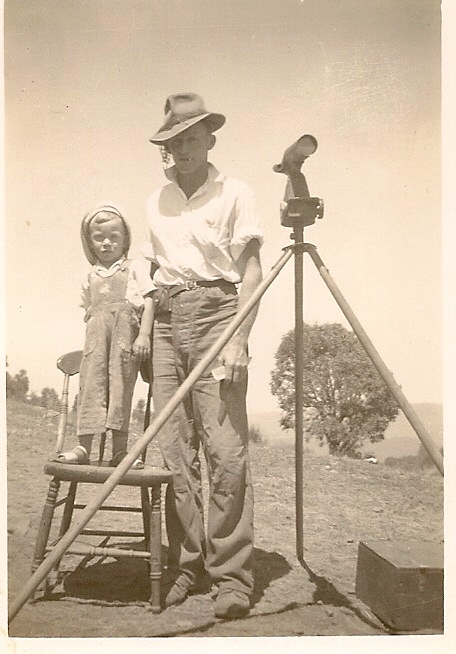
Les Ortlipp was born on 18 May 1925 at Culcairn in New South Wales but moved to Bright in NE Victoria in 1933 after his father died and his mother remarried. Les left school aged 12 and took an apprenticeship at the local Jack Sharp’s bakery. When aged only 16, Les lied about his ageContinue reading “Leslie (Les) Thomas Ortlipp.”
World’s first bushfire reconnaissance flight.
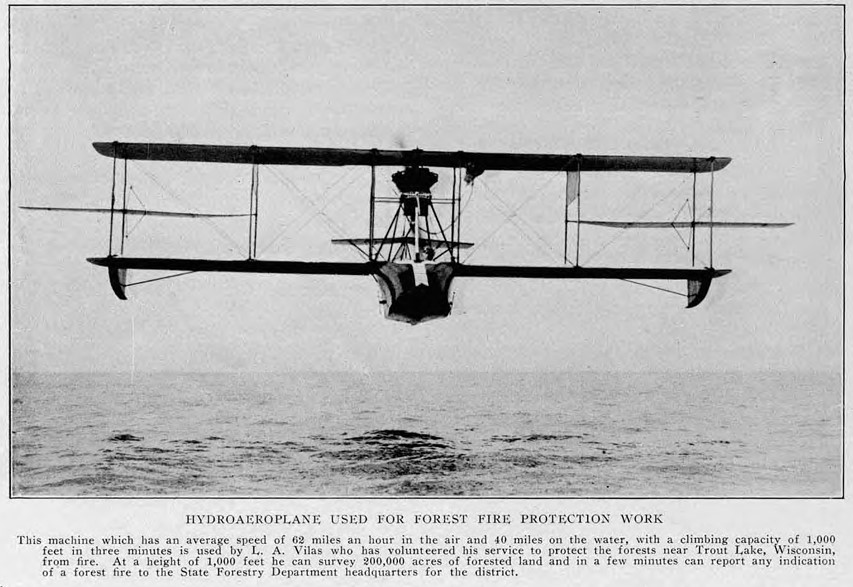
On 29 June 1915, 108 years ago today, what is believed to be the world’s first forest patrol flight was made at Trout Lake in Wisconsin. Aviation pioneer and wealthy Chicago sportsman Logan “Jack” Vilas made the initial flight to demonstrate the viability of using aircraft in fire prevention. He took Chief Forester, Edward Griffith,Continue reading “World’s first bushfire reconnaissance flight.”
Thomson Reservoir High Water Mark.
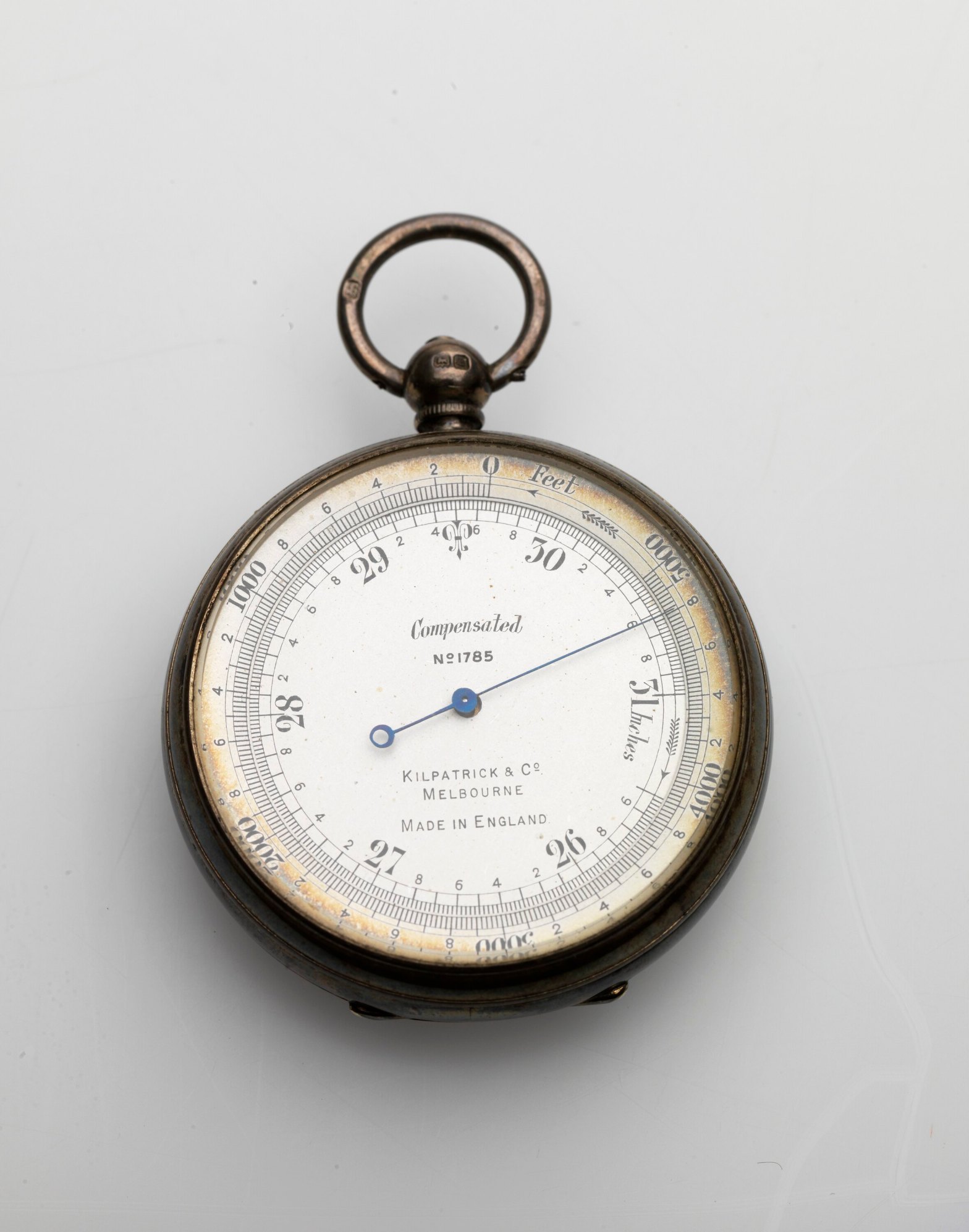
The decision to build the massive Thomson Dam in Gippsland was a result of a State Government inquiry into Melbourne’s water security in the late 1960s. The dam wall and diversion tunnels were built in three stages between 1969 and 1985. But unlike the Upper Yarra and Maroondah catchments which were “vested“ in the MelbourneContinue reading “Thomson Reservoir High Water Mark.”
Yarra Tribs.
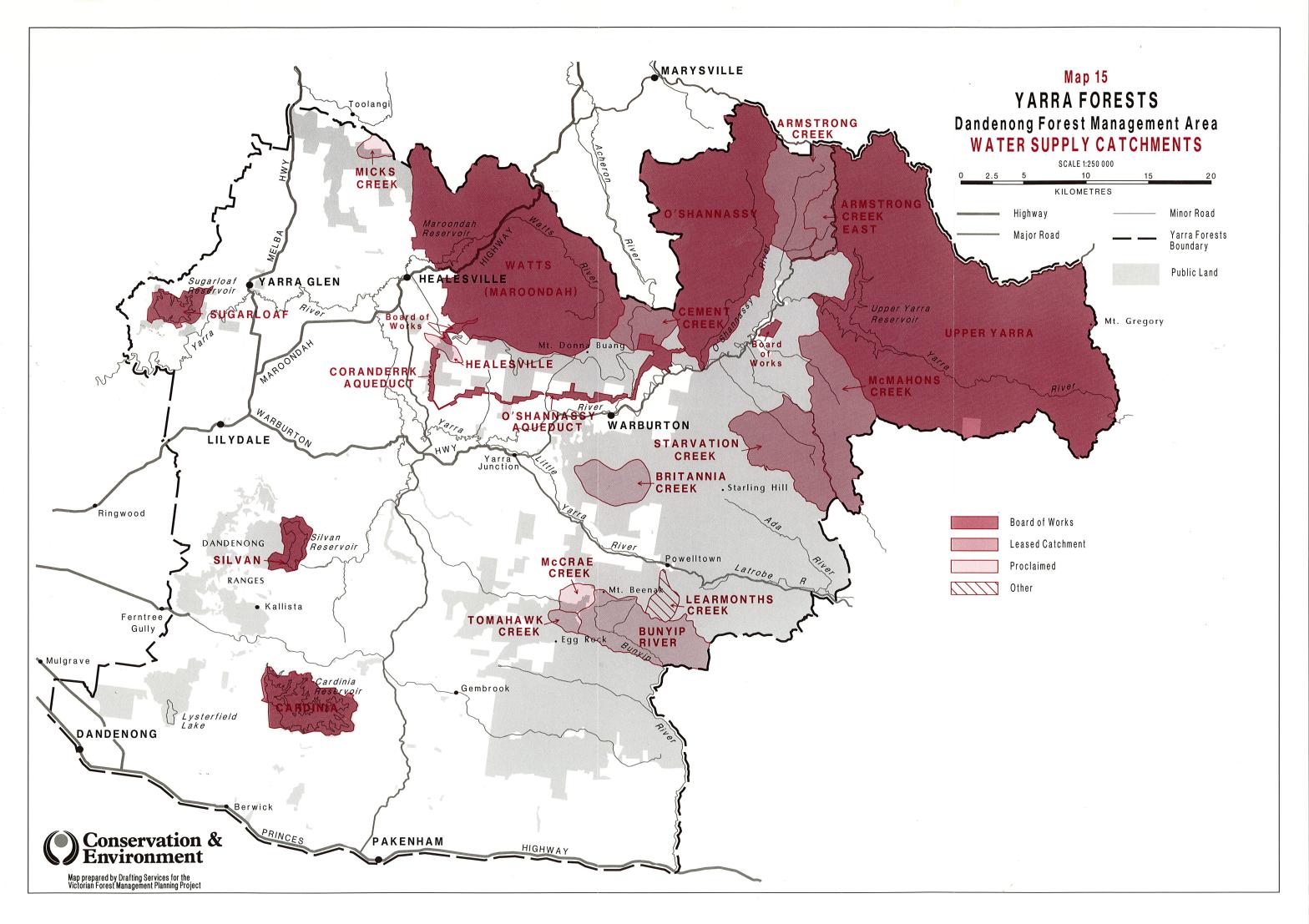
The 1960s saw more prolonged droughts and water restrictions. There were also deadly bushfires on the fringes of Melbourne in 1962, and again in 1968. Growing concerns about long term water security led to a Parliamentary Public Works Committee inquiry between 1965 and 1967. In response to the inquiry, the Bolte Government immediately approved worksContinue reading “Yarra Tribs.”
Jackie Lewis – MMBW Ranger.
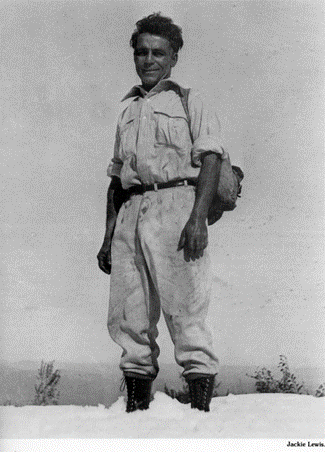
Jackie Lewis began as a Ranger in 1924 with the Melbourne and Metropolitan Board of Works (MMBW) and worked in the remote Upper Yarra water catchments beyond Warburton and Woods Point. The legendary “Iron Man” of the bush enjoyed the solitary nature of his work. As a champion long-distance runner Jackie was selected for theContinue reading “Jackie Lewis – MMBW Ranger.”
O’Shannassy Aqueduct.
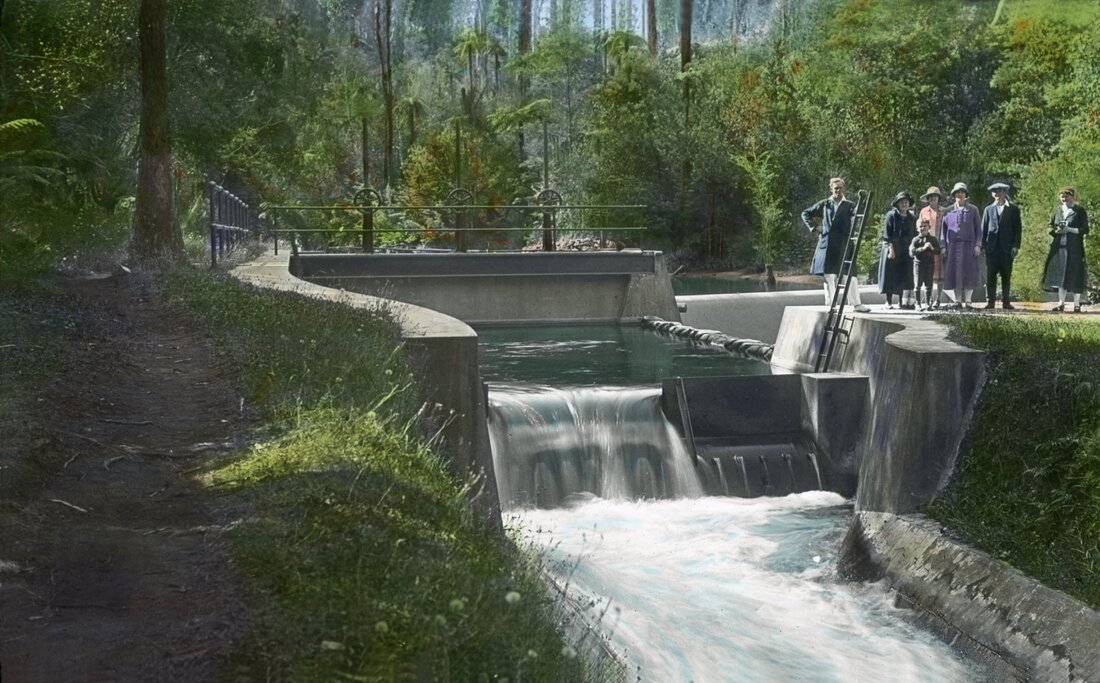
Melbourne grew rapidly after the 1851 gold rush and struggled to maintain adequate water supplies and sewerage disposal. All the night soil, trade waste, as well as waste from kitchens and homes was just thrown into open channels in the street and it simply flowed wherever gravity took it… mostly into the Yarra River. TheContinue reading “O’Shannassy Aqueduct.”
Notre Dame.

Up to a thousand Sessile oaks (Quercus petraea) were felled to reconstruct the ancient 800-year-old timber roof and fallen spire of Notre Dame Cathedral in Paris after it was destroyed by fire in April 2019. A nationwide tree hunt began soon after French president, Emmanuel Macron, decided that the iconic Cathedral would be rebuilt exactlyContinue reading “Notre Dame.”
Butter Boxes.

Warrnambool in southwest Victoria has a strong dairy industry that once boasted two factories making thousands of wooden butter boxes. The first factory was opened in 1896 near the railway station by Welsh immigrant Henry McGennan. The second factory owned by the Western District Co-Operative Box Company, came a few years later in 1912, onContinue reading “Butter Boxes.”
Sleepers
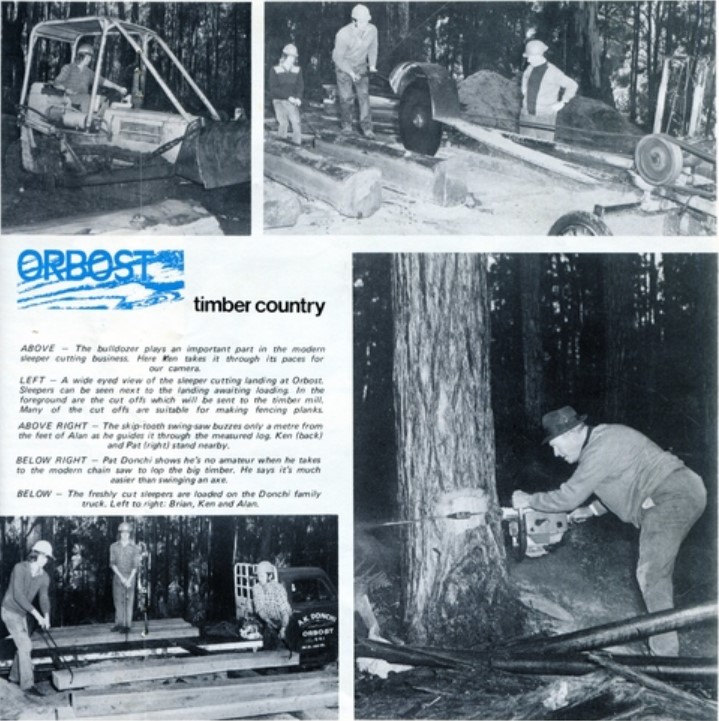
The figures for railway sleepers produced from State forests are simply astounding. More than 26 million were cut between 1919 and 1986, primarily from the red gum forests along the Murray, the yellow stringybark forests of Mullundung near Yarram and greybox from East Gippsland. Sleeper cutting began around Orbost in the 1920s and there areContinue reading “Sleepers”
Footy and Rabbits.
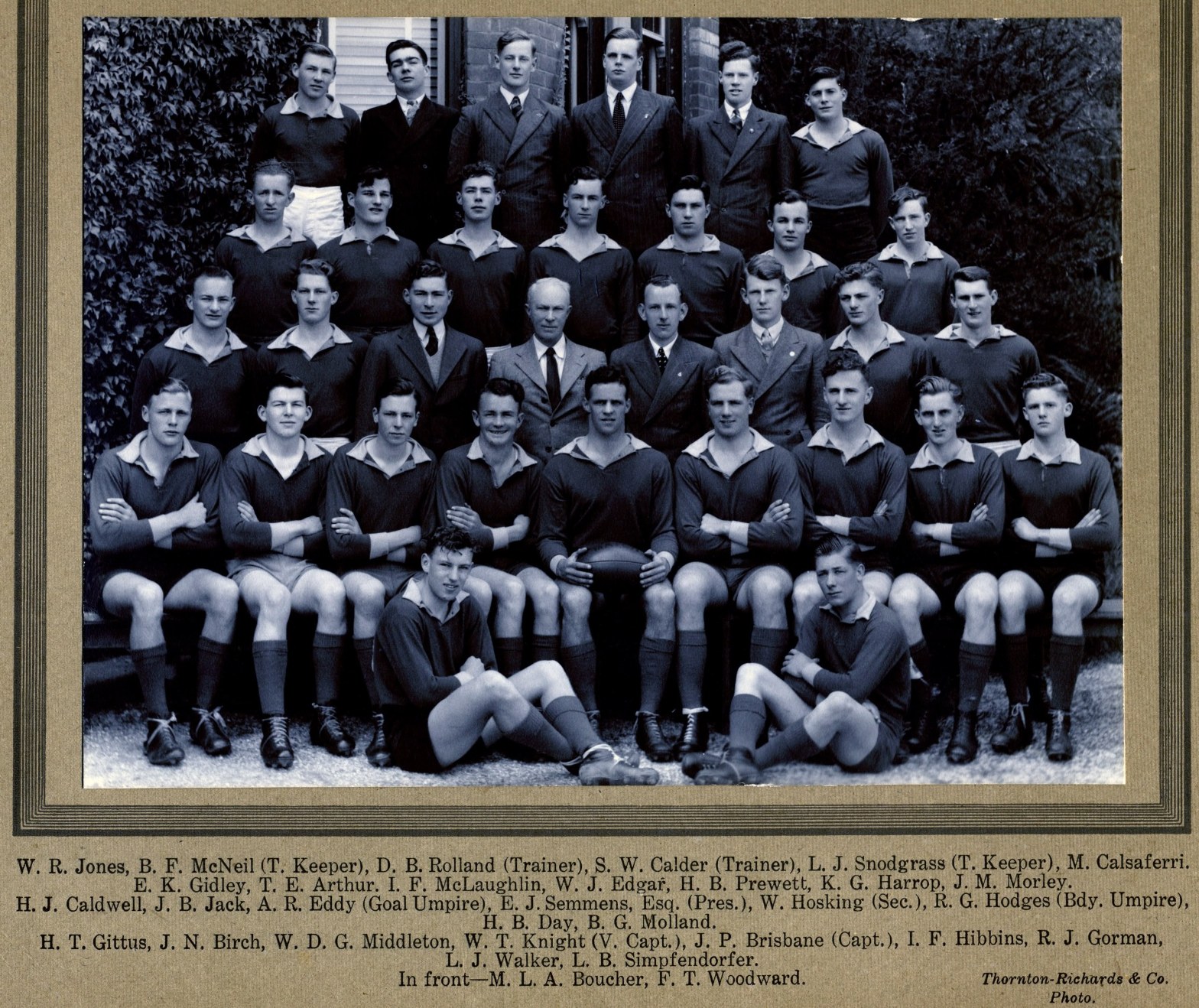
For many years, the number of students at the Victorian School of Forestry (VSF) at Creswick was too small to field its own competitive football team. In 1942 there were only about 17 students, but in 1944 the annual intake increased, with the result that by 1946 the number in residence had more than doubledContinue reading “Footy and Rabbits.”
South Cascade Bridge.

In the wake of the 1939 bushfires, a major log salvage program was undertaken by the Forests Commission Victoria (FCV) across the Central Highlands. Logs salvaged from the Thomson Valley and destined for sawmills at Erica travelled on a complex network of timber tramways. Before the fires, the well-established Ezards company already operated several sawmillsContinue reading “South Cascade Bridge.”
Yellow Gum – VSF.
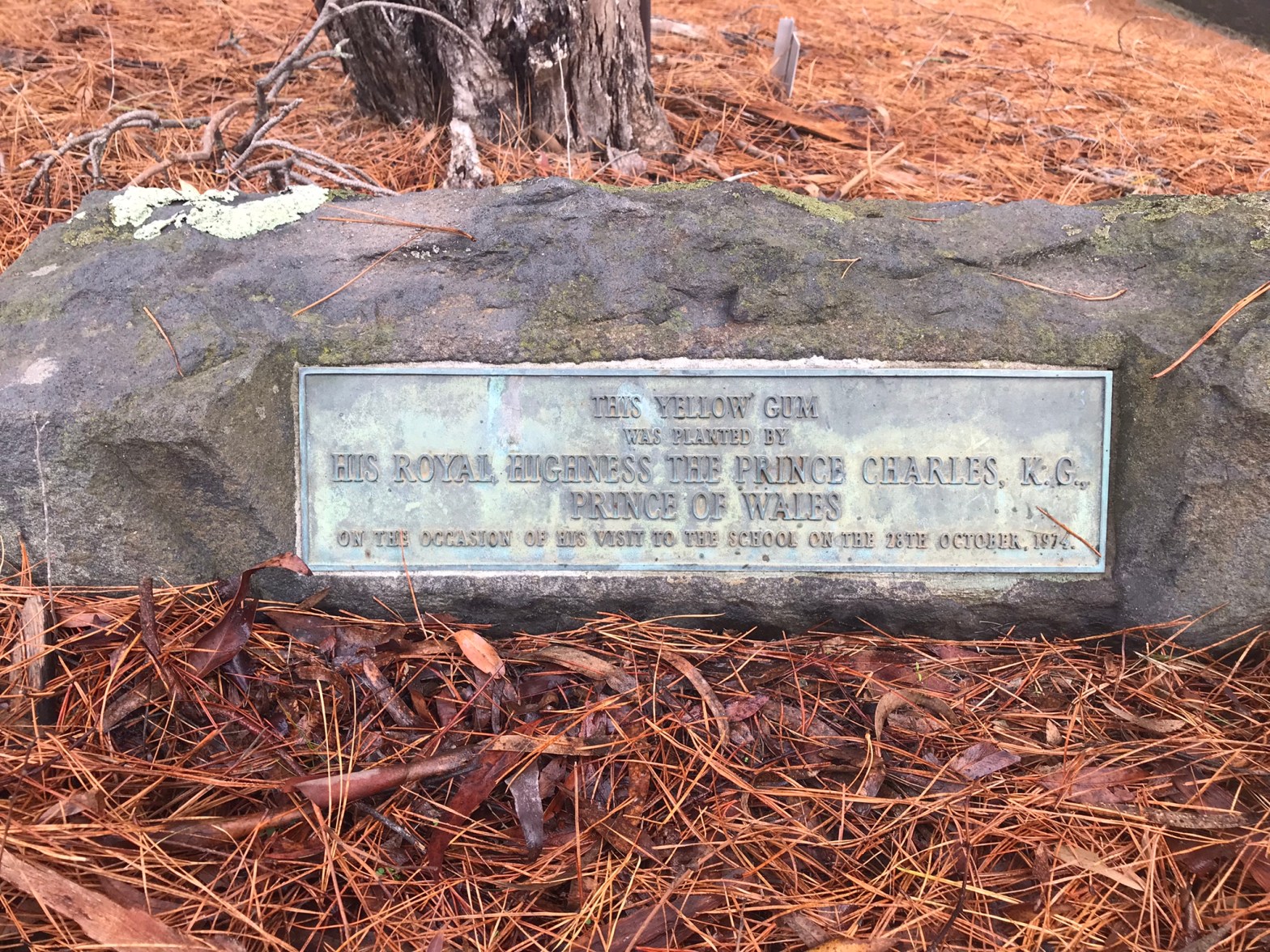
The grounds at the Victorian School of Forestry (VSF) at Creswick have many significant trees, some dating back over more than a century. When Prince Charles stayed overnight at VSF on 28 October 1974 he planted a Yellow Gum (E. leucoxylon) near the science lab. The tree survives but it’s a bit overshadowed by someContinue reading “Yellow Gum – VSF.”
Poverty Point Bridge.

Also known as the Tramway Bridge or the Old Steel Bridge, Poverty Point Bridge was designed by Mr. Timmins, an engineer from the Victorian Railways. The prefabricated steel components were manufactured by Dorman Long and Co and erected in 1900 by Austral Otis Co from South Melbourne. Dorman Long and Co was a Middlesborough firmContinue reading “Poverty Point Bridge.”

