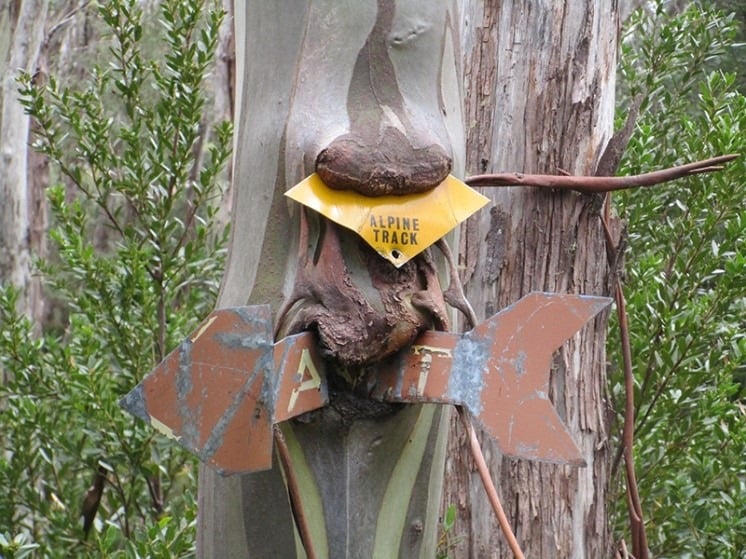
The State Government held an interest in developing tourism in the Victorian Alps as far back as the early part of last century, which at the time were considered as “Wastelands of the Crown”. A ministerial tour on horseback was arranged in March 1915 to develop firm proposals, but intervention of WW1 a few weeksContinue reading “Alpine Walking Track.”
Author Archives: Peter McHugh
Jensen’s wood yard – Fitzroy.
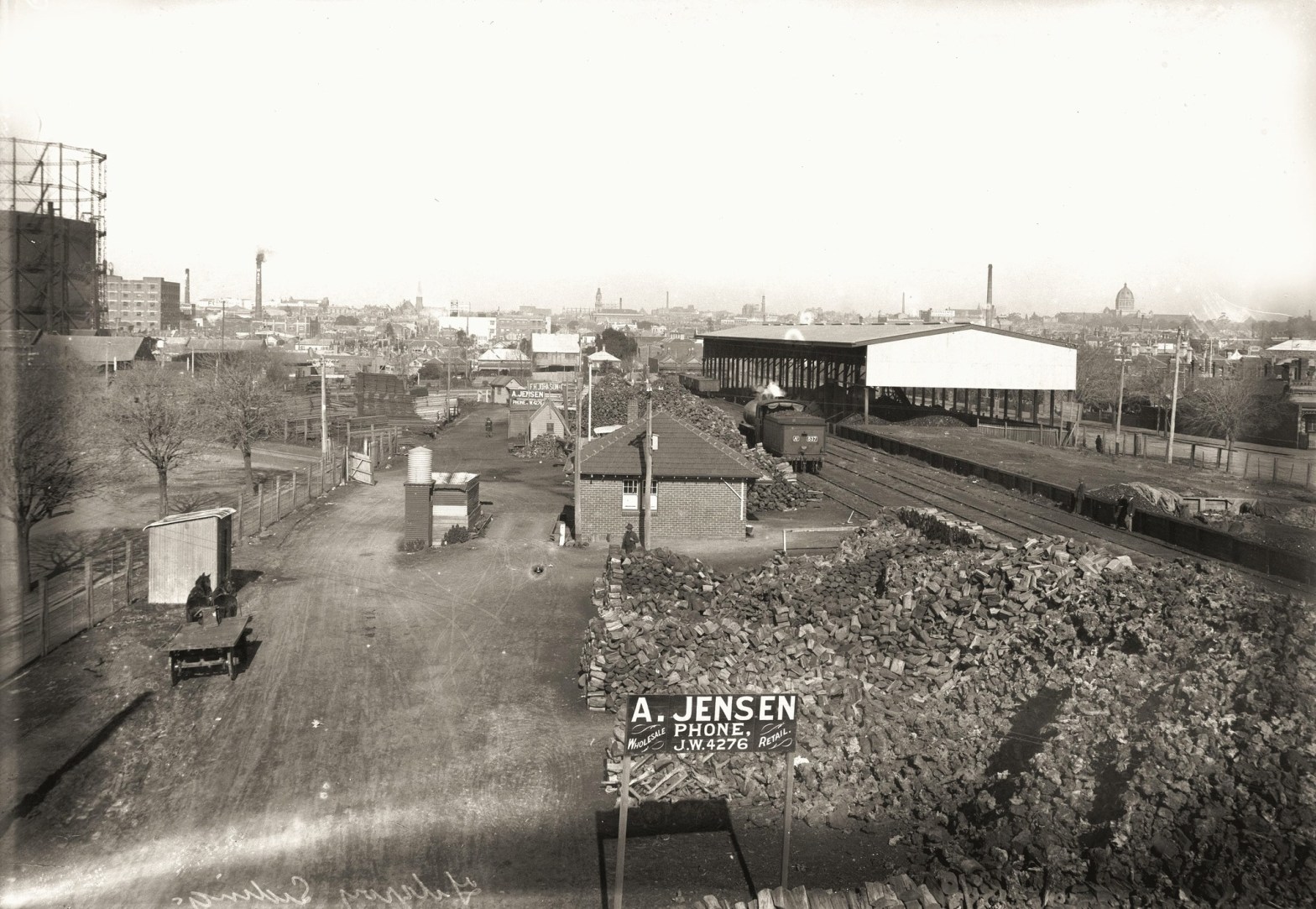
There were once over 500 of these wood yards across Melbourne. During the Victorian Firewood Emergency from 1941 to 1954 nearly two million tons was produced from Victoria’s State forests and delivered to major depots by special freight trains. Anton Jensen’s wood yard was at the Fitzroy siding on the now dismantled inner circle railway.Continue reading “Jensen’s wood yard – Fitzroy.”
FEAR Branch
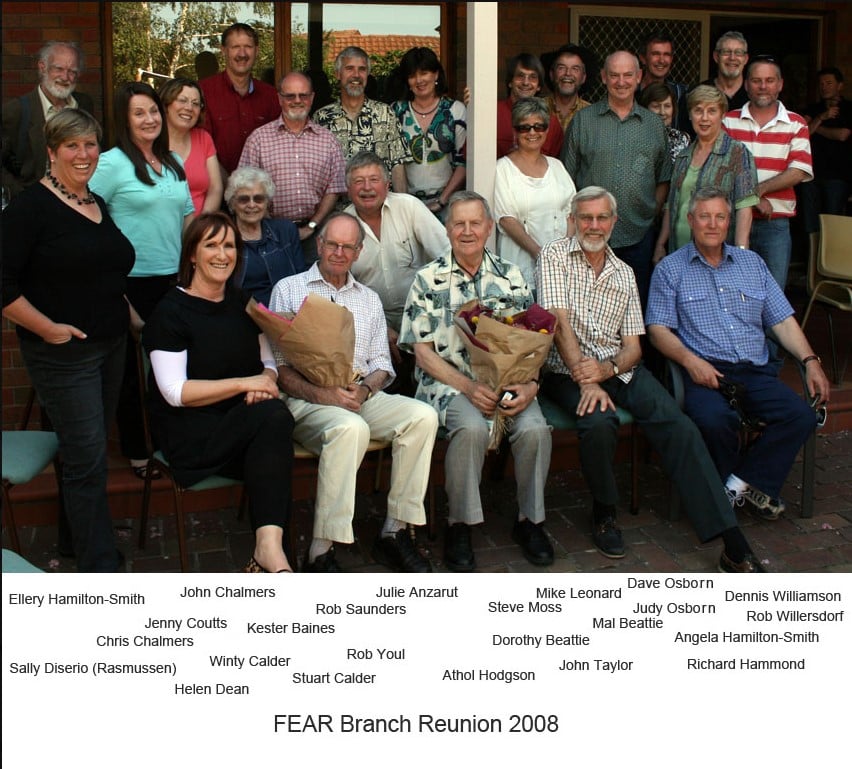
About one-third of Victoria, or about 7.1 million hectares, is publicly owned native forest. Under Section 50 of the Forest Act, it was possible for the Forests Commission to set aside reserves, usually for recreation or the conservation of natural features. In 1957 the area covered by this provision was quite small being only 700Continue reading “FEAR Branch”
Bushfire aerial reconnaissance.
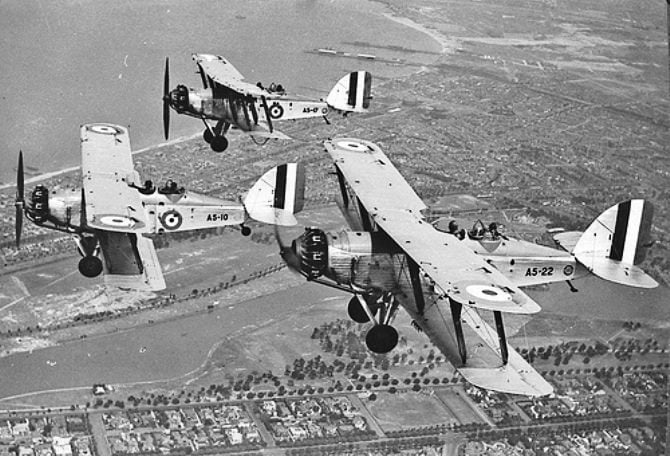
Another Australian first. The first fire spotting aircraft in Australia was deployed on 18 February 1930 when a RAAF Westland Wapiti from No.1 Squadron operating out of Point Cook near Melbourne flew over the nearby Dandenong Ranges. The first Chairman of the Forests Commission, Owen Jones, had been one of Britain’s pioneering aviators in theContinue reading “Bushfire aerial reconnaissance.”
Bjarne Dahl.

The creation of the State Forest Department (SFD) in 1907 represented the most significant institutional reform in Victoria’s history of forest and bushfire management up to that point. The fledgling department had only 66 staff and faced formidable challenges, including protecting ecosystems about which little was scientifically understood, and responsibility for vast areas of rugged,Continue reading “Bjarne Dahl.”
Charles Thomas Smith.

Charles was born in January 1899 at Yarragon in Gippsland. Following graduation in 1917 from the Victorian School Forestry VSF) Charles enlisted in the AIF (#57139) on 17 April 1918. After embarkation on 16 June and arrival in Egypt where he underwent additional training and was allotted to the now famous 4th Light Horse RegimentContinue reading “Charles Thomas Smith.”
Romain and Gilbert Smith.
Romain Smith was born in 1891 at Waterloo near Beaufort. Romain saw active service during World War 1 after enlisting on 2 February 1915 at Bendigo (#696). He described his occupation as government fencer. He joined the 22nd Battalion AIF and embarked on 8 May 1915. His army records show that Romain got into aContinue reading “Romain and Gilbert Smith.”
Stanley Robert McDougall VC.
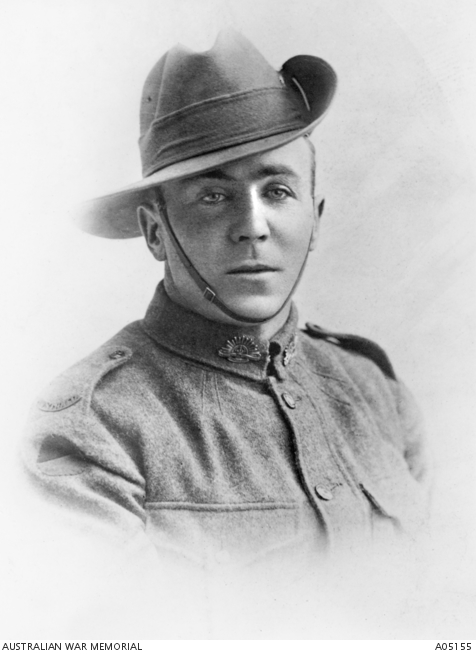
Stan McDougall, soldier and forester, was born in Recherche in Tasmania on 23 July 1889 and became a blacksmith. Illness prevented him from enlisting in the AIF until 31 August 1915 when he was posted to the 12th Reinforcements of the 15th Battalion. In Egypt, on 3 March 1916, he was drafted into the 47thContinue reading “Stanley Robert McDougall VC.”
Colin Colahan – War Artist.
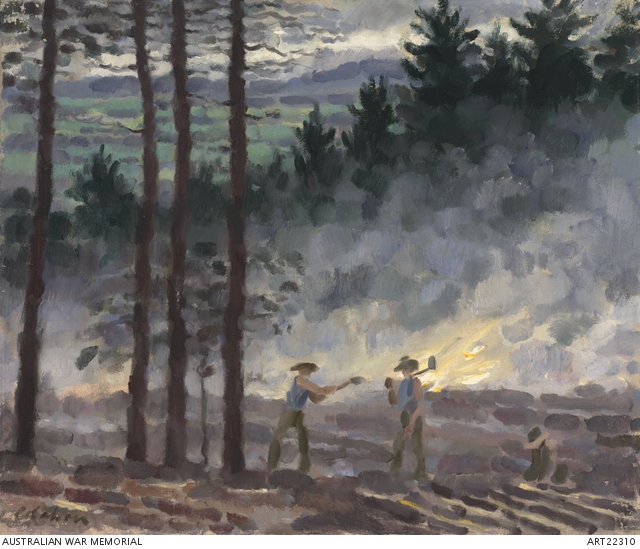
The Australian War Memorial (AWM) holds over 90 artworks of Colin Colahan. Colahan was born in Victoria in 1897 and gave up medical studies to attend the National Gallery School in 1917. He moved to Europe in 1935 and never returned to Australia. In London in August 1942, he was appointed as an official AustralianContinue reading “Colin Colahan – War Artist.”
Forestry Companies.

Soon after the outbreak of World War Two, the British Government requested experienced forestry soldiers from Australia, New Zealand and Canada to be deployed in France as part of the British Expeditionary Force. But the French Government had stipulated that they must be commanded by trained foresters so that the wasteful cutting and forest destructionContinue reading “Forestry Companies.”
Remembrance Day.
Today is special for Australians, young and old, for many different reasons. The custom across the British Empire of observing a minute’s silence on Remembrance Day is largely due to Australian soldier and journalist Edward George Honey. A small unassuming plaque can be found near the Shrine of Remembrance in Birdwood Ave. Edward never returnedContinue reading “Remembrance Day.“
On the Somme.
Very little is recorded about Australian forestry efforts during WW1. Huge quantities of timber were needed on the Western Front and by 1918 the British were exploiting about 44,500 hectares in a dozen locations north of the river Seine. But it’s reported that relations between the Allies over forestry issues were not always cordial andContinue reading “On the Somme.“
Norman Allan McDonald.

Norman was born in 1893 at Jerek and entered the Victorian School of Forestry (VSF) but did not graduate. Norman signed up in Bendigo in March 1916 with the 38 battalion (#750). He joined with his brother Alexander Cosmo McDonald (#751). They both embarked from Melbourne on board HMAT A54 Runic on 20 June 1916.Continue reading “Norman Allan McDonald.”
Reginald Graham Lindsay.
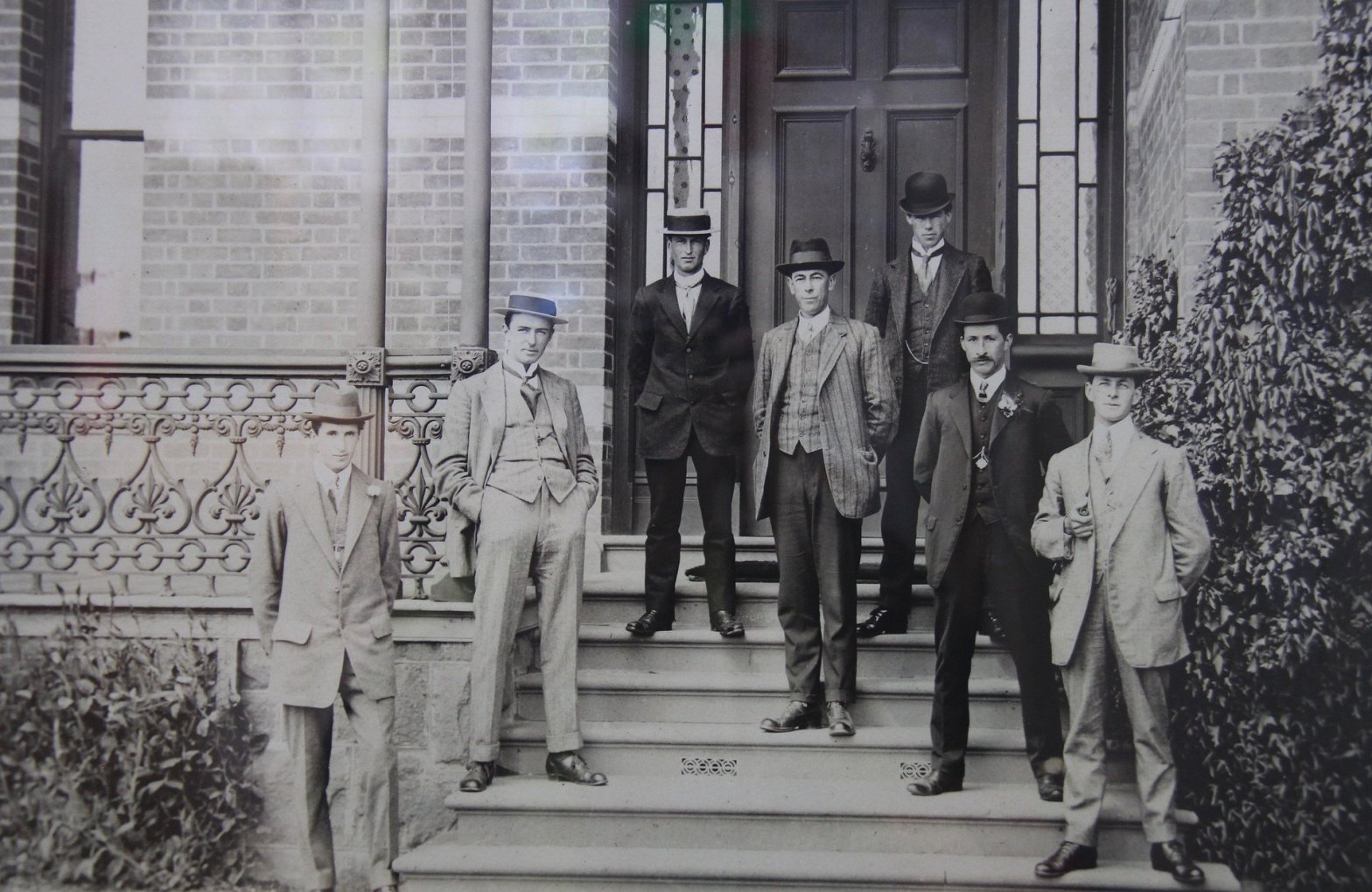
Reg Lindsay was one of the first foresters to graduate from the Victorian School of Forestry at Creswick in 1912. He was also a member of the famous Creswick artist family and brother of Norman Lindsay, the author of The Magic Pudding. Sadly, Reg was killed instantly in France with four other soldiers while queuingContinue reading “Reginald Graham Lindsay.“
Norman Leonard Boston.
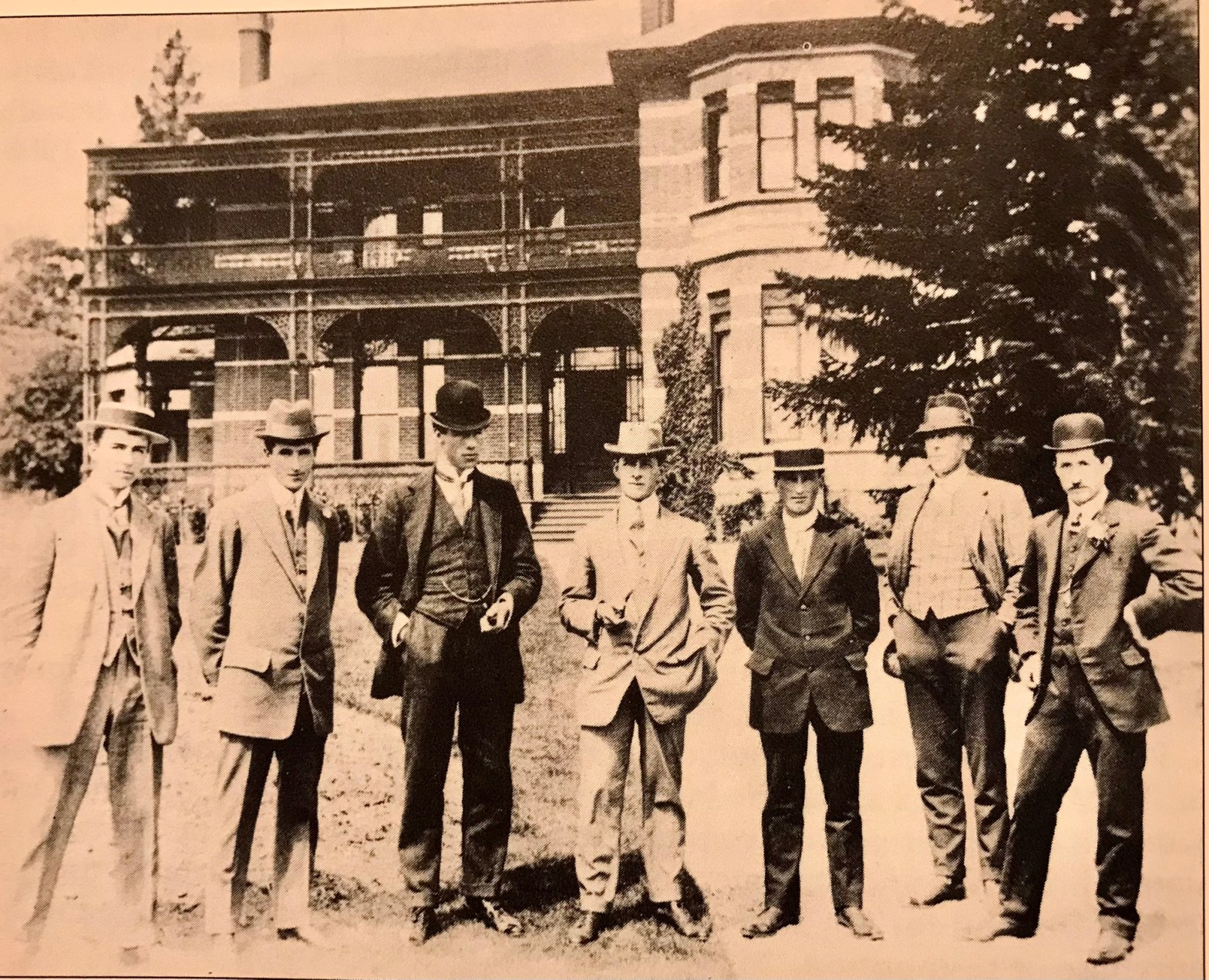
Norman Boston was one of the first to attend the Victorian School of Forestry at Creswick in 1912 as nursery staff. He was born in Daylesford and enlisted in the 59 Battalion AIF (#2578) in 1916, at a relatively senior age of 38 and 7 months. He embarked on the Shropshire in September 1916 andContinue reading “Norman Leonard Boston.”
Frederick Anderson.

Frederick Anderson was born on 15th July 1893 in Buangor, which is between Ballarat and Stawell. He enlisted for military service with the 14th battalion on 14th September 1914 and remained until 10th May 1919. He was one of the first to join up and his service number was 545. His occupation before enlistment wasContinue reading “Frederick Anderson.”
Reginald Ingle.

Reg was born at Beechworth in 1899 and entered the forestry school at Creswick in 1915. It’s reported that he, along with many others, struggled with his subjects and was required to sit supplementary exams. At the time, nearly half of the intake failed. The Board blamed students and the staff for the poor results.Continue reading “Reginald Ingle.”
Frederick Conrad Weickhardt.
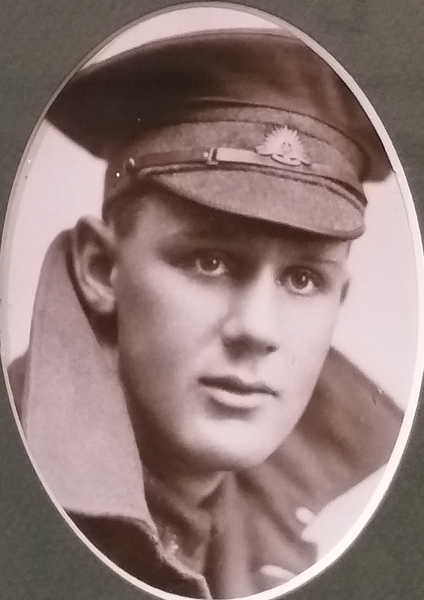
Frederick Conrad Weickhardt was born in Clunes in February 1899. Con as he was known to his family, was one of nine candidates to pass the entrance exam into Victorian School of Forestry (VSF) at Creswick in April 1913. Like another of his fellow students who went off to the war, David Kennedy Galbraith, FrederickContinue reading “Frederick Conrad Weickhardt.”
 Victoria’s Forests & Bushfire Heritage