By the early 1960s, there was a growing recognition by Australian foresters of the need for large-scale controlled burning to reduce fuel loads.
Alan McArthur published his landmark paper, “Controlled burning in eucalypt forests” in 1962. Leaflet No. 80 proved a turning point for forest and fire managers across Australia.
It also became evident that incendiaries dropped from aircraft was the most efficient way to treat large areas during the brief windows of suitable weather.
Two separate aviation developments followed – a fixed-wing technique by the CSIRO in collaboration with the Western Australian Forests Department, and a helicopter technique by the Forests Commission in Victoria.
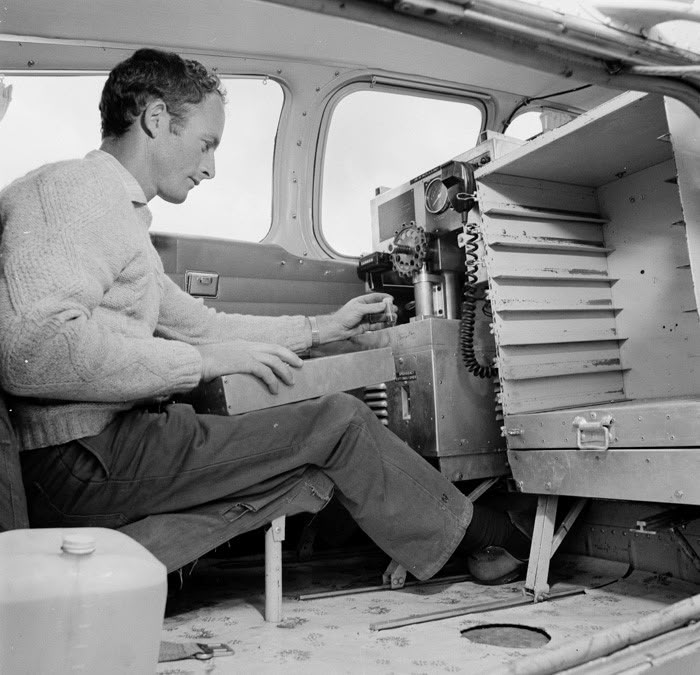
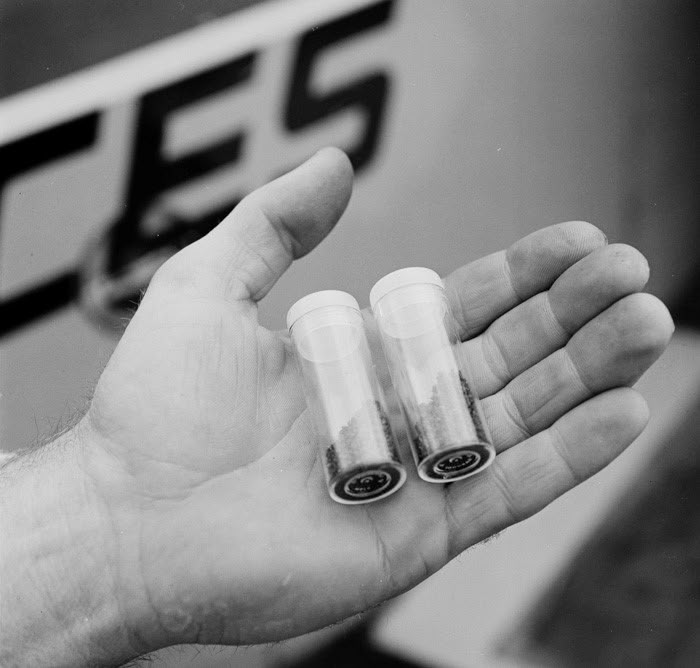
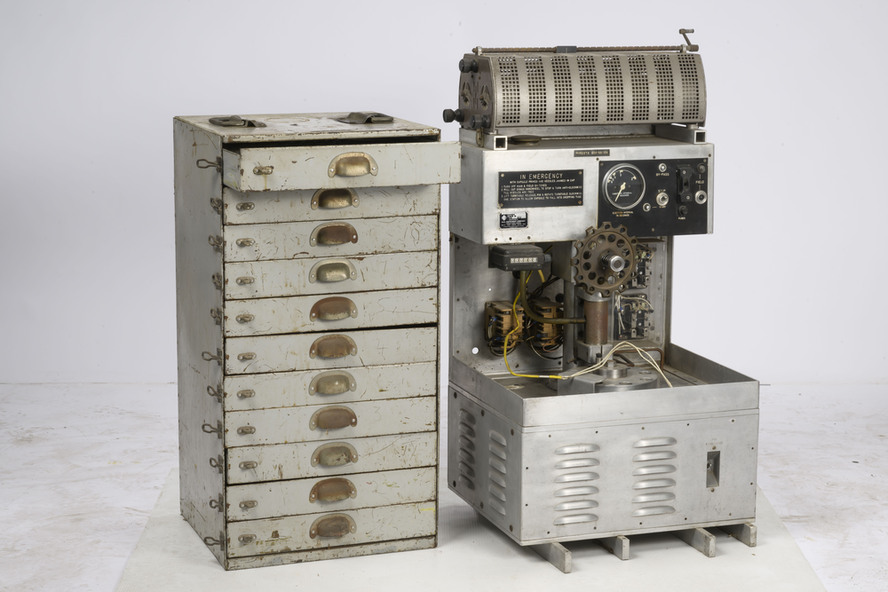
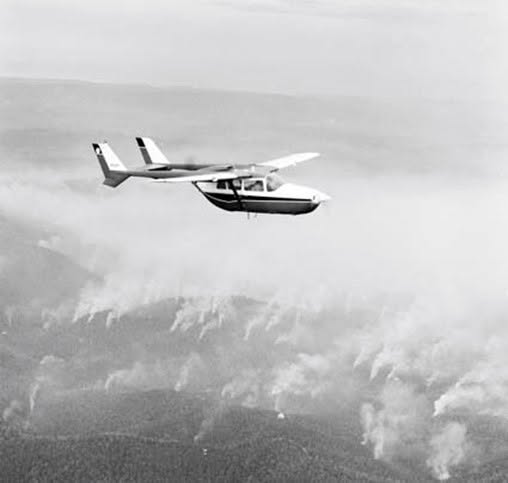
The Western Australians and the CSIRO pioneered aerial ignition in the early 1960s and developed a semi-automatic machine which dropped small incendiary capsules. The first operational trial was from a fixed-wing Cessna 337 at Manjimup WA in December 1965.
Later in April 1969, the Forests Commission borrowed the CSIRO machine to carry out fuel reduction burning at Orbost. The success prompted the purchase of their own incendiary machine.
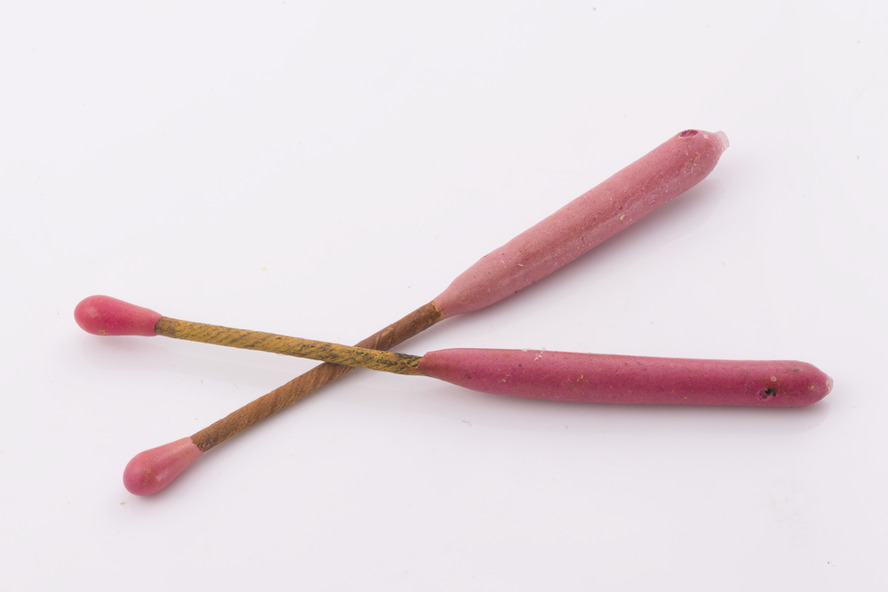
Running in parallel with the CSIRO work, the Forests Commission experimented with Delayed Action Incendiary Devices (DAIDs). These were large double-ended matches with a length of safety fuse between, which were dropped by hand from a helicopter.
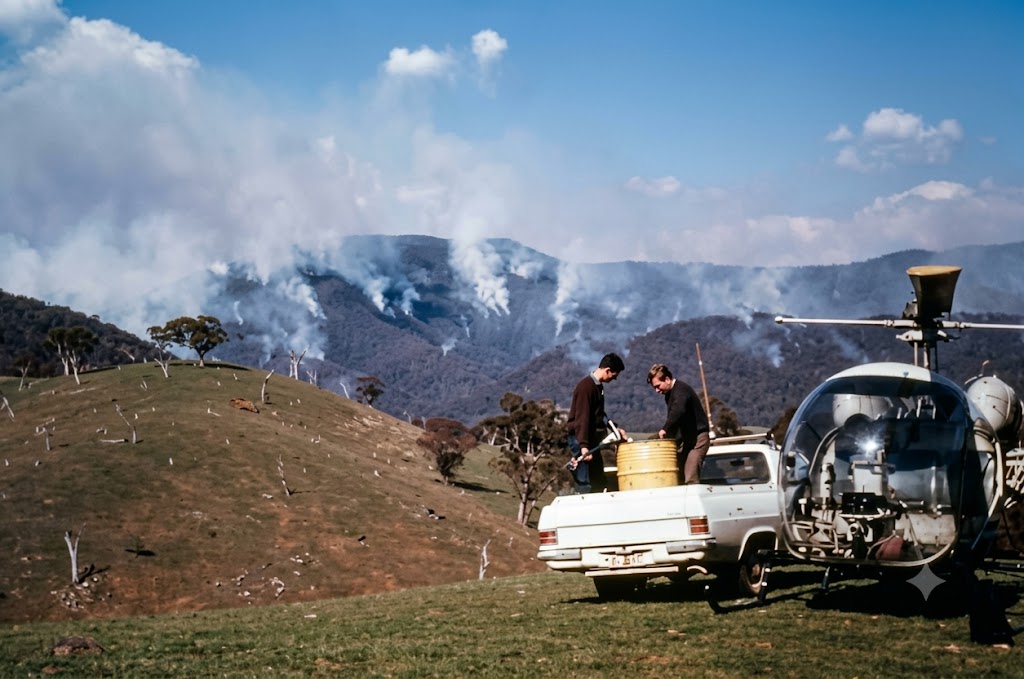
Helicopters were better suited to Victoria’s mountainous terrain and irregular burning boundaries, with slow flying and excellent manoeuvrability, enabling accurate placement of incendiaries and control over the lighting pattern.
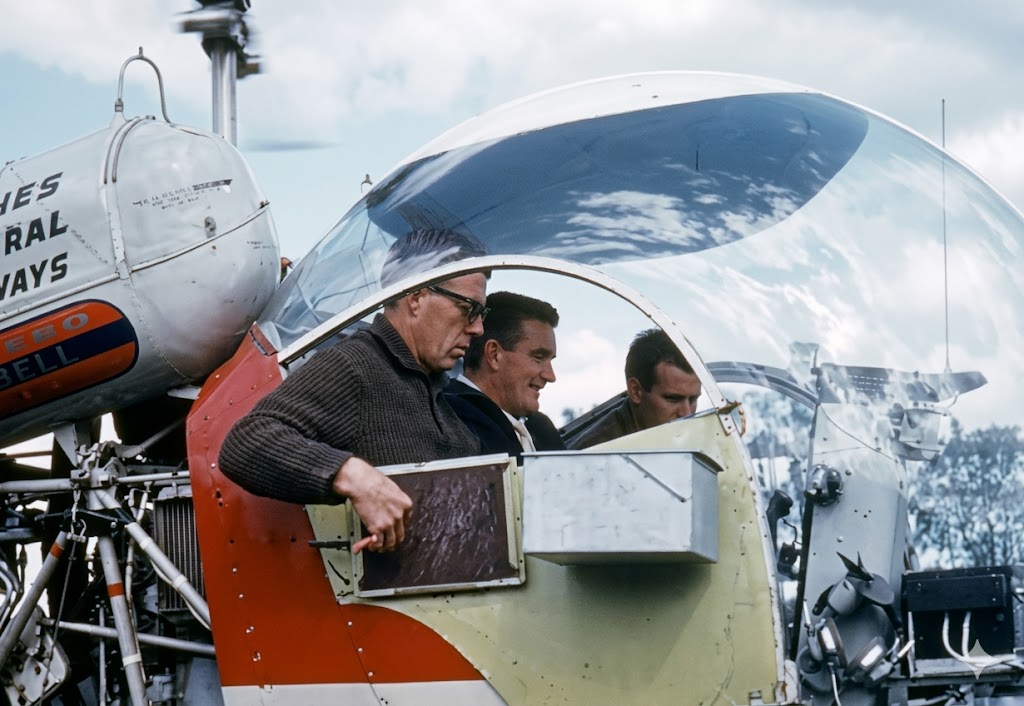
The development of DAIDs, together with the engagement by the FCV of a Bell 47G helicopter on a permanent contract in December 1965, a first for any Australian Forestry agency, was partly in response to public criticism of the Commission about the lack of fuel reduction burning on State forest in the wake of the disastrous 1965 Gippsland bushfires.
The first test using DAIDs was with the Bell 47G on 4 October 1967. A few months later in February 1968, DAIDs were used to light-up a large backburn to control a 20,000-ha bushfire in north-east Victoria. This is believed to be the first time that this technique had been tried anywhere in the world.
But DAIDs were dangerous so needed to be stored in a metal box outside the helicopter along with a disposable striker patch attached with a quick-release pin to a special half-door.
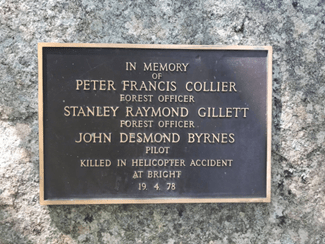
Sadly, the crash of a helicopter conducting routine aerial ignition near Wandiligong on 19 April 1978, with the tragic death of two forest officers and their pilot, profoundly shook the small “Fraternity of Foresters”. There is a memorial to them at the Bright Arboretum.
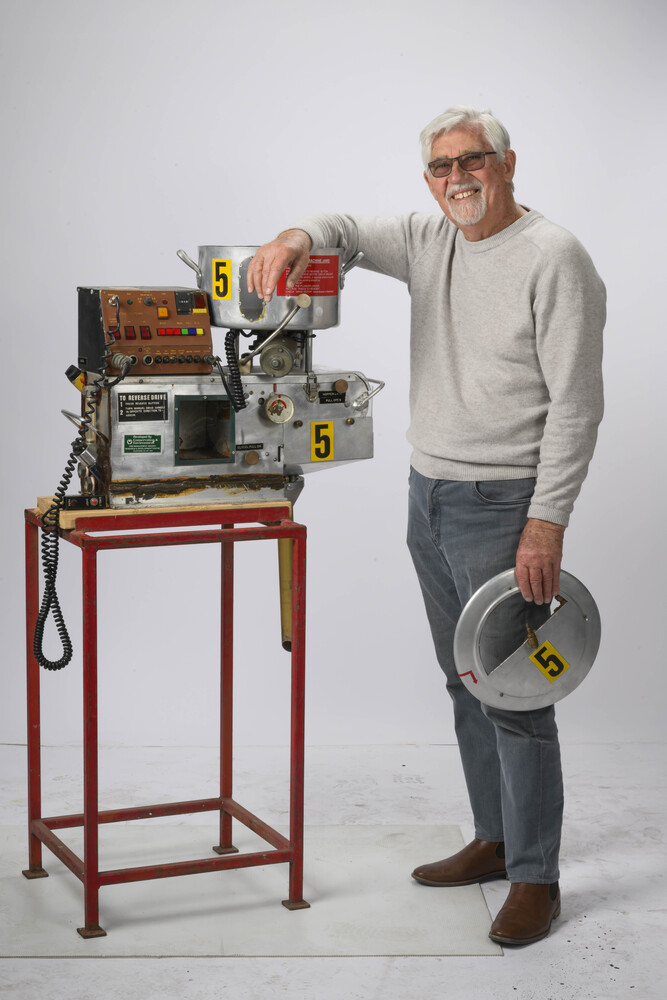
But the crash led to better accident insurance for staff involved in air operations, the end of DAIDs and the adoption of the safer Premo “ping-pong ball” aerial incendiary machine.
Overall, the development of aerial ignition techniques by the Forests Commission from the mid-1960s resulted in a steady climb in the area burnt each year…. peaking at 477,160 ha in 1980-81, and with an impressive 10-year rolling average of 224,500 ha (or 3% of the total public land estate).
G. W. van Didden (1983). A new incendiary machine for aerial prescribed burning. WA Forest Dept. Technical Paper N0 4.
https://library.dbca.wa.gov.au/static/Journals/080074/080074-04.pdf
https://vimeo.com/135628812