
Coventry Climax Pump. Among the many pressing priorities for Alf Lawrence, the Forests Commission’s new Chief Fire Officer, in rebuilding the firefighting capacity after the catastrophic 1939 bushfires was to invest heavily in modern vehicles and equipment. Powered pumps like the trailer-mounted Coventry Climax (Godiva) gave firefighters a much greater capacity than ever before toContinue reading “Altona Museum Photography.”
Category Archives: Forests
Seed Tumbler.
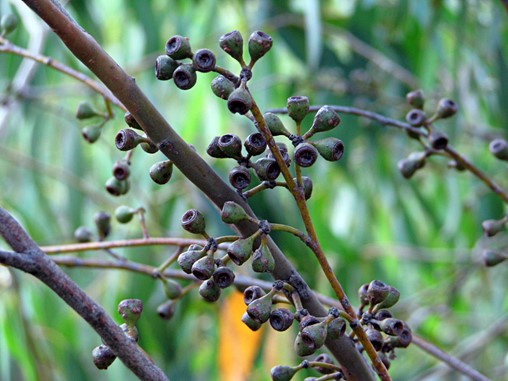
Put simply… successful natural regeneration of native eucalypt forests often came down the three S’… Seed… Seedbed… and Season… Seed collection, extraction and storage to support regeneration after logging was always a big drain on the District budget. Seed collection was also subject to the vagaries of the flowering cycle and some commercial eucalypt speciesContinue reading “Seed Tumbler.”
State Rivers and Water Supply Commission – Lysterfield nursery.
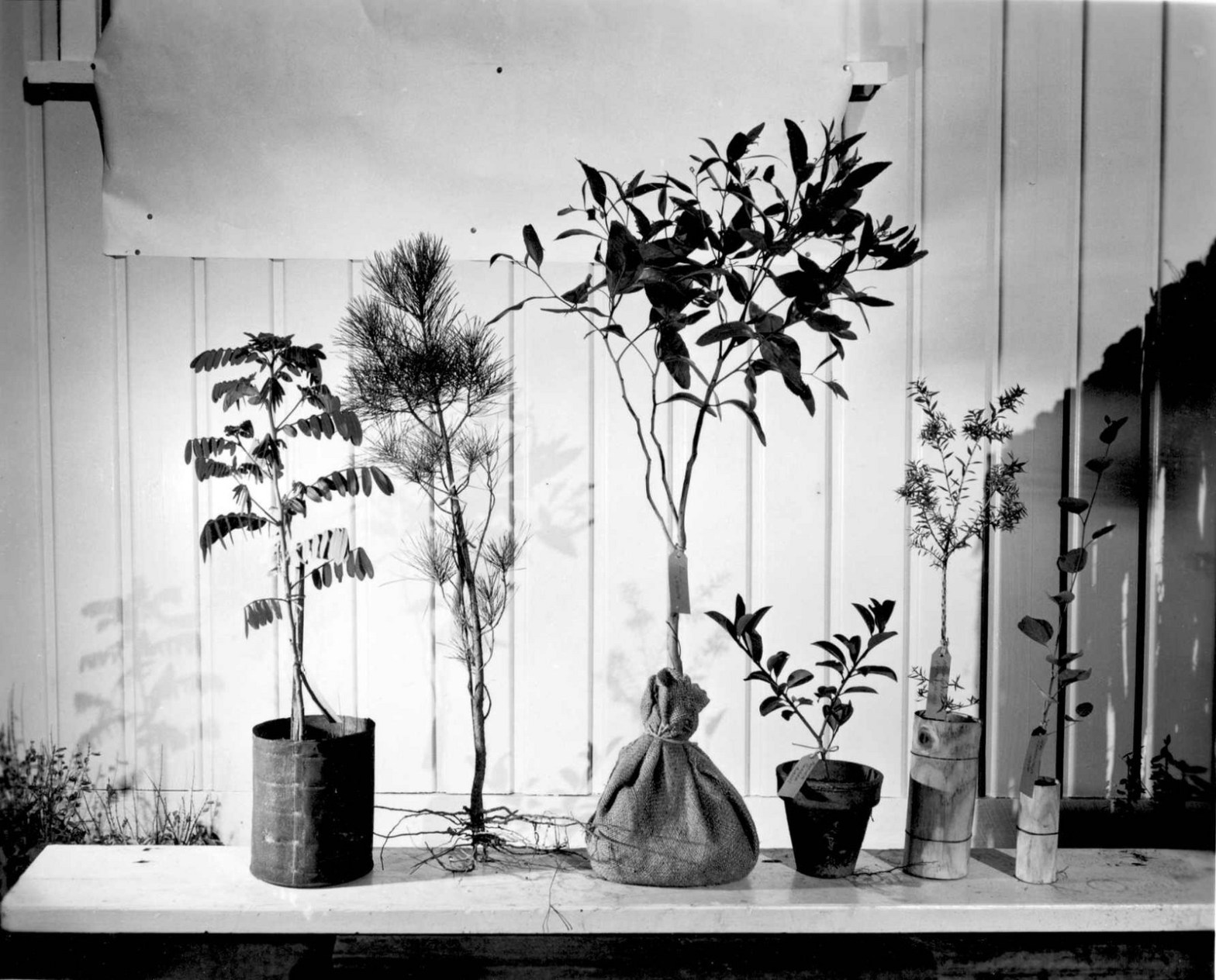
The Forests Commission was not the only State Government organisation growing seedlings. The State Rivers and Water Supply Commission was established under the Water Act (1905) as a single and independent authority to coordinate and manage the State’s rural water resources. The SR&WSC had a nursery at Lysterfield. These photos were taken in 1958 andContinue reading “State Rivers and Water Supply Commission – Lysterfield nursery.”
Landcare.
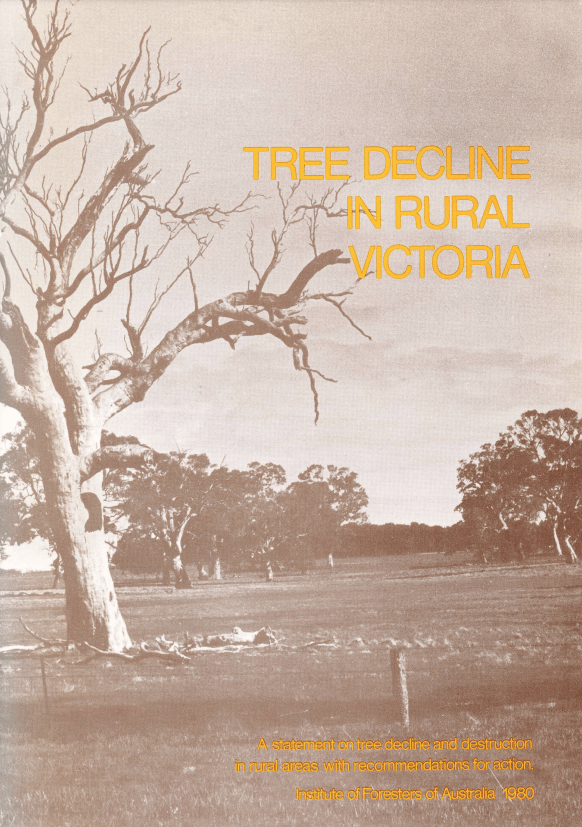
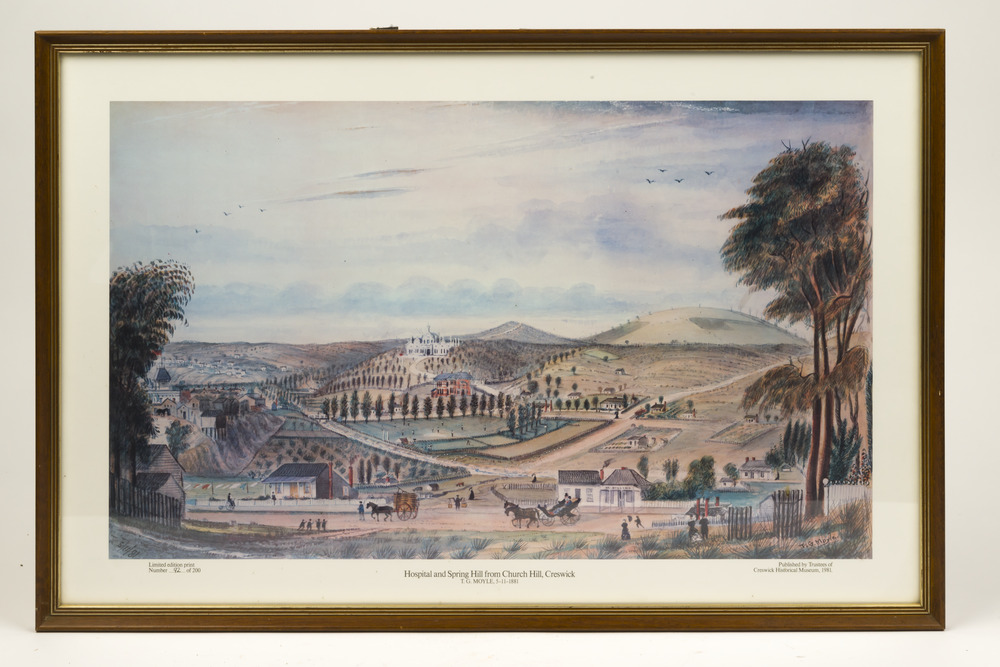
The first State forests nursery was established by William Ferguson at Macedon in 1872, while another was opened shortly after by John La Gerche at Creswick in 1887. Their main purpose was to grow trees to stabilise land damaged by gold mining. The Royal Commission of 1897-1901 into the destruction and wastage of Victoria’s forestsContinue reading “Landcare.”
Scooby-Doos.

Up until the mid-1970s, 4WDs were primarily the domain of farmers, miners and foresters, rather than for the after-school-pickup run. The original 4WDs were rugged and spartan vehicles with none of the modern comforts or safety features like power everything, cloth seats, carpets, chrome trim, airbags, cruise control, disk brakes, sound system, satnav… blah… blah…Continue reading “Scooby-Doos.”
Fry’s Hut – Howqua Valley.
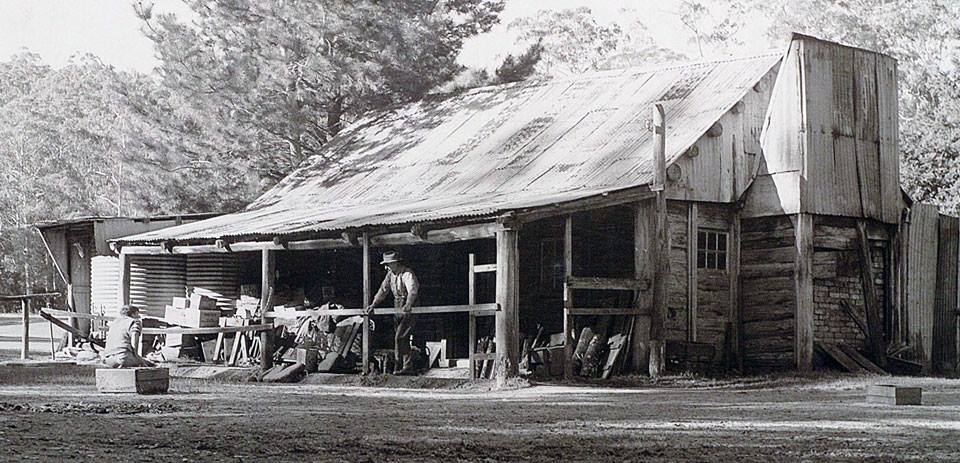
James (Jim) Fry was born in 1852 and worked as a carrier bringing supplies over treacherous tracks to several gold mining companies in the remote mountains east of Mansfield during the early 1870s. The former manager’s house (c.1874) from the Great Rand Mine had been left abandoned and was shifted from nearby Martin’s Gap byContinue reading “Fry’s Hut – Howqua Valley.”
Archie Hair – Blue Pool.
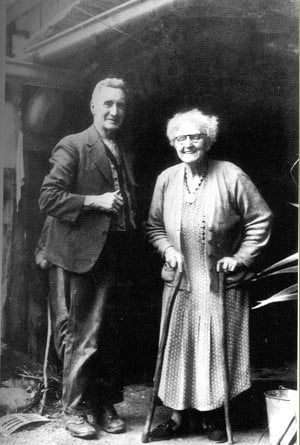
I have written before about Archie Hair and Blue Pool near Briagolong. But I recently ventured into the Public Record Office to uncover the old FCV file which gives more detailed insights into the arrangements Archie had over the site. In February 1940, William O’Regan, an invalid pensioner and gold prospector, who had lived alongContinue reading “Archie Hair – Blue Pool.”
FCV – Returned Servicemen .
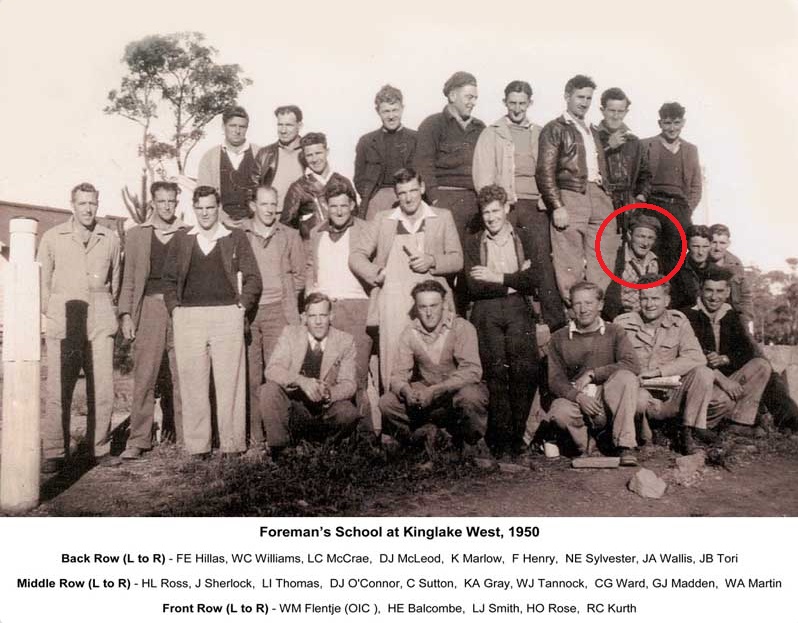
Clarence (Clarrie) Gray Ward saw action as a gunner with the 2/7th Field Artillery Regiment around Tobruk in 1941 and during the first and second battles of El Alamein in 1942. He later landed at Tarakan in Borneo in May 1945. Clarrie was one of about ninety ex-servicemen recruited as overseers into the Forests CommissionContinue reading “FCV – Returned Servicemen .”
A Bear Bum in Bourke Street.
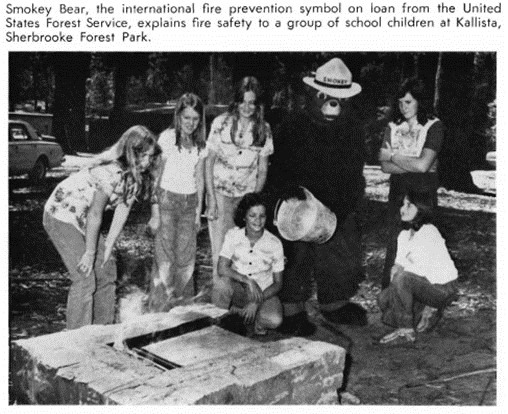
By Rob Youl – Reproduced from Victorian State Foresters Association (VSFA) Newsletter #38 April 1977. Almost 50 years later, the author apologises for his sexism, insensitivity and excess testosterone. Furthermore, he trusts his readers will discard their disgust and accept this as the zeitgeist[1] of the 1970s. But more embarrassingly, I ask myself now, whyContinue reading “A Bear Bum in Bourke Street.”
Phil King – Nowa Nowa.
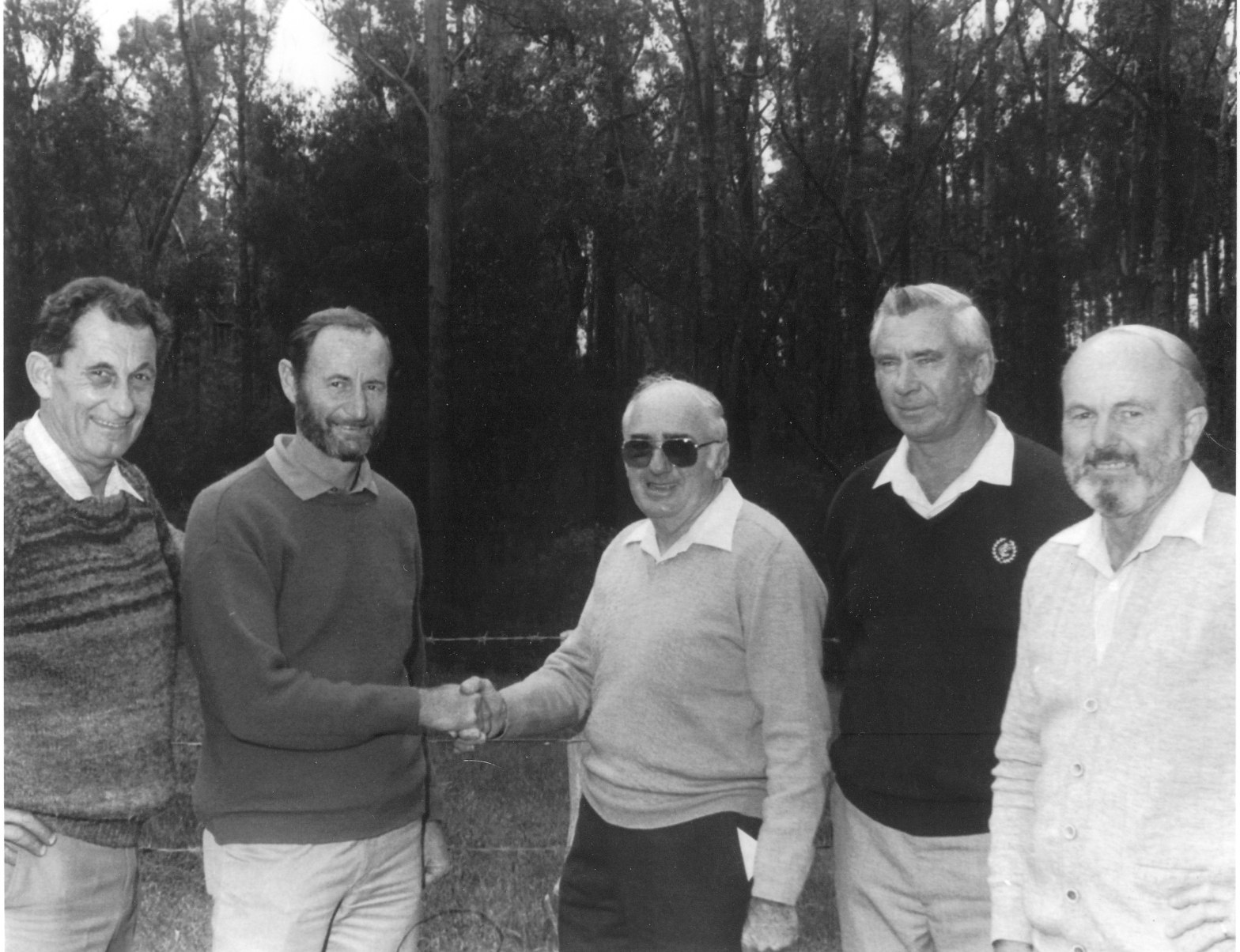
Philip King was born in the remote Glen Valley in far eastern Victoria on the 12 Feb 1933 where he attended the local primary school. It was cold in the mountains where it often snowed, and the Omeo Highway was regularly blocked during winter. Phil later attended high school at Richmond in Melbourne but soonContinue reading “Phil King – Nowa Nowa.”
Helmut Kofler Hütte.

The Helmut Kofler Hütte at Mt Buller was opened as a shelter for skiers by the Chairman of the Forests Commission, Alf Lawrence, on 28 June 1959. It replaced an earlier building and was named after one of Mt Buller’s most colourful characters. Helmut, a native of Austria, was the manager of the original MtContinue reading “Helmut Kofler Hütte.”
Alexander (Sandie) Jeffcoat.

Sandie Jeffcoat was among a handful of non-Creswick foresters from the Australian National University (ANU) in Canberra who were recruited into the Forests Commission Victoria (FCV) during the 1970s. Other ANU graduates included David Harvey, Ian McArthur, Jack Bains, Mal Tonkin and Paul Mainey. It was a very buoyant time for trained foresters with increasedContinue reading “Alexander (Sandie) Jeffcoat.”
The MFV Tacoma.
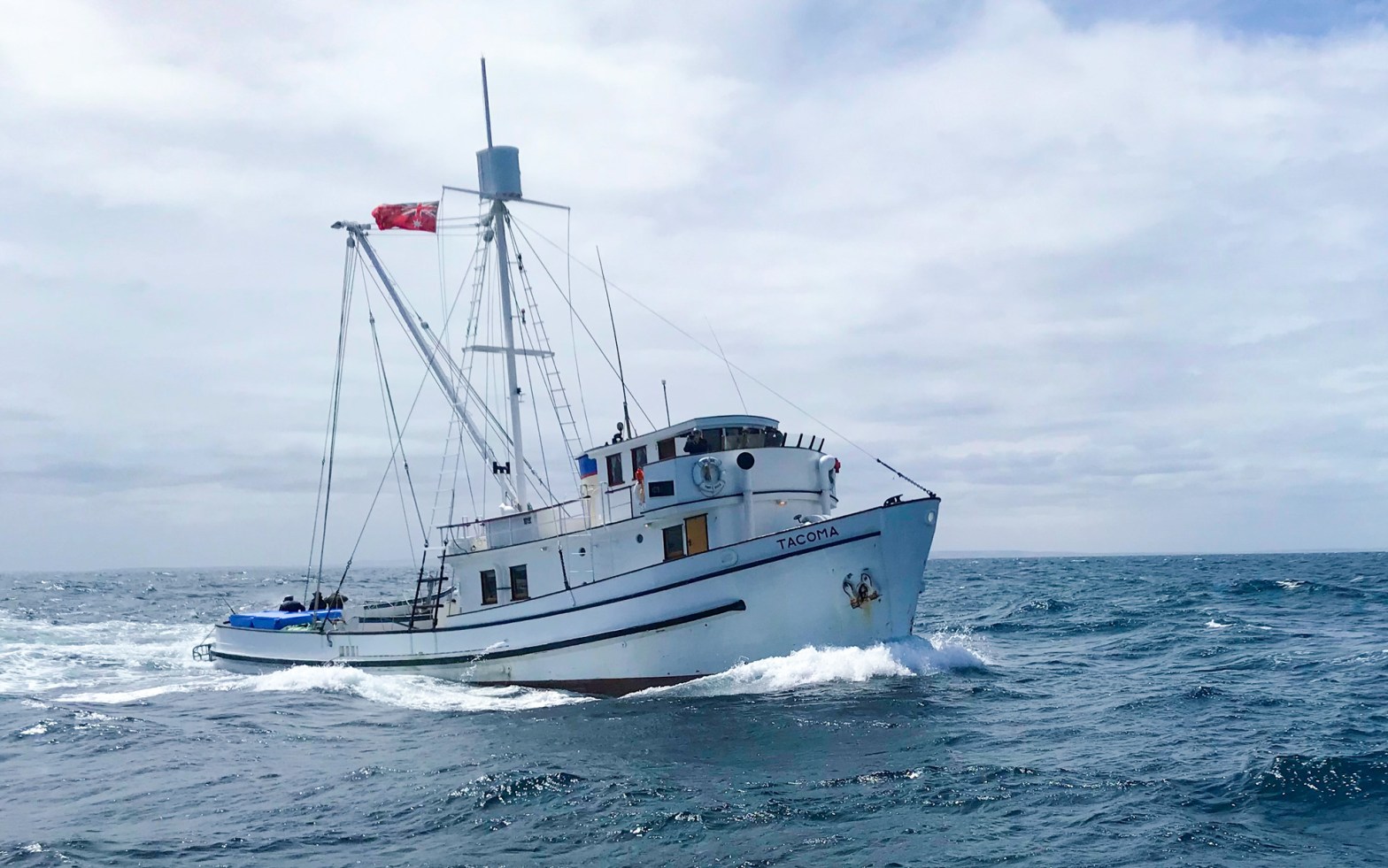
Firstly… I have a confession to make… I just love old wooden boats… In 1944, the three Haldane brothers, Bill, Alan and Hughie, began building an 84-foot wooden clipper at Port Fairy in southwestern Victoria from plans provided by the Western Boat Building Company from Tacoma in Washington State, America. The Haldane brothers had previouslyContinue reading “The MFV Tacoma.”
Sassafras Oil.
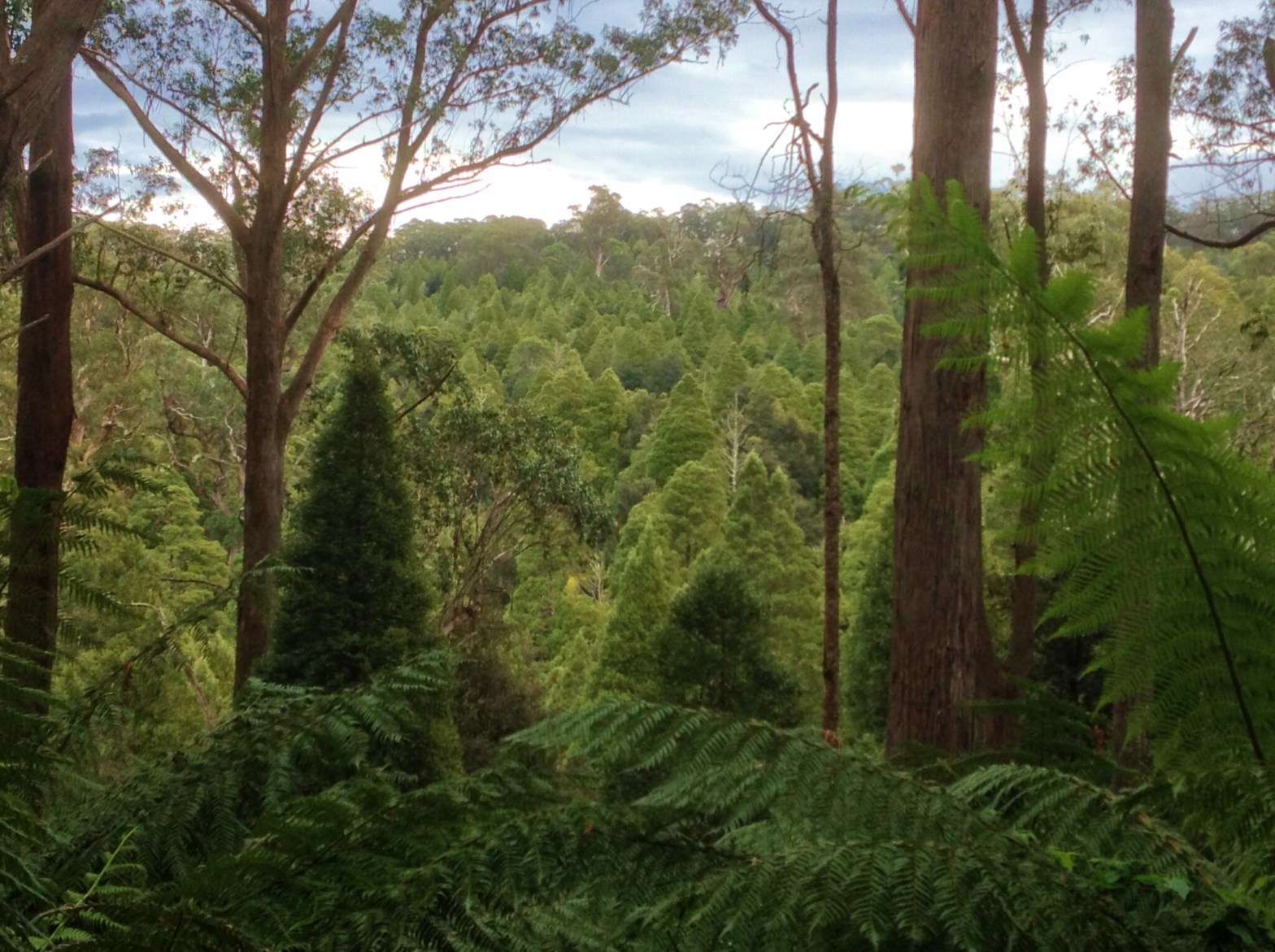
The Forests Commission experimented with the distillation of sassafras oil during the war. The conically shaped, cool temperate rainforest species, southern sassafras (Atherosperma moschatum), was believed to have medicinal properties, including the prevention of malaria. The timber is prized for panelling, wood turning, musical instruments, and other specialty work. Southern sassafras is very different fromContinue reading “Sassafras Oil.”
Forest Parks and Reserves.
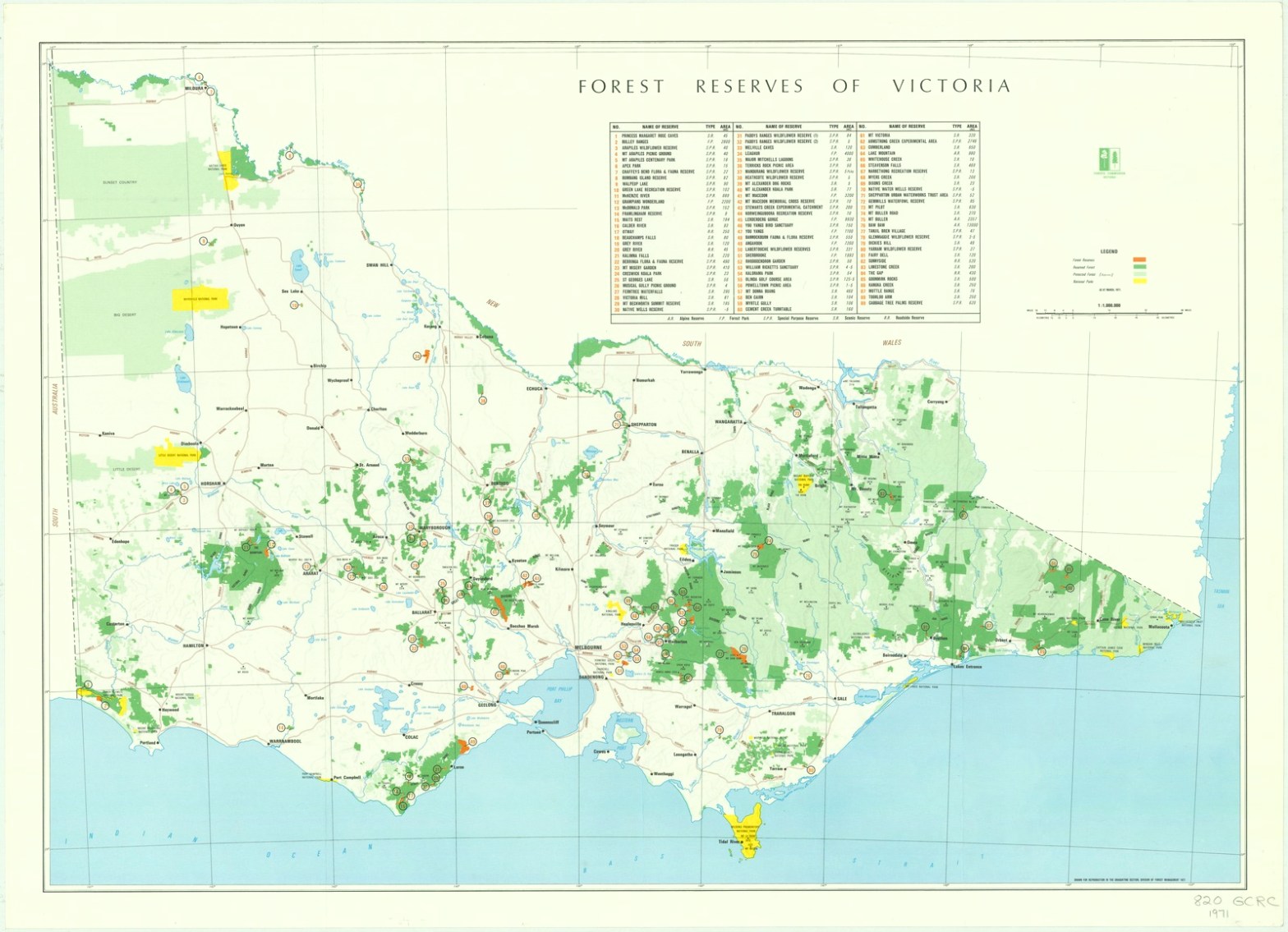
In mid-1968, Sir William “Blackjack” McDonald, a pastoralist from western Victoria and the Minister for Lands, Soldier Settlement and Conservation, controversially announced a new rural settlement scheme which involved clearing of remnant mallee woodlands and then selling Crown Land in the Little Desert. Some two hundred thousand acres was slated for agricultural subdivision. The immediateContinue reading “Forest Parks and Reserves.”
Forests, bushfires and water – the Kuczera curve.

Forest hydrology is a complex science but, put simply, water yield or stream flows from forested catchments depends on rainfall patterns, droughts, soil type, soil depth, forest type and forest age. Decades of pioneering research by the MMBW have shown that wet mountain ash forests consume nearly 70% of the rainfall leaving the remainder availableContinue reading “Forests, bushfires and water – the Kuczera curve.”
Wattle Day – First Day of Spring.
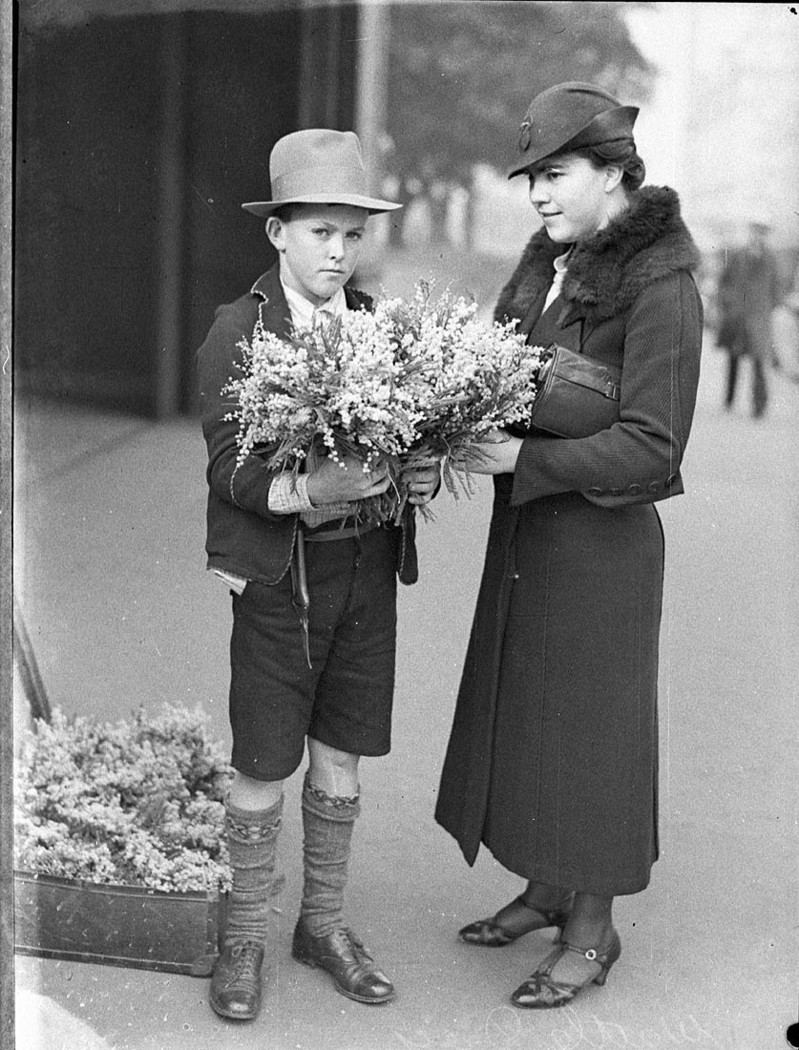
The 1st of September marks the official beginning of Spring in the southern hemisphere, and wattles are starting to flower in the bush and in gardens around the country. Wattles feature prominently in Australian ceremonies, literature, poetry, art and song from the 1830s to the early 1900s. Noted naturalist Archibald James Campbell established the VictorianContinue reading “Wattle Day – First Day of Spring.”
Victorian School of Forestry and arboretum walk.
This new self-guided walking map has been prepared to tell some of the story of the Forestry School and the grounds at Creswick. Its based on the 2017 work by Gerry Fahey from the University of Melbourne. https://walkingmaps.com.au/walk/5969
 Victoria’s Forests & Bushfire Heritage