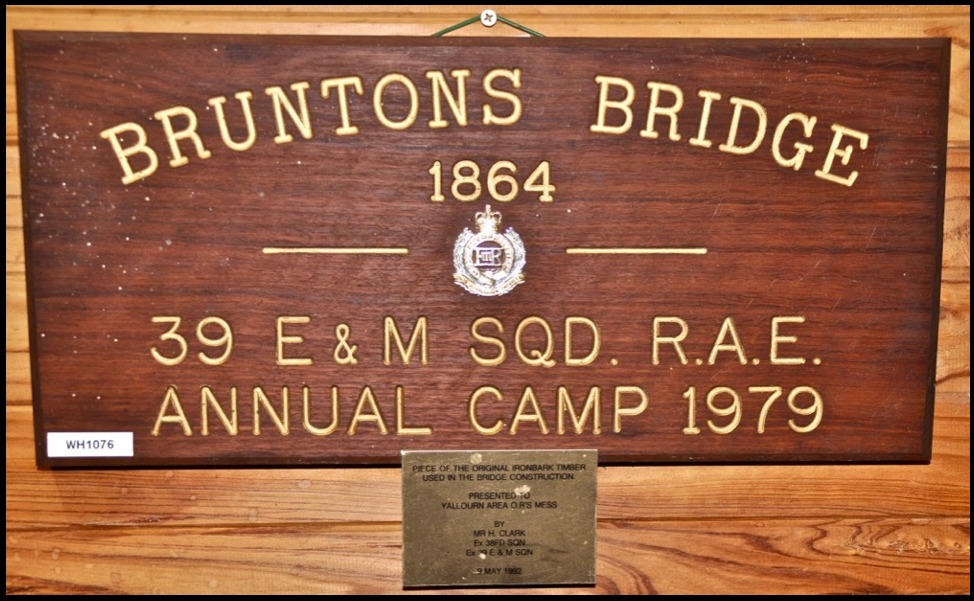
The iron framed Brunton’s Bridge is undoubtedly one of Gippsland’s engineering icons. It was opened in 1888 on the road from Toongabbie to the Walhalla goldfields. Mr Mephan Ferguson, (Great-Grandfather of VSF forester, and later CFA Chief Fire Officer, Euan Ferguson) built the bridge under contract from the Public Works Department at a cost ofContinue reading “Brunton’s Bridge.”
Category Archives: Forests
Blue Gum piles.
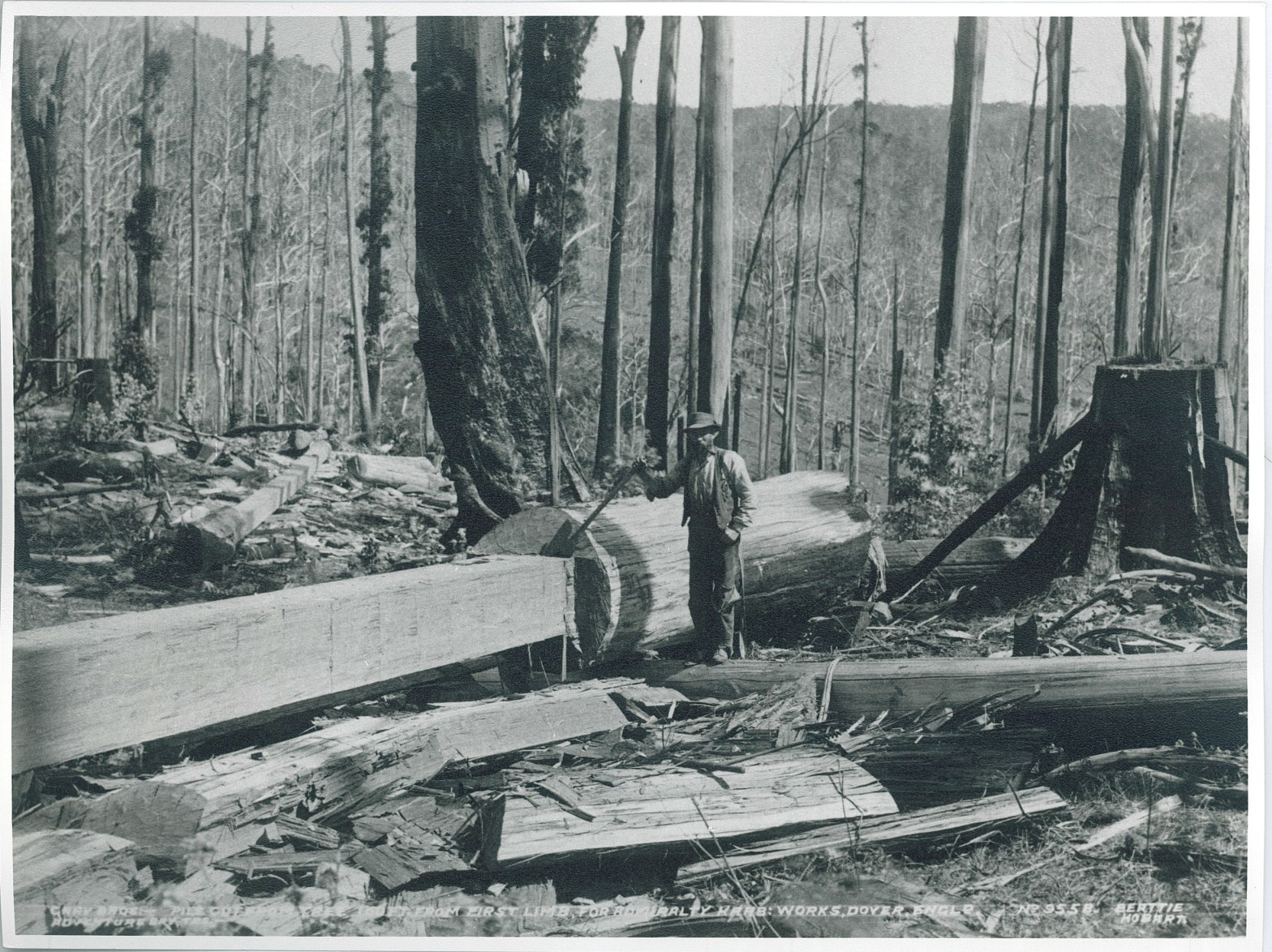
These photographs, taken in the early 1900s, are of 100 foot long Blue Gum (Eucalyptus globulus) piles produced by the Gray Brothers mills on Bruny Island in southern Tasmania. The timber was destined as hewn piles for Admiralty Harbour Works at Dover in England and for similar works at Simon’s Town in South Africa. TheContinue reading “Blue Gum piles.”
Timber seasoning – Newport.

Early foresters, as well as some sawmillers and timber merchants, recognised the unique qualities of Victorian hardwood timbers and the Government was keen to promote them to the world market. But by far, the greatest proportion of dressed timber for internal work, joinery and furniture was expensive imports from North America and Scandinavia. There wasContinue reading “Timber seasoning – Newport.”
Boat Knees.

The beautiful curves of wooden boats have surfaces which come together at odd angles and often use special timber shapes called “boat knees” to join them together and add strength. Most woodworkers know that timber is strongest along the grain but will split when force is applied across the grain. Timber can be bent, joinedContinue reading “Boat Knees.”
Sawdust.
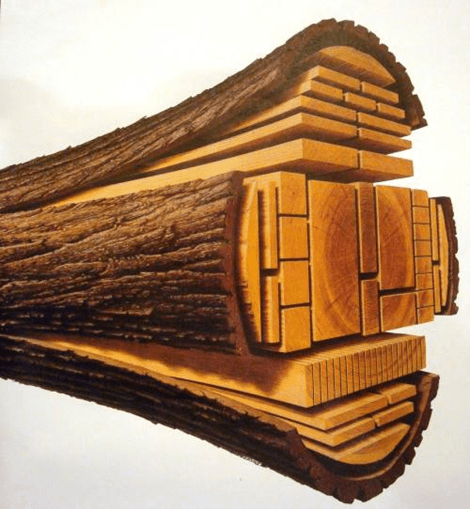
The losses from converting round logs onto square sawn timber depends on the species of tree, the diameter and length of the log, straightness and the overall taper of the log, internal defects and waste. Sawn timber recovery can vary from 40 to 50% of the gross volume (cubic metres) for a large mountain ashContinue reading “Sawdust.”
Hoppus Log Volume.

Australian foresters are lucky to no longer endure some of the older “head scratching” imperial measurements. Hoppus Log Volume (HLV) was used around the British Empire and is still used in some countries. Introduced in 1736 by English surveyor Edward Hoppus, it estimated the volume of a round log that would produce usable or merchantableContinue reading “Hoppus Log Volume.”
Forest Metriverter.
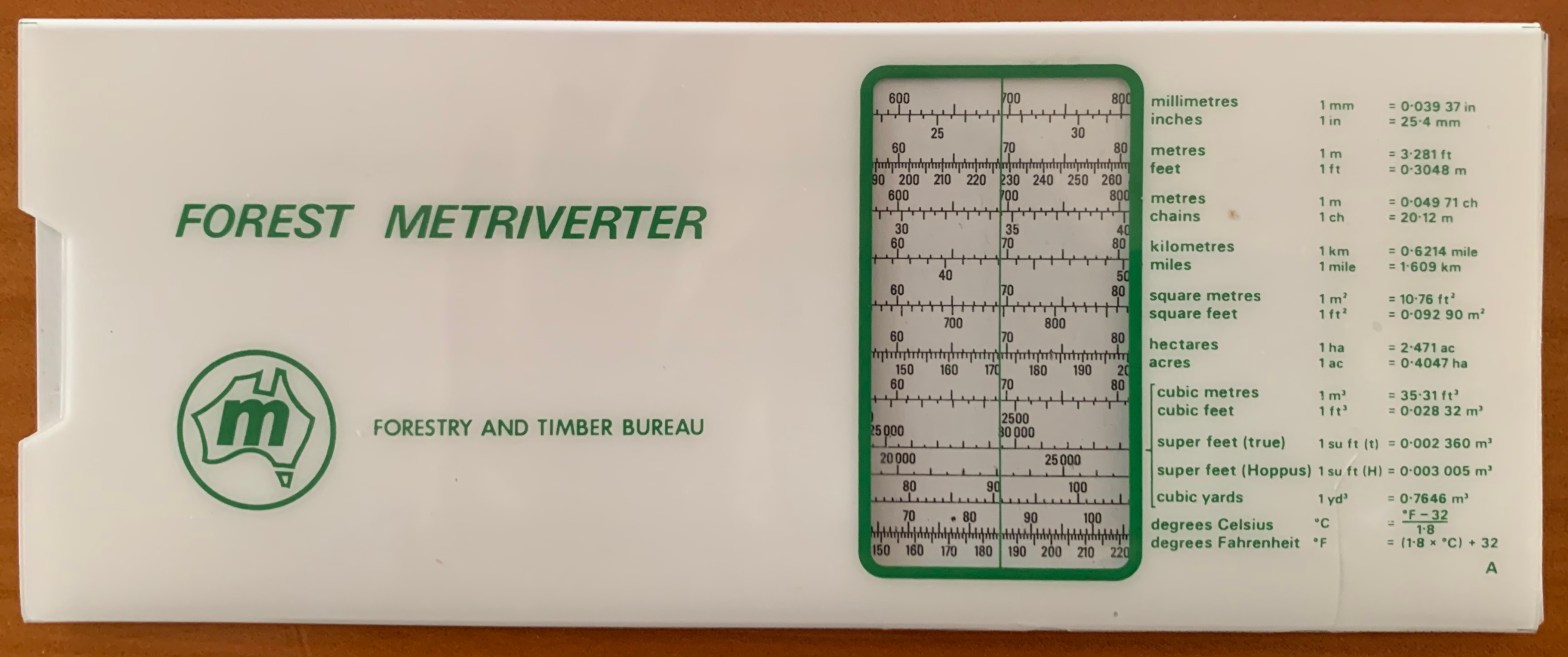
Decimal currency was spectacularly introduced in an overnight overthrow on 14 February 1966, but it took another 8 years before metrication finally arrived in the forest and timber industry. Eventually, the measurement of logs and sawn timber changed from imperial, and excruciating, measures such as super feet of sawn timber, billets and cunits (100 cubicContinue reading “Forest Metriverter.”
On the Piste.

Prior to the formation of the Alpine Resorts Commission (ARC) in 1983, Victoria’s snowfields were managed by a conglomerate of competing government agencies including the Victorian Railways, National Parks Service, Lands Department, State Electricity Commission and the Forests Commission Victoria. The Forests Commission first developed a substantial interest in the development of Mt Buller asContinue reading “On the Piste.”
Beech Forest Grandstand.

Most of the large and significant trees in Victoria were found in the mountain ash forests of the Otways, Strzelecki Ranges and the Central Highlands. This enormous tree stump was converted into a Grandstand at the Beech Forest turf club in the Otways for their first race meeting in Easter 1893. The Melbourne Cup hadContinue reading “Beech Forest Grandstand.”
Basal Area Prism.

Foresters usually measure the diameter of trees at Breast Height – traditionally 4 foot, 6 inches – now 1.3 m – which is termed Diameter Breast Height Over Bark (DBHOB). Basal Area is the cross section of the tree trunk at breast height, and the sum for the stand of trees is expressed in squareContinue reading “Basal Area Prism.”
Caterpillar 35 HP Tractor.
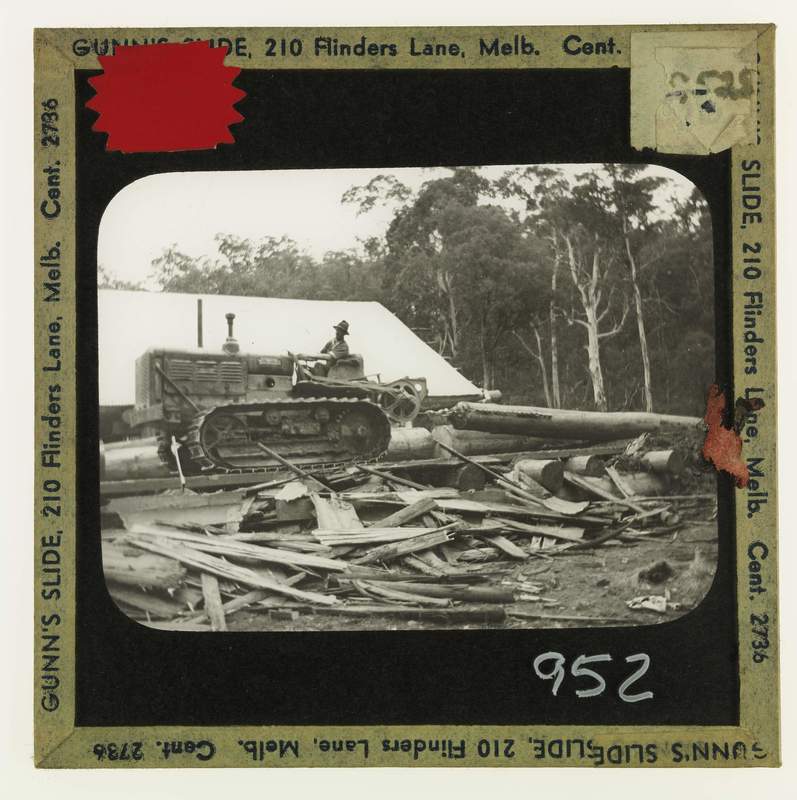
The first reference to the use of crawler tractors in Victorian logging operations was in 1934. Forester, and later FCV Chairman, Finton Gerraty, reported in the Victorian Foresters Journal. “A diesel oil caterpillar tractor which may be used either as a stationary winch, or as a mobile haulage unit, is the latest addition to logContinue reading “Caterpillar 35 HP Tractor.”
Skyline & High Lead Logging.
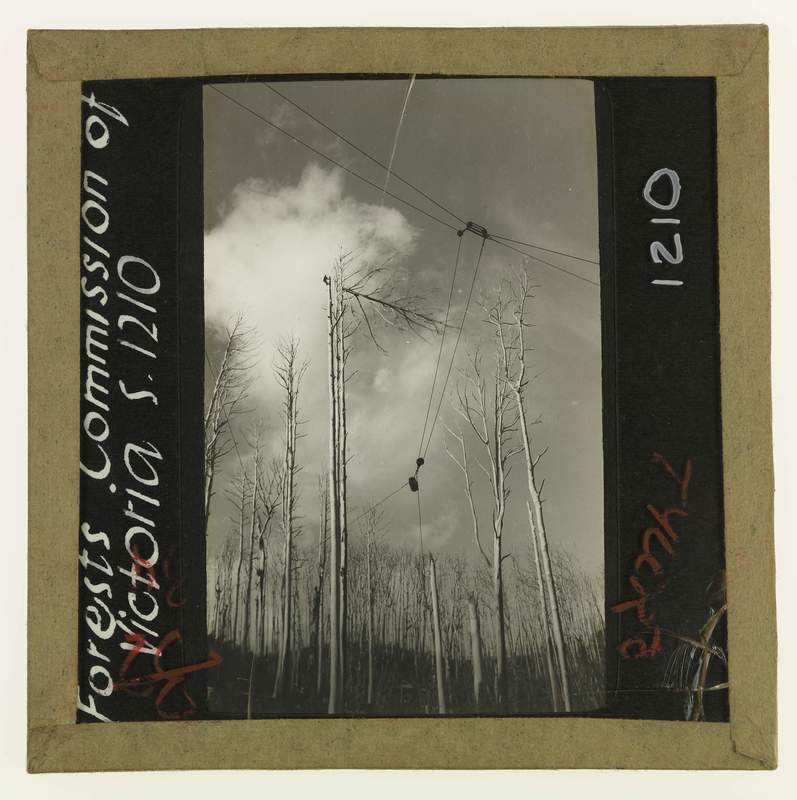
Logging in rough and steep country had always presented serious challenges to contractors and sawmillers. In addition to the obvious safety considerations, delays caused by terrain or weather had impacts on operating costs and ensuring smooth wood flows to the sawmill. In 1936, Erica District Forester, Arch Shillinglaw, gave an account in the Victorian ForestersContinue reading “Skyline & High Lead Logging.”
Big River Road – Marysville.
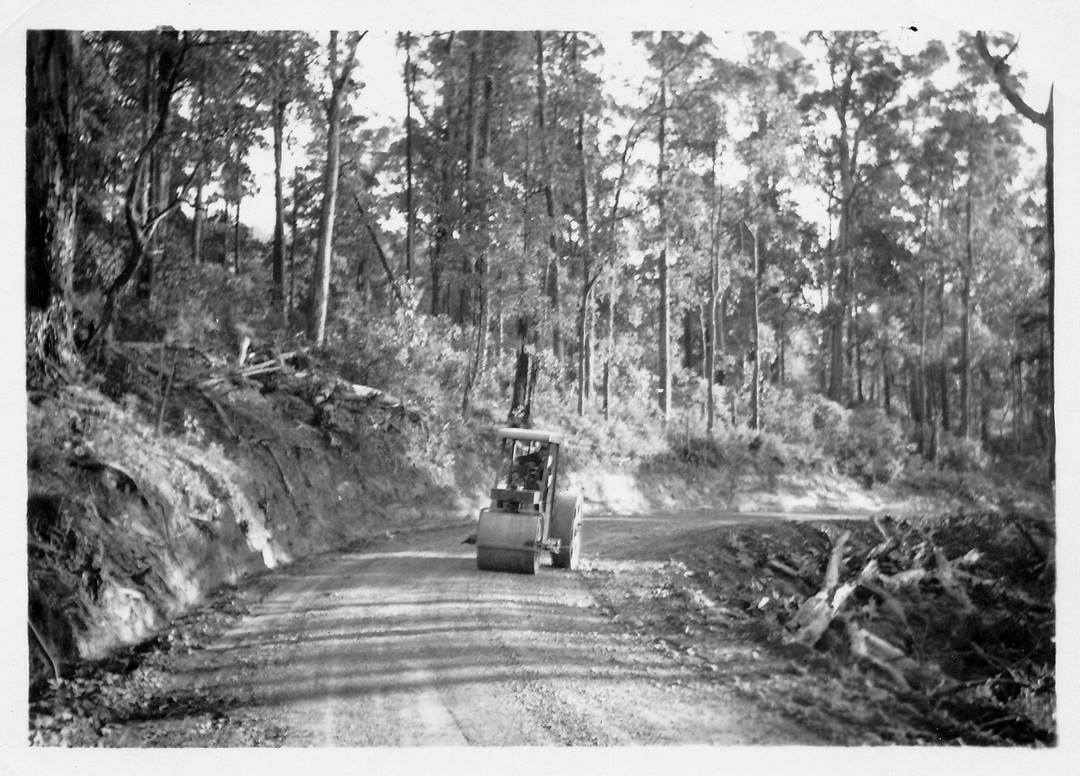
Stretching more than 60 km from the junction of the Woods Point Road near Cambarville, east of Marysville, to the Eildon-Jamieson Road in the north, the Big River Road was a major element in the expanded road network built by the Forests Commission Victoria (FCV) throughout Victoria’s mountains in the post war period to accessContinue reading “Big River Road – Marysville.”
Gembrook forests.
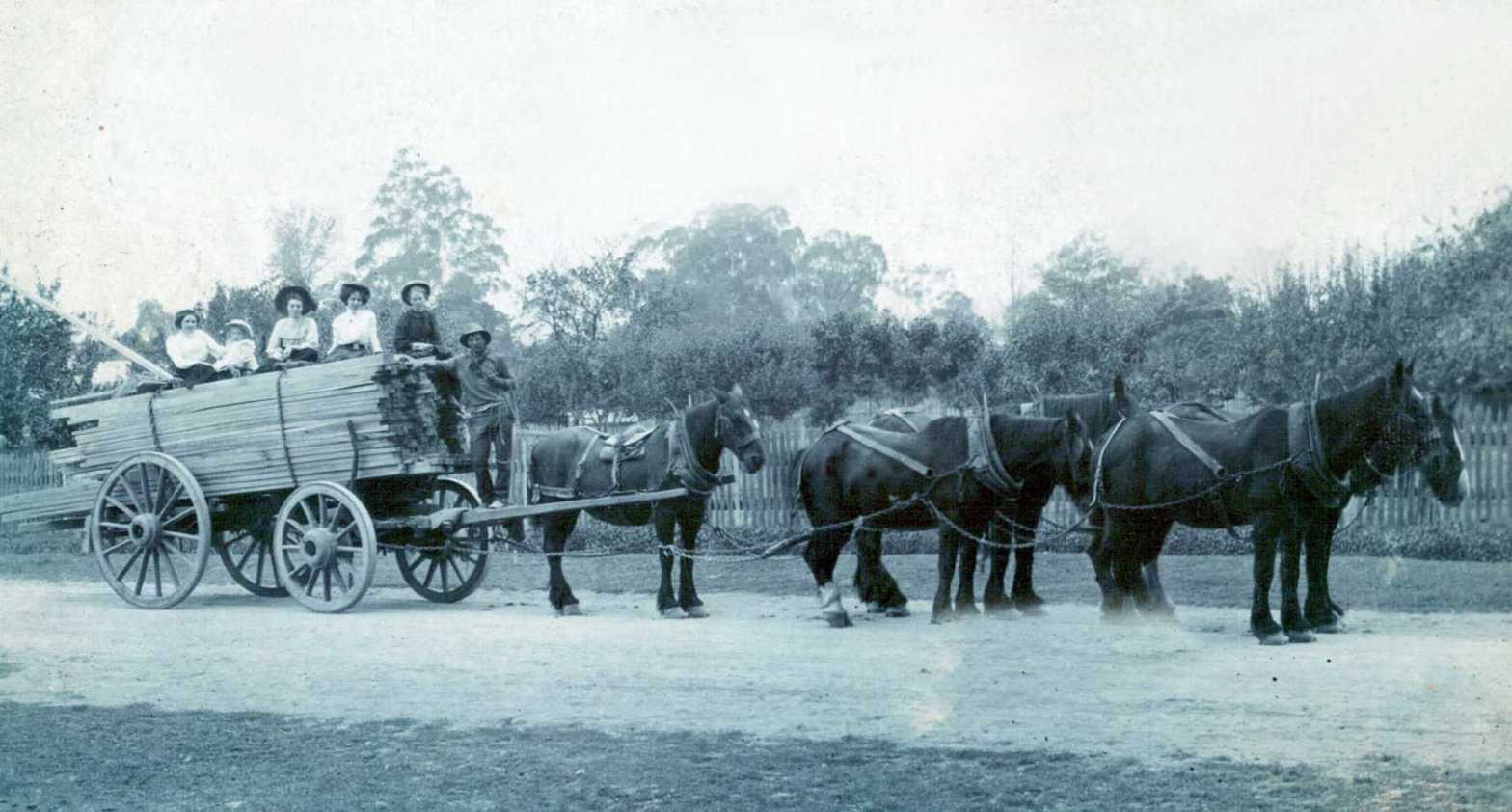
The arrival of the Victorian Railways narrow gauge train (now the iconic Puffing Billy) into Gembrook in about 1900 signalled the rapid expansion of sawmilling in the district. Sawmills had operated at Gembrook from the 1880s, but their produce was transported by primitive tramways to places like Nar Nar Goon in the south. A newContinue reading “Gembrook forests.”
Fyansford Paper Mill.
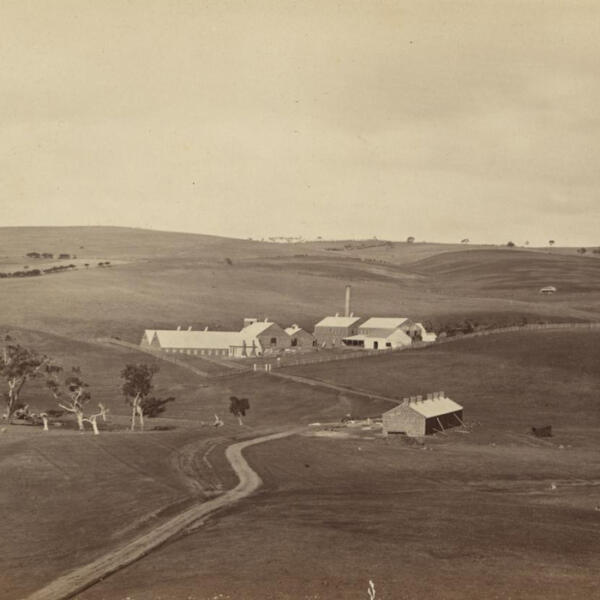
Building the Fyansford Paper Mill, on the Barwon River near Geelong, commenced in the 1870s and was completed in 1878. When the site opened, it was claimed to be one of the most advanced paper mills in the southern hemisphere. At the time, there were seven paper mills in Australia and Fyansford is one ofContinue reading “Fyansford Paper Mill.”
Sugar Gum.

Sugar Gum (Eucalyptus cladocalyx) originates in South Australia in three distinct populations: the Flinders Ranges, Eyre Peninsula and Kangaroo Island. Sugar Gum is also widely planted across the drier western district of Victora as a windbreak or shelterbelt and for durable farming timber as well as magnificent firewood. Sawn timber harvested from sugar gum hasContinue reading “Sugar Gum.”
RC-16B radio phone.

In the wake of the 1939 bushfires, the Forests Commission invested heavily in a radically new communications network. After suffering some inevitable delays due to the war, radio VL3AA switched into full operation in October 1945 proudly beaming out 200 watts across the State. The RC-16 radio phone had been designed and built by theContinue reading “RC-16B radio phone.”
Wallaby Creek Catchment.
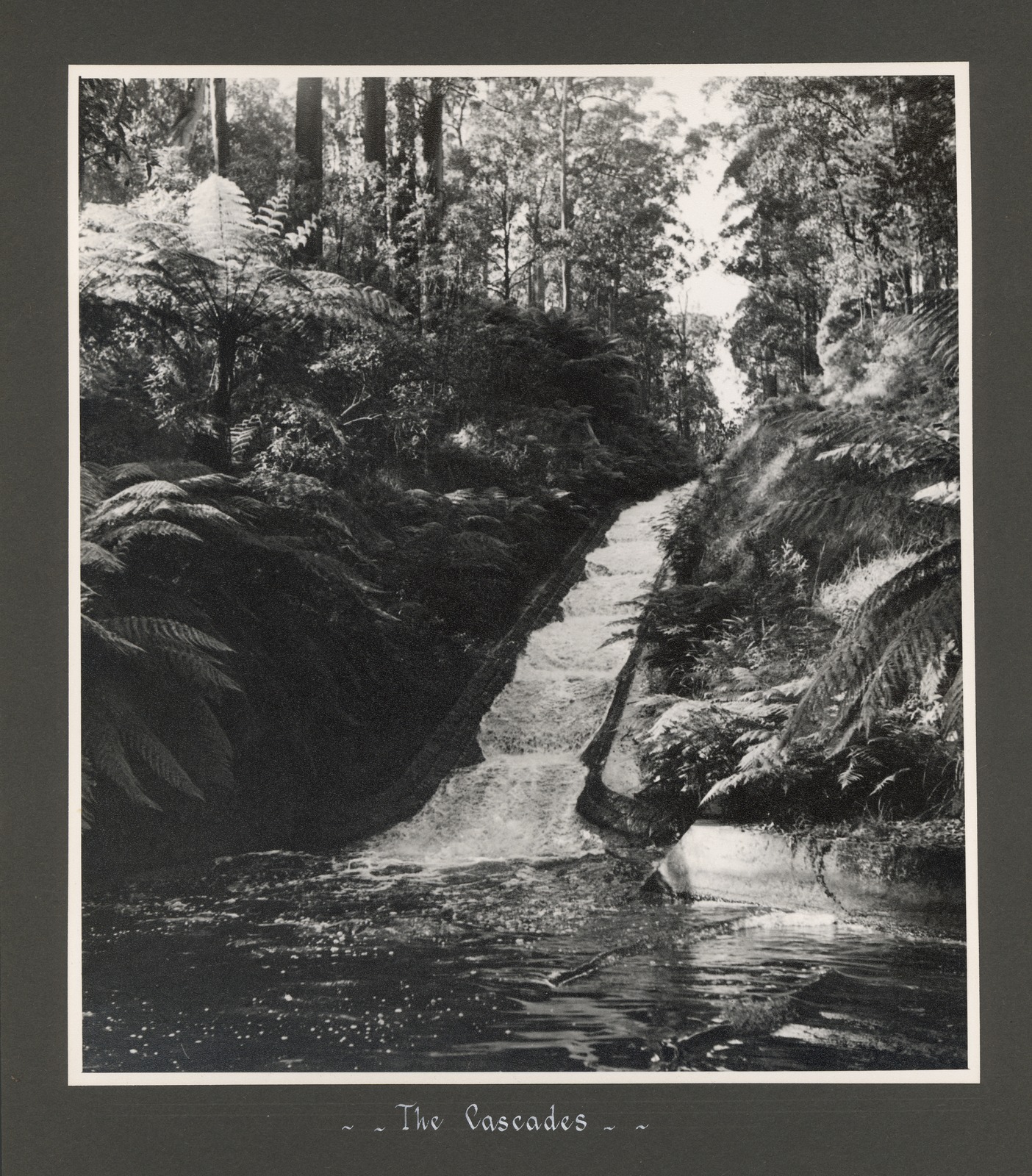
The east branch of the Plenty River, Silver Creek and Wallaby Creek catchments, were permanently reserved for water supply purposes in 1872. Together with the 5,700-acre Yan Yean, which was completed in 1857, the catchments were part of the first system of reservoirs and aqueducts suppling water to Melbourne. The Toorourrong Reservoir was added inContinue reading “Wallaby Creek Catchment.”
 Victoria’s Forests & Bushfire Heritage