
Most people know about the Black Saturday Bushfires in 2009, and possibly can recall Ash Wednesday in 1983, or maybe have even heard of Black Friday in 1939. But very few could recount the 1943-44 summer bushfires when over 1 million hectares was burnt, 51 people were killed, 700 injured, and 650 buildings were destroyed.Continue reading “Formation of the CFA – the summer of 1943-44.”
Author Archives: Peter McHugh
Forests and Bushfire History of Victoria – Series 4 (2023)

It’s been another busy year on the Victorian Forests and Bushfire Heritage FB page. Once again, the main stories have been gathered up into free eBook and published in the National and State Libraries so they don’t get lost in the Facebook soup. Other notable things for 2023 include. Im not sure about next year…Continue reading “Forests and Bushfire History of Victoria – Series 4 (2023)”
Christmas Trees

For 100 years, the National Christmas Tree has stood on the “Ellipse”, which is south of the White House in Washington DC. Another tree is positioned outside the US Capitol Buildings. The US Forest Service has been called upon many times to supply the festive trees. The trees this year are two Norway spruces (Picea abies)Continue reading “Christmas Trees”
Splitting guns.
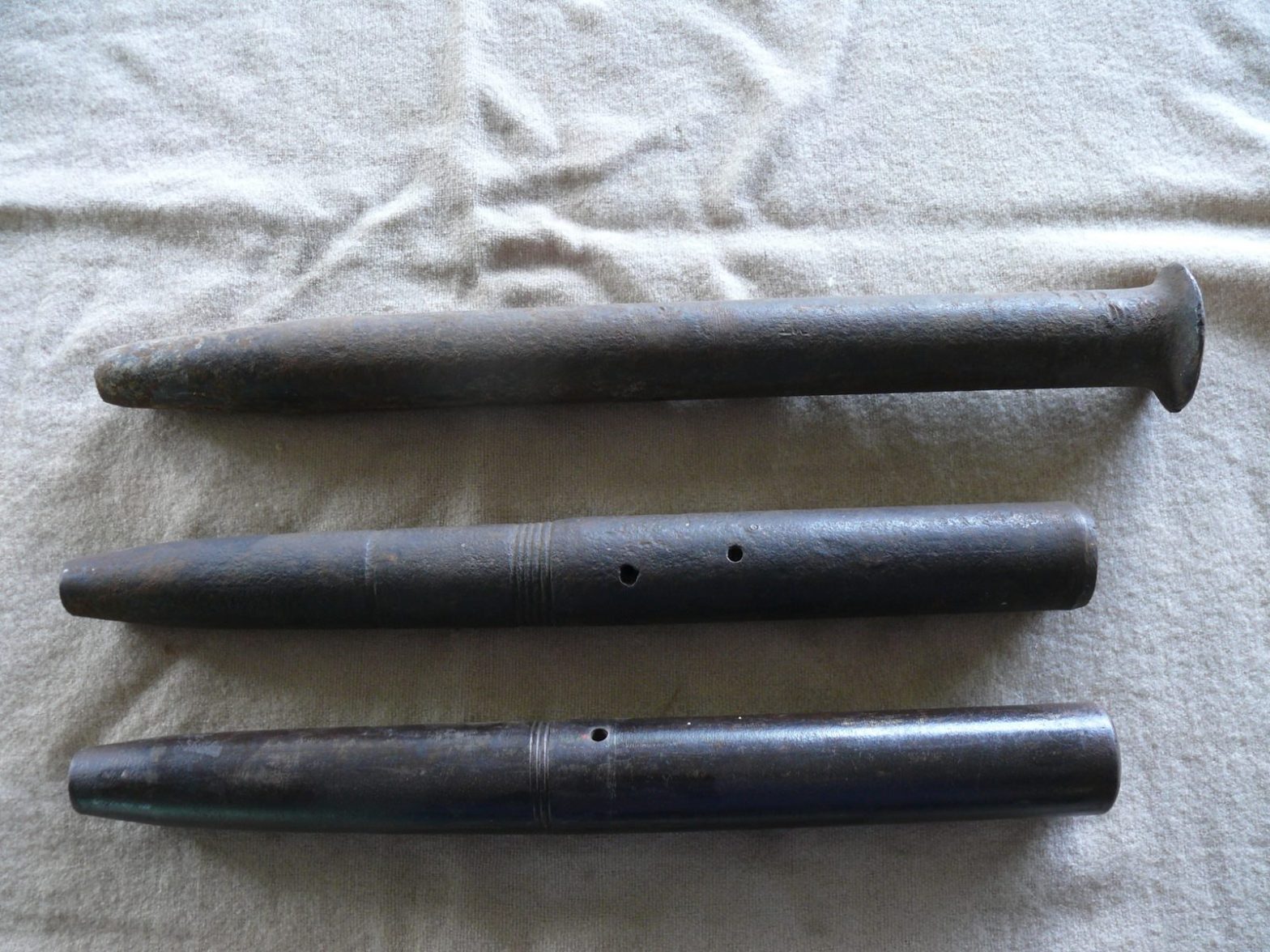
Black powder splitting guns were commonly used to split large logs into more manageable pieces before the advent of excavators and front-end loaders in bush logging operations. A typical splitting gun used in Victorian forests was a piece of high-grade steel about 1-1/2 to 2 inches in diameter and about 16 inches long, and slightlyContinue reading “Splitting guns.”
Tall trees and taller tales.
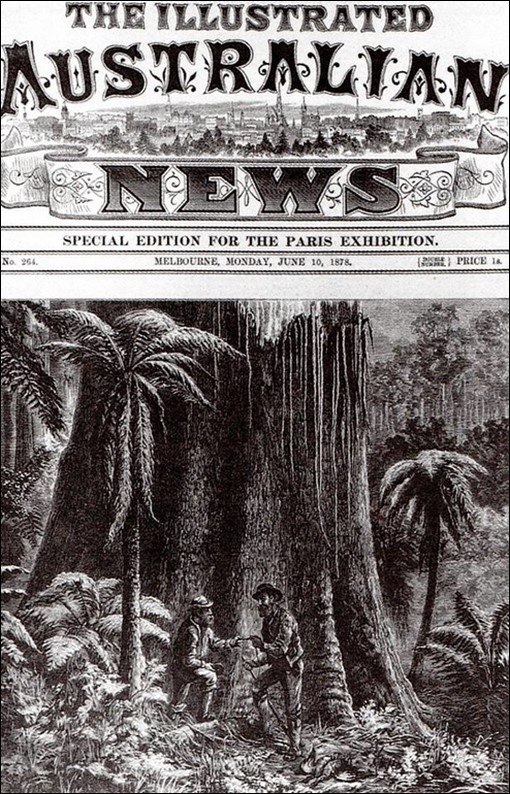
It’s often said that mountain ash, Eucalyptus regnans, is the world’s tallest flowering plant, and possibly the tallest plant of all time, although no living specimens can make that claim. Tree height is influenced by species, genetics, age, stand density, soil type and depth, rainfall, aspect, altitude, protection from wind and snow damage, fire historyContinue reading “Tall trees and taller tales.”
Biltmore Stick

The most common way that Australian foresters measure tree diameter is to place a calibrated tape around the stem at breast height (1.3m). It’s simple, but can be slow, particularly if the scrub is thick, or if there are heaps of trees. The Biltmore Stick was developed at the famous Biltmore forestry school in NorthContinue reading “Biltmore Stick”
Branding Hammers.

Metal branding hammers were the most common way to control the sale and movement of hardwood timber produce like logs, railway sleepers, fence posts, and poles from Victorian State forests. Royalty was also paid on this basis. The hammer had a crown stamp on one end with a unique number in the middle which identifiedContinue reading “Branding Hammers.”
Reuben Ferguson.
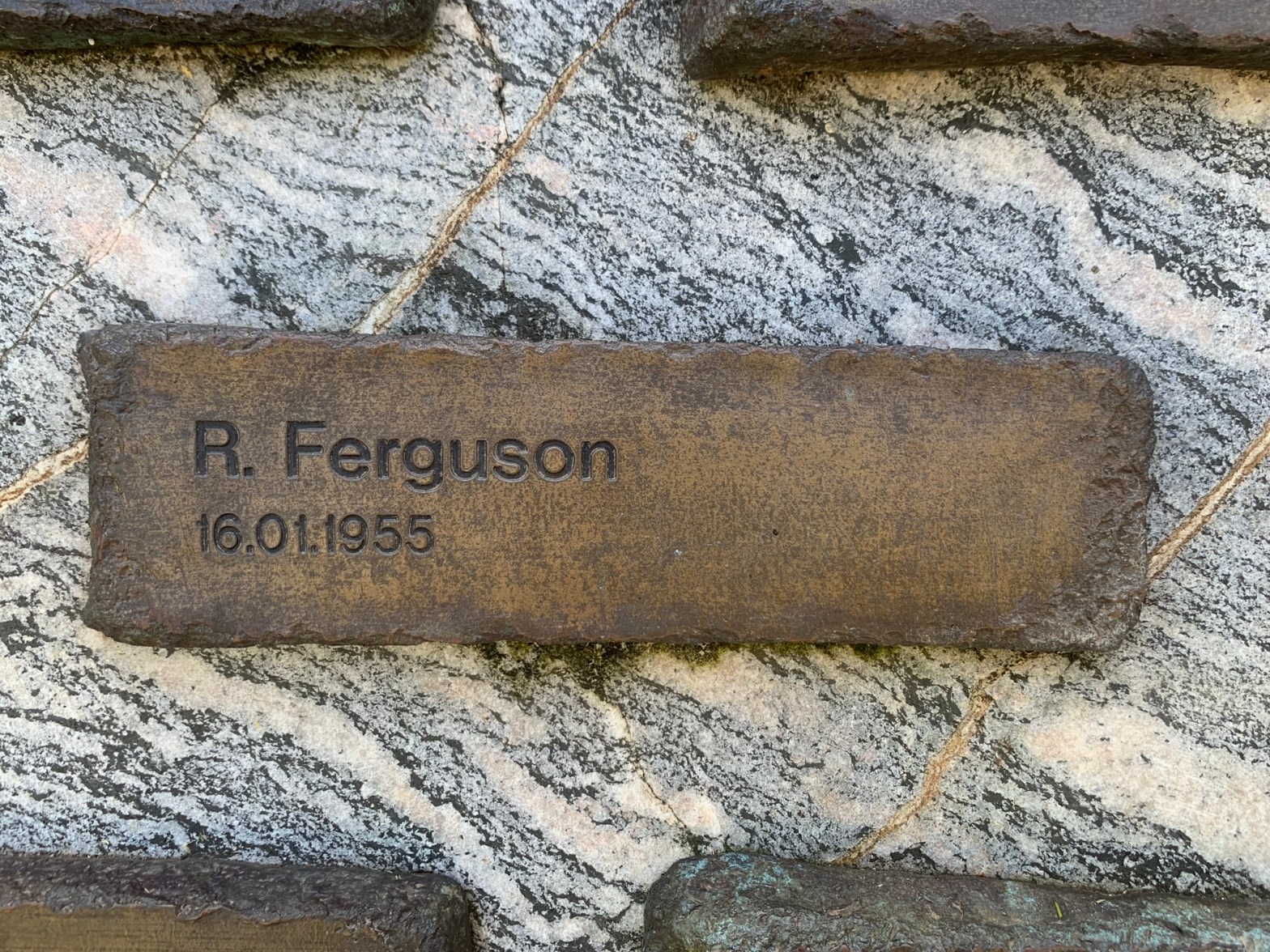
Reuben Douglas Ferguson died alone after he was crushed by a burning tree at a bushfire near Gembrook in January 1955. Reuben was born at Greytown near Heathcote in 1897 and enlisted in 1916 with the 39th Battalion to serve in France, where he was gassed. Reuben worked as a labourer and had been employedContinue reading “Reuben Ferguson.”
Brunton’s Bridge.
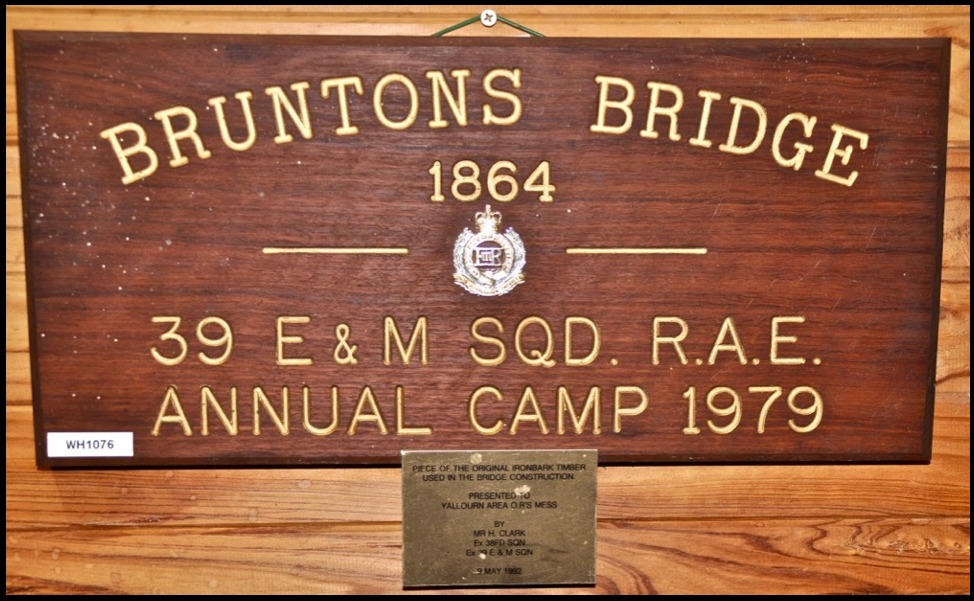
The iron framed Brunton’s Bridge is undoubtedly one of Gippsland’s engineering icons. It was opened in 1888 on the road from Toongabbie to the Walhalla goldfields. Mr Mephan Ferguson, (Great-Grandfather of VSF forester, and later CFA Chief Fire Officer, Euan Ferguson) built the bridge under contract from the Public Works Department at a cost ofContinue reading “Brunton’s Bridge.”
Blue Gum piles.
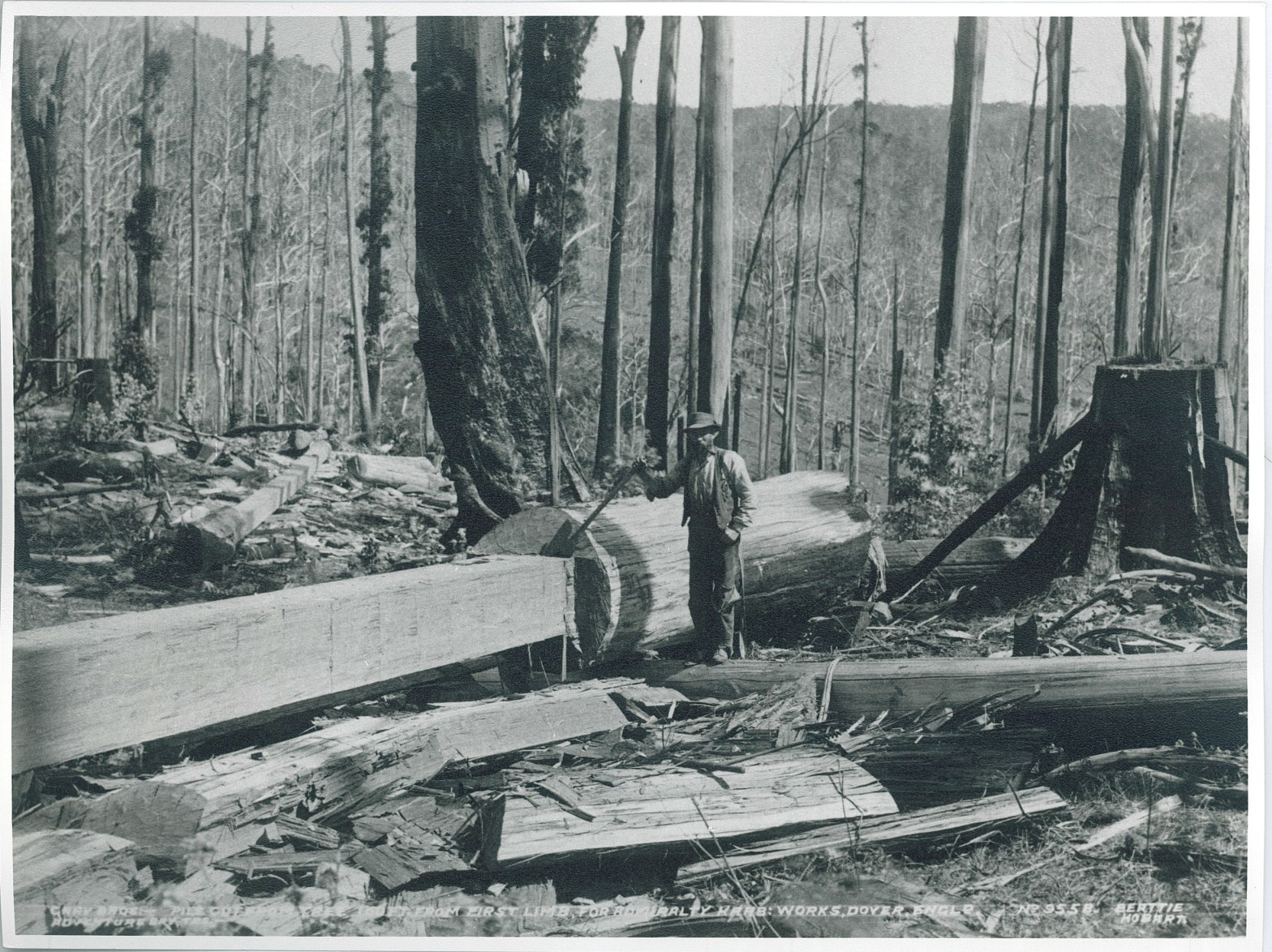
These photographs, taken in the early 1900s, are of 100 foot long Blue Gum (Eucalyptus globulus) piles produced by the Gray Brothers mills on Bruny Island in southern Tasmania. The timber was destined as hewn piles for Admiralty Harbour Works at Dover in England and for similar works at Simon’s Town in South Africa. TheContinue reading “Blue Gum piles.”
Tolly.

Kevin Tolhurst graduated from the Victorian School of Forestry in 1976 and forged a stella career in fire research. Sadly, Tolly died suddenly on 5 October 2023 at Mallacoota after a community bushfire meeting. In the early 1980s Kevin led the ground breaking Fire Effects Study Area (FESA) project in the Wombat State Forest. TheContinue reading “Tolly.”
Timber seasoning – Newport.

Early foresters, as well as some sawmillers and timber merchants, recognised the unique qualities of Victorian hardwood timbers and the Government was keen to promote them to the world market. But by far, the greatest proportion of dressed timber for internal work, joinery and furniture was expensive imports from North America and Scandinavia. There wasContinue reading “Timber seasoning – Newport.”
Boat Knees.

The beautiful curves of wooden boats have surfaces which come together at odd angles and often use special timber shapes called “boat knees” to join them together and add strength. Most woodworkers know that timber is strongest along the grain but will split when force is applied across the grain. Timber can be bent, joinedContinue reading “Boat Knees.”
Lex Wade – a life of fire.
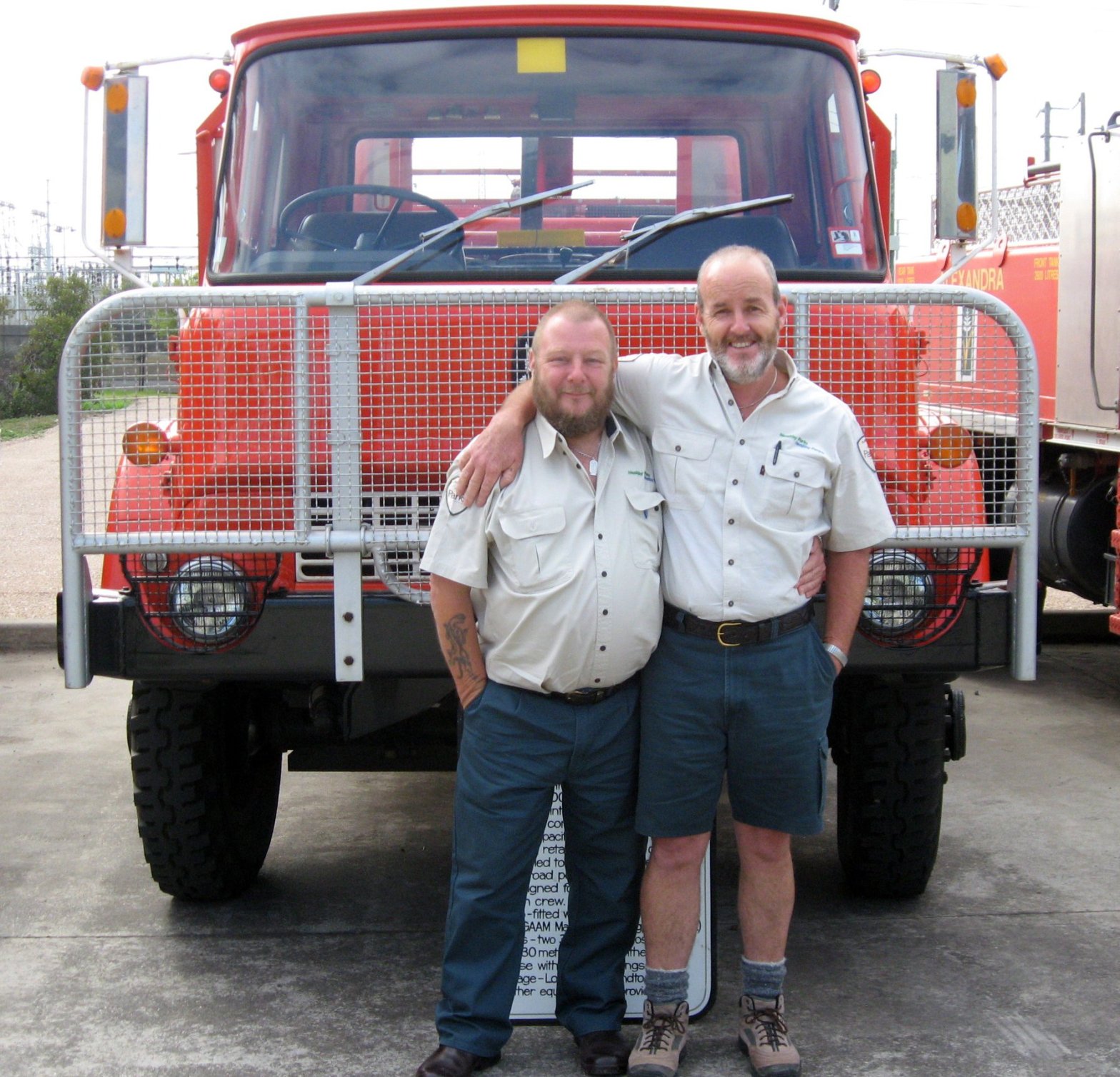
If an organisation is fortunate, it can claim a few colourful characters amongst its ranks. And over its long and proud history, the Forests Commission Victoria (FCV) had its fair share. Alexander (Lex) Wade was one such character who grew up in the Dandenong Ranges east of Melbourne, and despite his many wanderings always seemedContinue reading “Lex Wade – a life of fire.”
Sawdust.
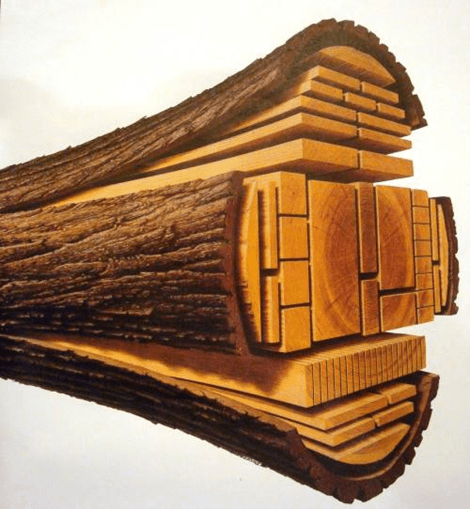
The losses from converting round logs onto square sawn timber depends on the species of tree, the diameter and length of the log, straightness and the overall taper of the log, internal defects and waste. Sawn timber recovery can vary from 40 to 50% of the gross volume (cubic metres) for a large mountain ashContinue reading “Sawdust.”
Vale – Bill Edgar.
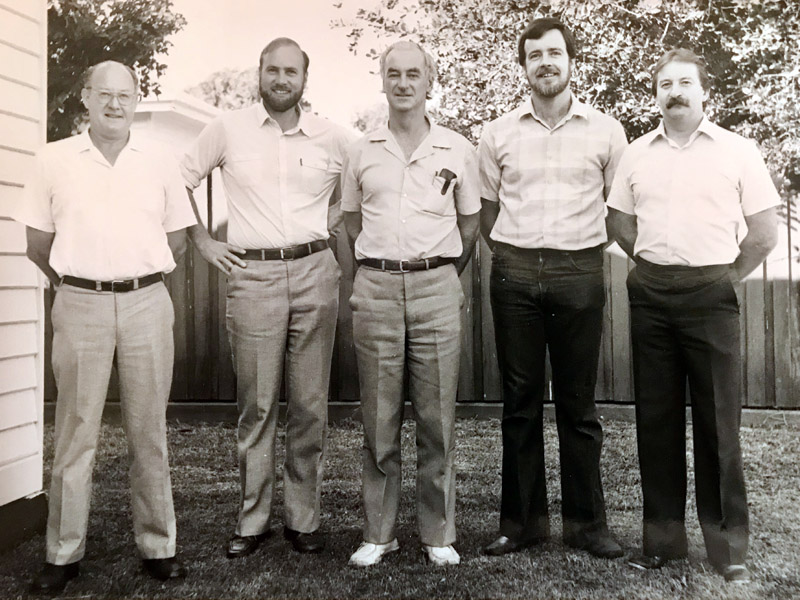
Written by his family and contributed by his son Tony Edgar. William James Edgar was born in Yenda in the NSW Riverina on 11/11/1927. At the time of his death, he was a father of seven, a grandfather of 22 and a great grandfather of 22. He has always been known as Bill. His parentsContinue reading “Vale – Bill Edgar.”
Hoppus Log Volume.

Australian foresters are lucky to no longer endure some of the older “head scratching” imperial measurements. Hoppus Log Volume (HLV) was used around the British Empire and is still used in some countries. Introduced in 1736 by English surveyor Edward Hoppus, it estimated the volume of a round log that would produce usable or merchantableContinue reading “Hoppus Log Volume.”
Forest Metriverter.
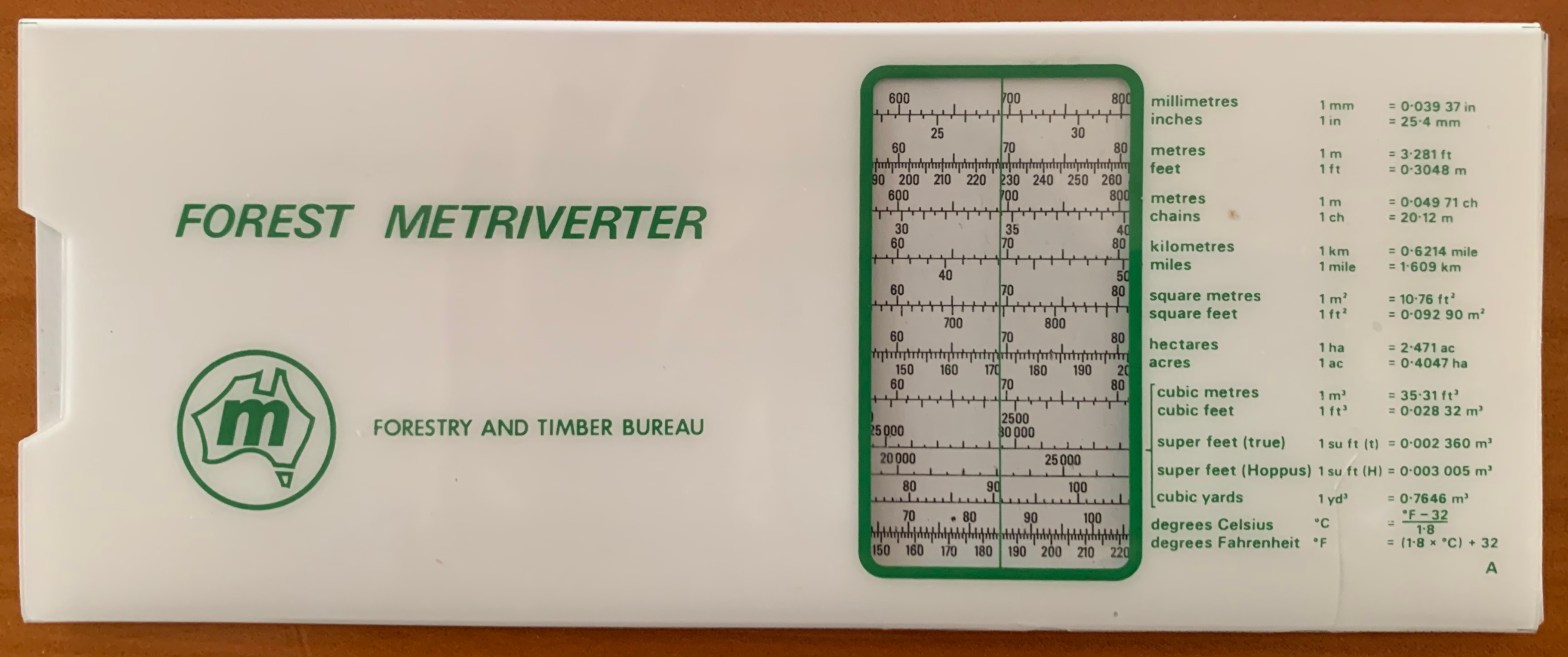
Decimal currency was spectacularly introduced in an overnight overthrow on 14 February 1966, but it took another 8 years before metrication finally arrived in the forest and timber industry. Eventually, the measurement of logs and sawn timber changed from imperial, and excruciating, measures such as super feet of sawn timber, billets and cunits (100 cubicContinue reading “Forest Metriverter.”
 Victoria’s Forests & Bushfire Heritage