Fast and aggressive First Attack… has always been the mantra drummed into trainee forest firefighters.
The primary aim is to keep bushfires small, and less than 5 ha in size within the first 24-hour period following detection. This gives the best chance of quick control.
But the main problem for firefighters on the ground isn’t fire area… it’s fire perimeter… a conundrum rapidly compounded by spot fires.
A small 5 ha fire can be nearly 1 km around its perimeter. That’s a long way to build a control line by hand. And believe me… it’s hard slog…
And with big fires, the perimeter to be extinguished can stretch for hundreds of kilometres through thick bush, in rough terrain and remote from any access tracks.
Firefighting is a challenge of balancing available resources in both space and time. Sometimes a bit of agile mental arithmetic is required to judge the expected fire behaviour, rates of spread and where the fire edge might be, against the time and resources available to build and hold control line.
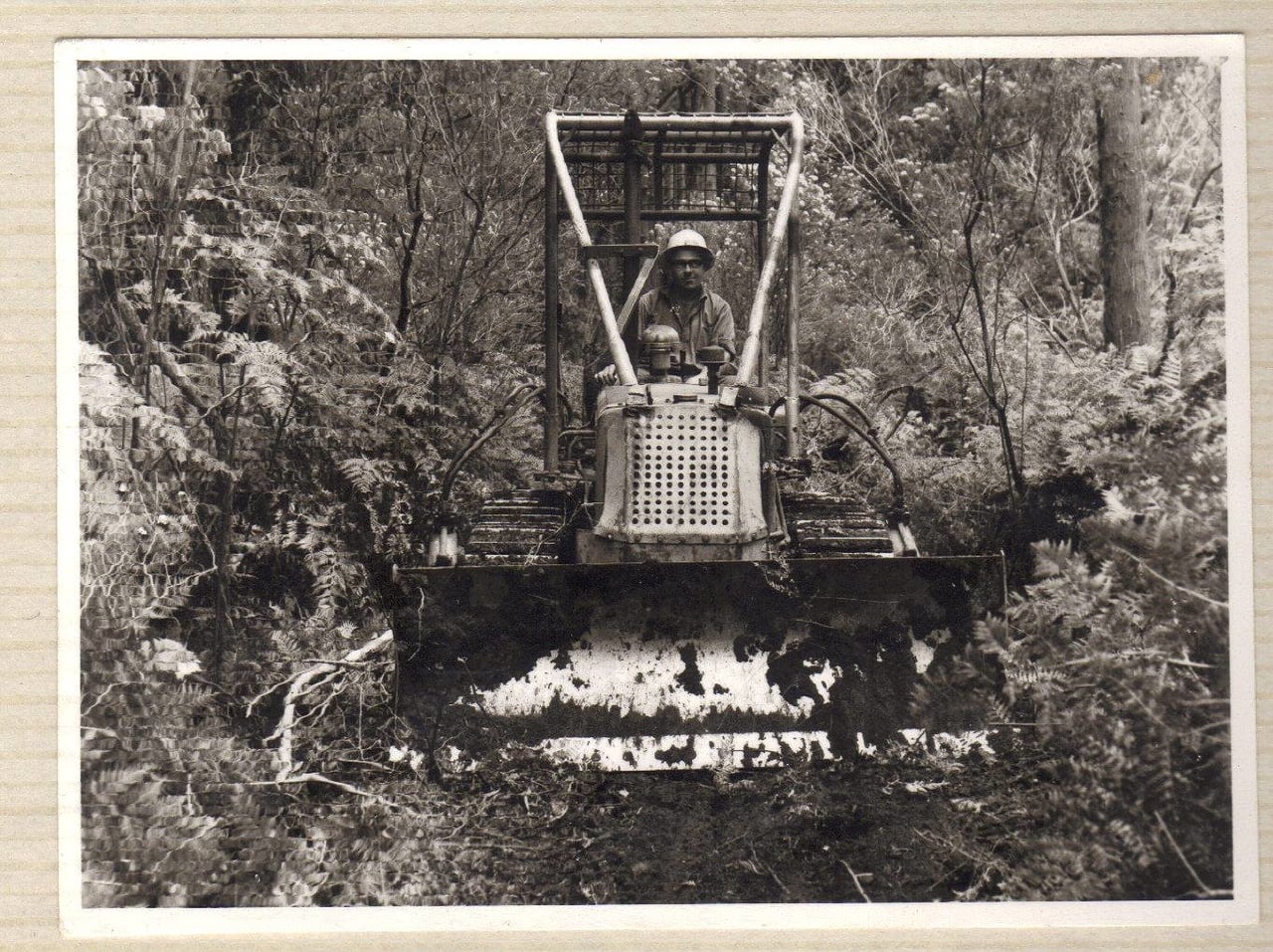
About 18 heavy bulldozers were purchased in the late 1940s in response to the Stretton Royal Commission recommendations.
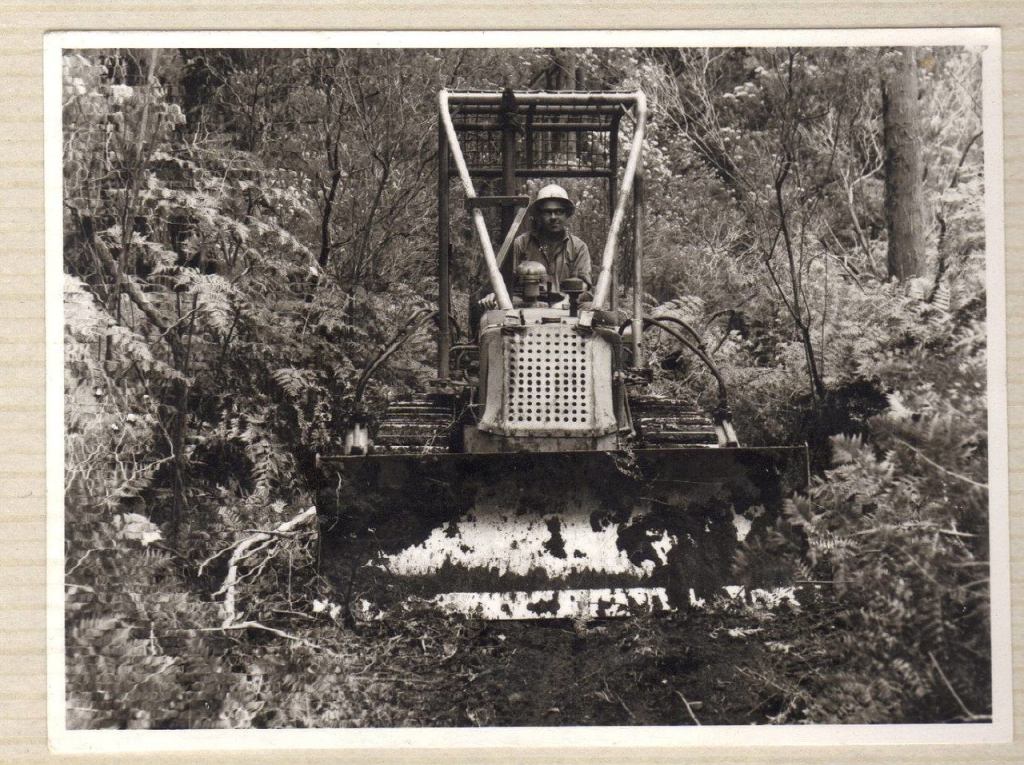
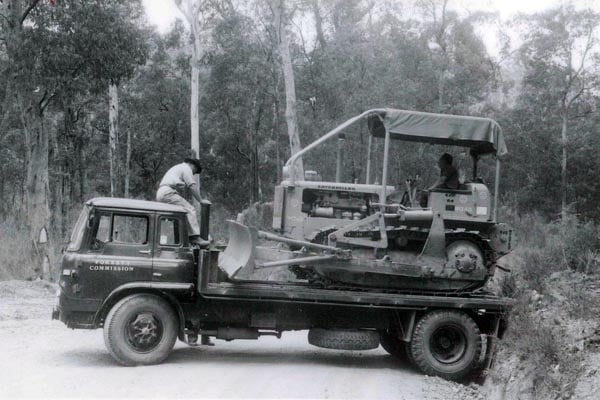
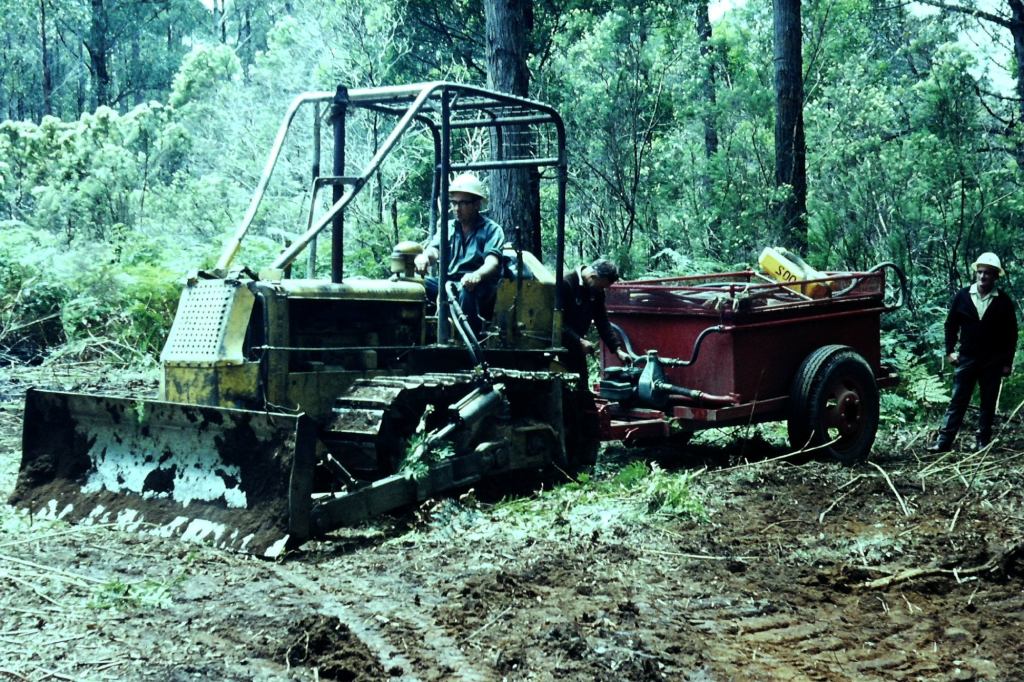
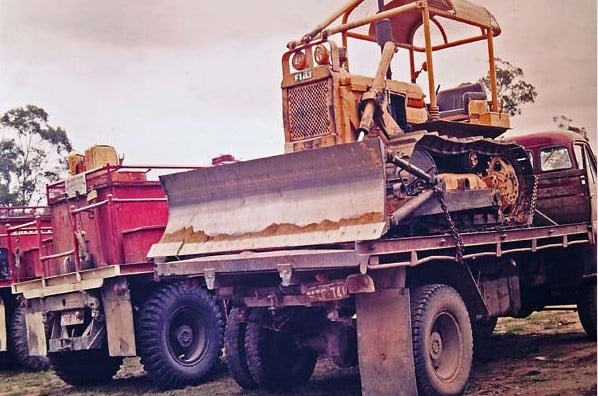
As technology improved, the Commission began putting smaller D4 size First Attack Dozers (FAD) on the back of tip trucks, and later small trailers, to transport machines more rapidly to the fire edge.
A small D4 bulldozer in the hands of a skilled operator could construct about 350 m/hr of control line in moderate fuels provided there wasn’t too much side slope, while a bigger D6 could double that figure.
Depending on forest type, fuel load, understory thickness and slope, the sustained rate to construct and hold fire control lines by hand crews is between 5 and 20 m per person per hour.