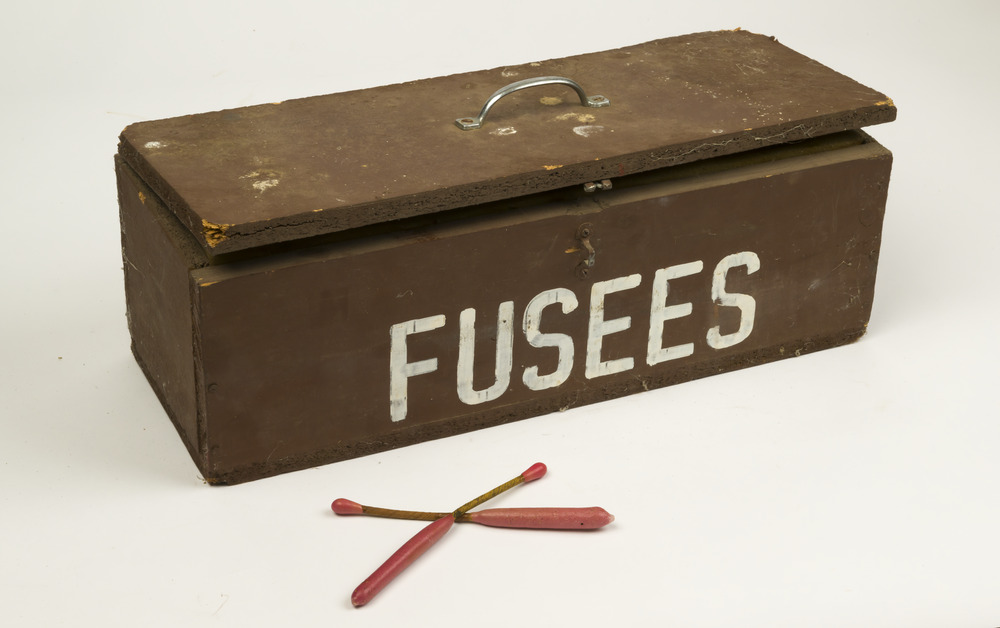
Over many decades the Forests Commission used and developed a wide range of incendiary devices for its burning operations.
These pyrotechnics included “strike anywhere” wax vestas, safety fusees, burning tyres dragged behind vehicles, humble drip torches, incendiary shotguns and mortars, flame throwers of various designs, blow torches, jellied petrol blivets wired up to electrical circuits and heavy-duty detonation chord to create firelines, and even gelignite to blow up dangerous trees.
One of the most common incendiaries in the 1960s and ‘70s were Delayed Action Incendiary Devices (DAIDs) which were a long double ended match with a short length safety fuse in between. These were mostly dropped from helicopters.
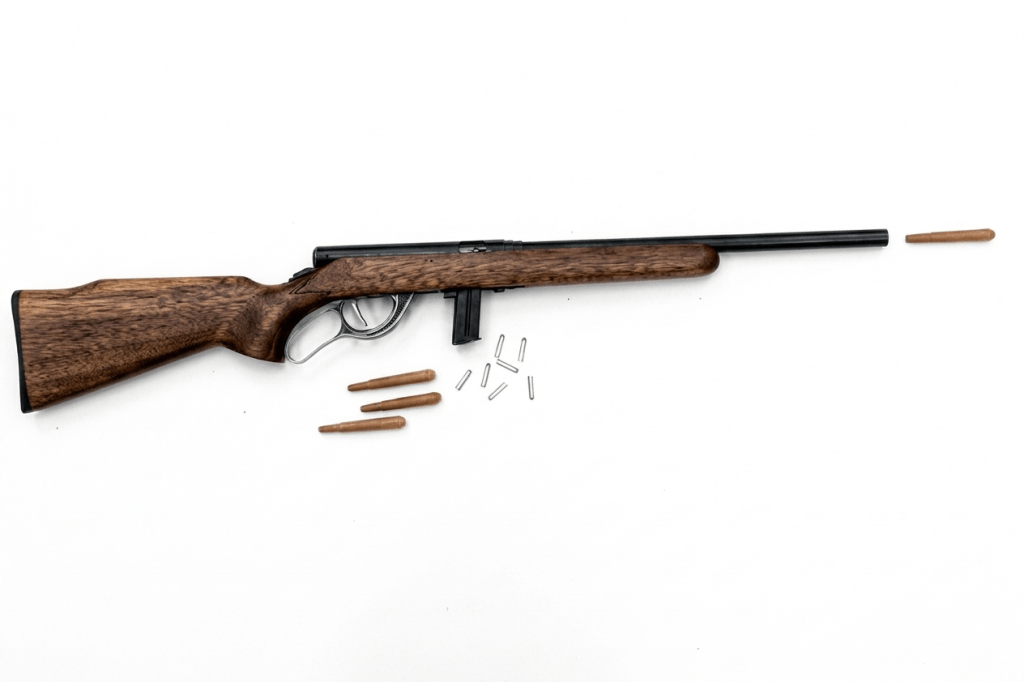
Another common technique used to ignite small spot fires was the Gun Operated Flamer (GOF). This was a modified DAID which was fired using blank ammunition from a modified .22 rifle fitted with a larger shotgun barrel.
But they were all bloody dangerous.
The most tragic accident occurred on 19 April 1978 when a helicopter crashed at Wandiligong near Bright during fuel reduction burning operations, killing two FCV officers, Peter Collier and Stan Gillett, along with their pilot, John Byrnes.
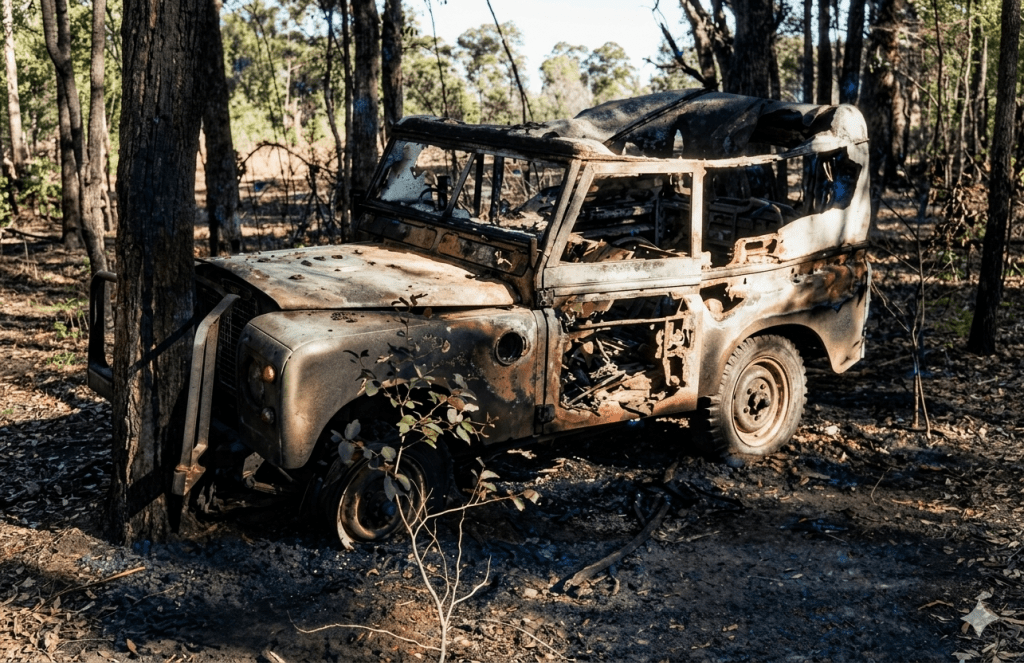
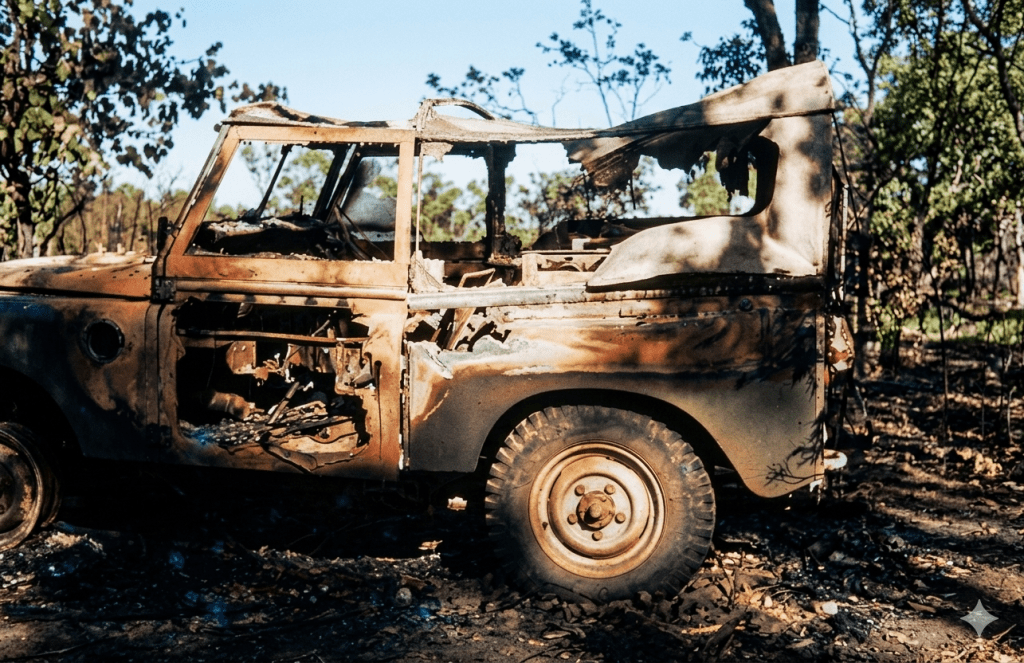
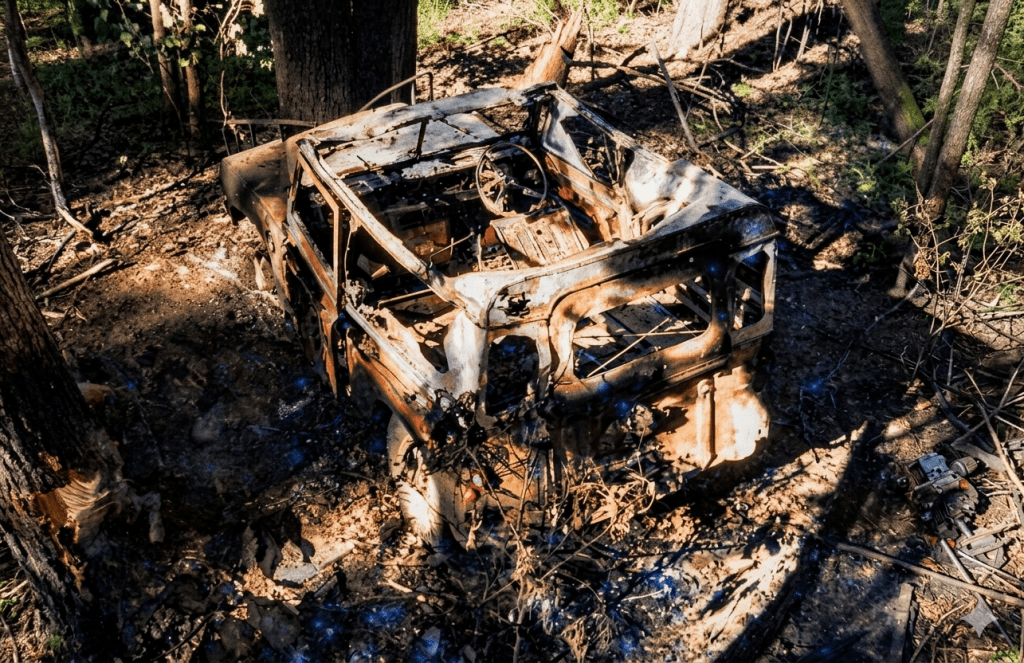
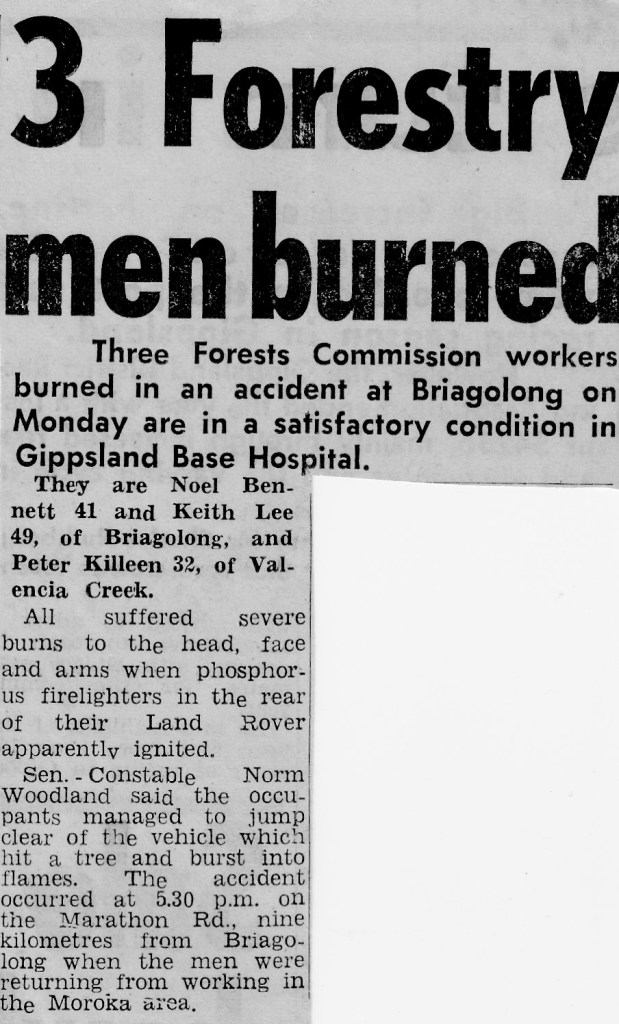
But only a few months earlier on 3 October 1977, there was another significant accident when a box of GOFs exploded in flames in the back of a short-wheel-base Land Rover carrying three staff from Briagolong in Gippsland.
Noel Bennett, Peter Killeen and Keith Lee were returning after a day in the bush along the Marathon Road when the GOFs, which were stored in a safety box in the back, caught fire and their vehicle crashed into a tree. All three escaped but with serious burns and spent some time in Sale hospital recovering. Noel’s small dog also managed to escape, but without injury.
It’s reported that a box of GOFs was later tested on a shake table at the Altona workshops where they indeed caught fire.
These two incidents, plus many other minor ones, led to the Commission banning these types of incendiaries and developing safer techniques like the aerial ping-pong ball machines which are still in use today.
https://victoriancollections.net.au/items/677c93a47f2053f3e5cdb540