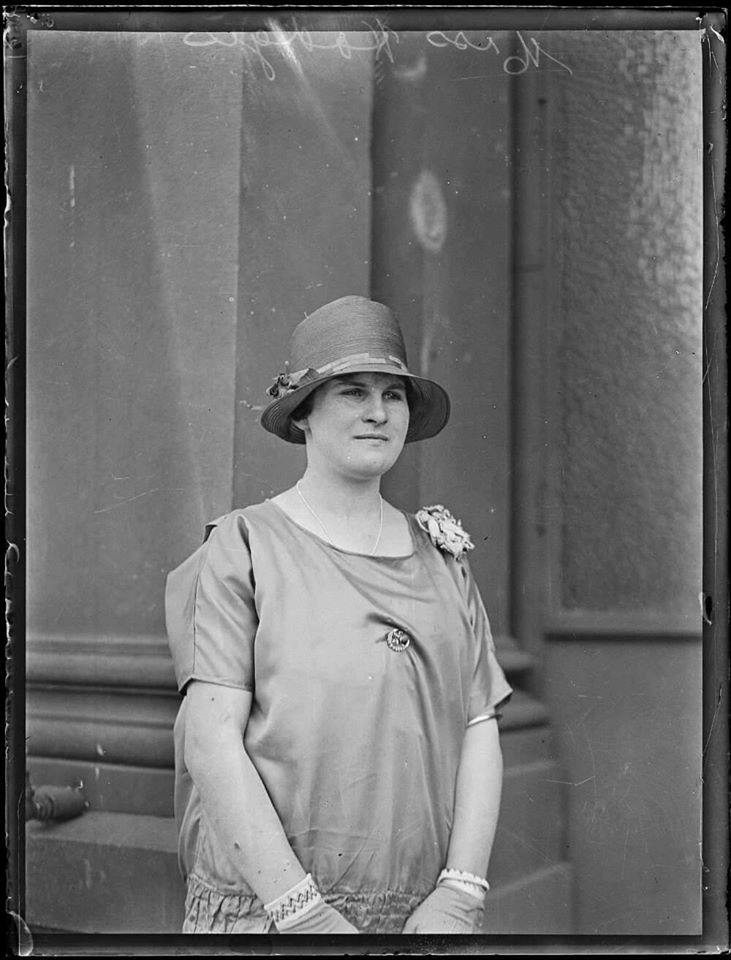
The 1926 Black Sunday bushfires are largely forgotten now, being overshadowed by the catastrophic 1939 Black Friday bushfires thirteen years later. The amazing story of fifteen-year-old Florrie Hodges, who later captured the hearts of the nation, has mostly been forgotten too. Florrie lived with her family at the small Horner and Monett’s sawmill, deep inContinue reading “Florrie Hodges – 1926 bushfire heroine.”
Category Archives: People
Charlie Pettman – Nowa Nowa.

Charles George Pettman began working with the Forests Commission in the early 1930s on an unemployment relief program. About 30 unemployed men came from Melbourne and beyond to their first camp on the old Princes Highway at Burnt Bridge, which was situated on the Toorloo Arm of Lake Tyers in East Gippsland. There was aContinue reading “Charlie Pettman – Nowa Nowa.”
Athol Hodgson.
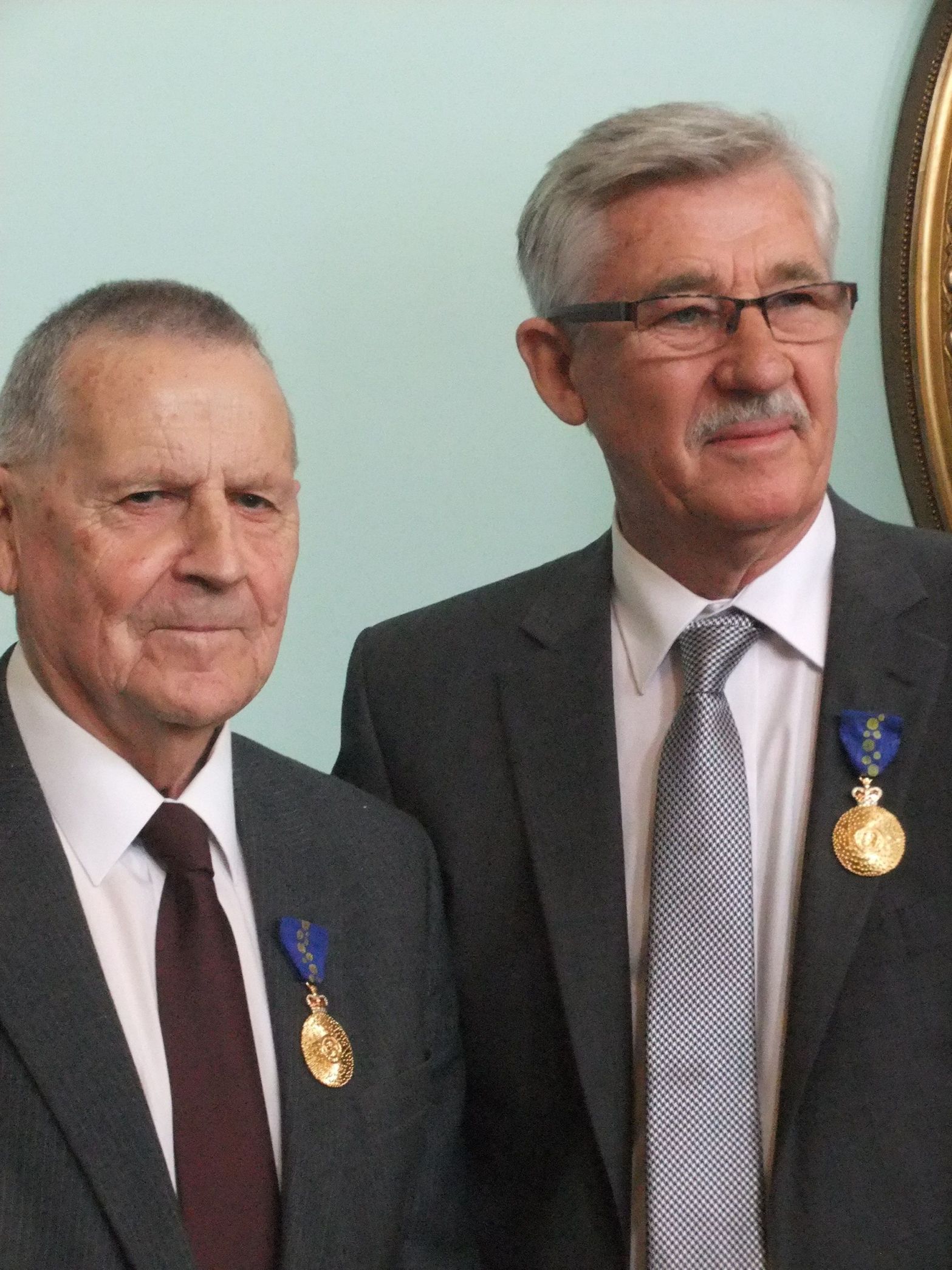
Athol Hodgson made a significant and lasting contribution to Victorian forestry and bushfire management over his long and distinguished career. Born in Wagga Wagga on 20 March 1930 into a large family of seven siblings, Athol spent his early years on the family dairy farm at Nariel near Corryong in northeastern Victoria. He often recalledContinue reading “Athol Hodgson.”
Joe Trent – Toorongo Falls.
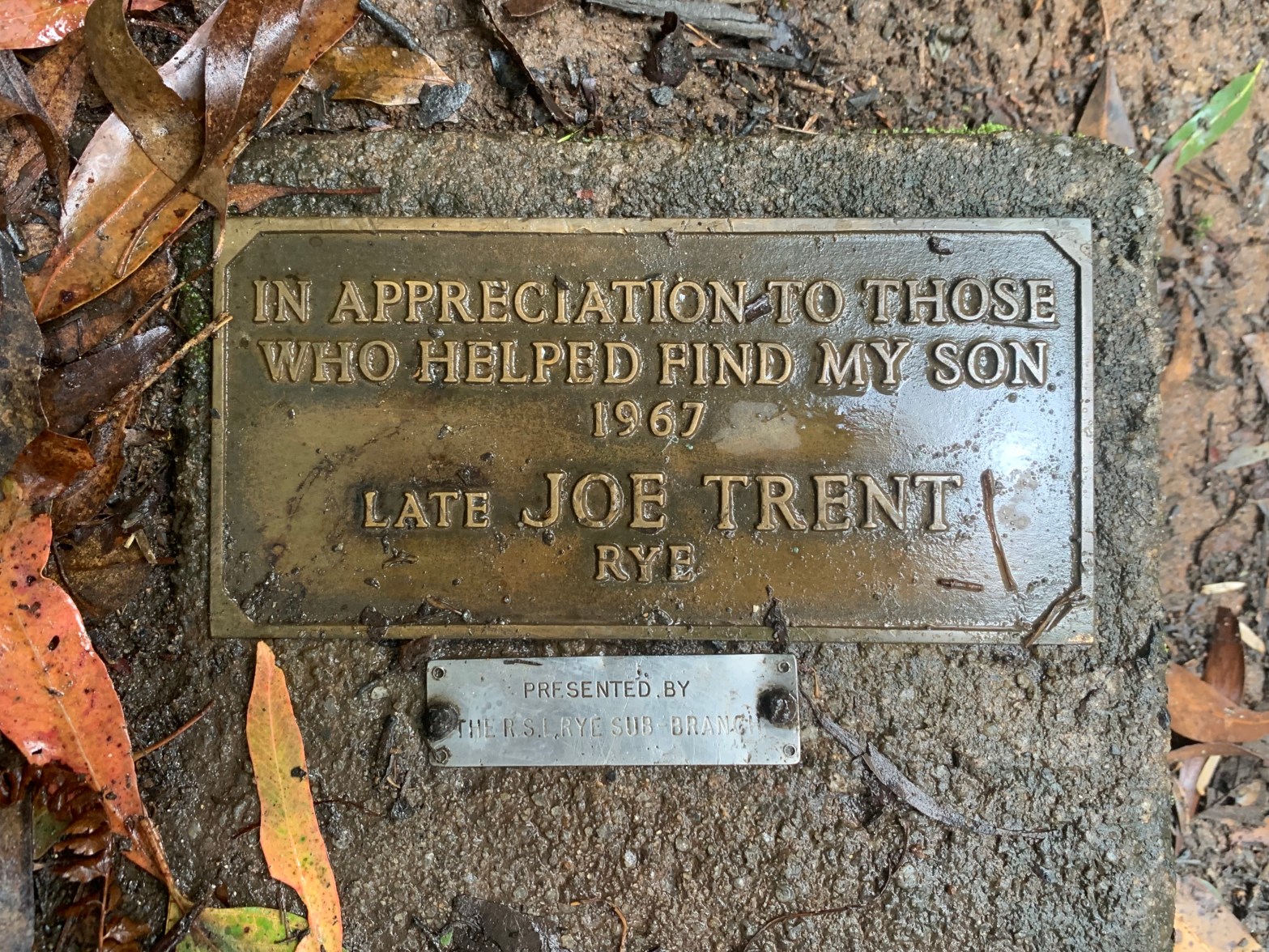
This small brass plaque to the late Joe Trent can be found at the base of Toorongo Falls near Noojee. It was Joe’s son Gregory who had been lost in the bush for 27 hours on July 16 and 17, during the middle of winter in 1967. Joseph Charles Trent died of a heart attackContinue reading “Joe Trent – Toorongo Falls.”
Stringy’s Tree – Heywood.
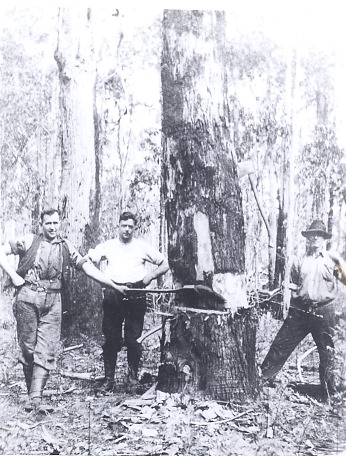
Harold Aldridge (AKA Stringy) worked for the Forests Commission Victoria (FCV) at Heywood in far south western Victoria, firstly as a labourer in 1930, and later from the early 1960s as a forest foreman and overseer. Stringy also served as a driver in the CMF during the war years. During the 1950s and ‘60s forestContinue reading “Stringy’s Tree – Heywood.”
Ernie Richards – Cobungra.

The January 1939 bushfires swept across almost five million acres, killed 71 people, destroyed 69 bush sawmills and almost entirely obliterated several towns. The small and remote township of Omeo lost the hospital, four shops, the main hotel and 27 houses. Workmen from Omeo went to fight the fire at Cobungra Station, but they wereContinue reading “Ernie Richards – Cobungra.”
Charles Watson Perpetual Trophy

This cup was awarded at the annual Northeast Division fire school. Fire schools were an important pre-summer program for all Forests Commission staff and crews. They were designed as refresher courses for existing staff and training of new staff on how to use pumps and hoses. FCV Forest Divisions were made up of separate forestContinue reading “Charles Watson Perpetual Trophy”
Alan McArthur – bushfire legend.
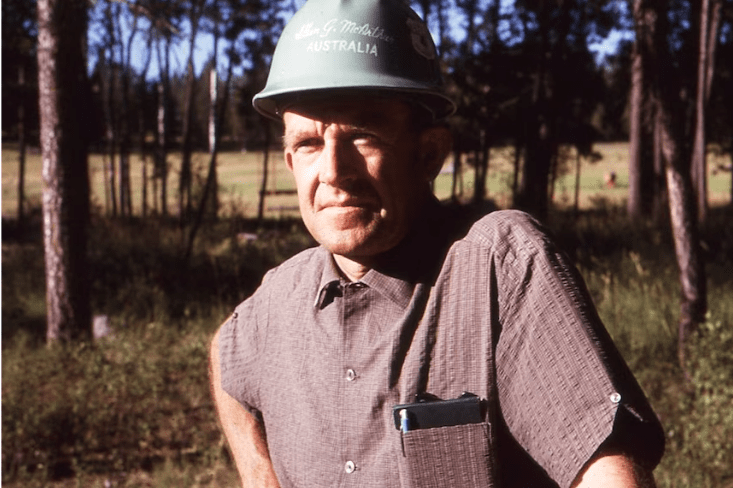
The Forest Fire Danger Index (FFDI) was originally invented by the legendary pioneer of Australian bushfire science, Alan Grant McArthur, during the 1950s and ‘60s. After studying forest science at the University of Sydney in 1945, and later the Australian Forestry School in Canberra, Alan McArthur worked first in softwood plantations in the Tumut andContinue reading “Alan McArthur – bushfire legend.”
The Parliament House Dummy-Spit.
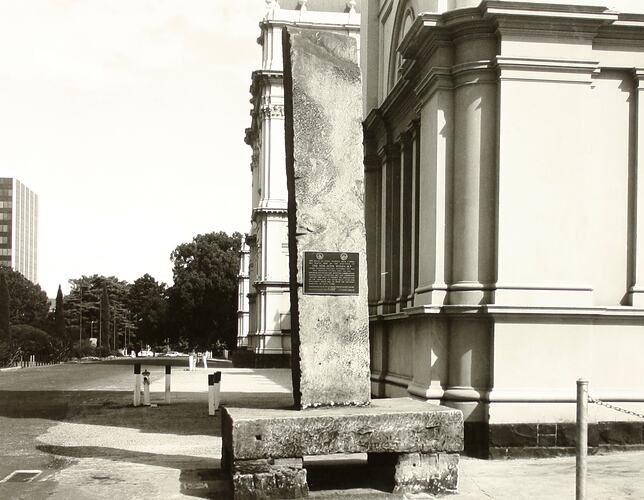
State forests and public land not only produce timber but are also important for sand, crushed rock and dimensioned stone for buildings. Victoria has large quantities of hard basalt, or bluestone, across the western district plains but in the early days of the Colony it had to suffer the indignity of importing sandstone from NSW.Continue reading “The Parliament House Dummy-Spit.”
Christmas Trees

For 100 years, the National Christmas Tree has stood on the “Ellipse”, which is south of the White House in Washington DC. Another tree is positioned outside the US Capitol Buildings. The US Forest Service has been called upon many times to supply the festive trees. The trees this year are two Norway spruces (Picea abies)Continue reading “Christmas Trees”
Reuben Ferguson.
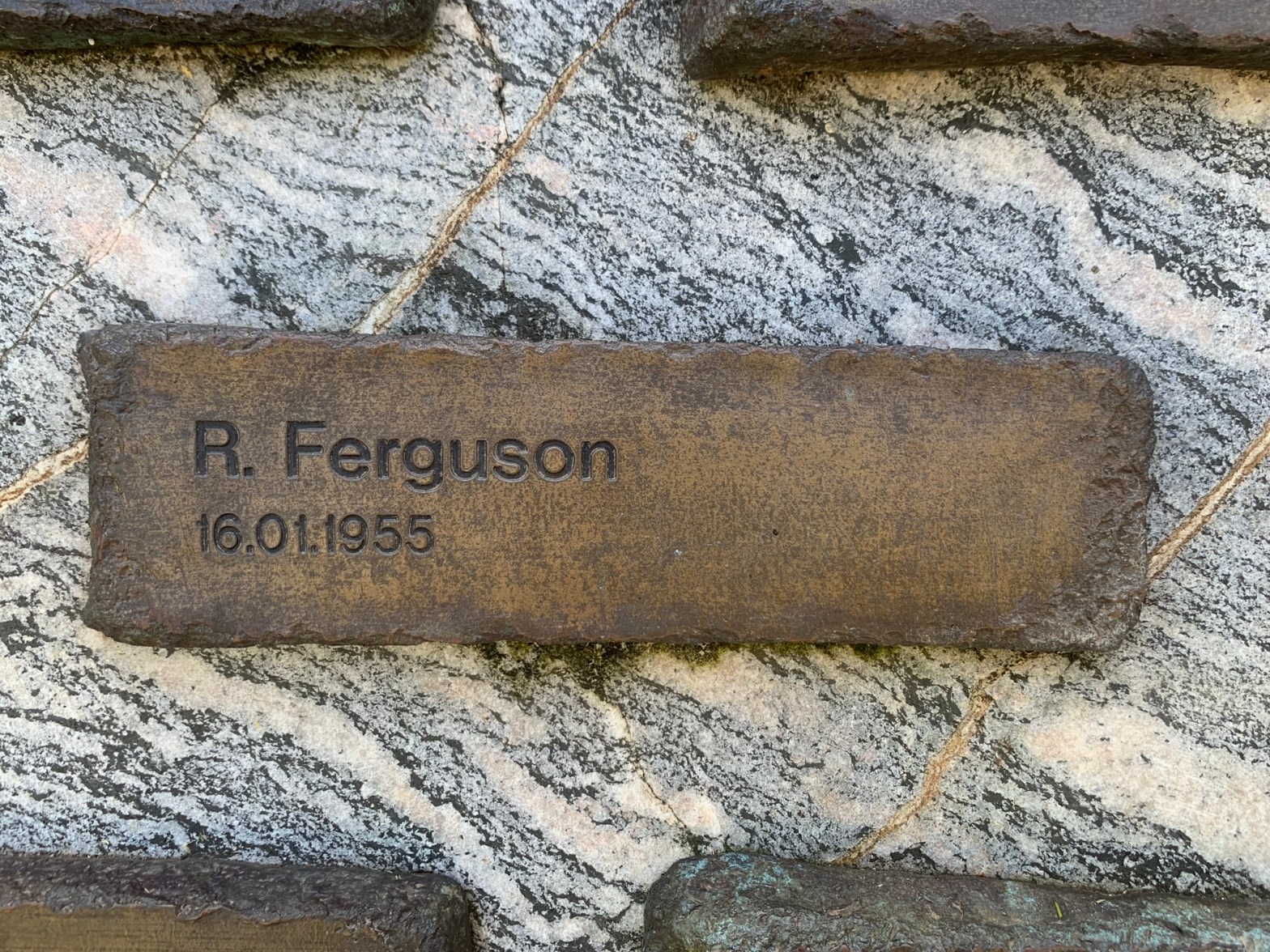
Reuben Douglas Ferguson died alone after he was crushed by a burning tree at a bushfire near Gembrook in January 1955. Reuben was born at Greytown near Heathcote in 1897 and enlisted in 1916 with the 39th Battalion to serve in France, where he was gassed. Reuben worked as a labourer and had been employedContinue reading “Reuben Ferguson.”
Brunton’s Bridge.
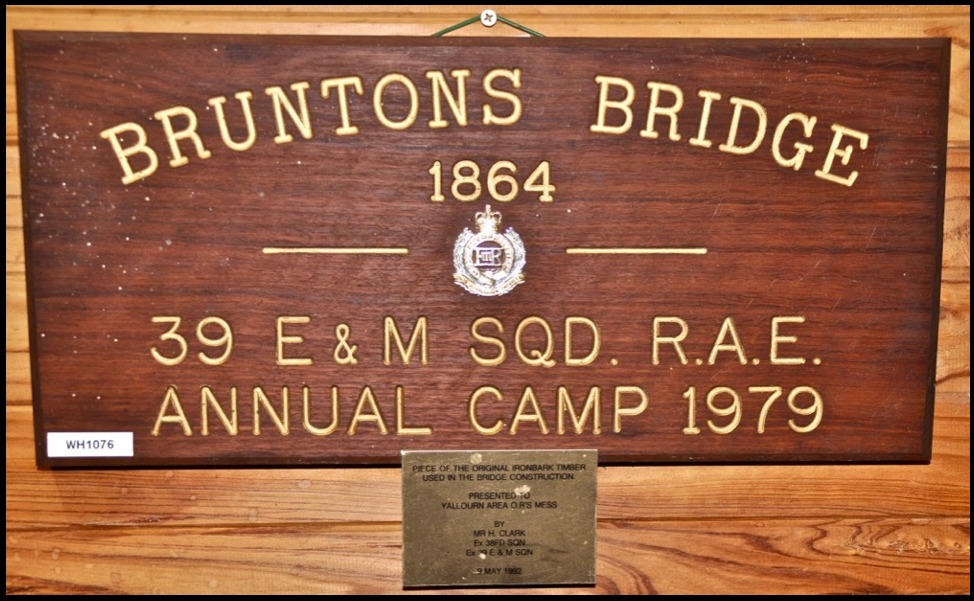
The iron framed Brunton’s Bridge is undoubtedly one of Gippsland’s engineering icons. It was opened in 1888 on the road from Toongabbie to the Walhalla goldfields. Mr Mephan Ferguson, (Great-Grandfather of VSF forester, and later CFA Chief Fire Officer, Euan Ferguson) built the bridge under contract from the Public Works Department at a cost ofContinue reading “Brunton’s Bridge.”
Tolly.

Kevin Tolhurst graduated from the Victorian School of Forestry in 1976 and forged a stella career in fire research. Sadly, Tolly died suddenly on 5 October 2023 at Mallacoota after a community bushfire meeting. In the early 1980s Kevin led the ground breaking Fire Effects Study Area (FESA) project in the Wombat State Forest. TheContinue reading “Tolly.”
Lex Wade – a life of fire.
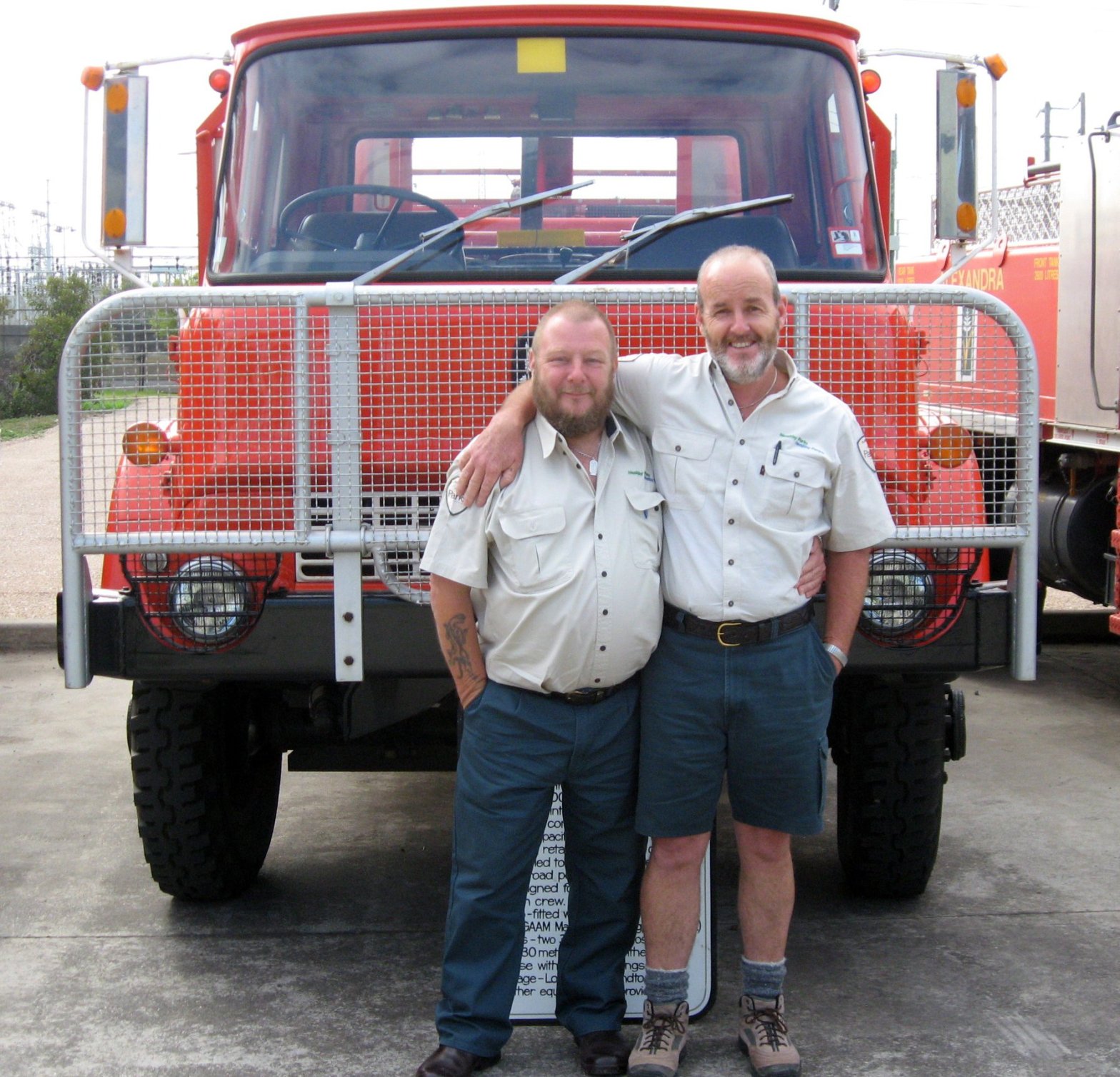
If an organisation is fortunate, it can claim a few colourful characters amongst its ranks. And over its long and proud history, the Forests Commission Victoria (FCV) had its fair share. Alexander (Lex) Wade was one such character who grew up in the Dandenong Ranges east of Melbourne, and despite his many wanderings always seemedContinue reading “Lex Wade – a life of fire.”
Vale – Bill Edgar.
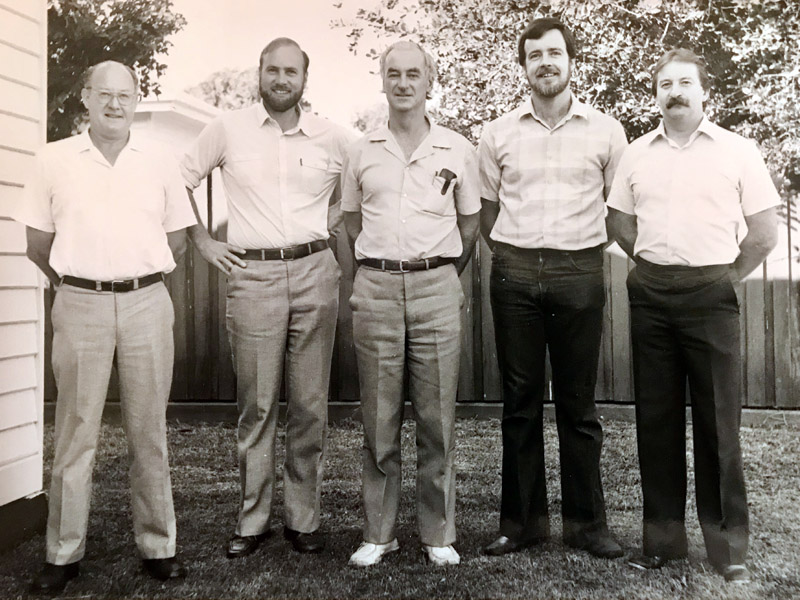
Written by his family and contributed by his son Tony Edgar. William James Edgar was born in Yenda in the NSW Riverina on 11/11/1927. At the time of his death, he was a father of seven, a grandfather of 22 and a great grandfather of 22. He has always been known as Bill. His parentsContinue reading “Vale – Bill Edgar.”
Foresters on Parade – New York City.
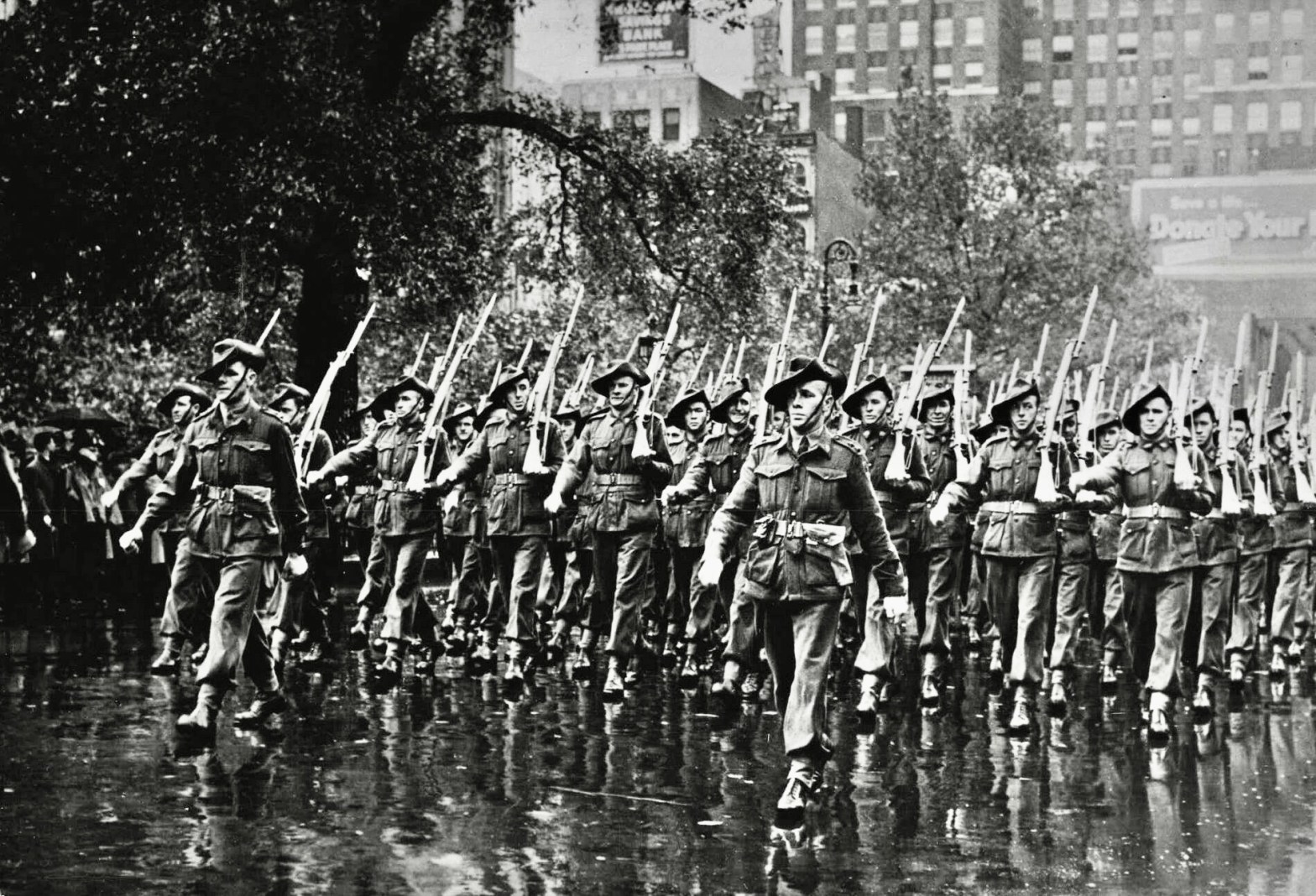
On Friday 1 October 1943, in the pouring rain, six hundred Australian and New Zealand forestry troops, en-route from England to their home countries, were given the unique honour of marching in a ticker-tape parade, with fixed bayonets down Broadway in New York. It’s said to be the only occasion that armed foreign troops hadContinue reading “Foresters on Parade – New York City.”
CFL Regions.
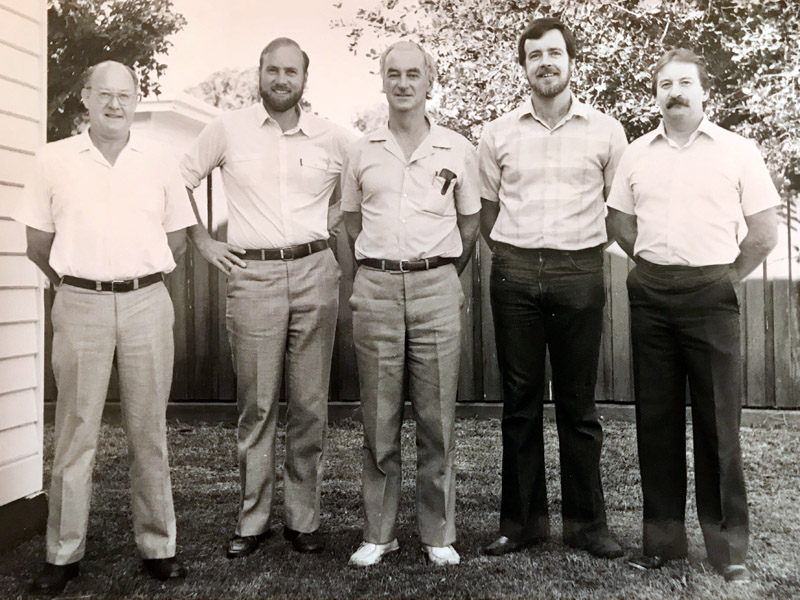
The Department of Conservation, Forests and Lands (CFL) came into effect on 1 September 1983 after a short Act of State Parliament. The Forests Commission Victoria (FCV), which had existed since 1918 lost its discrete identity and merged into the newly formed mega-department, along with the Crown Lands and Survey Department, National Park Service, SoilContinue reading “CFL Regions.”
The Carver Papers.

Morris William Carver was born on 25 October 1896 at Thorpdale in Gippsland. He enlisted in the AIF in Feb 1918 and set sail from Adelaide, holding the rank of Sergeant, but returned home when the boat was recalled. On returning, Morris got a job on 5 March 1919 with the Forests Commission Victoria (FCV)Continue reading “The Carver Papers.”
 Victoria’s Forests & Bushfire Heritage