
A new FCV pavilion was officially opened by Minister of Forests, Lindsay Thompson, on 20 September 1965 at the Royal Melbourne Show Grounds. It replaced the original building, which was built in 1922, but was badly in need of expensive repairs. Victorian timbers were on display along with free advice to visitors, architects and homeContinue reading “Royal Melbourne Show Pavilion.”
Category Archives: Forests
Staff Uniforms.
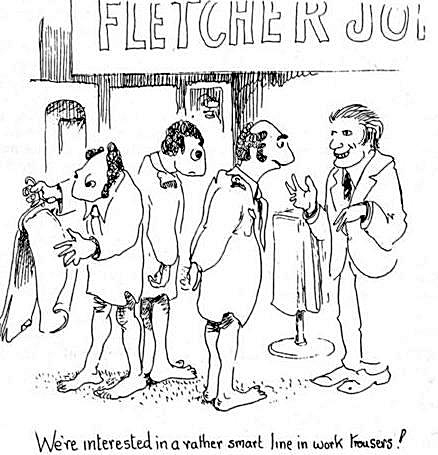
In my experience, there are three topics that are guaranteed to upset staff. 1. rearrangements to office accommodation, 2. allocation and use of vehicles, and 3. uniforms. The matter of uniforms in the Forests Commission has a long and fraught history. A motion was raised at the 1966 meeting of the Victorian State Foresters AssociationContinue reading “Staff Uniforms.”
Organisational Culture.
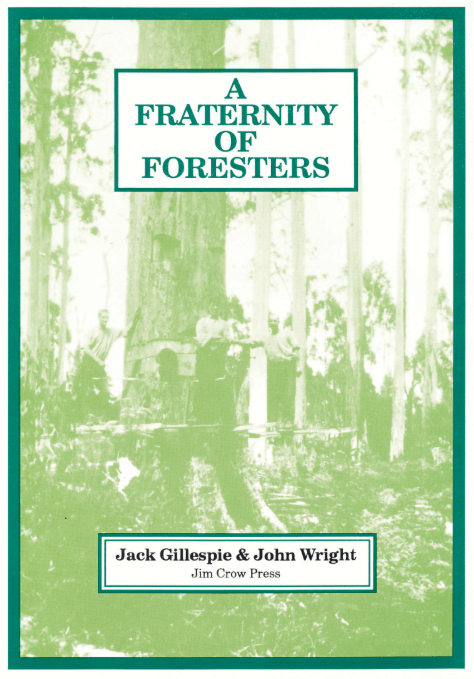
The State Forest Department (SFD) was established in 1907 following several scathing inquiries leading to a Royal Commission (1897-1901) into the destruction and waste of Victoria’s forests which followed the gold rush of the 1850s. Foresters were a lonely voice advocating for conservation and the combined principles of sustainability, multiple use and economic development ofContinue reading “Organisational Culture.”
Multiple Use Case Study – Grampians 1974.
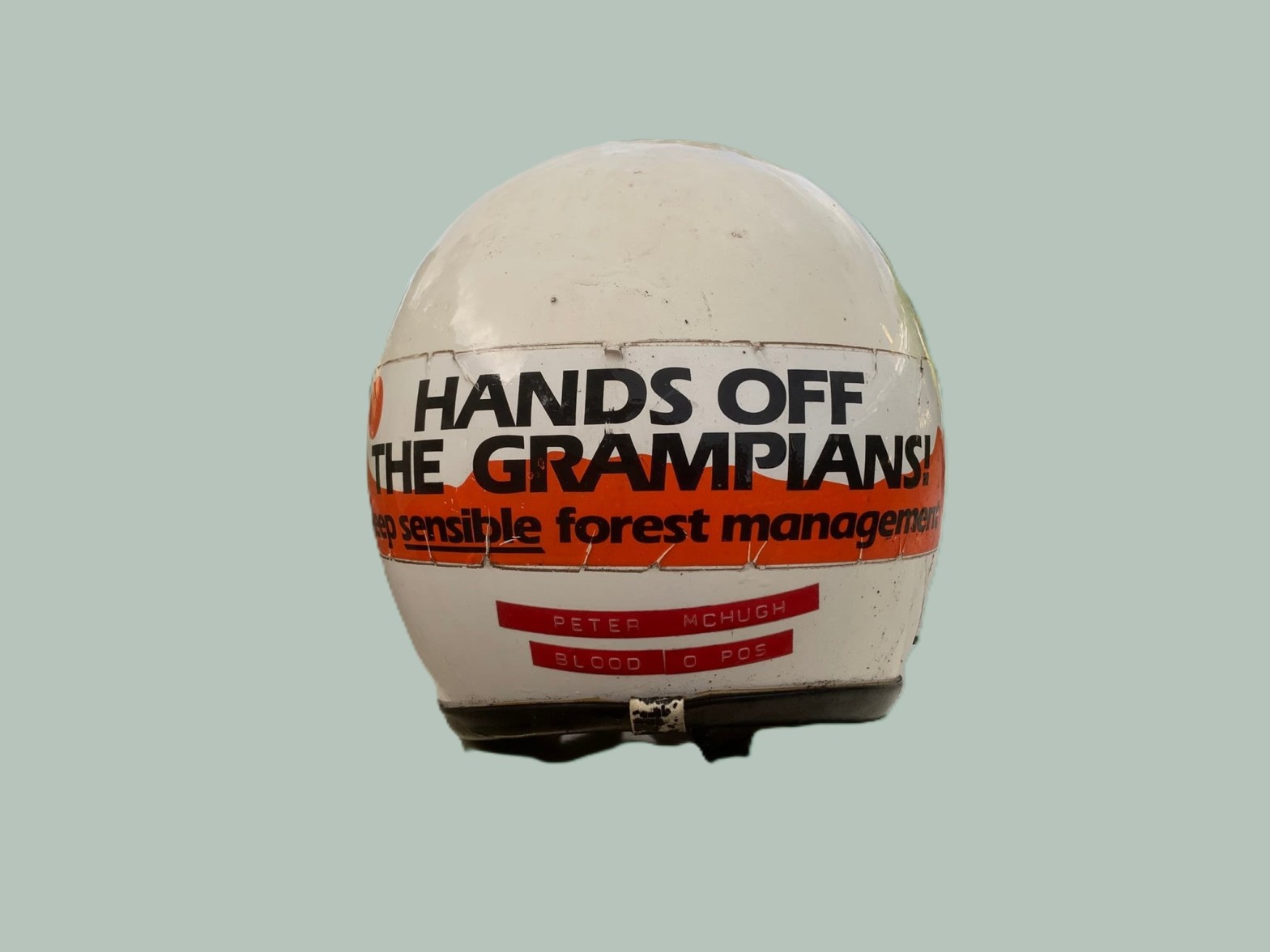
A simple working plan for the Grampians State Forest had been produced in 1939, but a new blueprint was prepared by Commission in 1974 which reaffirmed its core principles of balance and multiple use. The document was an innovative attempt at the time to set out a vision for the 210,000 ha Grampians State forestsContinue reading “Multiple Use Case Study – Grampians 1974.”
Multiple Use.
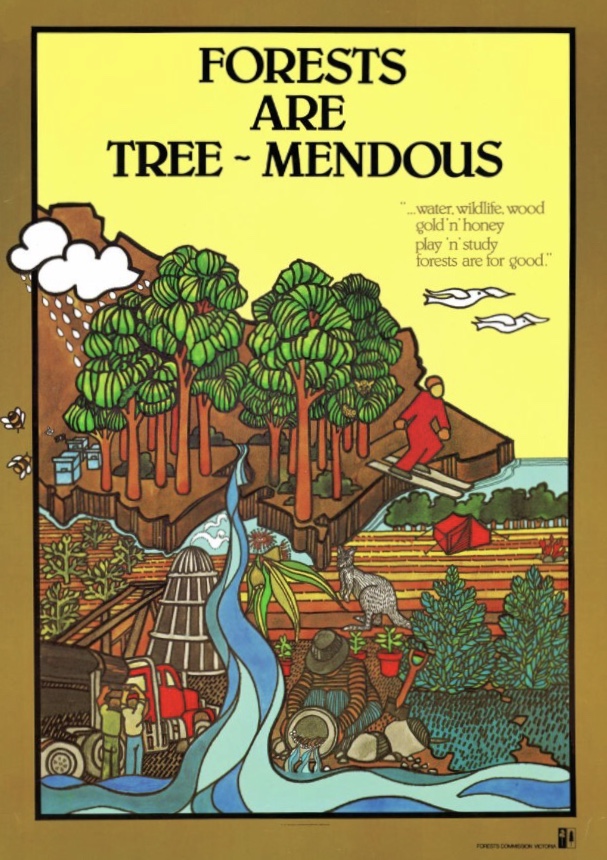
Sir William Schlich, the famous Professor of Forestry at Oxford University, advocated the idea of multiple use in his classic five-volume, Manuals of Forestry, which were originally published between 1889 and 1896. “Multiple Use” of forests remained a popular term and seemingly simple enough concept. But like many popular terms, it remained ambiguous. People oftenContinue reading “Multiple Use.”
Mount Dandenong Observatory.

The Mount Dandenong Observatory Reserve, and the nearby TV Towers, are important landmarks for metropolitan Melbourne. The summit of Mount Corhanwarrabul at 2077 feet is the highest peak in the Dandenong Ranges and has attracted tourists for over a century who are drawn by the superb views of the city. In the 1860s, the summitContinue reading “Mount Dandenong Observatory.”
Alan Threader.
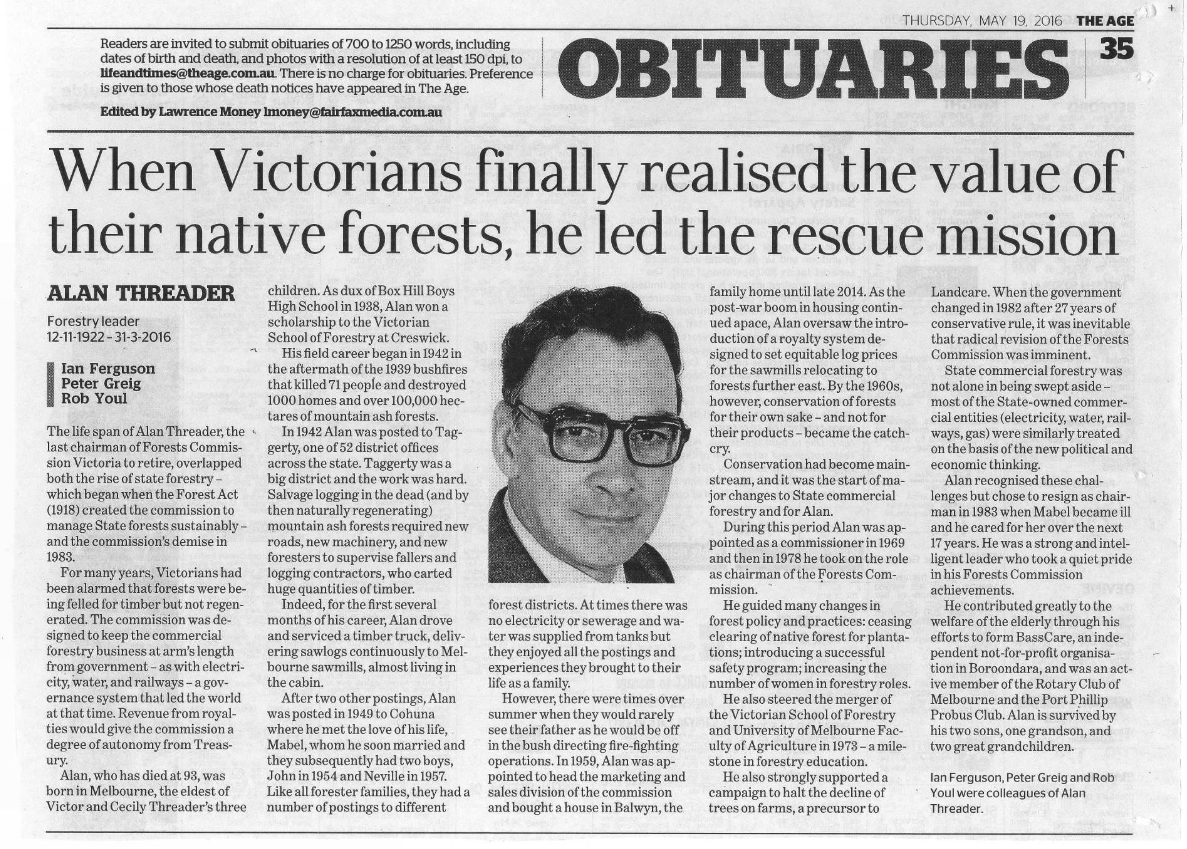
Alan graduated from Creswick at the end of 1941 and spent time in a FCV construction camp at Taggerty building roads and driving trucks for the massive fire salvage program underway at that time. Following a well-worn path of many field foresters before him, Alan then moved in March 1945 to Neerim South; in JanuaryContinue reading “Alan Threader.”
Phasmatids.
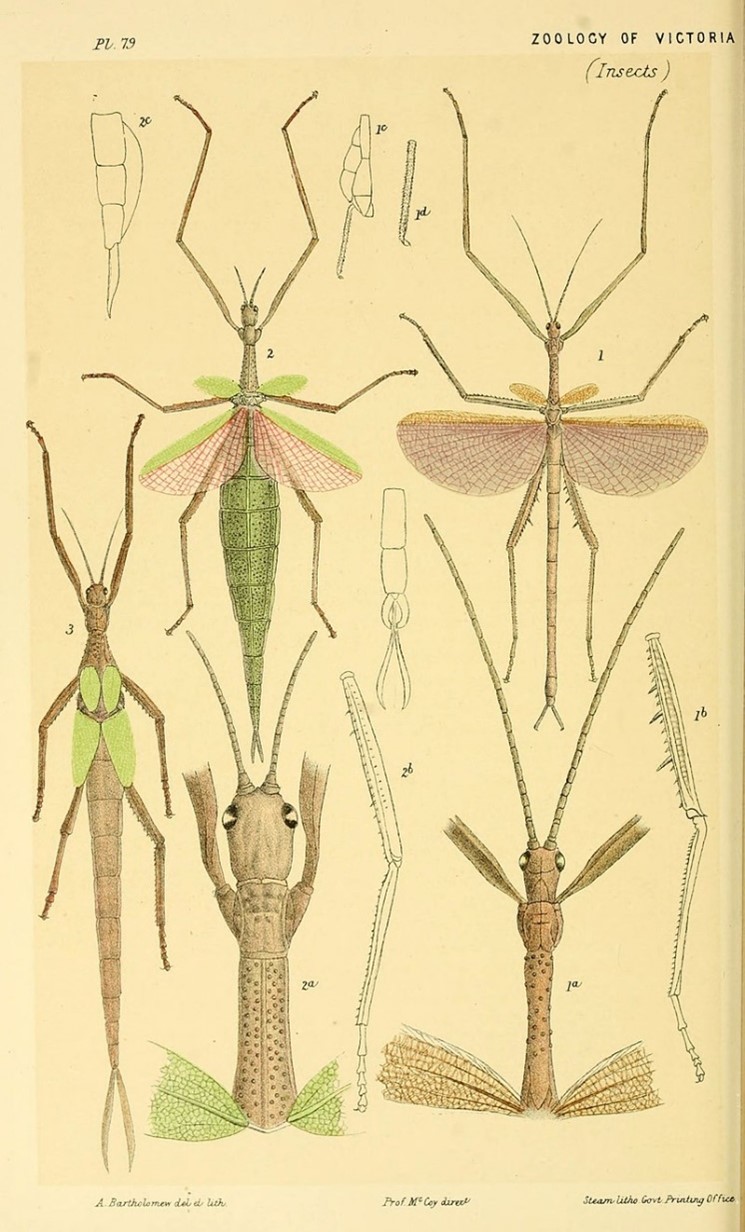
Victoria’s wet mountain forests are the native habitat of the destructive spur legged phasmid, or stick insect, Didymuria violescens which can cause severe defoliation over large areas and often results in premature tree death. From the late 1950s the Forests Commission had become concerned about a build-up of large populations of the stick insect. TheContinue reading “Phasmatids.”
Phytophthora.

The soil-borne pathogen, Phytophthora cinnamomi or cinnamon fungus, poses a significant threat to native forests. It was first discovered in 1922 in Sumatra and is now one of the most widely distributed of all phytophthora species. This pathogen spreads easily, causing disease, death and potential extinction in susceptible plants, and loss of habitat for animals.Continue reading “Phytophthora.”
Criterion Laser.

There had been timber assessments in Victorian State forests since the late 1920’s, coinciding with arrival of the three Norwegian foresters. The program was accelerated during the post-war housing boom. It was driven by the push eastwards away from the Central Highlands to find timber resources after the 1939 bushfire salvage was completed. Spending timeContinue reading “Criterion Laser.”
Sirex Wood Wasp.

The Sirex Wood Wasp (Sirex noctilio) attacks softwood species particularly, Pinus radiata, which is planted extensively across southern Australia to supply timber. Originally from Northern Europe, the wasp was found in softwood plantations in New Zealand in the early 1900s. In 1949, the Commonwealth Forestry and Timber Bureau proposed a national planting program to makeContinue reading “Sirex Wood Wasp.”
Forest Research.
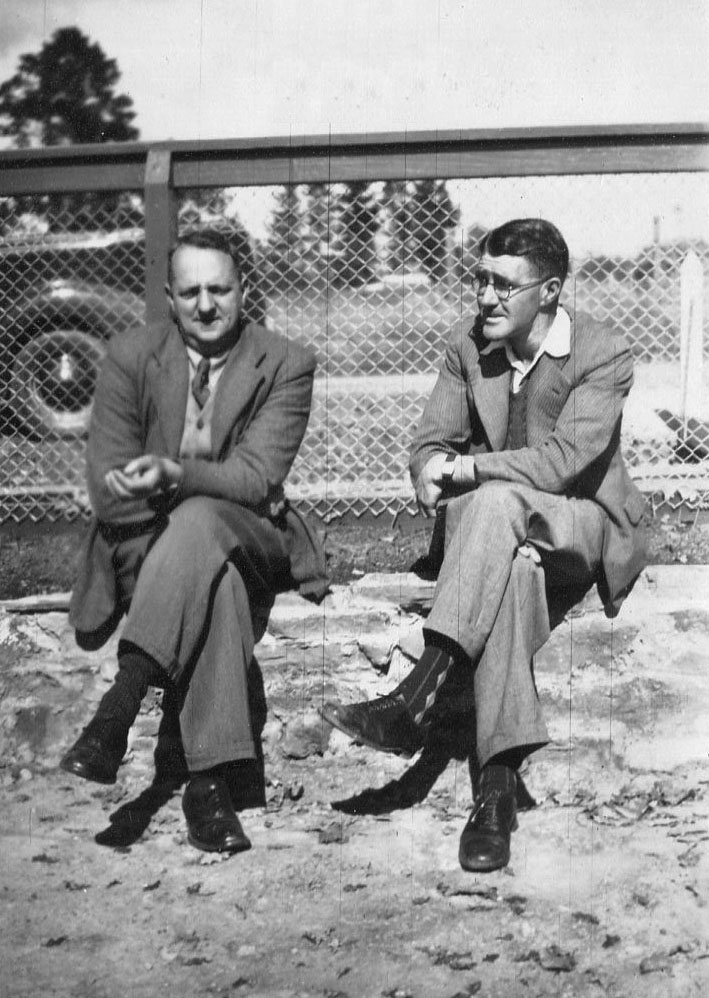
Prior to formation of the State Forest Department (SFD) in 1907, and later the Forests Commission Victoria (FCV) in 1918, there is little evidence that formal research programs were in place, other than botanical work of Ferdinand Von Mueller and others like Joseph Bosisto, who examined the chemical properties of Eucalyptus Oil. There is noContinue reading “Forest Research.”
Silvicultural Systems Project (SSP).

The Silvicultural Systems Project (SSP) was a key research initiative that followed the release of the Timber Industry Strategy (TIS) in 1986. Long running controversy about clearfelling of forests for sawlogs and pulpwood (woodchips), which was the dominant harvesting and regeneration system, led to the SSP to develop and evaluate alternatives. SSP trials were establishedContinue reading “Silvicultural Systems Project (SSP).”
Forest Certification.

The idea of independent certification and labelling of timber began to take hold in Europe and north America during the early 1990s. Retailers and suppliers wanted to promote their products to consumers as complying with sustainable and responsible forestry practices. Certification also fitted neatly with an idea, that was pervasive at the time, of timberContinue reading “Forest Certification.”
Bushfire Widows – a tribute.

I often joked throughout my 40-year forestry and bushfire career that there were three sorts of firefighters in rural Victoria. Unable to employ much simpler “surround and drown” tactics that usually last less than 12 hours or so, forest firefighters often confront large campaign bushfires in remote and rough terrain that can stretch for weeksContinue reading “Bushfire Widows – a tribute.”
Head to the Hills.

About one-third of Victoria, or about 7.1 million hectares, is publicly owned native forest. The first area of State forest set aside for recreation was in 1912 at Centennial Park, which was then part of the Mt Arapiles Timber Reserve. Recreational use of State forests expanded in the 1930s with greater access to private vehiclesContinue reading “Head to the Hills.”
Wood is Good.
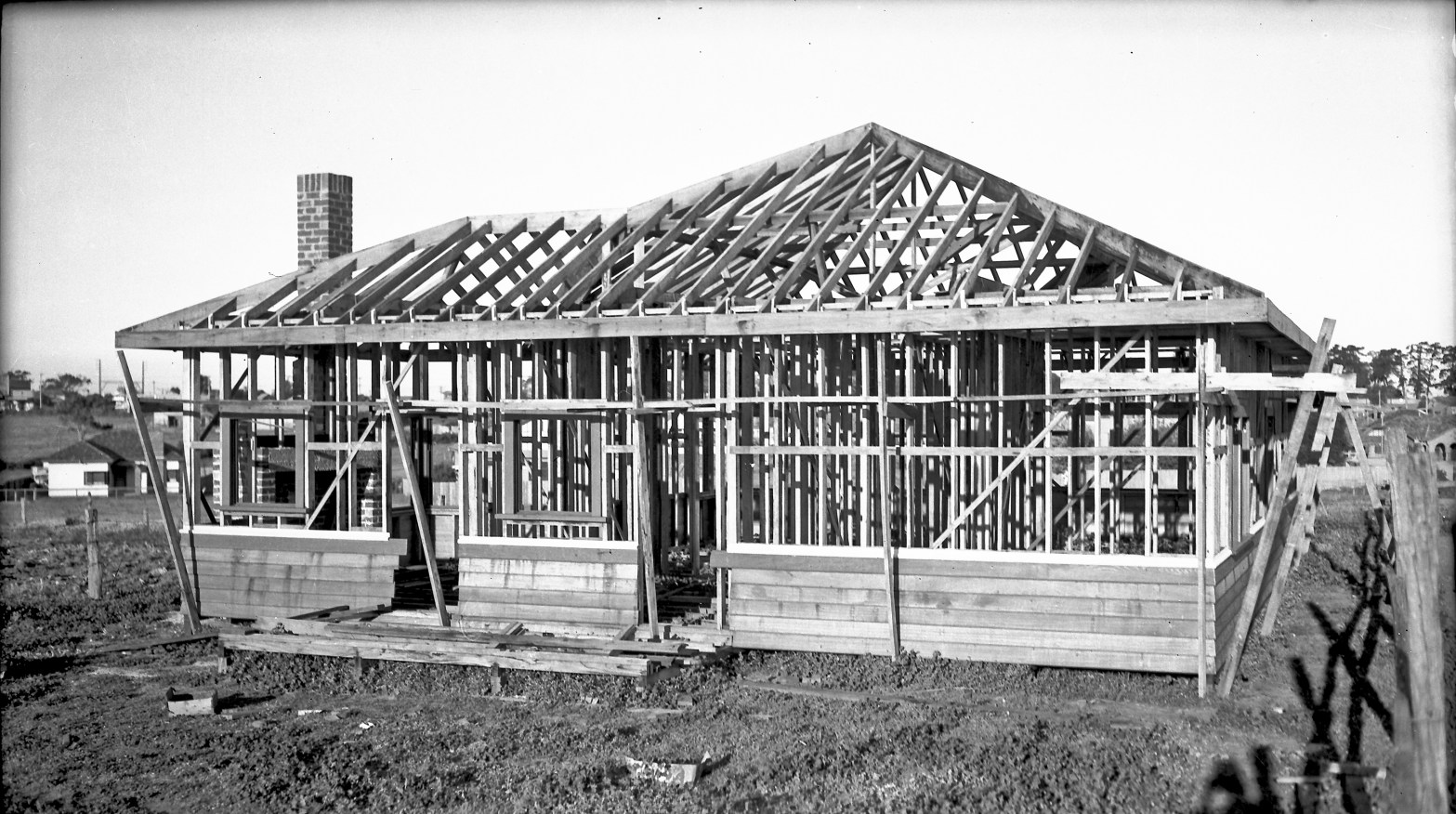
Providing timber for housing and domestic use from the State’s native forests, together with expanding softwood plantations, to support Victoria’s rapidly expanding population had always been an important goal for the Forests Commission. It had also been a very a clear directive from the State Government to meet Victoria’s timber needs and to expand theContinue reading “Wood is Good.”
Kristian Drangsholt – Man of the Forest.

Sir Wilhelm Schlich noted in his 1922 summary of Forest Policy of the British Empire that while progress was being made Australia lacked many of the skills to undertake inventory needed to prepare proper working plans. Responding to the shortage, the Chairman of the Forests Commission, A.V. Galbraith, made concerted efforts in 1926 and 1927Continue reading “Kristian Drangsholt – Man of the Forest.”
 Victoria’s Forests & Bushfire Heritage