
It was during the war that the nation relied on timber more than ever before. Some of the longest spans and most diverse timber structures were built in Australian history during this period. As the first American forces arrived in Australia in 1942 the Federal Government began to recognise that timber was an essential warContinue reading “Large Timber Buildings.”
Category Archives: Forests
Dugouts.
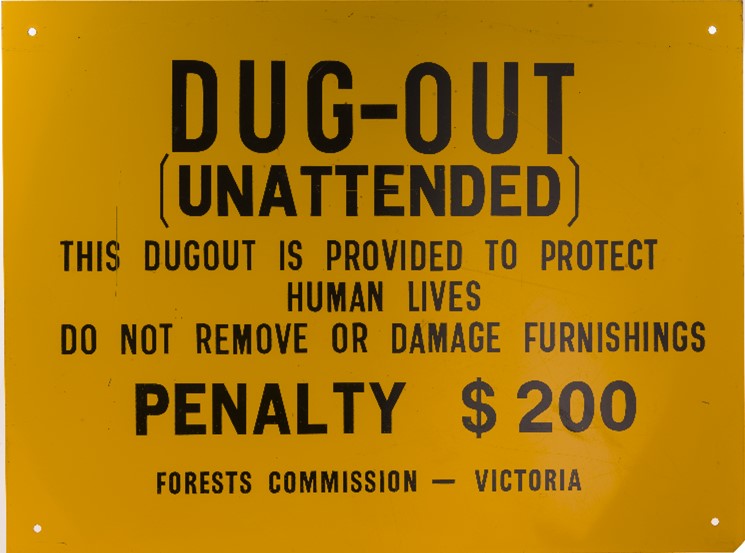
The Stretton Royal Commission into the 1939 bushfires considered in detail the use of bushfire dugouts. The report noted – After the 1926 fires, the question of insisting upon the installation of dugouts at mills for protection of the millworkers was raised by the Forests Commission. The Commission was divided in opinion and the matterContinue reading “Dugouts.”
Logging Contractors & Firefighting.
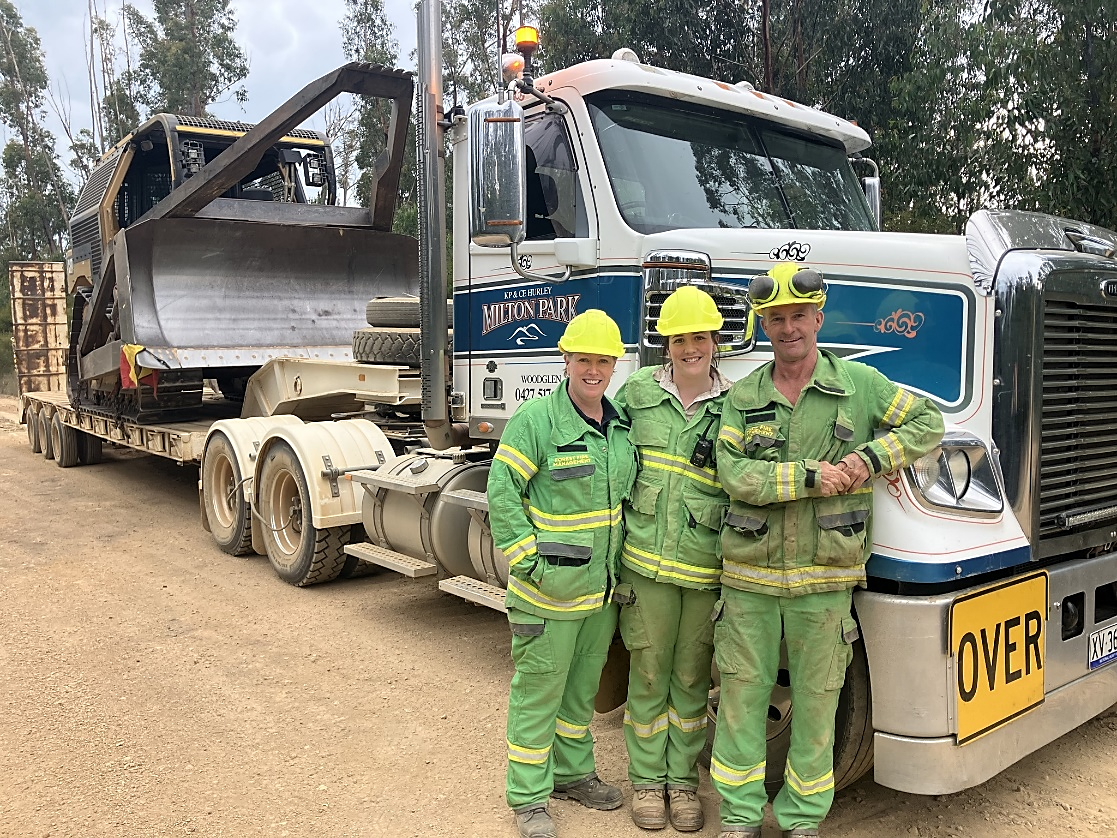
Today marks two years since commercial timber harvesting on Victorian State forests ceased. And it’s been a difficult transition for many. One of the major consequences has been the loss of experienced machine operators and logging contractors to assist with forest firefighting. Sawmill workers and logging contractors have always been an integral part of Victoria’s firefightingContinue reading “Logging Contractors & Firefighting.”
Parnaby totems – Cann River.
It seems to mainly be a Gippsland phenomenon. Maybe isolation, maybe exemplary axeman’s skills, maybe a whacky sense of humour, or maybe just simple boredom, but Gippsland, in eastern Victoria, has a rich history of mysterious carved wooden characters across its extensive State forests and roadsides. They include Pons asinorum near Cann River (early 1920s),Continue reading “Parnaby totems – Cann River.”
The Working Forests – mission accomplished.

With the generous support of Eucalypt Australia and the Dahl Trust, I have been busy over the last year writing and compiling a free eBook titled “The Working Forests”. The notion of Working Forests sits at the very heart of traditional forest management and the long-term approach to sustainability. It conjures up an image ofContinue reading “The Working Forests – mission accomplished.”
Harold Hanslow – Soil Saver.

Soil erosion was identified as an emerging problem across rural Victoria almost immediately after the gold rush of the 1850s. The Royal Commission of 1897-1901 into the destruction and wastage of Victoria’s forests also identified the importance of protecting soils and forested water catchments. A Sludge Abatement Board was appointed in 1905, charged specifically withContinue reading “Harold Hanslow – Soil Saver.”
Judge Stretton.

If you have ever wondered why Victoria’s bushfire arrangements are the way they are… then look no further than Judge Leonard (Len) Edward Bishop Stretton. Len was born in 1893 and initially grew up in the Melbourne suburb of Brunswick, but from the age of six he had a rural upbringing at Campbellfield, just northContinue reading “Judge Stretton.”
Aberfeldy – Donnellys.

A major fire started at Aberfeldy just near the edge of the Thomson Reservoir at about 11.30 am on Thursday 17 January 2013. The bush had been severely burnt only 6 years earlier in the Great Divide fires of 2006-07, so the forest had lots of dead trees and had grown back with a thickContinue reading “Aberfeldy – Donnellys.”
Black Saturday – Churchill.
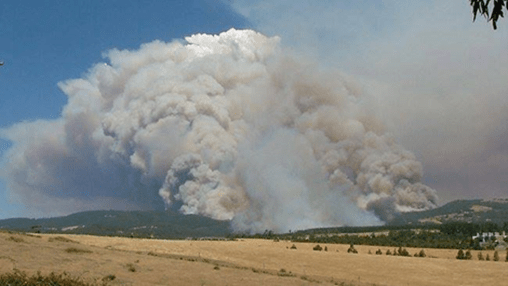
Only a week after the Delburn bushfires, on 7 February, the devastating Black Saturday bushfires broke out. All the staff were placed on early standby in the Traralgon ICC with the expectation of it being a bad fire day. The morning was ominously calm and there was even a slight dew on the car whenContinue reading “Black Saturday – Churchill.”
When the last tree falls in the forest… will a forester be there to hear it?

The Premier, Daniel Andrews, announced in Parliament on 23 May 2023 that commercial harvesting of native State forests would end on 1 January 2024. After the announcement, FFMVic stated that harvesting and haulage contractors would remain engaged by VicForests until 30 June 2024 and continue to support the fuel-reduction burning program. VicForests Community Forest licenseesContinue reading “When the last tree falls in the forest… will a forester be there to hear it?”
Wilsons Promontory – 2005.

A fuel reduction burn near Tidal River in the Wilsons Promontory National Park escaped on Friday 1 April 2005. It was the second time the burn, which had been ignited 12 days earlier in thick tea-tree, had escaped its containment lines, and was now bearing down on the popular campsite. The burn had been initiallyContinue reading “Wilsons Promontory – 2005.”
Creswick Bushfires – 1977.

The 12 February 1977 was described as “Black Saturday” as 69 fires broke out across Victoria. Five people were killed and 17 injured as 100 kilometre-an-hour winds drove fires statewide. Most of the fires appeared to have occurred by power line failures caused by the very strong winds. Eleven of the major blazes were inContinue reading “Creswick Bushfires – 1977.”
East Gippsland’s first forester – Inspector Howard Stoney.
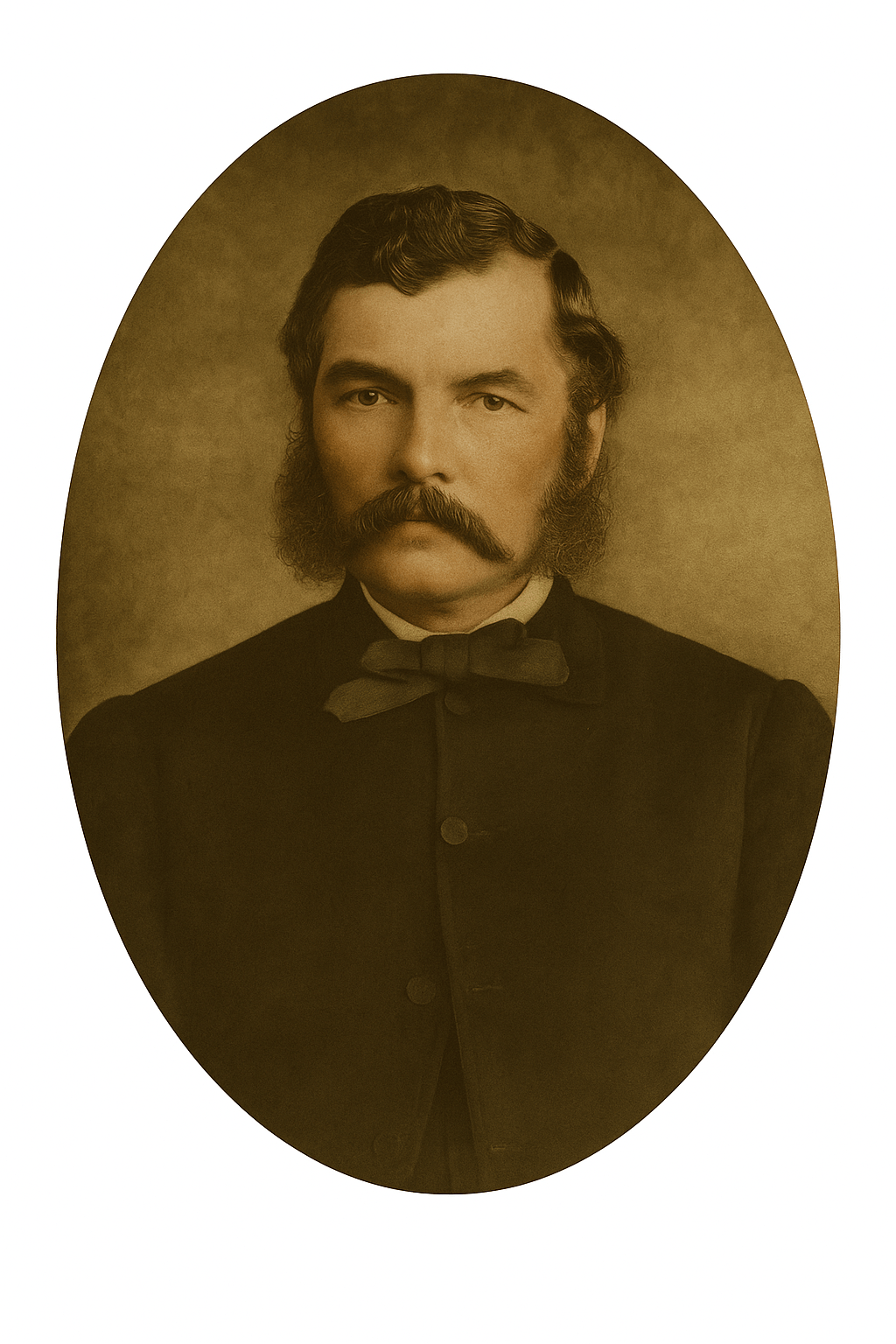
Howard Loftie Allan Stoney was the first forester in East Gippsland. He was one of the original 16 appointed and took up his position as Inspector in Bairnsdale in 1883, aged 24. Originally from Bairnsdale, Howard had no forestry experience or training but had worked in the Lands Office at Sale as a Crown LandContinue reading “East Gippsland’s first forester – Inspector Howard Stoney.”
Wombat State Forest.

The Wombat State forest straddles the Great Dividing Range and stretches from Daylesford to Macedon. It has a very fragmented public land boundary and complex private land interface. There are many small settlements surrounding, and also as inliers, in the forests. The Wombat forests are close to Melbourne and have been important for tourism andContinue reading “Wombat State Forest.”
Heytesbury Land Settlement Scheme.

The Heytesbury State forest was once on the western side of the Otway Ranges, south of Cobden and Terang. The first timber mill was established in the 1850s by James McLure between Curdie Vale and Timboon. In 1882, the Victorian Inspector of Forests, William Ferguson, made a field survey of the Heytesbury Forest. He estimatedContinue reading “Heytesbury Land Settlement Scheme.”
Victorian Government Tourist Bureau.

Before Airbnb, TripAdvisor and online accommodation bookings, or grabbing a glossy colour brochure at the local travel agent, tourism was a core function of both State government and local councils. The Victorian Railways first established an “Inquiry Office” in 1888 at Spencer Street Station to assist tourists. They offered road maps and guides and alsoContinue reading “Victorian Government Tourist Bureau.”
Under Southern Skies.

This magnificent 80-page coffee table book was produced as a prelude to the 1956 Melbourne Olympic Games. There were others in the series produced by the Australian Publicity Council. The effusive preface was written by the Premier John Cain Snr. This small selection of images reflects an unashamed sense of optimism and pride in countryContinue reading “Under Southern Skies.”
Pride of Place.
By the early 1980s, the Forests Commission employed some 300 foresters, plus a further 500 technical and administrative staff, and well over 1000 works and fire crew, spread across country Victoria in 48 districts and 7 divisional offices. Most of them lived and worked in small country towns or larger regional cities. Head Office wasContinue reading “Pride of Place.”
 Victoria’s Forests & Bushfire Heritage