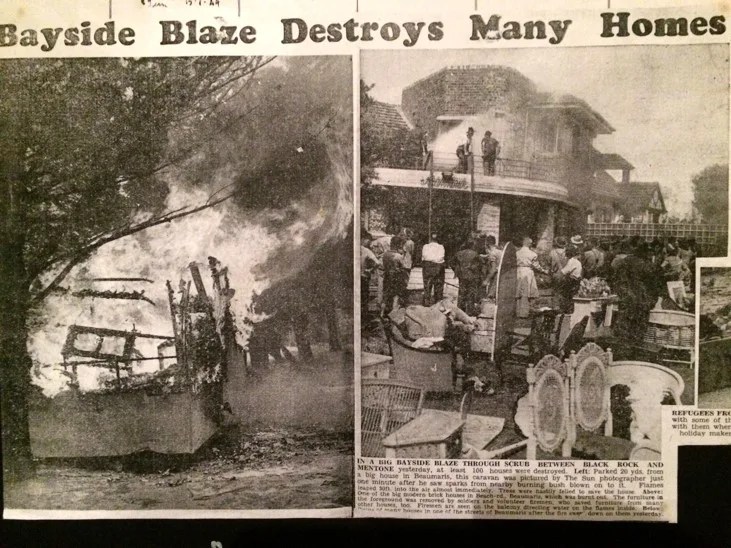
As the summer bushfire season of 1943-44 opened, Australia had already endured four years of war with many men and women away overseas or deployed to northern Australia. In Melbourne’s bayside suburbs, as in all parts of Australia, austerity measures were in place with rationing of food, petrol, clothing, gas, electricity, firewood and other basicContinue reading “Bushfire in the burbs.”
Category Archives: Bushfire
Growth Rings (updated).

There is always a danger making lists but, to my mind, some of the main events that have shaped forest and bushfire management in Victoria are below… • 1820s – Before European settlement around 88% of the 23.7 million ha of what was to become the Colony of Victoria was tree-covered. • 1851 – InContinue reading “Growth Rings (updated).”
Formation of the CFA – the summer of 1943-44.

Most people know about the Black Saturday Bushfires in 2009, and possibly can recall Ash Wednesday in 1983, or maybe have even heard of Black Friday in 1939. But very few could recount the 1943-44 summer bushfires when over 1 million hectares was burnt, 51 people were killed, 700 injured, and 650 buildings were destroyed.Continue reading “Formation of the CFA – the summer of 1943-44.”
Reuben Ferguson.
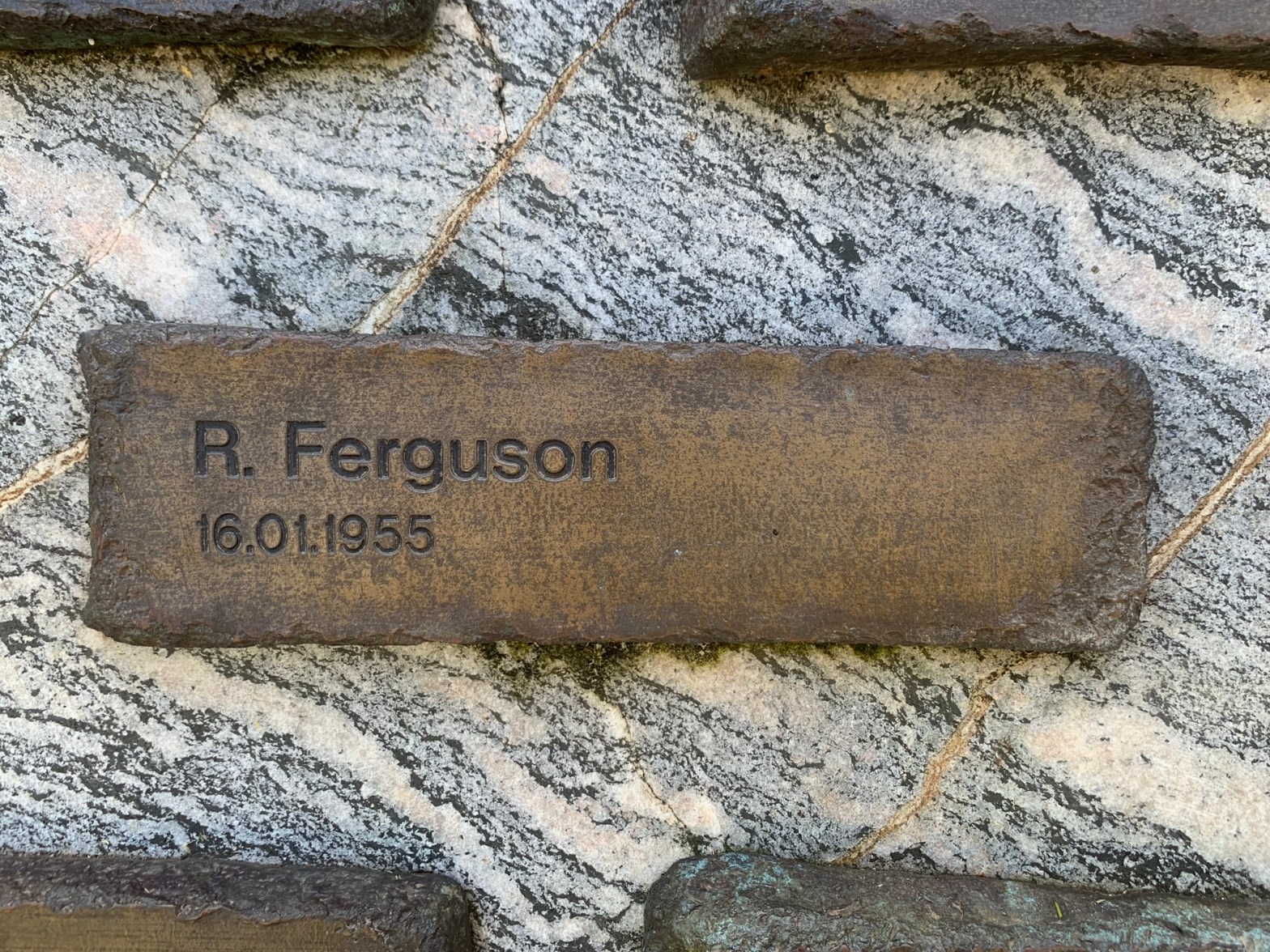
Reuben Douglas Ferguson died alone after he was crushed by a burning tree at a bushfire near Gembrook in January 1955. Reuben was born at Greytown near Heathcote in 1897 and enlisted in 1916 with the 39th Battalion to serve in France, where he was gassed. Reuben worked as a labourer and had been employedContinue reading “Reuben Ferguson.”
Black Sunday Bushfires – 1926.

On 14 February 1926 bushfires swept across Gippsland, the Yarra Valley, Dandenong Ranges and Kinglake. Photo: Loch Valley Tramway near Noojee taken 21 April 1926. https://prov.vic.gov.au/archive/32412F8D-F822-11E9-AE98-F91FA87D70C4?image=1
Giant Mountain Grass
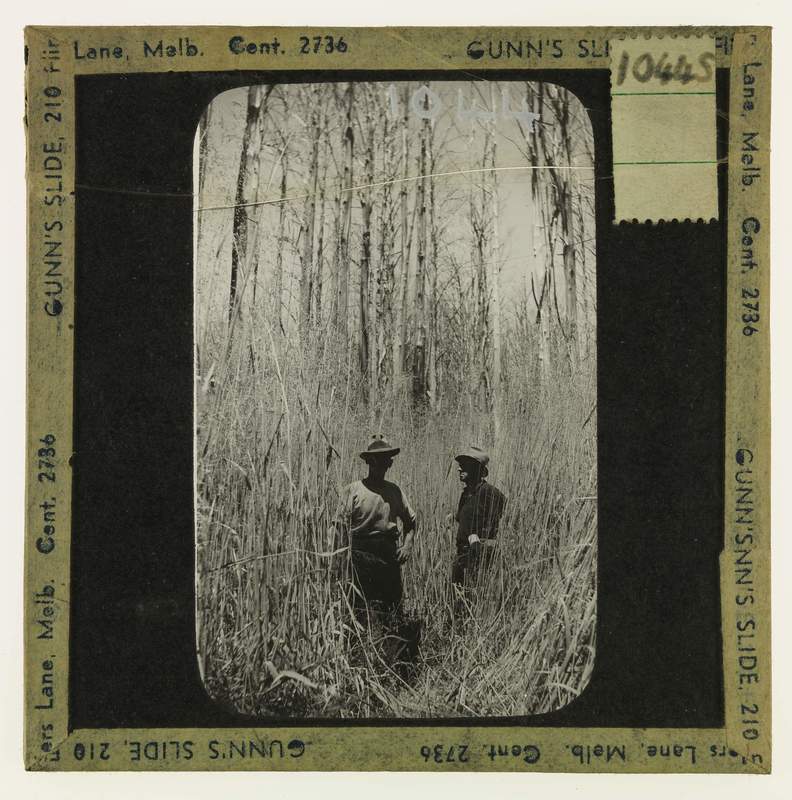
The recovery of the mountain ash forests after an intense bushfire is remarkable. From a blackened and seemingly desolate landscape, new life soon begins. Giant mountain grass, (Dryopoa dives – previously known as Festuca dives and Glyceria dives – bloody botanical taxonomists), grows back quickly within a few weeks after bushfire. But the old bushiesContinue reading “Giant Mountain Grass”
Total Fire Bans in Victoria – a history.
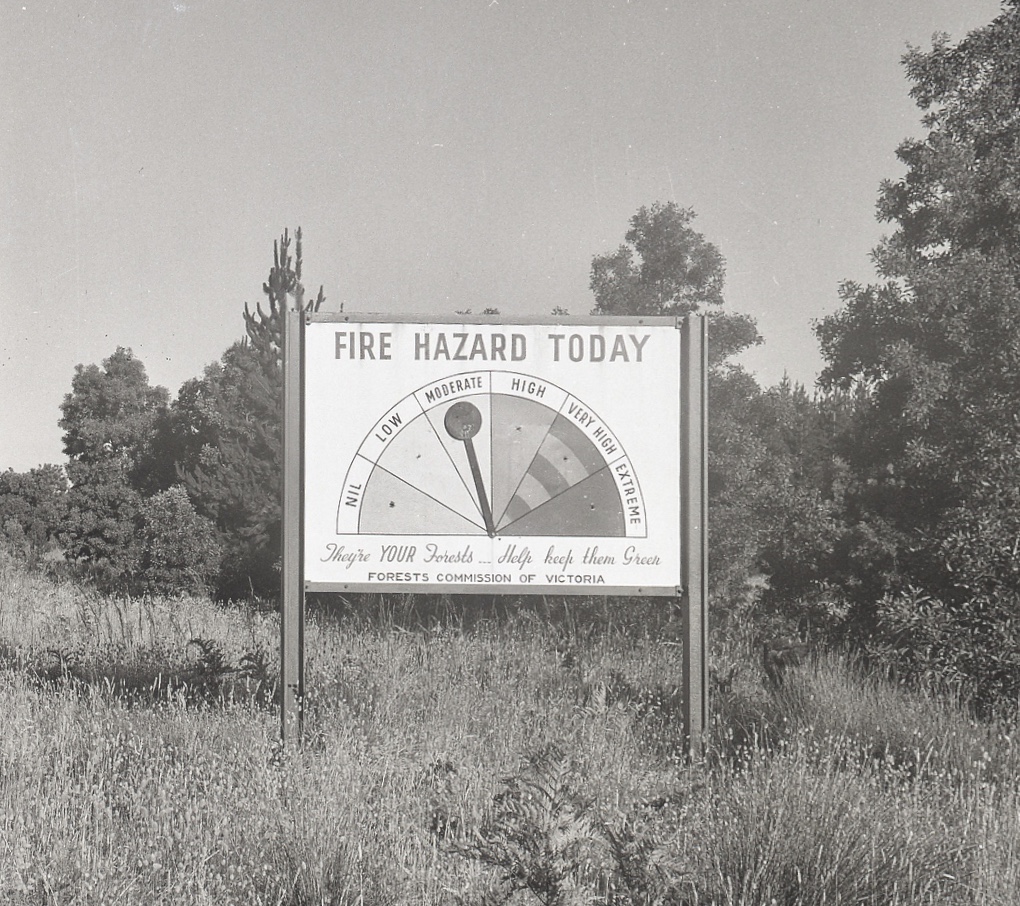
The declaration of a Total Fire Ban (TFB) in Victoria was for many years the key indicator of a day of extreme fire danger for both the fire agencies and the public. But it also served, and indeed continues, to prohibit a range of activities well beyond a ban on barbeques and burning off. TotalContinue reading “Total Fire Bans in Victoria – a history.”
World’s first bushfire reconnaissance flight.
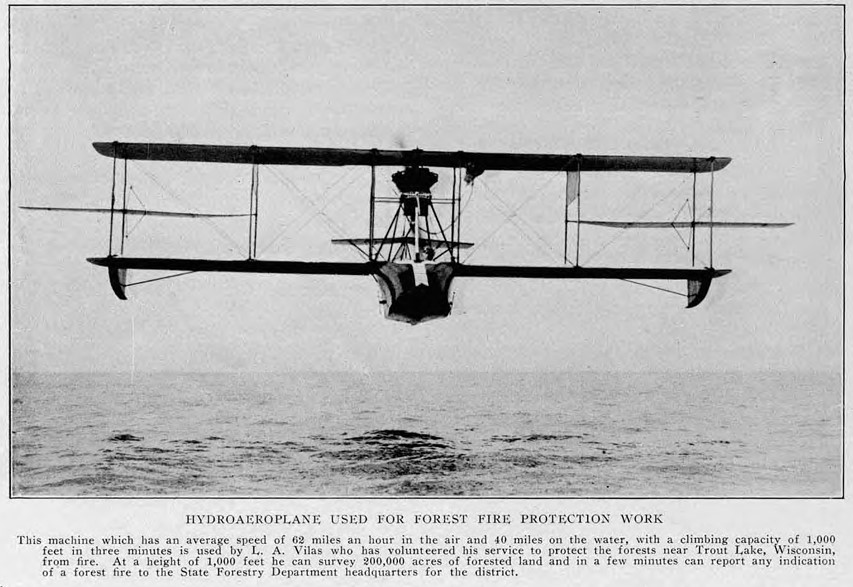
On 29 June 1915, 108 years ago today, what is believed to be the world’s first forest patrol flight was made at Trout Lake in Wisconsin. Aviation pioneer and wealthy Chicago sportsman Logan “Jack” Vilas made the initial flight to demonstrate the viability of using aircraft in fire prevention. He took Chief Forester, Edward Griffith,Continue reading “World’s first bushfire reconnaissance flight.”
Star Wars.
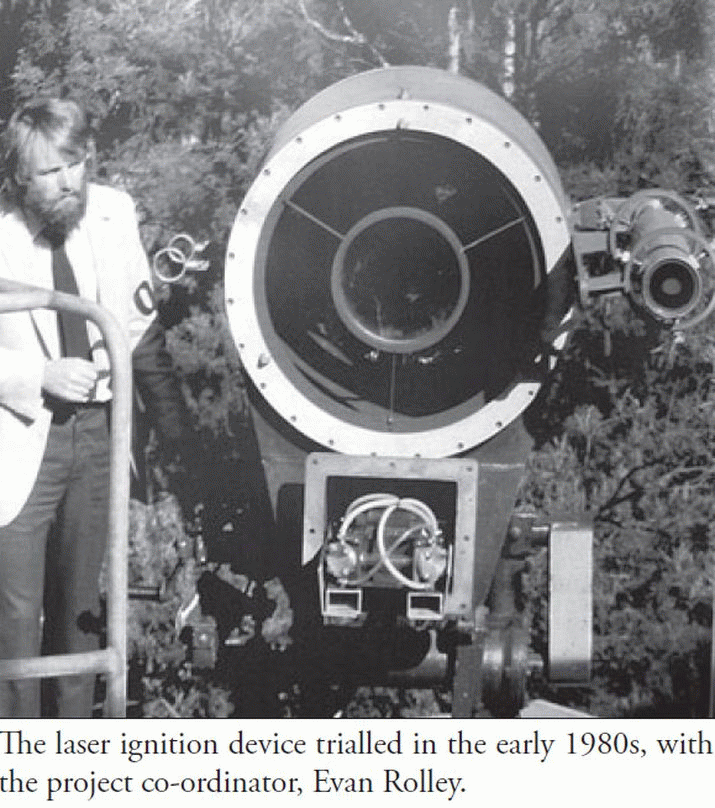
Jim Hickman, a Fire Management Officer from Tasmania, first suggested using lasers for slash burning in the late 1960s. Inspired by US weapons research, Forestry Tasmania wanted to ignite logging slash from 4 to 5 km away. The idea was further promoted by Phil Shepherd in a series of reports in 1973. In 1975, PhilContinue reading “Star Wars.”
Cobaw Bushfire Staff Ride.
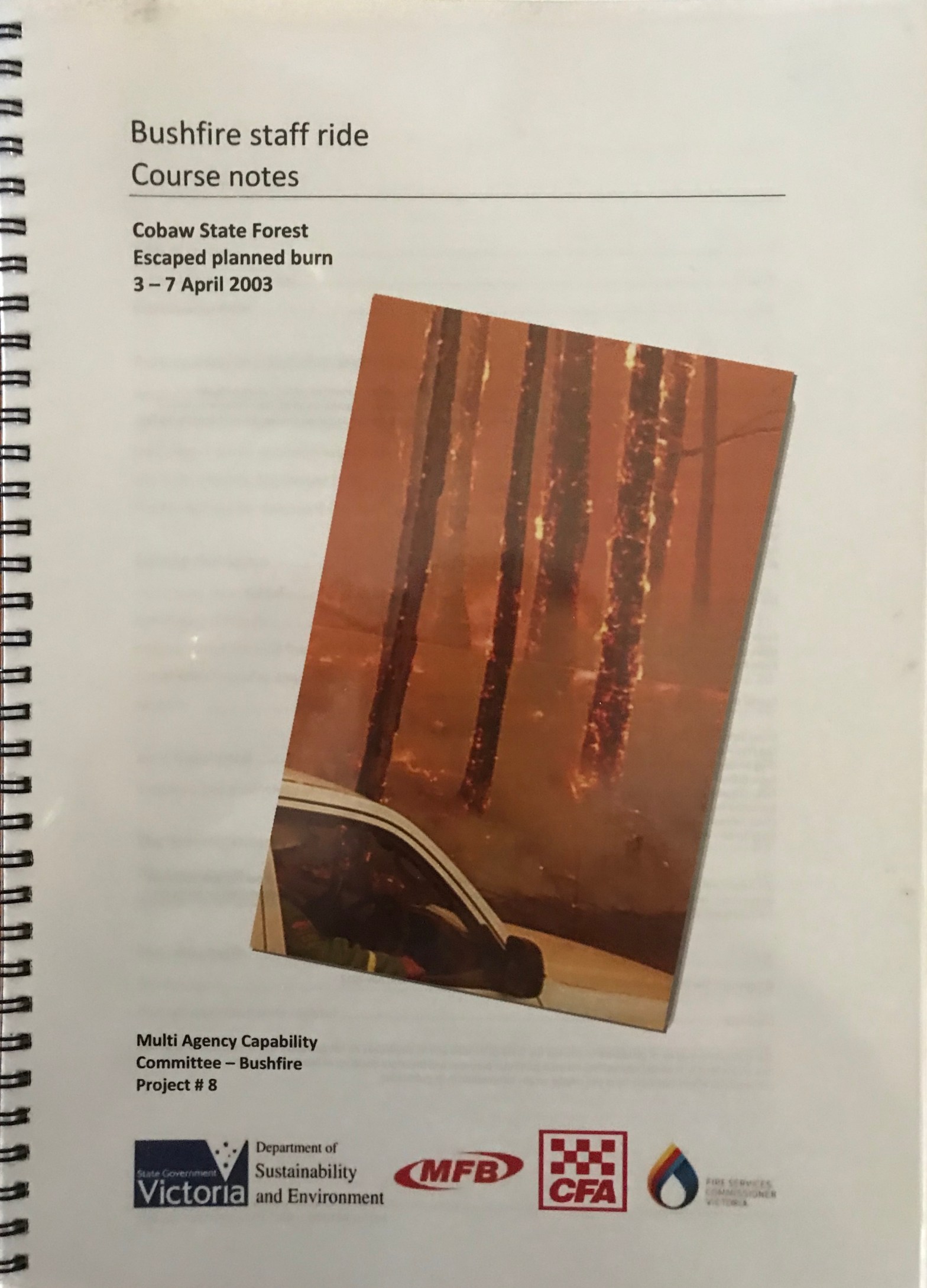
“Walking in their shoes”. Staff Rides can trace their origins back to the Prussian Army after the Napoleonic Wars. They were adapted by the US military and then more recently by many American fire agencies. They are now considered an essential technique to develop senior leadership skills. The Cobaw Bushfire Staff Ride in 2011 wasContinue reading “Cobaw Bushfire Staff Ride.”
Cobaw Escaped Burn – April 2003.

The summer of 2002-03 had been one of the largest and most prolonged fire seasons for many years. Huge bushfires spread across the Victorian Alps, NSW and even into some Canberra suburbs where four people died and over 500 homes were lost. People and communities were angry and several state and federal government inquiries wereContinue reading “Cobaw Escaped Burn – April 2003.”
Speedy Moisture Meter.
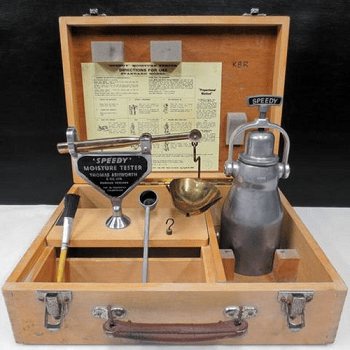
Bushfire behaviour is influenced by many things including temperature, relative humidity, forest type, fuel quantity and fuel dryness, topography and even slope. Wind has a dominant effect on the Rate of Spread (ROS), and also bushfire size, shape and direction. Fuel arrangement is as important as fuel quantity (tonnes/ha). Fibrous and ribbon bark, together withContinue reading “Speedy Moisture Meter.”
Loch Sport – 1983.

There was no respite… Three weeks after Ash Wednesday, on Thursday 10 March 1983 at about 8.30 pm, a fire broke out in the National Park about 4 km west of Loch Sport near Beacon Swamp Track. The fire began in thick coastal heathland on the southern shores of Lake Victoria and the cause wasContinue reading “Loch Sport – 1983.”
Ash Wednesday – 16 February 1983.
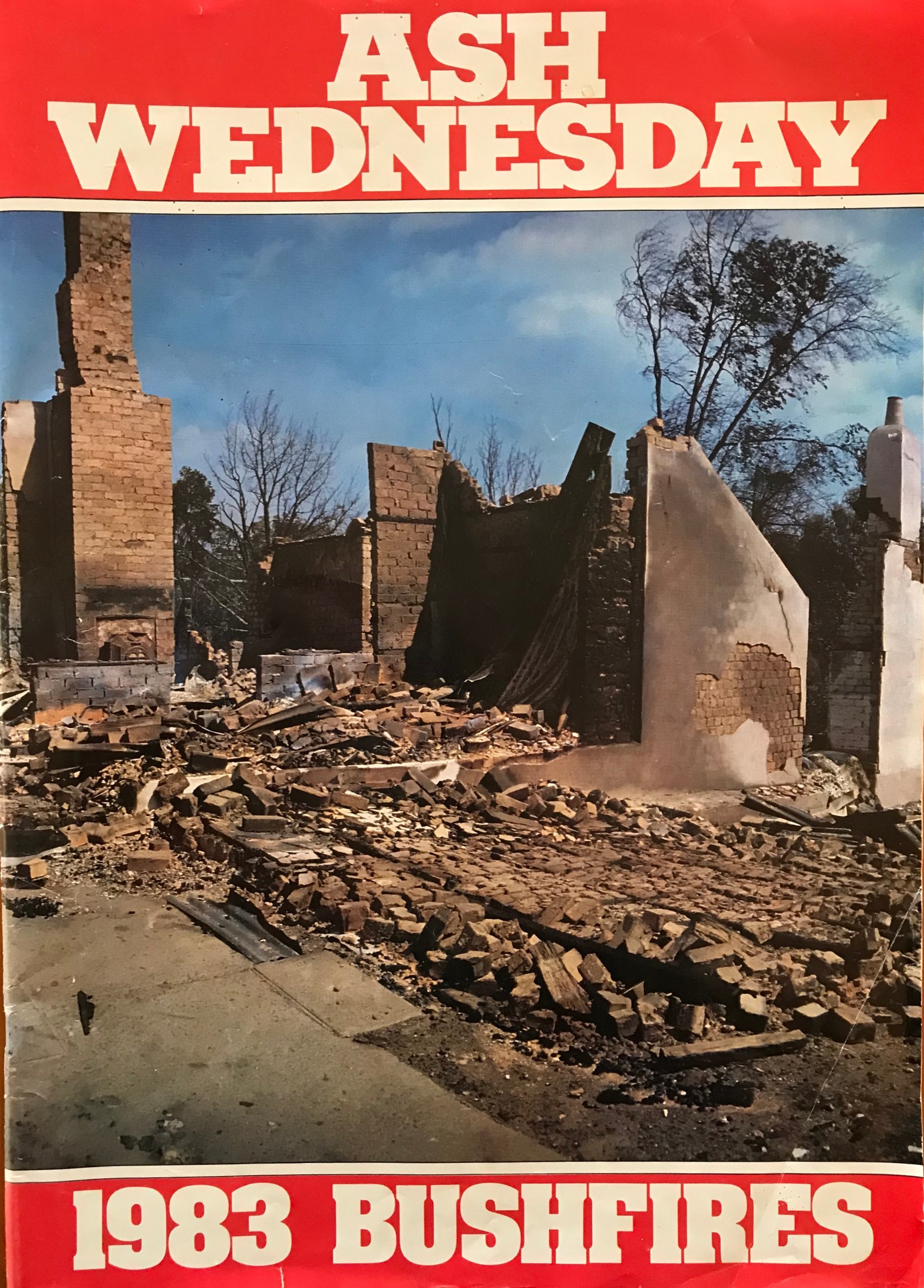
Prelude. In the lead up to the summer of 1982/83, most of Victoria experienced a severe drought, which began as early as 1979. Rainfall during the winter and spring of 1982 was low while summer rainfall for Victoria was up to 75% less than in previous years. The persistent low rainfall meant less moisture inContinue reading “Ash Wednesday – 16 February 1983.”
1983 Melbourne dust storm – countdown to catastrophe.

Victoria was in the grip of drought when Melbourne was smothered by a giant dust storm blown in from the mallee deserts during the afternoon of Tuesday 8 February 1983. Earlier in the morning a strong, but dry, cold front began crossing Victoria, preceded by hot, gusty northerly winds. The temperature in the city roseContinue reading “1983 Melbourne dust storm – countdown to catastrophe.”
Forests and Bushfire History of Victoria – Series 3 (2022)
Here is a collection of nearly 100 stories posted on FB over this year.As with series one and two, another free e-book has been lodged in the State and National Library so the stories aren’t lost in the Facebook soup.Please feel free to download and/or share the link… https://nla.gov.au/nla.obj-3133168195/ Or here…https://drive.google.com/file/d/1F4F8drvu2F3TiIK98X-tOn5aUzSbaTeW/view?usp=sharing
Bushfire aerial reconnaissance.
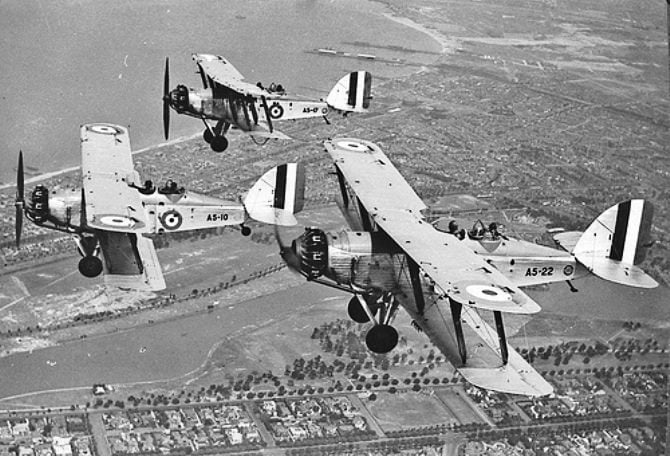
Another Australian first. The first fire spotting aircraft in Australia was deployed on 18 February 1930 when a RAAF Westland Wapiti from No.1 Squadron operating out of Point Cook near Melbourne flew over the nearby Dandenong Ranges. The first Chairman of the Forests Commission, Owen Jones, had been one of Britain’s pioneering aviators in theContinue reading “Bushfire aerial reconnaissance.”
Bushfire dugouts.

In addition to building dams and water points, the Stretton Royal Commission recommended expanding the use of bushfire dugouts. Well-constructed dugouts had saved the lives of many sawmill workers and their families during the 1939 bushfires. But in some locations, they had proved fatal. Dugouts became mandatory for those few sawmills that remained in theContinue reading “Bushfire dugouts.”
 Victoria’s Forests & Bushfire Heritage