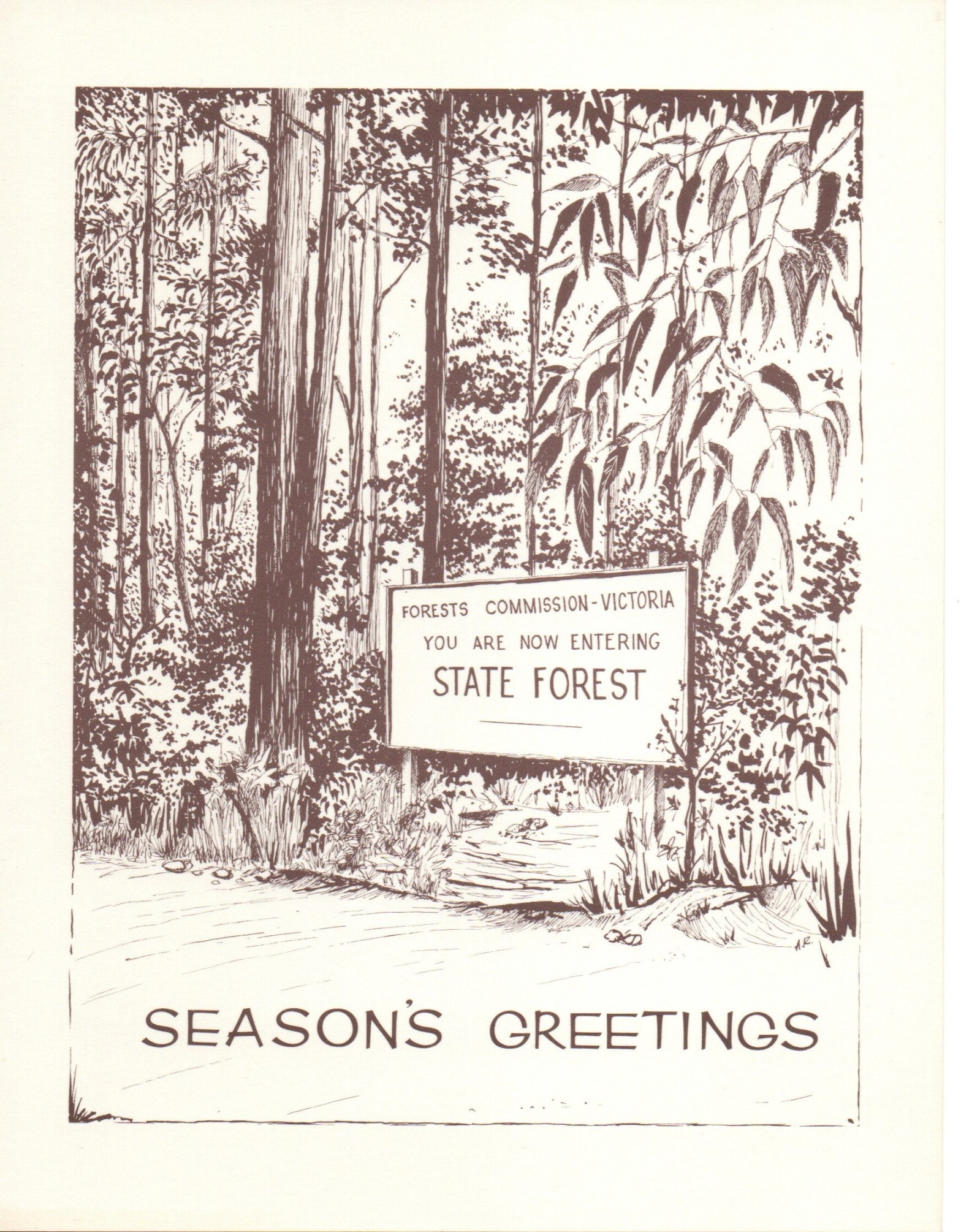
The fantastic sketch on this Christmas card was done in 1961 by Alan Rawady, the Forests Commission’s graphic artist. It was found in a box of old stuff at the Altona museum. The card was produced at a time when Alf Lawrence was the Chairman with Herb Galbraith and Ben Benallack as Commissioners. It includesContinue reading “Merry Christmas.”
Author Archives: Peter McHugh
Forests and Bushfire History of Victoria – Series 5.

It’s been another busy year on the Victorian Forests and Bushfire Heritage Facebook page. Once again, I have gathered up the main stories into a free eBook and published them in the national and state libraries so they don’t get lost in the Facebook soup. But the biggest achievement for 2024 has undoubtedly been photographingContinue reading “Forests and Bushfire History of Victoria – Series 5.”
Finton George Gerraty.
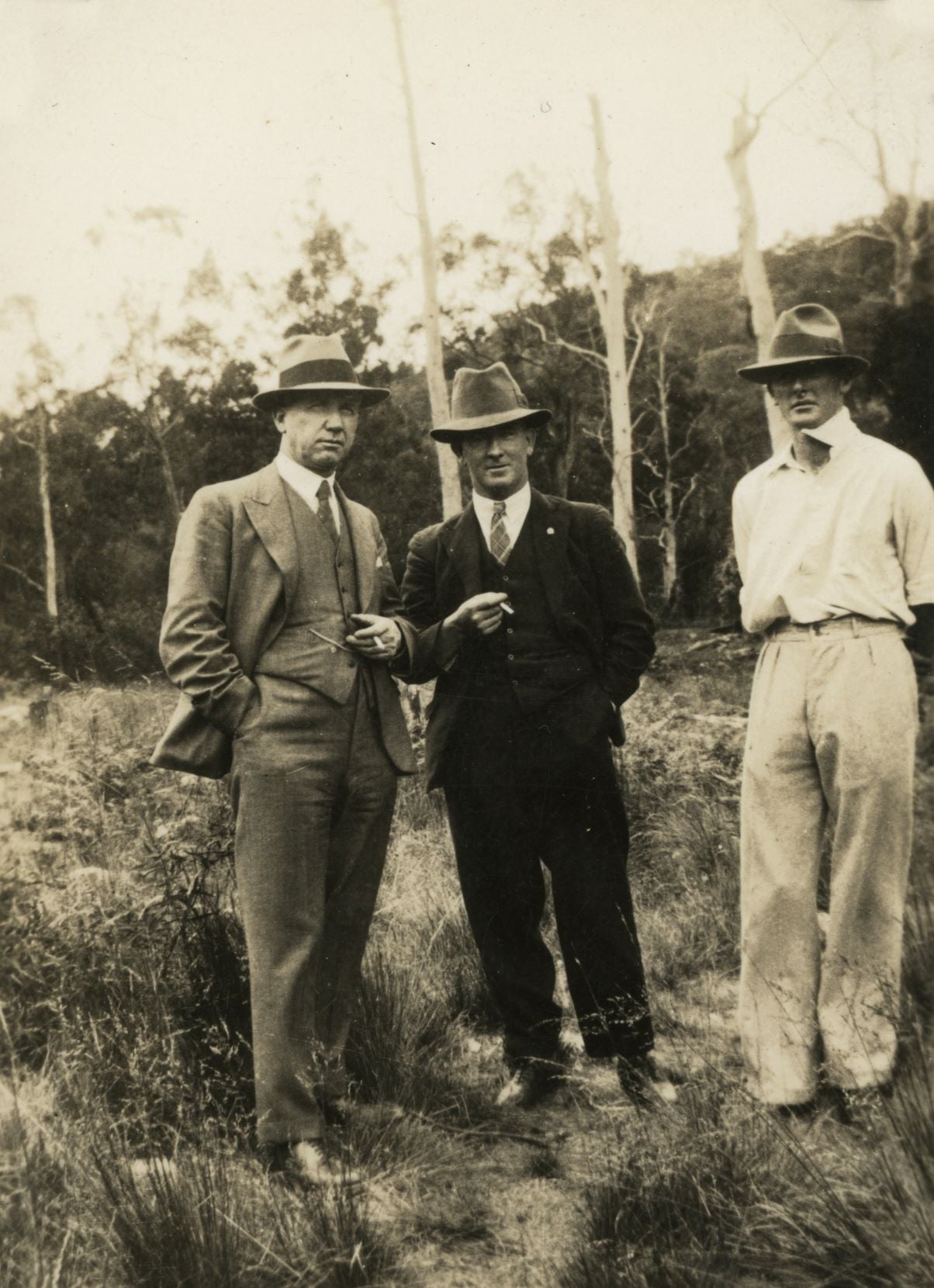
Finton George Gerraty was born on 23 September 1899 at Myrtleford. He entered the Victorian School of Forestry (VSF) at Creswick in 1915 and graduated two years later in 1917. His postings with the Forests Commission Victoria included District Forester at Orbost in 1920, DFO Gellibrand in 1924 and then DFO Niagaroon (Taggerty District) inContinue reading “Finton George Gerraty.”
Olinda Golf Course.
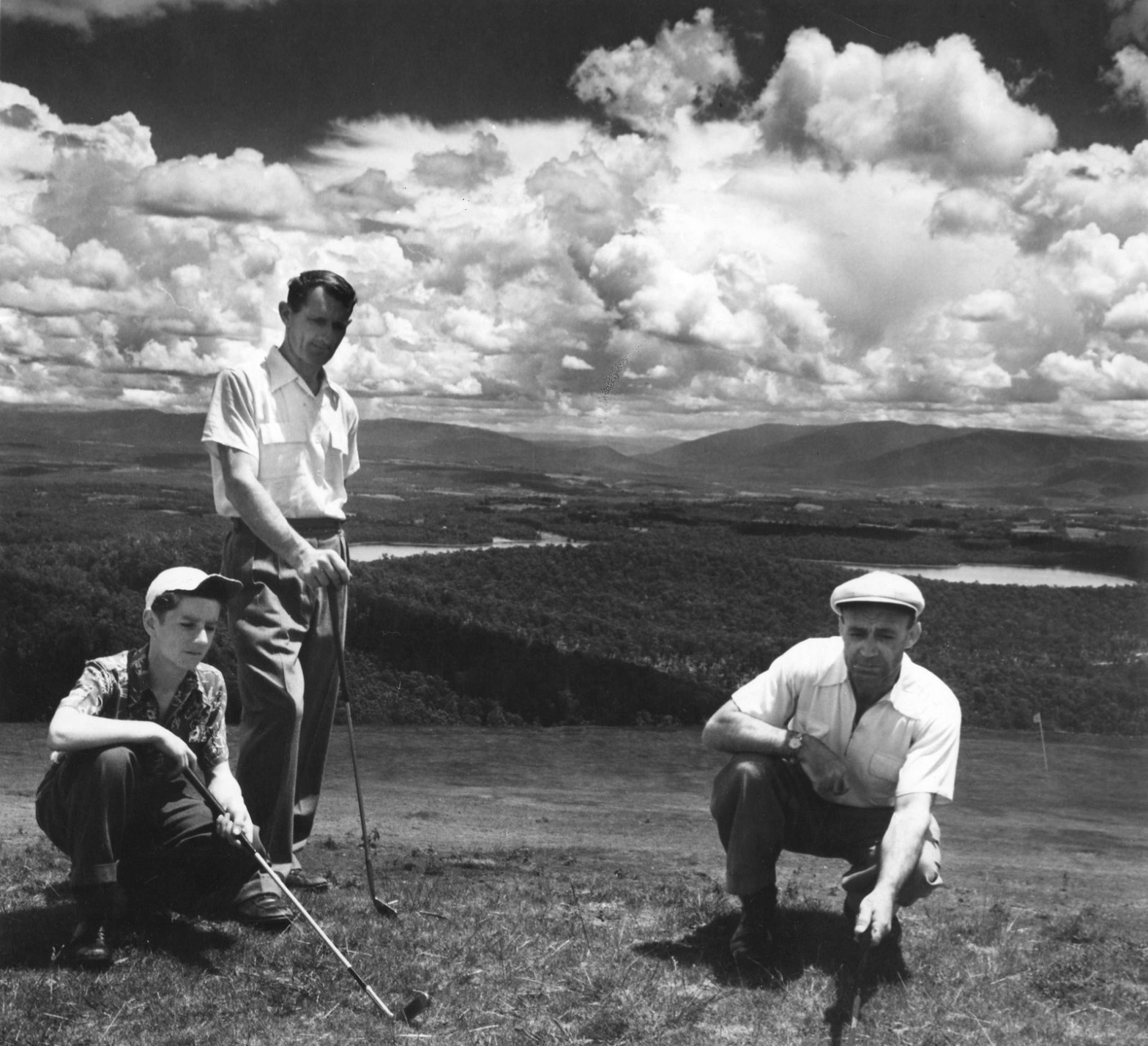
The suggestion of a golf club at Olinda in the Dandenong Ranges began circulating in 1905 and was revived again in 1931 as an idea to celebrate Victoria’s centenary. The land was identified by the local community as a bushfire menace after the 1926 fires and many claimed that a well-maintained golf course would reduceContinue reading “Olinda Golf Course.”
Charlie Pettman – Nowa Nowa.

Charles George Pettman began working with the Forests Commission in the early 1930s on an unemployment relief program. About 30 unemployed men came from Melbourne and beyond to their first camp on the old Princes Highway at Burnt Bridge, which was situated on the Toorloo Arm of Lake Tyers in East Gippsland. There was aContinue reading “Charlie Pettman – Nowa Nowa.”
Unexploded Ordnance – UXOs.
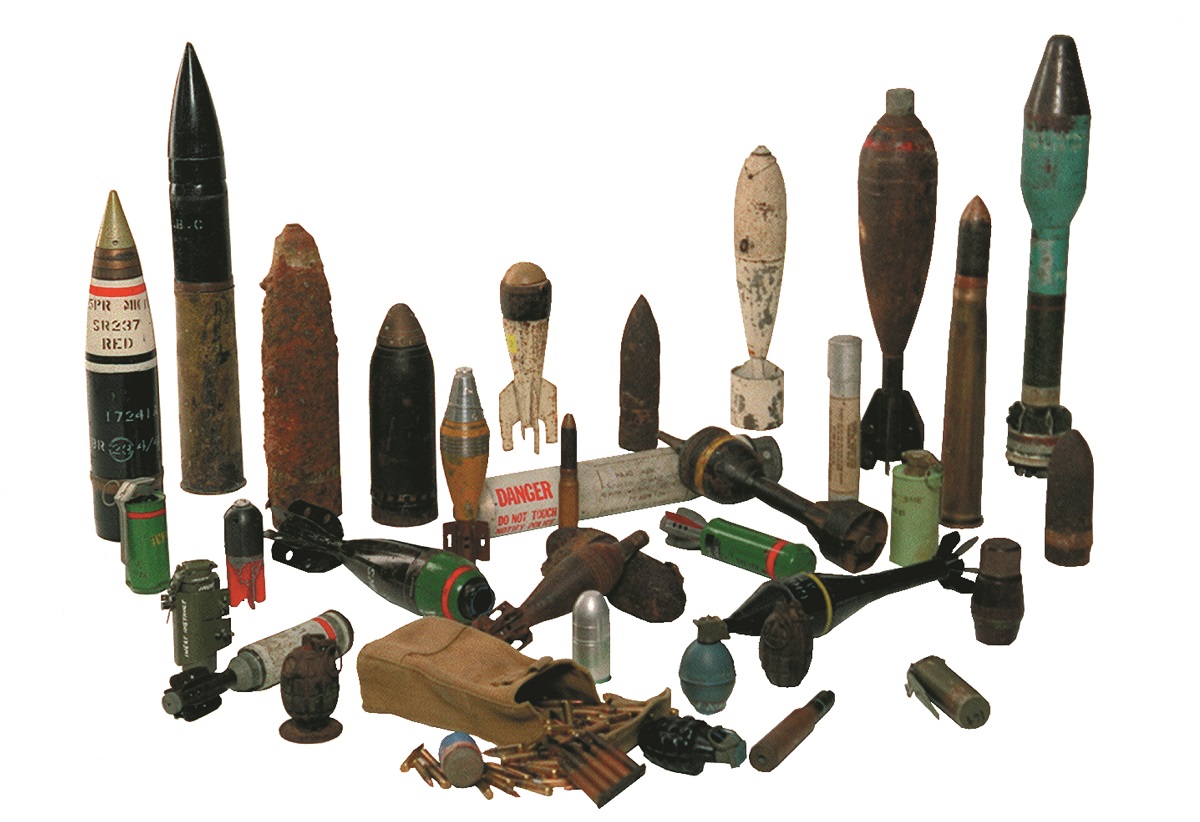
Military training has always been an important activity on Victoria’s State forests and public lands. Probably the most notable example was the takeover of Wilsons Promontory by the commandos in 1941. Forests were used for both target aiming and live firing. The prominent Lollipop Tree on Mt Beckworth, west of Ballarat, was used by RAAFContinue reading “Unexploded Ordnance – UXOs.”
Wandilo Fire – 1958.

On 5 April 1958, a fire was reported about 5 miles northwest of Wandilo, which is not far from Mt Gambier and the Victorian – South Australian border. The Bluff firetower reported light smoke at 08.25 am on Saturday morning and by 11.40 am the fire was moving quickly and out of control. It hadContinue reading “Wandilo Fire – 1958.”
Wright Reciprocating Saw.

Made in Sheboygan, Wisconsin, between 1960 and 1962. Rare GS-5020A model. It has a 7.06 cu. in. (115.7 cc), two-stroke motor, which weighed 25 lbs. (11.3 kg) complete. The blade doesn’t stop reciprocating when the saw is running because it’s attached directly to the crankshaft. There is no clutch system. DEECA Altona Museum Collection. 24Continue reading “Wright Reciprocating Saw.”
Phyllis Bromby.
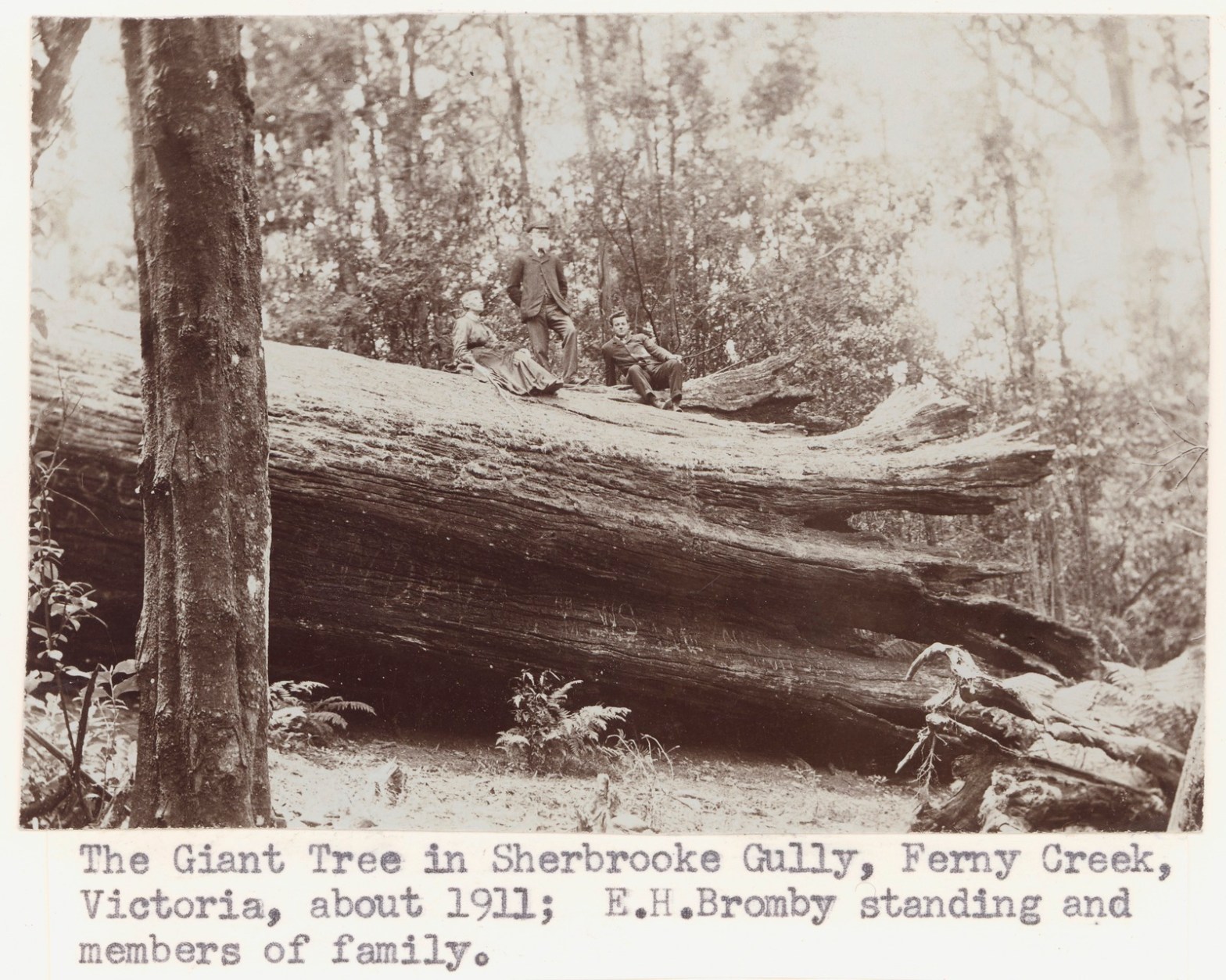
Phyllis Bromby was born on 10 April 1888 in Armadale as the daughter of Edward Hippius Bromby and Jane Nodin. The Bromby’s were a well-educated, middle-class family living in early colonial Melbourne which brought many important social and professional connections. Her father was the first librarian of the University of Melbourne, and her grandfather, TheContinue reading “Phyllis Bromby.”
Q-Tech Lightning Detector.

Lightning is one of the major causes of bushfires, particularly in the remote mountains. This lightning detector system was developed by Dr. Peter Kourtz at Canada’s forest fire research institute. By 1977, some 300 were in use across the country. The small mushroom antenna could detect short-range (20-mile) changes in electrostatic field associated with lightningContinue reading “Q-Tech Lightning Detector.”
First international bushfire deployment.
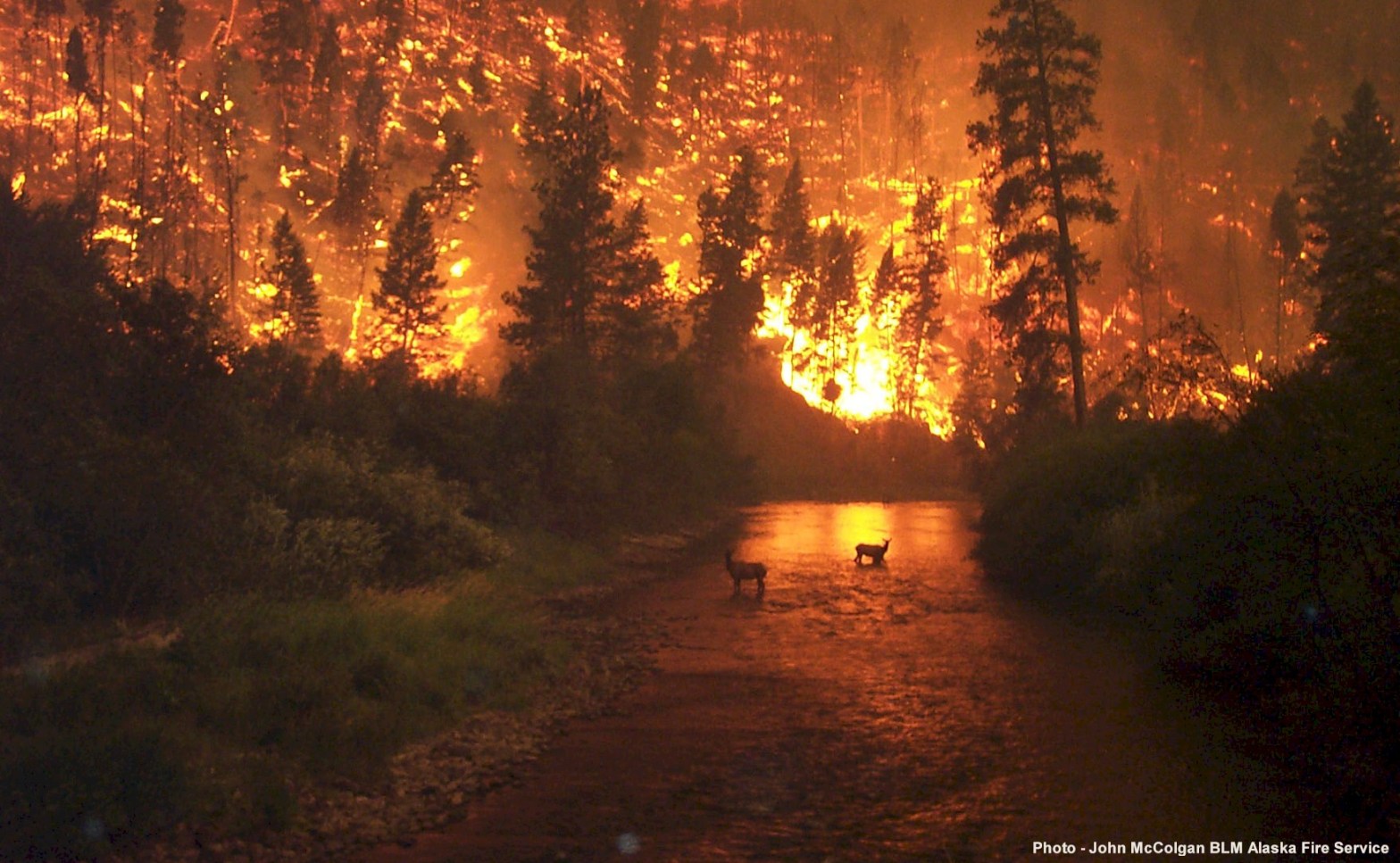
During August and September 2000, a total of 97 firefighting specialists from Australia and New Zealand were deployed to America. This was the first time that a large number of operational firefighters had travelled from Australia and NZ to help their north American colleagues. During the northern summer of 2000, America experienced one of itsContinue reading “First international bushfire deployment.”
“Portable” STC Radiophone – c 1970s.

This contraption is thought to have been developed in the FCV radio workshops at Surrey Hills. It’s basically a STC vehicle radio which has been mounted on a backpack frame and powered by a heavy lead-acid battery. The backpack frame was manufactured at the Altona fire equipment development centre. A considerable number of these radioContinue reading ““Portable” STC Radiophone – c 1970s.”
The Forest Conservator’s wheels.

I have no idea what sort of car this is, or what year these photos were taken, but this impressive motor is thought to have belonged to Hugh Robert Mackay. Mackay had been Secretary to the Royal Commission into forests between 1897 and 1901. He had compiled its reports and later drafted the Bill onContinue reading “The Forest Conservator’s wheels.”
Otway Forests – 1920s.

This nice little find comes from the Public Record Office. It’s a small photo album of the Otways forests from the early 1920s. My guess is that it was produced during a major stoush between the Forests Commission, sawmillers, and the community against the Lands Department trying to alienate (sell) more forest in the westernContinue reading “Otway Forests – 1920s.”
West Tyers Bridge – 2006.
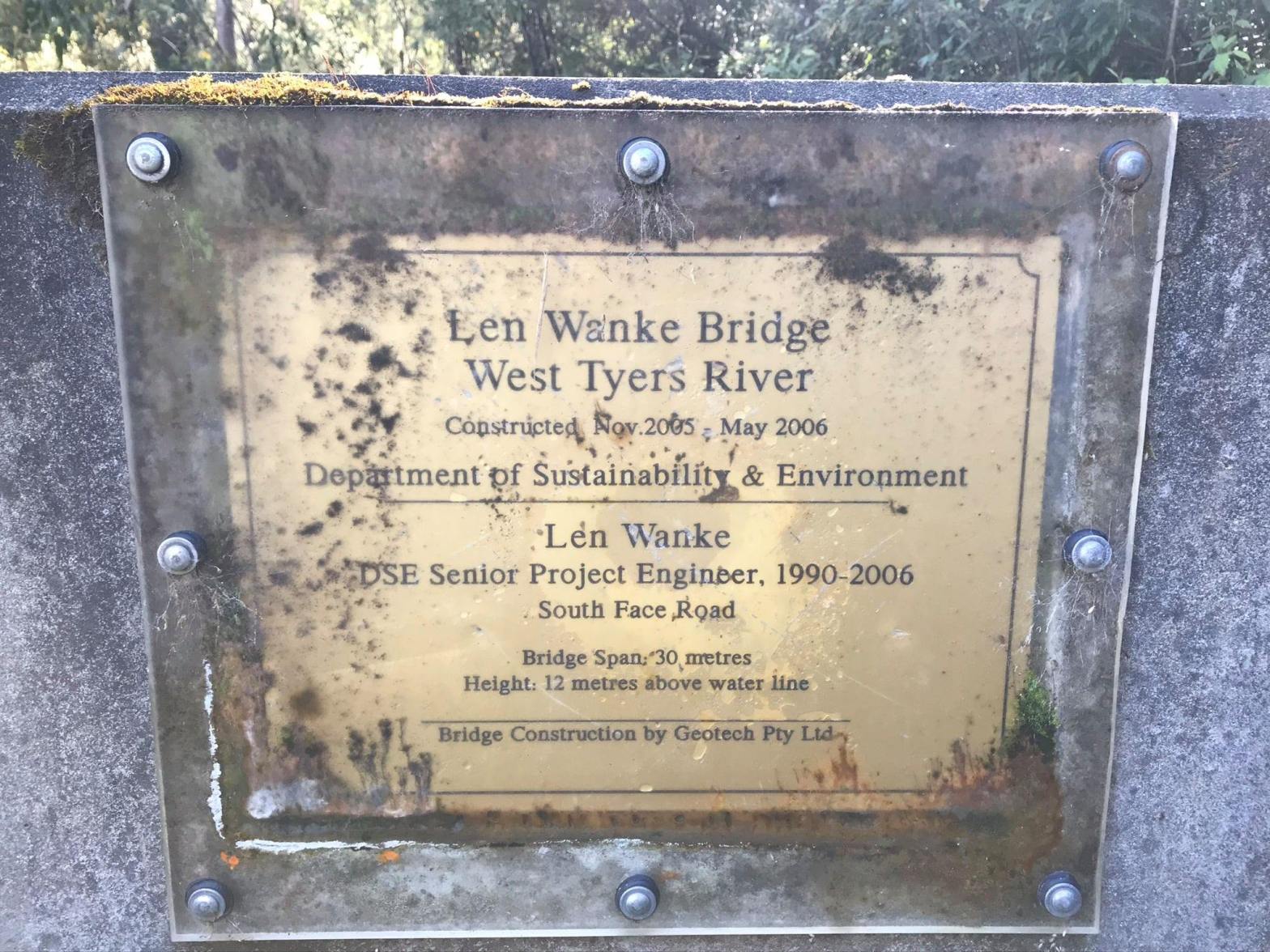
The South Face Road (SFR) climbs steadily for 25 km, in an east-west direction, across the southern slopes of the Baw Baw Ranges in Central Gippsland. It links the Thomson Valley Road in the east to the Baw Baw Tourist Road in the west. The South Face Road was without doubt the biggest and mostContinue reading “West Tyers Bridge – 2006.”
Mount Arapiles Timber Reserve – Centenary Park.

Mount Arapiles is an isolated sandstone outcrop near Horsham which rises 460 feet above the flat Wimmera plains. The first European to see the mountain was Major Thomas Mitchell during his epic overland trek in 1836. He named the landmark on 23 July 1836 after the Arapiles Hills near Salamanca in Spain. Mitchell had seenContinue reading “Mount Arapiles Timber Reserve – Centenary Park.”
David Hungerford Ashton.

This small memorial plaque overlooks the Toororrong Reservoir north of Melbourne and commemorates Dr. David Ashton. David was unquestionably the world expert on the ecology of mountain ash forests (Eucalyptus regnans). He was born in Melbourne in 1927 and received a Bachelor of Science in 1949, and a PhD later in 1957. In 1949, DavidContinue reading “David Hungerford Ashton.”
Hackett Tree – Powelltown.
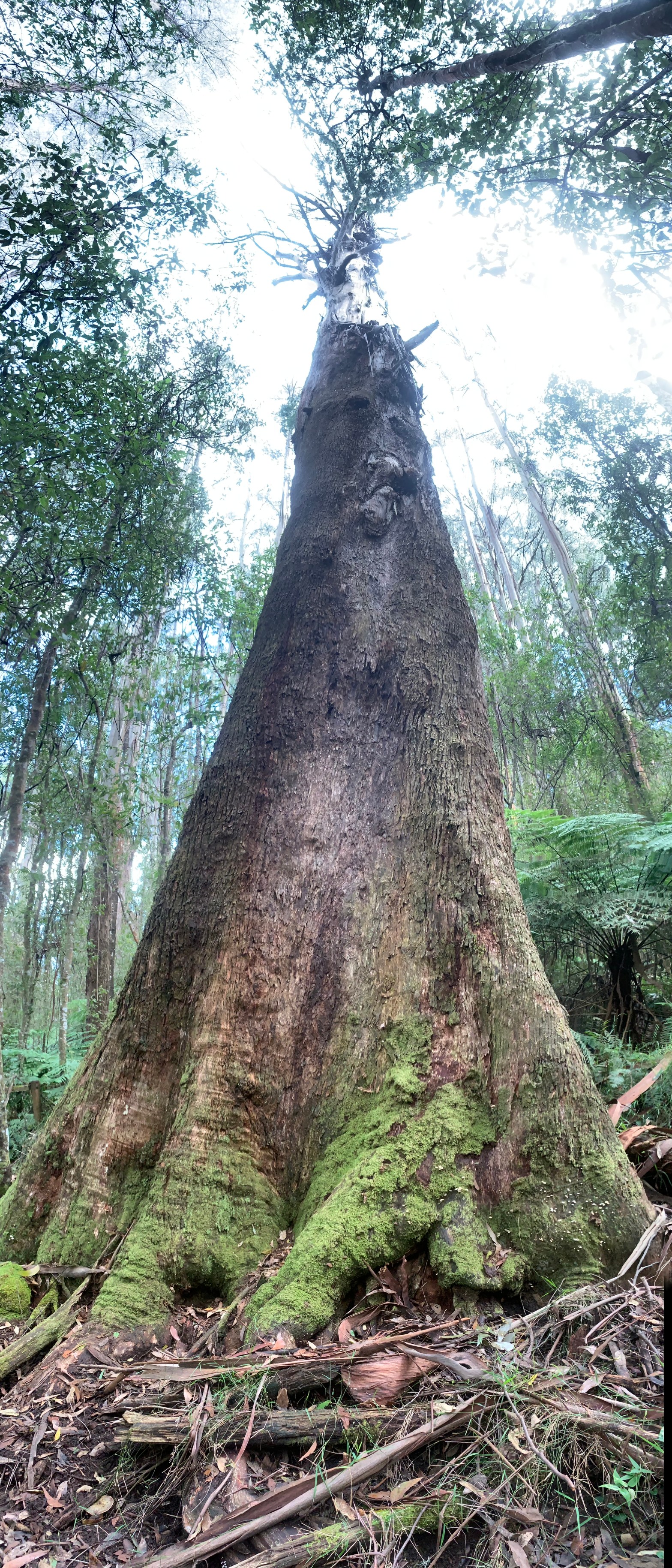
In the early 1990s, a new State Forest Management Planning process was in full swing, and a community advisory committee was appointed by the Minister for Conservation and Environment, Steve Crabb. The committee for the Yarra Forests was headed by local shire councillor, Gordon Buller, and included representatives from the timber industry, as well asContinue reading “Hackett Tree – Powelltown.”
 Victoria’s Forests & Bushfire Heritage