
Sir Wilhelm Schlich noted in his 1922 summary of Forest Policy of the British Empire that while progress was being made Australia lacked many of the skills to undertake inventory needed to prepare proper working plans. Responding to the shortage, the Chairman of the Forests Commission, A.V. Galbraith, made concerted efforts in 1926 and 1927Continue reading “Kristian Drangsholt – Man of the Forest.”
Author Archives: Peter McHugh
Lake Elizabeth – Otways.
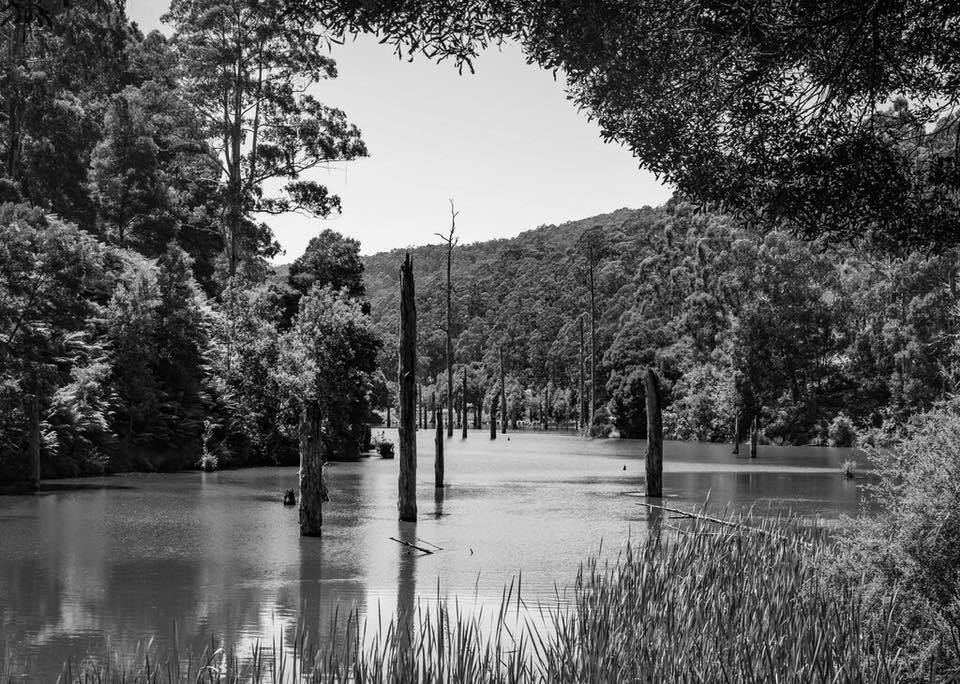
Lake Elizabeth stretches languidly for about a kilometre along the heavily forested valley of the East Barwon River, about seven kilometres east of the township of Forrest in the Otway Ranges. It’s a popular attraction for campers, walkers, and canoeists, not least because you can spot platypus in the early morning and at twilight…. ifContinue reading “Lake Elizabeth – Otways.”
Beechworth forestry museum closes its doors today.

The Forestry Heritage Museum at Beechworth, which was opened with much flourish and fanfare by John Haber Phillips AC, Chief Justice of Victoria, during the Beechworth 150th celebrations on 27 July 2003, closes forever today. A merry band of volunteers from the Forests Commission Retired Personnel Association (FCRPA) will brave the chilly conditions this weekContinue reading “Beechworth forestry museum closes its doors today.”
Save the Forests.

Judge Stretton clearly identified the inseparable trinity of forests, soil and water. The “Save the Forests” campaign was founded in January 1944 and rose from the ashes of the 1939 Black Friday bushfires. It was broad-based and included representatives from over 50 government and philanthropic organisations, and boasted over 100,000 members. The Forests Commission playedContinue reading “Save the Forests.”
Bill ah Chow – robes.

The Forests Commission Retired Personnel Association (FCRPA) have been entrusted with a couple of very generous donations over the last few months. These are the Chinese robes that belonged to Forests Commission fireguard and builder of Moscow Villa – Bill ah Chow. Every organisation has a handful of colourful characters, and the Commission had itsContinue reading “Bill ah Chow – robes.”
Washington Winch Identification Plate.

The Forests Commission Retired Personnel Association (FCRPA) have received a couple of very generous donations over the last few months. One is the brass identification plate from the Washington Winch. The winch sits deep in the forest east of Swifts Creek and is the last one of its particular type left in Australia. It wasContinue reading “Washington Winch Identification Plate.”
Wilhelm Schlich – Working Plans.
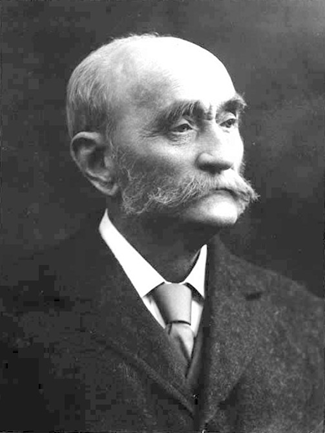
Wilhelm Schlich was from the Prussian school of forest management in the 1890s. He worked extensively in India for the British and later became a professor at Cooper’s Hill forestry school near Surrey in England, where he influenced generations of foresters across the British colonies. He advocated the use of working plans in his five-volumeContinue reading “Wilhelm Schlich – Working Plans.”
Gifford Pinchot – The Greatest Good.

There are some important parallels between the efforts of early foresters in North America to protect and conserve their forests from exploitation and clearing, and the experiences here in Victoria. There are also some striking differences. The US Forest Service began in 1905 around the same time as the Victorian State Forest Department and theContinue reading “Gifford Pinchot – The Greatest Good.”
Andraes Stihl.

Andraes Stihl was a Swiss-born engineer and is often said to be the “father of chainsaws”. After serving during WW1, he studied mechanical engineering in Eisenach and later founded the Andreas Stihl Company. Then in 1926, Stihl patented the “Cutoff Chainsaw for Electric Power” which was the world’s first electric chainsaw. But it weighed aContinue reading “Andraes Stihl.”
Cabbage-Tree Palm hats.

The forests of far East Gippsland are different. The cabbage-tree palm (Livistona australis) grows along the remote Cabbage Tree Creek, 30 kilometres east of Orbost. The palm is regularly found in NSW and Queensland, but only at this isolated spot in Victoria. Famous explorer, A. W. Howitt wrote that heart of the Cabbage-tree was eatenContinue reading “Cabbage-Tree Palm hats.”
The iconic River Red Gum was named after an order of Tuscan monks.
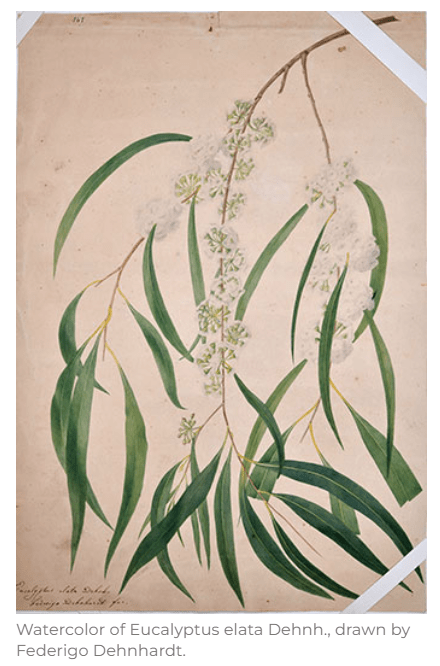
The magnificent River Red Gum (Eucalyptus camaldulensis) has the widest natural distribution of any of the Australian eucalypts. Specimens have also been planted across the globe, including Sicily where I have just returned from. It seems that River Red Gum was widely planted by Italian authorities after the war for timber and to stabilise soils,Continue reading “The iconic River Red Gum was named after an order of Tuscan monks.”
The Working Forests (Volume 1) – draft for comment.

With the generous support of the Dahl Trust I have been busy over the last few months writing a new eBook titled “The Working Forests”. The project about Victoria’s rich forest and bushfire heritage is due to be finished by the end of the year. I had to break it up into two volumes becauseContinue reading “The Working Forests (Volume 1) – draft for comment.”
Disabled diggers.
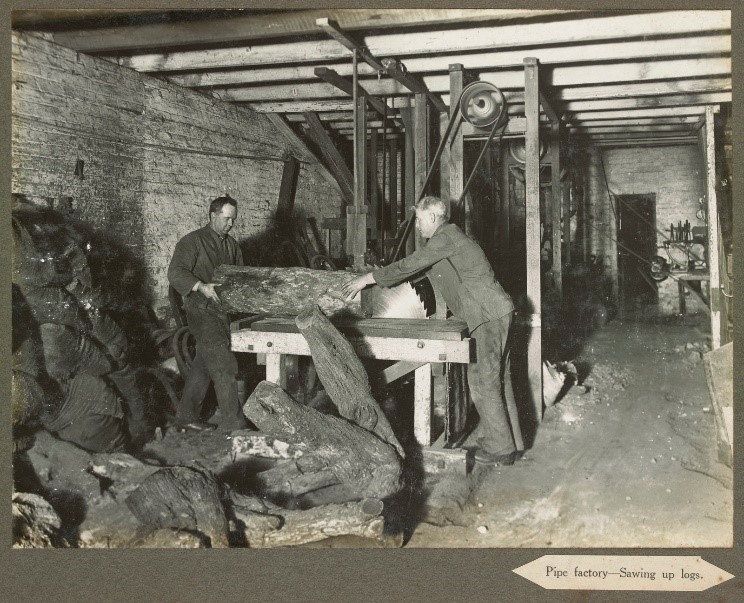
Driven by a deep philanthropic desire to provide employment for some of the more seriously maimed returned soldiers, several prominent Melbourne citizens, together with the support of Department of Repatriation, established the Tobacco Pipe Manufacturing company in Leicester Street Carlton in 1918. The factory needed to not only invent, but also build its own machinery,Continue reading “Disabled diggers.”
Pteridomania.
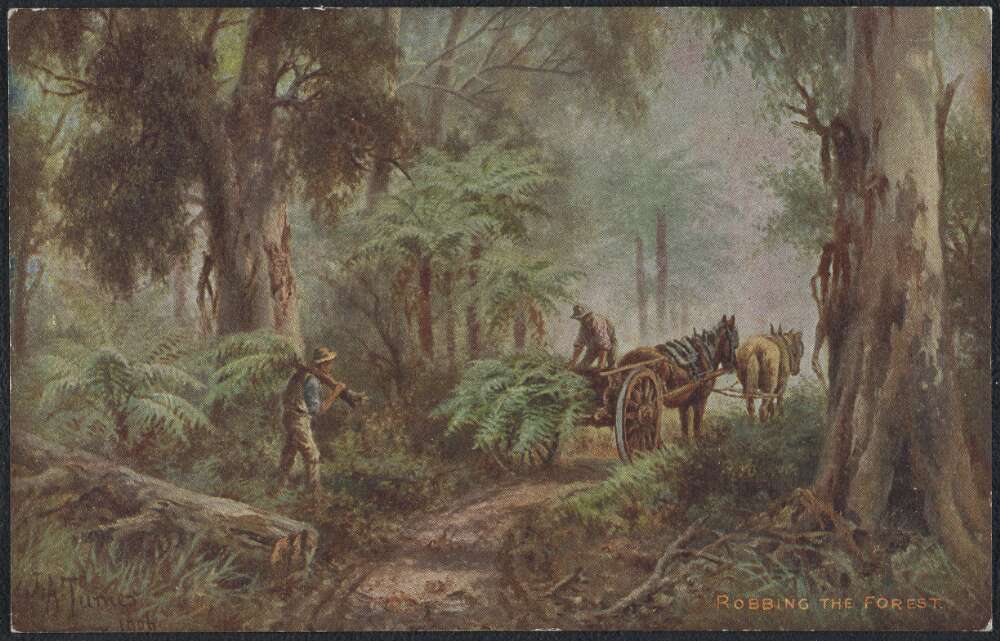
Pteridomania was the 19th century European craze for ferns and an obsession for collecting the rare and beautiful, just as Tulipomania had been two centuries before. “Fern Madness” was coined by Charles Kingsley in his work Glaucus, or, The Wonders of the Shore in 1859. It was in full swing in Britain from 1850 toContinue reading “Pteridomania.”
The Vienna Boys Choir.
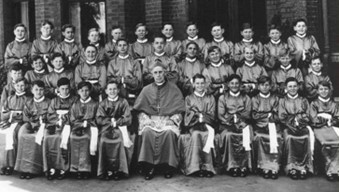
The famous Vienna Mozart Boys Choir found themselves stranded in Australia on the final leg of their global tour. Australia declared war on Germany on 3 September 1939, the day after their final concert in Perth Town Hall, so the choristers suddenly found themselves no longer celebrities but, in effect, Australia’s youngest aliens. On theContinue reading “The Vienna Boys Choir.”
Graytown POW Camp.

One of the pressing requirements placed on the Forests Commission during World War Two was to organise emergency supplies of firewood for heating and cooking because of shortages of coal, briquettes, electricity and gas. Employing Prisoners of War was one part of the solution The Forests Commission had first occupied a 14-acre site at Graytown,Continue reading “Graytown POW Camp.”
Karl Muffler.
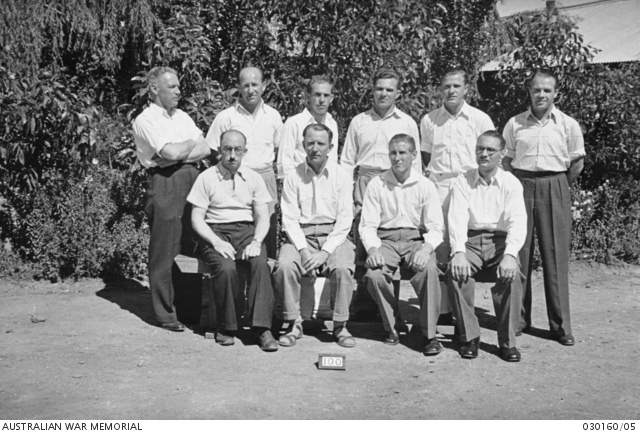
One of the men at V12 Camp No.2 was Karl Muffler. He was born in Germany and as a teenager chose to pursue a career as a pastry cook. Karl migrated to Australia in 1930 and worked in Melbourne at Ikinger’s cake shop in Brunswick. He then established his own business, the Embassy, which operatedContinue reading “Karl Muffler.”
Mt Disappointment – Emergency Firewood Camps.

There were at least 17 bush camps operated by the Forests Commission which held smaller groups of CAC workers. Over the period of the war its estimated that about 700 men cut firewood and produced charcoal to help ease Victoria’s energy shortage. Probably the best-known camps used by the Forests Commission during “Emergency Firewood Project”Continue reading “Mt Disappointment – Emergency Firewood Camps.”
 Victoria’s Forests & Bushfire Heritage