
A large granite outcrop at the headwaters of the Mississippi Creek in the Colquhoun State forest, just west of Lakes Entrance, was identified in the early 1890s. It’s said to be of the same geological formation as the pink granite at Wilsons Promontory, Gabo Island and northern Tasmania. The beautiful granite will take a highContinue reading “Mississippi Quarry – Colquhoun forest.”
Author Archives: Peter McHugh
Wind speed.

Bushfire behaviour is influenced by many factors including temperature, relative humidity (RH), forest type, fuel quantity and fuel dryness, topography and even slope. But wind has a dominant effect on the Rate of Spread (ROS), as well as fire size, shape and direction. Wind speed can be measured using a variety of anemometers. This simpleContinue reading “Wind speed.”
Alan McArthur – bushfire legend.
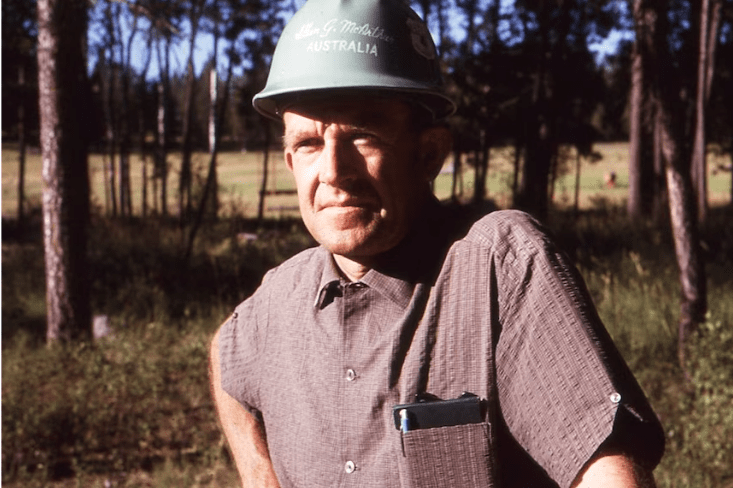
The Forest Fire Danger Index (FFDI) was originally invented by the legendary pioneer of Australian bushfire science, Alan Grant McArthur, during the 1950s and ‘60s. After studying forest science at the University of Sydney in 1945, and later the Australian Forestry School in Canberra, Alan McArthur worked first in softwood plantations in the Tumut andContinue reading “Alan McArthur – bushfire legend.”
Drop chutes.
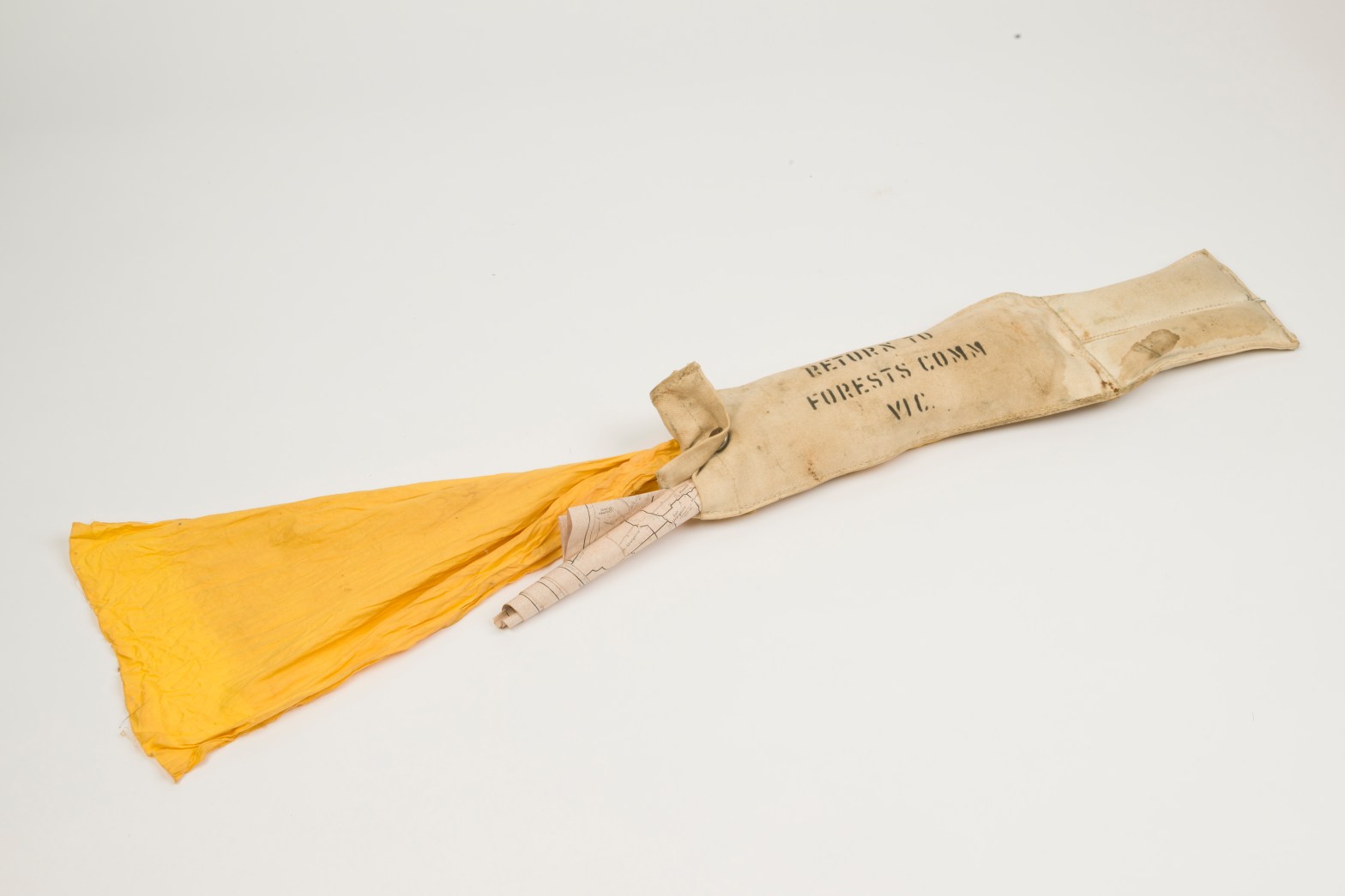
From the early 1960s, the Forests Commission had pre-season arrangements in place with local aeroclubs and pilots across regional Victoria. Air observers from FCV districts routinely flew during the summer months in small, fixed-wing aircraft on fire spotting missions and to map fire boundaries. The information was often needed quickly on the ground or inContinue reading “Drop chutes.”
Update on the Beechworh Museum Collection.

With the money raised from the sale of the FCV lapel pins last year the Forests Commission Retired Personnel Association (FCRPA) engaged Mark Jesser, a professional photographer, from Wodonga. We recently had a two-day working bee at Beechworth with Leith McKenzie, Andrew Pook, Mark A Webster and myself pulling all the dusty items out of their display casesContinue reading “Update on the Beechworh Museum Collection.”
The loss of Longitude and the “Disputed Territory”.
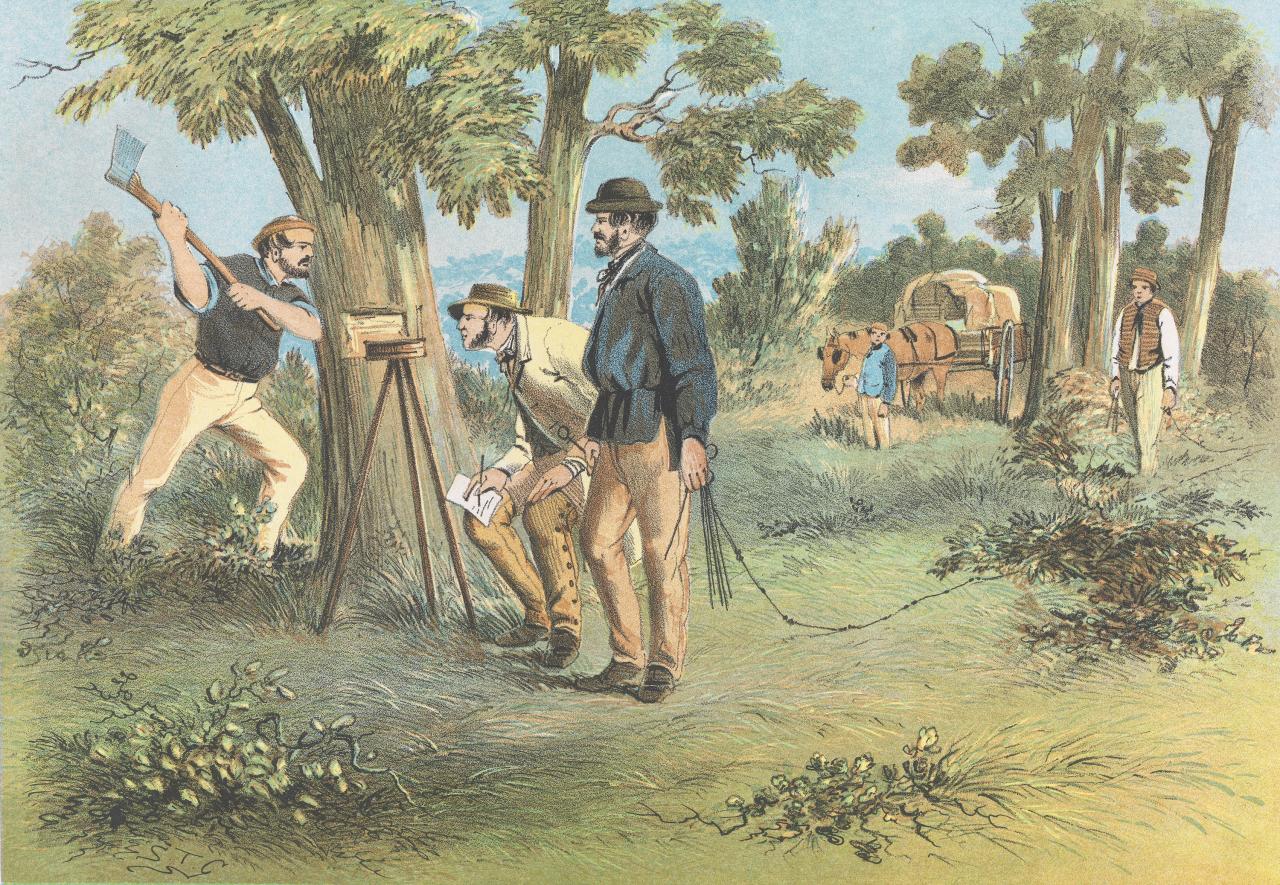
In 1836, the western boundary between colonies of NSW and South Australia, and what was later to become the border of Victoria, was decided as the 141 degree meridian of longitude east of Greenwich. Three years later in 1839, Charles Tyers transferred from the Royal Navy and was given the task to precisely mark theContinue reading “The loss of Longitude and the “Disputed Territory”.”
Christian’s Mill – Wombat Forests.
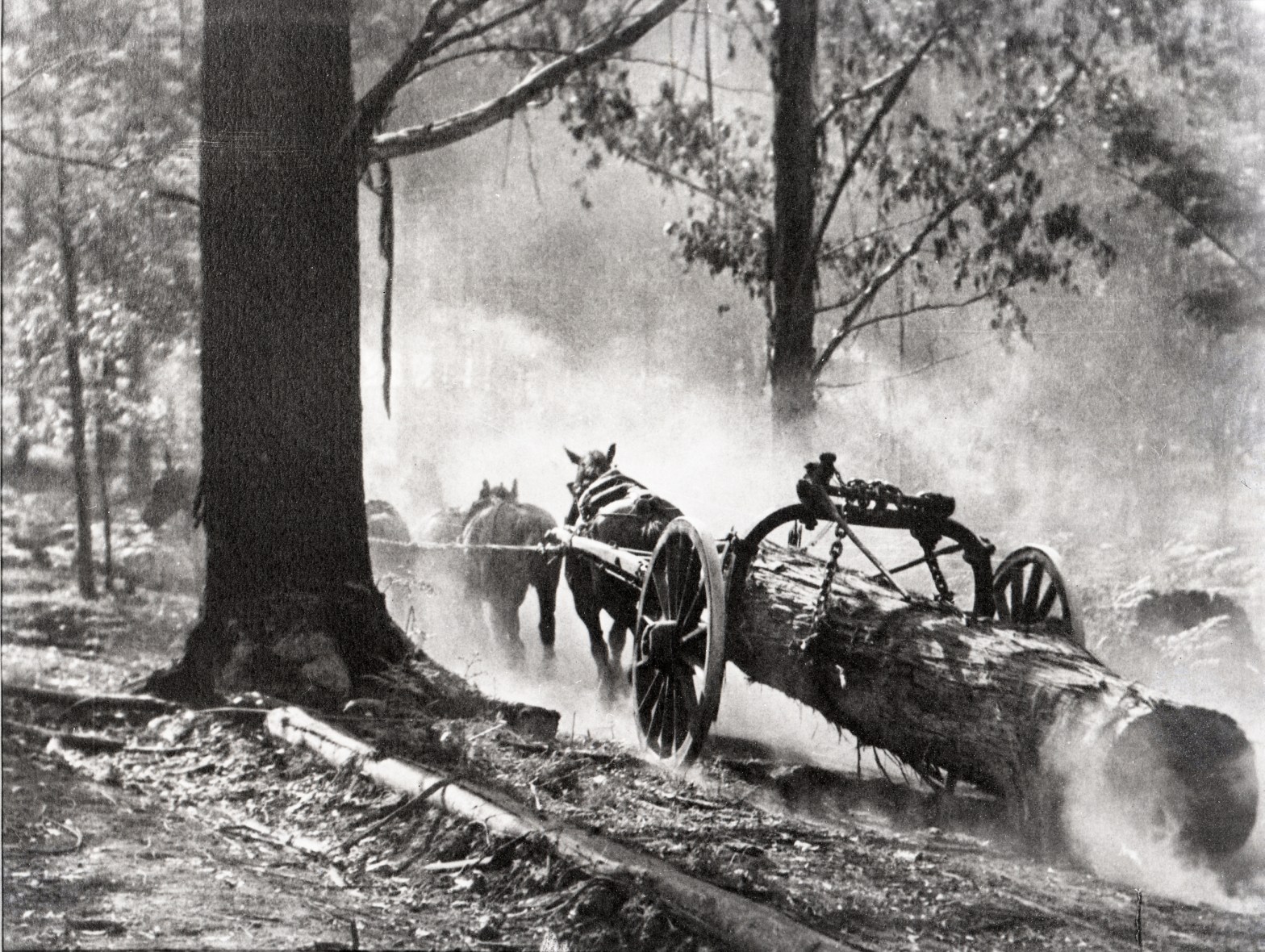
William Christian arrived in Melbourne in 1850 and worked as a pattern maker in a foundry. But like many others he was soon drawn by the lure of the goldfields. After a few unsuccessful years of trying his luck, William ended up in Woodend in 1868 and started a couple of successful sawmills in theContinue reading “Christian’s Mill – Wombat Forests.”
Enough was enough.

Victorian bushfires in summer of 1943-44 burned over one million hectares, killed 51 people, injured 700, and destroyed over 650 buildings. There had been deadly fires just days before Christmas in the northeast which had killed 10 firefighters from the Wangaratta fire brigade. More widespread fires across the State a month later killed 20 peopleContinue reading “Enough was enough.”
Hazelwood coalmine fire – 2014.

As they say… the days are long… and the years are short… but where did those 10 years go? On Saturday 8 February 2014, I was acting as a mentor in a Level 3 Planning Team at the Traralgon Incident Control Centre (ICC). We were working on a small but complex bushfire in the Hearn’sContinue reading “Hazelwood coalmine fire – 2014.”
Delburn bushfires – 2009.

It’s been 15 years since the catastrophic Black Saturday bushfires on 7 February 2009, with the loss of 173 lives, and which devastated townships such as Marysville, Kinglake, Narbethong, Flowerdale and Strathewen. But just over a week before, on Wednesday 28 and Thursday 29 January, there were six deliberately lit blazes south of Morwell nearContinue reading “Delburn bushfires – 2009.”
Dog’s Grave.

When travelling around State forests it’s not uncommon to find a lonely and forgotten grave tucked away in the bush. The last resting place of some unlucky traveller or pioneer killed in an accident, unable perhaps to receive medical aid in time. They were usually buried where they died. The grave of former dance girlContinue reading “Dog’s Grave.”
Fireguards.

The Secretary of the Forests Commission Victoria, A V Galbraith issued instructions to Fireguards in about 1920. They included the following… Probably, one of the most famous FCV fireguards was Bill Ah Chow who lived at Moscow Villa and was the fire lookout at Mt Nugong during the summer months. What a great job… https://drive.google.com/file/d/1qQro7mkEcQFk2W-xR-qEbONaZ3RAwnmm/viewContinue reading “Fireguards.”
A soggy Chief Fire Officer.
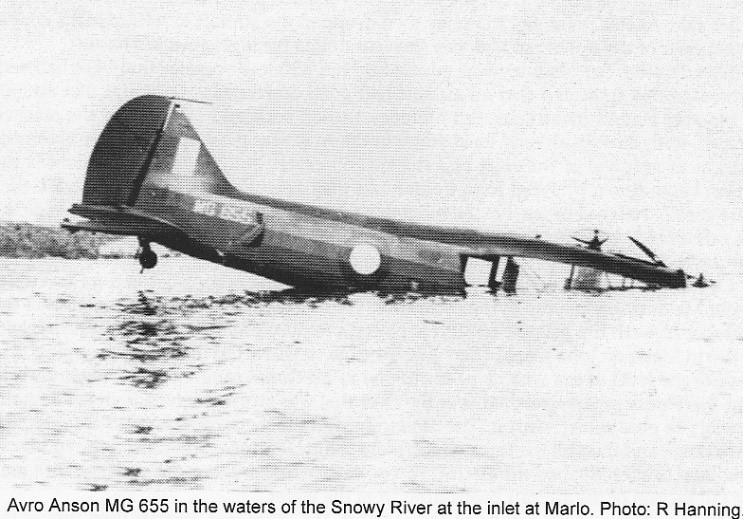
In the summer of 1946, a request was made by the Forests Commission to the RAAF base at Bairnsdale for bushfire reconnaissance flights over the Snowy River area in East Gippsland. Because of the long-standing relationship with the Air Force, authorisation was often given for FCV staff to act as air observers in the RAAFContinue reading “A soggy Chief Fire Officer.”
Bushfire in the burbs.
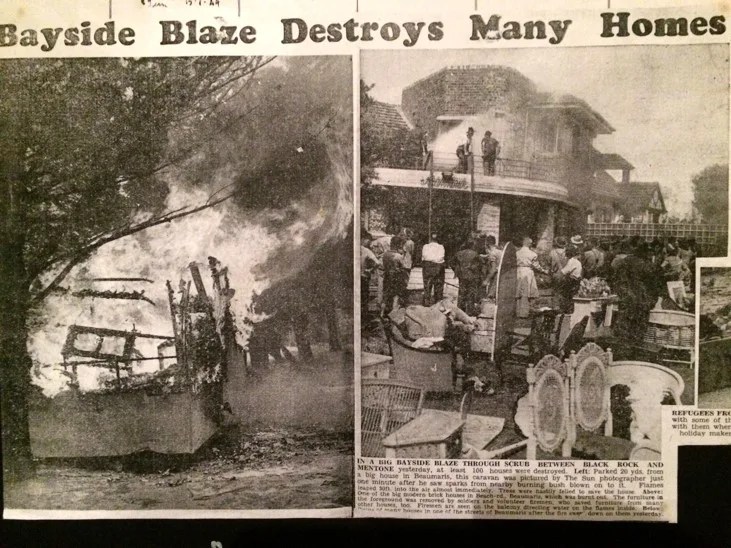
As the summer bushfire season of 1943-44 opened, Australia had already endured four years of war with many men and women away overseas or deployed to northern Australia. In Melbourne’s bayside suburbs, as in all parts of Australia, austerity measures were in place with rationing of food, petrol, clothing, gas, electricity, firewood and other basicContinue reading “Bushfire in the burbs.”
The Parliament House Dummy-Spit.
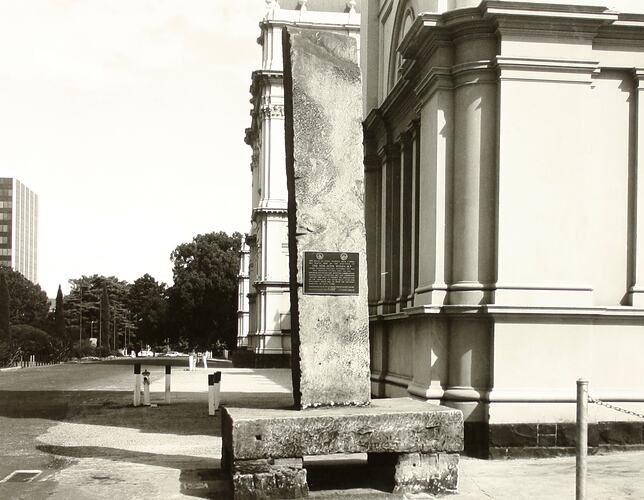
State forests and public land not only produce timber but are also important for sand, crushed rock and dimensioned stone for buildings. Victoria has large quantities of hard basalt, or bluestone, across the western district plains but in the early days of the Colony it had to suffer the indignity of importing sandstone from NSW.Continue reading “The Parliament House Dummy-Spit.”
Victorian timber industry – 1982.

What a difference 42 years makes. This 1982 map shows Victorian hardwood and softwood sawlog production, as well as the number of mills by region. The Forests Commission reported in 1981-82 that there were fewer new houses completed than for the previous 30 years. Home loan interest rates were at a record high of 16.5%.Continue reading “Victorian timber industry – 1982.”
The Bendoc Log.
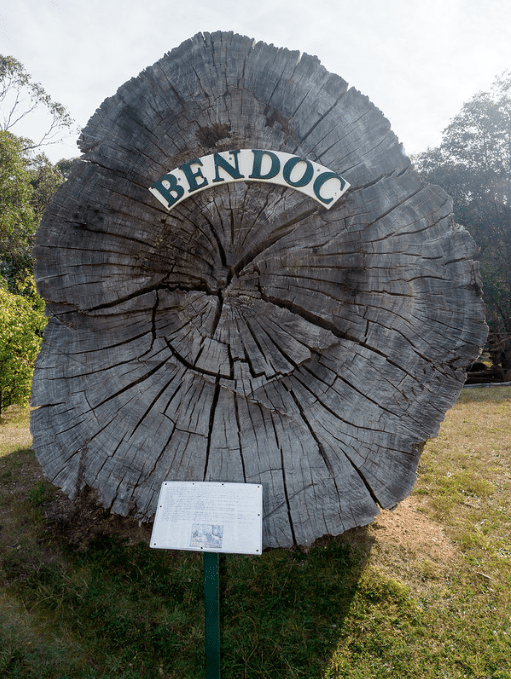
The 1 January 2024 not only marks the beginning of a New Year, but also marks the end of timber harvesting in Victorian State forests. Some people will be rejoicing, but many will be angry and looking for explanations, or someone to blame. However, the demise of native forest timber harvesting has been a veryContinue reading “The Bendoc Log.”
Growth Rings (updated).

There is always a danger making lists but, to my mind, some of the main events that have shaped forest and bushfire management in Victoria are below… • 1820s – Before European settlement around 88% of the 23.7 million ha of what was to become the Colony of Victoria was tree-covered. • 1851 – InContinue reading “Growth Rings (updated).”
 Victoria’s Forests & Bushfire Heritage