
Even before the gold rush of the 1850s, timber splitters invaded Victoria’s eastern forests including the Dandenong Ranges which were close to the city. Mr. J. W. Beilby established a sawmill at Ferntree Gully in about 1850 and a small township sprang up around it. He later claimed that his was the first sawmill establishedContinue reading “The Dandenong Ranges Timber Reserve – 1867.”
Author Archives: Peter McHugh
Giddy… Giddy… Gouts…
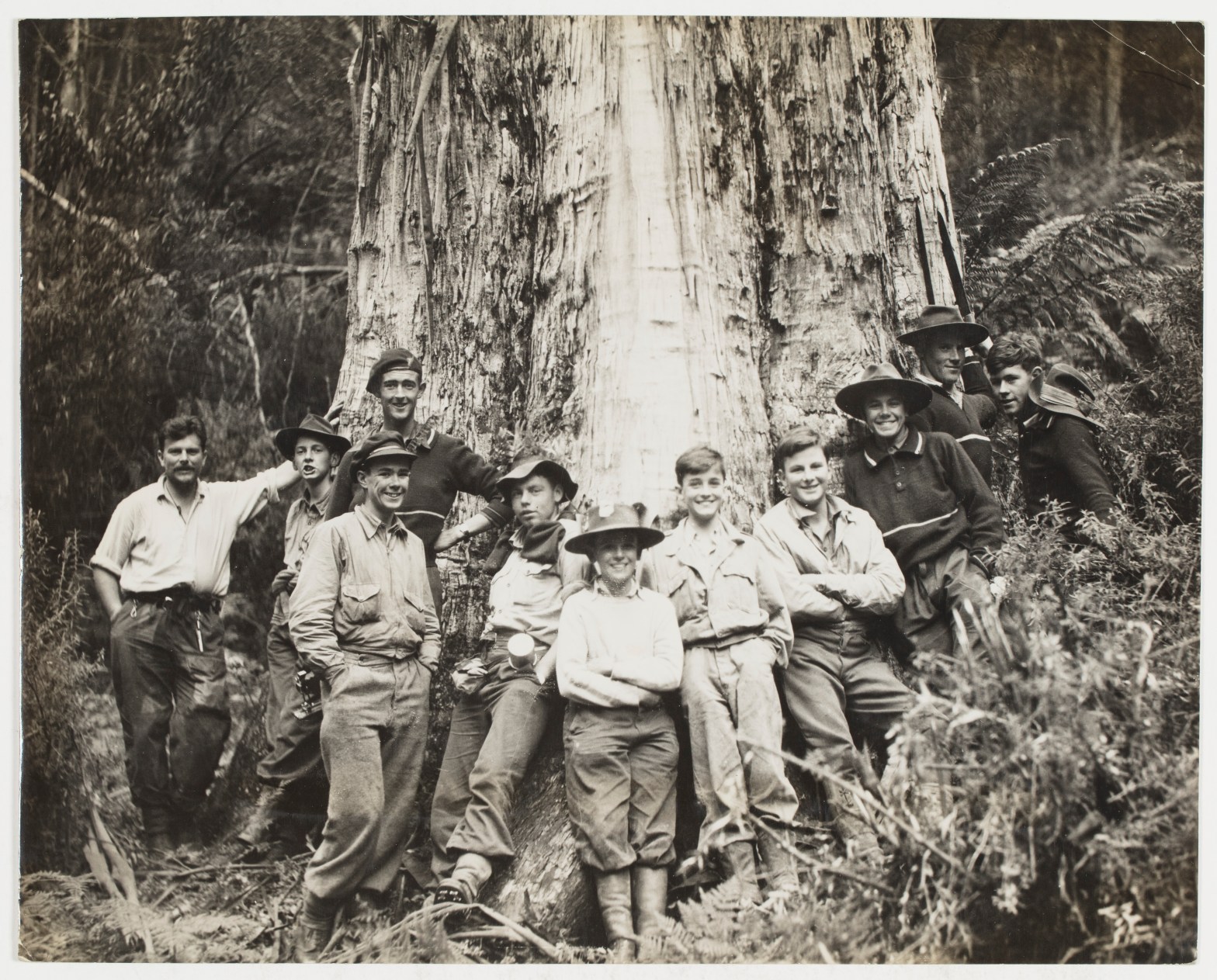
Cubs, Scouts, Brownies and Guides all provide great outdoor adventure and leadership opportunities for young people. Major-General Robert Baden-Powell started the movement in 1907 at a time when explorers were reaching the north and south poles, the Wright brothers were taking off at Kitty Hawk, and the first Model T Fords were rolling off theContinue reading “Giddy… Giddy… Gouts…”
Rural Water Supplies.

Milk comes from cartons and water comes out of a tap… doesn’t it? I wonder how many people stop to think about where their water comes from? The MMBW catchments supply Melbourne, but State forests have always been an important source of clean water for rural communities. One of the more innovative and unusual waterContinue reading “Rural Water Supplies.”
AKD – a regional success story.
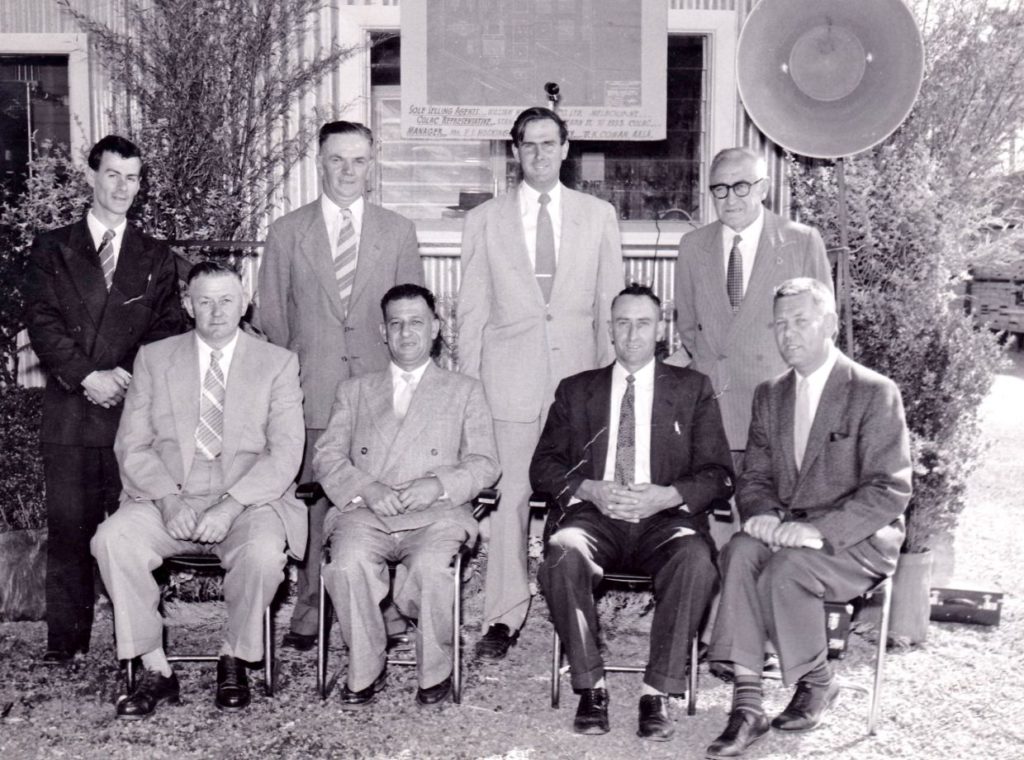
Associated Kiln Driers Pty. Ltd., or AKD Softwoods, was founded in 1955, with its Head Office based at Colac in western Victoria. The Otway State forests to the south of Colac had supplied hardwood timber since the earliest days of European settlement with small sawmills cutting timber for housing, construction, railway sleepers, case timbers forContinue reading “AKD – a regional success story.”
Australian Seasoned Timber Company – Mount Disappointment.
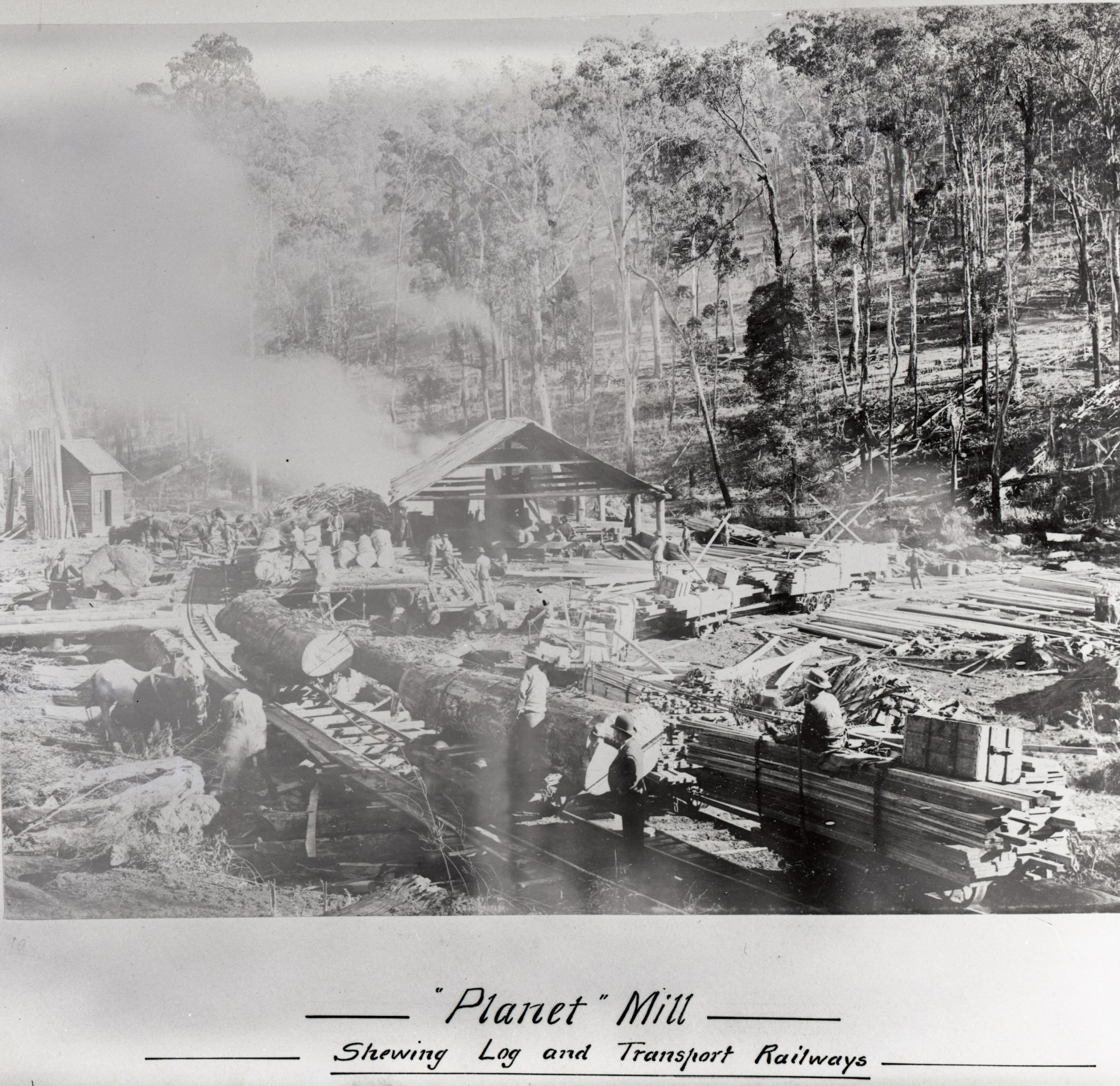
The Australian Seasoned Timber Company (ASTC) operated in the Mount Disappointment State forest, 37 miles north of Melbourne, between 1880 and 1902. It was said to be the largest sawmilling and timber processing company in the southern hemisphere at the time. It owned several sawmills, along with an extensive network of tramlines supplying timber directlyContinue reading “Australian Seasoned Timber Company – Mount Disappointment.”
Henry’s sawmills – Otway Ranges.
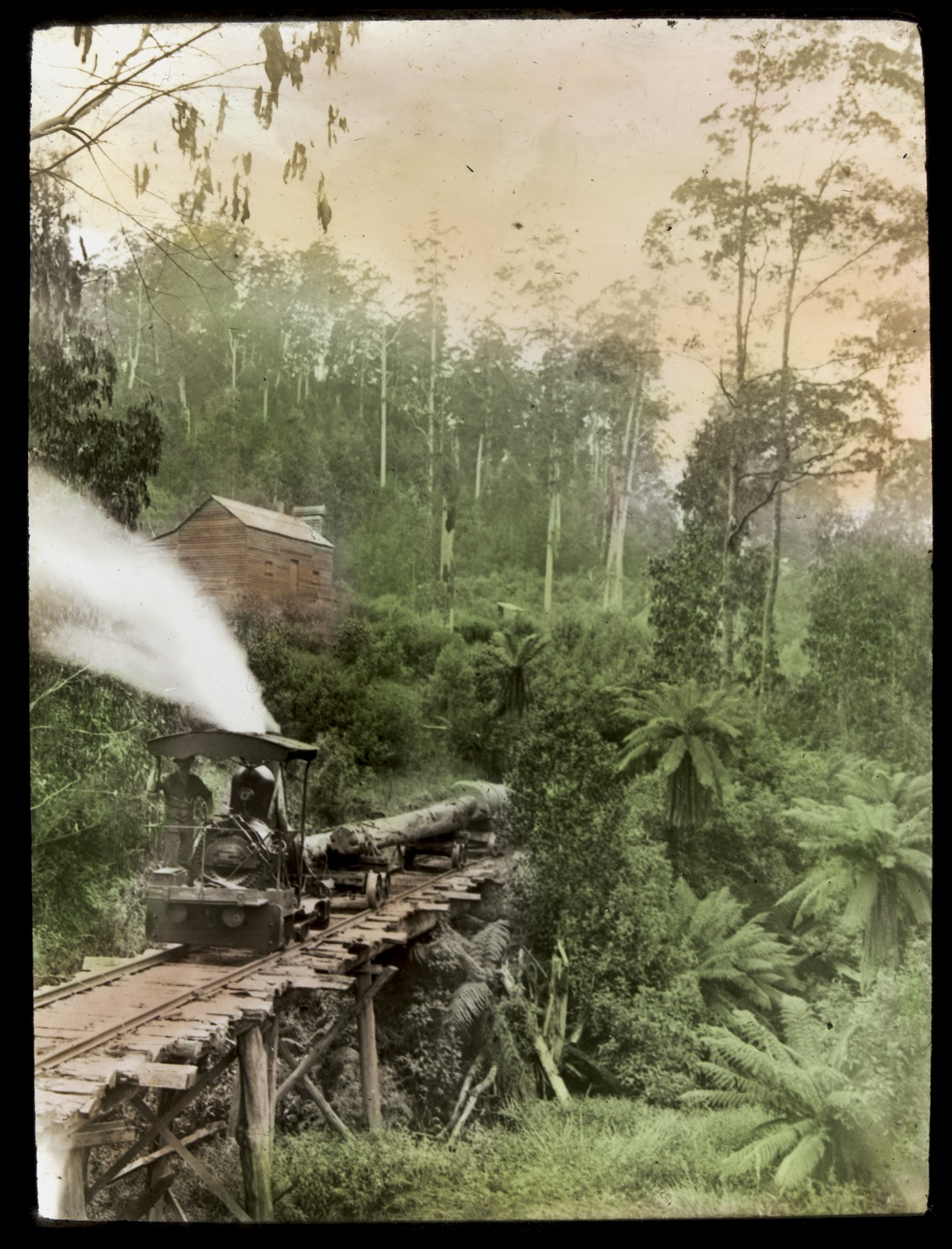
The Otway Ranges is characterised by steep terrain, wet weather and thick forest. An early but unsuccessful attempt was made between 1854 and 1861 to bring Blue Gum (Eucalyptus globulus) railway sleepers to Melbourne in small coastal ships from the Otway Ranges. The voyage was perilous because there were no suitable harbours, and relics ofContinue reading “Henry’s sawmills – Otway Ranges.”
Lone Pine tree – Victorian School of Forestry (VSF).

The battle of Lone Pine at Gallipoli is deeply etched in the psyche of Australians, New Zealanders and the Turks. It took place between 6 and 10 August 1915 with tragic losses of over 2,000 ANZACs and a further 7,000 Turkish soldiers. Over the decades the battle became increasingly symbolic and many memorial parks inContinue reading “Lone Pine tree – Victorian School of Forestry (VSF).”
Grass trees.
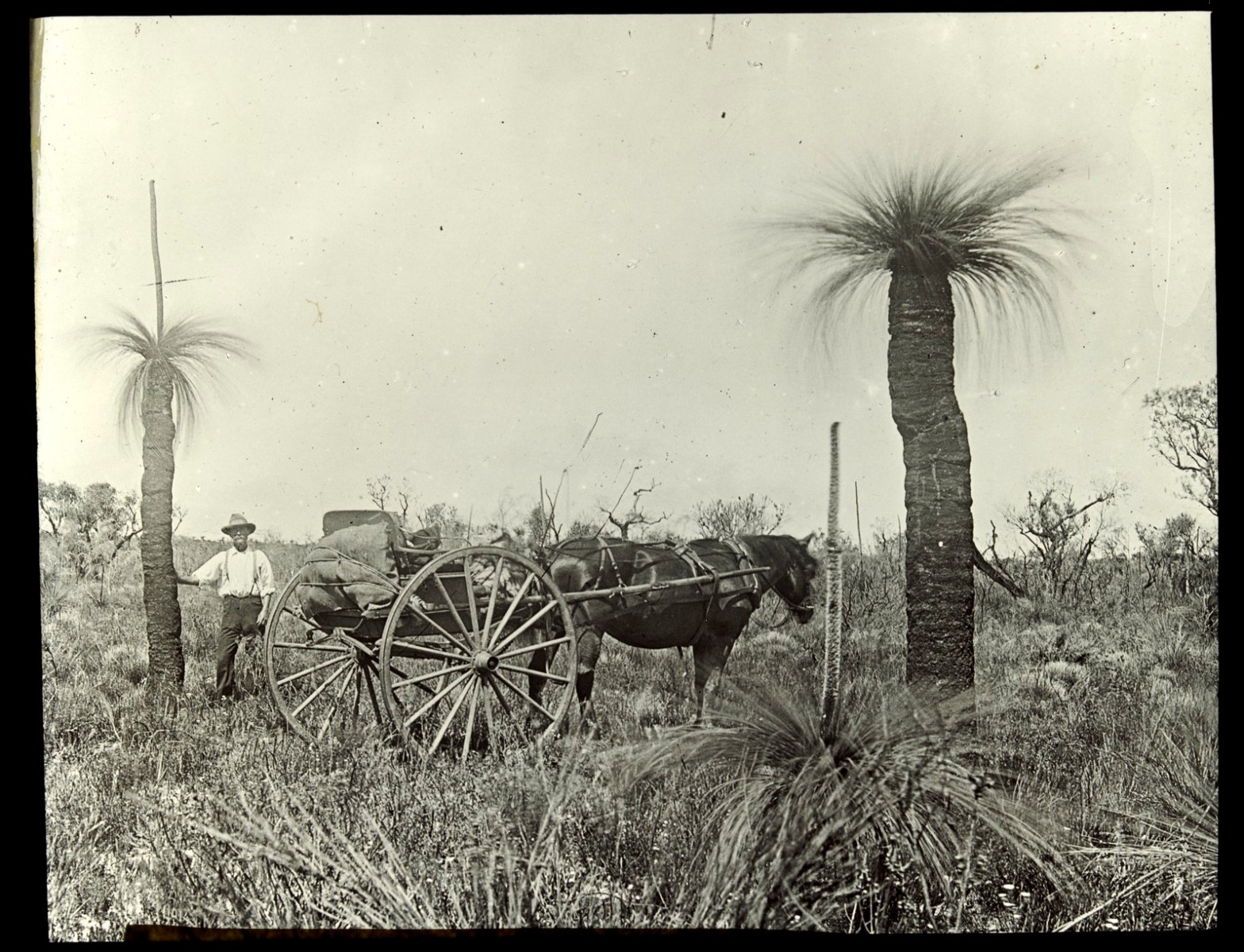
The austral grasstree (Xanthorrhoea australis) is commonly found growing in heathlands on poor sandy soils along the east coastal strip from NSW to SA, as well as Tasmania. They are highly susceptible to the soil-borne disease Phytophthora cinnamomi. In 1882, the Victorian Inspector of Forests William Ferguson made a field survey of the Heytesbury ForestContinue reading “Grass trees.”
Charles Watson Perpetual Trophy

This cup was awarded at the annual Northeast Division fire school. Fire schools were an important pre-summer program for all Forests Commission staff and crews. They were designed as refresher courses for existing staff and training of new staff on how to use pumps and hoses. FCV Forest Divisions were made up of separate forestContinue reading “Charles Watson Perpetual Trophy”
Forest Drives.
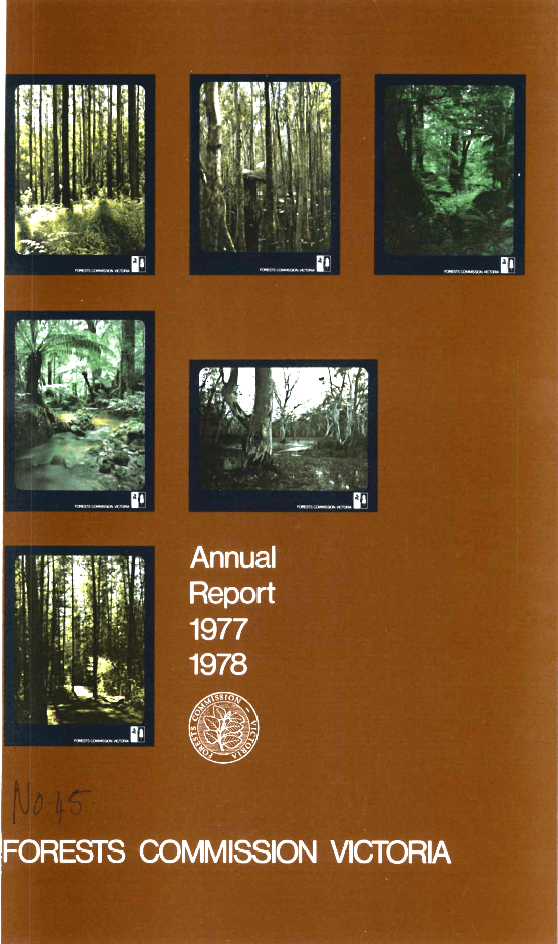
Just about every Forest District had one… the State forest drive. Most people enjoy a leisurely drive in the country, or through the bush, which includes a scenic spot for short walk or a picnic. Staff have always taken pride in their patch of forest and were keen to make the bush available to localsContinue reading “Forest Drives.”
Bacharach Sling psychrometer

Bushfire behaviour is influenced by many factors including temperature, relative humidity (RH), forest type, fuel quantity and fuel dryness, topography and even slope. Wind has a dominant effect on the Rate of Spread (ROS), as well as fire size, shape and direction. Temperature and relative humidity have major impacts on fuel dryness and therefore uponContinue reading “Bacharach Sling psychrometer”
Julia Hale – an extraordinary sawmiller.
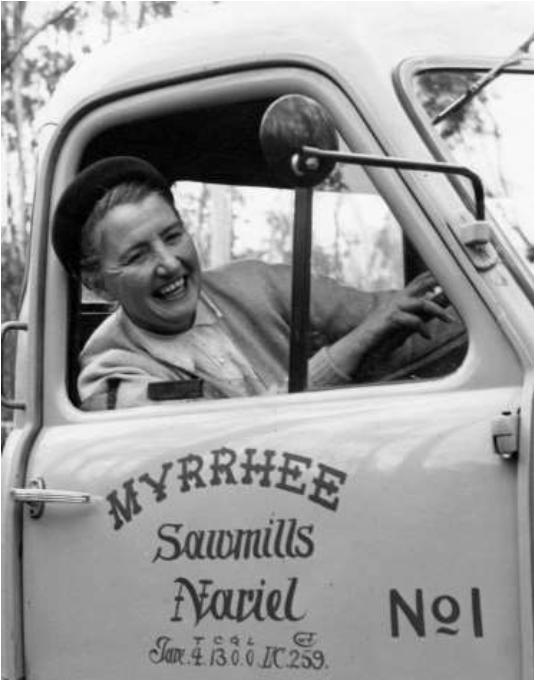
The timber industry in Victoria was arguably very lopsided with the Forests Commission, as a large government-owned monopoly, controlling forest licencing, allocation and supply of timber to sawmillers. In most cases the relationship between sawmillers and the local District Forester were cordial and business like, but it was clearly an uneven one at times. It’sContinue reading “Julia Hale – an extraordinary sawmiller.”
World Forestry Day.
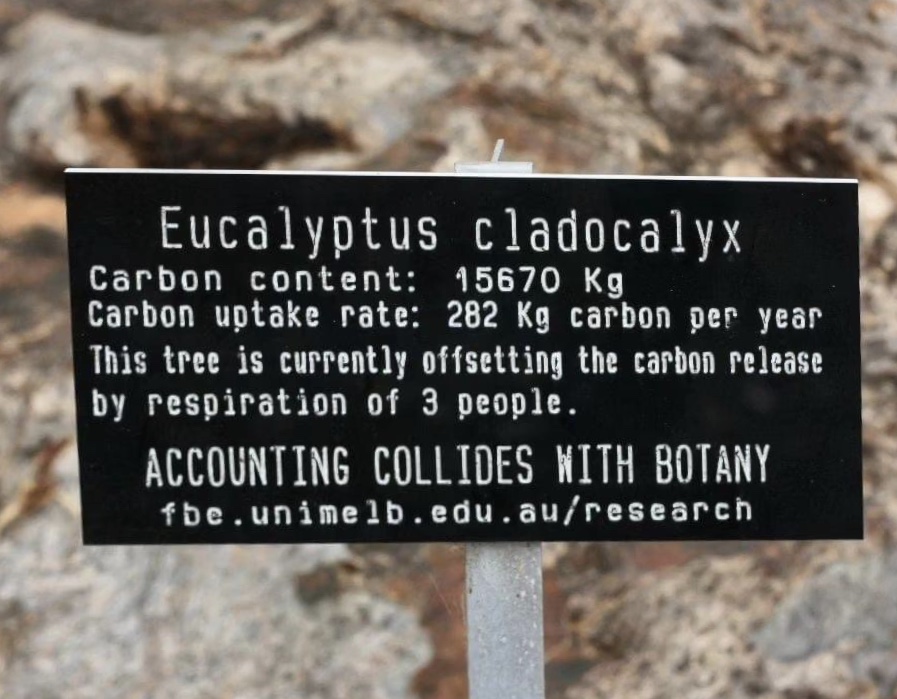
Imagine a machine that uses solar energy to remove carbon from the air and turns it into a beautiful, strong and sustainable building material. Oh wait… that’s what trees are… Today is World Forestry Day and what better way to celebrate than to acknowledge this magnificent Sugar Gum (Eucalyptus cladocalyx) which grows in front ofContinue reading “World Forestry Day.”
Mississippi Quarry – Colquhoun forest.

A large granite outcrop at the headwaters of the Mississippi Creek in the Colquhoun State forest, just west of Lakes Entrance, was identified in the early 1890s. It’s said to be of the same geological formation as the pink granite at Wilsons Promontory, Gabo Island and northern Tasmania. The beautiful granite will take a highContinue reading “Mississippi Quarry – Colquhoun forest.”
Wind speed.

Bushfire behaviour is influenced by many factors including temperature, relative humidity (RH), forest type, fuel quantity and fuel dryness, topography and even slope. But wind has a dominant effect on the Rate of Spread (ROS), as well as fire size, shape and direction. Wind speed can be measured using a variety of anemometers. This simpleContinue reading “Wind speed.”
Alan McArthur – bushfire legend.
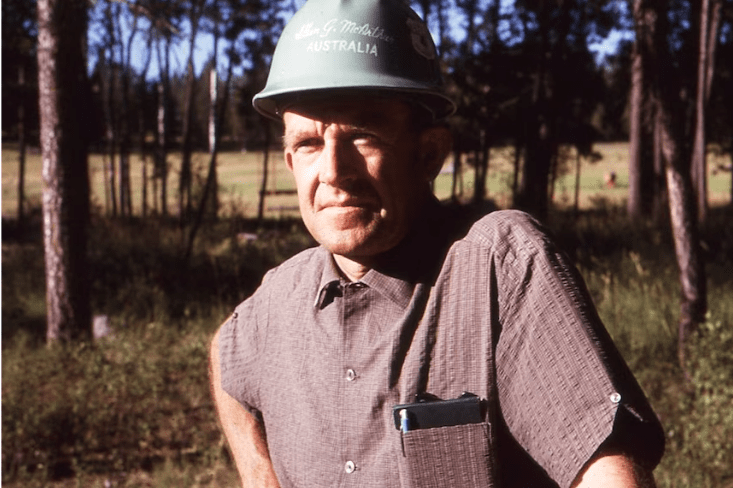
The Forest Fire Danger Index (FFDI) was originally invented by the legendary pioneer of Australian bushfire science, Alan Grant McArthur, during the 1950s and ‘60s. After studying forest science at the University of Sydney in 1945, and later the Australian Forestry School in Canberra, Alan McArthur worked first in softwood plantations in the Tumut andContinue reading “Alan McArthur – bushfire legend.”
Drop chutes.
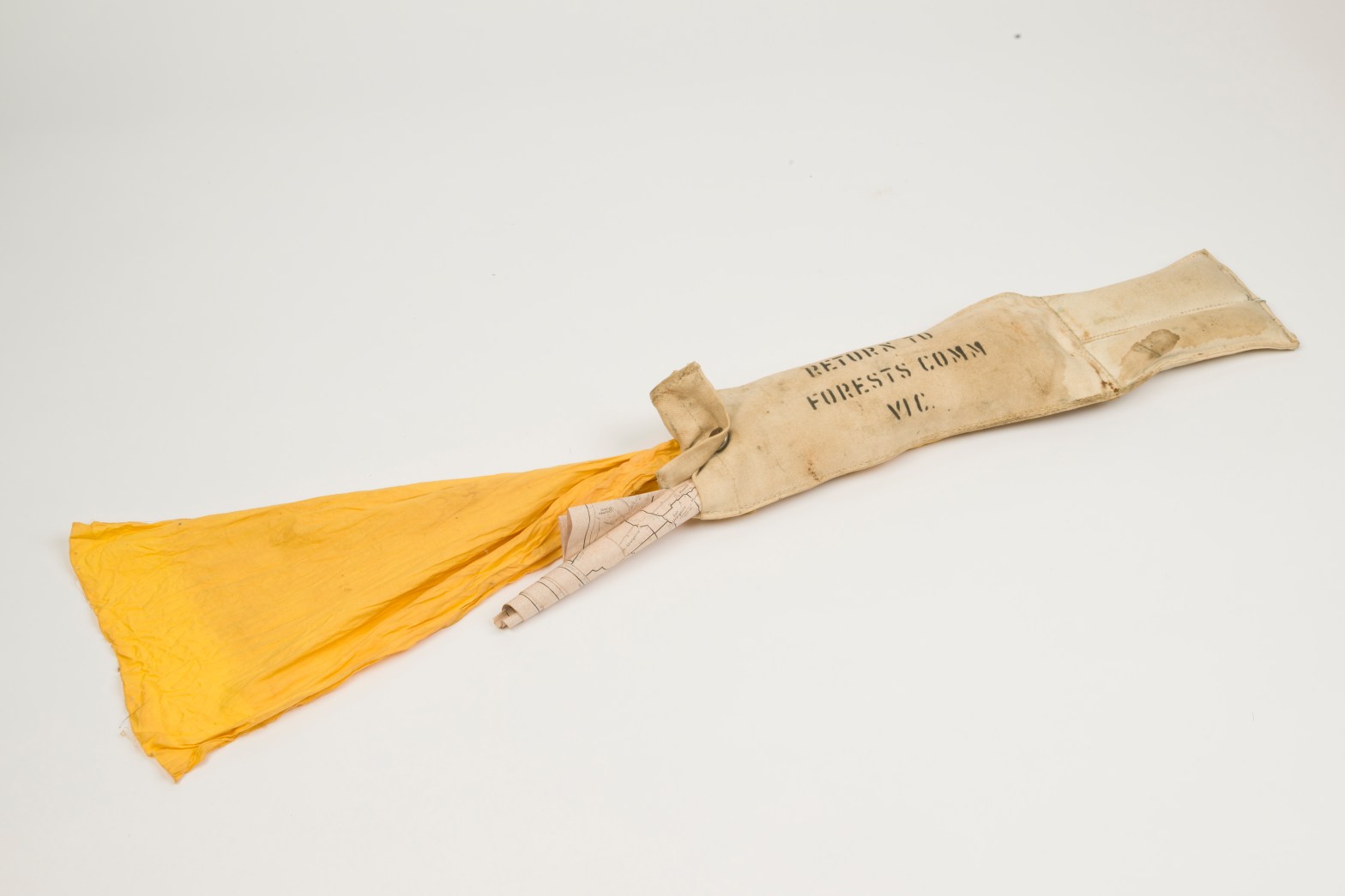
From the early 1960s, the Forests Commission had pre-season arrangements in place with local aeroclubs and pilots across regional Victoria. Air observers from FCV districts routinely flew during the summer months in small, fixed-wing aircraft on fire spotting missions and to map fire boundaries. The information was often needed quickly on the ground or inContinue reading “Drop chutes.”
Update on the Beechworh Museum Collection.

With the money raised from the sale of the FCV lapel pins last year the Forests Commission Retired Personnel Association (FCRPA) engaged Mark Jesser, a professional photographer, from Wodonga. We recently had a two-day working bee at Beechworth with Leith McKenzie, Andrew Pook, Mark A Webster and myself pulling all the dusty items out of their display casesContinue reading “Update on the Beechworh Museum Collection.”
 Victoria’s Forests & Bushfire Heritage