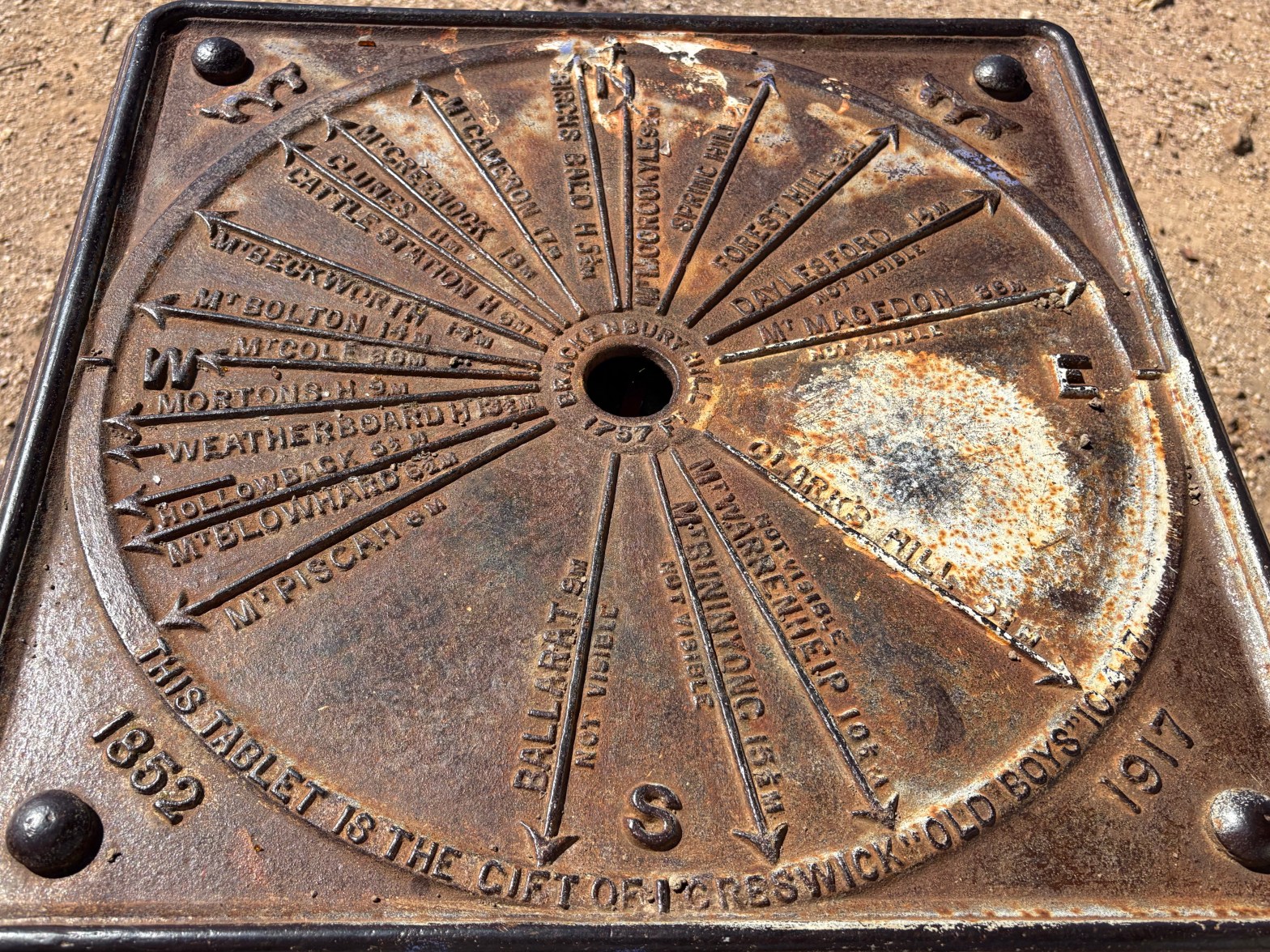
Just about every student who has spent time at the Victorian School of Forestry at Creswick will be familiar with Brackenbury Hill, but few would probably know about its interesting history. Brackenbury Hill sits just north of the Great Dividing Range, with an elevation of 1757 feet, and is about a mile to the eastContinue reading “The Creswick Old Boys & Brackenbury Hill.”
Author Archives: Peter McHugh
Charcoal powered motorbike from Footscray – 1942.
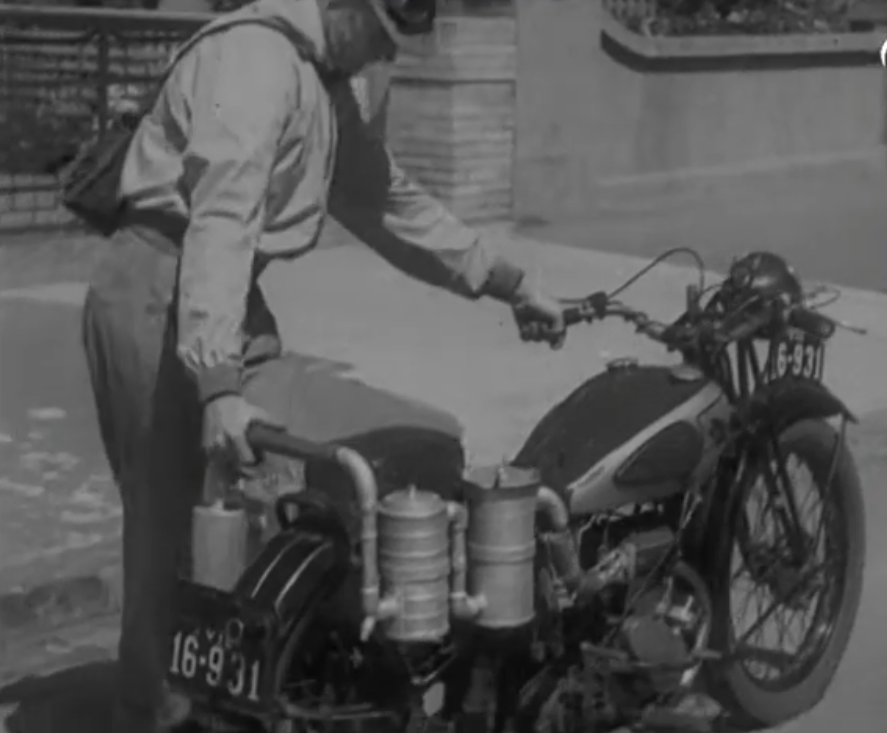
At the outbreak of the Second World War in September 1939, Australia had only three months’ supply of fuel and was totally reliant on imports. The Victorian Government response was to severely ration petrol and turn to charcoal as an alternative fuel for motorists. The Victorian Premier, Albert Dunstan, directed the Forests Commission to establishContinue reading “Charcoal powered motorbike from Footscray – 1942.”
The growth stages of foresters.
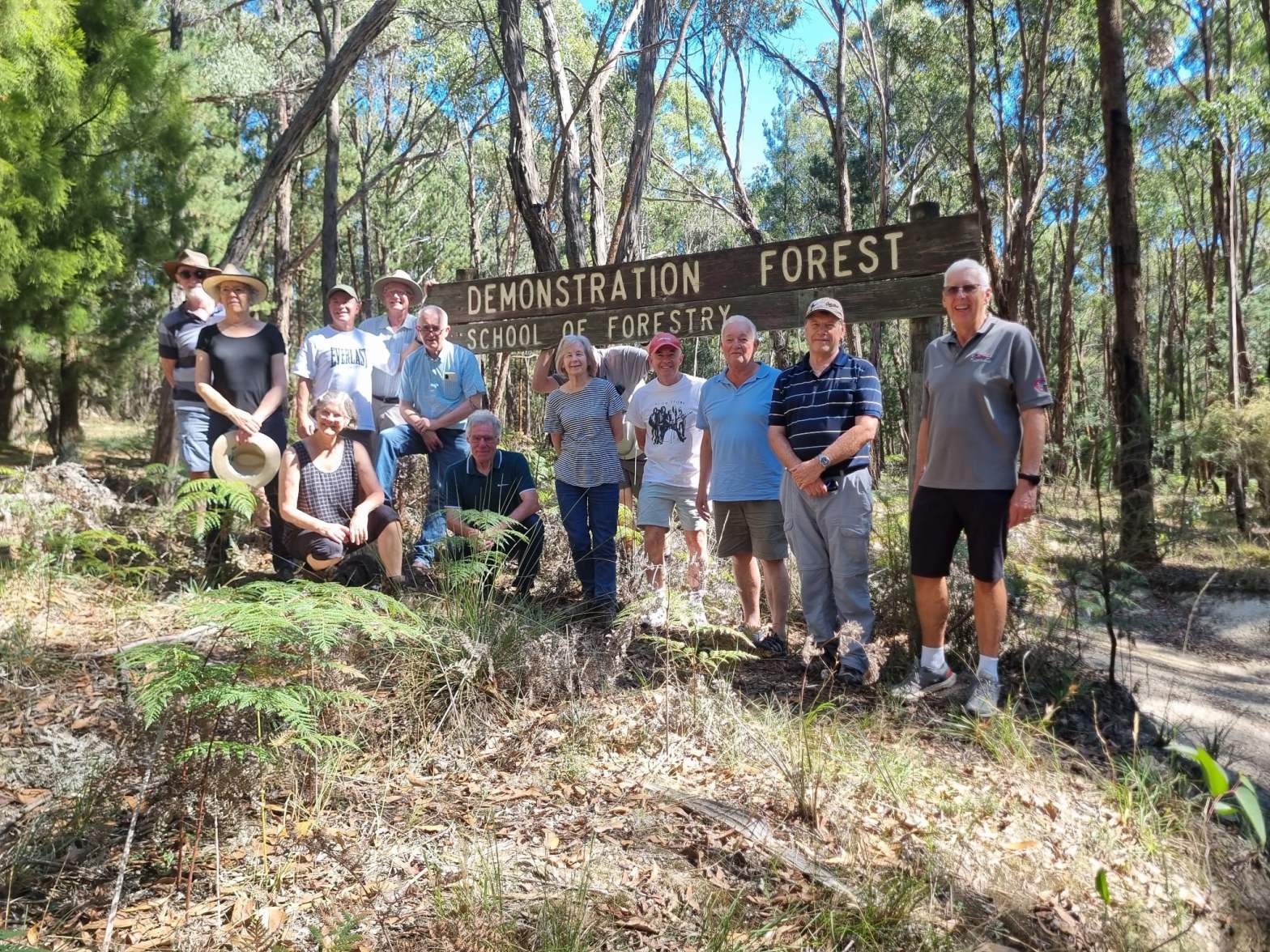
There are several growth stages of a forest, and it’s much the same for foresters. Firstly, there is germination, which is followed by the seedling, sapling and pole stages. These are the tree equivalents of childhood, youth and effervescent adolescence. But once tree roots have become established there is a long period of growth andContinue reading “The growth stages of foresters.”
World Forestry Day.
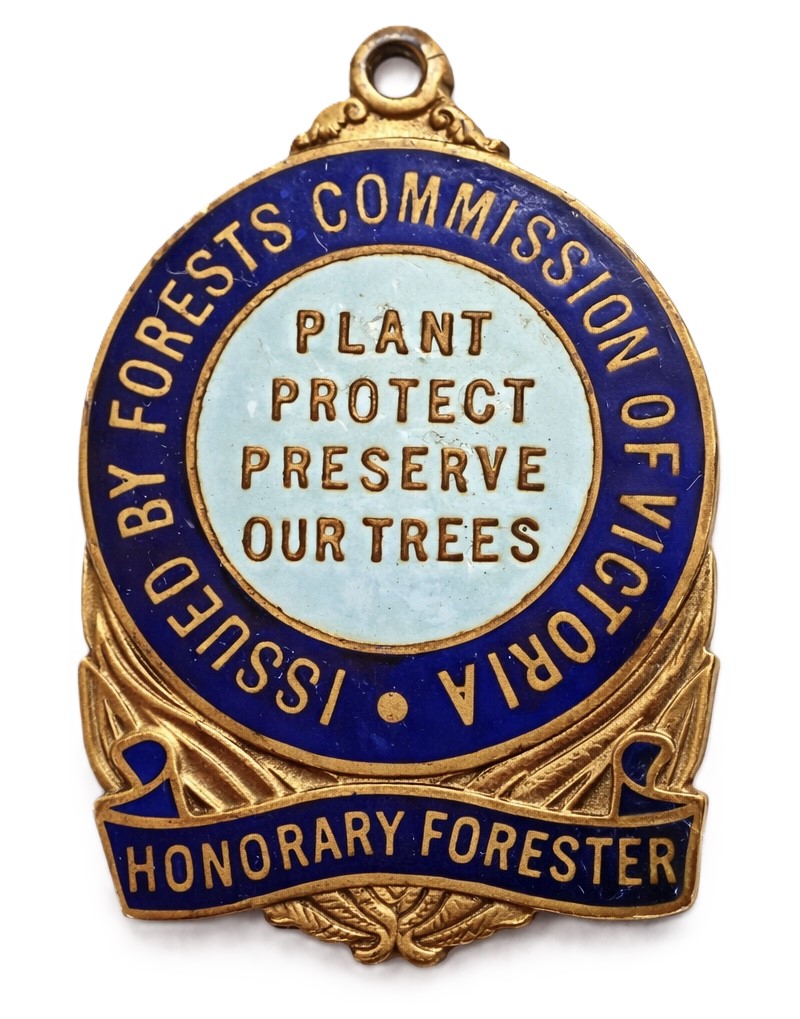
Today, 21 March, is World Forestry Day (WFD), which was proclaimed by the United Nations Food and Agriculture Organisation 55 years ago in 1971. The date was set down to coincide with the vernal equinox when the sun passes over the equator giving equal lengths of day and night. It also marks the first dayContinue reading “World Forestry Day.”
Edmund Gerald FitzGibbon.
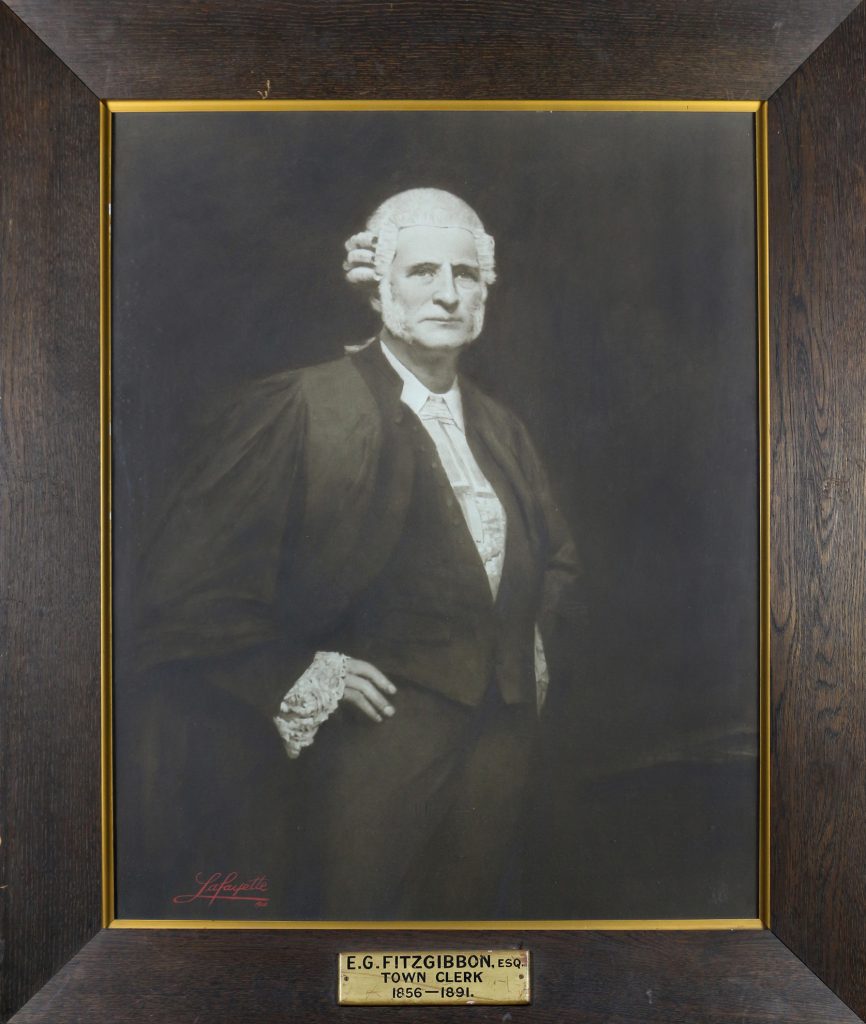
This Wednesday, 18 March at 3:00 pm, marks 135 years since the first official meeting of the Melbourne and Metropolitan Board of Works (MMBW) in 1891. The idea of the MMBW was inspired by a similar body established in London 35 years earlier. Water-borne diseases were killers in all major cities throughout the nineteenth century.Continue reading “Edmund Gerald FitzGibbon.”
Airspy – William Hansom & Charles Pratt.
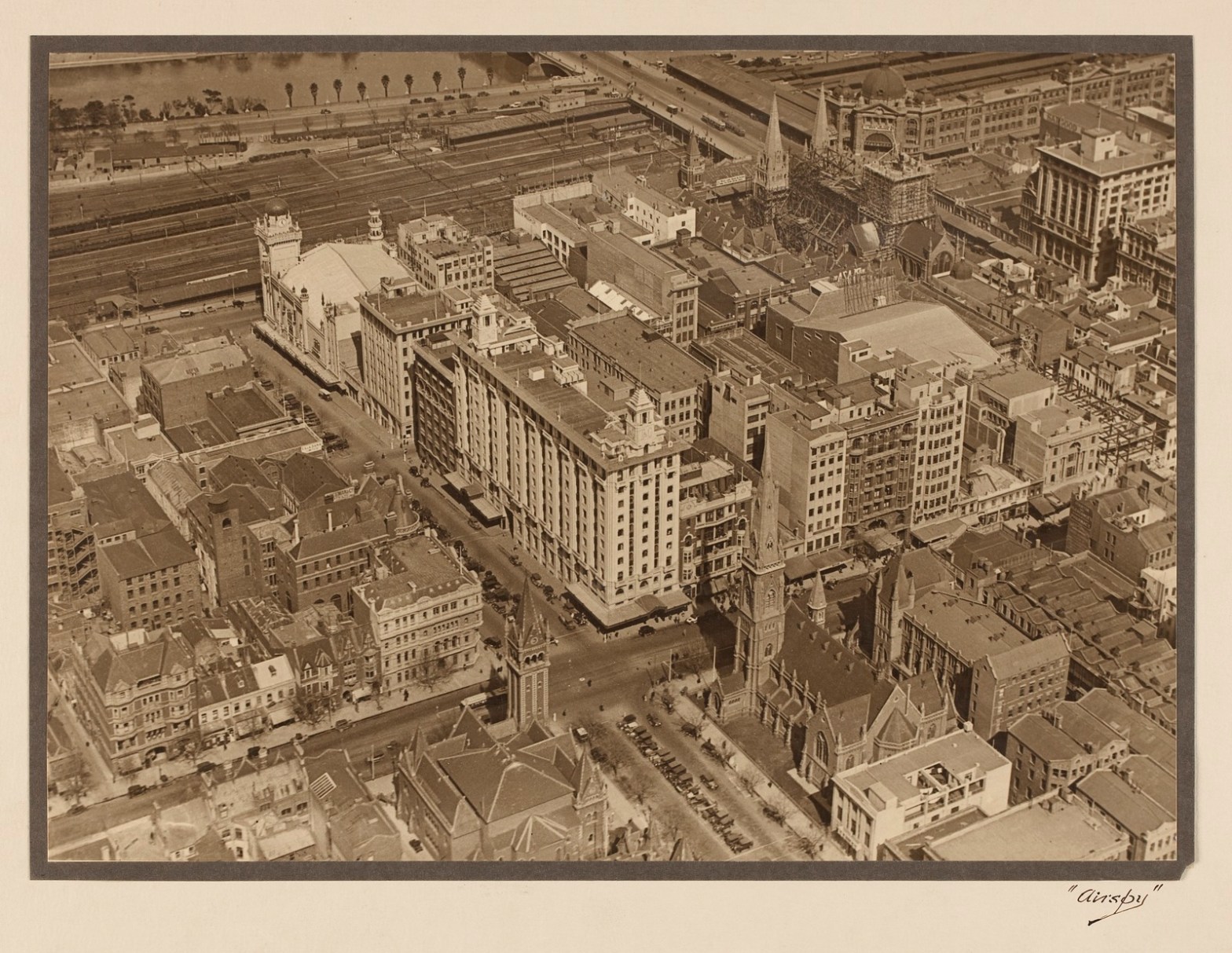
Like lots of people, I enjoy the views from above – from an aeroplane, a helicopter, a hot air balloon, a bushfire lookout or the top of a tall building. William Herbert Hansom was better known as “Airspy” and was a pioneering aerial photographer based in Melbourne during the period after WW1. He was bornContinue reading “Airspy – William Hansom & Charles Pratt.”
Process Gridlock.
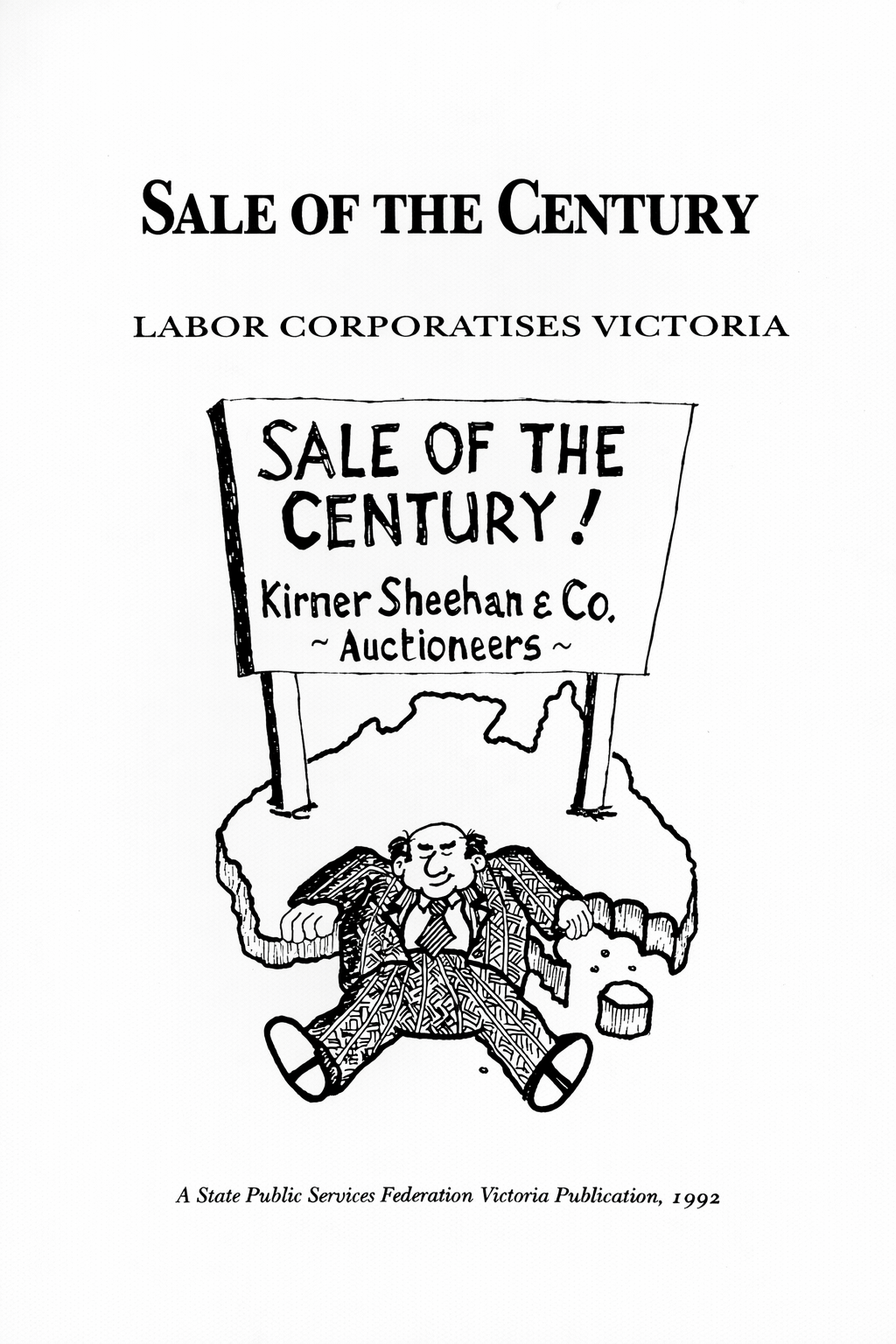
The 1980s will be remembered as the beginning of the heady era of “big money”. An era of conspicuous consumption perhaps best characterised by flamboyant and freewheeling entrepreneurs like Christopher Skase and Alan Bond, celebrities in private jets and luxury tax-dodgem cars, newfangled mobile phones, expensive consultants in sharp Zegna suits, and power dressing withContinue reading “Process Gridlock.”
Fire Awareness Week.
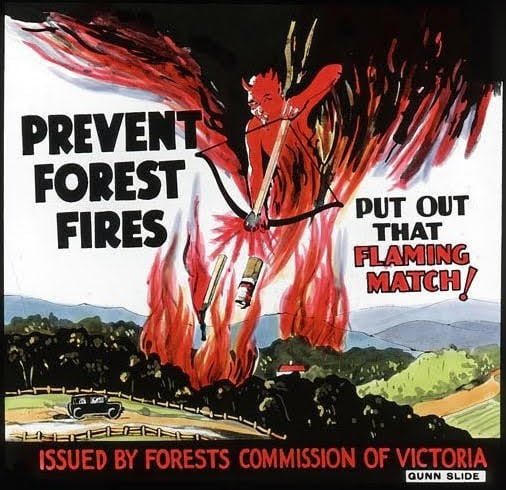
In an Australian first, Bushfire Prevention Week was initiated by the Forests Commission in the wake of the disastrous 1926 bushfires. Victoria’s State Governor, Lord Somers, the Lord Mayor of Melbourne, Sir Harold Luxton and the newly appointed Minister for Forests, William Beckett launched the innovative campaign with great flourish to 250 invited guests atContinue reading “Fire Awareness Week.”
Impact on the forests.
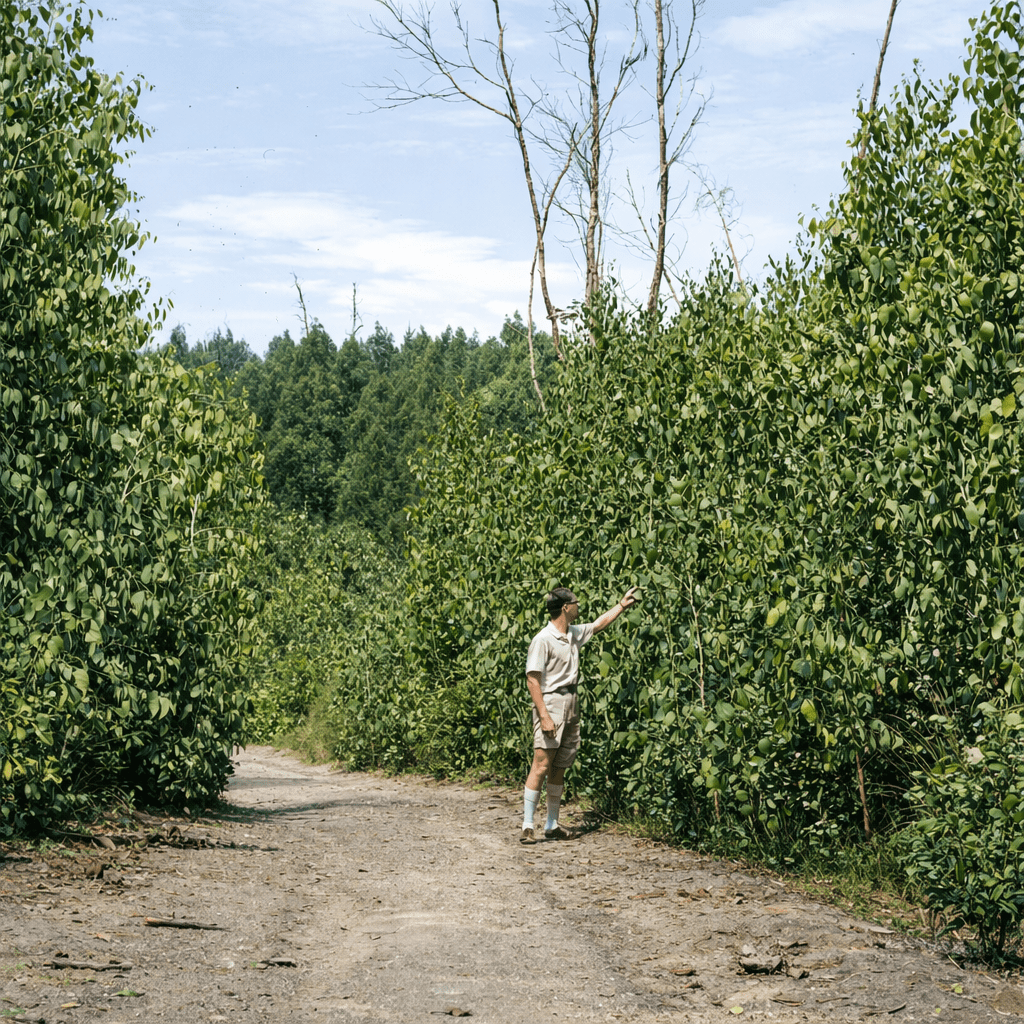
Uncontrolled bushfires had been burning from early October 1925 in many places such as Olinda and Sassafras in the Dandenong Ranges and at Healesville in the Yarra Valley. The forests at Powelltown, Noojee, Toorongo Plateau and the Baw Baw Ranges were then swept by fire on 14 and 15 February 1926, killing stands of matureContinue reading “Impact on the forests.”
Aerial Fire Spotting.
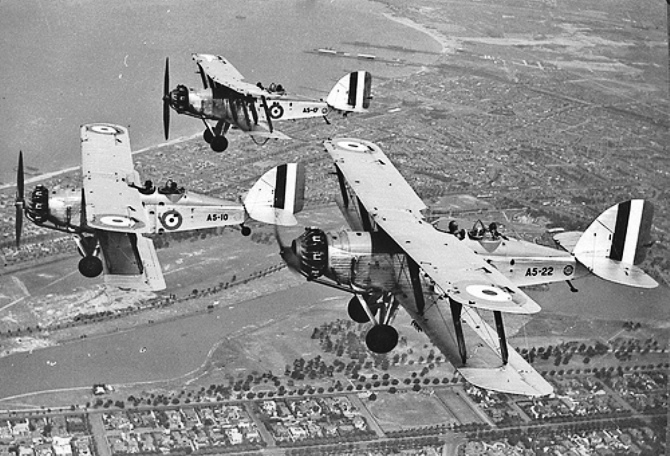
In the early part of last century, there was limited road access to the extensive mountain forests, particularly in the remote and uninhabited eastern ranges, so there was strong enthusiasm amongst Victorian foresters for aerial reconnaissance. The first Chairman of the Forests Commission, Owen Jones, had been one of Britain’s pioneering aviators in the RoyalContinue reading “Aerial Fire Spotting.”
Fire Weather Forecasting.
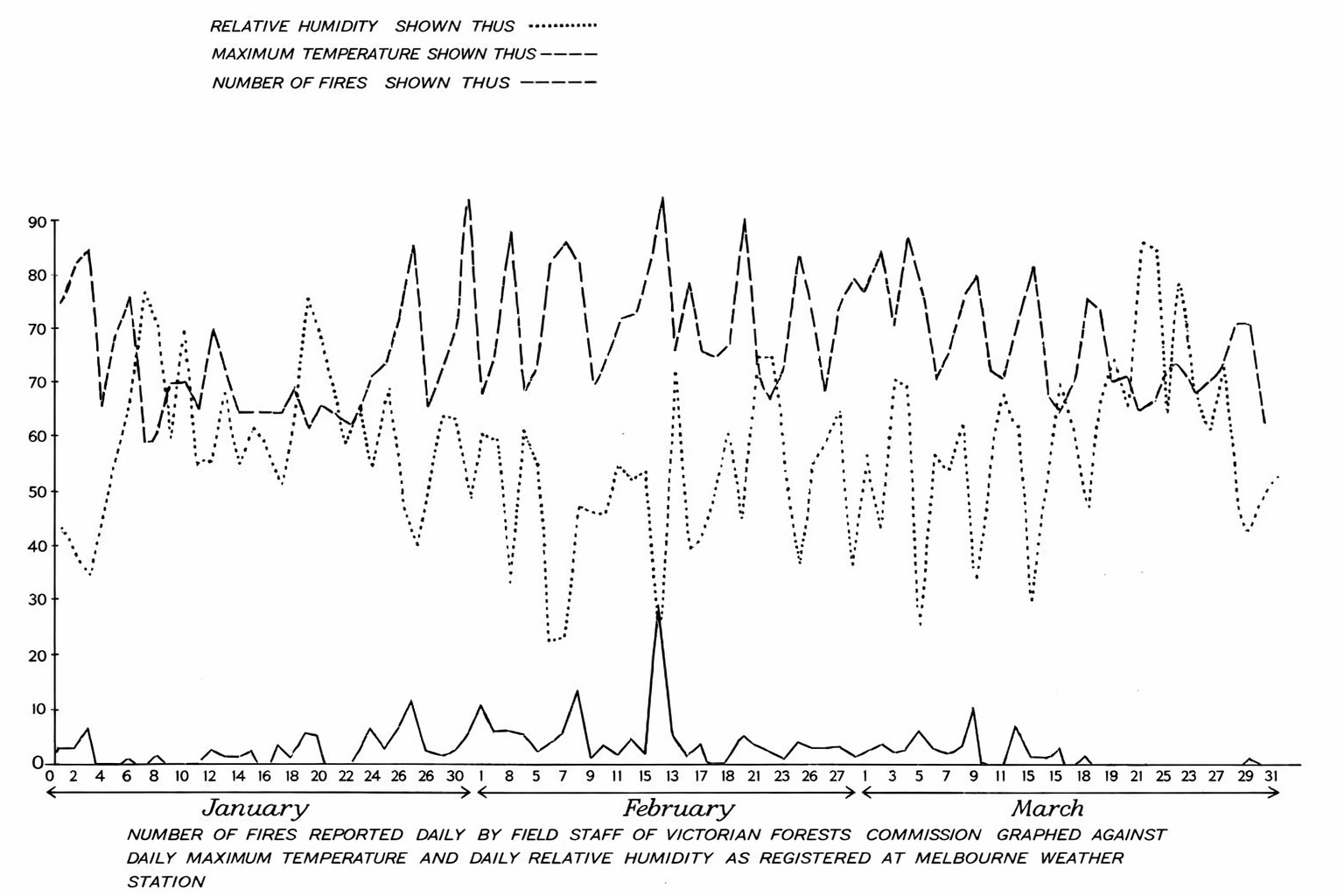
As the 1925/26 summer approached, the Government meteorologist, Mr Hunt, warned that temperatures over the ensuing weeks were expected to be higher than the previous year and much of the country to the north was already parched. The Commission became keenly interested in the practical application of meteorology and believed that relative humidity was aContinue reading “Fire Weather Forecasting.”
Florrie Hodges – 1926 bushfire heroine.
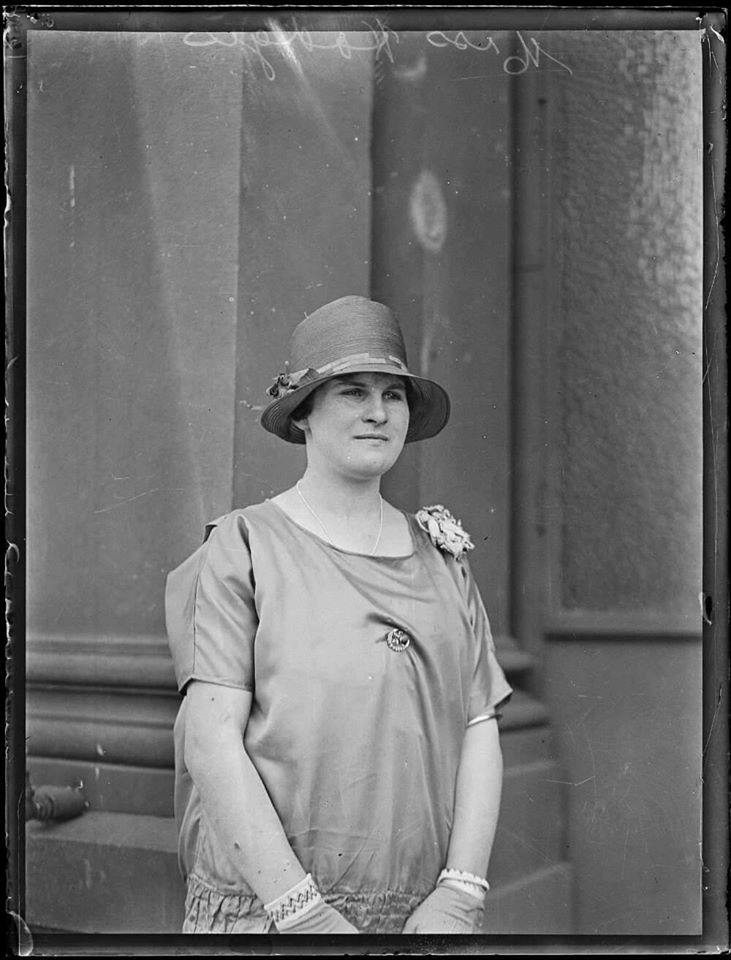
The 1926 Black Sunday bushfires are largely forgotten now, being overshadowed by the catastrophic 1939 Black Friday bushfires thirteen years later. The amazing story of fifteen-year-old Florrie Hodges, who later captured the hearts of the nation, has mostly been forgotten too. Florrie lived with her family at the small Horner and Monett’s sawmill, deep inContinue reading “Florrie Hodges – 1926 bushfire heroine.”
Judge Stretton & the CFA.
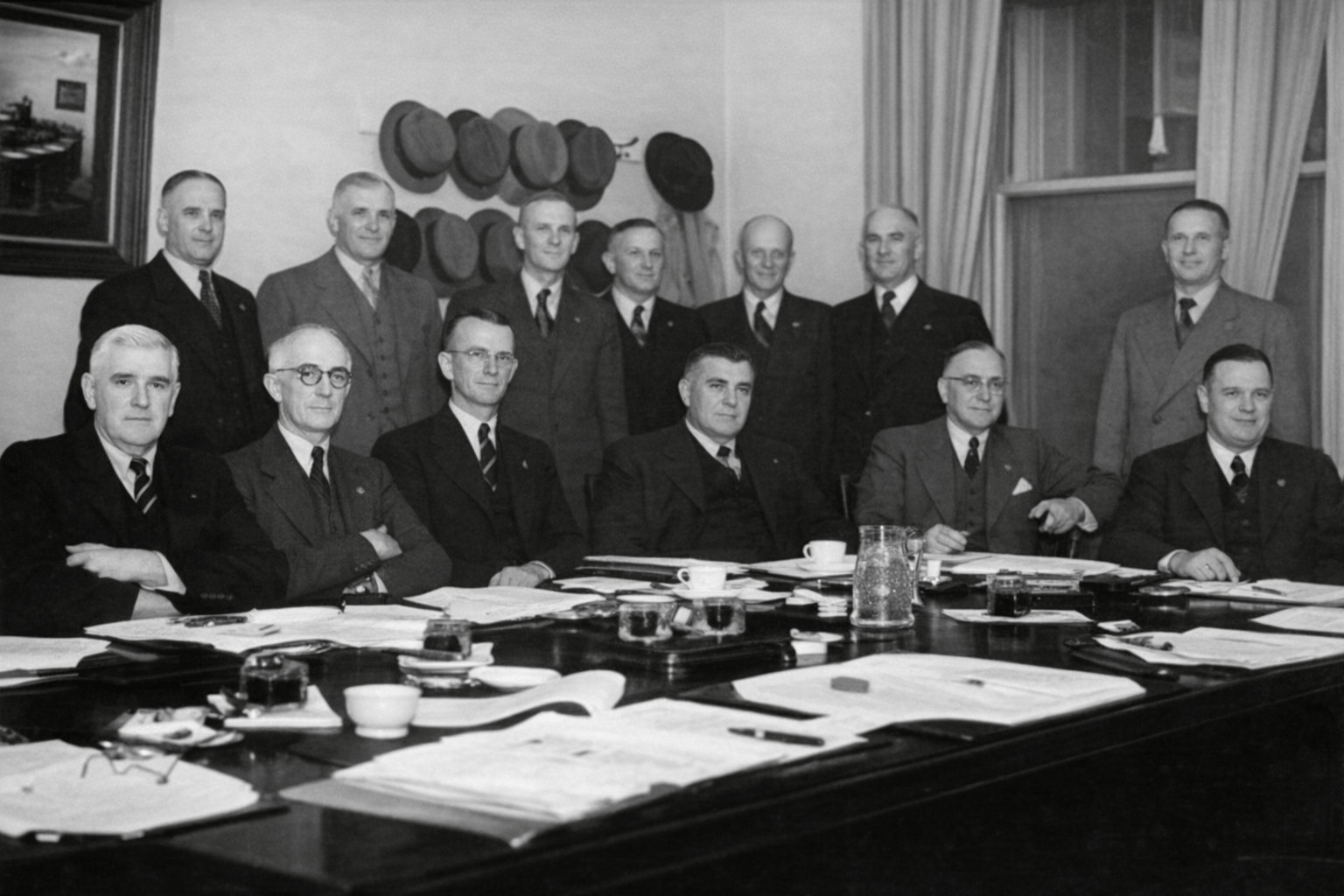
Considered in terms of loss of property and life, the Black Friday bushfires on 13 January 1939 were one of the worst disasters to have occurred in Australia, and certainly the worst bushfires up to that time. The 1939 bushfires killed 71 people and burnt 2 million hectares, 69 sawmills, and obliterated several towns. TheyContinue reading “Judge Stretton & the CFA.”
Forming Rural Fire Brigades.
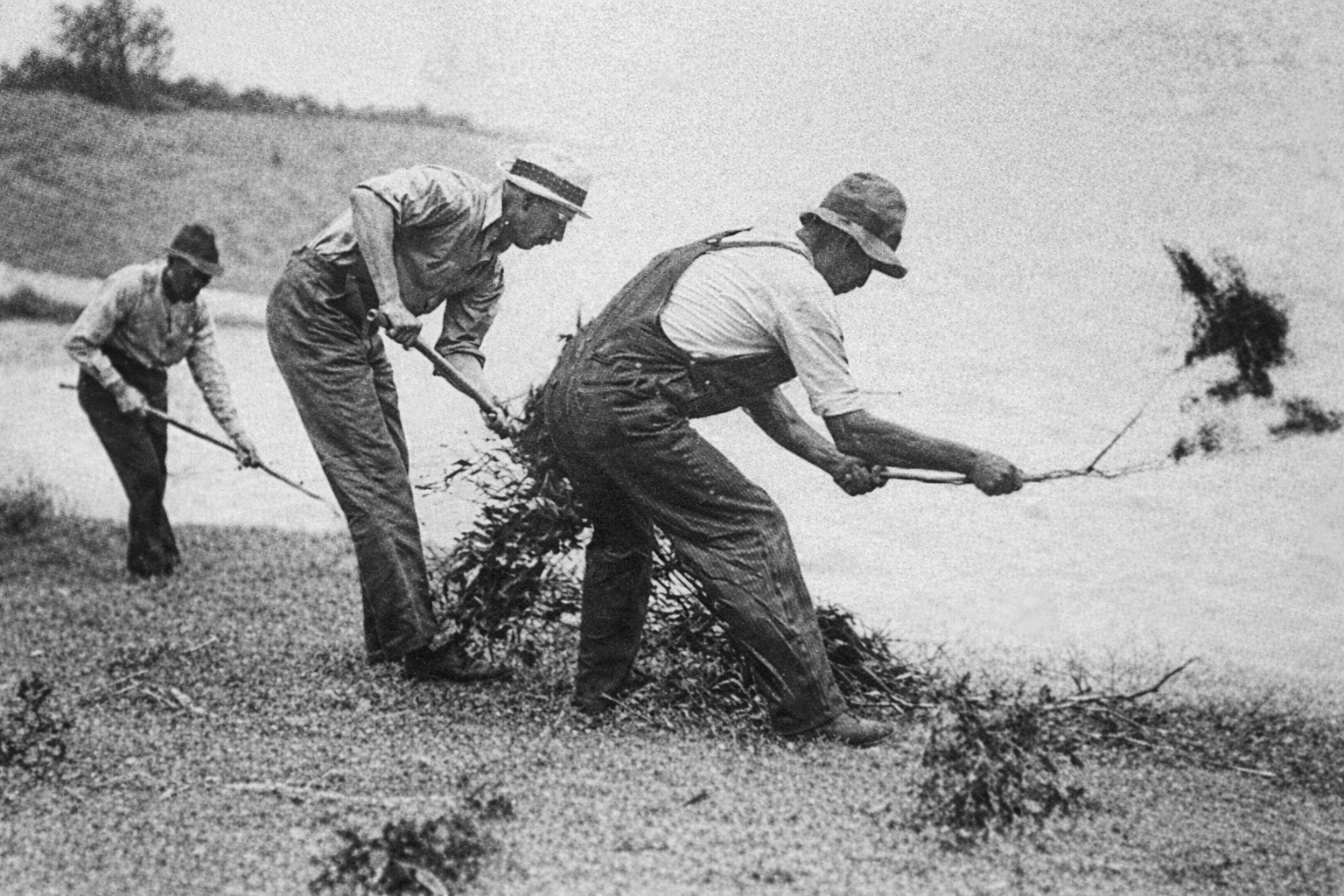
The Metropolitan Fire Brigade (MFB) was established under the Fire Brigades Act (1890) from fractious beginnings when Melbourne’s 56 existing fire brigades were forcibly disbanded and reformed under a single umbrella. The Country Fire Brigades Board (CFBB) was founded by legislation at the same time as the MFB and was given power and responsibility overContinue reading “Forming Rural Fire Brigades.”
Community Response.
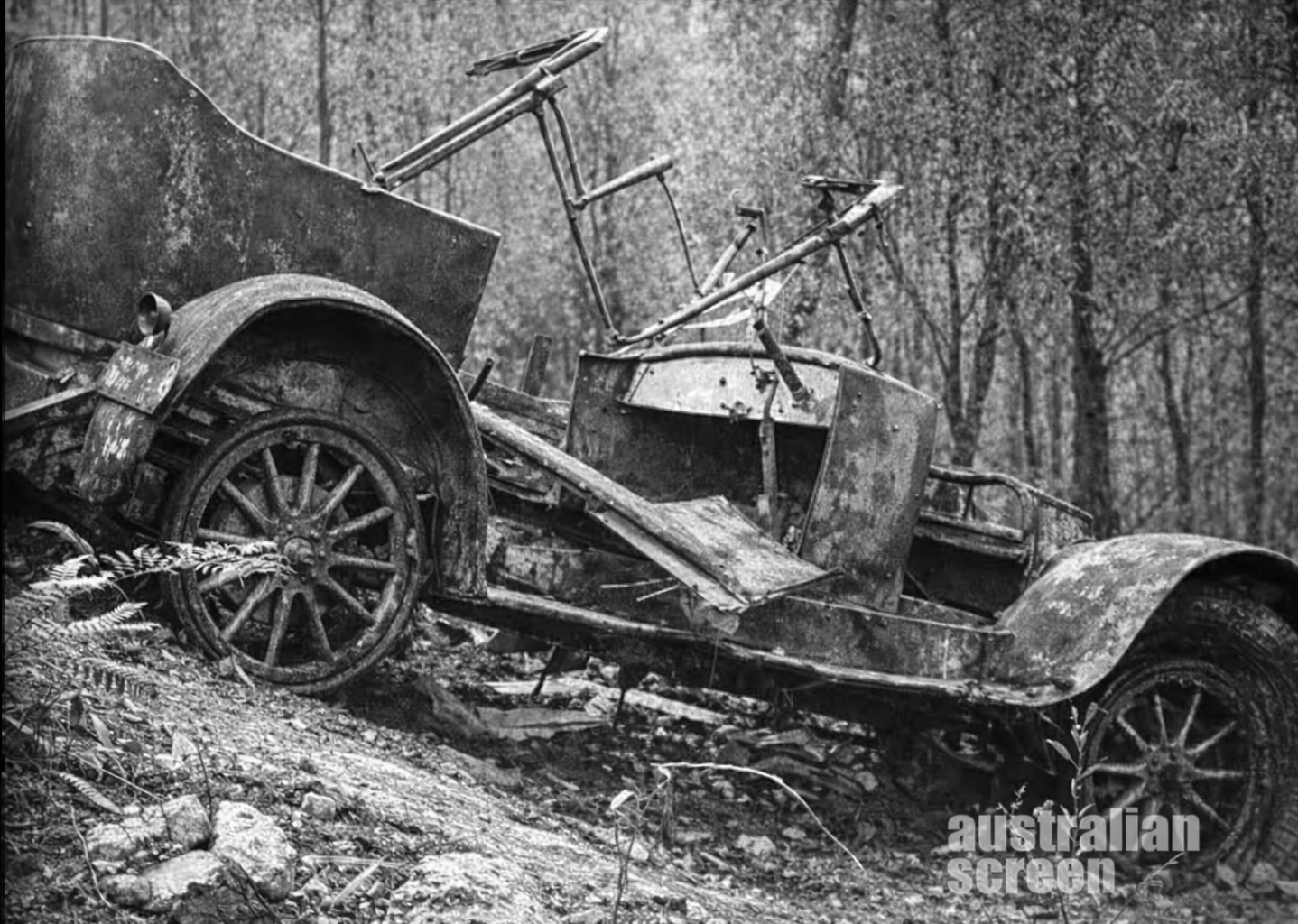
The 1926 fires don’t feature in great artworks like those of Black Thursday in 1851 and Red Tuesday 1898, nor were they memorialised in monuments, literature or history. There was no formal inquiry either. The Premier, John Allan, Australia’s first Country Party Premier, resisted calls by the Labor Opposition for a joint parliamentary committee. ButContinue reading “Community Response.”
Black Sunday – 14 February.
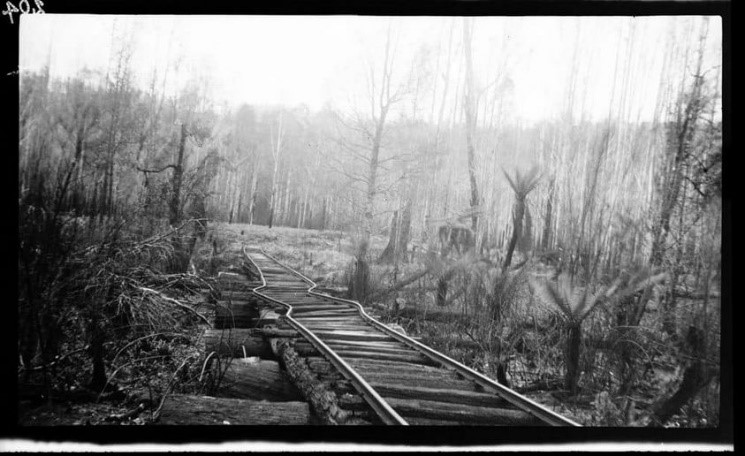
On St Valentines Day, 14 February 1926, the bushfires already burning in the State’s forests joined up, fanned by gusty winds up to 60 miles per hour. Places like Warburton, Powelltown, Gilderoy, Gembrook, Noojee and Erica bore the brunt of the inferno in what later became known as Black Sunday. An accurate and consistent tallyContinue reading “Black Sunday – 14 February.”
The Forgotten Bushfires – 1925/26.
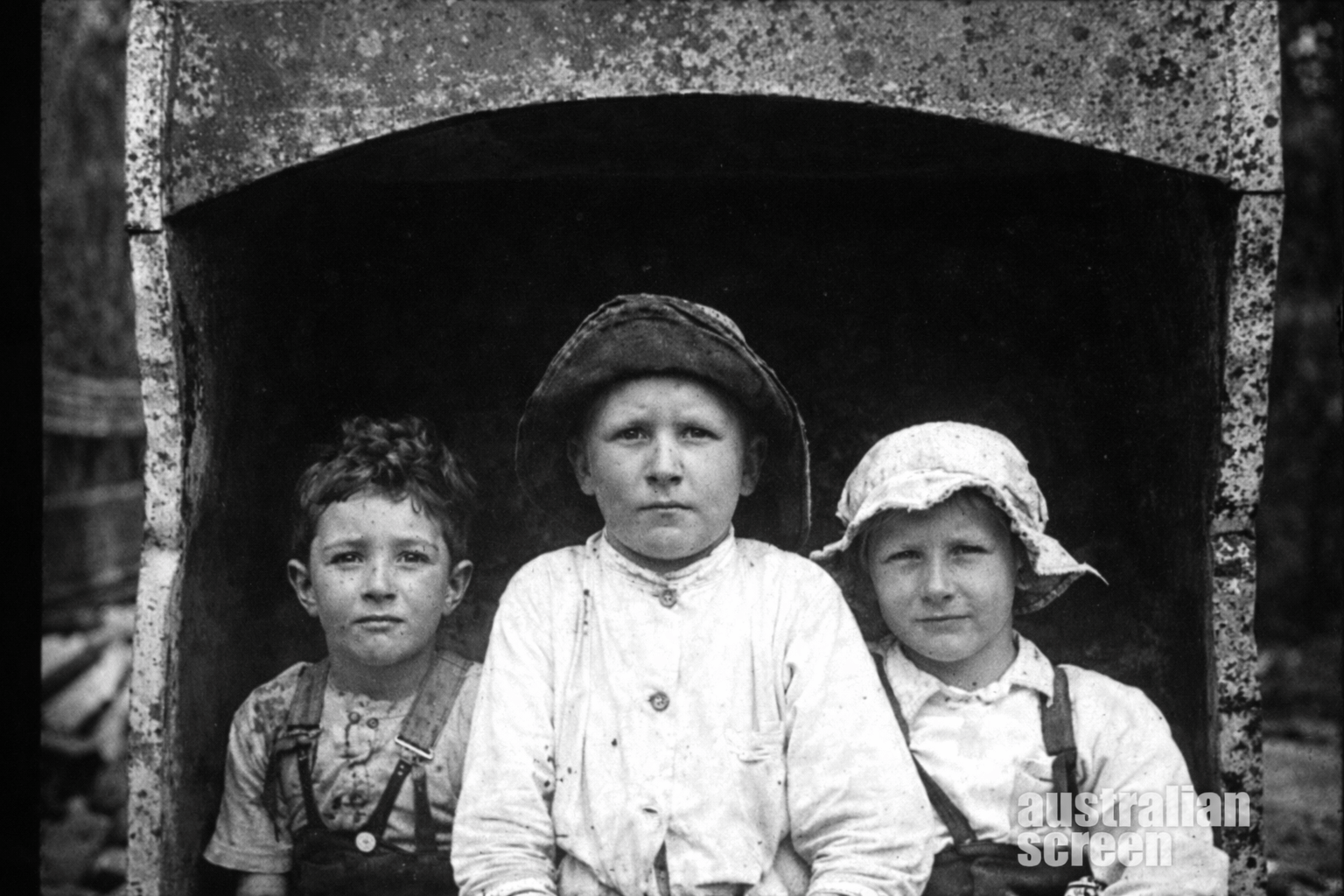
Bushfires have undoubtedly always been a feature of Australian summers, with many devastating and uncontrolled blazes sweeping the forests and rural farmlands across the Colony of Victoria during the 1800s. The most notable ones being in 1851 and again in 1898 with bushfires that engulfed much of South Gippsland. While lightning was a common cause,Continue reading “The Forgotten Bushfires – 1925/26.”
Sumner Spur Airstrip – Powelltown.
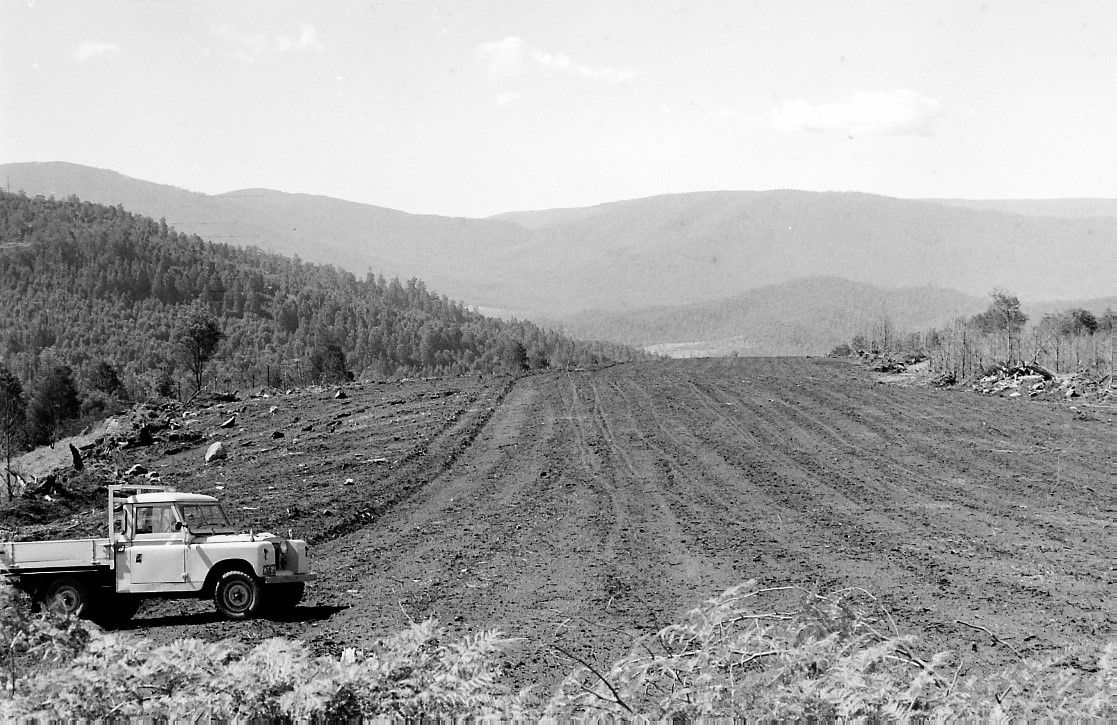
Sumner Spur is located in the headwaters of Big Pats Creek rising up to the Britannia Range, generally south of Warburton, in the former Powelltown Forest District. This area had been heavily utilised to supply wood for the Britannia Creek distillation works from 1907 and had almost exclusively regenerated to dense stands of silver wattleContinue reading “Sumner Spur Airstrip – Powelltown.”
 Victoria’s Forests & Bushfire Heritage