An innovative School Plantation Endowment Scheme was initiated in 1923 as a joint venture between the Education Department and the Forests Commission Victoria (FCV).
Mr William Gay, the former Principal of the Victorian School of Forestry (VSF) resumed his role with the Education Department in 1922 and took responsibility for the Scheme under the guidance of Owen Jones, the new chairman of the Forests Commission and Frank Tate, Director of Education.
While some plantations were established on private land donated or leased for the purpose, most were established on Crown Lands or Reserved Forest made available to schools, without cost, by the Forests Commission.
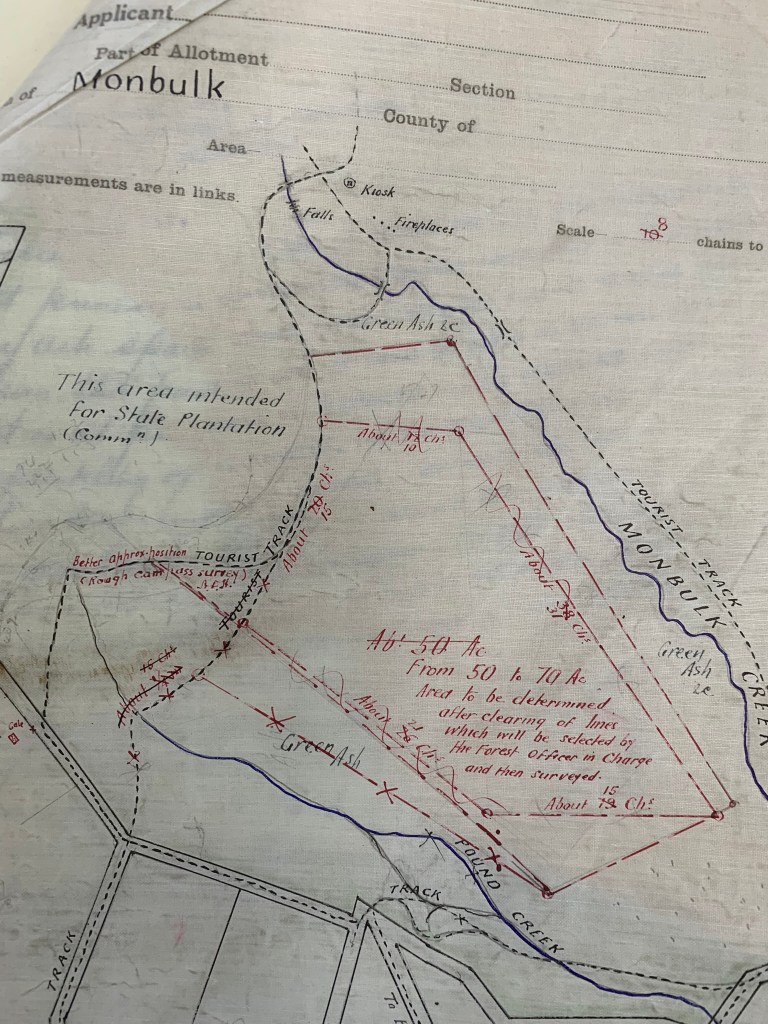
Areas ranged from about 5 to 50 acres and were planted up at the rate of 1, 2, 3 or more acres per year, according to the planting strength of the school.
The plantations were vested in trustees, who then became responsible for their care and control. The trustees consisted of the Chairman of the School Committee or Council, the Head Teacher of the school, the District Inspector of Schools and two additional members nominated by the School Committee and the Head Teacher and approved by the Minister of Public Instruction.
The plantation was not only designed to provide a financial return to the school, but also to instil a sense of civic pride as well as an understanding of the value of land, conservation, together with developing a forest consciousness in younger generations for benefit of the nation.
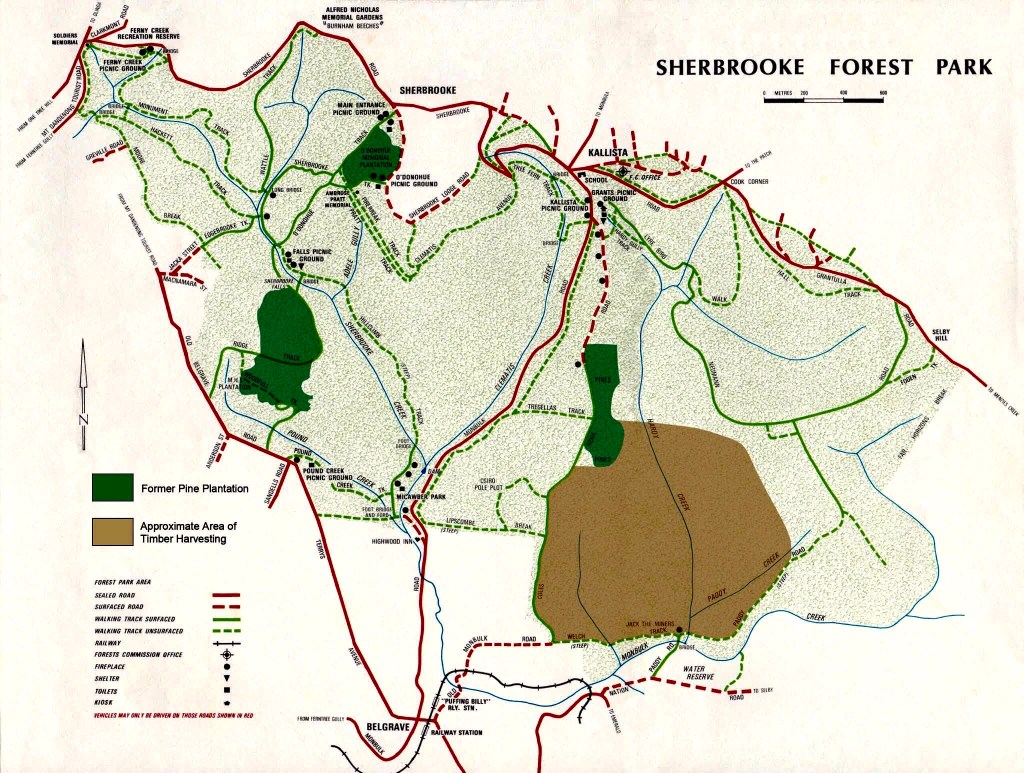
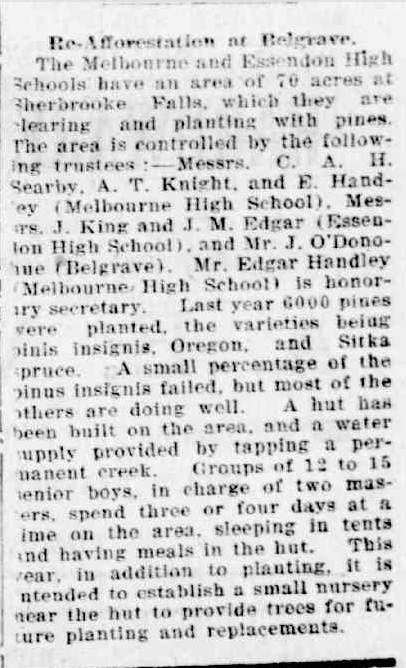
One of the first to adopt the scheme was a group of Melbourne-based high schools including Essendon, University, Coburg, Williamstown and Melbourne who formed a partnership known as the Metropolitan High Schools (MHS) to establish softwood plantations in Sherbrooke Forest in the early 1920s. But that number soon dwindled down to two, Melbourne and Essendon High.
The original 70-acre site allocated to the schools had been burnt out in earlier bushfires and was covered with bracken and scrub. The five high schools were issued with a “permissive occupancy” licence.
The Forests Commission assisted in providing technical support and a subsidy for fencing materials of 80%. Some specialist tools such as pruning saws were provided to schools by the Commission.
The Forests Commission also supplied the seedlings free of charge from its Macedon and Creswick nurseries, including Pinus radiata, Pinus ponderosa, Pinus laricio, and Douglas fir or Oregon, Pseudotsuga menziesii.
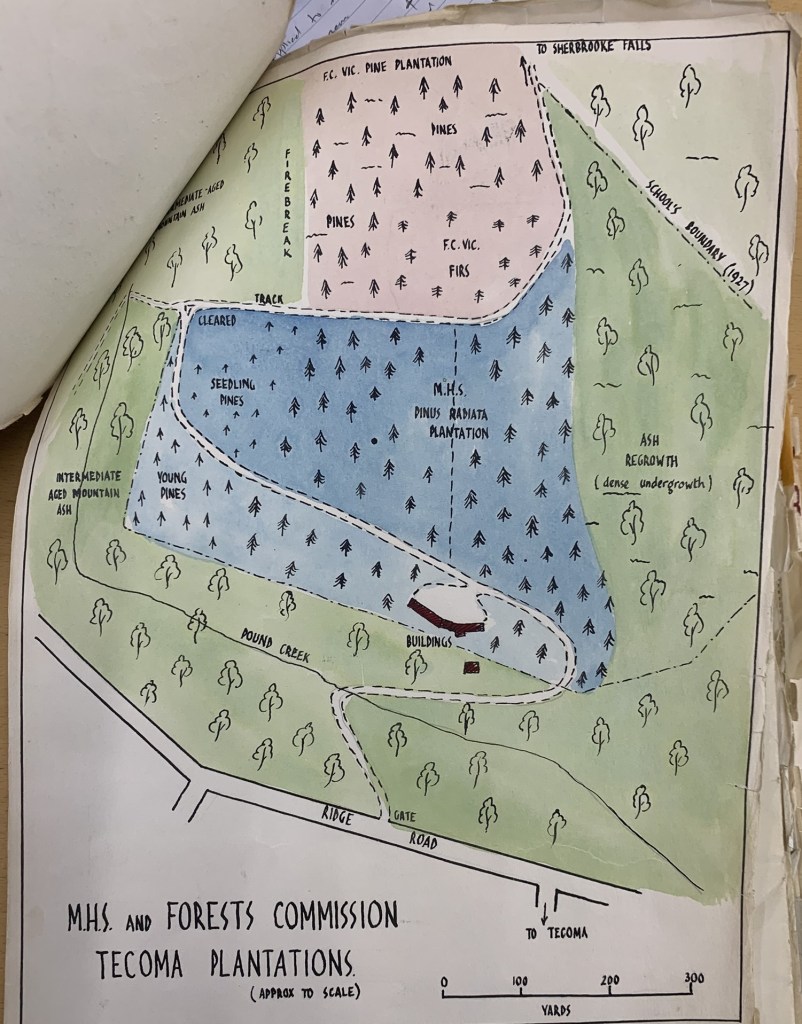
About 10 acres was planted at Sherbrooke in April 1926 with 6800 seedlings with a mixture of Oregon, pine and spruce. The school planting adjoined a FCV plantation.
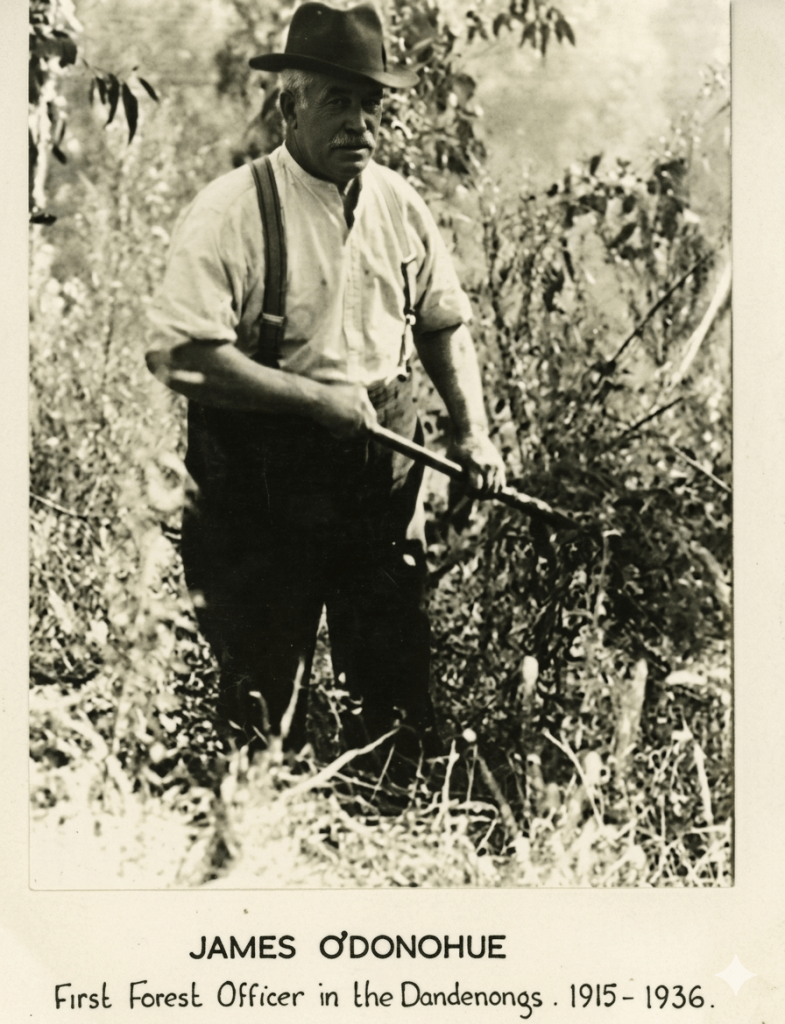
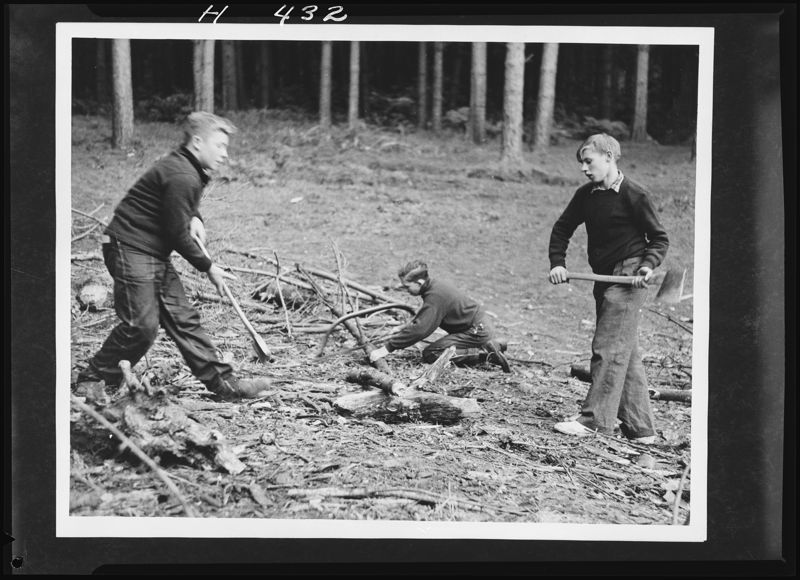
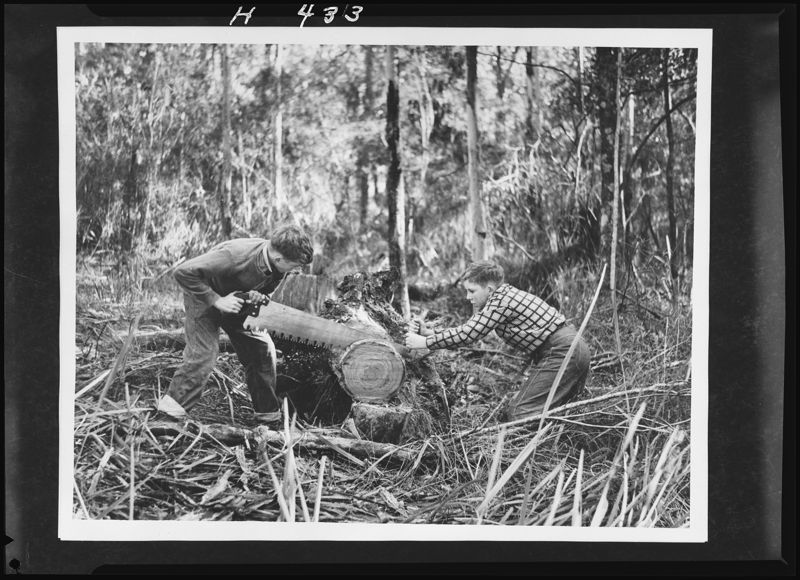
Access was via Sandells Road, up the hill from the Tecoma railway station, and planting was done by the school students under the guidance of their teachers and the local forest officer, James O’Donohue. Heavier work such as fencing was often done by parents.
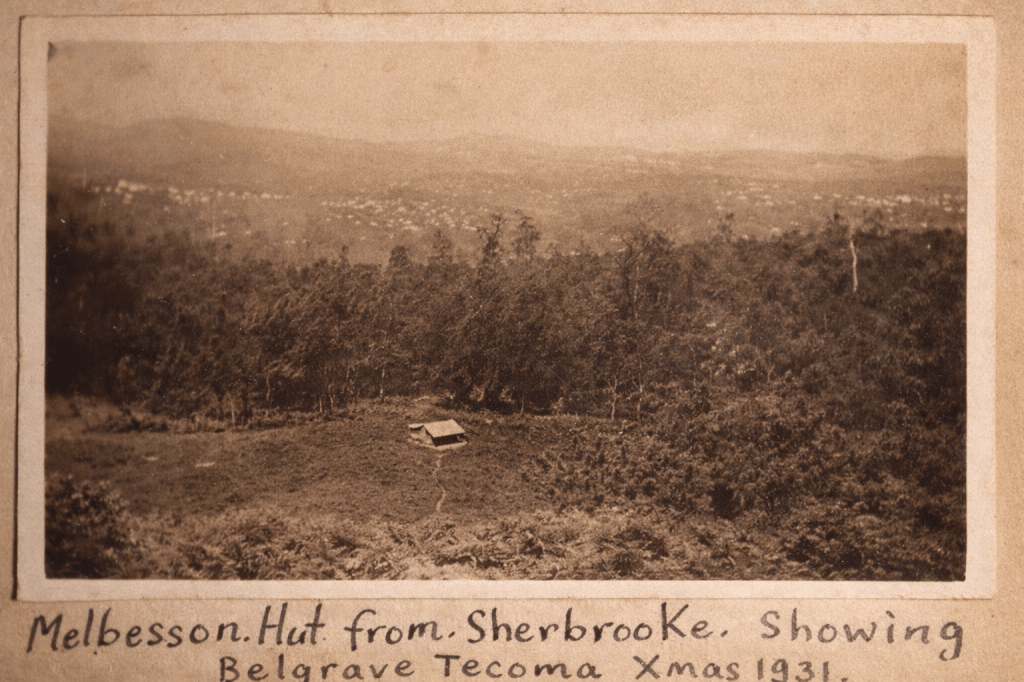
But within 10 years, some local residents were beginning to object to the loss of their sweeping views caused by the rapidly growing pine trees.
The scheme was a success, and, by 1938, three hundred and forty-eight school plantations had been established across Victoria, with a gross area of 3550 acres. The number of seedlings supplied from Forests Commission nurseries averaged from 80,000 to 90,000 annually.
But the school plantations at Sherbrooke seem to have faltered during the Great Depression of the 1930s and later during the war years.
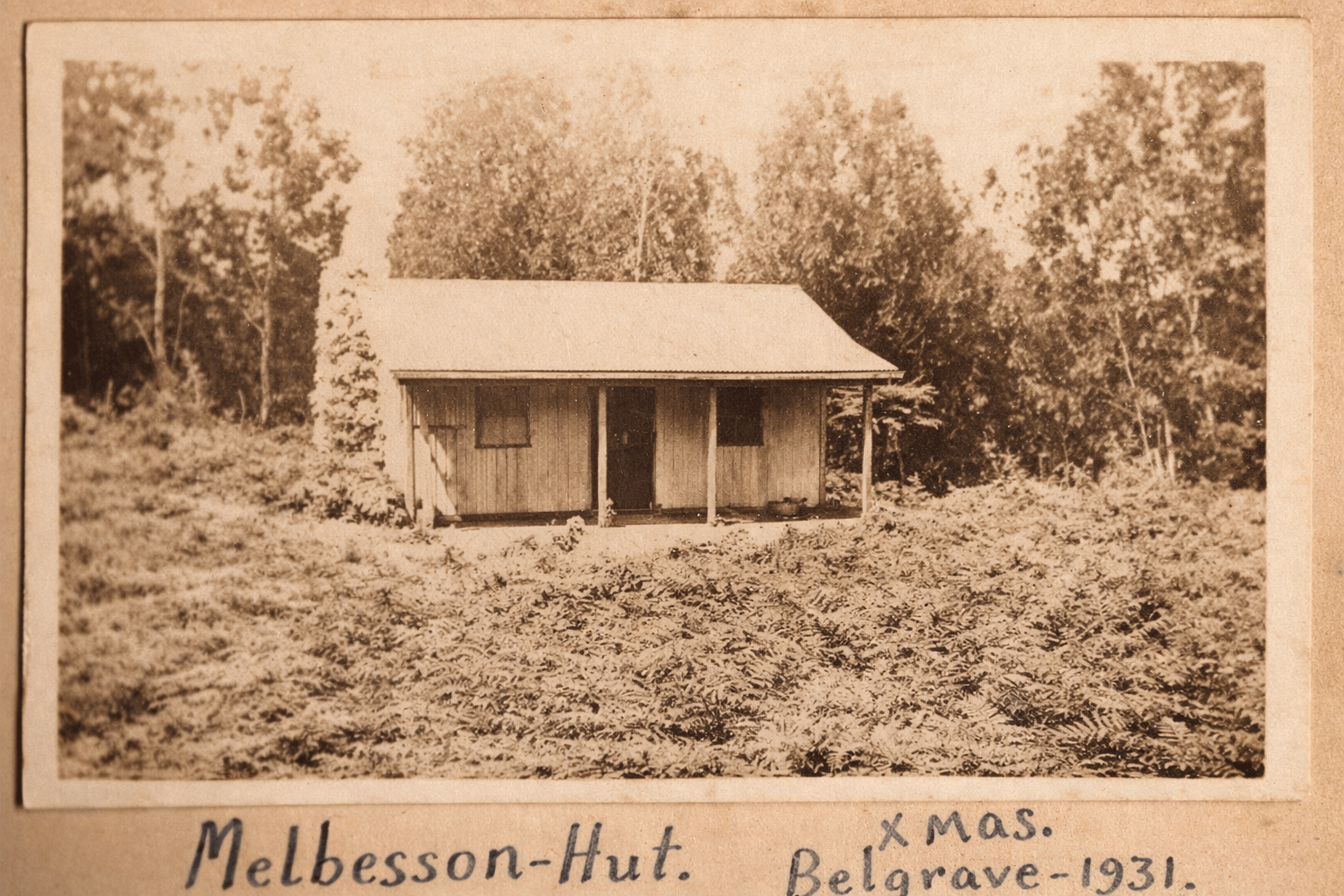
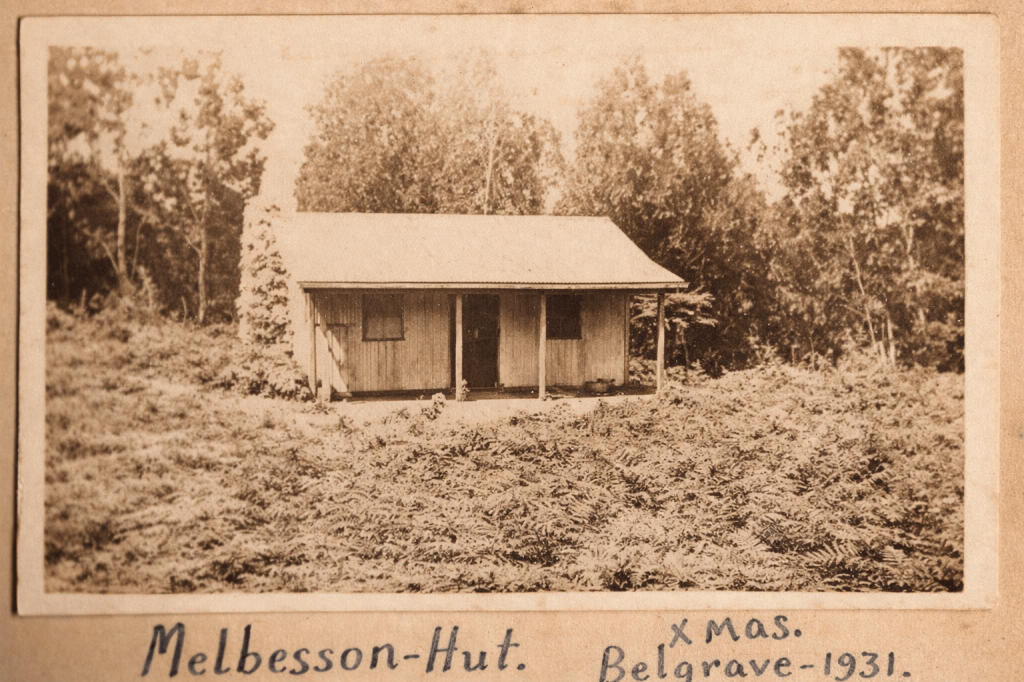
A hut had been built on the Sherbrooke site in 1930 and became known as “Melbessen Hut” (a truncation of Melbourne and Essendon High Schools), but it was blown up during WW2 by the Army, believing it to be occupied by the German Club. The Army offered the school a totally inadequate compensation of 35 pounds, but they later sent a cheque for 75.
Alan Gregory wrote a history of Melbourne High School, “Strong Like Its Pillars”, in 2005, which describes how the plantation program was revitalised by the School Headmaster, Brigadier George Langley, in the early 1950s.
In 1955, the School applied to the Forests Commission to expand the plantation to some 28 acres.
Essendon High School withdrew from the plantation partnership in about 1956, and Melbourne High School paid out its share of future timber royalties.
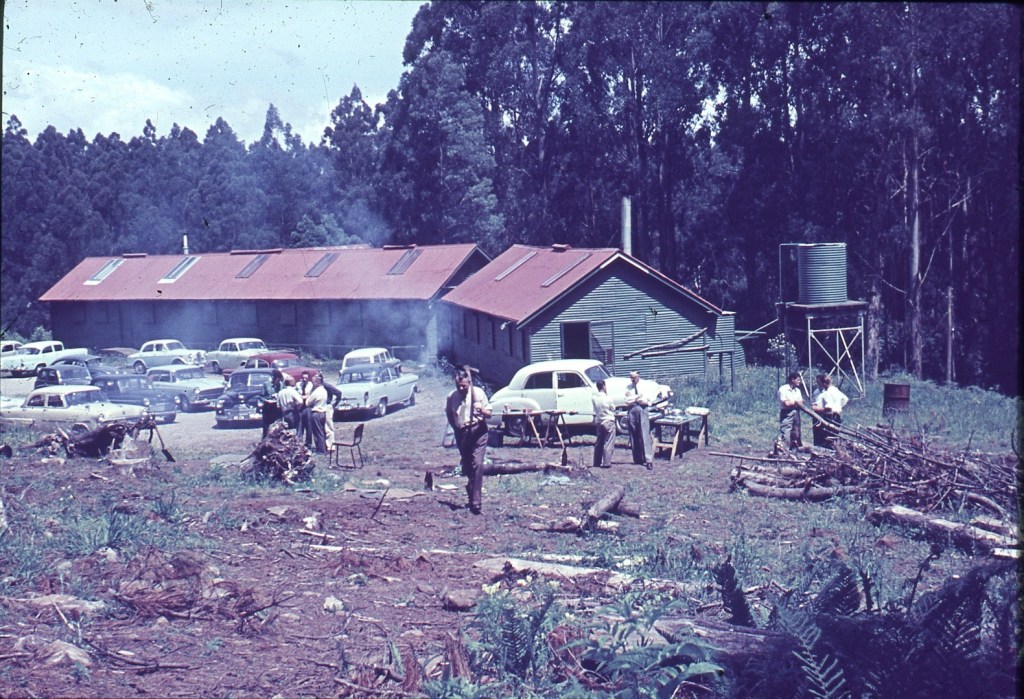
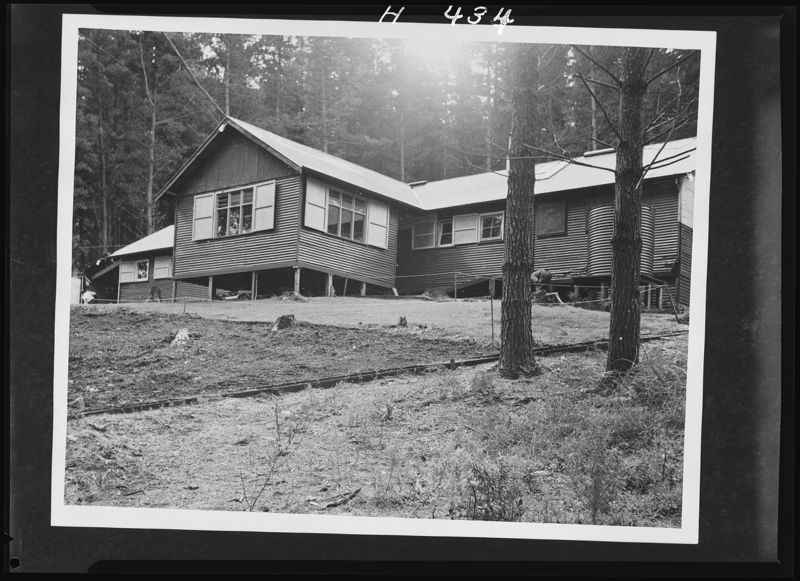
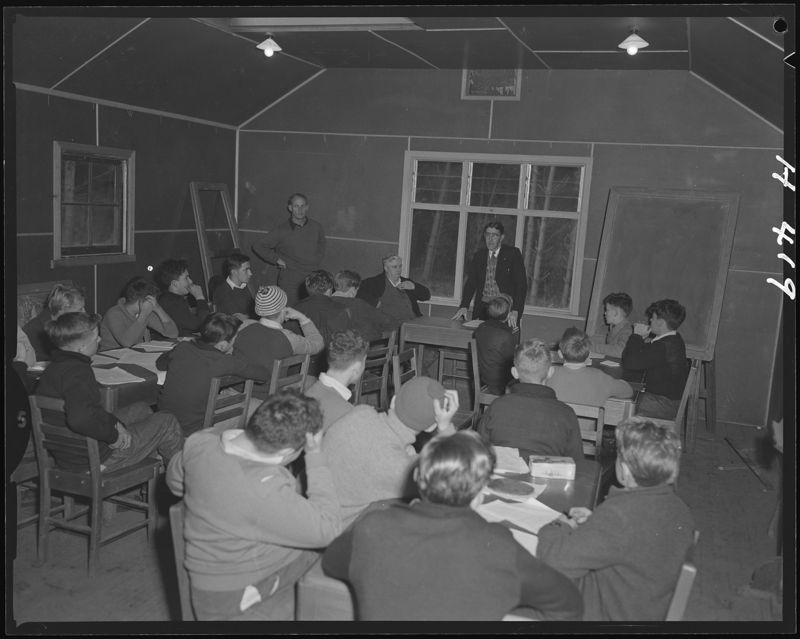
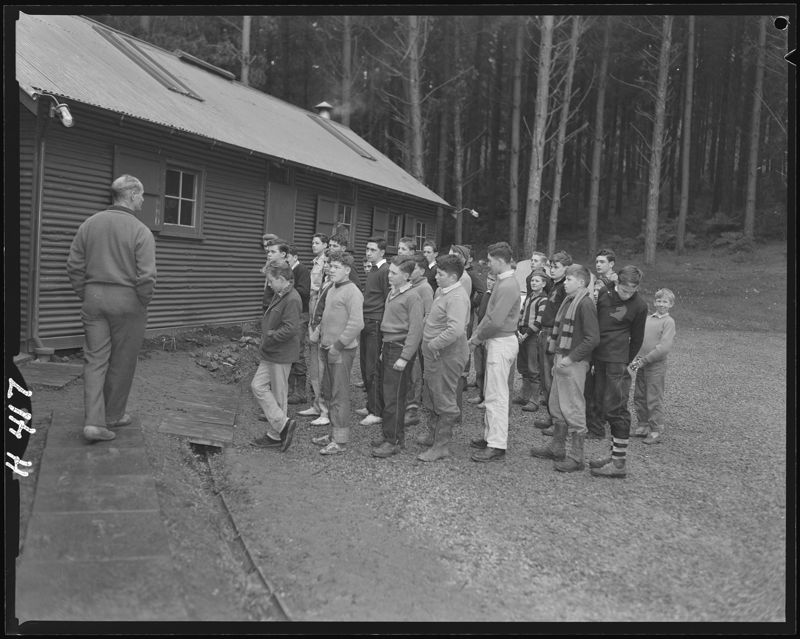
In 1956, Melbourne High School also purchased two ex-army huts from Fawkner Park for 40 pounds each and relocated them to Sherbrooke forest. The District Forester, Jack Gillespie, supported the camp proposal.
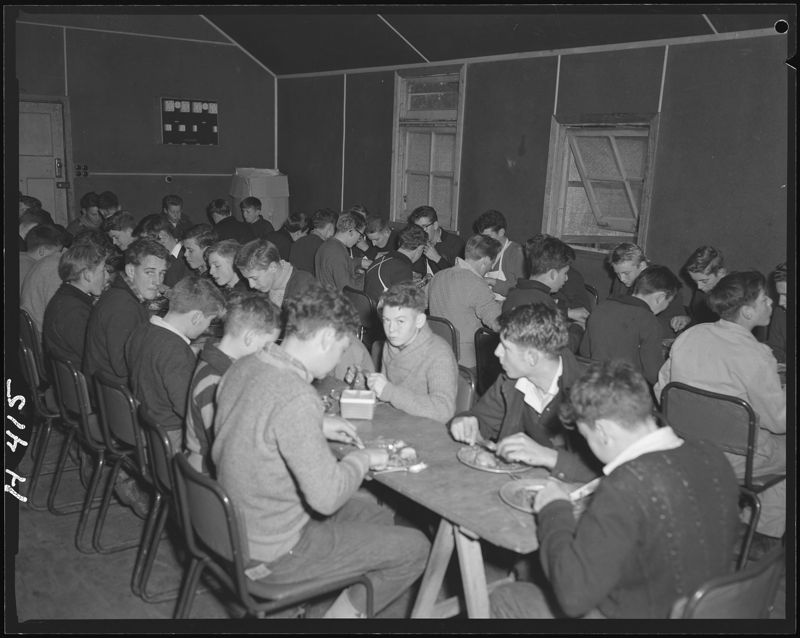
The new camp buildings included a dormitory, school room, kitchen/dining hall, admin annex and ablutions block.
The sale of some logs to the Alexandra sawmill, realised 176 pounds 17 shillings, which helped to pay for the new camp. One thousand pounds had been raised earlier from the sale of some Oregon logs in 1951.
Then in 1957, the Forests Commission set aside Sherbrooke Forest Park under Section 50 of the Forest Act.
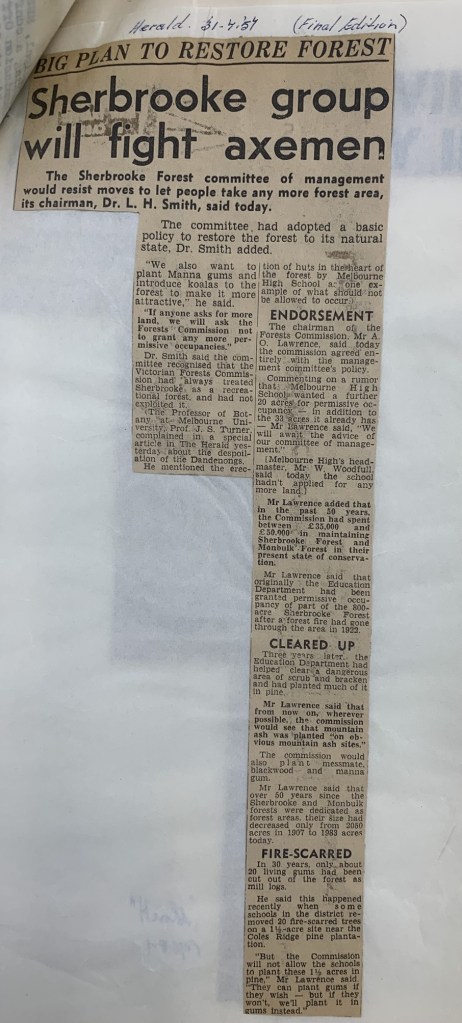
Meanwhile, there were growing rumblings about the softwood plantation scheme in Sherbrooke Forest and the new school camp buildings. On 4 September 1957, a group of influential conservationists, including Sir John Latham from Save the Dandenongs League, Professor John Turner from the University of Melbourne, Ros Garnet from the Field Naturalist Club, Hugh Wilson from the VNPA and several others protested directly in a meeting with the State Premier, Henry Bolte. They called for the cessation of the softwood plantations and conversion back to native forest, a new strategic plan, the removal of the MHS camp and the creation of a new Sherbrooke National Park. In the notes of the meeting, the Premier gave a polite response to the delegation but appears to have done nothing much about it.
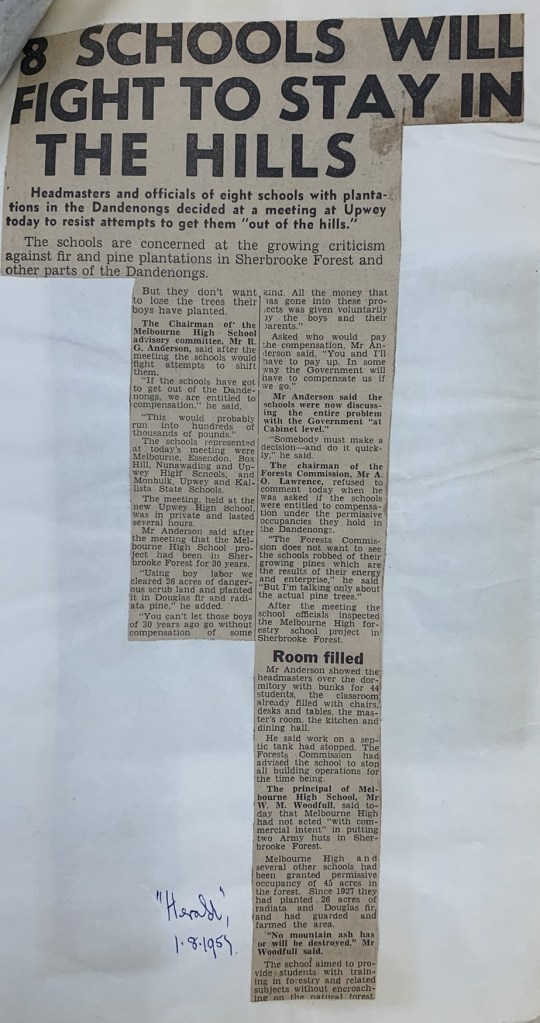
By 1958, the Tecoma Forestry School was in full use by MHS students, and Langley’s dream of the plantation as a branch of the school that taught forestry, geology, botany and zoology, and provided outdoor adventure, was gradually being realised.
The main aims of the week spent at the camp were to experience community life and to foster an appreciation of the Australian bush and its flora and fauna. A local Forests Commission officer came and talked to the boys while observing lyrebirds was a favourite activity on forest walks.
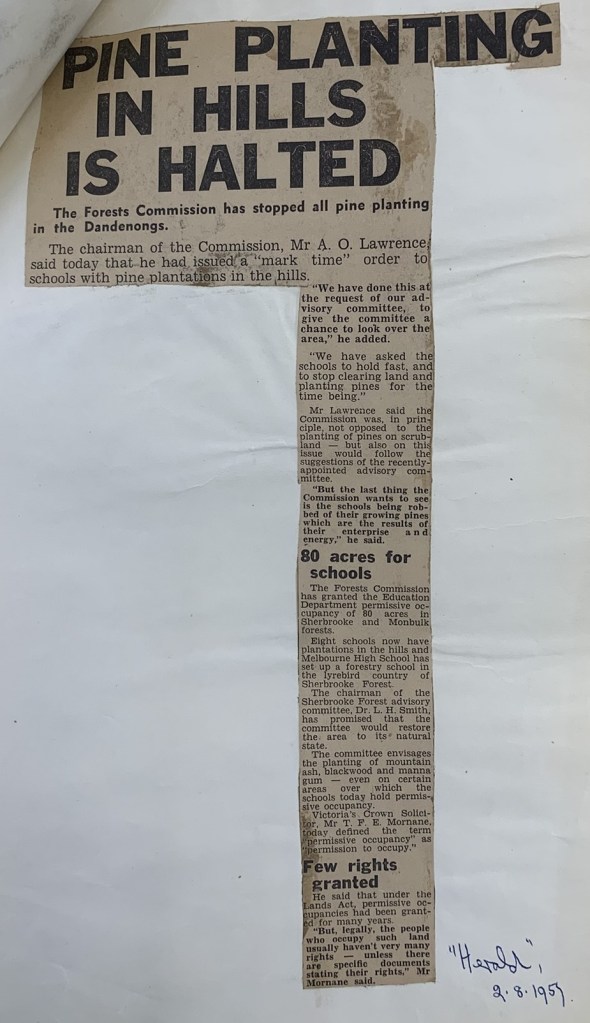
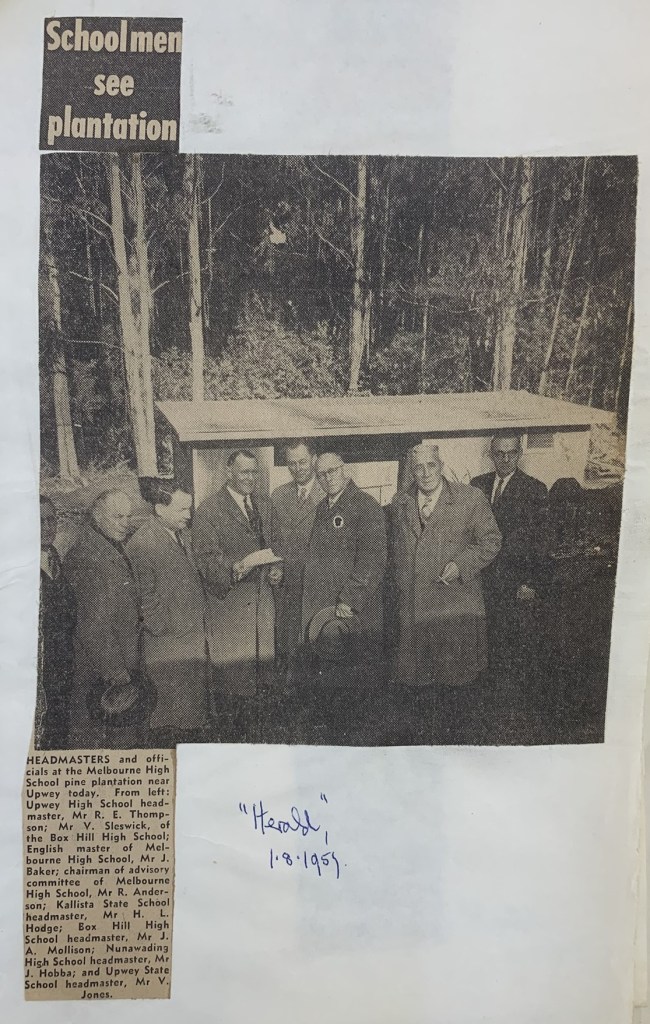
Over time, other schools including Kallista, Box Hill, Nunawading, and Upwey had established their own endowment plantations in the Dandenong Ranges.
But in August 1959, under continued pressure, the Chairman of the Forests Commission, Alf Lawrence, decided to pause all softwood plantation establishment in Sherbrooke, but this displeased the school principals who feared about the loss of timber revenue to their schools and even of the fate of the MHS camp itself.
However, the MHS camp continued to operate for the next 30 years but its focus shifted from softwood plantations onto environmental studies.
But with growing concerns about fire danger and other issues, the future of the camp became uncertain by the mid-1980s, and a lot of effort went into finding an alternative site. In 1988, the Department of Conservation, Forests and Lands (CFL) offered the school the former National Fitness camp at Millgrove, which was gratefully accepted. The plantation was sold for $19,000 at this time and the site cleared.
Proceeds from the sale of the harvested trees were used for school purposes.
A school plantation endowment program continues today for some rural schools, although in a much-reduced form, and is partly supported by Hancock Victorian Plantations (HVP).
https://drive.google.com/file/d/1tiVclfaDh4o2PrERx1yqbdKj1o02ZKFD/view
Source: PROV – FCV File – 62/947 MELBOURNE HIGH SCHOOL PLANTATION AT TECOMA; 8-2-07; 25/1002, 26/1935, 27/1302, 28/4262, 29/1409, 33/1039
Kester Baines – pers comm
 Victoria’s Forests & Bushfire Heritage