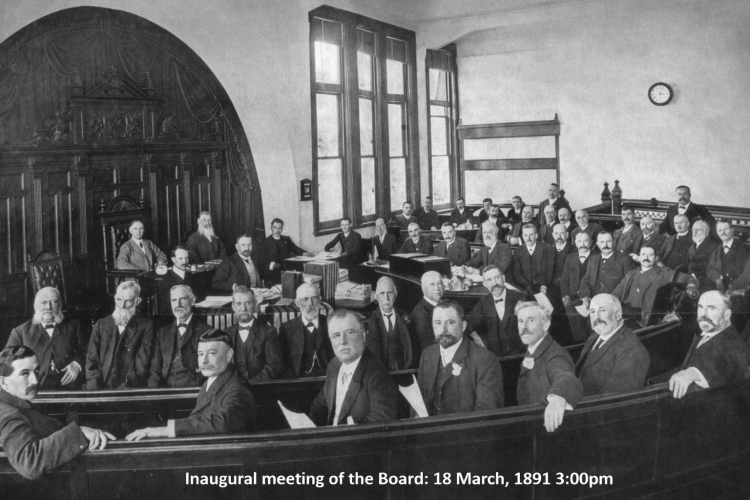
This Wednesday, 18 March at 3:00 pm, marks 135 years since the first official meeting of the Melbourne and Metropolitan Board of Works (MMBW) in 1891.
The idea of the MMBW was inspired by a similar body established in London 35 years earlier.
Water-borne diseases were killers in all major cities throughout the nineteenth century. There was shocking news about the outbreak of cholera in Britain in the late 1840s.
Such diseases were caused by a lack of clean drinking water, together with unhygienic wastewater and sewage disposal.
From its early establishment in 1836, Melbourne drew its water supply direct from the Yarra River. The Melbourne Town Council, which was established in 1842, took formal responsibility for water supply and sewerage.
But Melbourne grew rapidly after the 1851 gold rush and soon its water supplies became hazardous to public health.
The lack of sewerage was the most urgent need, but water supply was the pressing function due to Melbourne’s high per capital water usage.
All the night soil, trade waste, as well as waste from kitchens and homes was just thrown into open channels in the street and it simply flowed wherever gravity took it… mostly back into the Yarra. The problem got so bad that some British journalists unkindly described the City as “Smellbourne”.
In 1853 the colonial government established the Commissioners of Sewers & Water Supply to take control of water supply functions. The Commissioners built the Yan Yean water supply but resisted building the more difficult and costly sewers.
On 12 December 1859, the Board of Commissioners of Sewerage and Water Supply was dissolved and its powers and property vested in the Board of Lands and Works. Operationally, this responsibility was exercised by a branch of the Public Works Department known as the Melbourne Sewerage and Water Supply Department.
The new department initiated the expansion of the Yan Yean system north of the Great Dividing Range in the 1880s, harnessing the waters of Wallaby Creek and Silver Creek. The department was also responsible for building the Watts River Scheme later to be known as the Maroondah System commissioned in 1891.
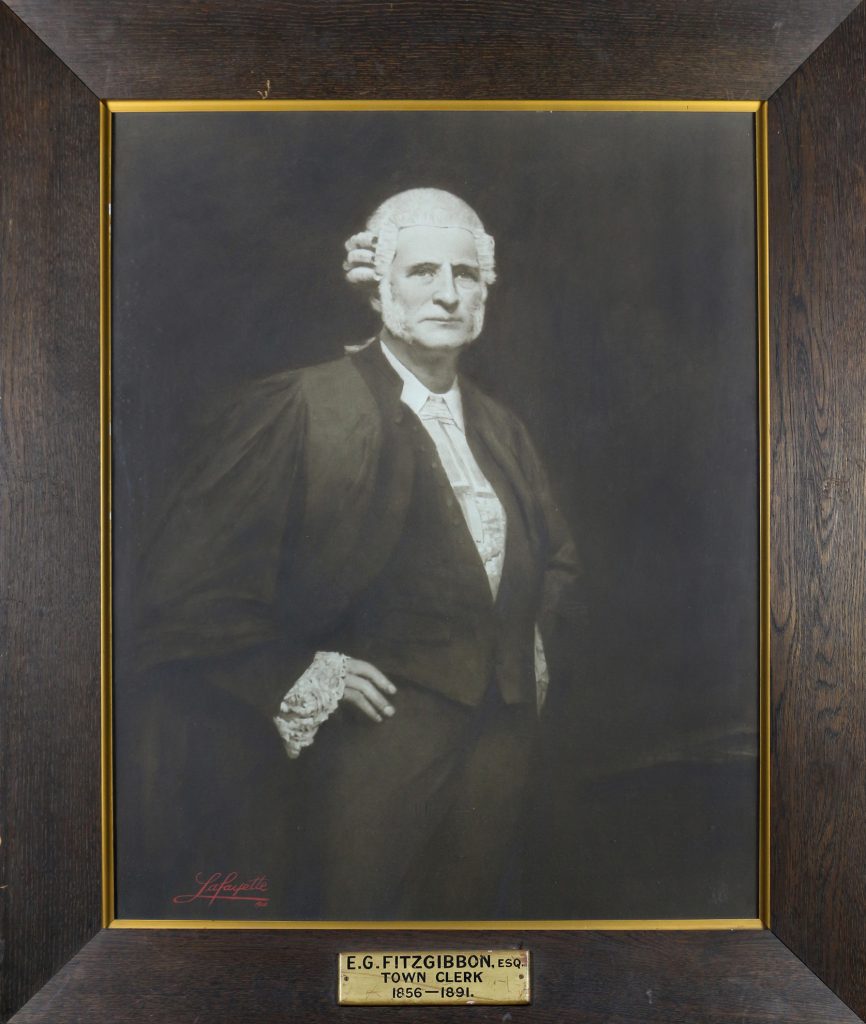
Meanwhile in the background from the mid-1860s, Edmund Gerald FitzGibbon, as the influential Town Clerk for the City of Melbourne, had been negotiating with governments and suburban councils to form a single body to build a sewerage scheme and control water supply. But the suburban councils resisted until he helped to obtain for them the most favourable terms possible.
In 1888 there was a Royal Commission into the Sanitary Health of Melbourne and one of its key recommendations of the was the formation the Melbourne and Metropolitan Board of Works. Undoubtedly, FitzGibbon played a major and influential role in the Commission’s proceedings.
The subsequent 1890 legislation established a Board of 39 unpaid Commissioners, all drawn from Melbourne and Metropolitan Councils, and Fitzgibbon was elected the MMBW’s first full-time Chairman.
The MMBW took responsibility for the ownership of all Melbourne metropolitan waterworks, sewers, drains, property, land, buildings, plant, riverbeds and banks except for those vested in the Melbourne Harbour Trust Commissioners, Victorian Railways Commissioners and the City of Melbourne.
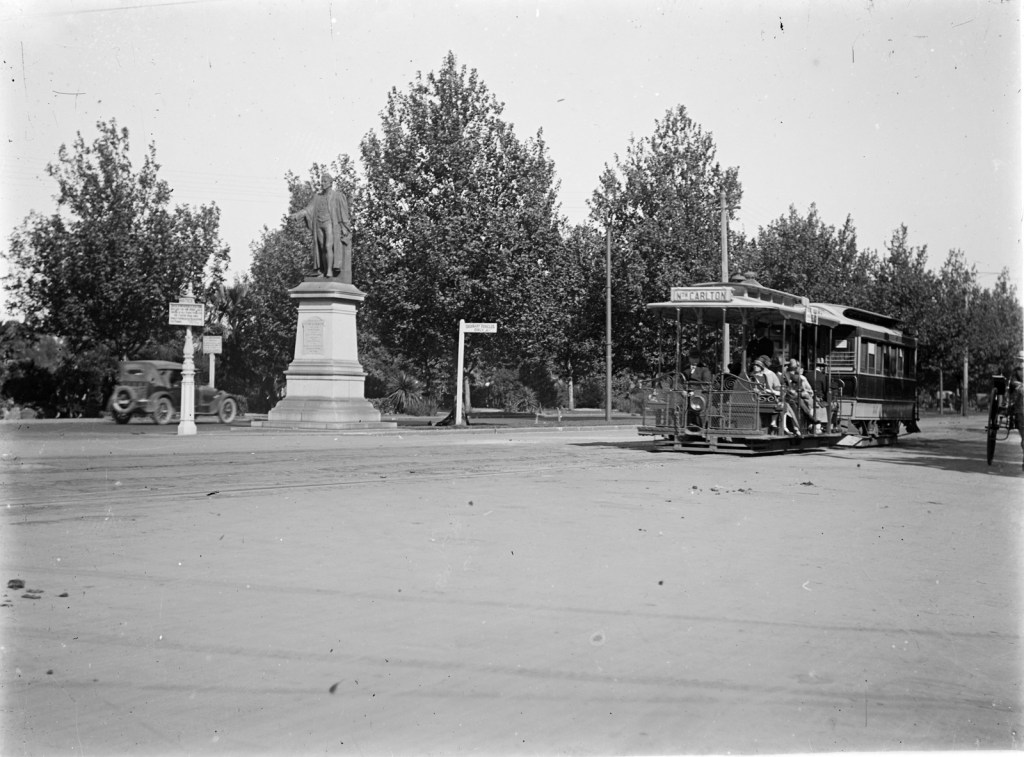
FitzGibbon remained in the role of Chairman for the next 14 years and raised the money to complete many major improvements to Melbourne’s sewage system and protection of its closed water catchments. There is an imposing statue in his honour in St Kilda Road near the Arts Centre.
It’s worth noting that over the following decades there were many professional disagreements between the MMBW and the Forests Commission over the management of forested water catchments, particularly the contentious matter of timber harvesting. But there always was, and still is, a very strong level of accord and cooperation at officer level on matters such as the protection of water, roads and tracks and fire protection.
Melbourne Water replaced the MMBW in a major restructure from 1991.
https://prov.vic.gov.au/archive/VA1007
https://adb.anu.edu.au/biography/fitzgibbon-edmund-gerald-3530
 Victoria’s Forests & Bushfire Heritage