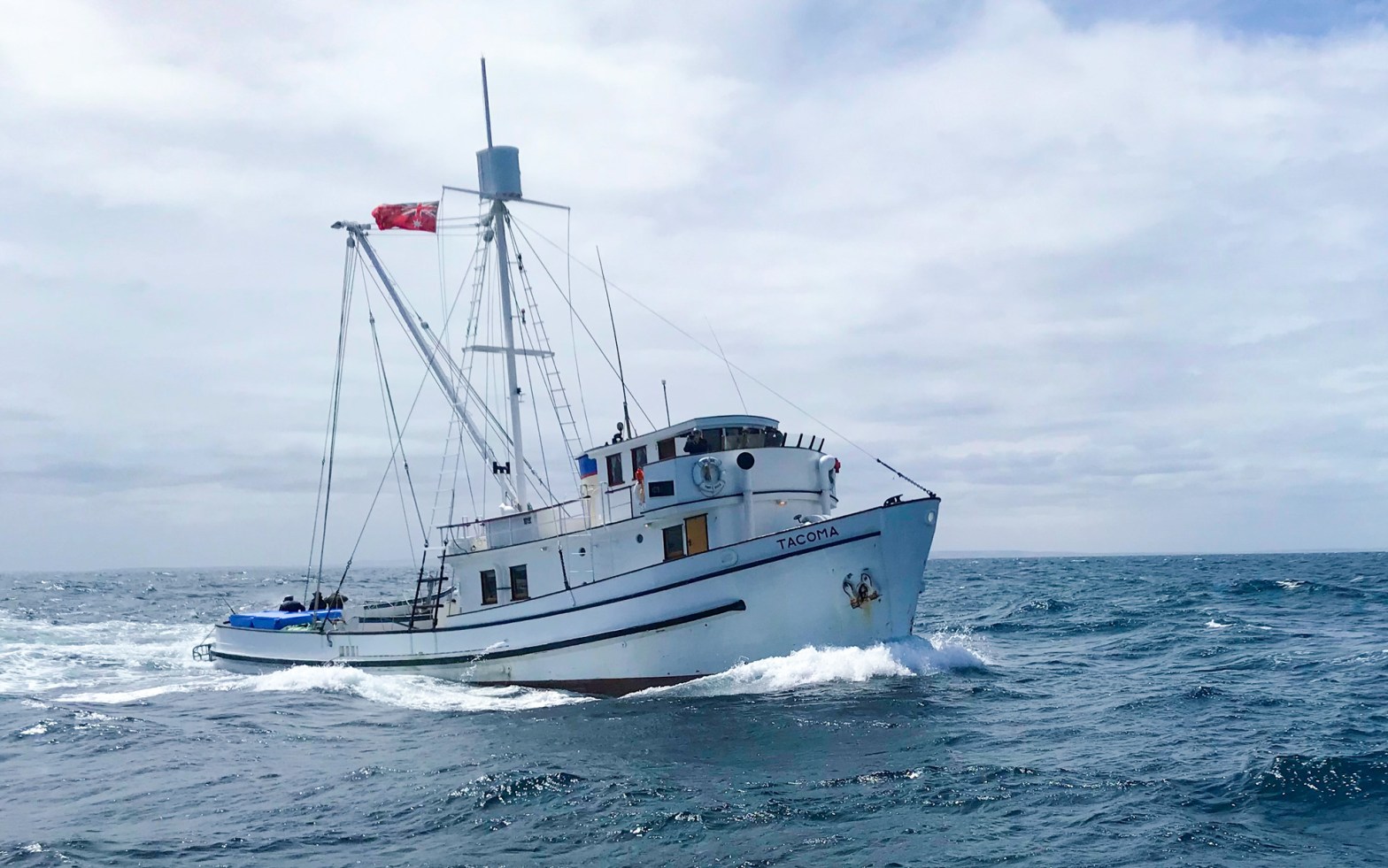
Firstly… I have a confession to make… I just love old wooden boats…
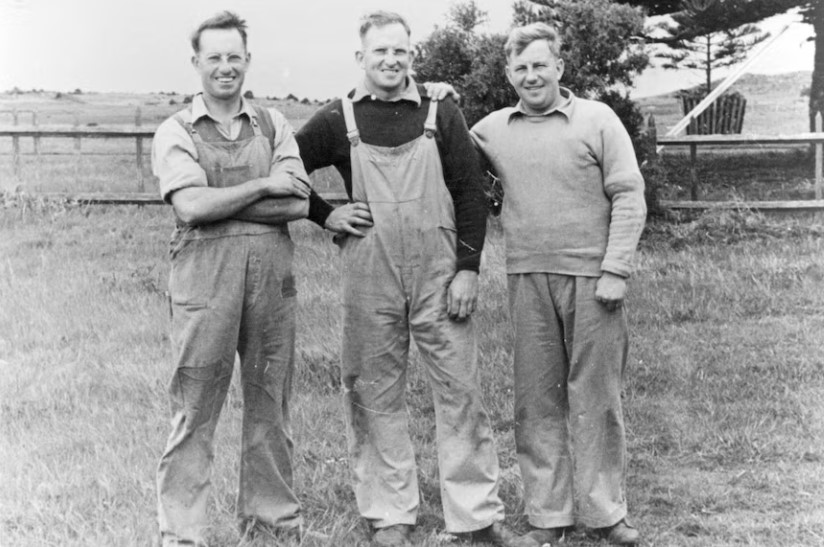
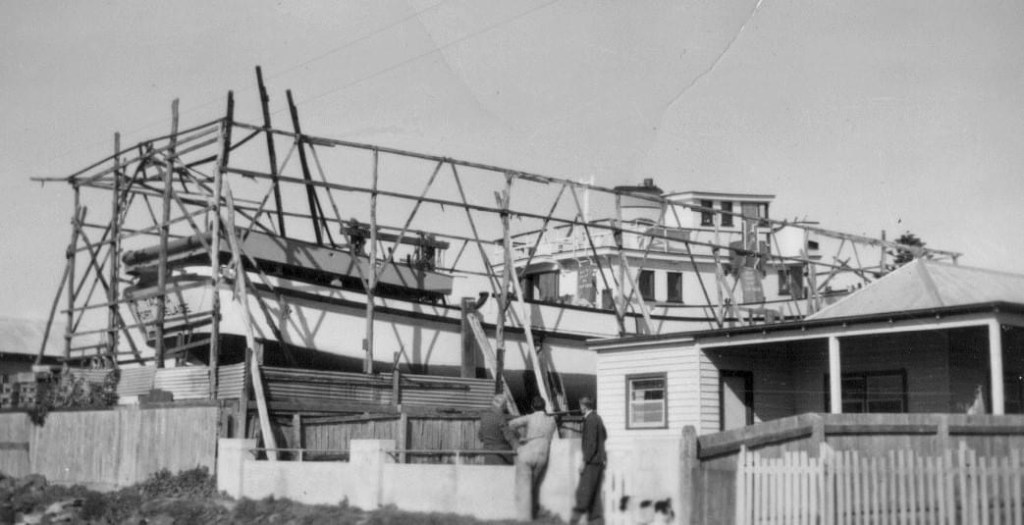
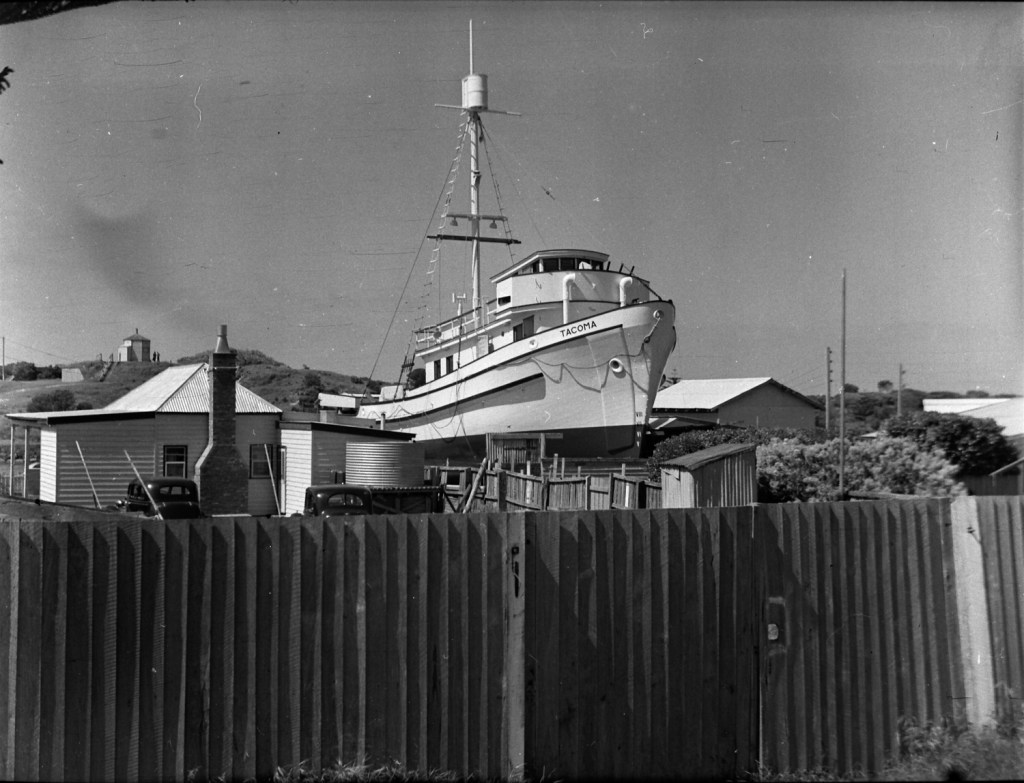
In 1944, the three Haldane brothers, Bill, Alan and Hughie, began building an 84-foot wooden clipper at Port Fairy in southwestern Victoria from plans provided by the Western Boat Building Company from Tacoma in Washington State, America.
The Haldane brothers had previously built smaller timber vessels for couta and shark fishing, but the Tacoma was destined for deeper waters on the edge of the continental shelf to catch tuna.
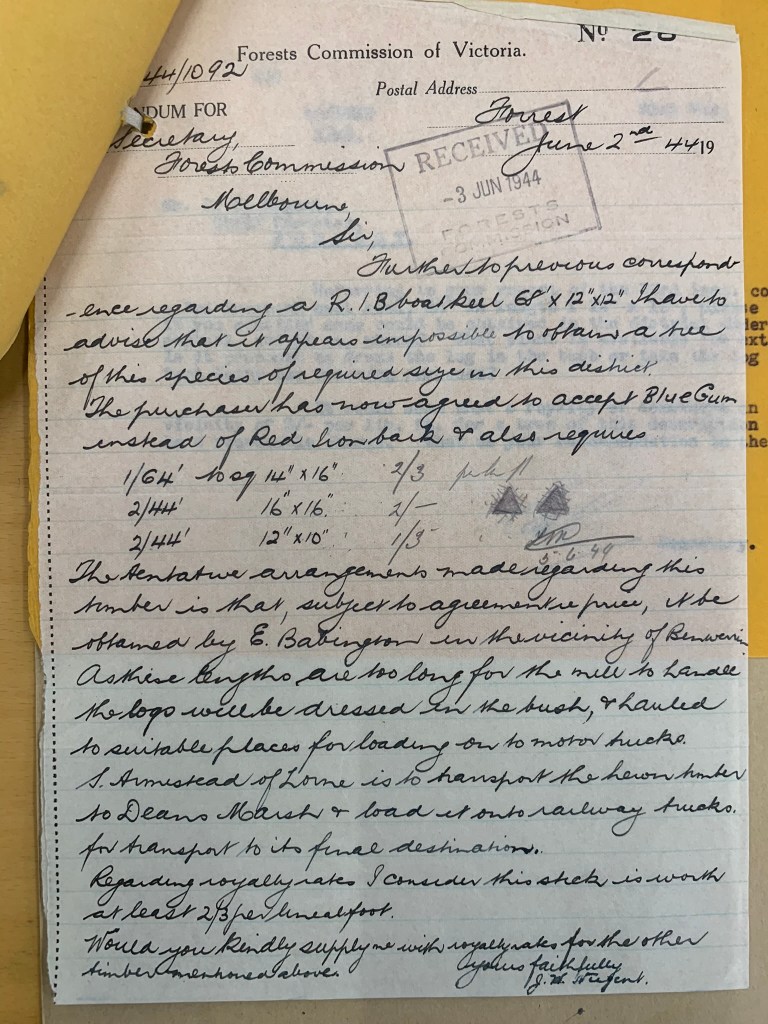
But first they had to source the keel which needed to be extremely long and durable, so the brothers approached John William Nugent, the FCV District Forester at Forrest in the nearby Otway Ranges.
They wanted a 68-foot-long red ironbark log (Eucalyptus sideroxylon) which could be squared into a 12-inch keel. They also wanted a 64-foot keelson and other structural timbers for ribs and deck beams.
The District Forester advised that such a big red ironbark wasn’t available but a blue gum (E. globulus) meeting their specifications for the keel could be found.
It was during the Second World War and there were severe shortages of experienced people working in the forest, but Edward Babington was employed to cut the blue gum logs from near Benwerrin.
The logs, weighing up to 8 tons, were too large for local sawmills to handle so they were rough dressed in the bush and hauled onto a landing before being loaded onto trucks. Arthur Armistead of Lorne transported the logs to the Deans Marsh railway station before they were dispatched to Port Fairy by train.
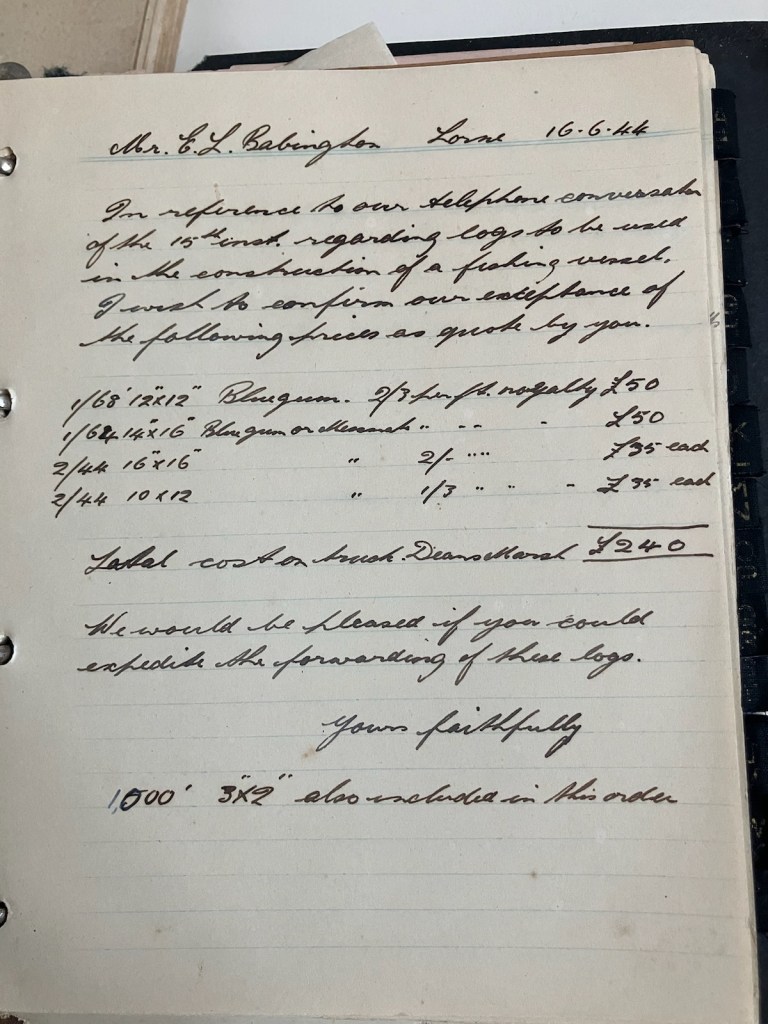
After the costs of harvesting and transport had been paid by the Haldane brothers, a Royalty was paid to the Forests Commission based on the size of the logs. The prices ranged from 1 shilling and threepence (13 cents) per lineal foot for the 44-foot-long logs, up to 2 shillings and three pence (23 cents) per lineal foot for the massive 68-foot-long keel log.
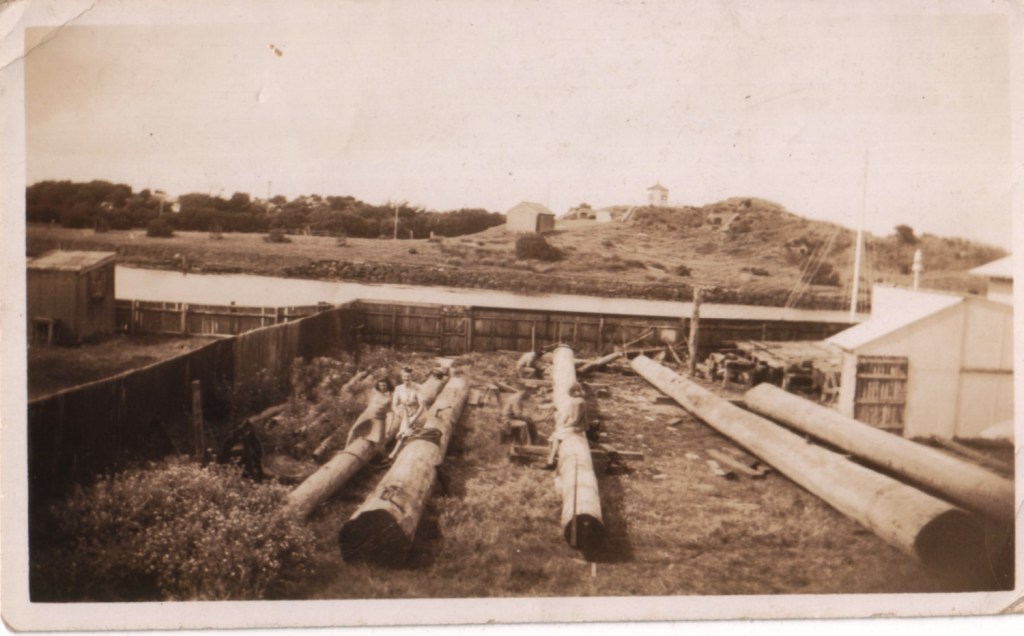
When the six logs finally arrived at Port Fairy on 8 September 1944 there were no cranes big enough to handle them, so the Haldane brothers constructed lifting frames with ropes and pulley blocks as well as timber jinkers to transport them.
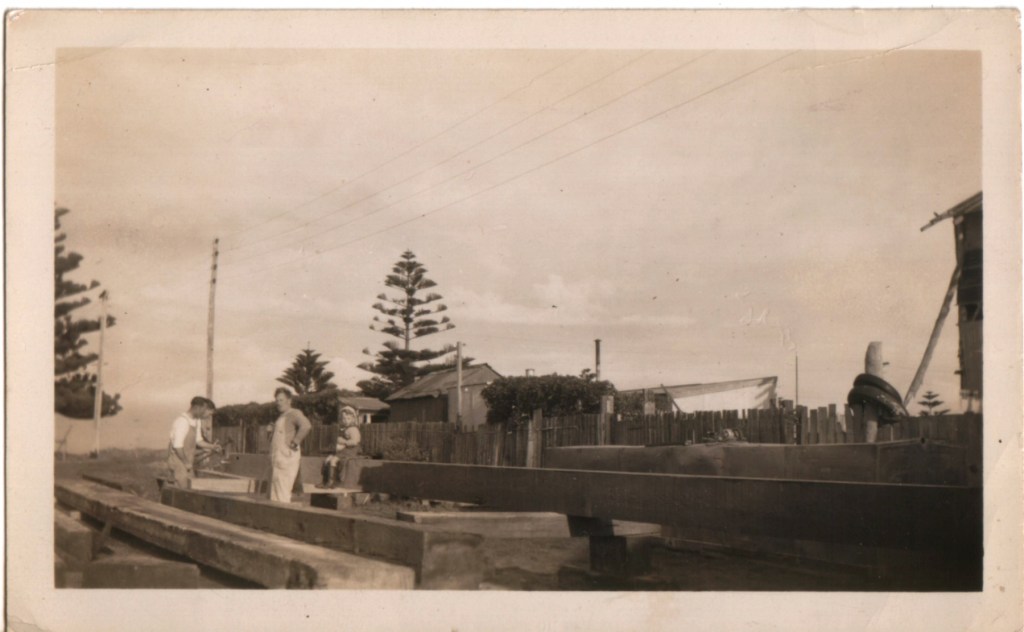
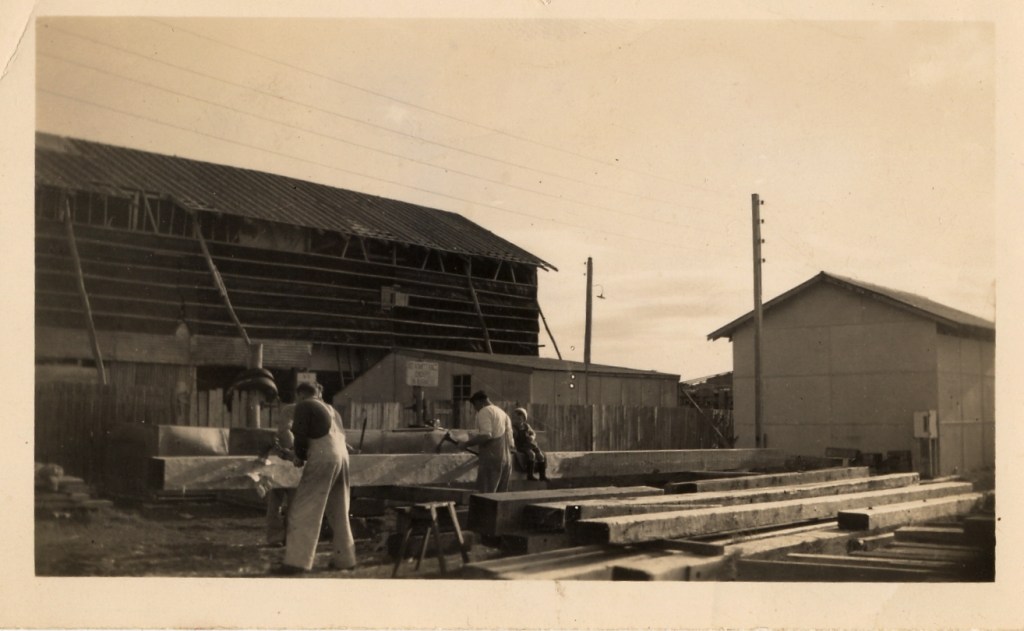
The brothers then man-handled the logs onto their vacant house block on the banks of the Moyne River, where the boat was to be built, and set about squaring and shaping them with an adze, a broad axe and a crosscut saw.
The keel was laid in 1945 which is a very significant occasion for every vessel. There are many ancient traditions such as placing a newly minted coin under the keel and then constructing the boat over it which is said to bring good luck during construction and to the captain and crew during her later life.
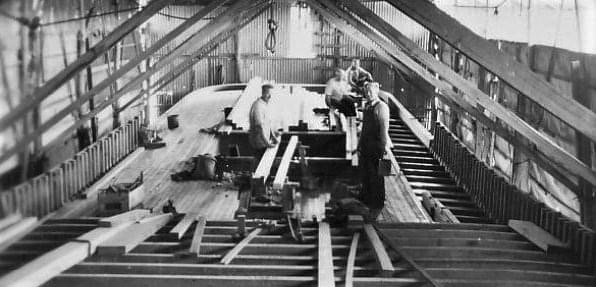
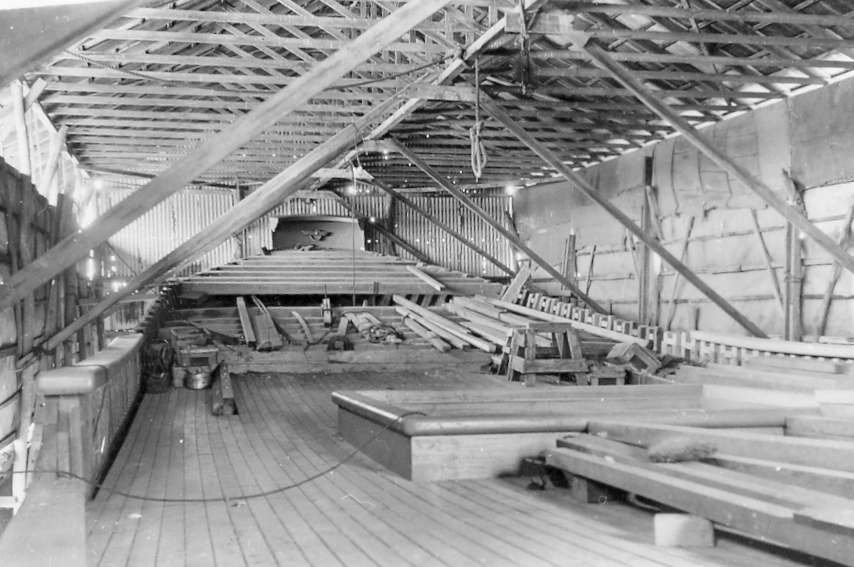
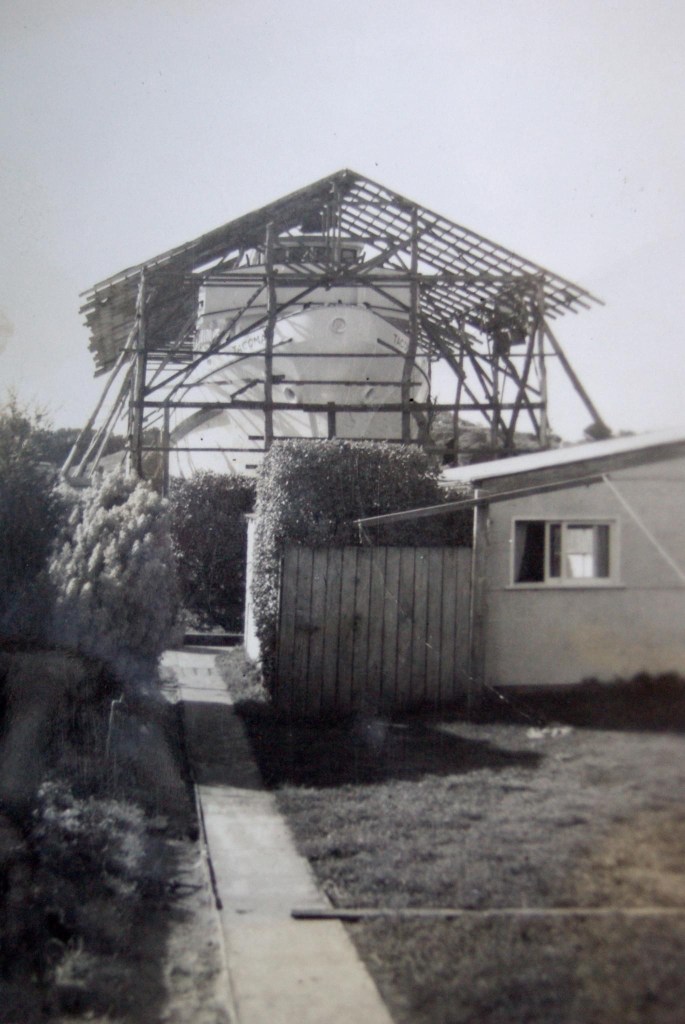
A scaffold covered with waterproof malthoid paper and canvas was erected to keep out the weather as the ship progressed. A long steaming tube was made to soften the timbers to bend them to the curve of the hull.
The ribs were made from red ironbark from Kennett River, the underwater planking of Jarrah from Western Australia, the above water planning from Douglas fir (Oregon), the beams from Otways blue gum, while the decking and mast boom were also made from Douglas fir. Spotted gum from NSW was also used. The wheelhouse and living quarters were lined Queensland maple and silky oak from NSW.
Many of the boat fittings had to be cast in a foundry to the specifications from the plans. The 240 hp diesel motor weighed 19-tons and was too heavy to lift so it was pulled to pieces, and put in, a bit at a time.
But in 1948, after nearly four years of toil, and just as the Tacoma was getting closer to being launched, the brothers ran out of money, and they were unable to get additional funding in Victoria. The South Australian government came to their rescue and provided a £20,000 loan to finish the boat on the proviso it moved interstate and was used to develop the fishing industry.
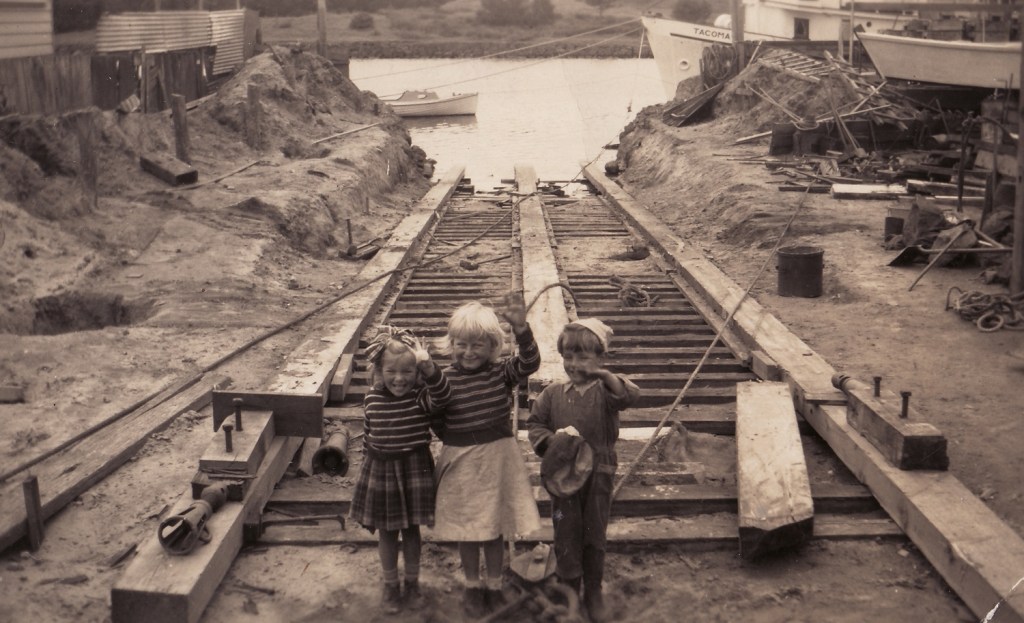
Finally, in mid-1951, the 120-ton Tacoma emerged from its shed. It then took another two months to dig over 130 tons of soil by hand to lower the vessel ready for launching. Tallow from the local butcher was used to grease the slipway.
It had been seven years since the blue gum logs had arrived at Port Fairy, and on a rising tide at 3:30 am on 5 November 1951, the Tacoma slid quietly into the Moyne River.
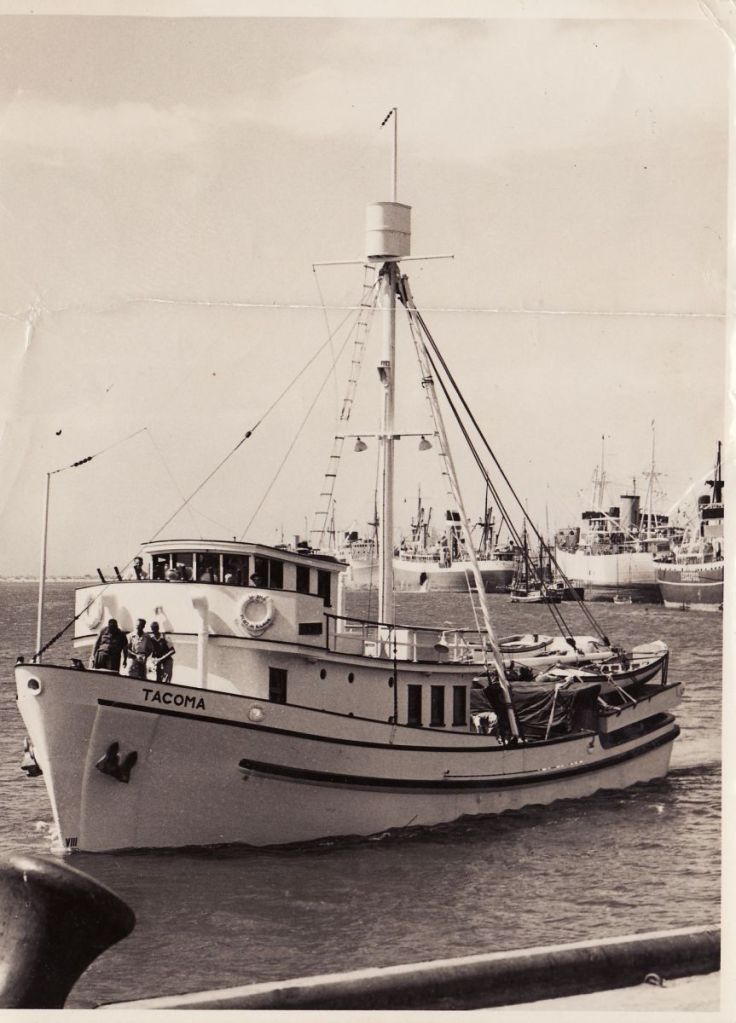
After some initial sea trials, the Tacoma sailed for her new home at Port Lincoln on Sunday 6 January 1952. On board for its maiden voyage, with all their worldly goods, were the three Haldane brothers and their entire families, plus the Bellamy twins, Keith and Jack, who had helped with the construction from the beginning, as well as the cook; all-in-all a total of nine adults, ten children, one watchdog and two cats.
The Tacoma became the pioneer of the South Australian tuna fishery, and later from 1968 she operated as a prawn trawler. These developments directly led to Port Lincoln becoming one of the largest and economically most important fishing ports in Australia.
After more than 50 years as a working boat at Port Lincoln the historic vessel was gifted in 2008 by the Haldane family to the Tacoma Preservation Society along with a cash donation of $100,000 and is now used for education, tours and cruises.
BTW – MVF means Motor Fishing Vessel.
Peter Evans (2024). Blue gum for a blue water fishery. AFHS
https://www.foresthistory.org.au/wp-content/uploads/2024/04/AFHS-2024-04-no.-91.pdf






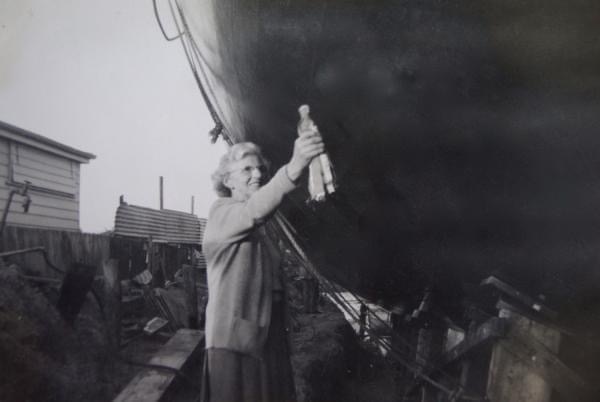
5 November 1951, Mrs Rebecca Haldane broke a
ribbon-wrapped bottle filled with Port Lincoln (SA)
seawater on the vessel.


 Victoria’s Forests & Bushfire Heritage
Hi Peter, do you go to the Wooden Bo
LikeLiked by 1 person
yes. The wooden boat festival is on again next year.
LikeLike