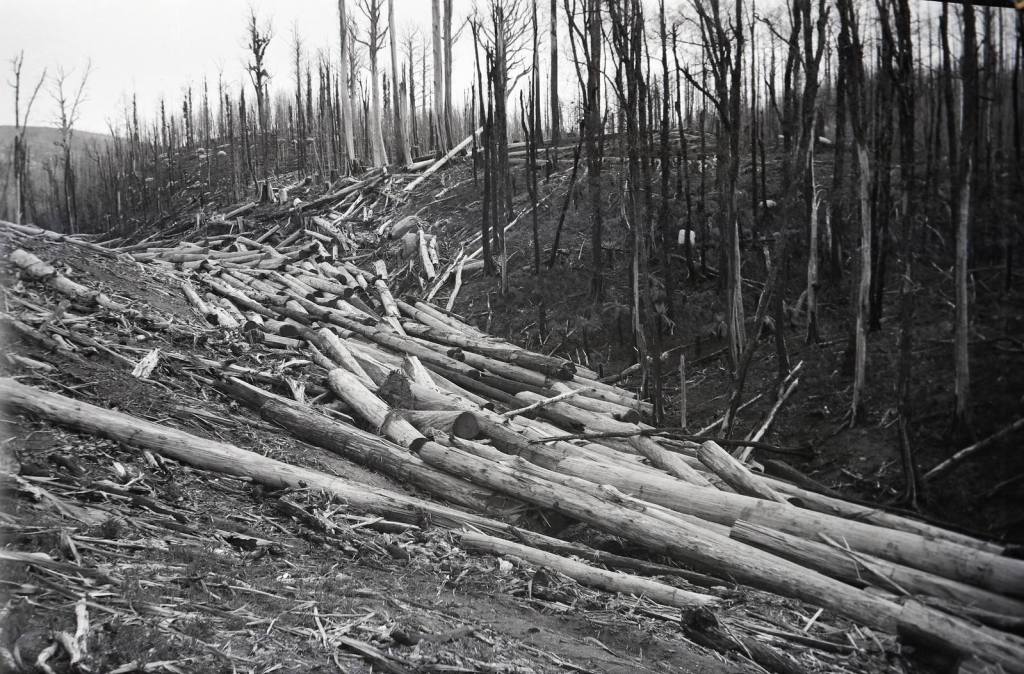
The firestorm tore trees from the ground and scattered them like matchsticks across the landscape.
The devastation of the 1939 bushfires was unprecedented. Several towns were entirely obliterated leaving 71 people dead including four FCV staff, 69 sawmills were lost and over 3700 buildings destroyed.
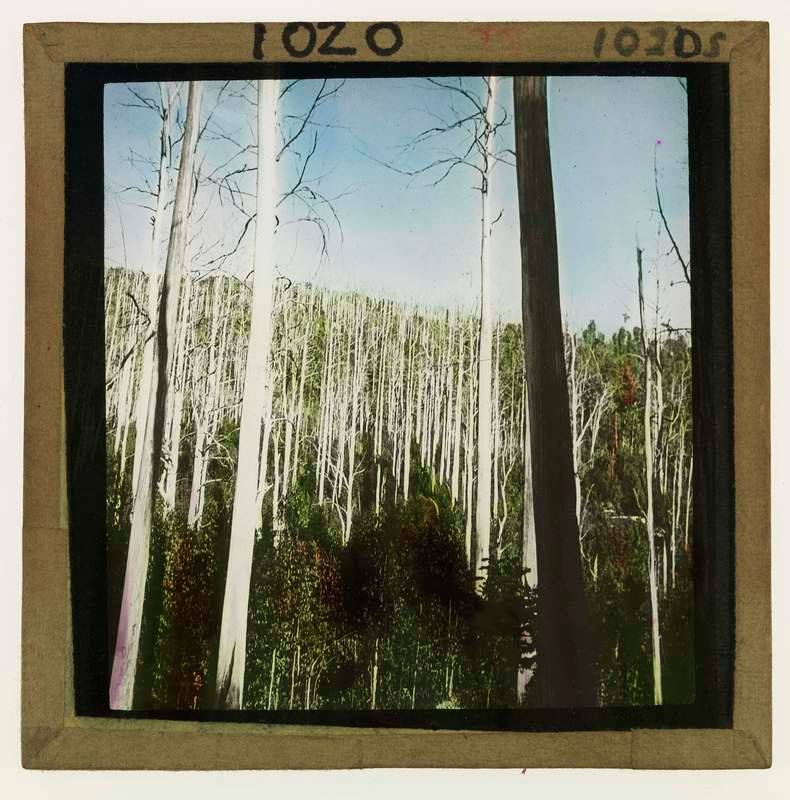
Nearly two million hectares of Victoria’s State forests were burned. The intense bushfire killed vast swathes of mountain ash, alpine ash and shining gum, some for the second time since 1926 and 1932.
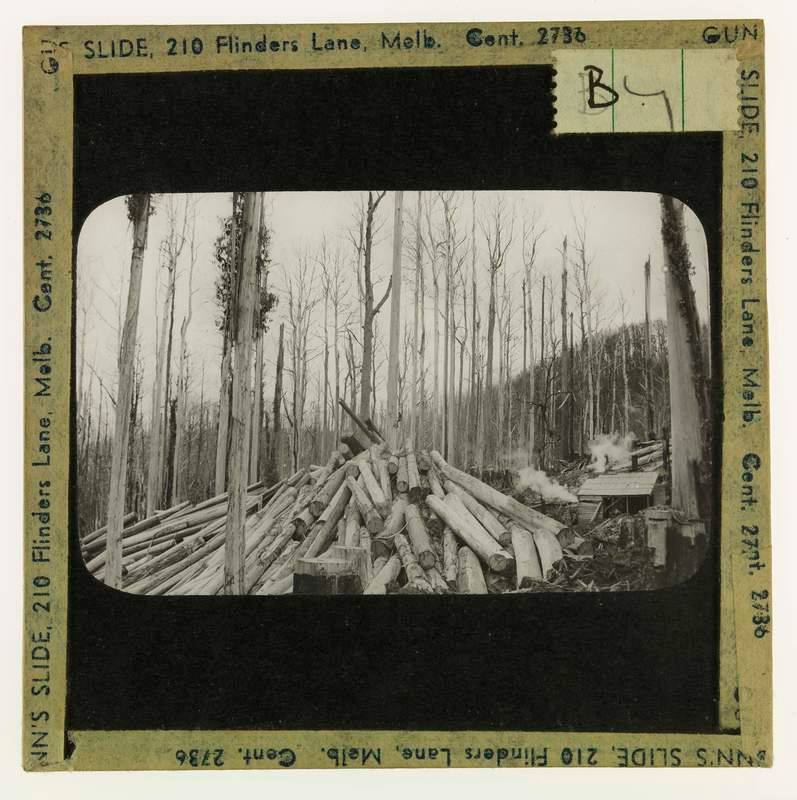
Salvage of the fire-killed trees became an urgent and overriding task for the Forests Commission. It was estimated that over 6 million cubic metres needed to be harvested, and quickly, before the dead trees split and the valuable timber deteriorated.
New roads and bridges were hastily constructed, sawmills and timber tramways rebuilt. A massive job made more difficult by labour shortages caused by the War and a bleak winter of 1939.
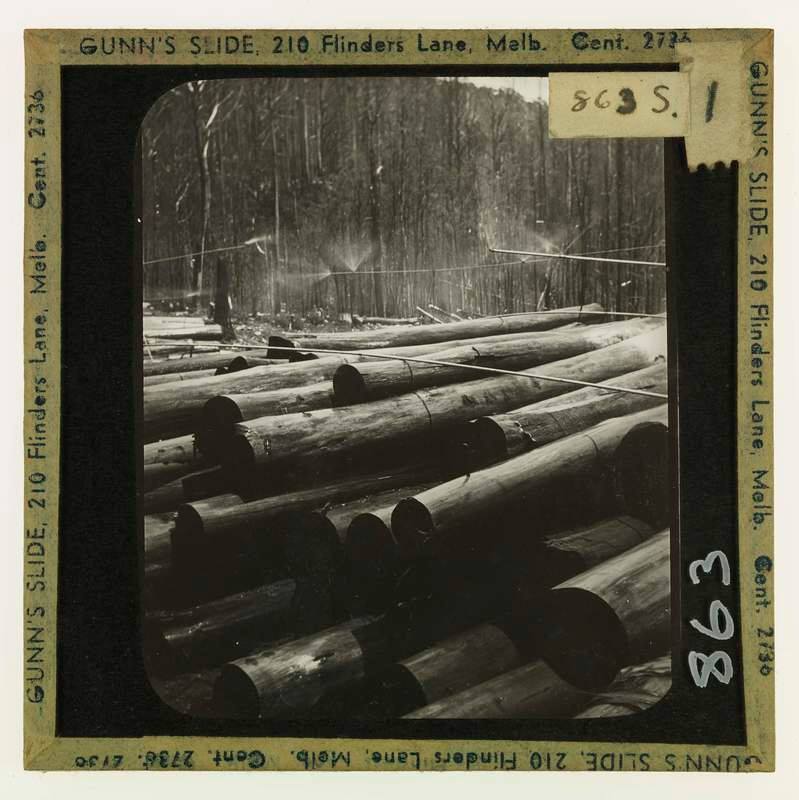
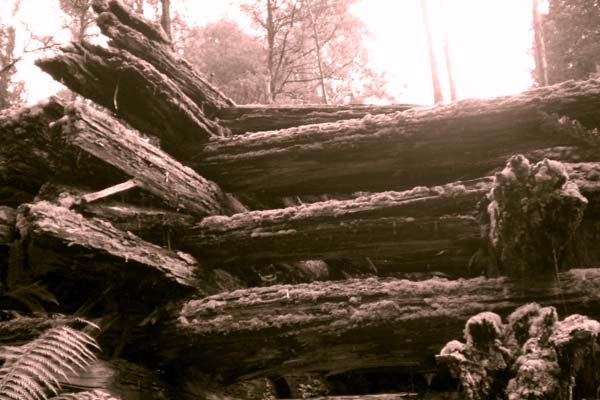
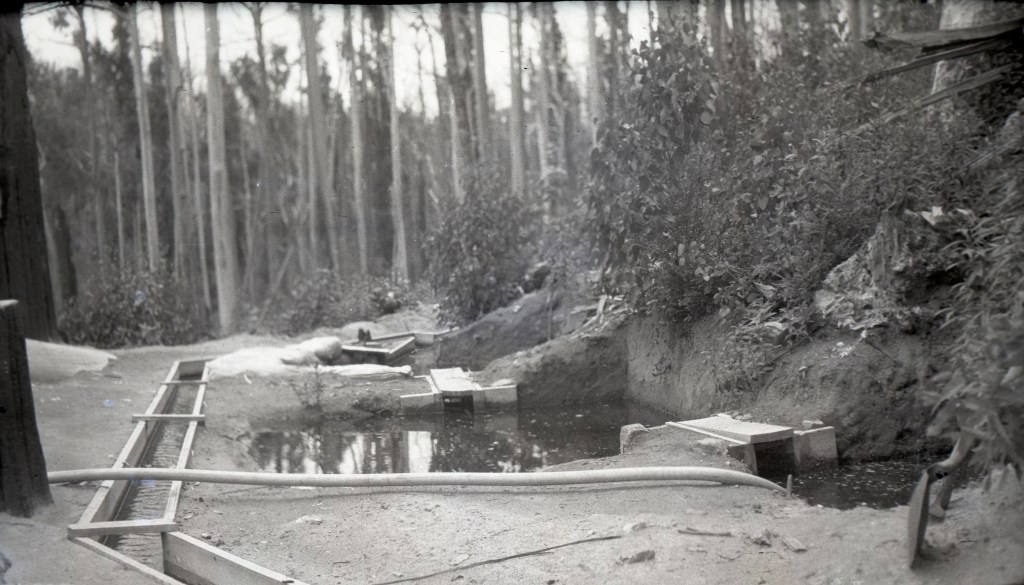
There was so much timber that many of the logs were stockpiled into huge dumps along creek beds and covered with soil and tree ferns or wetted down with sprinklers to stop them from cracking. Some logs were recovered as many as fifteen years later.
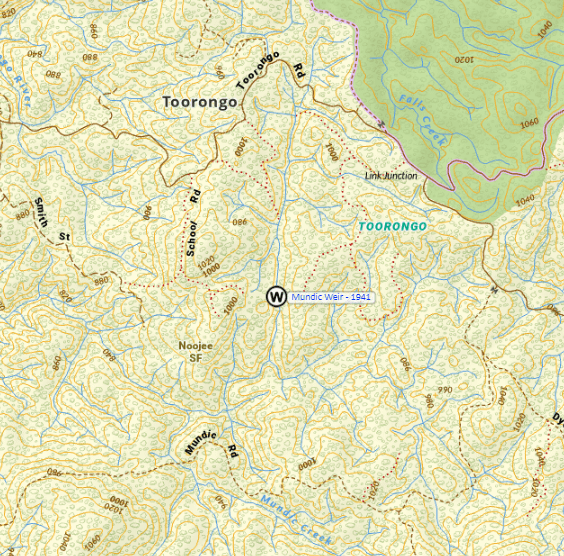
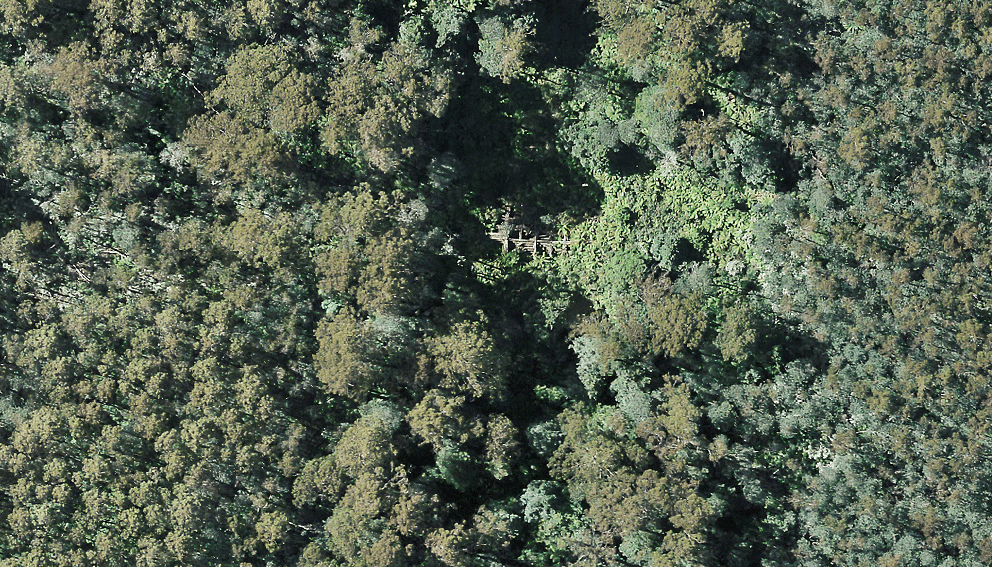
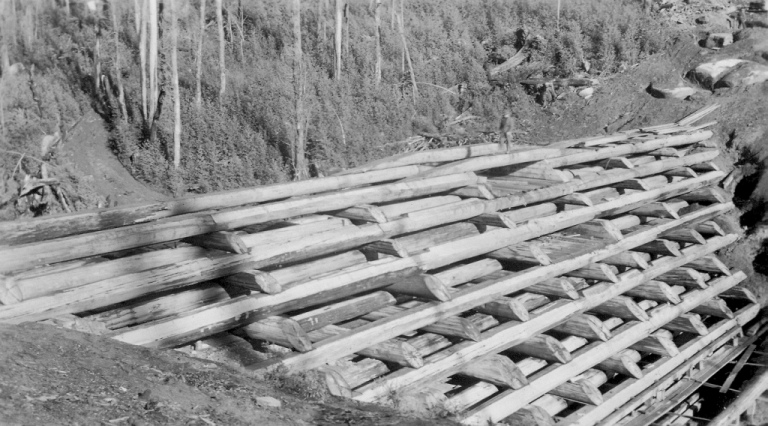
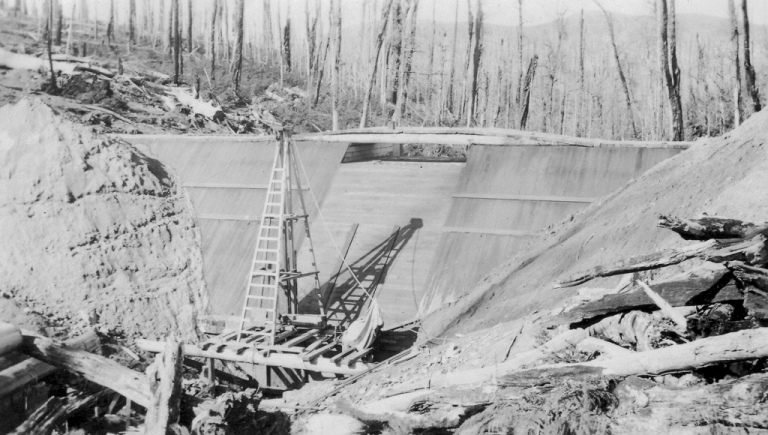
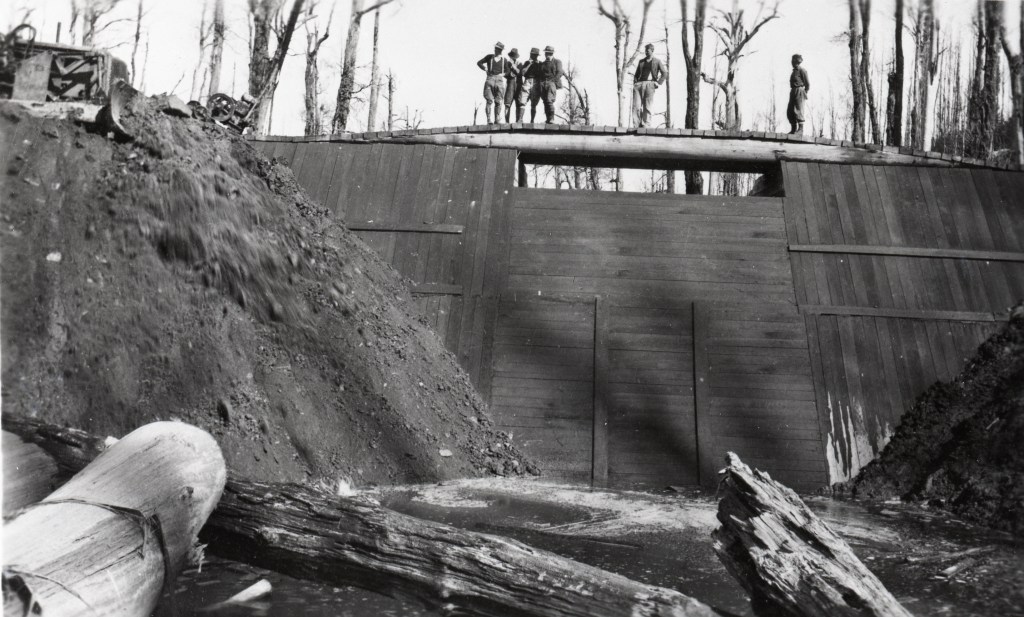
Mundic Wier was hurriedly built in 1941 of logs and earth on the Toorongo Plateau north of Noojee by Forests Commission engineer, Phillip Avery. The dam was a massive crib-log construction, with the upstream side faced with heavy planking. However, not long after its completion, a violent storm on the Toorongo Plateau filled Mundic Creek to overflowing; the planking failed and the dam burst. It was not repaired and, consequently, the dump remained only partially submerged.
Photos: FCRPA and Melb Uni Collections.





 Victoria’s Forests & Bushfire Heritage