Timber bridges demonstrate the fundamental significance that State forests played in the rapid development of the new colony of Victoria after the gold rush of 1851.
Two Acts of Parliament passed in December 1880 and December 1884, authorised the construction of 89 new railway lines, more than doubling Victoria’s network to over 2,900 miles by 1892.
The legislation became famously known as the “Octopus Acts” in reference to the tentacle like web of tracks created. The period was characterised by blatant political interference in railway planning with parliamentarians shamelessly lobbying to have railways built through their own electorates or even to serve land developments in which they had a direct financial interest.
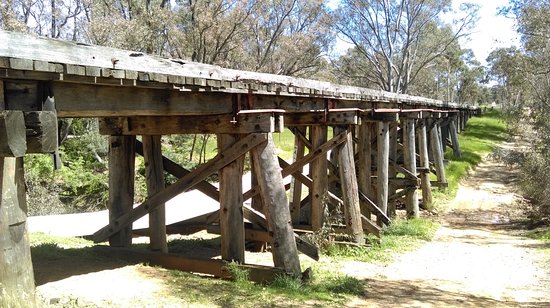
From the early 1870s the Victorian Railways maintained a policy of building all new bridges from timber to reduce costs, except in special circumstances which required the use of more permanent materials like brick, steel and concrete.
Although cheaper to construct, the timber bridges required more frequent and expensive on-going maintenance. Most of the elements such as sleepers, girders, cross beams, piles etc would have been progressively replaced with locally sourced hardwoods.
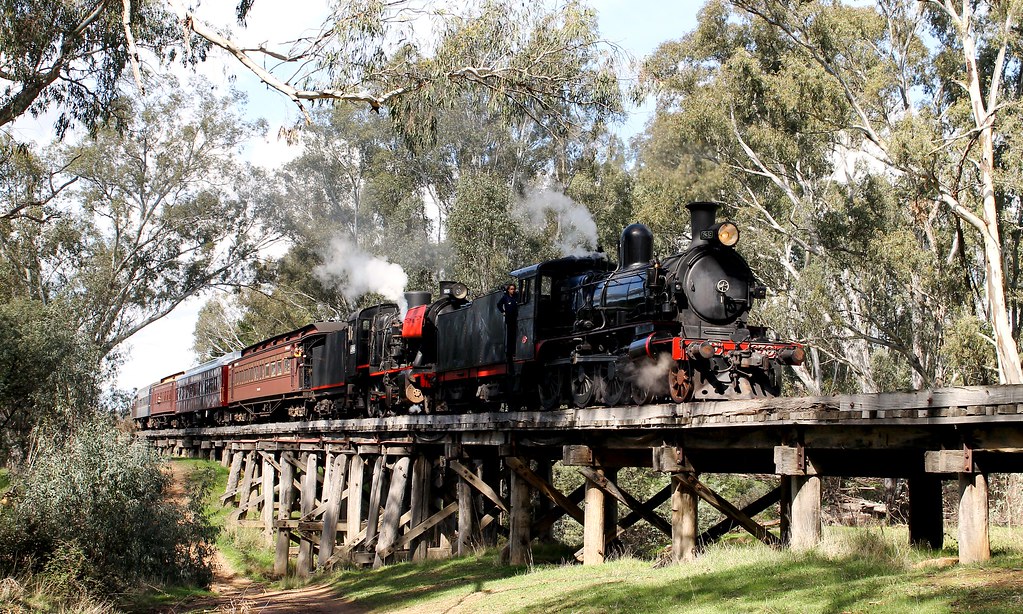
Over 2000 wooden bridges were built on the railway network but most of these lines are now closed. The bridges then fell victim to decay, neglect, floods and bushfires, but a few operational bridges remain, mostly on heritage railways like Puffing Billy.
In December 1976, the Maldon line was closed by the Victorian Railways, but the Castlemaine and Maldon Railway Preservation Society was quickly formed, and ten years later reopened the line from Maldon station to the Bendigo Road level crossing.
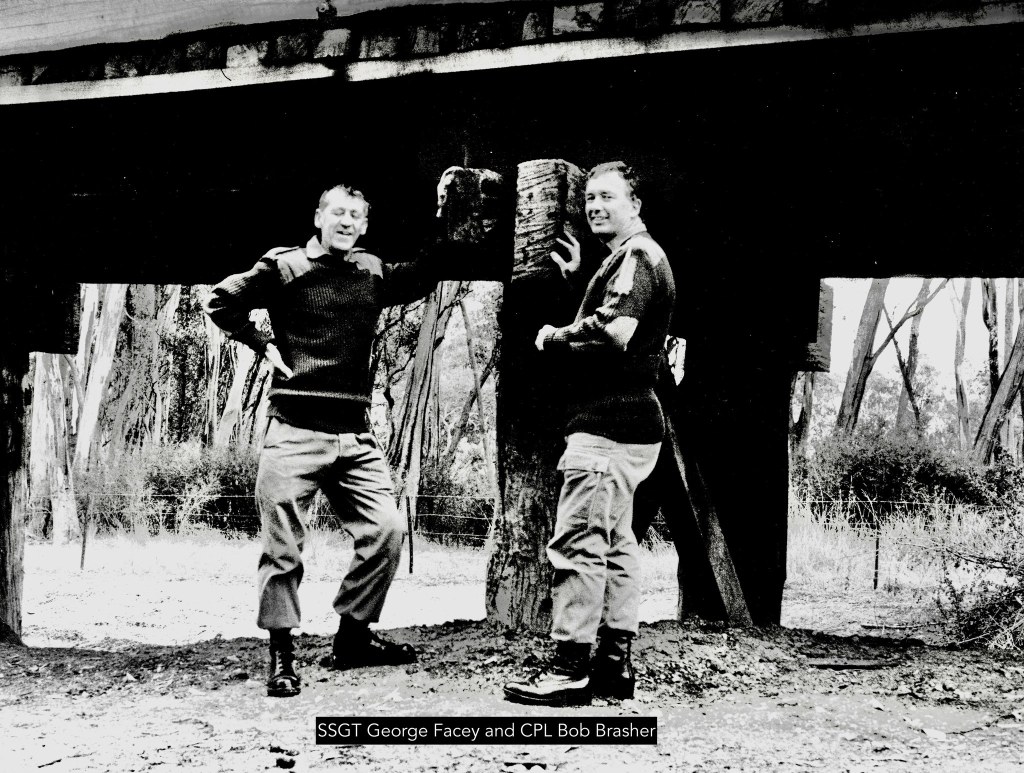
The six surviving wooden bridges on the Goldfields Railway are historically, scientifically and aesthetically significant and are listed on the National Trust database at the state level.
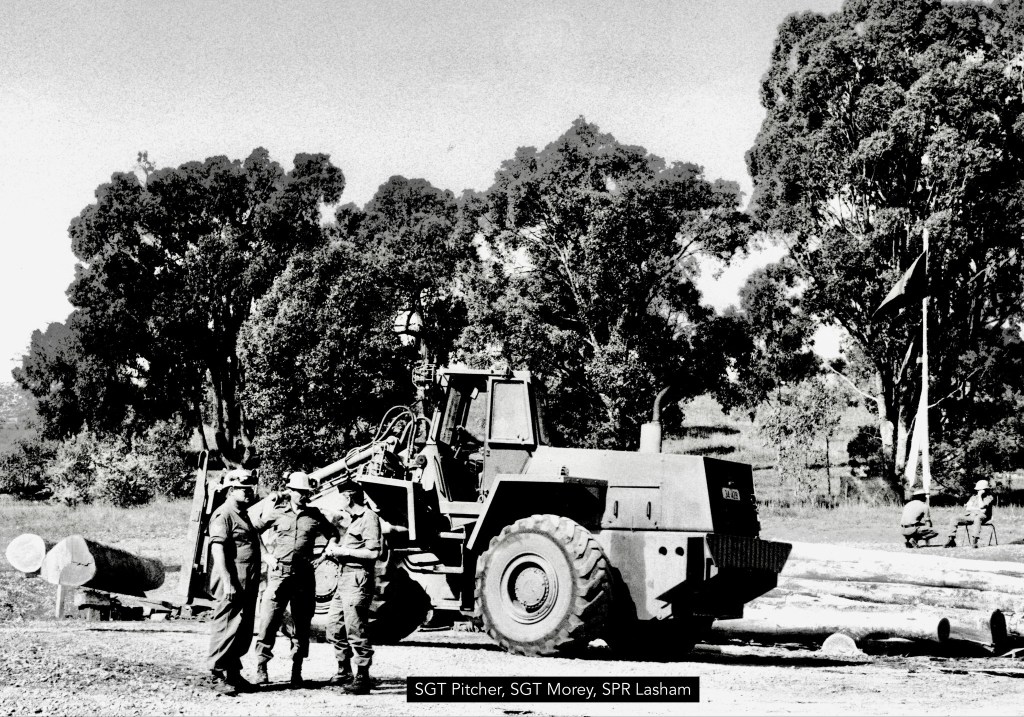
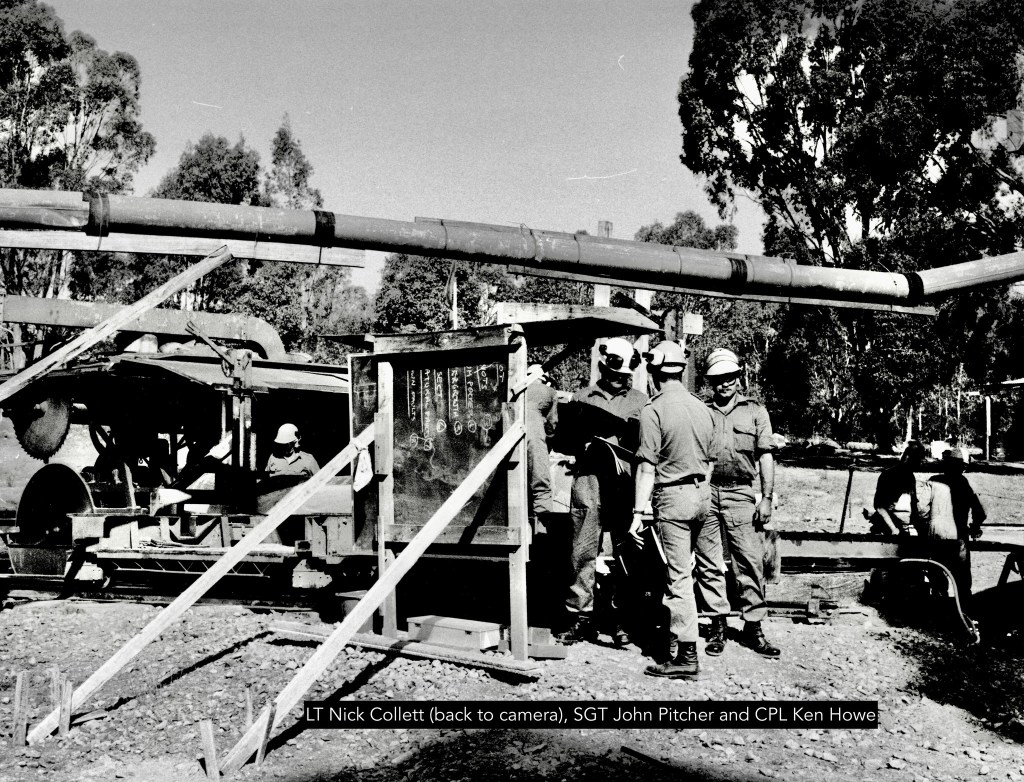
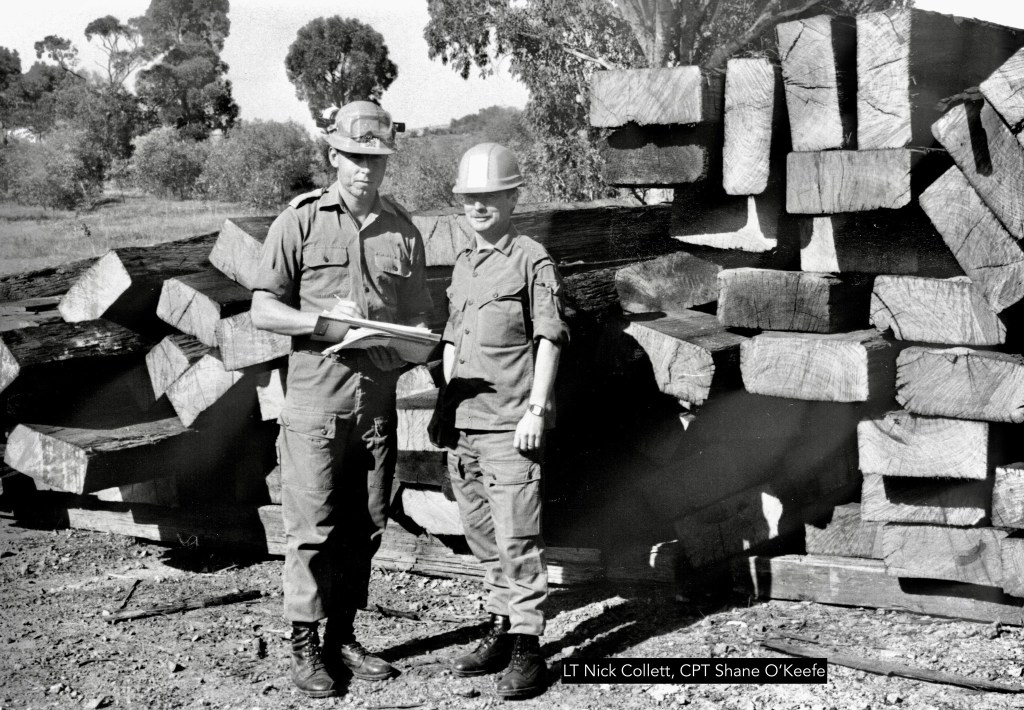
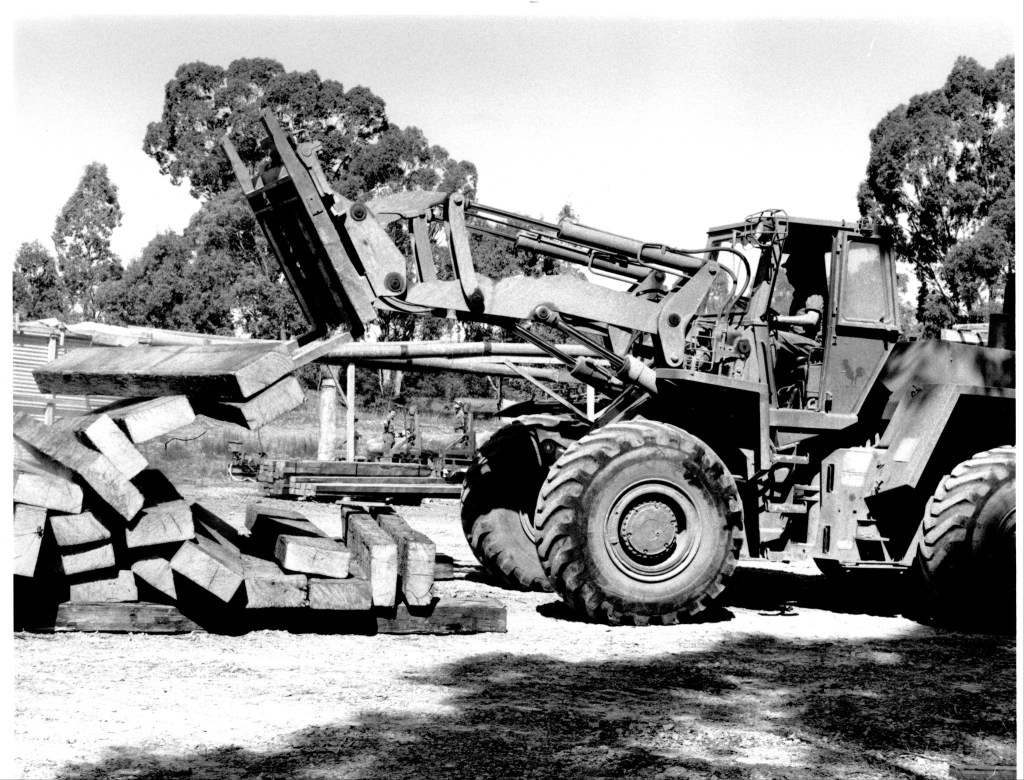
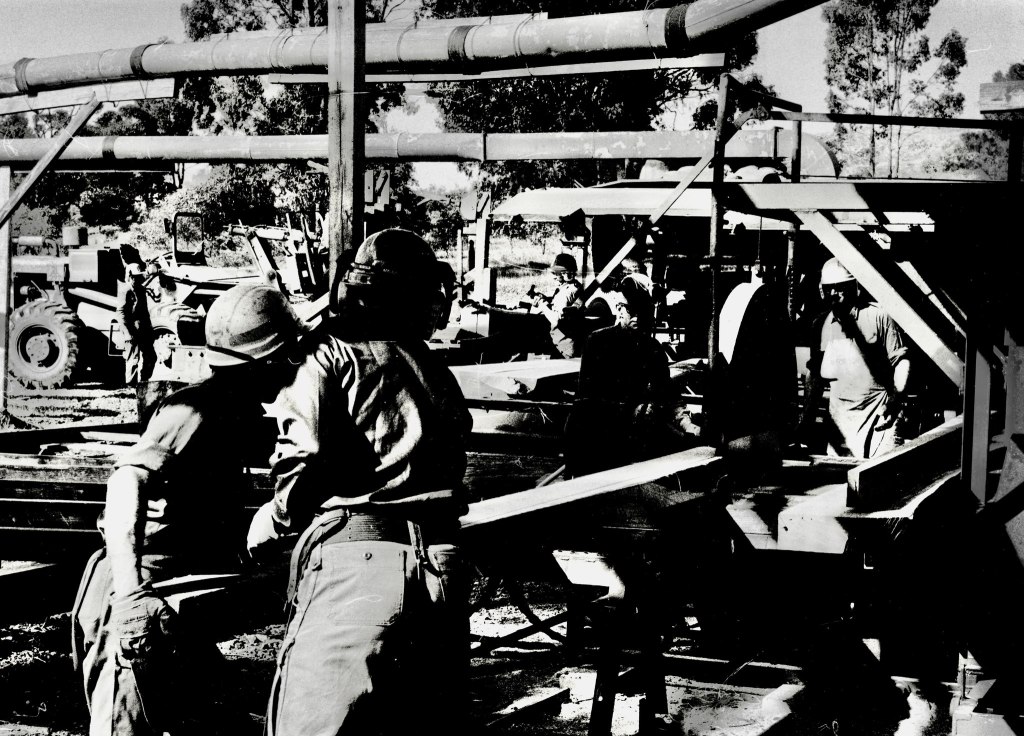
The Muckleford Creek bridge was originally constructed in 1889 and as part of the railway restoration works, the Army Reserve’s 91 Forestry Squadron (The Woodpeckers) milled structural timbers during their annual camp at Puckapunyal in October 1989 using their 60-inch sawmill. The large logs were sourced from State forest.
The Woodpeckers were then invited as special guests at an open day hosted by the railway preservation society on 19 May 1990.
But maintaining access to large dimension and specialty timbers from State forests for these types of community projects is currently under a cloud.
Photos courtesy of the RAE collection PV521. https://raevictoria.com/
http://vhd.heritage.vic.gov.au/search/nattrust_result_detail/69245






 Victoria’s Forests & Bushfire Heritage